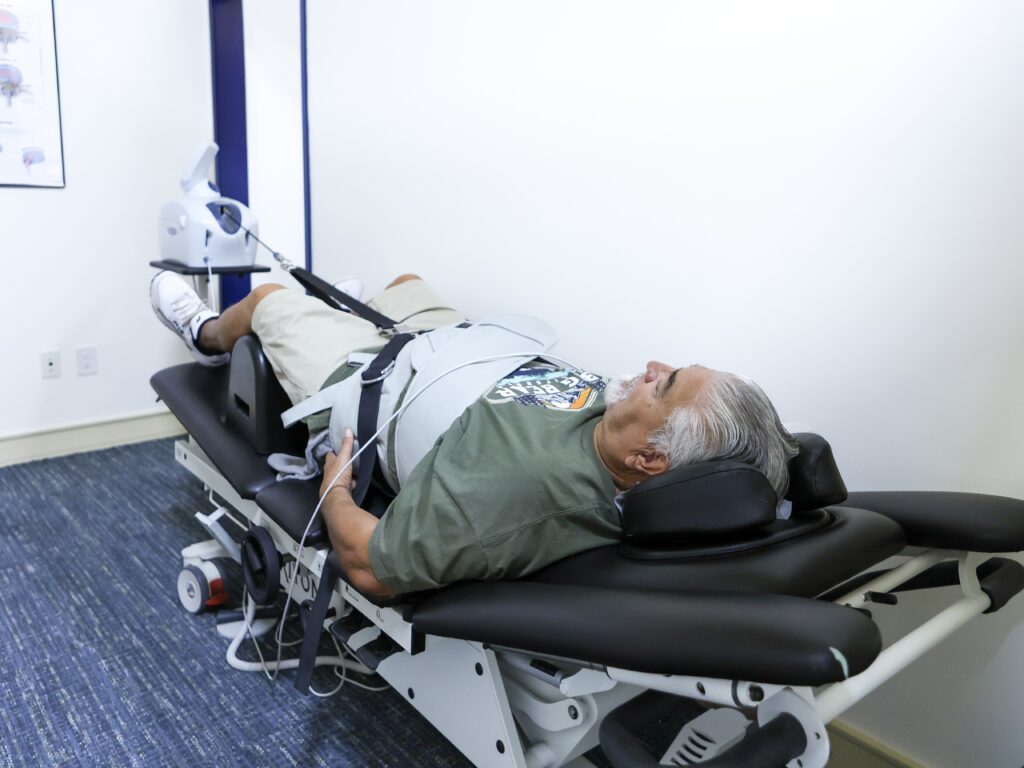

If you’re struggling with migraines, it’s essential to explore holistic approaches that nurture both your body and mind. Understanding your triggers and incorporating lifestyle changes can significantly reduce the frequency and intensity of your pain. One of the most effective ways to achieve this is through chiropractic care, which focuses on spinal health and natural healing.
Chiropractic adjustments can help alleviate tension and misalignments in the spine that may be contributing to your migraines. By restoring proper function to your nervous system, chiropractic care can enhance your overall well-being and promote a natural, drug-free path to pain relief.
In addition to chiropractic adjustments, consider these general tips to create a balanced plan that works for you:
- Stay Hydrated: Dehydration can trigger migraines, so ensure you’re drinking enough water throughout the day.
- Maintain a Healthy Diet: Focus on whole, nutrient-dense foods. Certain foods can act as triggers, so keeping a food diary may help you identify and avoid them.
- Manage Stress: Incorporate relaxation techniques such as deep breathing, meditation, or yoga into your routine. These practices can help reduce tension and lower your risk of migraines.
- Establish a Sleep Routine: Aim for consistent sleep patterns by going to bed and waking up at the same time each day. Quality sleep is crucial for preventing migraines.
- Regular Exercise: Engaging in regular physical activity can reduce stress and improve your overall health, which may help in managing migraines.
By focusing on these holistic approaches and integrating chiropractic care into your wellness routine, you can pave the way for a healthier, migraine-free life. Remember, taking steps toward a balanced lifestyle is key to achieving optimal health, and chiropractic care is here to support you on that journey.
Key Takeaways
- Start by identifying and tracking your personal migraine triggers using a journal. This can help you manage environmental and dietary factors effectively, paving the way for a healthier lifestyle. By knowing what to avoid, you can make informed decisions that support your overall wellness.
- Maintaining a regular sleep schedule and balanced meals is crucial. This helps stabilize your blood sugar levels, which can significantly reduce your risk of experiencing migraines. Consistency in your daily routine can make a big difference in how your body feels.
- Stress is a known contributor to migraines, so incorporating relaxation techniques into your daily life can be very beneficial. Mindfulness meditation and deep breathing exercises can help alleviate tension and promote a sense of calm, which is essential for your overall health.
- Consider exploring complementary therapies, including chiropractic care. Chiropractic adjustments can help align your spine, improve your nervous system function, and provide natural relief from migraines. Many patients find significant benefits from regular chiropractic visits as part of their holistic approach to health.
- Essential oils, such as lavender and peppermint, can also be helpful. Utilizing these oils for topical soothing and tension relief during migraine episodes can enhance your comfort. However, combining this with chiropractic care is the best way to address the underlying issues contributing to your migraines.
By adopting these holistic approaches and prioritizing chiropractic care, you can work towards conquering migraines and achieving optimal health naturally.
Understanding the Root Causes of Migraines
Understanding the Root Causes of Migraines
Many people deal with migraines, and it can sometimes feel overwhelming to understand what causes them. Triggers can vary from person to person, but being aware of your individual triggers is an important step towards relief. Common culprits include stress, hormonal changes, and sleep disturbances. Keeping a journal to track activities or environments that seem to lead to your migraines can be incredibly helpful.
Another factor to consider is genetics. If migraines are common in your family, you may be more prone to experiencing them as well. Environmental triggers, such as changes in the weather or exposure to strong smells, can also play a role.
Certain health conditions, like high blood pressure or digestive issues, might be linked to migraines, so it’s essential to pay attention to your overall health. This is where chiropractic care can make a significant difference. By focusing on spinal health and alignment, chiropractic adjustments can help alleviate tension and stress in your body, which may reduce the frequency and intensity of migraines.
In addition to chiropractic care, here are some general tips to help manage migraines naturally:
- Stay Hydrated: Dehydration can trigger migraines, so make sure to drink plenty of water throughout the day.
- Maintain a Regular Sleep Schedule: Aim for consistent sleep patterns to help regulate your body’s internal clock.
- Practice Relaxation Techniques: Incorporating practices like yoga, meditation, or deep breathing can help reduce stress levels.
- Eat Balanced Meals: Regular meals that include a mix of nutrients can help stabilize blood sugar and prevent headaches.
The Role of Nutrition in Migraine Management
Nutrition plays a crucial role in managing migraines, and making mindful dietary choices can significantly enhance your well-being. As a chiropractor, I believe that a holistic approach to health, including nutrition, can support your journey towards pain relief.
Certain foods can trigger migraines, while others may alleviate symptoms. A great first step is to keep a food diary to pinpoint potential triggers such as aged cheeses, processed meats, or caffeine. Also, staying well-hydrated is key, so aim to drink plenty of water throughout the day to support your overall health.
Incorporating magnesium-rich foods like spinach, nuts, and whole grains into your diet can be beneficial, as magnesium deficiency has been linked to migraines. Additionally, omega-3 fatty acids found in fish like salmon can help reduce inflammation, potentially leading to fewer migraine attacks.
It’s also important to maintain stable blood sugar levels by not skipping meals. Eating regular, balanced meals can help keep your energy steady. If you find large meals difficult to digest, try smaller, more frequent snacks to keep your body fueled without discomfort.
Natural Remedies for Pain Relief
When you’re dealing with migraines, finding effective relief is essential for your overall well-being. As a chiropractor, I want to share how chiropractic care can play a vital role in managing your pain naturally. While herbal supplements and essential oils may offer some benefits, let’s focus on how spinal health can significantly impact your migraine experience.
Chiropractic adjustments target misalignments in your spine, which can relieve tension and pressure throughout your body, including your head and neck. When your spine is properly aligned, it can help improve blood flow and reduce the frequency and intensity of migraines.
Additionally, incorporating regular chiropractic care into your wellness routine can help you maintain a balanced nervous system, which is crucial for overall health. It’s important to address any underlying issues that could be contributing to your migraines, such as poor posture or stress. Here are some tips to consider:
- Stay Hydrated: Dehydration can trigger migraines, so make sure to drink plenty of water throughout the day.
- Maintain Good Posture: Being mindful of your posture, especially while working at a desk, can help prevent tension in your neck and shoulders.
- Practice Stress Management: Techniques such as deep breathing, meditation, or yoga can help reduce stress, which is a common migraine trigger.
- Schedule Regular Chiropractic Visits: Consistent adjustments can help keep your spine aligned and your body functioning at its best.
Remember, natural wellness is about taking a holistic approach to your health. By focusing on spinal health and incorporating these simple strategies into your daily routine, you can take significant steps toward managing your migraines and enhancing your overall quality of life.
If you’re looking for a natural, effective solution for pain relief, chiropractic care may be the best choice for you.
Herbal Supplements Benefits
Managing migraine pain can be a challenge, but as a chiropractor, I want to share insights that emphasize a natural approach to wellness. While many people turn to medications for relief, it’s important to know that there are natural options—like herbal supplements—that can complement your overall health strategy and help you regain control over your symptoms.
Incorporating these herbal remedies into your routine may help ease your discomfort without the side effects often associated with conventional treatments. Here’s a quick overview of some popular herbal supplements that may provide benefits for migraine sufferers:
| Herbal Supplement | Benefits | Usage Tips |
|---|---|---|
| Feverfew | May reduce the frequency of migraines | Consider taking daily for optimal results |
| Butterbur | Known for alleviating pain | Always consult with your chiropractor or healthcare provider before starting |
| Ginger | Can help ease nausea associated with migraines | Try using it in tea or capsules for relief |
| Peppermint | May relieve tension headaches | Applying it as an oil can provide soothing effects |
In addition to exploring herbal supplements, chiropractic care plays a crucial role in managing pain and supporting your overall health. Regular chiropractic adjustments can help alleviate tension in the spine and neck, which may contribute to headaches and migraines. By focusing on spinal health and alignment, chiropractic care can be a powerful tool in your wellness journey.
Here are some general tips to enhance your overall well-being and potentially reduce migraine occurrences:
- Stay Hydrated: Dehydration can trigger migraines, so ensure you’re drinking enough water throughout the day.
- Maintain a Consistent Routine: Try to keep a regular sleep schedule, as irregular sleep patterns can contribute to headaches.
- Identify Triggers: Keep a headache diary to track what might be triggering your migraines, whether it’s certain foods, stress, or environmental factors.
- Practice Relaxation Techniques: Incorporating stress-reducing practices like yoga, meditation, or deep-breathing exercises can help manage tension that may lead to migraines.
Essential Oils Application
As a local chiropractor, I believe in the power of natural healing and the body’s ability to maintain balance and wellness. When it comes to managing migraines, essential oils can complement your chiropractic care, providing additional support for pain relief and relaxation.
Lavender oil is a fantastic choice due to its calming properties. It can help ease tension and promote relaxation, which is essential for migraine management. You can simply inhale it directly from the bottle or use a diffuser to create a calming environment in your home.
Peppermint oil is another excellent option, known for its refreshing and cooling effects. Dilute it with a carrier oil, such as coconut or olive oil, and apply it to your temples for a soothing sensation. This can help relieve some of the pressure that often accompanies migraines.
Eucalyptus oil can also be beneficial, particularly for those experiencing sinus-related headaches. It helps open up the sinuses and provides relief from associated pressure.
For the best results, consider blending your favorite oils to create a personalized mix that suits your needs. However, it’s essential to remember to patch-test any new oil on your skin first to avoid any adverse reactions.
While these natural remedies can be helpful, they shouldn’t replace chiropractic care. Regular visits to your chiropractor can address the underlying issues contributing to your migraines, ensuring that your spine is aligned and your nervous system is functioning optimally.
Incorporating these essential oils into your wellness routine, along with chiropractic adjustments, can enhance your overall health and well-being. Remember, the key to managing migraines is a holistic approach that includes both natural remedies and professional care.
The Importance of Hydration
Staying hydrated is essential not just for overall wellness, but also for effectively managing migraines. As a chiropractor, I want to highlight the importance of hydration in maintaining your body’s balance and how it can impact your health, including the frequency and severity of headaches.
When your body doesn’t get enough water, dehydration can kick in—this is a common trigger for migraines that many people overlook. Even mild dehydration can lead to headaches, fatigue, and trouble concentrating. That’s why it’s vital to keep your fluid intake steady.
Aim for at least eight 8-ounce glasses of water daily, but adjust this based on your activity level and the climate around you. Including hydrating foods like fruits and vegetables in your diet can also enhance your water intake. Carrying a water bottle with you is a great way to encourage sipping throughout the day—make it a habit!
If you feel a migraine starting to creep in, take a moment to assess your hydration. Often, a simple glass of water can make a significant difference in alleviating your symptoms. Remember, prioritizing hydration not only boosts your overall health but also complements the natural healing processes that chiropractic care supports.
Chiropractic care is an excellent approach to achieving optimal health and can play a vital role in pain management. By addressing spinal alignment and nerve function, you can improve your body’s ability to handle stressors, including those that lead to headaches. Combining proper hydration with regular chiropractic adjustments may help reduce the intensity and frequency of migraines, promoting a healthier, more balanced life.
Stress Reduction Techniques
Stress can be a significant trigger for migraines, making stress reduction techniques essential in managing your symptoms. As a local chiropractor, I believe that a holistic approach to health can greatly benefit your overall well-being. Here are some simple yet effective techniques to reduce stress and support your journey towards optimal health.
Start by incorporating deep breathing exercises into your daily routine. Take a few minutes each day to inhale deeply through your nose, hold for a few seconds, and exhale slowly through your mouth. This practice not only calms your mind but also helps reduce tension in your body, which is vital for spinal health.
Mindfulness meditation is another excellent technique. Spend a few moments focusing on the present and letting go of racing thoughts. Regular mindfulness practice can enhance your overall well-being and promote a sense of peace that’s beneficial for your spine and nervous system.
Journaling is also a powerful tool. Writing down your thoughts and feelings can provide clarity and help you process stressors more effectively. This simple act can lighten your mental load and contribute to a healthier spine by reducing stress-related tension.
Lastly, don’t underestimate the power of social support. Connecting with friends or family can provide comfort and significantly reduce feelings of stress. Positive relationships are vital to your health and can help you manage migraine triggers more effectively.
Chiropractic care plays a crucial role in supporting your body’s natural healing processes. Regular adjustments not only alleviate pain but also improve your body’s ability to cope with stress. By prioritizing your spinal health through chiropractic care, you’re taking a proactive step towards a healthier, more balanced life.
The Benefits of Regular Exercise
Regular exercise is a fantastic way to boost your overall health and well-being, especially when it comes to managing migraines. As a chiropractor, I want to share how physical activity can play a vital role in your pain relief journey. When you engage in exercise, your body releases endorphins—natural painkillers that can help ease headache discomfort. This is especially beneficial for those who suffer from migraines.
Moreover, regular physical activity can lead to improved sleep quality, which is crucial since poor sleep is often a trigger for migraines. By ensuring you get enough restful sleep, you’re taking an essential step in migraine prevention.
Exercise also enhances blood flow and oxygen delivery to your brain, which may help reduce the chances of experiencing migraines. Activities like yoga or swimming are particularly effective at managing stress levels, which is another common trigger for migraines. Remember, you don’t need to be an athlete; simple activities like a brisk walk or a short bike ride can be incredibly beneficial.
Aim for at least 30 minutes of moderate exercise most days of the week. This regular movement not only supports your physical health but also empowers you in your quest to conquer those pesky migraines.
And don’t forget, incorporating chiropractic care into your routine can further enhance your wellness. Chiropractors focus on spinal health, which is crucial for overall body function and can help alleviate migraine symptoms. By addressing any spinal misalignments, you may find even greater relief from headaches and improved overall well-being.
Creating a Supportive Environment for Healing
In your journey to conquer migraines, creating a supportive environment for healing can significantly enhance your overall well-being. As a chiropractor, I believe that a natural approach to health is essential, and making simple changes in your space can lead to remarkable improvements.
Start by decluttering your area; a tidy space can help reduce stress and distractions that may contribute to your migraines. Consider adjusting the lighting in your home—softer, natural light can be much more soothing compared to harsh fluorescent lights, which may trigger headaches.
Incorporating calming elements, such as indoor plants or essential oils, can uplift your mood and promote relaxation. Both of these elements can create a more serene atmosphere, which is essential for healing. Additionally, sound plays a vital role in your environment—gentle music or white noise can help mask disruptive noises, allowing you to relax more fully.
Establishing a routine is another key factor. Consistency in your sleep, meal times, and relaxation techniques helps your body maintain balance and can reduce the frequency of migraine episodes. Surrounding yourself with supportive people who understand your struggles can also provide comfort and encouragement during challenging times.
Lastly, try to limit your exposure to screens and social media, especially during flare-ups, as they can add to your stress levels. A peaceful, nurturing environment can greatly enhance your healing process.
Remember, chiropractic care is an excellent choice for managing migraines and promoting natural wellness. Regular adjustments can help align your spine, relieve tension, and support your nervous system, contributing to a healthier, more balanced life.