
You might be surprised to learn how our understanding of whiplash injuries has evolved over the years. Initially, these injuries were often seen as minor, which led to inadequate treatment methods. However, as we have gained more insight into the complexities of whiplash, our approach to recovery has changed dramatically.
In the past, the focus was primarily on rest and basic care, but today we recognize the importance of a comprehensive approach that includes chiropractic care. Chiropractic treatments offer a natural, non-invasive way to address the pain and discomfort associated with whiplash. By focusing on spinal alignment and improving overall body function, chiropractic care can help promote healing from within.
What factors led to these changes in treatment methods? An increased understanding of how whiplash affects not just the neck, but the entire body, has shaped current best practices. Today, we emphasize the importance of early intervention, regular adjustments, and personalized care plans to support your recovery.
If you or someone you know is dealing with whiplash, consider incorporating some general tips into your routine. Gentle neck stretches, maintaining good posture, and staying active can all contribute to a smoother recovery. Remember, chiropractic care is a powerful tool for achieving optimal health and wellness, and it can play a significant role in your journey to feeling better.
Key Takeaways
Whiplash injuries have often been misunderstood in the past, with many people thinking of them as minor issues that only involve visible symptoms. However, it’s important to recognize that these injuries often involve significant soft tissue damage that can impact your overall well-being. Historically, treatments focused on rest and immobilization, which, while well-intentioned, sometimes resulted in stiffness and overlooked the need for proper recovery.
In the past, common practices for dealing with whiplash included using hot or cold packs, taking over-the-counter pain relievers, and wearing cervical collars to relieve symptoms. While these methods may provide temporary relief, they do not address the root cause of the discomfort or promote healing.
As our understanding of whiplash has evolved, we now know that active rehabilitation is crucial for achieving sustainable recovery. This is where chiropractic care shines. Chiropractic treatments focus on restoring spinal alignment and improving mobility, which are essential for recovery from whiplash. By encouraging movement and addressing misalignments, chiropractic care helps your body heal naturally, allowing you to regain strength and flexibility.
If you’re dealing with a whiplash injury, consider these general tips to support your recovery:
- Stay Active: Gentle movements and stretching can help maintain flexibility. Consult with a chiropractor to develop a safe exercise routine tailored to your needs.
- Posture Awareness: Pay attention to your posture, especially if you’re sitting for long periods. Proper alignment can reduce strain on your neck and back.
- Hydration: Drink plenty of water to keep your body hydrated and support tissue healing.
- Massage: Complement your chiropractic care with gentle massage to relieve tension in the neck and shoulders.
- Regular Chiropractic Visits: Make chiropractic care a part of your recovery journey. Regular adjustments can help alleviate pain and promote healing.
By choosing chiropractic care, you’re opting for a natural and holistic approach to healing that focuses on your body’s ability to recover. Embrace this path to pain relief and wellness, and take the steps towards a healthier, more active life.
Early Understanding of Whiplash Injuries
When thinking about whiplash injuries, it’s important to understand that they often occur due to sudden movements of the head, especially in car accidents. These injuries can lead to a variety of uncomfortable symptoms such as neck pain, stiffness, and headaches.
In the past, the medical community didn’t fully grasp the seriousness of whiplash, often viewing it as a minor injury and overlooking its potential long-term effects. Early on, doctors primarily looked for visible signs of injury, which meant that soft tissue damage was frequently ignored. This lack of understanding resulted in many patients facing skepticism about the pain and discomfort they were experiencing.
Conversations about whiplash were often limited to just the physical symptoms, while the psychological aspects were neglected. This limited perspective made it difficult for patients to receive the effective treatment they needed, leaving many to suffer in silence.
Fortunately, as awareness increased, so did the exploration of more comprehensive treatment options, including the benefits of chiropractic care. Chiropractic care can play a crucial role in managing whiplash injuries. By focusing on spinal alignment and overall body function, chiropractors can help alleviate pain and promote natural healing.
Here are some tips to consider if you’re dealing with whiplash or want to prevent it:
- Stay Active: Gentle movements and stretching can help maintain flexibility and reduce stiffness in your neck.
- Apply Ice or Heat: Using ice packs can help reduce inflammation, while heat can soothe tight muscles.
- Maintain Good Posture: Whether sitting or standing, keeping your spine aligned can help prevent further strain on your neck.
- Consider Chiropractic Adjustments: Regular visits to a chiropractor can help restore proper alignment and reduce pain through natural methods.
- Practice Relaxation Techniques: Stress management through deep breathing, meditation, or yoga can help alleviate both physical and emotional tension.
Understanding the historical context of whiplash injuries allows us to appreciate the advancements in treatment today. By choosing chiropractic care, you’re opting for a holistic approach that prioritizes your natural healing and overall wellness.
Initial Treatment Approaches in the 20th Century
In the 20th century, early medical practices for whiplash primarily emphasized rest and immobilization.
However, as our understanding of this common injury grew, we began to realize the importance of movement and rehabilitation in the healing process. That’s where chiropractic care comes into play!
Chiropractic care focuses on the spine and its role in overall health. By promoting spinal alignment and mobility, we can help alleviate pain and encourage natural healing.
Unlike rest and immobilization, chiropractic adjustments can enhance recovery by restoring proper function to the nervous system and improving blood flow to the affected area.
If you’re dealing with whiplash or any neck discomfort, consider these tips to support your recovery:
- Stay Active: Gentle movements and stretches can help maintain mobility. Consult with your chiropractor for specific exercises tailored to your needs.
- Posture Matters: Pay attention to your posture, especially when sitting or using screens. Good posture can help reduce strain on your neck.
- Hydrate: Staying well-hydrated supports overall health and can aid in the healing process.
- Seek Chiropractic Care: Regular adjustments can’t only relieve pain but also promote better spinal health and prevent future injuries.
By embracing chiropractic care, you’re choosing a natural approach to pain relief and overall wellness.
Let’s work together towards your optimal health!
Early Medical Practices
While our understanding of whiplash has significantly advanced, early medical practices in the 20th century often concentrated on quick symptom relief without addressing the root causes.
Back then, doctors would typically recommend rest and the use of hot or cold packs to ease neck pain. You might’ve been given over-the-counter pain relievers or stronger medications for severe discomfort, but these methods primarily masked the pain rather than promoting true healing.
Some practitioners suggested using cervical collars to immobilize the neck, with the hope of preventing further injury. However, this approach sometimes led to prolonged stiffness and hindered recovery.
Unfortunately, many early treatments overlooked the underlying soft tissue damage, which is crucial for a complete recovery.
As a local chiropractor, I want to emphasize that chiropractic care offers a holistic approach to healing whiplash and similar injuries. By focusing on spinal alignment and the body’s natural ability to heal, chiropractic care can help address not just your symptoms but the underlying issues as well.
Here are some general tips for managing whiplash and supporting your recovery:
- Stay Active: Gentle movements and stretches can promote healing and flexibility. Avoiding prolonged immobilization is key to recovery.
- Proper Posture: Maintain good posture to reduce strain on your neck. Ergonomic adjustments at your workstation can also make a big difference.
- Hydration: Drink plenty of water to support tissue healing and overall health.
- Chiropractic Adjustments: Regular chiropractic adjustments can help restore proper alignment, reduce pain, and improve mobility.
- Mind-Body Connection: Consider incorporating relaxation techniques such as deep breathing or meditation to manage stress, which can exacerbate pain.
Remember, chiropractic care not only aims to relieve pain but also supports your overall wellness.
If you’re dealing with whiplash or neck pain, consider scheduling an appointment with a chiropractor to explore a natural, effective path to recovery. Your body has an incredible ability to heal, and with the right support, you can regain your health and vitality.
Physical Therapy Evolution
As our understanding of whiplash injuries has increased, we’ve also recognized the importance of effective rehabilitation techniques, particularly through chiropractic care. In the early 20th century, physical therapy began to evolve, focusing on restoring function and alleviating pain, but today, chiropractic care stands out as a natural and effective approach.
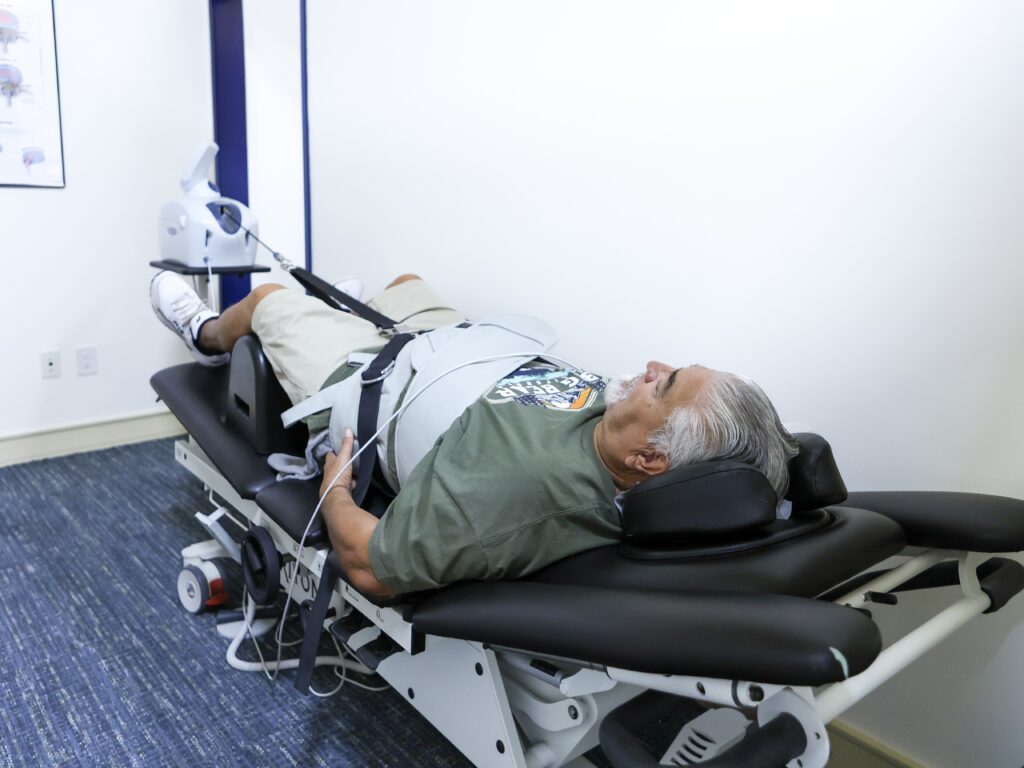
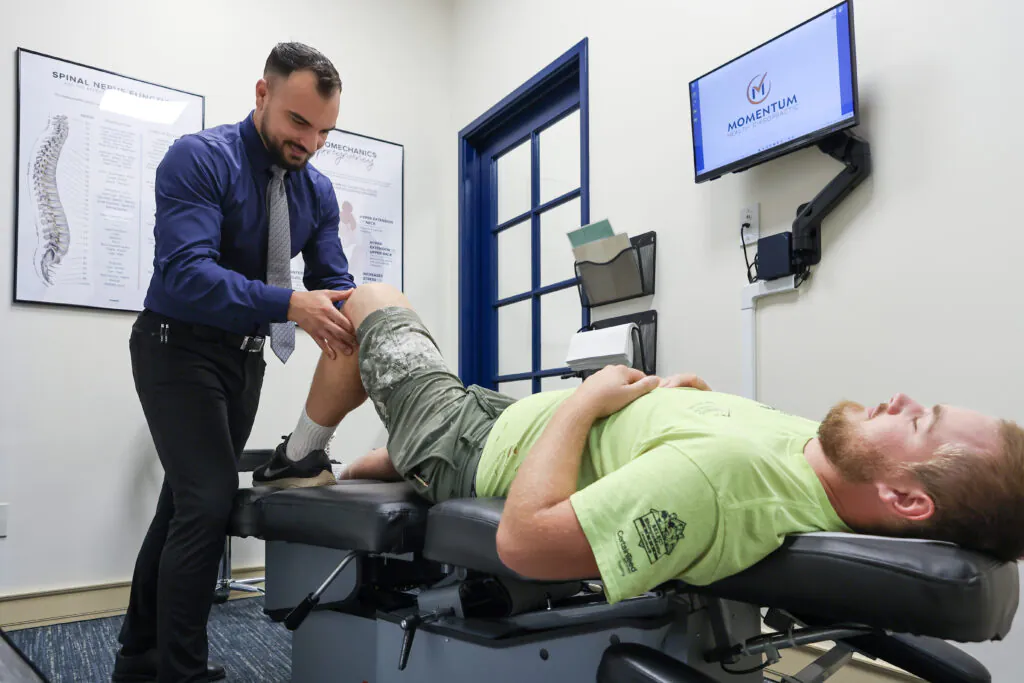
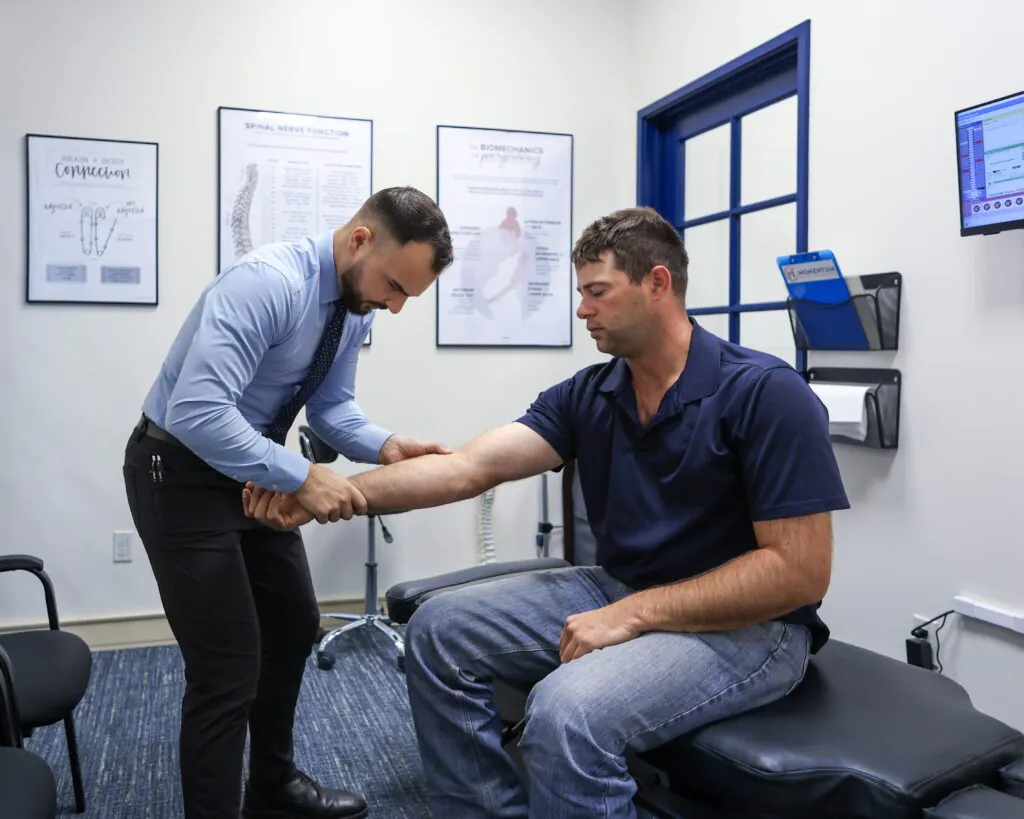
In a chiropractic setting, you can expect a variety of hands-on treatments designed to relieve discomfort and improve mobility. Chiropractors utilize gentle adjustments, which can help realign the spine and reduce tension in the muscles surrounding it. This not only alleviates pain but also promotes better circulation and mobility, all without the need for medications or invasive procedures.
In addition to adjustments, your chiropractor may recommend specific exercises tailored to your needs. These exercises aim to strengthen and enhance flexibility in the affected areas, facilitating a quicker recovery.
Furthermore, educating patients on proper posture and ergonomics is a key component of chiropractic care, helping you avoid future injuries and maintain optimal health.
By focusing on natural healing and wellness, chiropractic care offers a holistic approach to whiplash recovery. Incorporating regular chiropractic visits into your routine can be a proactive step towards achieving long-term health and vitality.
The Shift Towards Active Rehabilitation
The Shift Towards Active Rehabilitation in Whiplash Recovery
As a chiropractor, I want to emphasize the importance of active rehabilitation in recovering from whiplash. While many traditional treatments may focus on passive methods, like massages or heat applications, more and more people are discovering the advantages of engaging in structured exercises. Not only do these active approaches help you recover faster, but they also play a crucial role in strengthening and maintaining flexibility in your neck. Staying active is a key ingredient for improving your overall well-being and significantly reducing the risk of chronic pain.
Let’s break down the differences between passive treatments and active rehabilitation:
| Aspect | Passive Treatment | Active Rehabilitation |
|---|---|---|
| Patient Involvement | Low | High |
| Focus | Symptom relief | Strength and mobility |
| Long-term Outcomes | Temporary relief | Sustainable recovery |
| Treatment Types | Massage, ice, heat | Exercises, stretching |
| Overall Engagement | Minimal | Significant |
From my perspective as a chiropractor, the goal is to empower you to take charge of your healing journey. Here are some general tips to incorporate active rehabilitation into your recovery:
- Start Slow: Begin with gentle movements and stretches that don’t cause pain. Gradually increase the intensity as your neck feels more comfortable.
- Stay Consistent: Aim for regular exercise sessions, even if they are short. Consistency is key to regaining strength and flexibility.
- Listen to Your Body: Pay attention to your body’s signals. If something feels wrong, it’s important to adjust your activities and consult with a chiropractic professional.
- Incorporate Variety: Mix different types of exercises, such as stretching, strengthening, and mobility work, to keep your routine engaging and beneficial.
- Seek Guidance: Consider working with a chiropractor to develop a personalized rehabilitation plan that caters to your specific needs and recovery goals.
The Role of Physical Therapy in Recovery
Active rehabilitation is a crucial component of your whiplash recovery, and incorporating chiropractic care can significantly enhance this process. This holistic approach focuses on restoring strength, flexibility, and overall function, helping you regain control over your body naturally.
A chiropractor will create a personalized treatment plan tailored to your unique needs, addressing pain and limitations effectively. During your sessions, you’ll participate in various gentle adjustments and exercises designed to promote healing and improve your range of motion.
These techniques not only help alleviate discomfort but also work to prevent future injuries by reinforcing proper movement patterns.
In addition to hands-on adjustments, education is a vital part of your recovery. You’ll learn about proper posture, ergonomics, and safe lifting techniques, empowering you to make informed choices as you return to your daily activities.
By understanding how to care for your spine and body, you can enhance your overall well-being.
Embracing chiropractic care can significantly accelerate your journey toward full recovery and a more active, pain-free lifestyle. Remember, maintaining a healthy spine is key to optimal health.
Make sure to stretch regularly, stay hydrated, and listen to your body’s signals as you progress. Together, we can work towards achieving the natural wellness you deserve!
Chiropractic Care and Its Impact
Chiropractic care is a vital component in your journey towards recovery from whiplash. With a variety of gentle techniques designed to realign your spine, chiropractic adjustments can significantly relieve pain and promote healing. When your spine is properly aligned, your body can function at its best, allowing you to move freely and comfortably.
One of the primary benefits of chiropractic care is its focus on natural healing. Unlike medications or surgeries, which often come with side effects and risks, chiropractic adjustments harness your body’s own ability to heal itself. This means you can experience pain relief without the need for invasive procedures or drugs.
In addition to alleviating immediate discomfort, regular chiropractic visits can enhance your overall well-being in the long term. Many patients report improved mobility, better posture, and a greater sense of balance and vitality after incorporating chiropractic care into their wellness routine.
Here are some general tips to complement your chiropractic treatment and support your recovery:
- Stay Hydrated: Drinking plenty of water helps maintain spinal health and keeps your body functioning optimally.
- Practice Good Posture: Be mindful of your posture when sitting, standing, or using your phone. Good posture helps prevent strain on your spine.
- Incorporate Stretching: Gentle stretching can improve flexibility and reduce tension in your muscles, aiding in your recovery.
- Engage in Light Exercise: Activities like walking or swimming can promote circulation and support healing without putting too much stress on your body.
- Listen to Your Body: Pay attention to how your body feels during your recovery. If something doesn’t feel right, consult your chiropractor for guidance.
Embracing chiropractic care not only addresses your current pain but sets the groundwork for a healthier, more active lifestyle. Choose chiropractic as your go-to solution for achieving and maintaining optimal health and wellness!
Chiropractic Techniques Overview
When recovering from whiplash, chiropractic care offers a natural and effective way to alleviate pain and restore mobility. One of the primary techniques you might experience is spinal adjustments. These gentle manipulations help realign your spine, improving its function and reducing discomfort.
In addition to adjustments, soft tissue therapy can be beneficial. This method targets muscle tension and reduces inflammation, which supports your body’s natural healing process. Active release techniques are another valuable approach; they help break down scar tissue and enhance flexibility, leading to improved movement and reduced pain.
Massage therapy is also a great complement to chiropractic care. It boosts blood circulation, reduces stress, and promotes relaxation, all of which are essential for recovery. Incorporating exercise recommendations can further support your recovery journey. Strengthening your supporting muscles and improving your range of motion will help you regain your strength and mobility.
By integrating these chiropractic techniques, you can create a holistic plan for recovery. Remember, the goal is to empower you to manage your symptoms effectively and enhance your overall well-being. Embracing chiropractic care is a proactive step towards achieving optimal health naturally.
As you embark on your healing journey, consider these tips: stay hydrated, practice gentle stretches, and maintain good posture throughout your day. These small changes can make a big difference in your recovery and overall health!
Effectiveness of Adjustments
Spinal adjustments are a vital part of chiropractic care and are especially beneficial for those recovering from whiplash. These adjustments help realign your spine, which can significantly reduce pain and improve your ability to move comfortably. When you come to see me, I’ll evaluate your condition and customize the adjustments to meet your unique needs.
Many of my patients experience immediate relief following their adjustments. This is because the treatments help relieve pressure on nerves and muscles that may be affected by whiplash. Moreover, spinal adjustments encourage better blood flow, which is essential for healing damaged tissues.
To further support your recovery and enhance your overall wellness, I recommend regular chiropractic sessions. This not only helps manage your symptoms but also may prevent long-term problems down the road. By making spinal adjustments a part of your recovery plan, you can tap into your body’s natural ability to heal and thrive.
Here are a few tips to help you on your journey to wellness:
- Stay Hydrated: Drinking plenty of water can help keep your muscles and joints lubricated.
- Practice Good Posture: Maintaining proper posture can relieve strain on your spine and prevent future pain.
- Incorporate Gentle Stretching: Light stretching can improve flexibility and reduce tension in your muscles.
- Listen to Your Body: Pay attention to how you feel and don’t hesitate to reach out for an adjustment if you notice discomfort.
Chiropractic care is a powerful way to promote pain relief and natural wellness, and I’m here to guide you every step of the way.
Long-term Rehabilitation Benefits
While many people seek chiropractic care primarily for immediate pain relief, it’s important to recognize the substantial long-term rehabilitation benefits that come with regular adjustments. Consistent chiropractic sessions help restore spinal alignment, improve posture, and enhance your overall mobility.
As you continue with your treatments, you may find a noticeable reduction in chronic pain and muscle tension, enabling you to engage in your daily activities with greater ease and comfort. Chiropractic care goes beyond just pain relief; it also plays a crucial role in building better muscle strength and flexibility, which are key for long-term recovery from issues like whiplash injuries.
You’ll soon realize that improved body mechanics can significantly decrease your chances of future injuries. By committing to a long-term rehabilitation plan with your chiropractor, you’re not just addressing current pain but also investing in your overall health and wellness.
Here are a few simple tips to enhance your chiropractic experience and support your journey to optimal health:
- Stay Consistent: Regular visits to your chiropractor are essential for maintaining progress and preventing setbacks.
- Practice Good Posture: Be mindful of your posture at work and home to support your spine and overall health.
- Incorporate Stretching: Gentle stretching exercises can improve flexibility and reduce muscle tension. Your chiropractor can provide you with specific stretches that are beneficial for your individual needs.
- Stay Active: Engage in regular physical activity that you enjoy. Whether it’s walking, swimming, or yoga, movement is vital for maintaining a healthy spine.
- Listen to Your Body: Pay attention to how your body feels and communicate any changes or concerns with your chiropractor. This feedback can help tailor your care to your needs.
Ultimately, a proactive approach through chiropractic care can lead to a more resilient and pain-free lifestyle. Embrace the journey of natural healing and healthier living—your body will thank you!
Integrative Therapies: Acupuncture and Beyond
Integrative therapies, particularly chiropractic care, are highly effective for whiplash recovery by addressing both the physical and emotional aspects of healing. Chiropractic adjustments can significantly reduce pain and tension by improving spinal alignment, which promotes better blood flow and reduces inflammation. Many patients report that regular chiropractic care provides lasting relief from chronic pain, making daily activities more manageable.
In addition to chiropractic adjustments, you may find that incorporating therapies like massage and yoga can enhance your recovery journey. Massage can help ease muscle tension, while yoga encourages gentle stretching and relaxation, which can be beneficial for managing stress.
It’s also helpful to engage in mindfulness practices, such as meditation and breathing exercises, to support your emotional healing. By focusing on these integrative therapies, you create a well-rounded approach to your recovery. This combination not only addresses your physical symptoms but also nurtures your overall well-being, paving a smoother path toward healing from whiplash.
For optimal health, consider visiting your chiropractor regularly. They can provide personalized care and advice tailored to your specific needs, ensuring that you stay on track with your recovery.
Current Best Practices and Future Directions
As you navigate the complexities of whiplash recovery, embracing chiropractic care can significantly enhance your healing journey. One of the first steps we recommend is early mobilization—gentle movement is key to preventing stiffness and promoting recovery. Chiropractic adjustments are specifically designed to restore proper alignment in your spine, which can improve function and alleviate pain more effectively than many other treatments.
In addition to adjustments, physical therapy tailored to your needs can work wonders in improving your mobility and reducing discomfort. Many patients find that combining chiropractic care with therapies like massage can create a powerful synergy, making your recovery smoother and more enjoyable.
It’s also essential to address any psychological aspects of pain, as they can affect your healing. Cognitive-behavioral therapy is one approach, but you can also benefit from mindfulness practices or relaxation techniques. Research has shown that when you tackle both the physical and emotional sides of pain, the results tend to be much better.
Staying informed about the latest in natural healing is crucial, too. While we focus on chiropractic methods, it’s good to know about emerging practices that align with our philosophy of wellness. For instance, techniques in regenerative medicine are being explored, and advanced imaging can help us understand your condition better.
Here are some simple tips to enhance your recovery:
- Stay active with gentle stretches and movements advised by your chiropractor.
- Maintain good posture to support your spine throughout your day.
- Keep a journal of your progress to discuss with your chiropractor, helping tailor your treatment further.
- Explore relaxation techniques to help manage stress, which can impact pain levels.
Conclusion
In understanding whiplash recovery, it’s important to recognize the significant advancements we’ve made in treating this complex injury. Gone are the days of outdated approaches that failed to consider the full picture of whiplash. Today, we know that active rehabilitation, physical therapy, and especially chiropractic care are vital for effective recovery.
Chiropractic care stands out as a natural and holistic way to address both the physical and psychological aspects of whiplash. By focusing on spinal health and alignment, chiropractic adjustments can help relieve pain, improve mobility, and promote overall wellness. Additionally, treatments like acupuncture can complement chiropractic care, offering a well-rounded approach to healing.
Here are some practical tips to support your recovery journey:
- Stay Active: Gentle movements and stretches can help maintain flexibility and reduce stiffness, but always consult with your chiropractor for guidance on what exercises are best for you.
- Posture Awareness: Pay attention to your posture, especially if you’re sitting for long periods. Good posture can help alleviate strain on your neck and back.
- Hydration: Drink plenty of water to keep your body hydrated and support the healing process.
- Mindfulness and Relaxation: Stress can exacerbate pain, so incorporating relaxation techniques such as deep breathing or meditation can be beneficial.
- Regular Check-ins with Your Chiropractor: Frequent visits can ensure that your spine remains aligned and that any issues are addressed promptly.
By embracing chiropractic care as a cornerstone of your recovery, you can take proactive steps toward not only alleviating pain but also achieving optimal health and well-being. Remember, staying informed and engaged in your recovery process is key to long-lasting results.