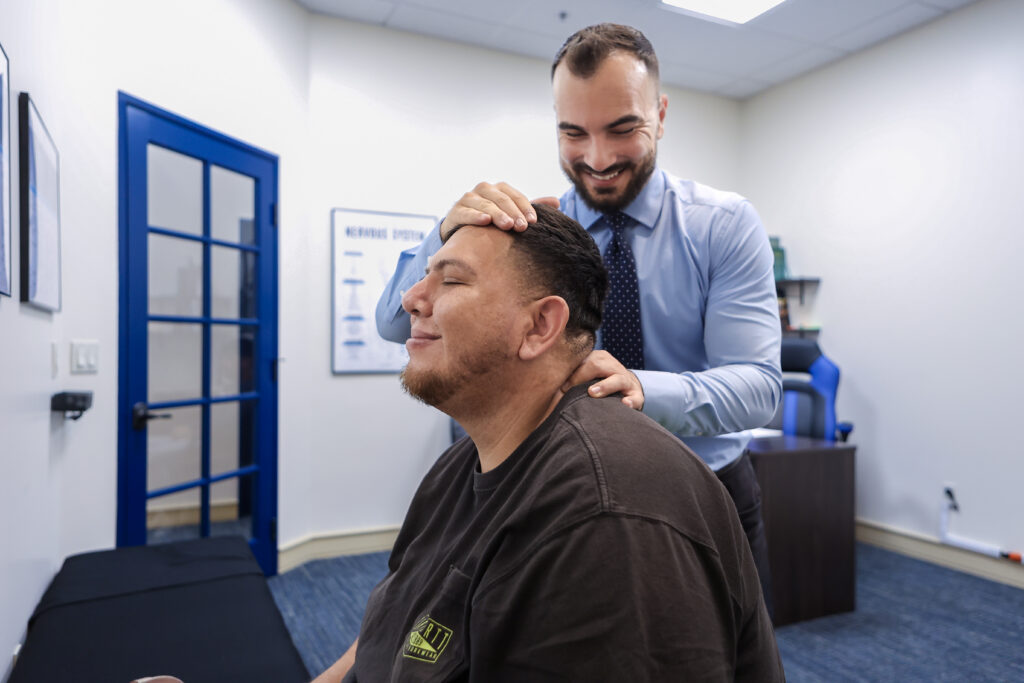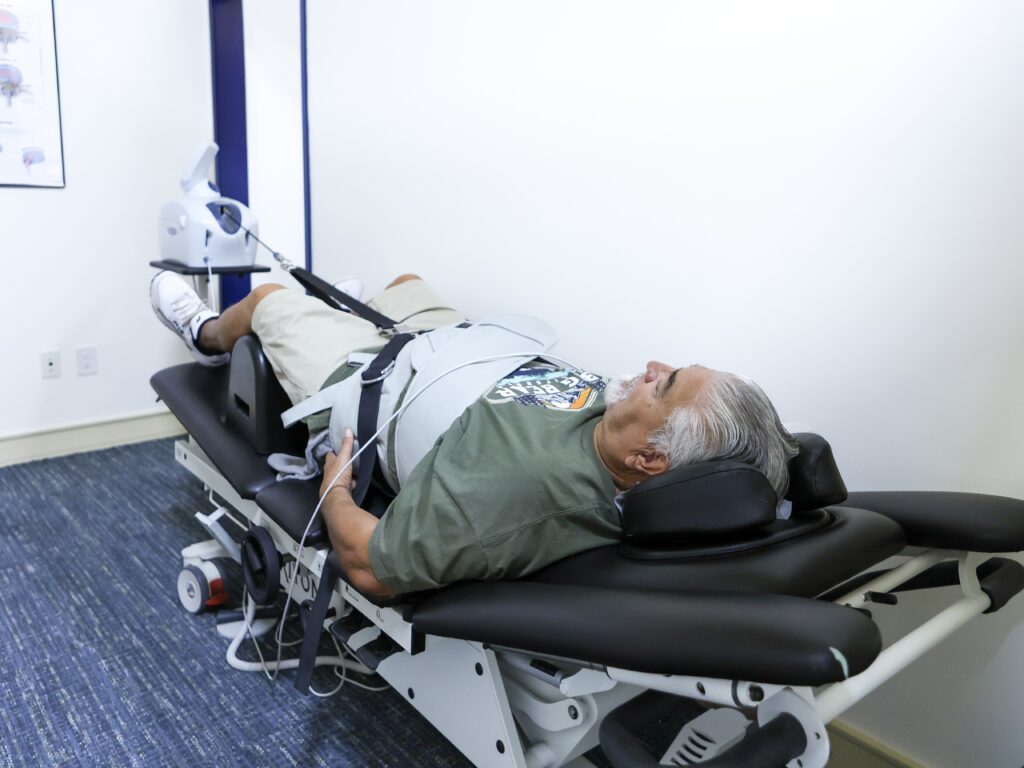

As a local chiropractor, I want to share some fascinating insights about the historical approaches to alleviating lower back pain. Throughout the ages, various cultures have explored numerous methods to ease discomfort, each contributing unique practices to the healing arts. Ancient therapies such as herbal remedies and acupuncture have played a significant role in shaping our current understanding of pain management and wellness.
It’s interesting to note how these time-tested techniques continue to inform modern treatments. For instance, many of the principles behind chiropractic care are rooted in these ancient practices, emphasizing the importance of a holistic approach to health. By recognizing the interconnectedness of the body, we can better address pain at its source.
I invite you to explore how these enduring practices can complement your journey towards relief. Let’s discuss the specific techniques that have stood the test of time and how they can enhance your path to recovery and overall well-being.
Ancient Healing Practices and Rituals
As a chiropractor, I often share with my patients the fascinating history of ancient healing practices and rituals that have been used for centuries to alleviate lower back pain. Many cultures have relied on natural methods, such as herbs, massage, and spiritual rituals, to find relief from discomfort.
For example, in various indigenous traditions, shamans utilized herbal poultices for their anti-inflammatory properties, promoting healing in the body. Additionally, the use of hot and cold therapies—such as heated stones or ice packs—has long been recognized for its effectiveness in easing pain and discomfort.
These methods aren’t just modern innovations; they’ve roots in ancient practices that understood the body’s needs. Moreover, many ancient civilizations engaged in bodywork techniques, including manual manipulation and stretching, to restore balance and flexibility.
These practices were often closely linked to spiritual beliefs that highlighted the vital connection between the mind and body. As you explore chiropractic care, you may find that these time-honored techniques resonate with you, offering a holistic approach to managing your lower back pain.
The Role of Acupuncture in Traditional Chinese Medicine
As a local chiropractor, I want to share with you the fascinating role of acupuncture within the broader scope of Traditional Chinese Medicine. This ancient practice has a rich history and offers a different approach to healing that complements chiropractic care.
Acupuncture isn’t just about alleviating pain; it involves understanding how the body’s energy flows and how certain points can be stimulated to promote balance and wellness.
In my experience, acupuncture can be particularly effective for managing conditions like lower back pain. Research has shown that it can enhance pain relief by targeting specific mechanisms in the body.
By combining acupuncture with chiropractic adjustments, we can create a more comprehensive treatment plan that addresses both the symptoms and the underlying causes of your discomfort.
Embracing these natural healing methods can lead to improved health and well-being.
Historical Origins of Acupuncture
As a chiropractor, I want to take a moment to share with you the fascinating historical origins of acupuncture, which is deeply intertwined with Traditional Chinese Medicine (TCM) and has been practiced for thousands of years.
Acupuncture began as a way to harmonize the body’s energy, known as Qi, and its principles can be found in ancient texts like the Huangdi Neijing. These texts highlight the importance of balancing yin and yang in the body.
Practitioners of acupuncture believed that by stimulating specific points along energy pathways called meridians, they couldn’t only alleviate pain but also enhance overall health and well-being.
This holistic approach is similar to the philosophy of chiropractic care, where we focus on the body’s natural ability to heal itself.
By understanding the roots of acupuncture, we can appreciate the cultural significance and depth of this ancient healing art.
Just like acupuncture, chiropractic care aims to restore balance and promote wellness in a natural way.
My goal is to help you explore these healing practices and discover the benefits they can offer for your health.
Mechanisms of Pain Relief
As a local chiropractor, I’d like to introduce you to the benefits of acupuncture, which is often misunderstood. Acupuncture is more than just needle insertion; it’s a sophisticated technique grounded in the principles of Traditional Chinese Medicine (TCM). This practice focuses on the body’s energy pathways, aiming to restore balance and promote the flow of qi, or essential energy.
When specific points along these pathways are stimulated, many people experience significant relief from lower back pain. This is achieved through various mechanisms, including reducing inflammation, enhancing circulation, and triggering the release of endorphins—our body’s natural painkillers.
Additionally, acupuncture can help relieve tension in tight muscles, which not only improves mobility but also enhances your overall comfort.
It’s essential to recognize that while acupuncture can be an effective pain relief method, its effectiveness may vary from person to person. Many individuals find it to be an invaluable part of their holistic approach to wellness.
If you’re curious about how acupuncture can complement your chiropractic care and support your health journey, I’d be happy to discuss it further with you!
Modern Applications and Research
As a local chiropractor, I want to share with you the growing recognition of acupuncture in the realm of modern healthcare, especially when it comes to managing lower back pain.
Many patients are surprised to learn that there’s a wealth of research supporting the effectiveness of acupuncture in alleviating discomfort. By targeting specific points on the body, acupuncture can improve blood flow, decrease inflammation, and stimulate the release of natural pain-relieving chemicals called endorphins.
In my practice, I often incorporate acupuncture into treatment plans alongside traditional chiropractic techniques. This holistic approach can enhance your overall healing experience and provide complementary benefits to conventional therapies.
If you’re considering trying acupuncture, it’s crucial to seek out a qualified practitioner who’s well-versed in both traditional Chinese medicine and contemporary healing practices.
With ongoing studies, the role of acupuncture in managing lower back pain is likely to become even more significant, offering you a natural and comprehensive option for relief and improved well-being.
Herbal Remedies Across Different Cultures
As a local chiropractor, I want to share the fascinating ways different cultures have approached relief for lower back pain through herbal remedies. Many people may not realize that these practices have been honed over centuries and can complement chiropractic care.
For instance, in Traditional Chinese Medicine, practitioners often utilize ingredients like ginger and turmeric. These herbs are well-regarded for their anti-inflammatory properties, which can be incredibly beneficial in managing pain.
Additionally, indigenous cultures in North America have long relied on willow bark, a natural source of salicin, known for its pain-relieving qualities.
In Ayurveda, an ancient system from India, herbs such as ashwagandha and boswellia are popular. They’re believed to strengthen the back and alleviate discomfort, making them a great addition to your health routine.
Similarly, in European folk medicine, arnica is frequently used topically to soothe sore muscles and can be a helpful remedy for those suffering from back pain.
These herbal options not only provide potential relief but also connect you with rich cultural wisdom. By exploring these diverse approaches alongside chiropractic care, we can find a holistic remedy that resonates with your individual health journey and preferences.
I’m here to help guide you through these options and support your path to wellness.
The Influence of Greek and Roman Medicine
As your local chiropractor, I want to take a moment to highlight the rich history behind the practices we use today for managing lower back pain.
You’ll be surprised to learn that many of our modern treatments stem from ancient Greek and Roman medicine, which laid a solid foundation for natural healing.
Ancient physicians like Hippocrates understood the significance of proper posture and regular physical activity. They recognized that maintaining a strong back is vital for overall well-being.
Techniques such as massage and spinal manipulation were common practices back then, and they continue to be integral parts of chiropractic care today.
The Romans took these ideas further by incorporating baths and hydrotherapy to ease pain and encourage healing.
The use of heat and cold applications, which you might experience during your chiropractic sessions, has its roots in these early methods and remains a key component of modern rehabilitation.
Moreover, the focus on a balanced diet and healthy lifestyle from these ancient times has heavily influenced our holistic approach to care.
The Transition to Modern Physiotherapy Techniques
As a local chiropractor, I want to share with you how modern techniques in chiropractic care can effectively alleviate lower back pain.
Our approach emphasizes natural healing and aims to restore mobility, enhance strength, and improve overall function. Here are three key methods you might experience in our practice:
1. Spinal Manipulation: This hands-on technique involves carefully adjusting the spine and surrounding areas to relieve pain and enhance your range of motion.
Our goal is to align your body naturally, promoting healing without the need for medication.
2. Targeted Exercise Programs: We develop personalized exercise routines that focus on correcting specific weaknesses and imbalances in your body.
Strengthening your core muscles and improving your posture are crucial steps in reducing pain and preventing future issues.
3. Natural Therapies: We may incorporate various natural therapies, such as electrical stimulation and other modalities, to complement our chiropractic adjustments.
These methods aid in pain relief and enhance the healing process, allowing you to feel better, faster.
Integrating Holistic Approaches in Contemporary Care
As a local chiropractor, I want to share with you how integrating holistic approaches can significantly enhance your experience and outcomes in managing lower back pain. Many patients may not be familiar with the idea that chiropractic care can be complemented by natural healing methods, and that’s where holistic practices come into play.
Incorporating activities like yoga and mindfulness into your routine can promote relaxation and improve flexibility, which are essential for effective pain management. These practices not only help in alleviating discomfort but also create a nurturing environment conducive to healing.
It’s also worth considering how dietary choices can influence your overall health. Adopting an anti-inflammatory diet may help reduce pain and support your body’s healing processes.
Furthermore, treatments like acupuncture have been shown to relieve pain and help restore balance within your body.
Mental well-being is another crucial aspect of your health. Techniques for managing stress, such as meditation and deep-breathing exercises, can significantly alter your perception of pain. When you take steps to manage stress, you may find that your pain levels decrease as well.
By blending these holistic approaches with traditional chiropractic care, we can create a comprehensive treatment plan tailored to your needs. It’s all about empowering you on your wellness journey, helping you achieve lasting relief and an enhanced quality of life.
Conclusion
As a local chiropractor, I want to share with you the rich history of methods that have been used across cultures to alleviate lower back pain. From ancient herbal remedies to the evolution of modern physiotherapy, these practices have shaped how we approach pain management today. By exploring these historical approaches, you can gain a deeper appreciation for holistic healing options that may resonate with your personal wellness journey.
Incorporating these time-tested techniques into your care can significantly enhance your path to relief and overall well-being. Remember, healing is often rooted in the wisdom of the past, and chiropractic care embraces many of these principles to help restore balance and function to your body. Let’s work together to find the best strategies for your unique needs!