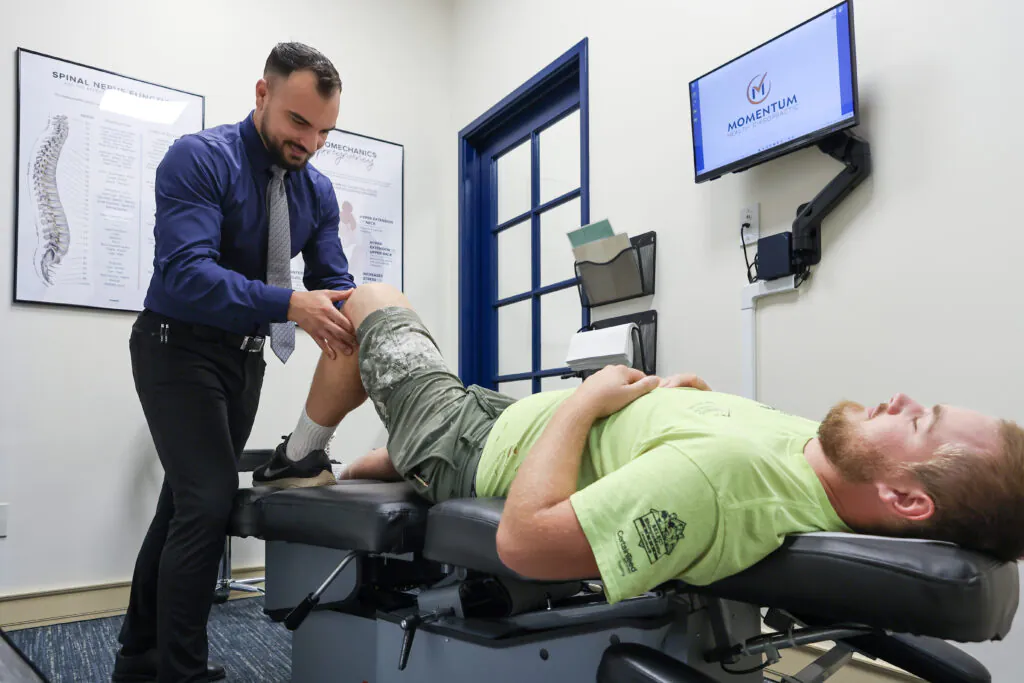

When it comes to managing headaches, there are several effective options to consider, and chiropractic care stands out as one of the best choices for natural relief and overall wellness. While over-the-counter pain relievers and prescription medications may provide quick relief, they can often come with unwanted side effects and may not address the underlying issues causing your headaches.
Chiropractic care focuses on spinal health and alignment, which can play a crucial role in reducing headache frequency and intensity. By addressing misalignments in the spine, chiropractors help alleviate tension, improve blood flow, and promote better overall function of the nervous system. This holistic approach not only targets the root causes of headaches but also contributes to long-term health benefits.
In addition to chiropractic adjustments, there are several lifestyle changes you can incorporate to enhance your wellness and reduce headaches. Here are some simple tips to consider:
- Stay Hydrated: Dehydration is a common trigger for headaches. Make sure you drink plenty of water throughout the day.
- Maintain Good Posture: Poor posture can lead to tension in your neck and shoulders, contributing to headaches. Be mindful of your posture, especially when sitting for long periods.
- Manage Stress: Stress can be a significant factor in headache development. Consider incorporating relaxation techniques such as deep breathing, yoga, or meditation into your routine.
- Get Regular Exercise: Physical activity helps improve circulation and can reduce headache frequency. Aim for at least 30 minutes of moderate exercise most days of the week.
- Prioritize Sleep: Poor sleep quality can lead to increased headache occurrences. Establish a consistent sleep schedule and create a restful sleeping environment.
- Limit Caffeine and Alcohol: Both substances can trigger headaches in some individuals. Pay attention to your intake and how it affects your body.
By choosing chiropractic care and incorporating these healthy habits into your lifestyle, you can effectively manage headaches and achieve optimal health without relying on medications. Remember, a chiropractor can work with you to develop a personalized plan that addresses your specific needs and promotes overall well-being.
Key Takeaways
Chiropractic care is a powerful approach to tackling headaches by focusing on the root causes, such as spinal alignment and muscle tension. Unlike medications that often just cover up the pain, chiropractic adjustments aim to restore balance to your body and improve overall function.
Over-the-counter medications can provide quick, temporary relief, but they don’t get to the heart of the issue. Relying on them means you’re just managing symptoms rather than addressing what’s really going on. Prescription medications, including triptans and opioids, can come with unwanted side effects, making them less appealing for those seeking long-term solutions.
In contrast, non-drug methods like staying well-hydrated, practicing good posture, and managing stress can significantly reduce both the frequency and intensity of headaches. These lifestyle changes not only help alleviate pain but also promote overall wellness.
For the best results, consider combining chiropractic care with simple adjustments in your daily routine. This might include regular stretching, maintaining proper hydration, and incorporating relaxation techniques into your day. Together, these strategies can lead to more effective and lasting headache relief, all while supporting your journey toward optimal health. Remember, when it comes to managing headaches, chiropractic care is a natural and effective choice!
Understanding Different Types of Headaches
When you experience a headache, it’s important to recognize the type you’re dealing with, as each has unique causes and can benefit from different approaches to relief.
Tension headaches are the most common type and often stem from stress, poor posture, or eye strain. You may feel a dull, aching sensation around your head, which can be alleviated through chiropractic adjustments that help reduce tension and improve posture.
Migraines are another type of headache that can cause intense, throbbing pain, often accompanied by nausea and heightened sensitivity to light or sound. These can be triggered by certain foods, hormonal changes, or stress. Regular chiropractic care can help manage the frequency and severity of migraines by addressing spinal misalignments and promoting overall wellness.
Cluster headaches are less common but extremely painful, typically occurring in cycles or “clusters.” They often affect one side of your head and can lead to symptoms like tearing or nasal congestion. Chiropractic adjustments can help with managing cluster headaches by improving nerve function and reducing tension in the neck and upper back.
Sinus headaches result from sinus infections and lead to pressure and pain in the forehead and cheeks. Chiropractic care can support sinus health by ensuring proper alignment of the spine and neck, which may help improve drainage and reduce pressure.
In addition to seeking chiropractic care, here are some general tips to help you manage headaches naturally:
- Stay Hydrated: Dehydration can lead to headaches, so make sure to drink plenty of water throughout the day.
- Practice Good Posture: Be mindful of your posture, especially if you spend long hours at a desk. Regular chiropractic adjustments can help maintain proper alignment.
- Manage Stress: Incorporate relaxation techniques such as deep breathing, yoga, or meditation into your routine to help reduce stress levels.
- Get Enough Sleep: Aim for 7-9 hours of quality sleep each night to support overall health and reduce headache frequency.
- Maintain a Healthy Diet: A balanced diet can help prevent headaches triggered by certain foods, so focus on whole, nutrient-rich foods.
The Role of Over-the-Counter Medications
When you experience a headache, it’s common to reach for over-the-counter (OTC) medications like ibuprofen or acetaminophen for quick relief. However, while these options can provide temporary comfort, it’s essential to understand that they only mask the symptoms rather than address the underlying causes of your headaches.
As a chiropractor, I believe in the power of natural healing and the body’s ability to restore itself. Instead of relying solely on medications, consider exploring chiropractic care to find the root causes of your headaches. Often, headaches can stem from issues in your spine, such as misalignments or tension in your neck and back. Chiropractic adjustments can help alleviate these problems, leading to long-term relief and improved overall wellness.
Incorporating some simple lifestyle changes can also make a significant difference. Staying hydrated, practicing good posture, managing stress through relaxation techniques, and ensuring you get quality sleep can all contribute to reducing the frequency and intensity of headaches.
Common OTC Options
Headaches can be a real challenge, and while many people often reach for over-the-counter (OTC) medications for quick relief, it’s important to consider how chiropractic care can address the root causes of your pain. Chiropractic adjustments focus on spinal health, which can significantly contribute to overall wellness and help alleviate headaches naturally.
Here are some common OTC options people might consider for headache relief, but remember, chiropractic care is a holistic approach that aims to restore balance and function to your body:
| Medication | Active Ingredient | Use Case |
|---|---|---|
| Acetaminophen | Acetaminophen | Mild to moderate pain |
| Ibuprofen | Ibuprofen | Inflammation and pain |
| Aspirin | Acetylsalicylic Acid | Tension and migraine |
While these medications can provide temporary relief, they often don’t address the underlying issues that might be causing your headaches. Chiropractic care can help by ensuring proper alignment of the spine, which may relieve tension and improve circulation, ultimately reducing headache frequency and intensity.
Here are some general tips for natural headache relief:
- Stay Hydrated: Dehydration can lead to headaches, so make sure you’re drinking enough water throughout the day.
- Practice Good Posture: Poor posture can contribute to tension headaches. Be mindful of your posture while sitting, especially if you work at a desk.
- Manage Stress: Stress is a common trigger for headaches. Incorporate relaxation techniques such as deep breathing, meditation, or gentle yoga into your daily routine.
- Get Regular Chiropractic Adjustments: Regular visits to your chiropractor can help maintain spinal health and prevent headaches from becoming a recurring issue.
Always consult with a healthcare professional if you’re unsure about your symptoms, but consider chiropractic care as a proactive step toward achieving optimal health and wellness. By focusing on natural healing and spinal education, you can work towards a healthier, headache-free life.
Effectiveness and Limitations
Chiropractic care takes a holistic approach to managing headaches, emphasizing the importance of spinal health and overall wellness. While some may reach for over-the-counter (OTC) medications like ibuprofen or acetaminophen for quick relief, it’s essential to recognize that these options can come with limitations. While they may temporarily reduce pain by blocking signals or decreasing inflammation, they don’t address the root causes of headaches, which can often be related to spinal misalignments or tension in the body.
Instead of relying solely on medications, consider the benefits of chiropractic adjustments, which can help restore proper alignment in the spine, alleviate tension, and improve overall function. This natural healing approach not only targets the symptoms but also promotes long-term wellness and helps prevent future headaches.
To enhance your wellness journey, here are some general tips:
- Stay Hydrated: Dehydration can lead to headaches, so make sure to drink plenty of water throughout the day.
- Practice Good Posture: Poor posture can contribute to tension headaches. Be mindful of your posture while sitting and standing to reduce strain on your neck and spine.
- Manage Stress: Incorporate relaxation techniques like deep breathing, meditation, or yoga into your daily routine to help manage stress levels that may trigger headaches.
- Get Regular Chiropractic Care: Regular visits to your chiropractor can help keep your spine in alignment and maintain optimal function, reducing the likelihood of headaches.
Prescription Medications: When Are They Necessary?
When headaches become frequent or severe, many people may consider seeking relief through prescription medications. However, as a chiropractor, I want to emphasize that there are natural and effective alternatives that can help manage your symptoms without the potential risks and side effects associated with medications.
Chiropractic care focuses on spinal health and overall wellness, which can be key in alleviating headache pain. Misalignments in the spine can contribute to tension and discomfort, leading to headaches. By addressing these misalignments through gentle adjustments, we can help restore proper function to the nervous system, reducing the frequency and intensity of headaches.
In addition to chiropractic adjustments, here are some general tips for headache relief:
- Stay Hydrated: Dehydration can be a common trigger for headaches. Make sure you’re drinking enough water throughout the day.
- Manage Stress: Stress can lead to tension headaches. Incorporate relaxation techniques such as deep breathing, meditation, or yoga into your daily routine.
- Maintain Good Posture: Poor posture can strain your neck and back, contributing to headaches. Be mindful of your posture, especially when sitting at a desk or using your phone.
- Regular Exercise: Physical activity can help reduce stress and improve overall health, which may lessen headache frequency.
- Adequate Sleep: Ensure you’re getting enough rest each night. A regular sleep schedule can help prevent headaches related to fatigue.
Types of Prescription Medications
If you find that over-the-counter pain relievers aren’t providing enough relief for your headaches, consider exploring natural options that focus on overall wellness and spinal health. Chiropractic care can be a fantastic approach to managing headaches, as it addresses the underlying issues related to spinal alignment and nervous system function.
Many headaches are linked to tension and misalignments in the spine, particularly in the neck. Regular chiropractic adjustments can help alleviate this tension, improve blood flow, and promote better overall health. In addition, techniques such as massage and stretching can further relieve muscle tightness and stress, which can often contribute to headache pain.
Incorporating lifestyle changes can also make a significant difference. Staying hydrated, maintaining a balanced diet, and practicing stress-reducing techniques like yoga or meditation can help prevent headaches from occurring in the first place. Ensuring that you get adequate sleep and managing your screen time can also reduce strain on your eyes and neck, which can lead to fewer headaches.
Consulting with a chiropractor can provide you with personalized strategies to manage your headaches naturally, helping you to achieve optimal health and wellness without relying on medications. Remember, taking care of your spine is an essential part of your overall health journey!
Indications for Use
Understanding when to seek help for headaches is crucial for effective management and overall wellness. If you find yourself dealing with frequent or severe headaches that interfere with your daily activities, it might be a good idea to consult a healthcare professional, such as a chiropractor. Chiropractic care offers a natural approach to pain relief and can help address the underlying issues contributing to your headaches.
Often, headaches can result from tension in the neck and spine, and chiropractic adjustments can help alleviate this tension. Rather than relying on medications, which may only mask the symptoms, consider exploring the benefits of chiropractic treatments. Techniques like spinal adjustments, soft tissue therapy, and lifestyle advice can provide relief and promote long-term health.
Additionally, if your headaches come with symptoms like nausea or sensitivity to light, it’s important to take those seriously and seek guidance. A chiropractor can work with you to identify potential triggers and develop a personalized plan to help manage your headaches naturally.
Incorporating simple lifestyle changes can also make a significant difference. Staying hydrated, maintaining good posture, managing stress through relaxation techniques, and ensuring you get enough sleep can all contribute to reducing headaches. Remember, early intervention is key. By addressing headaches through chiropractic care and healthy living practices, you can enhance your quality of life and achieve optimal health.
Risks and Side Effects
While many headaches can be alleviated through lifestyle changes and natural therapies, some individuals may experience severe or chronic pain that prompts them to consider other options. It’s important to approach headache relief with a focus on holistic methods, such as chiropractic care, which can effectively address the root causes of pain without the need for medications.
Chiropractic care emphasizes the importance of spinal health, as misalignments in the spine can contribute to tension and headaches. By focusing on spinal adjustments and overall wellness, chiropractic care can provide a natural, drug-free approach to headache relief.
Here are some common types of medications and their potential side effects, which highlight why many people are seeking alternatives like chiropractic care:
| Medication Type | Potential Side Effects |
|---|---|
| Triptans | Nausea, dizziness, fatigue |
| Opioids | Dependency, constipation, drowsiness |
| NSAIDs | Stomach ulcers, kidney issues |
Instead of relying on these medications, consider incorporating some of these natural strategies into your routine:
- Stay Hydrated: Dehydration can trigger headaches, so make sure you’re drinking plenty of water throughout the day.
- Practice Good Posture: Poor posture can lead to spinal misalignments and tension headaches. Keep your spine aligned, especially when sitting for long periods.
- Regular Exercise: Engaging in regular physical activity can help reduce stress and tension, which are common headache triggers.
- Stress Management: Techniques such as meditation, yoga, or deep breathing exercises can help manage stress levels and reduce headache frequency.
- Chiropractic Adjustments: Regular visits to a chiropractor can help ensure your spine is properly aligned, which may alleviate headache pain.
Always consult with your chiropractor to discuss your specific headaches and develop a personalized plan to manage them effectively. By focusing on natural healing and wellness, you can achieve optimal health and find relief from headaches without the side effects associated with medications. Remember to listen to your body and communicate any concerns you may have during your healing journey.
Lifestyle Changes for Headache Prevention
Adopting healthy lifestyle changes can significantly alleviate the frequency and intensity of headaches, and incorporating chiropractic care into your routine can enhance these benefits. As a chiropractor, I encourage you to prioritize regular sleep patterns, aiming for 7-9 hours of quality rest each night. Consistent sleep helps your body heal and can reduce tension headaches.
Staying hydrated is essential, so make it a habit to drink plenty of water throughout the day. Dehydration can lead to headaches, so keep a water bottle handy to remind yourself to stay hydrated.
Incorporate regular physical activity into your routine. Aim for at least 30 minutes of moderate exercise most days. Exercise not only helps reduce stress but also promotes better spinal health, which can play a crucial role in headache prevention. Remember, a well-aligned spine can alleviate tension that may contribute to headaches.
Speaking of stress, consider integrating relaxation techniques like meditation, yoga, or deep breathing exercises into your daily life. These practices can help calm the mind and reduce muscle tension, both of which are beneficial for headache relief.
Additionally, be mindful of your screen time. Taking frequent breaks from screens can minimize eye strain and reduce the risk of headaches. Implementing the 20-20-20 rule—looking at something 20 feet away for 20 seconds every 20 minutes—can be particularly effective.
Dietary Adjustments and Their Impact on Headaches
Regularly evaluating your diet can lead to significant improvements in headache management and overall wellness. Certain foods and drinks can trigger headaches, while others may provide relief. By making mindful dietary adjustments, you can identify potential triggers and enhance your health naturally.
- Stay Hydrated: Proper hydration is essential for preventing headaches caused by dehydration. Aim to drink at least eight glasses of water daily. Remember, staying hydrated isn’t just about water; herbal teas and fruits with high water content can also contribute.
- Identify and Eliminate Triggers: Many common headache triggers include aged cheeses, processed meats, and artificial sweeteners. Keeping a food diary can help you track what you eat and discover which foods may be contributing to your headaches. Once you identify these triggers, you can adjust your diet for better results.
- Focus on Balanced Nutrition: Incorporate a mix of fruits, vegetables, whole grains, and lean proteins into your meals. A well-rounded diet not only supports your body’s needs but can also help reduce the frequency of headaches. Foods rich in omega-3 fatty acids, such as salmon and walnuts, and magnesium-rich foods, like spinach and avocados, can be particularly beneficial.
In addition to dietary changes, consider the benefits of chiropractic care for headache relief. Chiropractic adjustments can help align your spine, reduce tension, and improve overall function, which may lead to fewer headaches and enhanced well-being.
Embracing a holistic approach to your health, including diet and chiropractic care, can help you achieve optimal health and a pain-free life.
Exploring Holistic Therapies: Acupuncture, Massage, and More
As you seek relief from headaches, exploring holistic therapies can be a valuable approach. While options like acupuncture and massage offer benefits, I want to highlight the importance of chiropractic care as a leading choice for optimal health and wellness.
Chiropractic care focuses on the spine and nervous system, addressing the root causes of headaches, such as misalignments or tension in the neck and upper back. By correcting these issues, chiropractic adjustments can effectively alleviate headache pain and promote overall well-being.
| Therapy | Benefits | Considerations |
|---|---|---|
| Chiropractic | Relieves tension, improves spinal alignment | Requires a licensed chiropractor |
| Acupuncture | Reduces tension, promotes relaxation | Requires trained practitioner |
| Massage | Relieves muscle tension, improves circulation | May cause temporary soreness |
| Aromatherapy | Enhances mood, promotes calm | Sensitivities to essential oils |
Incorporating chiropractic care into your routine can lead to more effective headache management and overall health enhancement. Regular adjustments not only help in alleviating pain but also support your body’s natural healing processes.
While acupuncture’s precise needle placements, the soothing touch of massage, and the calming scents of aromatherapy may provide some relief, chiropractic care addresses the underlying issues, making it a superior choice for many individuals.
Remember to maintain good posture, stay hydrated, and manage stress through relaxation techniques to further support your health. If you experience frequent headaches, consult with a chiropractor to discover how spinal adjustments can help you reclaim your well-being naturally and effectively.
Evaluating the Effectiveness of Alternative Care Options
Holistic therapies, especially chiropractic care, have become increasingly popular for headache relief. But how do they stack up against traditional medications? While some studies indicate that alternative options can help reduce the frequency and severity of headaches, it’s important to remember that results can vary from person to person. This is why it’s essential to consider your unique situation when exploring these therapies.
- Personalized Approach: Chiropractic care focuses on your individual needs. By addressing the root causes of headaches, such as spinal misalignments or tension in the neck and shoulders, chiropractic adjustments can’t only alleviate headaches but also promote overall wellness.
- Fewer Side Effects: One of the greatest benefits of chiropractic care is that it usually comes with fewer side effects compared to conventional medications. Many people appreciate this natural approach, making it an appealing option for long-term health without the worry of harmful side effects.
- Complementary Role: Chiropractic care can work alongside other natural therapies to enhance your wellness journey. By combining chiropractic adjustments with practices like acupuncture or massage, you can achieve a more comprehensive approach to headache management, tapping into the benefits of multiple healing modalities.
In conclusion, evaluating the effectiveness of alternative care options like chiropractic care requires an open mind and a willingness to explore different approaches. Remember to listen to your body and monitor how you respond to treatments.
Here are a few tips to help you on your journey to optimal health:
- Stay Hydrated: Dehydration can often trigger headaches, so make sure you’re drinking plenty of water throughout the day.
- Maintain Good Posture: Poor posture can contribute to tension headaches, so be mindful of your posture at work and during daily activities.
- Manage Stress: Incorporate relaxation techniques such as deep breathing or meditation to help reduce stress levels, which can be a significant headache trigger.
- Regular Chiropractic Visits: Schedule regular visits with your chiropractor to keep your spine aligned and your body functioning optimally.