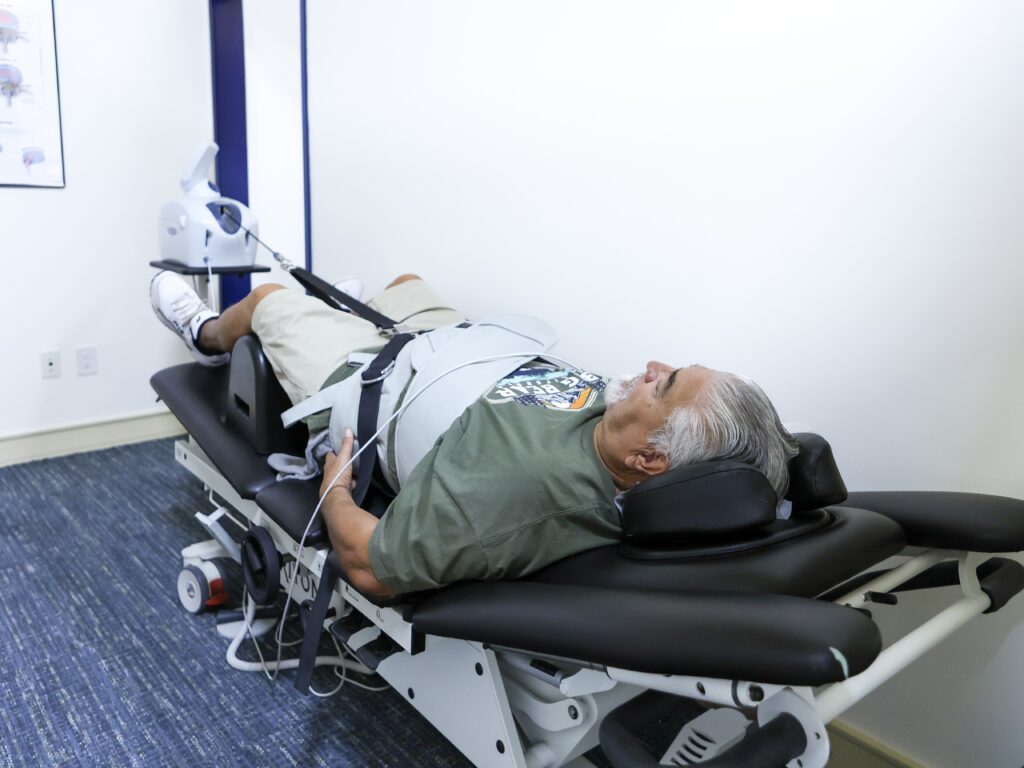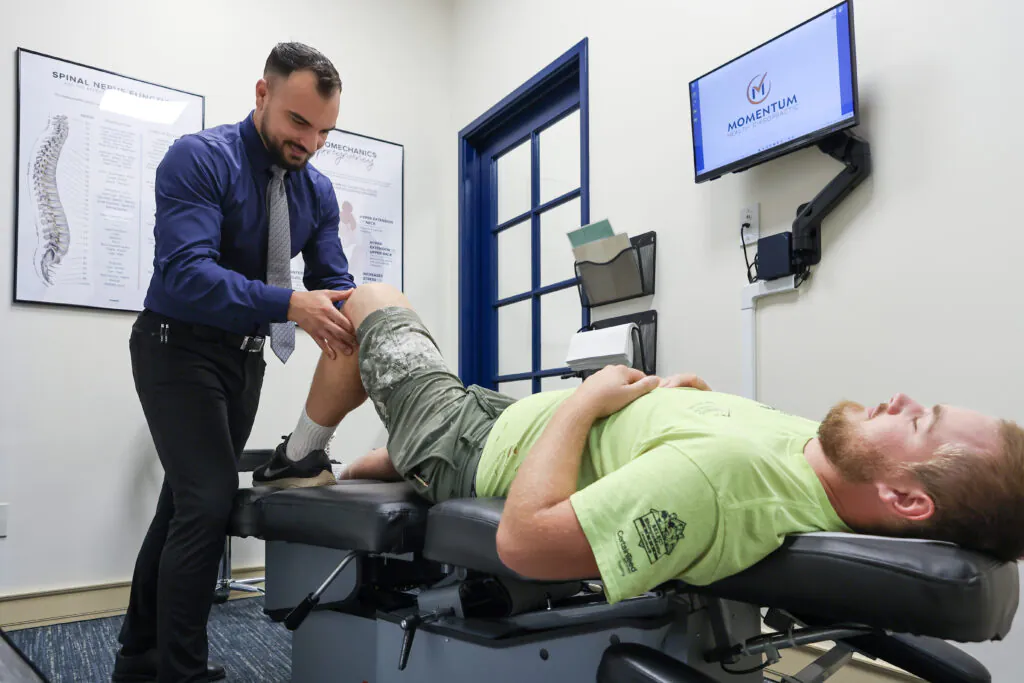

Finding the right schedule for headache relief can significantly improve your daily life and overall well-being. As a chiropractor, I believe that understanding your headache triggers and establishing a consistent routine is vital for taking control of your symptoms. While medication might be a common go-to, I encourage you to explore natural solutions like chiropractic care, which can address the underlying issues contributing to your headaches.
Chiropractic care focuses on spinal health and alignment, which plays a crucial role in how your body functions. Misalignments in the spine can lead to tension and discomfort, contributing to headaches. By visiting a chiropractor, you can receive tailored adjustments that promote optimal spinal health, often resulting in reduced headache frequency and intensity.
In addition to chiropractic care, consider these simple tips to create a routine that supports headache relief:
- Prioritize Sleep: Aim for 7-9 hours of quality sleep each night. Establish a consistent sleep routine to help your body reset and recover.
- Stay Hydrated: Dehydration can trigger headaches. Make sure to drink plenty of water throughout the day.
- Eat a Balanced Diet: Incorporate whole foods, such as fruits, vegetables, lean proteins, and whole grains. Avoid processed foods that may be headache triggers.
- Exercise Regularly: Engaging in regular physical activity can reduce tension and improve overall health. Aim for at least 30 minutes of moderate exercise most days.
- Manage Stress: Incorporate relaxation techniques such as deep breathing, meditation, or yoga into your daily routine to help alleviate stress, a common headache trigger.
- Posture Awareness: Be mindful of your posture, especially if you spend long hours at a desk. Proper ergonomics can prevent tension in the neck and shoulders, reducing the likelihood of headaches.
- Regular Chiropractic Visits: Make chiropractic adjustments a part of your wellness routine. Regular visits can help maintain spinal alignment and prevent headaches from occurring.
By taking these steps and incorporating chiropractic care into your wellness journey, you can tailor a schedule that fits your unique needs and promotes lasting relief from headaches. Remember, your health is in your hands!
Key Takeaways
- Establishing a consistent sleep schedule is essential for overall wellness. Aim for 7 to 9 hours of quality sleep each night, as good rest can significantly reduce the frequency of headaches and support your body’s natural healing processes.
- Regular chiropractic visits play a crucial role in maintaining your spinal alignment. By addressing any misalignments, chiropractic care alleviates tension and promotes optimal function, which can help prevent headaches and improve your overall well-being.
- Keeping a headache diary is a practical tool for understanding your body better. By tracking when headaches occur, you can identify patterns and potential triggers. This awareness allows you to schedule preventive measures, including chiropractic adjustments, to keep headaches at bay.
- Incorporating regular exercise into your routine is beneficial for both physical and mental health. Aim for at least 150 minutes of activity each week. Exercise boosts circulation and releases endorphins, which naturally reduce headache pain. Plus, staying active complements the benefits of chiropractic care.
- Staying properly hydrated is essential for preventing headaches. Aim for at least eight 8-ounce glasses of water throughout the day. Dehydration can be a common trigger for headaches, so drinking enough water is a simple yet effective way to support your health and wellness.
By integrating these practices into your daily life and prioritizing chiropractic care, you can take significant steps toward achieving optimal health and reducing headache occurrences naturally.
Understanding Different Types of Headaches
Headaches can strike unexpectedly, and understanding the different types is essential for effective relief, especially when considering natural approaches like chiropractic care.
Tension headaches are the most common and often stem from stress and muscle tension. You may experience a dull, aching sensation or tightness around your forehead. Chiropractic adjustments can help alleviate the tension in your neck and shoulders, providing relief from these types of headaches.
Migraines, while less common, can be debilitating. They typically present with severe throbbing pain, often accompanied by nausea or sensitivity to light and sound. Regular chiropractic care may help reduce the frequency and intensity of migraines by addressing spinal misalignments that can contribute to headache triggers.
Cluster headaches are another type, though less prevalent. These can be excruciating and usually affect one side of your head. While chiropractic care may not specifically target cluster headaches, maintaining spinal health can improve your overall well-being and potentially lessen headache occurrences.
Sinus headaches arise from sinus inflammation, leading to pressure and pain around your cheeks and forehead. Chiropractic techniques can help improve drainage and reduce inflammation, offering an effective natural solution to sinus-related discomfort.
Each type of headache can benefit from a different approach, and knowing what kind you’re experiencing can guide you in seeking the right treatment. Incorporating regular chiropractic adjustments into your wellness routine can help not only with headaches but with overall health and wellness.
In addition to chiropractic care, here are some general tips for managing headaches naturally:
- Stay hydrated: Dehydration can contribute to headaches, so drink plenty of water throughout the day.
- Practice good posture: Poor posture can lead to tension in your neck and shoulders, which may trigger headaches.
- Manage stress: Engage in relaxation techniques like deep breathing, yoga, or meditation.
- Get adequate sleep: Ensure you’re getting enough restorative sleep to help prevent headaches.
Identifying Your Triggers
To find relief from headaches, it’s essential to identify what triggers them. Common culprits include stress, certain foods, and changes in sleep patterns, all of which can be interconnected with your overall spinal health. As a chiropractor, I emphasize the importance of maintaining a properly aligned spine to support your body’s natural healing processes. Keeping a headache diary can help you track these patterns and pinpoint your personal triggers more effectively.
In addition to identifying your triggers, consider incorporating regular chiropractic adjustments into your wellness routine. These adjustments can alleviate tension in the neck and upper back, which may contribute to headache pain. Additionally, practicing relaxation techniques like deep breathing, yoga, or gentle stretches can reduce stress and promote better sleep, further supporting headache relief.
Common Headache Triggers
Understanding common headache triggers can significantly enhance your ability to manage and prevent pain naturally.
Many individuals notice that certain foods, such as aged cheeses or processed meats, can lead to headaches. Staying hydrated is crucial as dehydration is a common trigger; aim to drink plenty of water throughout the day to keep your body balanced.
Stress and inadequate sleep are also key contributors to headaches, making it essential to prioritize relaxation techniques, such as deep breathing or gentle stretches, and ensure you’re getting enough restorative sleep.
As a chiropractor, I encourage you to explore spinal adjustments, which can help alleviate tension and improve overall wellness.
Environmental factors, including bright lights or strong odors, might also provoke headaches. Consider adjusting your workspace to minimize these triggers.
Additionally, be aware that changes in weather, such as sudden temperature shifts, can impact your well-being.
By recognizing these triggers, you can make informed choices that support your health and reduce the frequency and intensity of headaches.
Incorporating regular chiropractic care into your routine can help address underlying issues, promote relaxation, and enhance your overall health. Stay mindful of your habits and surroundings, and you can lead a more comfortable, headache-free life while embracing natural healing through chiropractic care.
Personal Trigger Assessment
Identifying your personal headache triggers can be a game-changer in managing pain effectively and achieving overall wellness. As a local chiropractor, I believe that understanding these triggers is essential for maintaining a healthy spine and promoting natural healing. By recognizing patterns in your headaches, you can make informed choices that support your body’s natural ability to heal.
Start by paying attention to various factors that may contribute to your headaches. Here are some important areas to consider:
| Trigger | Notes |
|---|---|
| Food or Drink | Take note of any specific foods or beverages that seem to coincide with your headaches. Keeping a food diary can be helpful. |
| Stress Levels | Identify daily situations that may lead to increased stress. Finding ways to manage stress through relaxation techniques can be beneficial for your overall health and spinal alignment. |
| Sleep Patterns | Evaluate your sleep quality. Aim for a consistent sleep schedule and create a restful environment to support good spinal health. |
| Weather Changes | Be aware of how changes in weather or climate may affect your headaches. Staying hydrated and maintaining good posture can help mitigate these effects. |
Incorporating chiropractic care into your wellness routine can also be a powerful tool in addressing headache triggers. Regular adjustments can help relieve tension in the spine, improve circulation, and promote relaxation, all of which contribute to reducing headache frequency and intensity.
Keeping a Headache Diary
Keeping a headache diary can significantly boost your ability to identify triggers and patterns related to your headaches. By recording your experiences, you can reveal the factors that may contribute to your discomfort. Here’s how to create an effective diary that can aid in your journey toward natural healing and wellness:
- Date and Time: Make a note of when your headache begins and ends. This helps track patterns over time.
- Symptoms: Describe the intensity and type of pain you feel. Understanding your symptoms can help you communicate better with your chiropractor.
- Food and Drink: Write down everything you eat and drink, including snacks and beverages. Certain foods may trigger headaches, and identifying these can be key to prevention.
- Activities and Environment: Document what you were doing and where you were when the headache struck. This can help identify environmental factors or activities that might contribute to your pain.
After a few weeks of diligent recording, take some time to review your entries. You might start to see consistent triggers emerge. This knowledge empowers you to make informed lifestyle choices that can help reduce the frequency and intensity of your headaches.
Remember, chiropractic care can play a vital role in managing headache pain. Regular chiropractic adjustments can help align your spine, relieve tension, and promote overall wellness.
Establishing a Consistent Sleep Routine
Establishing a consistent sleep routine can significantly enhance your overall well-being and may help alleviate headaches. When you go to bed and wake up at the same time each day, your body starts to adjust its internal clock. This regularity improves the quality of your sleep, making it deeper and more restorative, which is crucial for maintaining a healthy spine and reducing tension throughout your body.
Aim for 7 to 9 hours of sleep each night, and consider creating a calming pre-sleep routine. This could include activities like gentle stretching, reading a book, or practicing relaxation techniques such as meditation. These practices can help signal to your body that it’s time to unwind, promoting a peaceful night’s rest.
Be mindful of your caffeine intake and heavy meals close to bedtime, as these can interfere with your sleep quality. Instead, focus on nourishing your body with light, healthy snacks if you’re hungry. By prioritizing a consistent sleep schedule, you not only boost your overall health but also help reduce the frequency and intensity of headaches.
Incorporating Regular Exercise
A consistent sleep routine lays a strong foundation for your health, but incorporating regular exercise can significantly enhance your headache relief efforts. Exercise not only boosts circulation and reduces tension but also triggers the release of endorphins, the body’s natural painkillers. This can be especially beneficial in alleviating headaches.
As a local chiropractor, I want to share some helpful tips to get you moving towards better health:
- Choose Activities You Enjoy: Engaging in exercises that you love, such as dancing, cycling, or yoga, makes it easier to stick with your routine and can improve your overall well-being.
- Aim for Consistency: Try to exercise at least 150 minutes per week. You can break this down into shorter sessions, making it more manageable and enjoyable.
- Incorporate Stretching: Flexibility exercises are key to relieving muscle tension, especially in areas that often contribute to headaches, like the neck and shoulders. Regular stretching can also support spinal health, which is vital for overall wellness.
- Stay Hydrated: Make sure to drink plenty of water before, during, and after your workouts. Dehydration is a common headache trigger, so keeping yourself well-hydrated is essential for preventing headaches and supporting your body’s natural functions.
Remember, chiropractic care can also play a crucial role in your headache relief journey. Regular chiropractic adjustments can help align your spine and improve overall function, which may reduce the frequency and intensity of headaches.
Practicing Mindfulness and Relaxation Techniques
Practicing mindfulness and relaxation techniques can significantly alleviate headache tension and enhance your overall well-being, especially when combined with chiropractic care.
As a local chiropractor, I recommend incorporating simple practices like deep breathing exercises, guided meditation, and progressive muscle relaxation into your daily routine. These techniques can help calm your mind and body, allowing your spine and nervous system to function optimally.
Chiropractic care focuses on aligning the spine and ensuring that your nervous system operates smoothly. This alignment can greatly reduce headache triggers and promote natural healing.
In addition to these mindfulness exercises, consider regular chiropractic adjustments to maintain spinal health and prevent tension build-up.
Here are some easy tips to help you manage headache tension:
- Deep Breathing: Take a few minutes each day to practice deep breathing. Inhale slowly through your nose, hold for a few seconds, and exhale through your mouth. This helps relax the muscles around your neck and shoulders, which can often contribute to headaches.
- Guided Meditation: Use apps or online resources for guided meditation sessions. These can help you center your thoughts and release stress, supporting your overall health.
- Progressive Muscle Relaxation: Try tensing and then relaxing different muscle groups in your body, starting from your toes and working your way up. This technique can help release physical tension that might be contributing to your headaches.
- Regular Chiropractic Visits: Schedule regular visits with your chiropractor to keep your spine aligned and your nervous system functioning properly. This proactive approach can help prevent headaches before they start.
By integrating these mindfulness methods with chiropractic care, you can achieve a healthier, more balanced life free from the burden of headaches.
Deep Breathing Exercises
Deep breathing exercises are an excellent way to alleviate headache symptoms while promoting relaxation and mindfulness. Incorporating these techniques into your daily routine can help you manage stress and tension effectively, contributing to overall wellness and complementing your chiropractic care. Here’s how to practice deep breathing:
- Find a quiet space: Select a comfortable area where you can relax without interruptions. This helps create a calming environment that enhances the benefits of deep breathing.
- Sit or lie down: Position yourself in a way that fully supports your body. Whether sitting in a chair or lying down, ensure that your spine is aligned and comfortable.
- Inhale deeply: Take a slow, deep breath in through your nose, allowing your lungs to fill completely for a count of four. This increases oxygen flow to your body, which is essential for healing.
- Exhale slowly: Gently release your breath through your mouth, counting to six. This helps to release tension and promotes relaxation.
Repeat this cycle for several minutes. As you focus on your breath, you may notice a decrease in stress levels, which can help reduce the intensity of headaches over time.
Remember, chiropractic care is a natural and effective way to address the root causes of pain, including headaches. Coupling these deep breathing exercises with regular chiropractic adjustments can enhance your overall well-being and support your journey to optimal health.
Guided Meditation Practices
Incorporating guided meditation practices into your daily routine can significantly enhance the relaxation benefits you experience from deep breathing exercises, especially when it comes to reducing stress that may contribute to headaches. By taking just a few minutes each day, you can cultivate mindfulness, promoting overall well-being and supporting the natural healing process that chiropractic care emphasizes.
Here are a few types of meditation you might consider, each varying in duration:
| Type of Meditation | Duration |
|---|---|
| Body Scan | 10-15 minutes |
| Guided Imagery | 10-20 minutes |
| Loving-Kindness | 5-15 minutes |
Choose a style that resonates with you, and look for meditation apps or online resources that can guide your sessions. Integrating these practices with regular chiropractic adjustments can lead to a remarkable reduction in headache frequency and intensity, ultimately enhancing your quality of life.
Progressive Muscle Relaxation
Progressive muscle relaxation (PMR) is a fantastic technique to help you release tension and embrace mindfulness in your daily life. As a chiropractor, I often see how stress can lead to discomfort and headaches, and PMR can be a valuable tool to counteract that. By focusing on tensing and relaxing your muscles, you can become more aware of your body and alleviate some of those headache triggers. Here’s how to practice PMR effectively:
- Find a quiet space: Look for a comfortable area where you can relax without interruptions. This can be as simple as a cozy chair in your living room or a peaceful spot in your backyard.
- Breathe deeply: Take a moment to inhale slowly through your nose, letting your abdomen rise, and then exhale gently through your mouth. Deep breathing helps to calm your nervous system and prepares your body for relaxation.
- Focus on muscle groups: Begin at your toes. Tense the muscles in your feet for about five seconds, then release and feel the relaxation. Work your way up through your body—calves, thighs, abdomen, arms, and finally your neck and face. This process helps you identify areas of tension and promotes a sense of overall well-being.
- Repeat regularly: Incorporate PMR into your daily routine. Just a few minutes each day can help build resilience against stress and reduce the frequency of headaches. Consistency is key, and over time, you’ll notice a significant improvement in your relaxation response.
Integrating PMR into your life can complement your chiropractic care, enhancing your journey towards optimal health and wellness.
Maintaining a Healthy Diet
While headaches can be triggered by various factors, maintaining a healthy diet is an important aspect of overall wellness that can help prevent them. As a chiropractor, I believe that supporting your body with the right nutrition is a key part of achieving optimal health. Focus on incorporating whole foods, such as colorful fruits and vegetables, lean proteins, and whole grains, into your meals.
These nourishing foods provide essential nutrients that support your body’s natural healing processes and reduce inflammation, which is beneficial for overall health and can help keep headaches at bay.
Be aware of certain foods that may trigger your headaches. Common culprits include aged cheeses, processed meats, and artificial sweeteners.
Keeping a food diary can be a valuable tool in identifying patterns and potential triggers, allowing you to make informed choices that support your well-being.
In addition to choosing the right foods, it’s important to eat regular meals and snacks to keep your blood sugar levels stable. Skipping meals can lead to headaches, so aim for balanced portions throughout the day. This not only nourishes your body but also supports your spine and nervous system, which are crucial for your overall health.
Lastly, remember that moderation is key. While it’s okay to indulge occasionally, consistently prioritizing a nutritious diet will give you the best opportunity for headache relief and enhance your overall wellness. By nourishing your body and seeking chiropractic care, you can support your health naturally and effectively.
Staying Hydrated and Managing Caffeine Intake
Staying hydrated is crucial for overall wellness and can play a significant role in preventing headaches. As a chiropractor, I often see how dehydration can contribute to discomfort and tension, which can exacerbate spinal issues. Make it a habit to drink plenty of water throughout the day—aim for at least eight 8-ounce glasses daily. This simple practice can help keep your body functioning optimally and support your spinal health.
In addition to hydration, managing your caffeine intake is vital. While a small amount of caffeine may provide temporary relief for some headaches, too much can lead to withdrawal headaches and increased tension in the body. As a chiropractor, I believe in the power of natural healing, and maintaining balance in your diet is key.
Here are some practical tips to help you stay hydrated and manage your caffeine intake:
- Carry a water bottle: Keep a reusable water bottle with you throughout the day. This serves as a reminder to sip water regularly, promoting hydration and overall health.
- Set reminders: Use your phone or a timer to remind you to drink water every hour. Staying on top of your hydration can help prevent headaches and support your spine.
- Limit caffeine: Consider limiting your intake to one or two cups of coffee or tea a day. This can help avoid the negative effects of excessive caffeine on your body and mind.
- Alternate drinks: Balance any caffeinated beverages with water. This not only keeps you hydrated but also supports your body’s natural healing processes.
Tracking Your Progress and Adjusting Your Schedule
To effectively manage your headache relief schedule, tracking your progress is crucial, and making adjustments can lead to better outcomes. Start by keeping a headache diary where you can note when your headaches happen, how intense they are, and any possible triggers. This simple practice can help you spot patterns and understand what strategies work best for you.
Regularly review your diary to see if your current routine aligns with how often and how severely you experience headaches. If you find that headaches are still a persistent issue, it might be time to consider changes in your hydration habits, caffeine consumption, or relaxation techniques. Remember, natural methods like chiropractic care can play a significant role in relieving tension and promoting overall wellness, which may help reduce headache frequency.
Don’t hesitate to explore different approaches, as everyone’s body responds differently. Chiropractic adjustments, for instance, can help align your spine, relieve pressure, and improve your nervous system function, which may lead to reduced headache occurrences. Consulting with your chiropractor can provide you with personalized advice and insights tailored to your needs.
Flexibility is vital; your body’s needs may change over time. By actively tracking your headaches and making necessary adjustments, you’ll empower yourself to find a natural relief schedule that works best for you. Embracing chiropractic care as a cornerstone of your wellness journey can significantly enhance your quality of life and help you achieve optimal health.