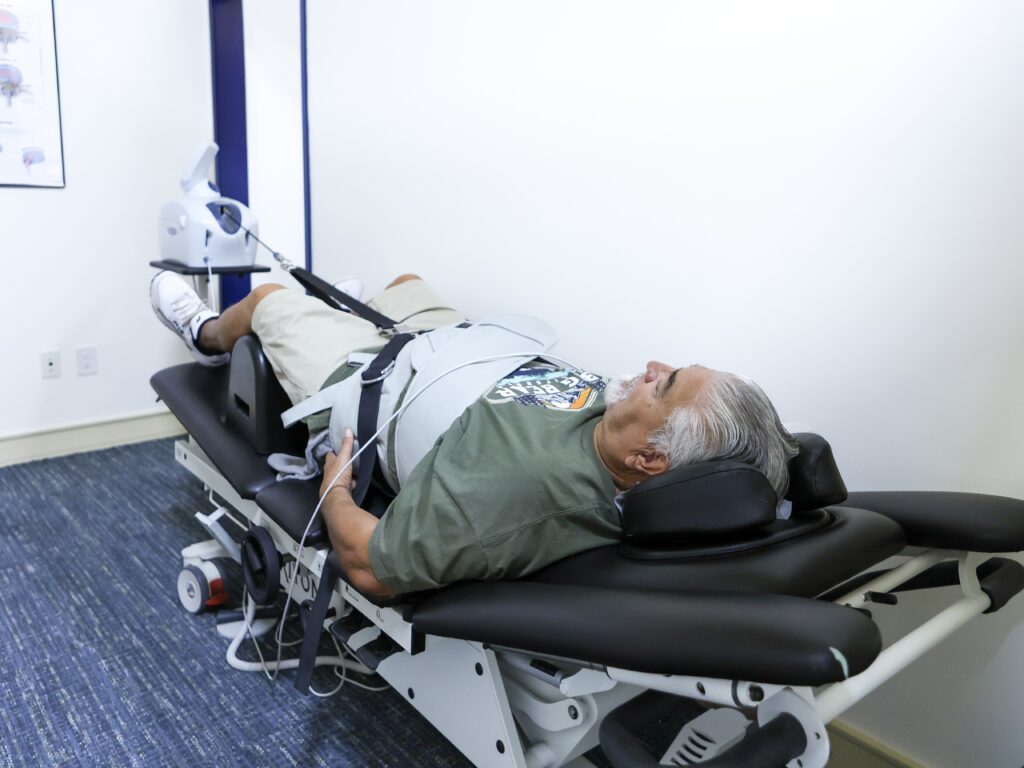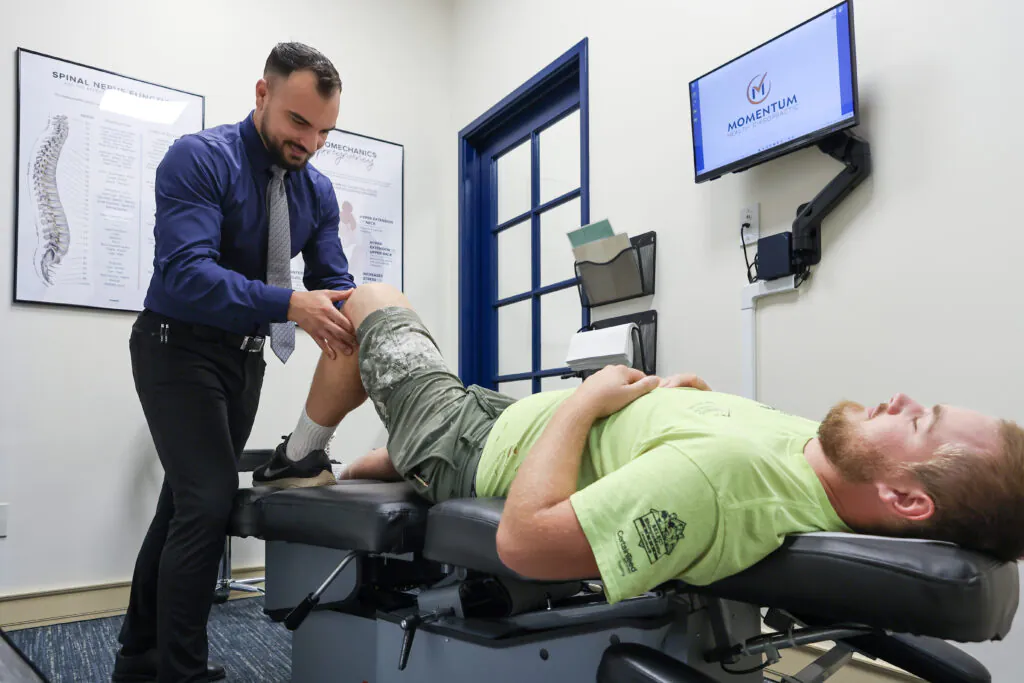

When headaches strike, it’s easy to think about reaching for medication, but there are effective non-medical options that can truly help. As a chiropractor, I believe that optimal health and wellness can be achieved without relying on drugs. Simple lifestyle changes can make a significant difference, including adjustments to your diet and the incorporation of relaxation techniques.
Have you considered how chiropractic care can play a vital role in managing headaches? By addressing spinal misalignments, we can help relieve tension and pressure that contributes to headaches. Regular chiropractic adjustments promote better spinal health, which can lead to fewer headaches and improved overall well-being.
In addition to chiropractic care, exploring therapies such as massage or aromatherapy can enhance your relief strategies. These methods can help reduce stress and promote relaxation, which are crucial in headache management.
Curious about how to integrate these approaches into your routine? Start by maintaining good posture throughout your day, staying hydrated, and practicing deep-breathing exercises to alleviate tension. Stretching your neck and shoulder muscles can also help ease discomfort. Taking these small steps can make a big difference in your daily life.
Let’s uncover practical solutions that prioritize your health, focusing on natural healing and wellness. Remember, chiropractic care is a powerful ally in your journey to headache relief and overall vitality.
Key Takeaways
- First, it’s important to identify the type of headache you are experiencing, whether it’s tension, migraine, or cluster. Understanding this can help you tailor your management strategies for more effective relief.
- One of the simplest yet powerful ways to prevent headaches is to stay hydrated. Aim to drink at least eight 8-ounce glasses of water daily. Dehydration can lead to headaches, and maintaining proper hydration supports overall health.
- Consider incorporating magnesium-rich foods and omega-3 fatty acids into your diet. These nutrients help support your nervous system and reduce inflammation, both of which can contribute to headache relief.
- Stress and tension can trigger headaches, so practicing relaxation techniques can be incredibly beneficial. Deep breathing, progressive muscle relaxation, and mindfulness exercises can help alleviate tension and reduce the frequency of headaches.
- Regular chiropractic care is an excellent way to address headaches at their source. Chiropractic adjustments can relieve muscle tension, improve spinal alignment, and enhance overall wellbeing. Additionally, therapies like massage can work hand-in-hand with chiropractic care to enhance your results, helping you feel your best.
By focusing on these natural approaches and the benefits of chiropractic care, you can empower yourself to manage headaches effectively and support your overall health and wellness. Remember, your body has the ability to heal itself, and chiropractic care can help you unlock that potential!
Understanding the Different Types of Headaches
When you experience a headache, it’s essential to understand that not all headaches are created equal. Each type comes with its unique triggers and symptoms, and recognizing these can help you find the right path to relief through natural means, like chiropractic care.
Tension headaches are often described as a tight band around your head, typically resulting from stress or muscle tension. You may feel a dull, persistent pain that lingers for hours or even days. This type of headache can sometimes be alleviated through gentle spinal adjustments, which help to relieve muscle tension and improve blood flow.
Migraines, in contrast, tend to be more intense and are often accompanied by nausea, as well as sensitivity to light and sound. These throbbing headaches can last from a few hours to several days. Chiropractic care may help manage migraines by addressing spinal misalignments that can contribute to headache frequency and intensity.
Regular adjustments can help keep your nervous system functioning optimally, potentially reducing the occurrence of migraines.
Cluster headaches are less common but can be incredibly painful, often occurring in cyclical patterns. While they may require specific strategies for management, chiropractic care can still play a role. By ensuring your spine is aligned and your body is functioning efficiently, you may find a reduction in headache episodes.
Understanding these different types of headaches is the first step toward managing them effectively and naturally.
Here are a few general tips to help you cope:
- Stay Hydrated: Dehydration can trigger headaches, so make sure you’re drinking enough water throughout the day.
- Practice Good Posture: Poor posture can lead to tension headaches. Focus on maintaining a healthy posture, especially if you work at a desk.
- Manage Stress: Incorporate relaxation techniques such as deep breathing, yoga, or meditation to reduce stress levels.
- Regular Chiropractic Check-ups: Keeping your spine aligned can help prevent headaches and improve overall wellness.
The Power of Hydration
The Importance of Staying Hydrated for Your Health
As a chiropractor, I want to emphasize how crucial proper hydration is for your overall health, particularly when it comes to alleviating headaches. When your body is dehydrated, it can lead to your brain temporarily shrinking from fluid loss, which can result in painful headaches. By drinking enough water throughout your day, you can support optimal brain function and reduce the likelihood of headache triggers.
Aim to drink at least eight 8-ounce glasses of water daily, but feel free to adjust that amount based on how active you’re and the climate you live in. Keeping a water bottle with you can serve as a great reminder to sip regularly. If you find yourself experiencing signs of dehydration, such as dry mouth or fatigue, it’s important to take action right away by drinking water or eating hydrating foods like fruits and vegetables.
Incorporating proper hydration into your daily routine can be a straightforward yet powerful way to support your body’s natural healing processes. Not only will you likely experience relief from headaches, but you’ll also see a boost in your overall energy levels and well-being. Prioritizing hydration is a simple step you can take to enhance your health and complement the benefits of chiropractic care.
Dietary Adjustments for Headache Prevention
Making dietary adjustments can significantly reduce the frequency and intensity of headaches, and as your local chiropractor, I want to share these tips to help you achieve optimal health naturally. One of the first steps is to track your food intake to identify potential headache triggers. Common culprits include aged cheeses, processed meats, and foods containing MSG. It’s also wise to limit caffeine and alcohol, as both can lead to dehydration and withdrawal headaches, which can affect your overall wellness.
Incorporating magnesium-rich foods like spinach, nuts, and whole grains into your diet is a great way to support your body’s natural defenses against headaches. Magnesium may help prevent headaches and contribute to a balanced nervous system. Additionally, consider adding omega-3 fatty acids, found in fatty fish and flaxseeds, to your meals. These can reduce inflammation in the body, which may alleviate headache symptoms.
Regular meals are vital for maintaining stable blood sugar levels, which can help prevent headaches. Skipping meals might lead to discomfort, so it’s important to keep healthy snacks on hand. Staying hydrated is crucial as well; aim for at least eight glasses of water daily to keep your body functioning optimally.
Relaxation Techniques to Alleviate Pain
When headaches strike, incorporating relaxation techniques can be a great way to find relief and support your overall health. As a chiropractor, I encourage you to explore methods like deep breathing exercises, guided imagery practices, and progressive muscle relaxation. These techniques not only help calm your mind but also relieve tension in your body, making it an ideal environment for healing.
In addition to these relaxation methods, chiropractic care plays a crucial role in addressing the root causes of headaches. By focusing on spinal health and ensuring proper alignment, we can reduce nerve interference and tension that may be contributing to your pain.
Here are some general tips to keep in mind for headache relief:
- Stay Hydrated: Dehydration can lead to headaches, so make sure you’re drinking enough water throughout the day.
- Maintain Good Posture: Poor posture can strain your neck and back, leading to headaches. Pay attention to your body alignment, especially when sitting for long periods.
- Regular Chiropractic Adjustments: Regular visits to your chiropractor can help ensure your spine is aligned and functioning optimally, which can prevent headaches from occurring in the first place.
- Practice Relaxation Techniques: Incorporate deep breathing, stretching, or gentle yoga into your daily routine to help release tension.
Deep Breathing Exercises
Finding relief from headaches can often be as simple as focusing on your breath, but let’s not forget the importance of maintaining spinal health through chiropractic care.
Deep breathing exercises can complement your chiropractic treatments by calming your mind and reducing tension in your body, which is essential for optimal wellness.
Here’s how to practice them effectively while keeping your spine in mind:
- Get Comfortable: Sit or lie down in a quiet space where you won’t be disturbed. Ensure your posture is aligned, as this will support your spine while you relax.
- Inhale Slowly: Breathe in deeply through your nose for a count of four, filling your abdomen. Imagine expanding your rib cage to support your spine.
- Hold Your Breath: Pause for a count of four, allowing the air to settle and your body to relax even further.
- Exhale Gently: Breathe out through your mouth for a count of six, consciously releasing any stress or tension, especially from your neck and shoulders.
Repeat this cycle for a few minutes.
You’ll be surprised at how quickly you can ease headache pain with just a few mindful breaths.
Remember, regular chiropractic adjustments can help maintain your spinal health, which can lead to fewer headaches and a more balanced overall state of wellness.
Incorporating these deep breathing exercises into your routine can enhance the benefits of your chiropractic care, helping you achieve a healthier, pain-free life.
Guided Imagery Practices
Guided imagery practices can be an excellent complement to chiropractic care when it comes to alleviating headache pain and promoting relaxation. By harnessing the power of your imagination, you can create a mental escape that enhances your healing journey. Picture yourself on a serene beach or in a tranquil forest—take a moment to visualize the details. Feel the warmth of the sun on your skin, listen to the soothing sound of gentle waves, or breathe in the fresh scent of pine trees.
As you immerse yourself in this calming scene, focus on your breath. Each exhale releases tension and stress, allowing your body to relax further. This practice not only helps shift your attention away from the pain but also supports your overall well-being. Remember, you don’t need any special tools—just your mind and a few quiet moments.
Incorporating guided imagery alongside regular chiropractic adjustments can enhance your ability to cope with headaches and promote a healthier lifestyle. Chiropractic care addresses the root causes of pain, helping to restore proper alignment and function to your spine. Coupled with relaxation techniques like guided imagery, you can experience holistic relief.
Here are some simple tips to incorporate into your routine:
- Set Aside Time: Dedicate a few minutes each day to practice guided imagery. It can be a great way to unwind after a long day.
- Create a Comfortable Space: Find a quiet, comfortable spot where you can sit or lie down without distractions.
- Combine Techniques: After a chiropractic adjustment, take some time for guided imagery to enhance your relaxation and healing.
- Stay Consistent: Regular practice can improve your ability to manage headaches, reduce stress, and support your chiropractic care.
Progressive Muscle Relaxation
Progressive muscle relaxation (PMR) is a fantastic technique that can help reduce headache pain and ease tension throughout your body. As a chiropractor, I often recommend this method to my patients as a natural way to promote relaxation and alleviate discomfort without the need for medications or surgeries.
Here’s a simple guide on how to practice PMR:
- Find a Quiet Space: Look for a comfortable, quiet place where you can relax without interruptions. This will help you focus on your body and the relaxation process.
- Get Comfortable: Whether you prefer sitting or lying down, choose a position that feels good for you. Comfort is key to making the most of your relaxation experience.
- Breathe Deeply: Take a deep breath in through your nose, hold it for a moment, and then exhale slowly through your mouth. Deep breathing helps calm your mind and prepares your body for relaxation.
- Tense and Relax: Start with your toes. Tense them for a few seconds, feeling the tension build, and then release. Move up through your body—your feet, calves, thighs, and so on—repeating this process for each muscle group. This helps to release any built-up tension.
By incorporating PMR into your routine, you can effectively manage headache symptoms and promote overall wellness. Remember, chiropractic care is also an excellent way to support your body’s natural healing processes.
Regular adjustments can help alleviate tension in your spine and improve your overall health. So, consider visiting your chiropractor for more personalized advice on managing pain and achieving optimal wellness.
Physical Therapies: Massage and Chiropractic Care
Many people seek relief from headaches through physical therapies, and as a chiropractor, I want to emphasize how chiropractic care can be one of the most effective methods for achieving optimal wellness and pain relief.
Headaches often stem from tension and misalignments in the neck and spine, and chiropractic adjustments can directly address these issues.
When you visit a chiropractor, we focus on aligning the spine to relieve pressure on nerves, which can significantly reduce the frequency and intensity of headaches.
Many patients experience immediate relief after an adjustment, as we work to restore proper function to the nervous system.
In addition to chiropractic care, massage therapy can be a wonderful complement to your treatment.
A skilled massage can help ease tight muscles and improve circulation, particularly in the neck and shoulders where many headaches originate.
However, combining massage with chiropractic care often yields the best results.
Consider scheduling a massage following your chiropractic session for enhanced benefits.
To enhance your headache management naturally, here are some tips you can incorporate into your daily routine:
- Stay Hydrated: Dehydration can lead to headaches, so aim to drink plenty of water throughout the day.
- Practice Good Posture: Poor posture can contribute to tension headaches. Be mindful of your posture, especially when sitting for long periods.
- Regular Stretching: Incorporate gentle neck and shoulder stretches into your routine to relieve tension.
- Prioritize Sleep: Ensure you’re getting enough quality sleep, as fatigue can trigger headaches.
- Manage Stress: Engage in relaxation techniques such as deep breathing or meditation to help manage stress levels.
By focusing on chiropractic care and these natural strategies, you can take significant steps towards reducing headaches and achieving overall wellness.
Aromatherapy and Essential Oils
Aromatherapy can be a beneficial addition to your wellness routine, especially when dealing with headaches. While essential oils can provide soothing relief, it’s important to remember that the root cause of headaches often lies in spinal health and alignment. As a chiropractor, I believe that addressing spinal issues is one of the most effective ways to achieve optimal health and alleviate pain naturally.
Incorporating essential oils such as lavender, peppermint, and eucalyptus can enhance your relaxation and promote a sense of calm. These oils can be applied through gentle inhalation or by diluting them with a carrier oil and massaging them onto your temples. However, always prioritize your spinal health first.
Regular chiropractic adjustments can help reduce tension in your neck and back, which can significantly decrease headache frequency and intensity.
Here are some general tips to keep in mind for headache relief and overall wellness:
- Stay Hydrated: Dehydration can lead to headaches, so make sure you’re drinking enough water throughout the day.
- Maintain Good Posture: Whether you’re at your desk or on the couch, keeping your spine aligned can help prevent tension headaches.
- Get Regular Chiropractic Care: Regular adjustments can help keep your spine in alignment and reduce headache triggers.
- Practice Relaxation Techniques: Incorporate deep breathing, meditation, or gentle stretching to help relieve tension.
- Limit Screen Time: Take regular breaks from screens to reduce eye strain and prevent headaches.
Best Essential Oils
Finding natural ways to alleviate headaches can greatly enhance your wellness journey.
While chiropractic care is one of the most effective methods for addressing headaches by aligning the spine and relieving tension, incorporating essential oils into your self-care routine can also offer additional support. Here are four essential oils you might want to consider for headache relief, alongside your chiropractic treatments:
- Peppermint Oil: This oil is renowned for its cooling sensation, which can be particularly effective in relieving tension headaches. When you apply diluted peppermint oil to your temples, it may help ease muscle tightness and improve blood flow, complementing the benefits of spinal adjustments.
- Lavender Oil: Known for its soothing properties, lavender oil can help reduce stress and anxiety that often trigger headaches. Consider diffusing lavender oil in your home or adding a few drops to your pillow to promote relaxation and enhance your chiropractic care’s calming effects.
- Eucalyptus Oil: If you experience sinus-related headaches, eucalyptus oil can assist in opening your airways and reducing congestion. Its anti-inflammatory properties can work hand-in-hand with chiropractic treatments that address any underlying structural issues contributing to your discomfort.
- Rosemary Oil: This oil is celebrated for its anti-inflammatory benefits, which can help alleviate muscle tension associated with headaches. Applying diluted rosemary oil to sore areas or inhaling its aroma may offer additional relief alongside your chiropractic adjustments.
Remember, while essential oils can be a helpful addition to your wellness routine, they shouldn’t replace chiropractic care, which targets the root causes of headaches. Regular chiropractic visits can help maintain proper spinal alignment, reduce tension, and promote overall health.
Stay proactive about your wellness by incorporating these natural remedies and making chiropractic care a cornerstone of your pain relief strategy.
Application Techniques
Applying essential oils can be a wonderful complementary approach to enhancing your overall wellness and finding relief from headaches. While chiropractic care is a powerful tool for addressing pain at its source, using essential oils can provide additional comfort and relaxation. Here are some effective application techniques you can try to maximize the benefits of essential oils for headache relief.
| Technique | Description |
|---|---|
| Inhalation | Inhale the soothing aroma from a diffuser or a cotton ball placed close to your nose. This method allows the essential oils to enter your system quickly and can promote relaxation. |
| Topical Application | Dilute your chosen essential oils with a carrier oil like coconut or jojoba oil. Gently massage the mixture onto your temples or the back of your neck. This can help to relieve tension and improve circulation in the area. |
Remember to always consult with your chiropractor before trying new wellness techniques to ensure they align with your overall health plan. Experimenting with these methods can help you discover what works best for your body. Alongside regular chiropractic adjustments, incorporating essential oils can support your journey toward optimal health and natural pain relief. Enjoy the soothing effects and take proactive steps to manage your headaches effectively!
Safety Considerations
While essential oils can provide relief for headaches, it’s important to prioritize safety in their use. As a chiropractor, I believe in natural approaches to health and wellness, and here are some key considerations to keep in mind when using essential oils for headache relief:
- Dilution: Always mix essential oils with a carrier oil before applying them to your skin. This helps prevent irritation. A simple guideline is to use one drop of essential oil for every teaspoon of carrier oil.
- Patch Test: Before using a new essential oil, apply a small amount to a discreet area of your skin first. This helps you check for any allergic reactions or sensitivities.
- Quality Matters: Opt for high-quality, pure essential oils from trusted sources. This ensures you avoid harmful additives, allowing you to experience the full benefits of the oil without unnecessary risks.
- Consult with Your Chiropractor: If you’re pregnant, nursing, or have any health conditions, it’s a good idea to discuss the use of essential oils with your chiropractor or healthcare provider. They can guide you on safe practices and support your overall wellness journey.
Remember, while essential oils can complement your wellness routine, they shouldn’t replace chiropractic care. Regular chiropractic adjustments can help address the underlying causes of headaches, improve spinal health, and promote overall well-being.
If you’re experiencing frequent headaches, consider scheduling an appointment to explore how chiropractic care can support your health naturally.
Acupuncture and Acupressure
As a chiropractor, I believe in providing effective, drug-free options for pain relief, including headaches. While acupuncture and acupressure are popular practices derived from traditional Chinese medicine that focus on balancing the body’s energy, or Qi, I want to emphasize the benefits of chiropractic care as a superior choice for headache management.
Chiropractic adjustments target the spine and nervous system, helping to alleviate tension and misalignments that can contribute to headaches. By restoring proper alignment, chiropractors can enhance the flow of energy and blood throughout the body, potentially reducing the frequency and intensity of headaches. Many patients report not only relief from headache pain but also an overall sense of relaxation and improved well-being after chiropractic sessions.
In addition to professional chiropractic care, there are simple techniques you can incorporate at home to manage headaches. Maintaining good posture, staying hydrated, and practicing stress-relief techniques like deep breathing or gentle stretching can all contribute to reducing headache occurrences.
The Role of Sleep in Headache Management
Getting enough quality sleep is crucial for managing headaches effectively, and chiropractic care can enhance your overall well-being, including your sleep quality. When you prioritize restful sleep, you may find that your headaches occur less frequently and with less intensity.
Here are some practical tips to improve your sleep and support your headache relief journey:
- Establish a Consistent Sleep Schedule: Going to bed and waking up at the same time every day can help regulate your body’s internal clock. This consistency helps your body know when it’s time to rest, which can lead to better sleep.
- Create a Calming Sleep Environment: Make your bedroom a sanctuary for relaxation. Keep it dark, cool, and quiet. Consider using blackout curtains and white noise machines to create an ideal space for restorative sleep.
- Limit Screen Time Before Bed: Reduce exposure to screens at least an hour before bedtime. The blue light emitted from devices can disrupt your natural sleep cycle, making it harder to fall asleep. Instead, engage in relaxing activities, such as reading a book or practicing mindfulness.
- Incorporate Relaxation Techniques: Before bedtime, try deep breathing exercises or gentle stretches to release tension in your body. These practices can help calm your mind and prepare you for a restful night’s sleep.
- Consider Chiropractic Care: Regular chiropractic adjustments can help alleviate tension in the spine and neck, which might contribute to headaches. A chiropractor can provide personalized care to improve your overall spinal health and support better sleep patterns.
Stress Management Strategies
Managing stress effectively is crucial for reducing the frequency and intensity of headaches. One of the first steps in this journey is identifying your stress triggers. Keeping a journal can be a helpful tool for recognizing patterns and developing effective coping strategies. By understanding what stresses you, you can take proactive steps to address those issues.
Incorporating relaxation techniques into your daily routine can also make a significant difference. Simple practices such as deep breathing, progressive muscle relaxation, or meditation can help calm both your mind and body. These methods create a state of relaxation that can make it easier to handle life’s pressures.
Don’t forget the importance of physical activity in your stress management plan. Regular exercise is a natural way to release endorphins, which improve your mood and reduce tension. Aim for at least 30 minutes of moderate activity most days of the week. Whether it’s a brisk walk, yoga, or a fun dance class, find something you enjoy!
Engaging in hobbies and nurturing social connections are equally important. Spending time doing things you love can be a great distraction from stress and significantly boost your overall well-being.
Lastly, setting boundaries in your personal and professional life can be transformative. Learning to say no can relieve unnecessary pressure and allow you to prioritize what truly matters. This balance leads to a healthier lifestyle and can result in fewer headaches.