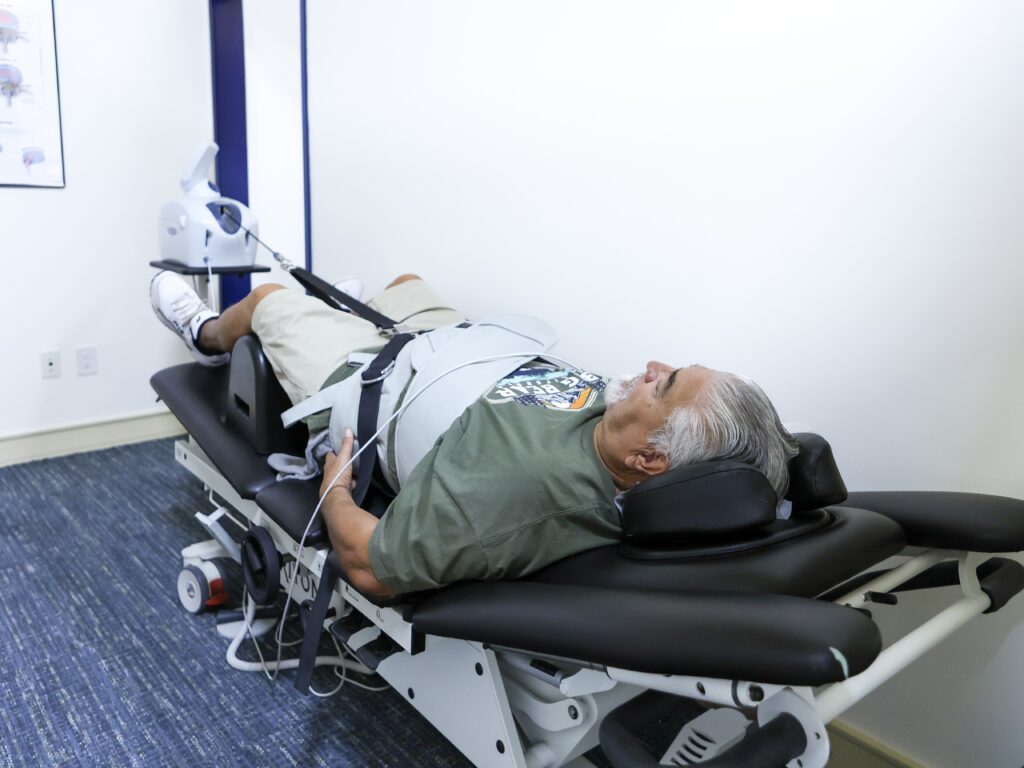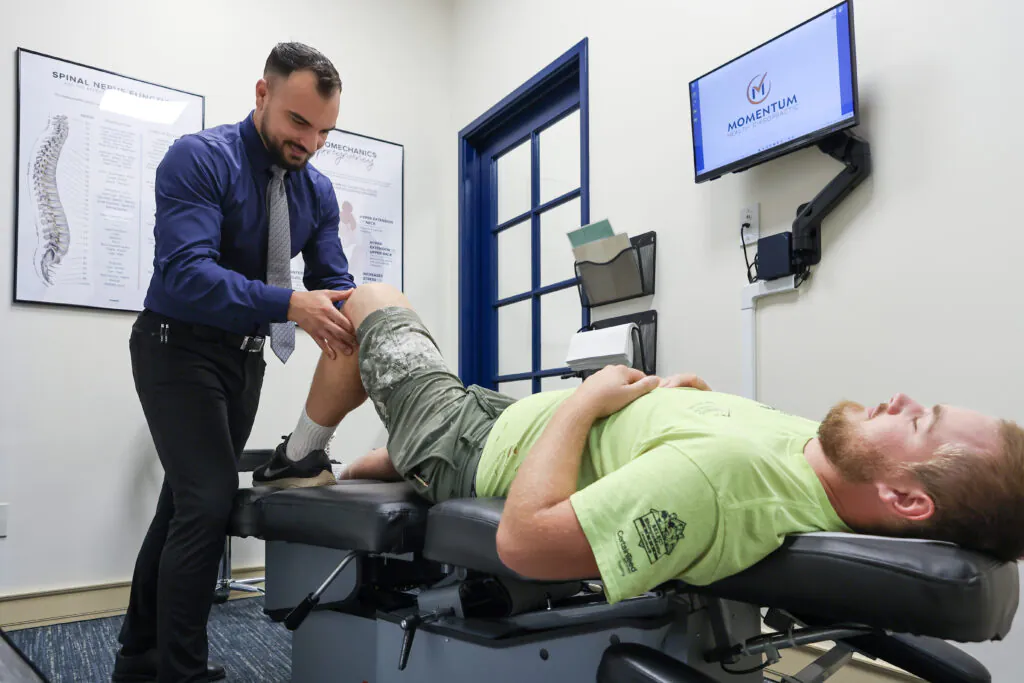

If you’re tired of dealing with persistent headaches, it might be time to consider natural relief options that focus on your overall health and wellness. As a chiropractor, I believe that understanding the root causes of your headaches is essential for effective relief. That’s why I’ve created a quick quiz to help you identify potential triggers related to your lifestyle and spinal health. By answering a few simple questions, you can gain valuable insights into how your body is functioning.
Chiropractic care is a powerful tool for addressing headaches. By aligning your spine and ensuring proper nerve function, we can help reduce tension and improve your overall well-being. Many headaches are linked to misalignments in the spine or tension in the muscles around the neck and shoulders. Regular chiropractic adjustments can help alleviate these issues, leading to fewer headaches and a better quality of life.
In addition to chiropractic care, here are some general tips to help manage headaches naturally:
- Stay Hydrated: Dehydration can trigger headaches, so make sure you’re drinking plenty of water throughout the day.
- Maintain Good Posture: Poor posture can strain your neck and back, leading to headaches. Be mindful of your posture, especially if you sit for long periods.
- Manage Stress: Stress can contribute to tension headaches. Consider relaxation techniques such as deep breathing, yoga, or meditation.
- Get Regular Exercise: Physical activity can help reduce stress and improve circulation, which may lessen headache frequency.
- Sleep Well: Ensure you’re getting adequate rest. Establish a consistent sleep schedule to help your body recover.
Ready to discover how chiropractic care can help you on your journey to fewer headaches? Your path to optimal health and wellness might just be a few questions away!
Key Takeaways
- Start by identifying the type of headache you have—be it tension, migraine, or cluster—as this will help you choose the best relief options. Understanding your condition is key to effective treatment.
- Consider chiropractic care for spinal adjustments. This holistic approach can significantly reduce headache frequency and severity by improving your body’s alignment and relieving muscle tension. Regular visits can help keep your spine in optimal condition, which may lead to fewer headaches.
- Implement simple self-care strategies to enhance your well-being. Staying hydrated, eating balanced meals, and engaging in regular exercise can help prevent headache triggers. These small lifestyle changes can make a big difference in how you feel.
- Focus on healthy sleep habits. Establishing a consistent sleep schedule and creating a calming bedtime routine can improve the quality of your sleep, which is vital for recovery and overall health. Good rest can help reduce the occurrence of headaches.
- Explore non-drug remedies like relaxation techniques, such as deep breathing or meditation, and make ergonomic adjustments to your workspace. These practices can lower stress levels and help prevent headaches from arising in the first place.
By integrating chiropractic care into your routine and adopting these healthy habits, you can achieve better pain relief and promote natural wellness. Remember, your journey to optimal health starts with small, manageable steps!
Understanding Different Types of Headaches
Headaches can be a real pain, but understanding the different types can help you find the right relief through natural methods. The most common types include tension, migraines, and cluster headaches. Tension headaches often feel like a tight band around your head, usually triggered by stress or fatigue. A gentle chiropractic adjustment can help relieve this tension by aligning your spine and reducing stress on your nervous system.
Migraines, on the other hand, can cause intense throbbing, often accompanied by nausea and sensitivity to light or sound. Chiropractic care has been shown to help reduce the frequency and severity of migraines by addressing spinal misalignments and promoting overall nervous system function. If you experience these, it’s essential to seek effective, natural treatments.
Cluster headaches are less common but incredibly painful, typically occurring in cycles. They usually affect one side of your head and can cause symptoms like watering eyes or nasal congestion. Regular chiropractic adjustments can help alleviate some of the discomfort associated with cluster headaches by improving circulation and reducing tension in the neck and upper back.
Each type of headache requires a unique approach, and recognizing your symptoms is vital. By identifying the type of headache you have and seeking chiropractic care, you’re one step closer to finding the relief you need.
In addition to chiropractic adjustments, consider incorporating stress-reduction techniques like deep breathing exercises, regular physical activity, and maintaining proper hydration. Don’t let headaches control your life—take charge of your well-being through natural healing and chiropractic care!
Identifying Your Headache Triggers
Recognizing the specific triggers behind your headaches can significantly enhance your ability to manage them effectively. By being mindful of the patterns in your headache occurrences, you can pinpoint the factors that might be contributing to your discomfort. Common triggers often include stress, certain foods, and environmental changes. Keeping a headache diary can be a great tool to track your symptoms and any potential triggers.
| Common Triggers | Description |
|---|---|
| Stress | Emotional or physical tension |
| Food Sensitivities | Certain foods like aged cheese or chocolate |
| Environmental Factors | Changes in weather or strong odors |
Once you identify your triggers, you can take proactive steps to avoid them. This awareness allows you to create a personalized plan for headache relief, promoting your overall well-being. Chiropractic care can be an excellent option for managing headaches, as it focuses on restoring balance and function to your spine, which is crucial for your nervous system’s health.
In addition to seeking chiropractic adjustments, here are some general tips to help manage headaches:
- Stay Hydrated: Drinking plenty of water throughout the day can help prevent dehydration-related headaches.
- Practice Relaxation Techniques: Incorporate deep breathing, meditation, or yoga into your routine to reduce stress levels.
- Maintain a Healthy Diet: Pay attention to what you eat and try to avoid known food triggers.
- Get Regular Exercise: Engaging in regular physical activity can help reduce stress and tension, which may lead to fewer headaches.
- Prioritize Sleep: Ensure you’re getting enough restful sleep each night, as fatigue can be a significant headache trigger.
Lifestyle Changes for Headache Prevention
To prevent headaches, making some simple lifestyle changes can be incredibly beneficial. As your local chiropractor, I want to emphasize the importance of staying hydrated, improving your sleep habits, and managing stress, as these key areas can greatly contribute to your overall well-being and help alleviate headache pain.
Staying hydrated is essential for maintaining proper bodily functions, including the health of your spine and nervous system. Dehydration can lead to tension and discomfort, so make sure to drink plenty of water throughout the day. Keeping your body hydrated not only helps prevent headaches but also supports your chiropractic care by ensuring your spine stays healthy and flexible.
Improving your sleep habits is another vital aspect of headache prevention. Quality sleep is crucial for your body to heal and regenerate. Establish a calming bedtime routine, create a comfortable sleep environment, and aim for 7-9 hours of restful sleep each night. Adequate sleep can enhance your chiropractic adjustments, allowing your body to function optimally.
Managing stress is equally important. Chronic stress can lead to muscle tension and misalignments in your spine, which can trigger headaches. Incorporate relaxation techniques such as deep breathing exercises, yoga, or even regular chiropractic visits to help alleviate stress and tension in your body. Chiropractic care not only addresses spinal misalignments but also promotes relaxation and overall wellness.
Hydration and Diet Tips
Often overlooked, hydration and diet play a crucial role in maintaining overall wellness and preventing headaches. As a local chiropractor, I want to emphasize that staying well-hydrated is essential for your health. Aim to drink at least eight glasses of water daily. Even mild dehydration can lead to headaches, so keeping a water bottle with you can be a simple yet effective way to stay on track.
When it comes to diet, focus on balanced meals that include plenty of fruits, vegetables, whole grains, and lean proteins. Skipping meals can lead to hunger-induced headaches, so try to eat regularly. Be aware of potential food triggers like aged cheeses, processed meats, and excessive caffeine, which may contribute to discomfort. Instead, consider incorporating magnesium-rich foods like nuts and leafy greens; these can support your body’s natural healing processes and may help reduce the frequency of headaches.
Sleep Hygiene Practices
Good sleep hygiene is crucial not only for preventing headaches but also for enhancing your overall well-being. As a chiropractor, I believe that a good night’s sleep is essential for your spinal health and natural healing processes. Here are some effective tips to help you achieve restful nights and promote optimal health without resorting to medications or surgeries.
First, establish a consistent sleep schedule. Going to bed and waking up at the same time every day, even on weekends, helps regulate your body’s internal clock. This consistency can greatly reduce tension and discomfort in your spine, contributing to better sleep.
Next, create a relaxing bedtime routine. Engaging in calming activities like gentle stretching or reading can signal your body that it’s time to wind down. This is particularly important for your spine, as relaxation can help alleviate tension.
It’s also wise to limit screen time at least an hour before bed. The blue light emitted by screens can interfere with melatonin production, which is vital for quality sleep. Instead, consider using this time to practice relaxation techniques or mindfulness, which are beneficial for both your mind and spine.
Make your sleep environment as comfortable as possible. Keep your room dark, quiet, and cool. Proper support for your spine while you sleep is essential—investing in a good quality mattress and pillows can make a significant difference in how you feel when you wake up.
Be mindful of your diet in the hours leading up to bedtime. Avoid caffeine and heavy meals close to bedtime, as they can disrupt your sleep and contribute to discomfort. Instead, opt for light snacks that promote sleep, such as a small banana or a handful of nuts.
Lastly, regular exercise during the day is key. Physical activity not only helps improve sleep quality but also supports spinal health. Even simple activities like walking or yoga can make a big difference in how you feel overall.
Stress Management Techniques
Managing stress effectively can significantly reduce the frequency and intensity of headaches, and chiropractic care can play a vital role in this process. By focusing on spinal health, we can help alleviate tension that may contribute to headaches. Incorporating relaxation techniques into your daily routine is essential. Consider practicing deep-breathing exercises or meditation, which can calm both your mind and body, promoting a healthier spine as well.
Regular physical activity is also crucial for maintaining wellness. Engaging in activities like walking not only boosts your mood but also helps alleviate tension in your back and neck, areas often affected by stress. Additionally, improving your time management can prevent feelings of overwhelm. Setting realistic goals and breaking tasks into smaller, manageable steps can make a big difference, allowing you to maintain a healthy posture and reduce stress on your spine.
Prioritizing self-care is key. Taking breaks and engaging in activities that bring you joy can recharge your energy and promote relaxation. Remember, chiropractic adjustments can also help maintain proper spinal alignment, which is essential for overall health and wellness.
Finally, don’t hesitate to talk to someone about your feelings. Connecting with others can provide support and perspective, and discussing your stress with a chiropractor can lead to personalized strategies that promote natural healing and pain relief. By implementing these techniques, alongside chiropractic care, you can work towards a more headache-free and healthier life.
Over-the-Counter Pain Relief Options
When a headache strikes, many people often reach for over-the-counter pain relievers for quick relief. However, it’s important to consider natural alternatives and the benefits of chiropractic care for long-term wellness and pain management.
Chiropractic care focuses on the alignment of the spine and the nervous system, which plays a crucial role in overall health. Misalignments in the spine can contribute to headaches and other types of pain. By addressing these misalignments through gentle adjustments, a chiropractor can help alleviate headache symptoms and improve your overall well-being without the need for medications.
While it’s good to be aware of medications and their potential side effects, let’s explore some natural tips and tricks to manage headaches effectively:
- Stay Hydrated: Dehydration can lead to headaches. Make sure to drink plenty of water throughout the day.
- Practice Good Posture: Poor posture can strain your neck and back, leading to tension headaches. Be mindful of your posture while sitting, standing, and using devices.
- Manage Stress: Stress is a common headache trigger. Incorporate relaxation techniques such as deep breathing, meditation, or yoga into your daily routine.
- Regular Exercise: Physical activity can help reduce the frequency and severity of headaches. Aim for regular, moderate exercise to keep your body and mind healthy.
- Sleep Hygiene: Ensure you’re getting enough quality sleep. Establish a consistent sleep schedule and create a calming bedtime routine.
- Chiropractic Adjustments: Regular visits to your chiropractor can help maintain spinal alignment and prevent future headaches. Your chiropractor can provide personalized care tailored to your unique needs.
By focusing on these natural approaches and prioritizing chiropractic care, you can take proactive steps toward managing headaches and enhancing your overall health.
Common OTC Pain Relievers
Experiencing headaches can be frustrating, but instead of reaching for over-the-counter (OTC) pain relievers, consider exploring the benefits of chiropractic care for natural relief and overall wellness. While options like acetaminophen, ibuprofen, and aspirin are commonly used, they often only mask the symptoms rather than addressing the root cause of the pain.
Chiropractic care focuses on the spine and nervous system, aiming to restore balance and function to your body. Misalignments in the spine can lead to tension and discomfort, contributing to headaches. By visiting a chiropractor, you can receive personalized adjustments that help realign your spine, reduce tension, and promote better overall health.
In addition to chiropractic adjustments, there are several natural strategies you can incorporate into your daily routine to help manage headaches. Staying hydrated is crucial, as dehydration can often trigger headaches. Incorporating regular physical activity can also reduce stress and tension, which are common headache culprits.
Furthermore, practicing good posture and taking breaks from screens can alleviate strain on your neck and shoulders.
Dosage and Usage Guidelines
Understanding how to manage headaches naturally is crucial for promoting overall wellness and reducing reliance on medications. As a local chiropractor, I encourage exploring holistic approaches to pain relief, with chiropractic care at the forefront.
When headaches strike, consider the following tips to help alleviate discomfort without resorting to over-the-counter medications:
- Stay Hydrated: Drink plenty of water throughout the day. Dehydration can often trigger headaches, so maintaining proper hydration is key.
- Practice Good Posture: Poor posture can lead to tension in the neck and shoulders, contributing to headaches. Be mindful of your posture, especially when sitting for long periods. Ergonomic chairs and standing desks can make a significant difference.
- Get Regular Adjustments: Regular chiropractic adjustments can help align the spine and relieve tension in the nervous system, which may reduce the frequency and intensity of headaches.
- Incorporate Stress-Relief Techniques: Activities such as yoga, meditation, or deep-breathing exercises can help reduce stress and tension, both of which are common headache triggers.
- Consider Dietary Factors: Certain foods or skipped meals can also lead to headaches. Pay attention to your diet and try to eat balanced meals at regular intervals.
- Rest and Relaxation: Ensure you’re getting enough sleep and taking breaks when needed. Stress and fatigue are significant contributors to headaches.
- Cold or Warm Compress: Applying a cold or warm compress to your forehead or neck can provide relief from headache pain.
By integrating these natural methods into your routine and prioritizing chiropractic care for spinal health, you can effectively manage headaches and enhance your overall wellness.
If headaches persist, I encourage you to visit your chiropractor for a personalized assessment and treatment plan that aligns with your health goals. Remember, your body has an incredible ability to heal itself, and with the right support, you can achieve optimal health and well-being.
Possible Side Effects
While over-the-counter pain relief options like ibuprofen or acetaminophen may provide temporary relief for headaches, they can come with unwanted side effects such as stomach upset, nausea, or even more serious issues like liver damage if misused.
Instead of relying on these medications, consider exploring natural alternatives that promote optimal health and wellness.
Chiropractic care stands out as an effective way to address headaches at their source.
By focusing on spinal health and alignment, chiropractors can help alleviate tension and stress that may contribute to headaches.
Regular chiropractic adjustments can improve spinal function, reduce muscle tension, and enhance overall well-being.
In addition to chiropractic care, here are some simple tips to help manage headaches naturally:
- Stay Hydrated: Dehydration can trigger headaches, so be sure to drink plenty of water throughout the day.
- Practice Good Posture: Poor posture can strain the neck and shoulders, leading to tension headaches. Be mindful of your posture, especially when sitting for long periods.
- Incorporate Relaxation Techniques: Stress is a common headache trigger. Techniques such as deep breathing, yoga, or meditation can help reduce stress levels.
- Get Regular Exercise: Physical activity can improve blood circulation and decrease the frequency of headaches. Aim for at least 30 minutes of moderate exercise most days of the week.
- Maintain a Consistent Sleep Schedule: Lack of sleep or irregular sleep patterns can contribute to headaches. Aim for 7-9 hours of quality sleep each night.
If you often experience headaches, consider visiting a chiropractor to discuss personalized care options that can help you find relief without the side effects of medications.
Your journey to better health starts with understanding the benefits of natural healing and taking proactive steps toward wellness!
Prescription Medications for Severe Headaches
When severe headaches strike, it’s essential to explore all avenues of relief, and chiropractic care can be a powerful ally in your journey to wellness. Instead of relying solely on medications, consider how spinal adjustments and holistic approaches can help alleviate headache pain naturally.
Chiropractic care focuses on the relationship between the spine and the nervous system. Misalignments in the spine can lead to tension and stress, which are common triggers for headaches. By visiting a chiropractor, you can receive gentle adjustments that may relieve pressure on nerves and improve blood flow, potentially reducing the frequency and intensity of headaches.
In addition to chiropractic adjustments, there are several natural strategies you can implement at home. Maintaining good posture, staying hydrated, and managing stress through techniques like yoga or meditation can significantly impact your overall headache experience. Regular exercise is also beneficial, as it helps relieve tension and promotes overall well-being.
For those who experience headaches regularly, keeping a symptom diary can be a helpful tool. By tracking your headaches, you can identify patterns and triggers that might be contributing to your discomfort. This information can be invaluable during your chiropractic visits, as it allows your chiropractor to tailor your care to your specific needs.
Natural Remedies to Alleviate Headaches
After considering chiropractic care for headache relief, it’s important to explore natural remedies that can enhance your journey toward optimal wellness. Staying hydrated is a fundamental approach; drinking plenty of water can help prevent headaches caused by dehydration. You may also find comfort in using essential oils, such as peppermint or lavender. Applying a small amount to your temples can provide a soothing sensation that complements the benefits of chiropractic adjustments.
In addition, incorporating relaxation techniques like deep breathing and meditation can be incredibly beneficial. These practices help to reduce the stress and tension that often trigger headaches, making them a great addition to your wellness routine. A consistent sleep schedule is also crucial; ensuring you get enough rest can significantly reduce the frequency of headaches.
Regular exercise is another key component; even a simple brisk walk can lift your spirits and minimize headache occurrences. Additionally, consider keeping a food diary to identify any potential dietary triggers that might be contributing to your discomfort.
Alternative Therapies: Acupuncture and More
Exploring alternative therapies for headache relief can lead you to effective natural solutions, with chiropractic care standing out as a top choice. As a chiropractor, I can tell you that spinal health plays a crucial role in overall wellness, and misalignments in the spine can contribute to headaches. By realigning your spine, chiropractic adjustments can help alleviate headache pain and prevent future episodes.
In addition to chiropractic care, there are other supportive therapies you might consider, such as acupuncture, massage therapy, and practicing mindfulness or yoga. While these can provide relief, chiropractic care directly addresses the root cause of many headaches by ensuring your spine is in proper alignment, which can help reduce tension and stress in the body.
Here are some general tips to enhance your well-being and reduce headache triggers:
- Stay Hydrated: Dehydration is a common headache trigger. Make sure to drink plenty of water throughout the day.
- Maintain Good Posture: Poor posture can lead to tension in your neck and shoulders. Be mindful of your posture when sitting or working at a desk.
- Regular Exercise: Engaging in regular physical activity can help reduce stress and improve overall health, which can in turn help with headache prevention.
- Adequate Sleep: Ensure you’re getting enough restorative sleep each night, as fatigue can lead to headaches.
- Mindfulness Practices: Techniques such as deep breathing, meditation, or yoga can help manage stress and tension, which are common headache triggers.
Before trying any alternative therapies, I encourage you to consult with a chiropractor who’s experienced in headache management. They can help you determine the best course of action tailored to your specific needs. Taking control of your headache journey with chiropractic care can empower you to achieve optimal health and wellness.
When to Seek Professional Help
Recognizing when to seek professional help for headaches is crucial in managing your pain effectively and enhancing your overall well-being. Knowing when to reach out can significantly impact your journey towards relief and a better quality of life. Here are some key signs to keep in mind:
| Signs to Seek Help | Possible Conditions |
|---|---|
| Headaches that worsen over time | Migraines or tension-type headaches |
| Severe pain that disrupts daily activities | Stress-related headaches |
| Symptoms like nausea or vision changes | Potential underlying issues requiring attention |
| Headaches following a head injury | Possible concussion or trauma that needs to be evaluated |
If you notice any of these symptoms, it’s important to consult a healthcare professional who understands the benefits of chiropractic care. Chiropractors are trained to assess your condition and help identify the root cause of your headaches. They can offer effective treatment options that focus on natural healing through spinal adjustments and lifestyle modifications.
In addition to seeking professional help, there are several general tips you can incorporate into your daily routine to manage headaches naturally:
- Stay Hydrated: Dehydration can trigger headaches, so make sure to drink plenty of water throughout the day.
- Maintain Good Posture: Poor posture can lead to tension in the neck and shoulders, which may contribute to headaches. Be mindful of your posture, especially while sitting at a desk or using a computer.
- Practice Stress Management: Engage in activities that help reduce stress, such as yoga, meditation, or deep-breathing exercises. These can help alleviate tension headaches.
- Get Regular Chiropractic Care: Regular adjustments can help keep your spine aligned and reduce the frequency and intensity of headaches.
- Limit Screen Time: Taking breaks from screens can help prevent eye strain and tension headaches.
Taking action early can help you avoid more serious complications down the line. Remember, chiropractic care is a natural and effective way to achieve optimal health and wellness. If you’re experiencing headaches, consider reaching out to a chiropractor who can guide you on your path to relief.
Tracking Your Headaches for Better Management
Tracking your headaches is an essential step in managing them effectively, especially when considering a natural approach to health and wellness. By keeping a detailed log of your headaches, you can uncover the patterns and triggers that may be contributing to your discomfort. Start by recording the date, time, duration, and intensity of each headache. Don’t forget to include any accompanying symptoms and potential triggers such as certain foods, stress, or lack of sleep.
Using a simple notebook or a headache tracking app can make this process easier. Regularly reviewing your entries will help you identify trends. For example, do your headaches seem to happen more frequently during certain times of the month or after particular activities? Recognizing these patterns can provide valuable insights.
This information will also be incredibly helpful when discussing your headaches with a chiropractor. They can use your log to better understand your condition and create a personalized treatment plan that focuses on natural healing and wellness. Chiropractic care can help address the root causes of your headaches, such as spinal misalignments or tension in your neck and shoulders, ultimately leading to relief and improved overall health.
In addition to tracking your headaches, consider incorporating some general wellness tips into your routine. Staying hydrated, practicing good posture, and managing stress through relaxation techniques or gentle exercise can all contribute to fewer headaches. By taking control of your headache management and exploring chiropractic care, you’re empowering yourself to find relief and enhance your quality of life naturally.