
Dealing with neck discomfort can be frustrating, but rest assured, you’re not alone. Many individuals experience neck pain, often stemming from poor posture or stress. As a local chiropractor, I want to share effective natural solutions to help alleviate your pain and enhance your overall well-being.
One of the best steps you can take is to incorporate simple stretching exercises into your daily routine. Gentle neck stretches can relieve tension and improve flexibility. Try slowly tilting your head from side to side and forward and backward to ease tightness. Additionally, consider practicing good posture while sitting or standing. Keep your shoulders back and your head aligned over your spine to reduce strain on your neck.
Ergonomic adjustments in your workspace can also make a significant difference. Ensure your computer screen is at eye level, and use a chair that supports your lower back. This can help prevent the slouching that often leads to neck discomfort.
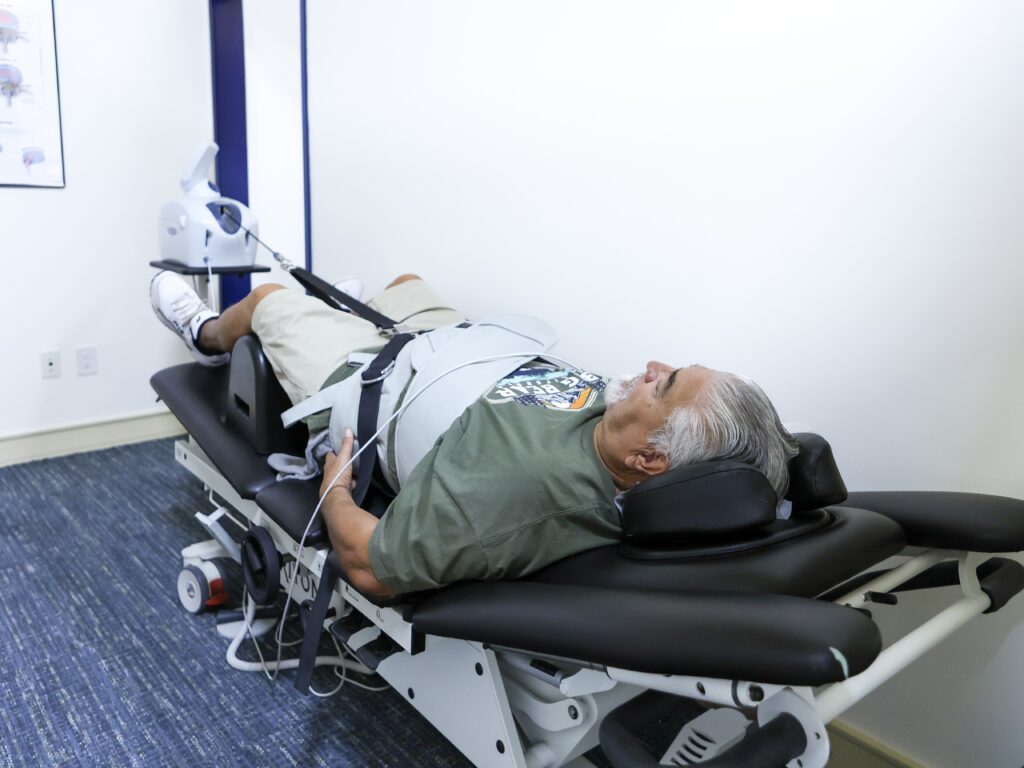
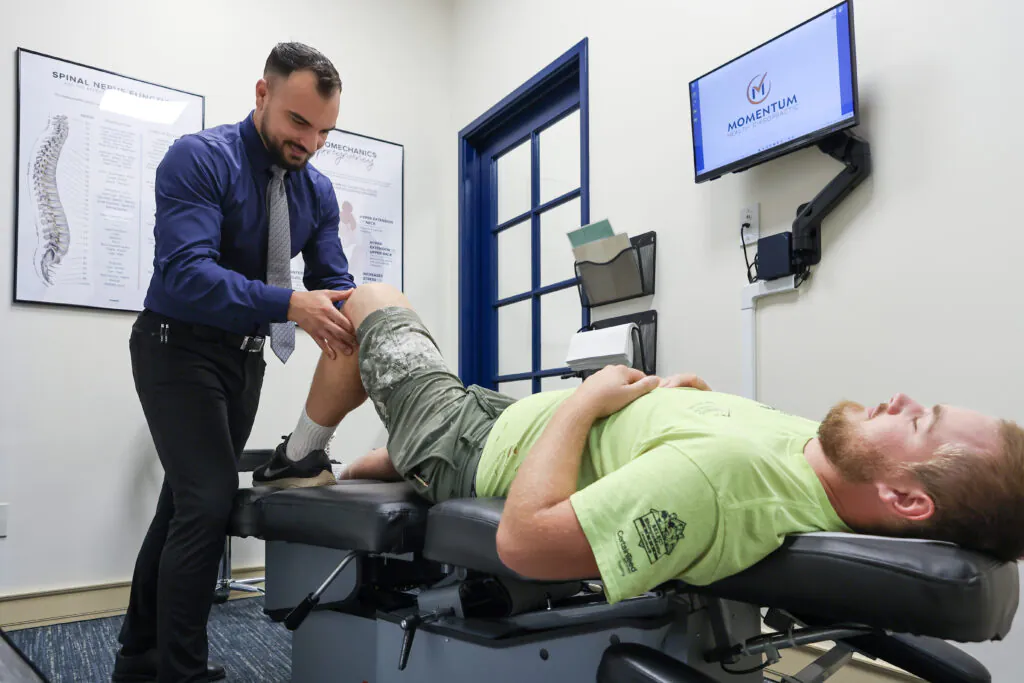
Chiropractic care is another excellent option for achieving lasting relief. By addressing the underlying issues in your spine and nervous system, chiropractic adjustments can help restore proper alignment and function, ultimately reducing pain and enhancing your overall health.
If you’re curious about how to implement these strategies effectively or want to learn more about how chiropractic care can benefit you, don’t hesitate to reach out! Together, we can work towards a healthier, pain-free life and improve your neck health naturally.
Key Takeaways
Effective Natural Solutions for Neck Discomfort
As a local chiropractor, I want to share some natural and effective solutions to help you manage neck discomfort and enhance your overall well-being. Chiropractic care stands out as the best choice for achieving optimal health without relying on medications or invasive procedures.
- Chiropractic Adjustments: Regular adjustments from a chiropractor can effectively realign your spine, relieve tension, and promote better neck health. These adjustments are a natural way to help your body heal itself, providing you with lasting relief.
- Gentle Stretching Exercises: Incorporating simple, gentle stretching exercises into your daily routine can significantly improve your neck flexibility and reduce discomfort. Neck tilts and chin tucks are great exercises that can be done anywhere, and they help keep your neck muscles strong and relaxed.
- Heat and Cold Therapy: Using heat therapy can help relax tight muscles in your neck, while cold therapy can reduce any inflammation you might be experiencing. Alternating between these two therapies creates a balanced approach to pain management, enhancing your comfort and well-being.
- Mindfulness Techniques: Stress can contribute to neck discomfort, so practicing mindfulness techniques like deep breathing and guided visualization can be very beneficial. These practices help you relax your mind and body, making it easier to release tension in the neck area.
- Ergonomic Workspace: Setting up an ergonomic workspace is crucial in minimizing strain on your neck, especially during your daily activities. Ensure your computer monitor is at eye level and invest in a supportive chair to maintain good posture while you work.
By incorporating these tips into your routine and prioritizing chiropractic care, you can take significant steps toward relieving neck discomfort and achieving better overall health. Remember, a healthy spine is key to a healthy life!
Understanding the Causes of Neck Discomfort
Everyday activities might be contributing to your neck discomfort more than you realize. Poor ergonomics at your workstation, such as slouching or hunching over your phone, can really strain your neck muscles.
When you spend long hours looking at screens, it’s easy for your head to tilt forward, which increases the pressure on your neck. Even simple things like carrying a heavy bag or sleeping in an awkward position can lead to tension and pain.
Stress is another big factor. It often causes us to unconsciously tighten our neck and shoulder muscles, leading to chronic discomfort over time.
Repetitive motions or sudden movements during sports can also result in strains. By becoming mindful of these everyday habits, you can make small adjustments to reduce strain on your neck.
One great way to improve your neck health is through chiropractic care. A chiropractor can help realign your spine, relieve tension, and restore proper function, which can greatly alleviate neck pain.
Alongside chiropractic adjustments, here are some tips you can implement right away:
- Ergonomic Setup: Ensure your workstation is set up properly. Your monitor should be at eye level and your chair should provide good support.
- Take Breaks: If you’re working or using your phone for long periods, take regular breaks to stretch and adjust your posture.
- Mind Your Bag: If you carry a bag, try to distribute the weight evenly or switch sides frequently to avoid strain.
- Sleep Smart: Choose a supportive pillow that keeps your neck in alignment while you sleep.
- Stress Management: Incorporate relaxation techniques such as deep breathing, yoga, or meditation to help reduce overall tension.
Recognizing these causes and making these adjustments can lead you on the path to relief and improved neck health.
Chiropractic care is a wonderful option to consider for natural pain relief and overall wellness. Your journey to a pain-free neck can start today!
The Importance of Good Posture
The Importance of Good Posture for Neck Health and Overall Wellness
As a chiropractor, I often see how poor posture can negatively affect not just neck health, but your overall well-being. When you slouch or lean forward, it places unnecessary strain on your neck muscles, leading to discomfort, headaches, and even long-term damage. Maintaining good posture is essential for supporting your spine and keeping your neck properly aligned.
Here are some key benefits of good posture that I encourage my patients to consider:
- Reduces Strain on Neck Muscles: Proper alignment minimizes the tension in your neck, allowing your muscles to relax and work more efficiently.
- Prevents Tension Headaches: By alleviating pressure on your neck and spine, you can reduce the frequency and intensity of headaches.
- Improves Circulation and Oxygen Flow: Good posture enhances blood flow, which means your muscles and brain get the oxygen they need to function optimally.
- Enhances Your Mood and Energy Levels: Standing or sitting up straight can boost your mood and energy, helping you feel more vibrant throughout the day.
- Boosts Confidence and Presence: Good posture not only makes you look more confident, but it can also make you feel more self-assured.
To promote good posture in your daily life, I recommend being mindful of your body alignment while sitting, standing, or moving. Here are some practical tips:
- Adjust Your Workstation: Ensure that your computer screen is at eye level to avoid leaning forward, which can strain your neck.
- Take Regular Breaks: Stand up and stretch every 30 minutes to keep your muscles loose and reduce tension.
- Practice Good Sitting Habits: Sit with your back against the chair and feet flat on the floor to maintain a healthy spine position.
- Strengthen Your Core: Engage in exercises that strengthen your core muscles, as a strong core supports your spine and promotes better posture.
- Visit Your Chiropractor: Regular chiropractic adjustments can help align your spine, relieve discomfort, and support your posture journey.
Small changes can have a significant impact on how your neck feels and your overall health. By prioritizing your posture today and considering chiropractic care as a natural way to achieve optimal health, you’ll be on the path to a healthier, more comfortable tomorrow.
Stretching Exercises for Neck Relief
To ease neck discomfort, incorporating gentle neck stretches into your daily routine can make a significant difference. As a chiropractor, I emphasize the importance of maintaining spinal health, and these stretches, when combined with chiropractic care, can provide effective relief and support for your neck.
Strengthening exercises are also fundamental in bolstering your neck and preventing future discomfort. Let’s explore some simple yet effective stretching techniques that can help you achieve optimal neck health.
- Gentle Side Tilts: Sit or stand comfortably, keeping your back straight. Slowly tilt your head toward one shoulder, feeling a gentle stretch along the opposite side of your neck. Hold for about 15-30 seconds, then switch sides. This helps to relax the muscles and improve flexibility.
- Chin Tucks: While sitting or standing, draw your chin in toward your neck as if you’re trying to make a double chin. Hold for a few seconds and release. This exercise helps strengthen the muscles that support your cervical spine.
- Neck Rolls: Gently roll your head in a circular motion, allowing your neck to relax and stretch. Do this slowly, and switch directions after a few rotations. This exercise promotes blood flow and helps alleviate tension.
- Shoulder Shrugs: Raise your shoulders up towards your ears and hold for a few seconds before releasing them down. Repeat this several times. Shoulder shrugs can help relieve built-up stress and tension in the neck area.
In addition to these stretches, regular chiropractic adjustments can greatly enhance your neck health by aligning your spine and relieving nerve pressure. Chiropractic care not only addresses existing discomfort but also promotes overall wellness, allowing your body to heal naturally.
Remember, it’s crucial to listen to your body. If you feel any sharp pain or discomfort while performing these stretches, stop immediately and consult with your chiropractor.
Gentle Neck Stretches
Gentle neck stretches can provide significant relief from discomfort and tension in your neck, supporting the natural healing process that chiropractic care promotes.
Integrating these stretches into your daily routine not only helps improve flexibility but also reduces stiffness, enhancing your overall spinal health.
Here are some effective gentle neck stretches you can try to promote wellness:
- Neck Tilts: Slowly tilt your head toward one shoulder, hold for a few seconds, and then switch sides. This simple movement can help relieve muscle tension and improve your neck’s range of motion.
- Chin Tucks: While sitting or standing, gently tuck your chin toward your chest and hold. This stretch helps align your spine and counteracts the effects of poor posture, which is often a result of prolonged sitting or screen time.
- Shoulder Rolls: Roll your shoulders forward and backward in circular motions to release tension built up in both your shoulders and neck. This not only feels good but also promotes better circulation in the area.
- Neck Rotations: Turn your head slowly from side to side while keeping your movements controlled. This stretch can help improve mobility and reduce stiffness, making it easier to perform daily activities.
- Side Stretches: Reach one arm overhead and lean to the opposite side to stretch the side of your neck. This can help alleviate tightness and enhance flexibility.
Incorporating these gentle neck stretches into your daily routine can enhance your neck’s comfort and mobility, leading to a healthier, more balanced life.
Remember, while stretches can be beneficial, regular chiropractic care is essential for maintaining optimal spinal health and addressing any underlying issues that may cause discomfort.
Embrace natural healing through chiropractic for a pain-free and healthier lifestyle!
Neck Strengthening Exercises
Building on the benefits of gentle neck stretches, incorporating neck strengthening exercises can significantly enhance your flexibility, stability, and overall spinal health.
These exercises not only strengthen the muscles that support your neck but also help reduce discomfort and prevent future issues.
Start with isometric exercises—these are simple yet effective. To do this, push your head against your hands without moving it. Hold this position for about five seconds, and then gently release. You can also incorporate gentle head nods and turns against resistance, using your hands or a resistance band to add a bit of challenge.
Another beneficial exercise is shoulder shrugs; simply lift your shoulders toward your ears and then relax them back down. This movement can help alleviate tension and promote better posture.
Remember, consistency is key! Aim to dedicate just a few minutes each day to these exercises, and you’ll likely notice improvements over time. Strengthening your neck not only helps alleviate discomfort but also plays a vital role in enhancing your overall posture and well-being.
As a chiropractor, I emphasize the importance of natural healing and maintaining a healthy spine. Regular chiropractic care can complement these exercises, ensuring that your spine is aligned and functioning optimally.
Together, we can work towards achieving your health goals without the need for surgeries or medications. Prioritizing your neck and spine health through these exercises and chiropractic care can lead to a happier, healthier life.
Proper Stretching Techniques
While it might be tempting to skip stretching, incorporating proper techniques into your routine can significantly alleviate neck discomfort and enhance your overall mobility.
As a chiropractor, I believe that regular stretching can be a vital part of a natural healing process, and when combined with chiropractic care, it can lead to optimal health and wellness.
Here are some effective stretches that can help relieve tension and improve flexibility:
- Neck Tilts: Gently tilt your head towards each shoulder, holding for 15-30 seconds. This can help release tightness in the neck muscles.
- Chin Tucks: Pull your chin back towards your neck while keeping your shoulders relaxed. This exercise can improve your posture and strengthen the muscles that support your spine.
- Side Rotations: Turn your head to look over each shoulder, holding for a few seconds on each side. This movement can increase mobility in the neck and upper back.
- Upper Trapezius Stretch: Gently pull your head to one side with your hand to stretch the opposite side. This is particularly effective for relieving tension in the shoulders.
- Shoulder Shrugs: Raise your shoulders towards your ears, then release them down. This simple movement can help reduce stress and tension in the upper body.
Always listen to your body and avoid pushing into pain.
Remember, incorporating these stretches into your daily routine, along with regular chiropractic adjustments, can play a crucial role in maintaining a healthy spine and overall well-being.
The Benefits of Heat and Cold Therapy
As a local chiropractor, I want to share the benefits of heat and cold therapy for managing neck discomfort. Both methods can play a significant role in your journey towards natural healing and optimal health, complementing the chiropractic care you may already be receiving.
When you use heat therapy, it can work wonders by relaxing tight muscles and enhancing circulation. This not only helps to ease tension but also promotes faster healing in the affected area. A warm compress or heating pad can be an excellent way to soothe stiffness, making it easier for you to move and engage in daily activities.
On the flip side, cold therapy is effective in reducing inflammation and numbing sharp pain. An ice pack or cold compress can be particularly beneficial after activities that might aggravate your neck discomfort. By constricting blood vessels, cold therapy can help alleviate swelling and provide quick relief.
Incorporating both heat and cold therapy into your routine can create a balanced approach to managing neck pain. I encourage you to experiment with each method to discover what works best for you.
Remember, chiropractic care is an excellent foundation for your wellness strategy, helping to address the root causes of your pain while these therapies provide additional support.
Here are some simple tips to keep in mind:
- Timing is Key: Use heat therapy before activities to loosen up your muscles, and cold therapy after to reduce inflammation.
- Listen to Your Body: Pay attention to how your body responds to each method, and adjust your approach accordingly.
- Stay Consistent: Regular use of these therapies can enhance your overall treatment plan and help maintain your progress.
Essential Oils for Neck Pain Relief
If you’re looking for a natural way to relieve neck pain, chiropractic care should be your first stop. As a chiropractor, I believe in the body’s ability to heal itself, and adjustments can help align your spine, which may alleviate discomfort and promote overall wellness.
However, I understand that many people also seek complementary methods for relief, and that’s where essential oils come in. Essential oils can be a great addition to your wellness routine. They can provide soothing relief and may help reduce inflammation.
Here are some essential oils that may assist in managing neck pain:
- Lavender: This oil is well-known for its calming properties, which can help relax tense muscles and promote a sense of well-being.
- Peppermint: The cooling sensation of peppermint oil can ease discomfort and potentially improve circulation to the affected areas.
- Eucalyptus: With its anti-inflammatory effects, eucalyptus oil may help reduce pain and swelling in the neck.
- Frankincense: This oil is thought to support healing and may relieve chronic pain.
- Rosemary: Known for its ability to stimulate blood flow, rosemary can aid in muscle relaxation and recovery.
To incorporate these oils into your routine, consider diluting a few drops in a carrier oil, then gently massage the mixture into your neck. You might also enjoy adding these oils to a warm bath or using a diffuser to reap the benefits of aromatherapy.
While essential oils can provide temporary relief, remember that regular chiropractic adjustments are key to addressing the root cause of your neck pain.
By working with a chiropractor, you can develop a comprehensive plan that not only alleviates pain but also promotes long-term health and wellness. Always listen to your body, and consider reaching out to a chiropractor for personalized care tailored to your specific needs.
Your path to a pain-free life starts with informed choices and natural solutions!
Mindfulness and Relaxation Techniques
When you prioritize mindfulness and relaxation techniques, you can significantly alleviate neck discomfort, which is often linked to tension and stress. As a chiropractor, I believe that these practices complement chiropractic care perfectly, helping your body to heal naturally.
Breathing exercises, guided visualization, and progressive muscle relaxation can work wonders in releasing tension and promoting overall healing.
Here are some simple tips to incorporate these techniques into your daily routine:
- Breathing Exercises: Take a few moments each day to focus on your breath. Inhale deeply through your nose, allowing your abdomen to expand, then exhale slowly through your mouth. This can help calm your mind and reduce muscle tension.
- Guided Visualization: Picture a peaceful scene, such as a serene beach or a quiet forest. Spend a few minutes immersing yourself in this mental image, focusing on the details of your surroundings. This can help shift your focus away from discomfort and promote relaxation.
- Progressive Muscle Relaxation: Start at your toes and work your way up to your neck, tensing each muscle group for a few seconds and then releasing. This practice can help you become more aware of where you hold tension in your body and encourage you to relax those areas.
Incorporating these mindfulness techniques can enhance the benefits of chiropractic care, promoting a healthier spine and overall well-being.
Breathing Exercises Benefits
Breathing exercises are a simple yet powerful tool that can greatly improve your overall well-being, particularly when it comes to relieving neck discomfort. As a chiropractor, I want to share how incorporating these techniques into your daily routine can support your spinal health and enhance your natural healing process.
Here are some key benefits you can expect from practicing breathing exercises:
- Reduced Muscle Tension: Regularly practicing deep breathing can help decrease muscle tension in your neck and shoulders, which is crucial for maintaining a healthy spine.
- Improved Blood Circulation: Deep breathing enhances blood circulation, ensuring that oxygen flows freely to your muscles and tissues, promoting healing and vitality.
- Increased Mindfulness: Focusing on your breath encourages mindfulness, helping you stay present and aware of your body, which is essential for overall wellness.
- Enhanced Relaxation Response: Breathing exercises activate your body’s relaxation response, reducing stress levels and allowing your body to heal naturally.
- Better Posture Awareness: As you practice breathing techniques, you become more aware of your posture, which can help alleviate strain on your neck and spine.
Incorporating breathing exercises into your daily routine not only calms your mind but also supports your physical health.
I encourage you to take a few moments each day to focus on your breath. This practice can be a valuable complement to chiropractic care, helping you achieve optimal health and well-being.
Guided Visualization Practices
Have you ever thought about how guided visualization can enhance your relaxation and support your spinal health? This technique involves using your imagination to create calming mental images, which can help you relax and release tension, particularly in your neck and shoulders. By focusing on serene landscapes or peaceful scenarios, you can shift your mind away from discomfort and stress, promoting a sense of well-being.
To begin, find a quiet space where you can sit comfortably. Close your eyes and take a few deep breaths, allowing yourself to settle into the moment. Picture a place where you feel safe and relaxed, allowing the vivid details to fill your mind. As you immerse yourself in this imagery, notice how your neck begins to loosen and your body unwinds.
Regular practice of guided visualization can complement your chiropractic care, enhancing your overall health and well-being. Chiropractic care is a natural approach to managing discomfort and promoting wellness. By visiting a chiropractor, you can address the root causes of your neck pain and improve your spinal health. In conjunction with guided visualization, chiropractic adjustments can help restore balance to your body, alleviate tension, and support your journey toward optimal health.
Here are a few tips to incorporate guided visualization and chiropractic care into your routine:
- Set aside time: Dedicate a few minutes each day for guided visualization to help relieve stress and tension.
- Combine practices: Consider scheduling regular chiropractic visits to address any underlying issues while you practice visualization techniques at home.
- Stay mindful: Pay attention to how your body feels during and after visualization sessions. This awareness can help you communicate effectively with your chiropractor about your needs.
- Practice relaxation: Explore different calming scenarios or landscapes that resonate with you, allowing your mind to wander freely and release built-up tension.
Progressive Muscle Relaxation Techniques
How can progressive muscle relaxation techniques help you release tension and promote mindfulness? By systematically tensing and relaxing your muscles, you can cultivate awareness of bodily sensations, leading to a deeper sense of relaxation. This practice not only alleviates discomfort in your neck but also enhances your mental clarity, making it an excellent complement to chiropractic care.
As a chiropractor, I emphasize the importance of understanding your body and how it functions. Progressive muscle relaxation can be a valuable tool in your journey towards optimal health.
Here are some key benefits of incorporating these techniques into your routine:
- Reduces Muscle Tension: Regular practice can significantly relieve tension in the neck and shoulders, which is essential for maintaining proper spinal alignment.
- Increases Awareness: By paying attention to your physical and emotional states, you can better understand how stress affects your body, helping you make informed choices about your health.
- Promotes Better Sleep: A well-relaxed body is more likely to enjoy restorative sleep, which is crucial for healing and overall well-being.
- Enhances Mindfulness and Focus: This technique can help you stay present and focused, supporting not just your physical health but also your mental clarity.
- Lowers Stress and Anxiety Levels: Reducing stress is vital for overall health, and these relaxation techniques can help create a calmer mindset.
Incorporating progressive muscle relaxation into your daily routine can transform how you manage neck discomfort and contribute to your overall well-being.
Pair these techniques with regular chiropractic adjustments for the best results. Remember to breathe deeply and stay present in the moment—your body and mind will thank you!
Strengthening Exercises for Neck Support
Neck discomfort can arise from various causes, but incorporating specific strengthening exercises into your routine can significantly enhance neck support and alleviate pain.
As a chiropractor, I want to emphasize the importance of natural healing and the benefits of strengthening your neck muscles for overall health.
Begin with gentle neck stretches to warm up your muscles. Simple movements like tilting your head from side to side can help increase flexibility. Hold each position for a few seconds to feel the stretch.
Next, try neck isometrics. This involves pressing your forehead against your palms for a few seconds, followed by pressing the back and sides of your head into your hands. These exercises build strength without requiring extensive movement, making them safe and effective.
To further support your neck, include shoulder shrugs and rolls in your routine. Lift your shoulders towards your ears, hold for a moment, and then release. Repeat this several times to relieve tension.
If you’re ready to add a bit more challenge, consider using a light resistance band. Gently pull on the band while keeping your head steady, which can help strengthen your neck even more.
Remember, consistency is vital. Aim to perform these exercises a few times each week. By strengthening your neck muscles, you’ll not only reduce discomfort but also promote better posture and enhance your overall spinal health.
Chiropractic care is a fantastic complement to these exercises, as it focuses on aligning your spine and supporting your body’s natural ability to heal itself.
Prioritizing your neck health now can lead to long-term wellness and comfort.
Ergonomic Adjustments in Your Workspace
To alleviate neck discomfort, making ergonomic adjustments in your workspace is crucial. Start by ensuring your chair is at the right height so that your feet can rest flat on the floor. This simple adjustment helps maintain proper posture, which is essential for spinal health.
Next, position your monitor at eye level. By doing this, you can significantly reduce strain on your neck and upper back, promoting a more comfortable work environment.
Remember, these small tweaks can lead to greater comfort and productivity throughout your day. However, if you find that discomfort persists, it may be time to consider chiropractic care. Chiropractors specialize in natural healing and can help address the root causes of your pain, ensuring that your spine is properly aligned. This approach not only helps relieve discomfort but also supports overall wellness.
In addition to these adjustments, here are some general tips to enhance your workspace and promote better spinal health:
- Take Regular Breaks: Stand up, stretch, and walk around every hour to keep your body moving and reduce stiffness.
- Use a Supportive Chair: Invest in a chair that offers good lumbar support to maintain the natural curve of your spine.
- Practice Good Posture: Sit up straight with your shoulders back and your head aligned over your spine.
- Stay Hydrated: Drinking plenty of water can help keep your muscles and joints functioning well.
- Consider Chiropractic Care: Regular visits to a chiropractor can help maintain spinal health, relieve pain, and promote overall wellness.
Chair Height Optimization
Optimizing your chair height is crucial for your overall comfort and spinal health, especially if you spend long hours at your desk. A properly adjusted chair can help align your spine and decrease neck strain, which is vital for maintaining a healthy lifestyle.
Here’s a simple guide to help you find the right chair height:
- Feet Flat on the Floor: Ensure that your feet rest flat on the ground or on a footrest. This helps stabilize your posture and supports your spine.
- Knee Positioning: Your knees should be at a 90-degree angle or slightly lower than your hips. This position encourages proper blood flow and reduces stress on your lower back.
- Thigh Alignment: Aim for your thighs to be parallel to the ground. This alignment helps keep your pelvis in a neutral position, which is important for spinal health.
- Back Support: Make sure your chair provides full support for your back. Good lumbar support can alleviate pressure on your spine and prevent discomfort.
- Relaxed Shoulders: Adjust the armrests so that your shoulders can relax comfortably. This can help reduce tension in your neck and upper back.
Remember, maintaining proper chair height is just one part of a holistic approach to health.
Regular chiropractic care can support your spinal health, enhance your posture, and help you achieve optimal wellness. Incorporating these chair adjustments along with chiropractic visits can significantly improve your comfort and prevent pain.
Prioritize your health and take these simple steps towards a more comfortable work environment!
Monitor Positioning Tips
Proper monitor positioning is essential for reducing neck discomfort and enhancing your overall posture, which can significantly support your spinal health. As a chiropractor, I want to share some simple yet effective tips to help you create a more ergonomic workspace.
Start by placing your monitor at eye level. This allows you to maintain a neutral head position, preventing unnecessary strain on your neck. Ideally, the top of the screen should be about an inch or two above your eye level. Keeping the monitor an arm’s length away is also crucial; this distance ensures you can read comfortably without straining your eyes or neck.
Additionally, consider tilting the screen slightly backward, about 10 to 20 degrees. This adjustment not only reduces glare but also promotes a neutral neck position, further supporting your spinal alignment. It’s important that the center of your monitor aligns with your seated position to maintain a straight line of sight, which can help prevent discomfort.
By making these simple adjustments, you’ll not only create a more ergonomic workspace but also contribute to your overall health and well-being.
The Role of Hydration in Muscle Health
When you stay well-hydrated, your muscles function more effectively, which can help reduce the risk of discomfort and strain, especially in areas like the neck. Proper hydration is essential for maintaining the balance of electrolytes and supporting nutrient transport. These elements are crucial for optimal muscle performance.
If you find yourself dehydrated, you may experience muscle cramps or fatigue, which can lead to neck pain—a situation where chiropractic care can be particularly beneficial.
As a chiropractor, I want to share some simple tips to help you stay hydrated and support your overall health:
- Drink Water Regularly: Make it a habit to drink water throughout the day, rather than waiting until you feel thirsty. This ensures your body has a continuous supply of hydration.
- Incorporate Water-Rich Foods: Include fruits and vegetables in your meals, as they can help you stay hydrated while providing vital nutrients that support muscle and spinal health.
- Check Your Urine Color: A light yellow urine color is a good indicator that you’re well-hydrated. If it’s darker, it may be a sign to increase your water intake.
- Limit Dehydrating Beverages: While enjoying a cup of coffee or a drink with friends is fine, try to limit caffeine and alcohol, as they can lead to dehydration.
- Keep a Water Bottle Handy: Having a water bottle close by serves as a reminder to drink more often throughout the day.
By staying properly hydrated, you can help reduce the risk of muscle discomfort and enhance your overall well-being.
When to Seek Professional Help
If you’re experiencing persistent neck discomfort that doesn’t seem to improve with home remedies, it may be time to consider the benefits of chiropractic care. When neck pain lasts longer than a week or worsens despite your efforts, seeking help from a chiropractor can provide you with the relief you need.
Don’t overlook concerning symptoms like numbness, tingling, or weakness in your arms or hands, as these can indicate issues that may be effectively addressed through chiropractic techniques.
If neck pain is making it hard for you to go about your daily activities, a chiropractor can offer expert advice and personalized treatment options. Additionally, if your discomfort is a result of an injury, such as a fall or whiplash, getting evaluated by a chiropractor promptly is crucial.
They can help identify the root cause of your pain and suggest natural, non-invasive treatments to promote healing and restore your well-being.
Remember, prioritizing your health is essential. Chiropractic care focuses on enhancing your overall wellness and can lead to a quicker recovery and an improved quality of life.
To support your neck health at home, try gentle stretching exercises, maintain good posture, and use ergonomic furniture when possible. By choosing chiropractic care, you’re taking a proactive step towards a healthier, pain-free life.
Conclusion
Incorporating natural solutions into your daily routine can significantly reduce neck discomfort and improve your overall well-being. As a chiropractor, I want to emphasize the importance of maintaining good posture and performing regular stretches to support your spine and neck. These practices help create balance and relieve tension, empowering you to manage pain effectively.
One effective method to alleviate discomfort is through the use of heat or cold therapy. Applying a warm compress can relax tight muscles, while a cold pack can reduce inflammation. Don’t forget about the benefits of essential oils, such as lavender or peppermint, which can promote relaxation and provide soothing relief when used during your self-care routine.
Hydration is also key—drinking plenty of water helps keep your muscles and joints functioning optimally. Remember, if your neck discomfort continues, seeking professional chiropractic care is an excellent choice. Chiropractors specialize in spinal health and can provide tailored treatments to address the root cause of your pain.
Take charge of your neck health today! By integrating these simple tips into your lifestyle and considering chiropractic care, you’ll likely feel a positive difference in no time. Prioritize your well-being and embrace a healthier, pain-free life.