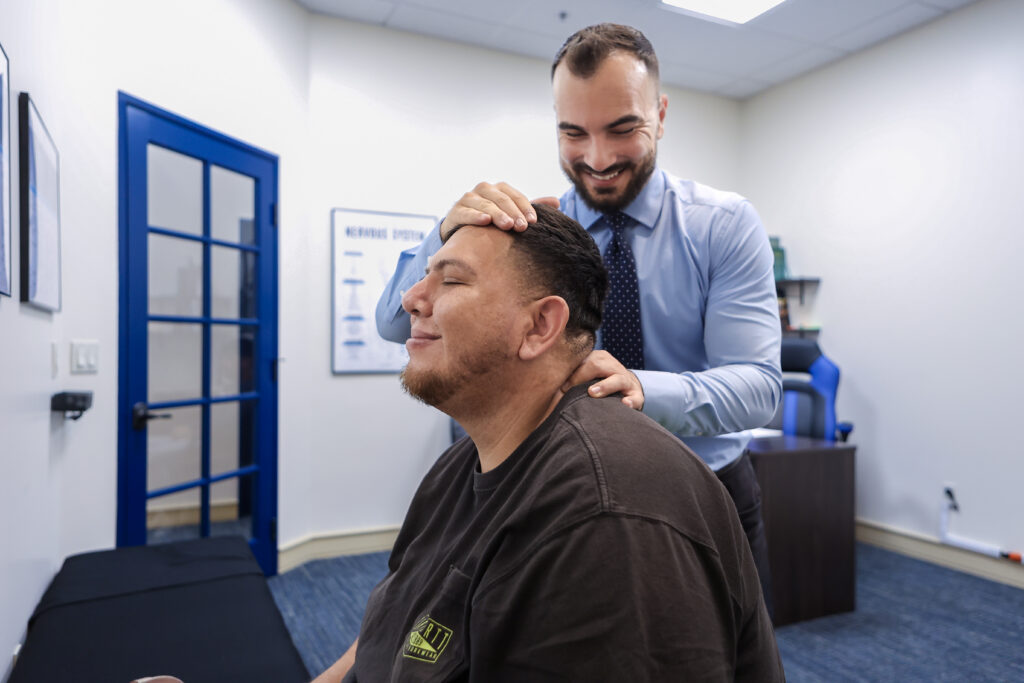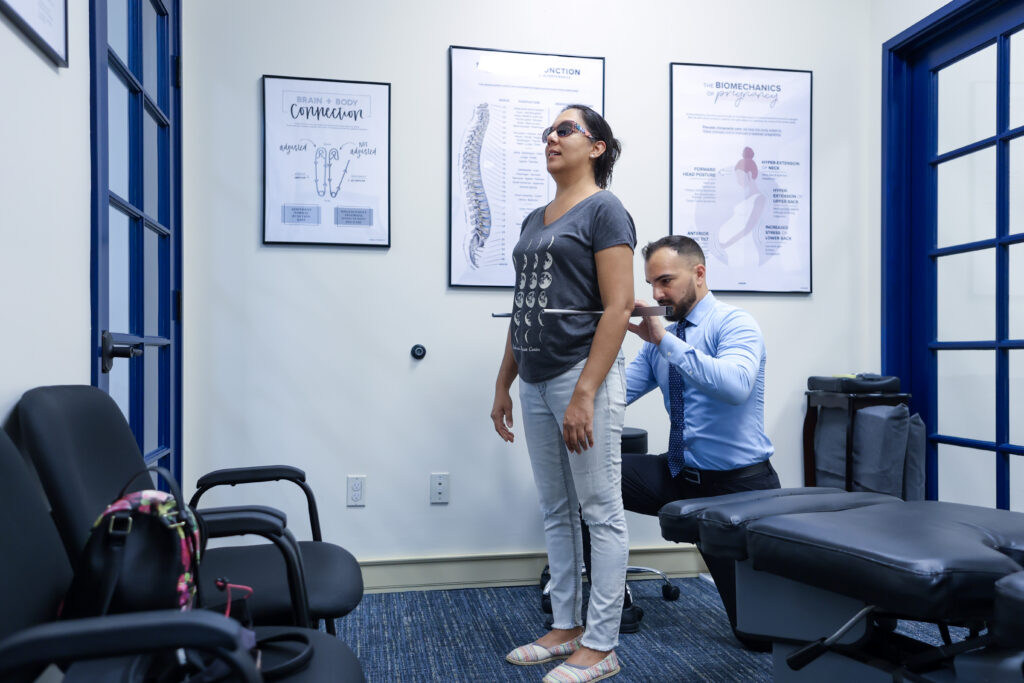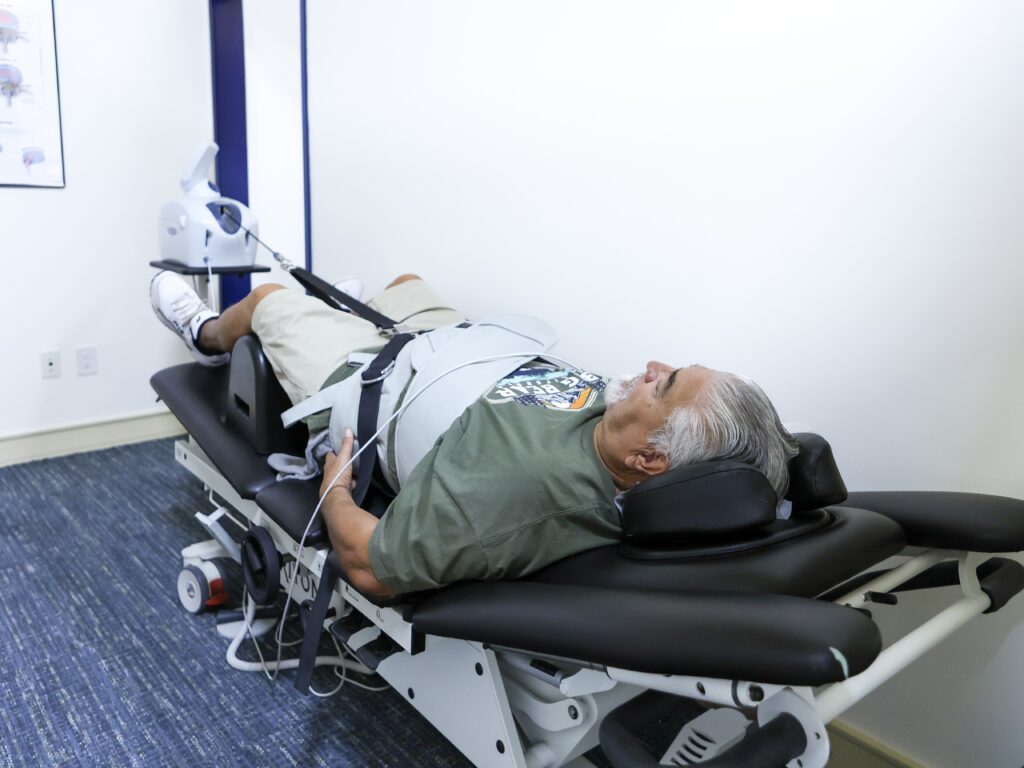

As a local chiropractor, I want to reassure you that if you’re experiencing back pain, you’re certainly not alone. Many individuals are looking for natural solutions that can provide relief without relying on medication. In my practice, I’ve seen the positive impact of gentle stretching, therapeutic herbs, and mindfulness techniques in alleviating discomfort.
However, it’s important to understand that finding relief goes beyond just quick fixes. To truly address back pain, we need to delve into the underlying causes and consider making lifestyle changes that promote long-term health. By incorporating chiropractic care, I can work with you to identify factors that may be contributing to your pain and guide you through a personalized treatment plan. Together, we can explore these natural approaches and empower you to regain control of your well-being.
Understanding the Causes of Back Pain
As a local chiropractor, I want to help you understand the various factors that may be contributing to your back pain. One common issue is poor posture, which can lead to misalignment of your spine and result in discomfort. If you find yourself sitting at a desk for long periods without adequate support, your back muscles can become strained over time.
It’s also important to consider your physical activity levels. A sedentary lifestyle can weaken your core muscles, leaving your back more susceptible to injury.
Additionally, injuries from accidents or heavy lifting can result in sudden pain that can be quite debilitating. Carrying excess weight can put added stress on your back, worsening any existing issues.
And let’s not forget that underlying medical conditions, such as arthritis or herniated discs, may also contribute to your discomfort. Stress and anxiety can create muscle tension, which can lead to persistent pain as well.
By recognizing these root causes, we can work together to develop a plan to alleviate your back pain. Chiropractic care focuses on natural healing methods to restore your spine’s alignment and improve your overall well-being.
Let’s take proactive steps to get you feeling better!
Gentle Stretching and Yoga Techniques
As a local chiropractor, I often see patients struggling with back pain due to factors like poor posture, a sedentary lifestyle, or muscle tension. One effective way to alleviate this discomfort is by incorporating gentle stretching and yoga techniques into your daily routine.
I recommend starting with simple stretches such as the cat-cow pose. This movement helps improve flexibility in your spine and relieves tightness in your back. Following that, transitioning into child’s pose can gently stretch your spine and promote relaxation in your muscles.
It’s important to focus on your breath as you perform each stretch. Deep breathing not only enhances relaxation but also supports the healing process.
Another beneficial stretch is the seated forward bend, which helps to release tension in the lower back and hamstrings. I advise holding each stretch for about 15-30 seconds. This gradual approach allows your body to loosen up without straining it.
Regularly practicing these yoga techniques can’t only assist in alleviating back pain but also contribute to your overall strength and balance. Remember to listen to your body during these stretches and avoid pushing yourself too hard.
With patience and consistency, many of my patients have noticed significant improvements in their comfort and mobility. I encourage you to explore these techniques as part of your journey toward better natural healing.
The Role of Therapeutic Herbs
As a chiropractor, I often see patients seeking immediate relief from back pain through conventional treatments. However, I want to introduce you to the benefits of therapeutic herbs, which can serve as a natural and effective alternative.
These remarkable plants have been utilized for centuries to alleviate discomfort and promote healing in the body. For example, turmeric contains curcumin, a compound known for its anti-inflammatory properties that may help reduce pain and swelling in your back.
Another herb to consider is ginger, which can enhance circulation and provide relief from pain. Additionally, you might find devil’s claw helpful, as research has shown it can ease lower back pain.
And let’s not forget about willow bark, often referred to as “nature’s aspirin,” for its pain-relieving qualities. Incorporating these herbs into your daily routine can be quite simple, whether through brewing a soothing tea or taking supplements.
However, it’s crucial to consult with your healthcare provider before starting any new herbal regimen, especially if you’re currently taking other medications.
Mindfulness and Relaxation Practices
As a local chiropractor, I want to share how mindfulness and relaxation practices can play a significant role in alleviating your back pain. Many of my patients are often surprised to learn that by simply focusing on your breath and participating in guided meditation, you can foster a sense of calm that reduces tension throughout your body.
These techniques not only help ease discomfort but also enhance your overall well-being. By integrating mindfulness into your daily routine, you can complement the chiropractic care you receive, supporting your body’s natural healing processes.
Let’s delve into how these practices can provide relief and improve your quality of life.
Breathing Techniques Benefits
As a local chiropractor, I want to share how breathing techniques can significantly aid in managing back pain. Many of my patients are surprised to learn that focusing on your breath can promote mindfulness and relaxation, which are crucial for alleviating discomfort. When you concentrate on your breath, it helps redirect your attention away from the pain, allowing your mind to find a sense of calm.
Stress is a common factor that can intensify back pain, and by practicing deep, rhythmic breathing, you can effectively lower your stress levels. This type of breathing not only helps you relax but also improves oxygen flow to your muscles, which is essential for healing and reducing tension in the body.
You’ll likely find that as you engage in deep breathing, your body begins to release tightness and discomfort in your back.
Incorporating these breathing techniques into your daily routine can empower you with a greater sense of control over your pain management. So, I encourage you to take a moment each day to pause, breathe deeply, and reconnect with your body.
It’s a simple yet powerful approach that can complement your chiropractic care and help alleviate back pain naturally.
Guided Meditation Practices
As a chiropractor, I often emphasize the importance of holistic approaches to managing back pain. One highly effective tool that I recommend is guided meditation. This practice not only helps to settle your mind but also promotes relaxation and reduces stress, both of which are key contributors to muscle tension in the back.
When you engage in guided meditation, you have the opportunity to visualize calming scenes and develop a gentle awareness of your body. This focus can facilitate the release of tension in your back, leading to greater comfort.
I encourage you to find a quiet space where you can comfortably sit or lie down. Begin with just a few minutes each day, and as you grow more accustomed to the practice, you can gradually extend your meditation time.
Incorporating guided meditation into your daily routine can help you cultivate a deeper connection with your body and significantly enhance your overall well-being. By doing so, you may find that your back pain diminishes naturally, complementing the chiropractic care you receive.
Ergonomics and Posture Improvement
As a local chiropractor dedicated to helping you achieve optimal health, I want to emphasize the importance of your workspace in alleviating back pain.
The way you set up your desk and maintain proper posture can greatly influence your comfort throughout the day.
Let me share some effective techniques that can help you improve your posture and enhance your overall well-being.
By making these adjustments, you can support your spine and reduce discomfort, paving the way for a healthier lifestyle.
Together, we can explore how simple changes can lead to significant improvements in your daily life.
Optimal Desk Setup
As a local chiropractor, I often see patients who underestimate how their desk setup can affect their back health. It’s essential to create an ergonomic workspace to improve your comfort and posture, which can significantly reduce discomfort and pain.
Start by adjusting your chair height so that your feet rest flat on the floor and your knees are in line with your hips. This alignment is crucial for maintaining proper spinal health.
Your desk should be positioned in a way that allows your elbows to remain at a 90-degree angle while typing; this helps to prevent strain on your shoulders and neck.
Positioning your monitor at eye level is also important. Ideally, it should be about an arm’s length away to minimize neck strain. Keeping your keyboard and mouse close to your body will prevent excessive reaching, which can lead to tension and discomfort.
Investing in a supportive chair that encourages the natural curve of your spine is another vital step. This can make a significant difference in your overall spinal alignment and comfort throughout the day.
Lastly, don’t forget to take regular breaks! Standing up and stretching frequently helps to keep your body moving and reduces stiffness.
Posture Correction Techniques
As a local chiropractor, I often see how challenging it can be to maintain good posture, even with an ideal desk setup. It’s important to be mindful of your body position throughout the day.
I recommend keeping your shoulders back and aligning your head directly over your spine. Using a lumbar roll can be beneficial; it supports your lower back and encourages a natural curve, which is essential for spinal health.
When you’re seated, ensure your feet are flat on the floor and your knees are at hip level. This alignment helps distribute your body weight evenly and reduces strain on your back.
Additionally, I encourage you to take regular breaks. Stand up, stretch, and walk around every so often—this keeps your muscles engaged and prevents stiffness that can lead to discomfort.
Incorporating core-strengthening exercises into your routine can significantly improve your posture. A strong core acts like a natural support system for your spine.
Finally, don’t underestimate the power of deep breathing. It helps to relax your shoulders and neck, alleviating tension that can contribute to poor posture.
Lifestyle Changes for Long-Term Relief
As your local chiropractor, I want to emphasize how simple lifestyle changes can significantly contribute to your journey towards long-term relief from back pain. One of the most effective steps you can take is to incorporate regular exercise into your daily routine. Activities like walking, swimming, or practicing yoga not only strengthen your muscles but also improve flexibility, helping to alleviate pressure on your spine.
Additionally, let’s talk about the role of nutrition in your healing process. Eating a diet rich in anti-inflammatory foods—think colorful fruits, vibrant vegetables, and omega-3 fatty acids—can be incredibly beneficial in reducing pain. Staying well-hydrated is just as crucial; it supports overall spinal health and helps maintain the elasticity of your spinal discs.
Sleep is another key factor to consider. Ensure you have a supportive mattress and pillow that promote proper spinal alignment while you rest. Quality sleep can greatly influence how your body feels during the day.
Lastly, managing stress is vital. Techniques such as mindfulness or meditation can help reduce muscle tension, which often worsens back pain.
By adopting these lifestyle changes, you can lay a solid foundation for long-term relief and enjoy a more active and fulfilling life.
Conclusion
As your local chiropractor, I want to share with you some natural solutions that can significantly improve your approach to relieving back pain. It’s essential to first understand the underlying causes of your discomfort, as this knowledge empowers you to tackle the issue effectively. Incorporating gentle stretching and yoga into your routine can be incredibly beneficial, as these practices promote flexibility and strength in the muscles that support your spine.
Additionally, consider the healing properties of therapeutic herbs, which can provide relief and support your body’s natural healing processes. I also encourage you to practice mindfulness and focus on maintaining good posture. Making ergonomic adjustments in your workspace and everyday activities can reduce strain on your back.
By embracing these lifestyle changes, you not only address your pain but also enhance your overall well-being. Remember, chiropractic care is here to support you on your journey to a healthier, pain-free life. Let’s work together to find the right strategies for your unique situation!