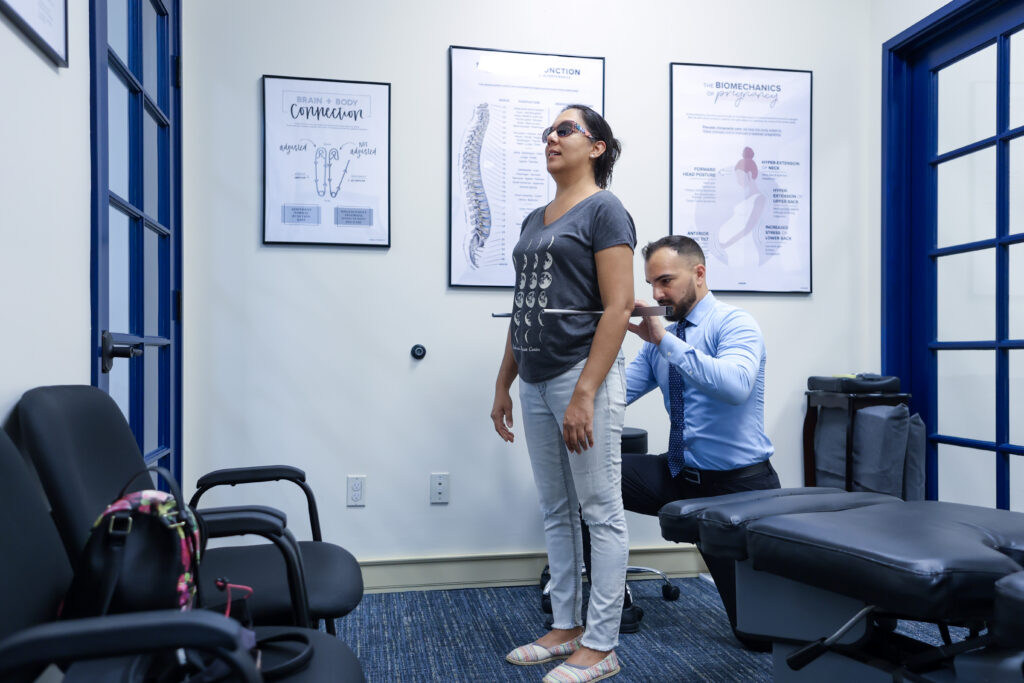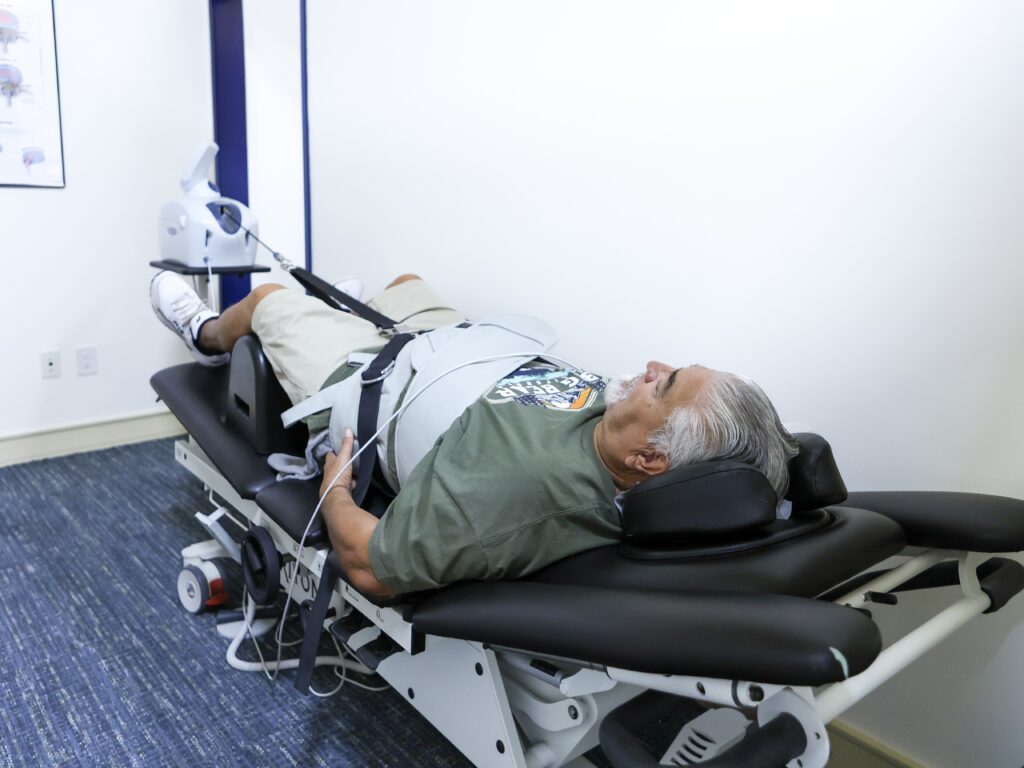

As a local chiropractor, I want to share with you an important connection that many people overlook: the relationship between your physical alignment and your mental well-being. You may not realize it, but how your spine is aligned can significantly impact your mental state. Simple adjustments to your spine can relieve the tension that often contributes to feelings of anxiety, helping both your body and mind achieve a sense of balance.
When we address misalignments in your spine, we enhance the function of your nervous system. This can lead to a calmer, more centered version of yourself. If you're curious about how this holistic approach can improve your overall well-being, I'm here to guide you through practical solutions. Let's explore how chiropractic adjustments can serve as a natural remedy for anxiety and help you live a more balanced life.
Understanding Anxiety and Its Triggers
Anxiety can often feel overwhelming, and as a local chiropractor, I want to help you understand how various factors in your life can contribute to these feelings. Many people experience anxiety due to daily stressors such as work deadlines, relationship challenges, or financial worries. You might find that certain situations, like public speaking or social gatherings, can heighten your sense of unease. Recognizing these triggers is crucial for understanding your anxiety and addressing it in a holistic way.
Environmental factors also play a significant role in your anxiety levels. For example, being in a chaotic or noisy environment can increase stress, making it difficult to focus and relax. You may notice that your anxiety intensifies during times of change, such as starting a new job, moving to a different city, or going through the end of a relationship. These life changes can disrupt your sense of stability, leading to feelings of uncertainty and fear.
Moreover, physical health is closely linked to mental well-being. Factors like lack of sleep, poor nutrition, and insufficient exercise can all exacerbate feelings of anxiety. When your body isn't functioning optimally, it can be more challenging to manage your mental health effectively. Additionally, hormonal changes—such as those experienced during puberty or menopause—can also play a role in triggering anxiety.
As a chiropractor, I emphasize the importance of understanding how these factors affect your overall well-being. By identifying your specific triggers, you can start implementing strategies to manage your anxiety more effectively.
Chiropractic care, along with lifestyle adjustments like proper nutrition, regular exercise, and stress management techniques, can support your journey toward a more balanced and less anxious state of mind. Empower yourself to take control and make the necessary changes to enhance your mental and physical health.
The Power of Mindfulness Practices
As a chiropractor, I often see patients who struggle with anxiety and stress, and I want to share how mindfulness practices can enhance your overall well-being alongside chiropractic care.
By focusing on the present moment, these practices can help you cultivate a sense of calm and clarity, which is essential for managing anxiety effectively. When you embrace mindfulness, you train your mind to observe thoughts and emotions without judgment, allowing you to respond to stressors with increased resilience—something that works hand-in-hand with the physical adjustments we make in the office.
Here are some mindfulness practices you can easily incorporate into your daily routine to complement your chiropractic care:
- Meditation: Set aside a few minutes each day to sit quietly and focus on your breath. Let go of distractions and center your thoughts. This practice not only promotes relaxation but can also enhance the effectiveness of your chiropractic adjustments by helping your body and mind align.
- Deep Breathing: Engage in slow, deep breaths, inhaling through your nose and exhaling through your mouth. This simple yet powerful technique can quickly shift your focus and help calm your nervous system, which is beneficial for both your mental and physical health.
- Body Scan: Find a comfortable position and mentally scan your body from head to toe. Notice any areas of tension and consciously relax those muscles. This practice fosters a sense of peace and can complement the relief you experience from chiropractic adjustments.
- Mindful Walking: When you take a walk, pay close attention to each step, the sensation of your feet on the ground, and the rhythm of your breath. This practice connects you to your body and surroundings, enhancing your overall awareness and promoting a state of relaxation.
Incorporating these mindfulness practices into your routine can support the healing process and improve your overall well-being.
Nutritional Adjustments for Better Mood
As a local chiropractor, I want to emphasize how interconnected your physical health and mental well-being are.
The foods you consume can significantly influence your mood and mental health. By incorporating certain nourishing foods and essential nutrients into your diet, you can't only elevate your spirits but also support your overall wellness.
Let's discuss some delicious options that can boost your mood and nourish your mind, helping you to feel your best both physically and emotionally.
Foods That Boost Mood
If you're seeking ways to elevate your mood, as a local chiropractor, I want to share how certain foods can significantly impact your emotional well-being.
While chiropractic care focuses on the alignment of your spine and overall physical health, nutrition plays a crucial role in supporting your body's natural healing processes and enhancing your mood.
Here are some mood-boosting foods that you might consider incorporating into your daily meals:
- Dark Chocolate: Enjoying a small piece of dark chocolate can trigger the release of endorphins and serotonin in your body, providing a delightful mood lift that complements your overall health journey.
- Fatty Fish: Fish varieties such as salmon and mackerel are high in omega-3 fatty acids, which are known to help reduce anxiety and promote a sense of calm. This is particularly beneficial for those seeking holistic approaches to wellness.
- Berries: These little powerhouses are rich in antioxidants, which help combat oxidative stress and may enhance cognitive function. Including berries in your diet can support not only your mood but also your mental clarity.
- Nuts and Seeds: Loaded with healthy fats and magnesium, nuts and seeds can help stabilize your mood and provide you with sustained energy throughout the day. They're a great snack option that aligns with a natural healing lifestyle.
Incorporating these foods into your diet can complement your chiropractic care and contribute to a healthier, happier you.
Nutrients for Mental Health
As a local chiropractor, I want to share with you how essential nutrients can play a significant role in your mental health and overall well-being. Many people may not realize how closely linked nutrition is to mood stability and cognitive function, but it's true! By incorporating specific nutrients into your diet, you can support your emotional wellness alongside the chiropractic care you receive.
One key nutrient to consider is omega-3 fatty acids, which can be found in fatty fish like salmon and even in walnuts. Studies have shown that these healthy fats can help improve mood and reduce feelings of anxiety, which is crucial for maintaining your mental health.
B vitamins, particularly B6, B12, and folate, are also vital players when it comes to neurotransmitter production. These neurotransmitters have a direct impact on how you feel day-to-day. You can find these important vitamins in foods such as leafy greens, eggs, and legumes, which can easily be added to your meals.
Let's not overlook vitamin D; it's a nutrient that significantly influences serotonin levels—the "feel-good" neurotransmitter. Getting some sunshine or including fortified foods in your diet can be a simple way to boost your mood naturally.
Magnesium is another essential nutrient for brain health. It helps regulate stress and anxiety, which we often address in chiropractic practice. Foods rich in magnesium include nuts, seeds, and whole grains, making it easy to incorporate them into your diet.
Lastly, incorporating a variety of fruits and vegetables into your meals is beneficial as they're packed with antioxidants. These antioxidants combat oxidative stress, which can negatively impact your mental health. Aim for a colorful plate filled with berries, oranges, and green vegetables to enhance your overall wellness.
Physical Activity and Anxiety Relief
As a local chiropractor, I want to emphasize how vital physical activity isn't just for your body, but for your mental health as well. When you engage in regular exercise, you're doing more than just burning calories; you're also lifting your spirits and reducing stress and anxiety levels significantly.
This connection between movement and mental well-being is something we often discuss in our practice. Incorporating physical activity into your routine can be a powerful tool for enhancing your overall health.
It complements chiropractic care by promoting better circulation, improving mobility, and relieving tension in your body. Together, these benefits can lead to a more balanced state of mind.
I encourage you to consider how regular movement can positively impact your mental well-being, and how it aligns perfectly with the principles of natural healing we advocate in chiropractic care.
Let's work together to create a holistic approach to your health that includes both physical activity and chiropractic support.
Exercise Boosts Mood
As a local chiropractor, I want to share with you the incredible benefits of exercise when it comes to enhancing your mood and overall mental well-being. Many people may not realize that physical activity acts like a natural antidepressant, significantly lifting your spirits and reducing feelings of anxiety.
When you engage in exercise, your body releases endorphins—those wonderful chemicals that create feelings of happiness and well-being. You may have noticed that after a workout, you often feel more energized and positive, which can help push away anxious thoughts.
Here are a few key reasons why exercise is so beneficial for your mood:
- Increased Endorphins: Engaging in physical activity stimulates the production of endorphins, which can lead to that euphoric "runner's high" feeling. This natural boost in mood can be a powerful tool in managing stress and anxiety.
- Social Interaction: Participating in group activities or team sports can help you connect with others, fostering relationships and reducing feelings of loneliness, which can improve your overall mental health.
- Improved Sleep: Regular exercise not only helps you fall asleep faster but also enhances the quality of your sleep. Better sleep is vital for maintaining a healthy mind and emotional balance.
- Boosted Self-Esteem: Setting and achieving fitness goals—no matter how small—can significantly enhance your self-confidence and positively impact your mood.
Incorporating just a little bit of exercise into your daily routine can yield powerful results. Whether it's a brisk walk, a fun dance class, or a calming yoga session, finding an activity that you enjoy can make a significant difference in managing anxiety and overall mood enhancement.
As a chiropractor, I encourage you to consider how exercise can be a valuable part of your natural healing journey.
Movement Reduces Stress
As a local chiropractor, I want to share how incorporating movement into your daily routine can be an effective way to reduce stress and alleviate anxiety. Many people don't realize that physical activity isn't just about staying fit; it also plays a crucial role in enhancing your overall well-being by releasing endorphins, which are your body's natural mood enhancers.
When you engage in movement—whether it's a brisk walk, practicing yoga, or even dancing—you are actively working against feelings of tension and unease. I've seen many patients experience a noticeable shift in their mindset after just a few minutes of movement. This practice helps you focus on the present moment and provides a much-needed break from those racing thoughts that often accompany stress.
It's important to note that you don't need to commit to elaborate workout routines. Small bursts of movement can be incredibly effective. For instance, consider taking a quick walk during your lunch break or doing some gentle stretches at your desk.
The key is consistency; by making movement a regular part of your day, you not only improve your physical health but also build resilience against anxiety.
As a chiropractor, I emphasize the importance of a holistic approach to health, which includes movement as a natural way to support your body and mind. So, take the time to move, and watch how it can help melt away stress and enhance your overall quality of life.
Creating a Calming Environment
Creating a calming environment is essential for reducing anxiety and promoting relaxation, which can significantly enhance your overall well-being. As a chiropractor, I understand that your surroundings can greatly impact your mental and physical health. Establishing a soothing space is vital for fostering a sense of peace and comfort.
Here are some practical tips to help you cultivate a calming atmosphere at home or wherever you spend your time:
- Declutter your space: A tidy environment can help clear your mind and support better posture and movement. Remove items that don't serve a purpose or bring you joy, making room for tranquility and enhancing your physical space for better alignment and health.
- Incorporate soft lighting: Bright, harsh lights can heighten anxiety and strain your eyes. Opt for lamps with warm bulbs or use candles to create a cozy, inviting glow that promotes relaxation and helps to alleviate stress on your nervous system.
- Add natural elements: Bringing the outdoors inside by incorporating plants or natural decor can be incredibly beneficial. The presence of greenery not only enhances your mood but also creates a serene atmosphere that complements the holistic approach to health that chiropractic care embodies.
- Use calming scents: Aromatherapy can play a significant role in your healing journey. Use essential oils, incense, or scented candles to fill your space with calming fragrances like lavender or chamomile. These scents can help ease anxiety and promote a sense of relaxation, making it easier for your body to heal.
Building a Supportive Routine
Establishing a supportive routine can significantly enhance your ability to manage stress and promote overall wellness, especially when it comes to maintaining a healthy spine and nervous system. A structured daily schedule can provide you with a sense of control and predictability, which is essential in managing both physical and emotional stress.
Start by identifying key activities that support your well-being, such as regular chiropractic adjustments, gentle stretching, or mindfulness practices like meditation. These should be essential components of your daily routine, much like the adjustments you receive in my office.
Next, prioritize consistency in your self-care practices. Set specific times for these activities, whether it's a morning walk to improve circulation and posture or an evening session of relaxation techniques to unwind. This regularity reinforces your commitment to your health and helps you develop beneficial habits over time.
Don't forget to include short breaks throughout your day to help you recharge and maintain focus, allowing your body and mind to reset.
Incorporating social connections into your routine is equally important for emotional well-being. Schedule regular catch-ups with friends or family, even if it's just a quick phone call. These interactions provide emotional support and remind you that you're not alone in your wellness journey.
Lastly, be flexible. Life can present unexpected challenges, and it's crucial to adapt your routine as needed. If something isn't working, don't hesitate to make adjustments. The goal is to create a routine that feels supportive and aligns with your health needs, rather than one that feels restrictive.
Conclusion
As a local chiropractor, I want to share with you how incorporating chiropractic adjustments into your wellness routine can be a powerful way to naturally relieve anxiety and improve your overall well-being. Many people often think of chiropractic care solely in terms of physical alignment, but it goes much deeper than that; it also plays a significant role in supporting your mental health.
When you receive chiropractic adjustments, you help restore balance to your nervous system, which can positively influence your emotional state. It's essential to remember that managing anxiety isn't just about one aspect of your health; it involves a holistic approach. I encourage you to embrace mindfulness practices, maintain a nutritious diet, engage in regular physical activity, and create a soothing environment at home. These elements work together to enhance your journey toward emotional balance.
With the right tools and practices, including chiropractic care, you can effectively manage anxiety and build resilience in your life. Take an active role in your health and wellness, and experience the benefits of improved emotional balance through natural healing methods. If you have any questions or would like to learn more about how chiropractic care can support you, feel free to reach out.