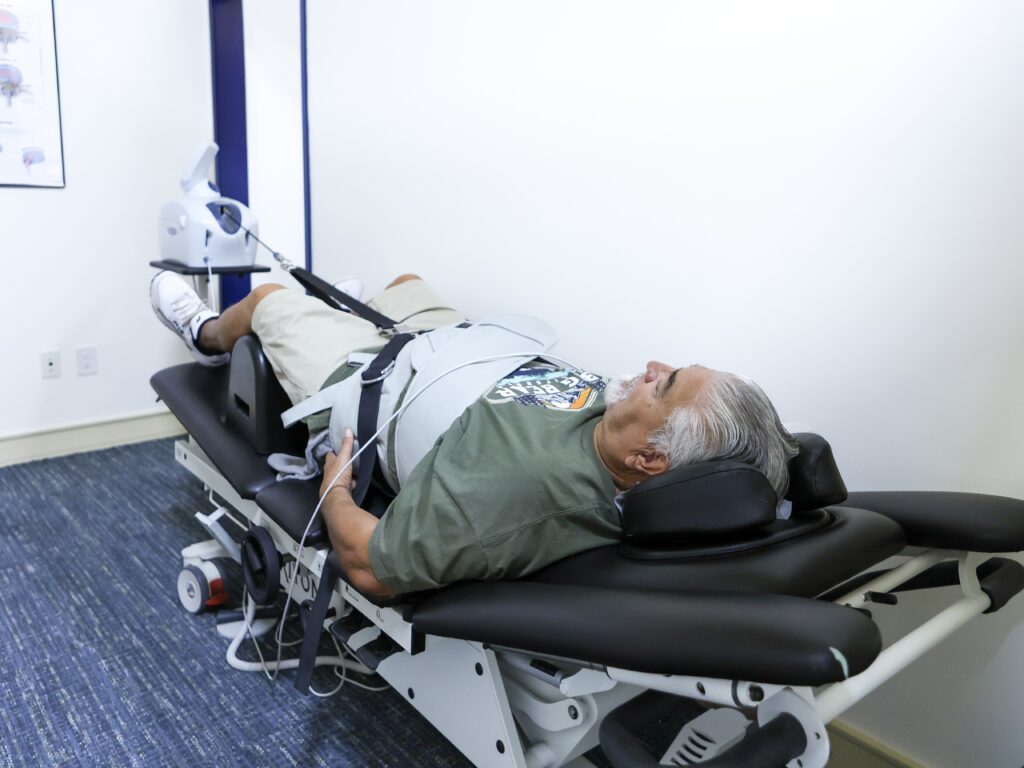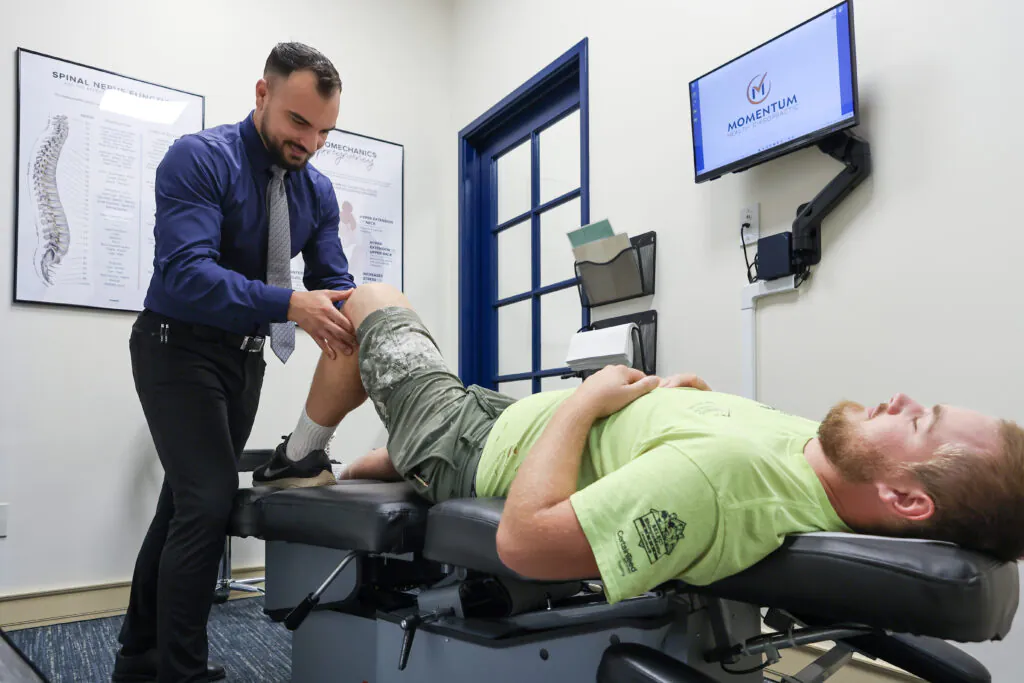

If you’re experiencing cervical pain, you’re likely aware of how it can impact your daily activities. Fortunately, there are several effective techniques to manage this discomfort, with chiropractic care standing out as a top choice. Chiropractic adjustments not only focus on relieving pain but also promote overall wellness by enhancing spinal health and function.
While other methods like physical therapy and acupuncture may provide temporary relief, chiropractic care addresses the root cause of cervical pain. By realigning the spine and improving nervous system function, you can achieve lasting results that contribute to your overall health.
To complement chiropractic treatment, here are some general tips for managing cervical pain effectively:
- Maintain Good Posture: Be mindful of your posture, especially when sitting for long periods. Use ergonomic chairs and keep your computer screen at eye level.
- Stay Active: Engage in regular physical activity. Gentle exercises like stretching and yoga can help maintain flexibility and strengthen the muscles around your neck.
- Apply Heat or Cold: Use a heating pad or ice pack on your neck to reduce inflammation and ease tension.
- Stay Hydrated: Drink plenty of water to keep your discs hydrated and support spinal health.
- Sleep Right: Ensure you have a supportive pillow and mattress. Sleeping on your back or side with proper neck support can help reduce cervical strain.
Choosing chiropractic care is a proactive step towards managing cervical pain and fostering a healthier lifestyle. If you’re ready to explore how chiropractic adjustments can transform your well-being, consider scheduling a consultation to discuss your specific needs. Remember, you’re not alone in this journey, and with the right approach, relief is within reach.
Key Takeaways
- Chiropractic adjustments are a powerful way to enhance spinal alignment, which not only alleviates cervical pain but also boosts your overall health and mobility. By focusing on the root cause of discomfort, chiropractic care promotes natural healing and wellness without the need for medications or surgery.
- In addition to adjustments, incorporating physical therapy techniques like gentle stretching and strengthening exercises can significantly improve flexibility in the neck. These simple exercises can help prevent stiffness and keep your neck moving freely, making them a great complement to chiropractic care.
- Alternative therapies such as acupuncture and massage therapy can be beneficial for relaxation and muscle relief. While these methods can provide temporary relief, chiropractic care addresses the underlying issues, ensuring lasting results.
- To support your neck health in daily life, consider implementing ergonomic practices. Simple changes, like adjusting your workspace or using proper posture while sitting, can greatly reduce strain on your neck and promote proper alignment. Remember to take regular breaks and stretch your neck during the day to avoid stiffness.
- If your cervical pain continues or worsens, it’s vital to seek professional help. A chiropractor can offer personalized treatment plans tailored to your specific needs, ensuring effective management and relief. Remember, taking proactive steps towards your spinal health is essential to achieving optimal wellness.
Understanding Cervical Pain: Causes and Symptoms
Cervical pain, commonly known as neck pain, can arise from a variety of sources and manifest through different symptoms. Many of us experience discomfort due to poor posture, muscle strain, or even a herniated disc. If you find yourself spending long hours hunched over a computer or frequently looking down at your phone, you might notice stiffness and aching in your neck. Injuries such as whiplash from car accidents can also lead to sharp pain and restricted movement.
Beyond physical causes, stress and tension can significantly contribute to muscle tightness in your neck. You may find yourself dealing with headaches or pain that radiates into your shoulders and arms. Understanding these factors is crucial for effectively managing your cervical pain and improving your overall well-being.
One of the best ways to address cervical pain naturally is through chiropractic care. Chiropractors specialize in spinal health and can provide adjustments that help restore proper alignment, reduce tension, and relieve pain. This holistic approach not only alleviates discomfort but also promotes better posture and overall spinal health.
To help you manage cervical pain at home, consider these simple tips:
- Maintain Good Posture: Be mindful of your posture, especially when sitting for long periods. Keep your back straight, shoulders relaxed, and avoid slouching.
- Take Breaks: If you work at a desk, take regular breaks to stretch your neck and shoulders. Simple neck rolls and shoulder shrugs can relieve tension.
- Stay Hydrated: Drinking plenty of water helps keep your muscles hydrated and functioning optimally, which can reduce the risk of cramping and tightness.
- Practice Relaxation Techniques: Incorporate stress-reducing practices like deep breathing, meditation, or yoga into your daily routine to help release tension in your neck.
- Consider Chiropractic Adjustments: Regular visits to a chiropractor can help maintain spinal health and prevent future episodes of neck pain.
Listening to your body is key; it will signal when something isn’t quite right. If you experience persistent pain, reach out to a chiropractor who can guide you on your journey to natural wellness and optimal health.
Physical Therapy: Techniques and Benefits
Chiropractic care is a powerful approach to alleviating cervical pain and enhancing mobility, focusing on natural healing and overall wellness. As a chiropractor, I utilize various techniques designed to restore balance to your spine and improve your quality of life.
One effective method is spinal manipulation, which involves gentle adjustments to correct misalignments in the spine. This hands-on approach helps relieve tension, reduce pain, and enhance blood flow, promoting healing and comfort.
Additionally, I incorporate stretching and strengthening exercises into your care plan. These exercises are essential for increasing flexibility, reducing stiffness, and building strength in the muscles around your neck, providing better support for your cervical spine.
To further support your recovery, we may use natural modalities like heat or ice therapy, which can help manage pain and promote relaxation.
I also emphasize the importance of proper posture and ergonomics. Simple adjustments in your daily habits—like maintaining an ergonomic workspace or being mindful of your posture—can make a significant difference in preventing future discomfort.
Remember, chiropractic care offers a holistic approach to health that prioritizes your body’s natural ability to heal. By focusing on spinal health and overall wellness, you can achieve lasting relief from cervical pain and lead a healthier, more active life.
If you’re experiencing discomfort, consider scheduling a visit to explore how chiropractic care can benefit you.
Chiropractic Adjustments: How They Work
Chiropractic adjustments are a gentle and effective way to help your body function at its best. These precise manipulations of the spine and other joints aim to restore proper alignment and improve overall health. When you come to see me, I’ll carefully assess your spine and identify any areas that may be misaligned or under tension.
Using my hands or specialized tools, I apply controlled force to specific joints, which can help relieve pain, reduce inflammation, and enhance your mobility. Many of my patients experience immediate relief as tension melts away and their range of motion improves.
I often combine spinal adjustments with other techniques, such as soft tissue therapy and personalized exercise recommendations, to support your recovery even further. Regular adjustments can also help maintain your alignment over time, preventing future bouts of pain and keeping you feeling your best.
Chiropractic care isn’t just about treating pain; it’s about promoting your overall well-being. By prioritizing the health of your spine, you’re investing in your body’s ability to function efficiently. This can lead to a more active, vibrant, and pain-free lifestyle.
Here are a few tips to help you maintain your spinal health between visits:
- Practice Good Posture: Be mindful of your posture while sitting, standing, or walking. Keeping your spine aligned can reduce strain and prevent discomfort.
- Stay Active: Engage in regular physical activity to strengthen your muscles and support your spine. Simple activities like walking, stretching, or yoga can make a big difference.
- Use Ergonomic Furniture: If you work at a desk, ensure your chair and workstation are set up to support your posture. This can help reduce tension in your back and neck.
- Stay Hydrated: Drinking plenty of water helps keep your discs hydrated and supports overall spinal health.
- Listen to Your Body: If you notice discomfort or tension, don’t ignore it. Schedule an appointment to address any issues early on.
Acupuncture: Ancient Practice for Modern Pain Relief
If you’re looking for a natural approach to pain relief, chiropractic care may be the solution you need. As a chiropractor, I focus on spinal health and wellness, which is essential for your overall well-being. By adjusting the spine and aligning your body, chiropractic care promotes natural healing and can significantly reduce pain, including cervical discomfort.
Many of my patients experience immediate relief following their adjustments, and the benefits can last well beyond the appointment. Chiropractic care not only addresses pain but also improves your body’s function, helping you maintain a healthier lifestyle. It’s a safe and effective option, with minimal side effects, making it ideal for those who want to avoid medications or invasive procedures.
If you’re dealing with cervical pain or tension, consider scheduling a consultation with a licensed chiropractor. We can assess your specific situation and create a tailored treatment plan that fits your unique needs.
In addition to adjustments, I always encourage patients to incorporate healthy habits into their lives. Simple practices like maintaining good posture, staying active, and stretching regularly can make a significant difference.
Embracing chiropractic care could be your key to achieving lasting relief from cervical pain and enhancing your overall health. Remember, taking care of your spine is taking care of your body!
Medications: Types and Effectiveness
When dealing with cervical pain, it’s essential to explore natural and holistic options that can provide effective relief. Chiropractic care stands out as a top choice for addressing neck pain and improving overall wellness. By focusing on spinal alignment and the musculoskeletal system, chiropractic adjustments can help reduce discomfort and enhance mobility.
In addition to chiropractic adjustments, there are simple strategies you can incorporate into your daily routine to support your neck health. For instance, practicing good posture while sitting or standing can significantly reduce strain on your neck. Make sure to take regular breaks if you’re working at a desk, and consider using ergonomic furniture to help maintain proper alignment.
Gentle stretching and strengthening exercises can also play a crucial role in managing cervical pain. Simple neck stretches can alleviate tension, while exercises that strengthen the muscles surrounding your spine can provide support and stability.
Another great option is to utilize heat or cold therapy at home. Applying a warm compress or an ice pack to your neck can help soothe inflammation and reduce pain.
Remember, while it may be tempting to turn to medications for quick relief, they often come with unwanted side effects and don’t address the root cause of the pain. Instead, by committing to regular chiropractic care and adopting healthy lifestyle habits, you can achieve long-term relief and optimal health.
Always consult with your chiropractor about the best approach for your specific needs. They can guide you on effective techniques and lifestyle changes tailored to enhance your well-being.
Embrace the natural healing power of chiropractic care and prioritize your spinal health for a better quality of life!
Lifestyle Changes: Prevention and Management
To effectively prevent and manage cervical pain, incorporating lifestyle changes is essential, and as your local chiropractor, I’m here to guide you on this journey to better neck health.
By adopting a few simple habits, you can significantly improve your well-being and reduce discomfort. Consider these four lifestyle changes:
- Ergonomic Workspace: Make sure your workspace is set up to support your neck health. Adjust your chair and monitor height so that your neck remains in a neutral position while you work. This small change can make a big difference in how you feel throughout the day.
- Regular Exercise: Engaging in activities like swimming or yoga can effectively strengthen the muscles around your neck and enhance flexibility. These exercises not only help alleviate pain but also promote overall body wellness, aligning perfectly with chiropractic care principles.
- Posture Awareness: Being mindful of your posture is crucial. Whether you’re sitting, standing, or walking, maintaining proper posture can prevent unnecessary strain on your neck. Simple reminders, like checking in with your alignment throughout the day, can lead to lasting improvements.
- Hydration: Staying well-hydrated is vital for your spinal health. Drinking plenty of water helps keep your spinal discs hydrated and functioning properly. Proper hydration supports overall health, making it easier for your body to heal naturally.
By incorporating these lifestyle changes, you can take an active role in your health and well-being.
Alternative Therapies: Exploring Options
What alternatives exist for managing cervical pain beyond conventional treatments? As a local chiropractor, I want to emphasize that chiropractic care is one of the best options for achieving pain relief and promoting overall wellness.
Chiropractic adjustments focus on spinal alignment, which plays a crucial role in alleviating pressure on your neck and improving your body’s natural healing ability. By ensuring that your spine is properly aligned, we can help reduce pain and enhance your overall function.
In addition to chiropractic care, there are other holistic approaches you might consider to complement your treatment. For instance, acupuncture can stimulate specific points on your body, promoting natural healing and reducing discomfort.
Massage therapy is another great option. It helps to relax tight muscles around your neck and improves blood flow, which can enhance your comfort levels. Gentle exercises, such as yoga and stretching, can also be beneficial. They not only increase flexibility but also strengthen your neck and upper back muscles, which can help prevent future pain episodes.
You might also explore herbal remedies and supplements, like turmeric or omega-3 fatty acids, which are known for their anti-inflammatory properties. However, it’s always best to discuss any new supplements with your healthcare professional to ensure they align with your chiropractic care.
Here are some general tips you can take away to help manage cervical pain:
- Maintain good posture: Be mindful of how you sit and stand throughout the day. Keeping your shoulders back and your head aligned over your spine can make a significant difference.
- Take breaks: If you work at a desk or spend long periods looking down at your phone, take regular breaks to stretch and move around.
- Apply heat or cold: Using a warm compress or an ice pack can help soothe sore muscles and reduce inflammation.
- Stay active: Engage in low-impact exercises to keep your body moving and support spinal health.
- Practice relaxation techniques: Stress can contribute to muscle tension. Consider incorporating deep breathing or meditation into your routine.
When to Seek Professional Help
Knowing when to seek professional help for cervical pain is crucial for your health and well-being. As a chiropractor, I want to emphasize the importance of understanding the signs that indicate it’s time to consult a healthcare provider, particularly when it comes to chiropractic care. Here are four key situations to consider:
- Persistent Pain: If your cervical pain doesn’t improve after a few days of self-care, such as gentle stretching or applying heat, it’s a good idea to see a chiropractor. Chiropractic adjustments can help realign the spine and alleviate tension, promoting better healing.
- Radiating Symptoms: If you notice numbness, tingling, or weakness in your arms or hands, this could indicate nerve involvement. A chiropractor can assess your spine and nervous system to determine if adjustments are needed to relieve pressure on the nerves.
- Increased Intensity: Should your pain worsen over time or become unbearable, don’t hesitate to seek help. Chiropractic care is a safe and effective way to address increasing cervical pain, focusing on natural healing methods to restore your body’s balance.
- Impact on Daily Life: If your cervical pain is interfering with your work, sleep, or daily activities, it’s essential to consult a chiropractor. They can provide personalized treatment plans designed to alleviate your pain and improve your overall quality of life.
In addition to seeking professional help, here are some general tips to manage cervical pain at home:
- Practice Good Posture: Be mindful of your posture when sitting, standing, or using electronic devices to reduce strain on your neck.
- Stay Active: Gentle exercises and stretches can help maintain mobility and reduce stiffness in your neck.
- Use Heat or Cold Therapy: Applying a warm compress or ice pack can provide relief and help soothe inflammation.
Creating a Personalized Treatment Plan
Creating a personalized treatment plan for your cervical pain starts with understanding your unique symptoms and how they affect your daily life. By identifying what triggers your discomfort, we can develop a tailored approach that not only addresses your pain but also complements your lifestyle.
Chiropractic care stands out as an excellent choice for managing cervical pain and promoting overall wellness. Rather than relying on medications or surgeries, which may have unwanted side effects, chiropractic treatments focus on natural healing through spinal adjustments and therapies that restore balance to your body.
Here are some general tips to consider while developing your personalized treatment plan:
- Stay Active: Gentle exercises, such as neck stretches or yoga, can help maintain flexibility and reduce stiffness. Always consult your chiropractor for specific exercises that suit your needs.
- Posture Matters: Be mindful of your posture, especially if you spend long hours sitting at a desk. Ergonomic adjustments can make a big difference in reducing strain on your neck.
- Hydrate: Drinking plenty of water supports joint health and can aid in overall recovery.
- Rest and Recover: Ensure you’re getting enough restful sleep each night. A supportive pillow and a proper sleeping position can help alleviate cervical pain.
- Regular Chiropractic Visits: Routine chiropractic adjustments can help keep your spine aligned and reduce the risk of future pain flare-ups.
By choosing chiropractic care, you’re opting for a natural, holistic approach to healing that prioritizes your health and well-being.
Together, we can create a treatment plan that not only provides relief but also enhances your quality of life.
Assessing Individual Symptoms
When it comes to managing cervical pain, evaluating your individual symptoms is crucial for creating a personalized treatment plan through chiropractic care. By understanding your unique experience, we can better address your needs and help you find relief naturally.
Here are four key aspects to consider:
- Location: Where exactly do you feel the pain? Is it in one specific spot or does it radiate to other areas? Knowing this can help us tailor your treatment effectively.
- Intensity: On a scale of 1 to 10, how severe is your pain? This simple rating can provide insight into the urgency and focus of your chiropractic adjustments.
- Duration: How long have you been feeling this discomfort? Is it an ongoing issue, or does it come and go? Understanding the duration can help us determine the best approach to your care.
- Triggers: Are there certain activities or positions that make your pain worse? Identifying these can help us develop strategies to avoid aggravating your symptoms and enhance your healing process.
In addition to assessing these symptoms, here are some general tips for managing cervical pain at home:
- Maintain Good Posture: Be mindful of your posture while sitting, standing, or using your phone. Good alignment can reduce strain on your neck.
- Take Breaks: If you sit for long periods, take regular breaks to stretch and move around. This can help alleviate tension.
- Stay Hydrated: Drinking plenty of water supports overall health and can help keep your spinal discs hydrated.
- Apply Heat or Ice: Depending on what feels best for you, applying heat or ice to the affected area can provide some relief.
Chiropractic care is an excellent choice for addressing cervical pain and promoting overall wellness.
Tailoring Therapy Options
A personalized treatment plan is crucial for effectively managing cervical pain, and as a chiropractor, I believe that chiropractic care is the best path to achieving optimal health and relief. Your journey begins with understanding your specific symptoms and lifestyle, which will help us determine the most beneficial therapies for you. Here’s a simple overview of potential options that focus on natural healing:
| Treatment Option | Benefits | Considerations |
|---|---|---|
| Chiropractic Care | Restores spinal alignment, improves mobility, and reduces pain naturally | Requires regular visits for optimal results |
| Exercise & Stretching | Strengthens muscles, increases flexibility, and promotes overall wellness | Must be done consistently for best results |
| Lifestyle Changes | Enhances overall health and prevents future discomfort | May take time to implement new habits |
Choosing the right approach involves open communication with your chiropractor. We can work together to develop a tailored plan that fits your needs and preferences, ensuring a comprehensive strategy to alleviate your cervical pain naturally.
In addition to chiropractic care, here are some general tips to support your healing journey:
- Stay Active: Gentle exercises and stretches can help maintain mobility and strength.
- Maintain Good Posture: Be mindful of your posture while sitting, standing, and sleeping to reduce strain on your neck.
- Use Heat or Cold Therapy: Applying a warm compress or ice pack can provide immediate relief from pain.
- Stay Hydrated: Drinking plenty of water supports overall health and helps maintain spinal disc health.
Conclusion
When it comes to managing cervical pain, chiropractic care stands out as a holistic and effective approach to achieving optimal health. Unlike other methods, chiropractic focuses on the alignment of the spine and the overall function of the nervous system, which can significantly alleviate pain and promote natural healing.
Chiropractic adjustments help restore proper alignment to the cervical spine, reducing tension and discomfort. This method not only addresses immediate pain relief but also supports your body’s ability to heal itself over time. By focusing on the root cause of your symptoms rather than just masking them, chiropractic care provides a long-term solution for cervical pain.
Incorporating chiropractic into your wellness routine can be complemented by simple lifestyle changes. Here are some tips to enhance your cervical health:
- Practice Good Posture: Whether you’re sitting at a desk or using your phone, be mindful of your posture. Keep your shoulders back and your head aligned with your spine to minimize strain.
- Take Regular Breaks: If you spend long hours in front of a screen, take short breaks to stretch and move around. This can relieve tension and prevent pain from escalating.
- Stay Active: Engage in regular physical activity that promotes flexibility and strength. Gentle exercises like yoga or swimming can be particularly beneficial for neck health.
- Ergonomic Adjustments: Make sure your workspace is set up to support good posture. Adjust your chair and monitor height to ensure comfort while working.
- Stay Hydrated: Drinking plenty of water is important for maintaining the health of your spinal discs and overall well-being.
Remember, it’s essential to consult with a qualified chiropractor who can assess your specific situation and develop a customized treatment plan tailored to your needs. By choosing chiropractic care, you’re taking a proactive step towards natural healing and healthier living. Your journey to relief and wellness starts here!