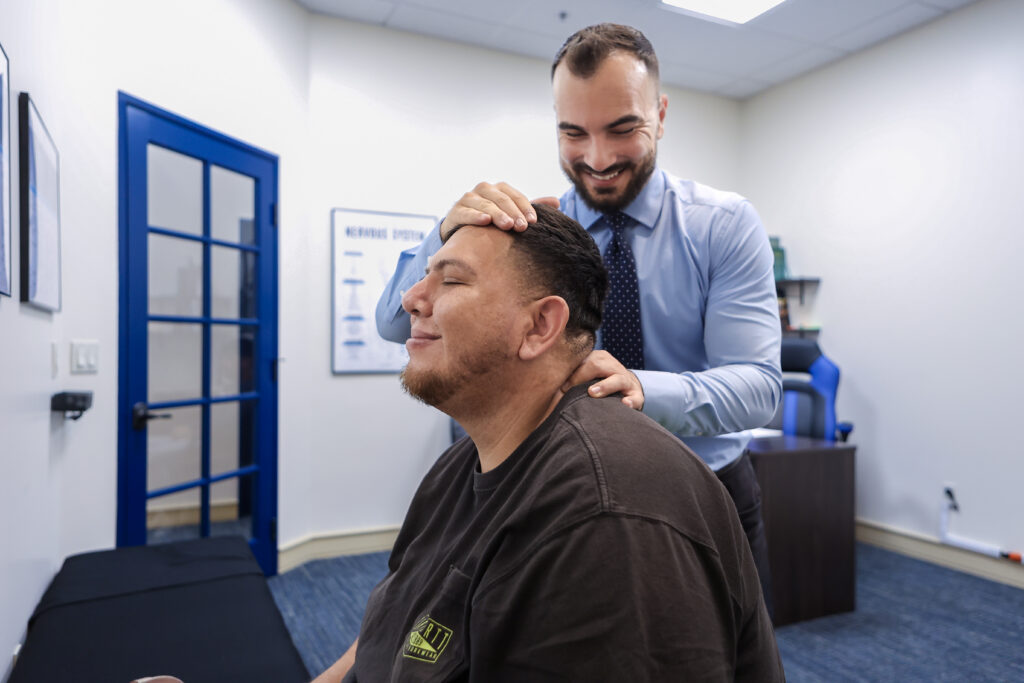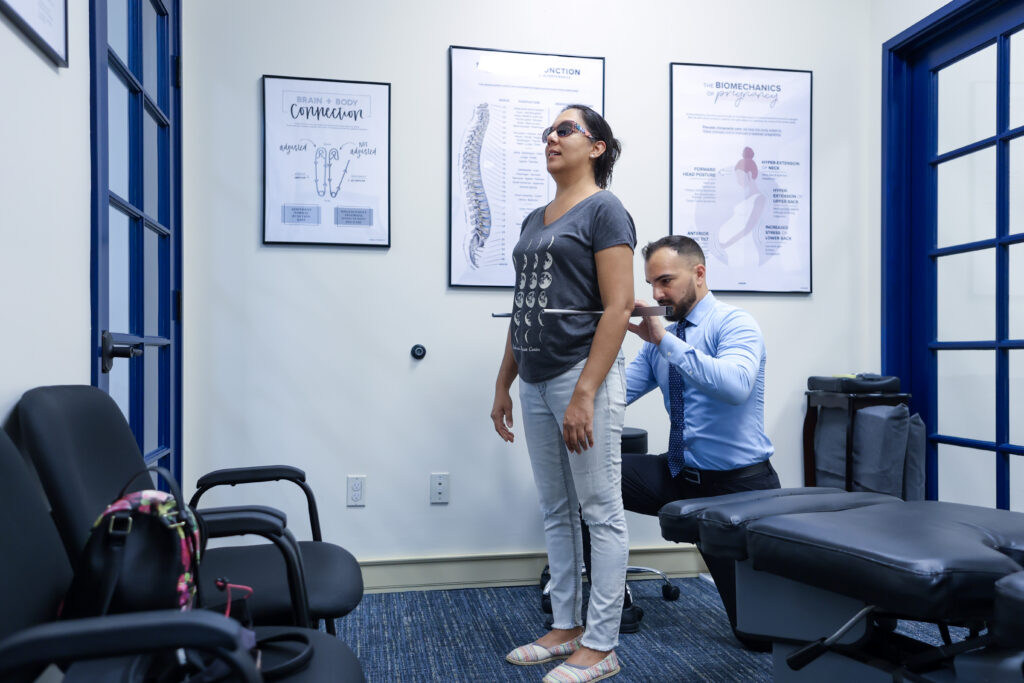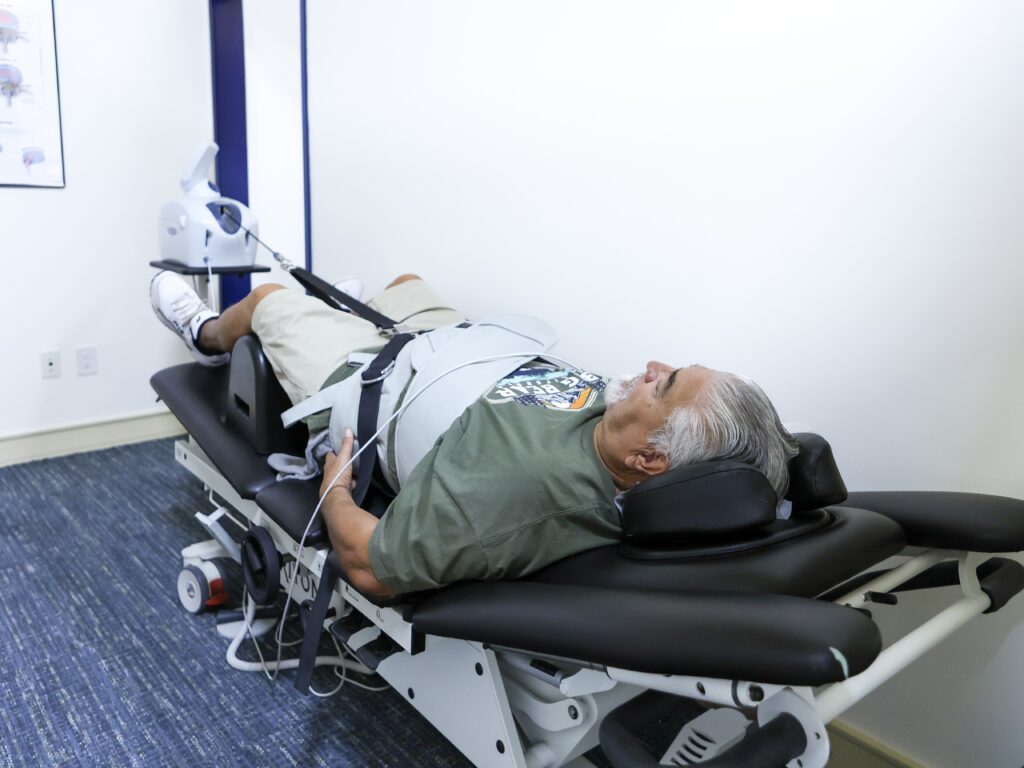


Neck pain is one of the most common reasons people seek chiropractic care, and for good reason. Whether you’re dealing with a stiff neck after a long day at your desk, persistent soreness that won’t go away, or sharp pain that limits your movement, neck discomfort can significantly impact your quality of life. Here in San Luis Obispo, many patients at Momentum Health Chiropractic come in seeking natural, effective relief from neck pain that doesn’t rely on medication or invasive procedures. In this article, we’ll explore why neck pain happens, how chiropractic care addresses the root causes, and what you can do to support your neck health between visits.
What is neck pain? Neck pain refers to discomfort, stiffness, or soreness in the cervical spine region—the seven vertebrae that make up your neck. It can range from mild tension to severe pain that radiates into your shoulders, arms, or head. Chiropractic care for neck pain focuses on restoring proper alignment, improving mobility, and reducing muscle tension through gentle, hands-on adjustments and supportive therapies.
Table of Contents
- Understanding Neck Pain and Its Impact
- Common Causes of Neck Pain
- Signs and Symptoms to Watch For
- How Chiropractic Care Helps Relieve Neck Pain
- What to Expect During Your Visit
- Practical Tips for Neck Pain Relief at Home
- When to See a Chiropractor for Neck Pain
- Treatment Options Comparison
- Myths vs. Facts About Chiropractic Care for Neck Pain
- Final Thoughts
Understanding Neck Pain and Its Impact
Your neck does more work than you might realize. It supports the weight of your head—roughly 10 to 12 pounds on average—while allowing you to turn, tilt, and nod throughout the day. The cervical spine is remarkably flexible, but that flexibility comes with vulnerability. When the delicate balance of bones, muscles, ligaments, and nerves in your neck is disrupted, pain and dysfunction can follow.
Neck pain affects millions of Americans each year. According to the Global Burden of Disease Study, neck pain is a leading cause of years lived with disability worldwide. Research published in the Annals of Internal Medicine suggests that conservative treatments like spinal manipulation can be effective for managing acute and subacute neck pain. For many people, neck pain isn’t just uncomfortable—it interferes with sleep, work productivity, exercise, and even simple daily activities like driving or reading.
The good news is that most neck pain is mechanical in nature, meaning it stems from problems with how the structures of your neck are functioning rather than from serious underlying disease. This makes it particularly responsive to conservative, hands-on care like chiropractic treatment.
Common Causes of Neck Pain
Understanding what’s causing your neck pain is the first step toward finding lasting relief. While every patient’s situation is unique, certain patterns emerge again and again in chiropractic practice. Here are some of the most common culprits behind neck discomfort:
Poor posture: Whether you’re hunched over a computer, looking down at your phone, or slouching on the couch, poor posture places enormous strain on your neck muscles and joints. Forward head posture—where your head juts forward from your shoulders—can increase the effective weight your neck must support to 40 pounds or more.
Muscle strain: Overuse, sudden movements, or sleeping in an awkward position can strain the muscles and ligaments in your neck. These strains often cause localized pain and stiffness that may worsen with certain movements.
Joint dysfunction: The small joints between your cervical vertebrae, called facet joints, can become restricted or misaligned. When these joints don’t move properly, they can cause pain, muscle tension, and reduced range of motion.
Degenerative changes: As we age, the discs between our vertebrae naturally lose hydration and height. This can lead to conditions like cervical osteoarthritis or degenerative disc disease, which can contribute to chronic neck pain and stiffness.
Whiplash and injury: Car accidents, sports injuries, or falls can cause sudden, forceful movement of the neck. Even minor collisions can result in soft tissue damage that leads to persistent pain if not properly addressed.
Nerve compression: When a herniated disc or bone spur presses on a nerve root in your neck, it can cause radiating pain, numbness, or tingling that travels down your arm—a condition often called cervical radiculopathy or a “pinched nerve.”
Tech neck: This modern phenomenon results from the constant downward gaze required by smartphones, tablets, and laptops. The repetitive stress can lead to muscle imbalances, postural changes, and chronic discomfort.
Signs and Symptoms to Watch For
Neck pain manifests differently for everyone. Some people experience a dull ache that comes and goes, while others deal with sharp, stabbing pain that severely limits movement. Recognizing your specific symptoms can help you communicate more effectively with your chiropractor and understand what’s happening in your body.
Localized neck pain: Soreness or discomfort concentrated in the neck region, often worse with certain movements or at the end of the day.
Stiffness and reduced range of motion: Difficulty turning your head from side to side, looking up or down, or tilting your head toward your shoulder. You might find yourself turning your whole body instead of just your neck.
Muscle tension and knots: Tight, tender areas in the neck and upper shoulder muscles. These trigger points can be painful to touch and may refer pain to other areas.
Headaches: Cervicogenic headaches originate from problems in the neck and often cause pain at the base of the skull, temples, or behind the eyes. These headaches are frequently mistaken for tension headaches or migraines.
Radiating symptoms: Pain, numbness, tingling, or weakness that travels from your neck down into your shoulder, arm, or hand. This suggests nerve involvement and requires professional evaluation.
Grinding or popping sensations: Crepitus—the medical term for grinding, popping, or clicking sounds when you move your neck—can indicate joint dysfunction or degenerative changes.
Many patients here in San Luis Obispo report that their neck pain is worse in the morning or after periods of inactivity. Others find that stress, poor sleep, or long hours at the computer exacerbate their symptoms. These patterns provide valuable clues about the underlying causes and help guide treatment.
How Chiropractic Care Helps Relieve Neck Pain
Chiropractic care offers a drug-free, non-surgical approach to neck pain that focuses on restoring proper function to your spine and supporting structures. Rather than simply masking symptoms, chiropractic treatment addresses the mechanical dysfunctions that contribute to pain in the first place.
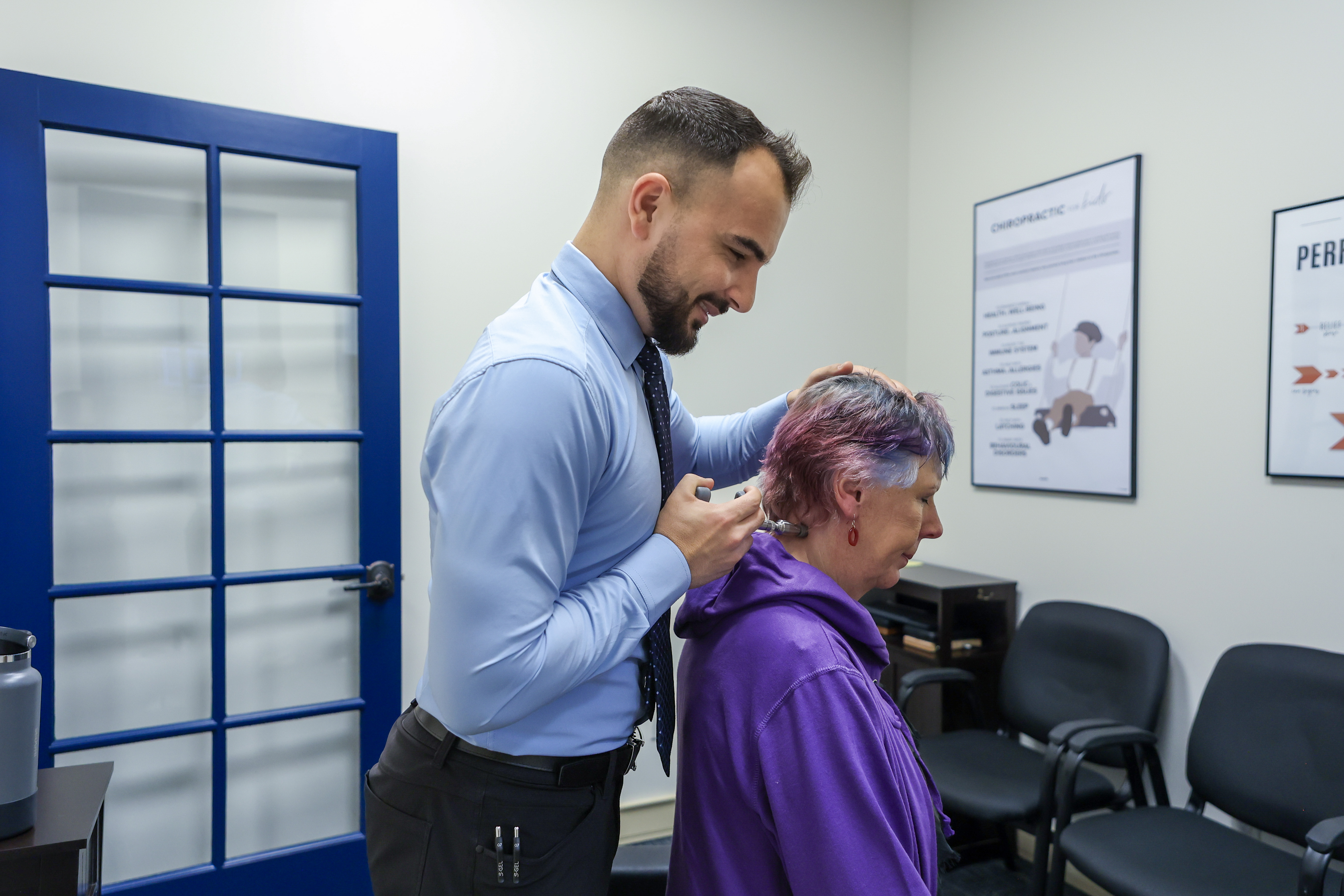
Spinal adjustments: The cornerstone of chiropractic care is the spinal adjustment or manipulation. When applied to the cervical spine, gentle, controlled force helps restore normal movement to restricted joints. Research published in the Journal of Manipulative and Physiological Therapeutics has shown that spinal manipulation can reduce neck pain and improve function. These adjustments help reduce joint inflammation, decrease muscle tension, and improve nervous system communication.
Mobilization techniques: For patients who prefer a gentler approach or have conditions that make traditional adjustments less appropriate, chiropractors can use mobilization techniques. These involve slow, passive movements that gradually improve joint range of motion without the quick thrust associated with traditional adjustments.
Soft tissue therapy: Your chiropractor may incorporate muscle release techniques, trigger point therapy, or instrument-assisted soft tissue work to address tight, painful muscles. Releasing muscle tension often improves the effectiveness of spinal adjustments and provides additional pain relief.
Postural correction: A significant part of chiropractic care involves identifying and correcting postural imbalances. Dr. David Sedghi works with patients to understand how their daily habits contribute to neck strain and provides specific strategies for improvement.
Therapeutic exercises: Strengthening the deep neck flexors and upper back muscles helps stabilize your cervical spine and prevent future episodes of pain. Your chiropractor may prescribe specific exercises tailored to your condition and activity level.
Ergonomic guidance: From workstation setup to sleeping positions, small changes in your environment can make a significant difference. Chiropractic care includes practical advice on how to reduce daily strain on your neck.
At Momentum Health Chiropractic, treatment plans are individualized based on your specific condition, health history, and goals. Some patients find significant relief within a few visits, while others with chronic or complex conditions benefit from ongoing supportive care.
What to Expect During Your Visit
If you’ve never seen a chiropractor for neck pain, you might wonder what actually happens during an appointment. Understanding the process can help you feel more comfortable and prepared for your first visit to Momentum Health Chiropractic in San Luis Obispo.
Initial consultation and history: Your first visit begins with a thorough discussion of your symptoms, health history, and lifestyle factors. Dr. David Sedghi will ask about when your pain started, what makes it better or worse, any previous injuries, and how it’s affecting your daily life. This conversation provides crucial context for developing an effective treatment plan.
Physical examination: A comprehensive exam typically includes assessment of your posture, range of motion, muscle tone, and spinal alignment. Your chiropractor will also perform orthopedic and neurological tests to identify the specific structures involved and rule out serious conditions that might require medical referral.
Treatment approach: Based on the findings, your chiropractor will explain what’s likely causing your neck pain and recommend an appropriate treatment plan. This might include spinal adjustments, soft tissue work, therapeutic modalities, and home care instructions.
The adjustment itself: Cervical adjustments are typically quick and gentle. You might hear a popping sound—this is simply gas being released from the joint, similar to cracking your knuckles. Many patients feel immediate relief or improved mobility, though it’s also normal to experience mild soreness afterward as your body adjusts to the changes.
Follow-up care: Depending on your condition, you may need several visits over the course of weeks or months. Acute neck pain often responds more quickly than chronic conditions that have developed over years. Your chiropractor will provide realistic expectations and adjust your treatment plan based on how you respond.
Practical Tips for Neck Pain Relief at Home
While professional chiropractic care is essential for addressing underlying mechanical problems, what you do between visits matters just as much. These evidence-based strategies can help support your recovery and prevent future episodes of neck pain.
Optimize your sleeping position: Your pillow should keep your neck in a neutral alignment with your spine. If you sleep on your back, choose a pillow that supports the natural curve of your neck without pushing your head too far forward. Side sleepers need a thicker pillow to fill the space between the shoulder and head. Avoid sleeping on your stomach, which forces your neck into prolonged rotation.
Take movement breaks: If you work at a computer or perform repetitive tasks, set a timer to remind yourself to move every 30 to 45 minutes. Simple neck rolls, shoulder shrugs, and standing to walk around can prevent the muscle tension and joint stiffness that builds up during prolonged static positions.
Set up your workstation properly: Your computer monitor should be at eye level, about an arm’s length away. Your keyboard and mouse should allow your elbows to rest comfortably at your sides at roughly 90 degrees. If you use a laptop regularly, consider an external monitor and keyboard to improve your posture.
Manage your phone use: Instead of looking down at your phone, bring it up to eye level. This simple change can dramatically reduce the strain on your neck. Be mindful of how much time you spend scrolling, and take regular breaks to look up and move your neck through its full range of motion.
Stay hydrated: Your intervertebral discs need adequate hydration to maintain their shock-absorbing properties. Drinking plenty of water throughout the day supports overall spinal health.
Apply heat or ice appropriately: For acute neck pain or recent injuries, ice can help reduce inflammation during the first 48 to 72 hours. After that initial period, heat often provides better relief by increasing blood flow and relaxing tight muscles. Always use a barrier between ice or heat and your skin, and limit applications to 15 to 20 minutes at a time.
Practice stress management: Emotional stress often manifests as physical tension in the neck and shoulders. Techniques like deep breathing, meditation, gentle yoga, or even regular walks can help reduce overall muscle tension and support your recovery.
Stay active within your limits: Complete rest is rarely beneficial for neck pain. Gentle movement helps maintain mobility, promotes healing blood flow, and prevents deconditioning. However, avoid activities that significantly worsen your pain or involve high-impact forces to your neck.

When to See a Chiropractor for Neck Pain
Knowing when to seek professional help can prevent minor neck issues from becoming chronic problems. While occasional, mild neck stiffness that resolves on its own may not require immediate treatment, certain situations warrant a visit to a chiropractor.
Consider chiropractic care if: Your neck pain persists for more than a few days despite rest and home care. You experience recurring episodes of neck pain or stiffness. Your pain is interfering with work, sleep, or daily activities. You notice your range of motion is progressively decreasing. You have headaches that seem connected to neck tension or position.
Seek prompt evaluation if: Your neck pain started after a car accident, fall, or significant injury. You experience radiating pain, numbness, or weakness in your arms or hands. You have difficulty with coordination or balance. Your pain is accompanied by unexplained fever or weight loss.
Seek immediate medical attention if: You have severe neck pain after trauma with any signs of spinal cord injury. You experience sudden, severe headache with neck stiffness and fever (possible meningitis). You have progressive weakness or loss of bowel or bladder control. You notice sudden difficulty walking or maintaining balance.
At Momentum Health Chiropractic, patient safety is the top priority. Dr. David Sedghi is trained to recognize conditions that fall outside the chiropractic scope of practice and will coordinate appropriate referrals when necessary. Most neck pain, however, responds well to conservative chiropractic care, especially when addressed early.
Treatment Options Comparison
| Treatment Approach | How It Works | Best For | Considerations |
|---|---|---|---|
| Chiropractic Care | Hands-on spinal adjustments, mobilization, and soft tissue therapy to restore proper joint function and reduce muscle tension | Mechanical neck pain, joint dysfunction, muscle tension, postural issues, chronic stiffness | Drug-free, non-invasive; addresses root causes; requires multiple visits for best results |
| Over-the-Counter Medication | Pain relievers like ibuprofen or acetaminophen reduce inflammation and temporarily mask pain signals | Acute pain relief, mild to moderate inflammation | Only addresses symptoms; potential side effects with long-term use; doesn’t correct underlying dysfunction |
| Physical Therapy | Therapeutic exercises, stretching, and modalities to improve strength, flexibility, and function | Post-surgical rehabilitation, weakness, chronic conditions requiring structured exercise programs | Exercise-focused; may complement chiropractic care; typically requires referral from medical doctor |
| Massage Therapy | Manual manipulation of soft tissues to reduce muscle tension and improve circulation | Muscle tension, stress-related pain, soft tissue restriction | Addresses muscles but not joint dysfunction; works well as complementary care |
| Prescription Medications | Stronger pain relievers or muscle relaxants prescribed by a physician | Severe acute pain, muscle spasms unresponsive to conservative care | Risk of side effects and dependency; temporary solution; doesn’t address cause |
| Injection Therapy | Corticosteroid or anesthetic injections to reduce inflammation and pain | Severe inflammation, nerve pain unresponsive to conservative treatment | Invasive; temporary relief; potential risks; typically reserved for cases not improving with conservative care |
Myths vs. Facts About Chiropractic Care for Neck Pain
Despite growing research supporting chiropractic care, misconceptions persist. Let’s clear up some common myths with evidence-based facts.
Myth: Chiropractic adjustments are dangerous for your neck
Fact: When performed by a licensed chiropractor, cervical adjustments are remarkably safe. Research published in Spine found that serious adverse events following chiropractic neck manipulation are extremely rare. Chiropractors undergo extensive training in spinal anatomy and adjustment techniques specifically designed to be safe and effective.
Myth: Once you start chiropractic care, you have to keep going forever
Fact: While some patients choose ongoing wellness care to maintain their results, you’re not obligated to continue treatment indefinitely. Many people seek chiropractic care for specific episodes of neck pain and discontinue once their symptoms resolve. The frequency and duration of care depend on your individual condition, goals, and response to treatment.
Myth: Cracking your own neck is just as good as a chiropractic adjustment
Fact: Self-manipulation and professional chiropractic adjustments are fundamentally different. When you crack your own neck, you’re typically moving the joints that are already hypermobile while the restricted joints remain stuck. Chiropractors use specific force, direction, and speed to target restricted joints, restoring proper movement where it’s needed most. Frequent self-manipulation can actually contribute to joint instability over time.
Myth: Chiropractors only treat neck pain with adjustments
Fact: Modern chiropractic care is multifaceted and includes soft tissue therapy, rehabilitative exercises, ergonomic counseling, lifestyle modifications, and nutritional guidance. At Momentum Health Chiropractic in San Luis Obispo, treatment plans are comprehensive and tailored to each patient’s unique needs and preferences.
Myth: You need an X-ray or MRI before a chiropractor can treat neck pain
Fact: While imaging can be valuable in certain situations, most cases of mechanical neck pain can be effectively diagnosed and treated based on clinical examination alone. Research indicates that routine imaging for uncomplicated neck pain doesn’t improve outcomes and may lead to unnecessary costs. Your chiropractor will recommend imaging only when clinically indicated based on your specific presentation and history.
Myth: Chiropractic care doesn’t have scientific evidence to support it
Fact: Numerous high-quality studies support the effectiveness of chiropractic care for neck pain. The American College of Physicians now recommends non-pharmacologic therapies, including spinal manipulation, as first-line treatment for many musculoskeletal conditions. Systematic reviews published in the Cochrane Database and European Spine Journal have found that spinal manipulation can reduce neck pain and improve function.
Final Thoughts
Neck pain doesn’t have to be something you just live with or manage solely through medication. Chiropractic care offers a safe, effective, natural approach that addresses the underlying mechanical dysfunctions contributing to your discomfort. Whether you’re dealing with acute pain from a recent injury or chronic stiffness that’s been bothering you for years, understanding your options empowers you to make informed decisions about your health.
Here in San Luis Obispo, California, Momentum Health Chiropractic is committed to helping patients find lasting relief from neck pain through evidence-based, patient-centered care. Dr. David Sedghi takes the time to understand your unique situation, identify the root causes of your pain, and develop a treatment plan that fits your lifestyle and goals. Remember that your body has a remarkable ability to heal when given the right support—and chiropractic care is designed to facilitate that natural healing process.
If you’re experiencing neck pain, don’t wait for it to become a chronic problem. Early intervention often leads to faster, more complete recovery. We welcome you to reach out, ask questions, and discover how chiropractic care might help you get back to the activities you love without pain holding you back.
Frequently Asked Questions
How long does it take for chiropractic care to relieve neck pain?
The timeline varies based on the severity and chronicity of your condition. Some patients experience noticeable relief after just one or two visits, while chronic neck pain that has developed over months or years typically requires a longer treatment plan. Most people with acute neck pain see significant improvement within 4 to 6 weeks of consistent care.
Is chiropractic treatment painful for neck pain?
Chiropractic adjustments themselves are generally not painful. You may feel pressure or a slight stretching sensation during the adjustment, but most patients describe it as relieving rather than uncomfortable. Some people experience mild soreness for a day or two after their first few treatments as their body adjusts, similar to the feeling after a new workout.
Can chiropractic care help with neck pain that radiates down my arm?
Yes, chiropractic care can often help with cervical radiculopathy—the medical term for nerve-related arm pain originating from the neck. By restoring proper spinal alignment and reducing pressure on nerve roots, many patients experience reduction in radiating symptoms. However, severe or progressive neurological symptoms require thorough evaluation and may need co-management with other healthcare providers.
Will my insurance cover chiropractic treatment for neck pain?
Many insurance plans include chiropractic coverage, though benefits vary widely depending on your specific policy. It’s best to contact your insurance provider directly or speak with the team at Momentum Health Chiropractic, who can help you understand your coverage and any out-of-pocket costs before beginning treatment.
Can I see a chiropractor if I have arthritis in my neck?
Yes, chiropractic care can be beneficial for people with cervical osteoarthritis. While chiropractic treatment cannot reverse arthritic changes, it can help improve joint mobility, reduce muscle tension, and manage pain associated with degenerative conditions. Your chiropractor will modify techniques as needed to ensure safe, comfortable treatment appropriate for your condition.
What’s the difference between a chiropractor and a physical therapist for neck pain?
Both chiropractors and physical therapists can effectively treat neck pain, but their approaches differ. Chiropractors focus primarily on spinal alignment and joint function through hands-on adjustments and manipulations. Physical therapists emphasize therapeutic exercises and rehabilitation protocols. Many patients benefit from elements of both approaches, and the two professions often complement each other well.
TL;DR – Key Takeaways
- Neck pain is often caused by poor posture, muscle strain, joint dysfunction, or injury, and chiropractic care addresses these mechanical issues naturally without drugs or surgery
- Chiropractic treatment for neck pain includes spinal adjustments, soft tissue therapy, postural correction, and therapeutic exercises tailored to your specific condition
- Most neck pain responds well to conservative chiropractic care, especially when addressed early, with many patients experiencing significant relief within several weeks
- Home care strategies like optimizing sleep position, improving workstation ergonomics, taking movement breaks, and managing stress support professional treatment and prevent recurrence
- Seek chiropractic evaluation if neck pain persists beyond a few days, recurs frequently, limits daily activities, or is accompanied by radiating symptoms—Dr. David Sedghi at Momentum Health Chiropractic in San Luis Obispo provides comprehensive, individualized care for patients throughout the community