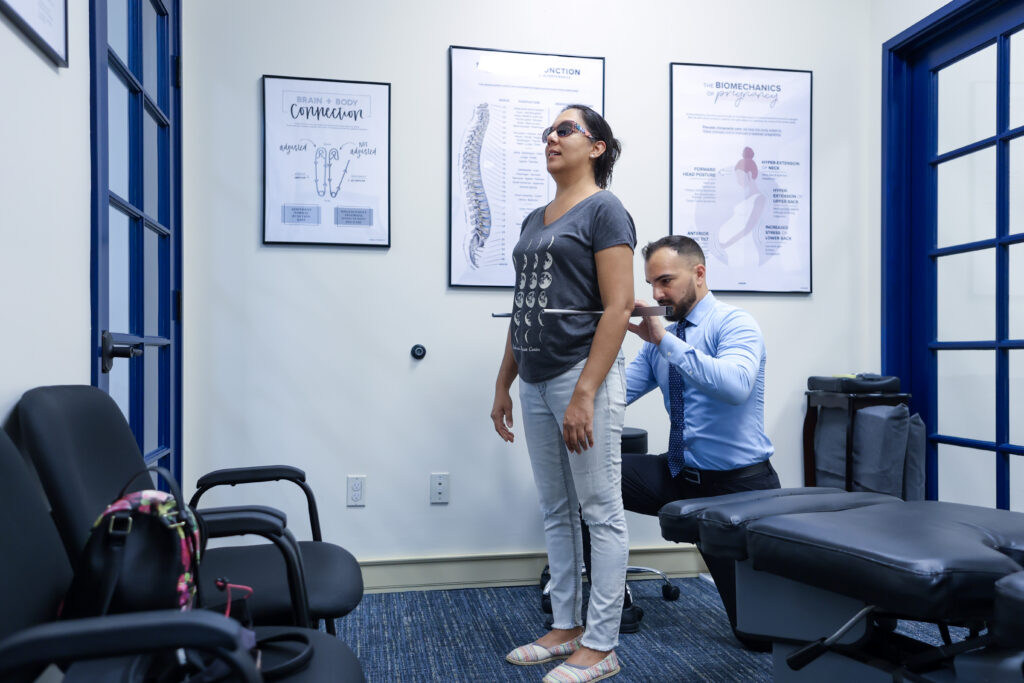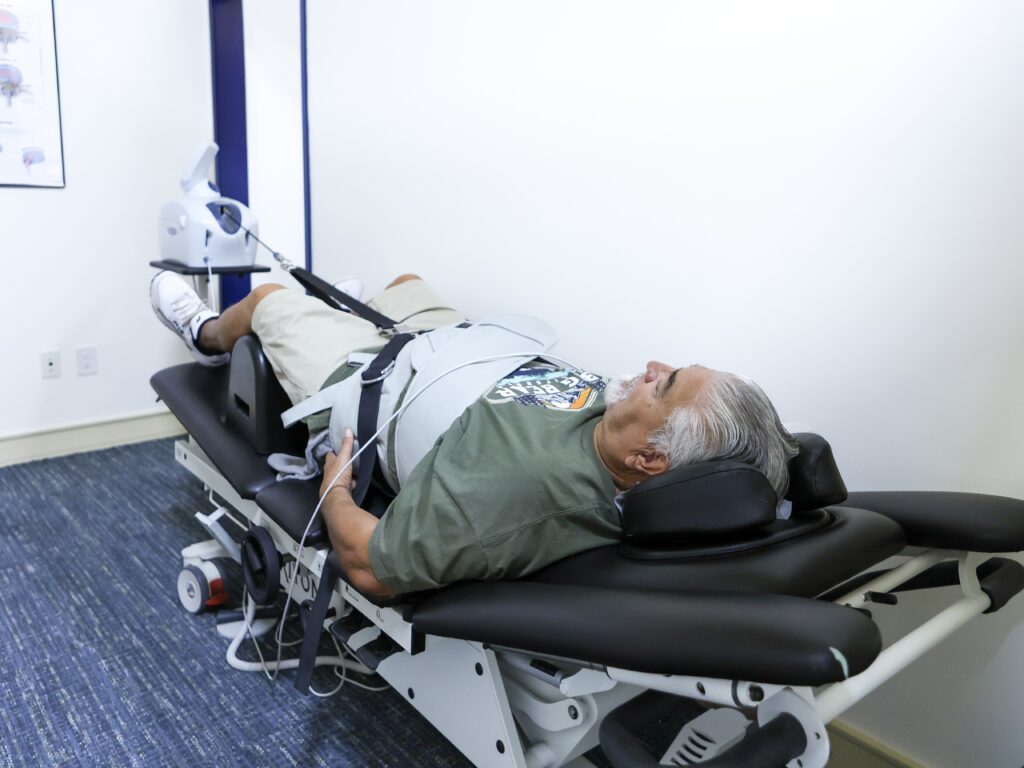

If you’ve ever endured the intense pain of migraines, you know how they can disrupt your daily life. Fortunately, chiropractic care offers a powerful approach to finding relief. By focusing on spinal alignment and the function of your nervous system, chiropractors can help address the underlying causes of migraines rather than just masking the symptoms. This holistic approach can lead to a reduction in the frequency and intensity of your migraine episodes.
Chiropractic techniques, such as spinal adjustments and soft tissue therapy, can improve blood flow and reduce tension in your neck and shoulders, which are often contributors to migraine pain. Additionally, chiropractors may provide guidance on posture, ergonomics, and lifestyle changes that can enhance your overall well-being.
Here are a few simple tips to help manage your migraines naturally:
- Stay Hydrated: Dehydration can trigger migraines, so make sure to drink plenty of water throughout the day.
- Maintain Good Posture: Being mindful of your posture while sitting and standing can alleviate tension in your neck and spine.
- Manage Stress: Incorporate relaxation techniques like deep breathing, meditation, or yoga into your routine to help reduce stress levels.
- Regular Chiropractic Visits: Regular adjustments can help keep your spine aligned and your nervous system functioning optimally.
By choosing chiropractic care, you are taking a proactive step towards managing migraines and achieving better health. If you’re curious to learn more about how chiropractic methods can transform your experience with migraines, I invite you to explore this natural and effective path to wellness.
Key Takeaways
Chiropractic care is an excellent way to support your spinal health and tackle the root causes of migraines. By creating personalized treatment plans and providing regular adjustments, we can help you find relief naturally, without the need for medications or surgeries.
One of the key techniques we use is spinal manipulation. This gentle realignment of the spine helps reduce tension in the nervous system, which can often be a trigger for migraines. When your spine is aligned, your body functions more smoothly, and you may notice a decrease in the frequency and intensity of your headaches.
In addition to spinal adjustments, we also offer soft tissue therapy. This approach focuses on relieving muscle knots and tension that can contribute to headache pain. By addressing these tight areas, we can enhance your overall comfort and help you feel better.
Regular visits to your chiropractor not only support proper spinal alignment but also contribute to your overall well-being. It’s a proactive way to manage your health and minimize migraine occurrences in the long run.
Moreover, incorporating stress management techniques into your routine can further enhance the benefits of chiropractic care. Simple practices like deep breathing and relaxation exercises can help calm your mind and body, making it easier for you to cope with stressors that might lead to migraines.
Remember, taking care of your spine is a vital part of maintaining your overall health. If you’re struggling with migraines or simply want to enhance your well-being, consider chiropractic care as a natural and effective solution. Together, we can work towards achieving optimal health and a more comfortable life.
Understanding Migraines: Causes and Symptoms
Migraines aren’t just intense headaches; they’re intricate neurological events that can significantly affect your everyday life. If you suffer from migraines, you might experience a range of symptoms, such as pounding pain, heightened sensitivity to light and sound, and feelings of nausea. These migraine episodes can last from a few hours to several days, disrupting your daily routine and making it hard to focus on tasks.
While the precise causes of migraines remain a bit of a mystery, they often stem from a mix of genetic, environmental, and neurological factors. Many people find that certain triggers can spark their migraines. Common culprits include stress, hormonal fluctuations, specific foods, and sleep issues. By paying attention to these triggers, you can start to pinpoint what might be causing your migraines and take steps to manage them more effectively.
As a chiropractor, I believe that understanding your body and recognizing migraine symptoms is key to taking charge of your health. Chiropractic care offers a natural approach to relieving pain and promoting overall wellness. Gentle adjustments can help align your spine, which may alleviate some tension and stress that contribute to migraines.
In addition to chiropractic treatment, here are some tips to help manage your migraines naturally:
- Stay Hydrated: Dehydration can be a migraine trigger, so make sure you’re drinking plenty of water throughout the day.
- Maintain a Regular Sleep Schedule: Try to go to bed and wake up at the same time every day to promote better sleep quality.
- Practice Stress Management: Techniques such as deep breathing, yoga, or meditation can help reduce stress levels, which may in turn lessen the frequency of migraines.
- Keep a Food Diary: Tracking what you eat can help identify any specific foods that might trigger your migraines, allowing you to avoid them in the future.
- Consider Regular Chiropractic Visits: Regular adjustments can help keep your spine in line and reduce tension, which may contribute to fewer headaches.
By embracing these natural strategies and incorporating chiropractic care into your wellness routine, you can enhance your quality of life, reduce the frequency and intensity of migraine attacks, and move towards achieving optimal health.
The Role of Chiropractic Care in Treating Migraines
Chiropractic care can be a powerful ally in managing migraines by targeting the root causes of your headaches. By identifying the specific triggers that lead to your migraines, you can collaborate with a chiropractor to create personalized techniques that offer relief and enhance your overall well-being.
Here are some helpful tips to consider:
- Posture Awareness: Poor posture can contribute to tension in your neck and shoulders, often leading to headaches. Be mindful of your posture throughout the day, especially if you work at a desk. Regular chiropractic adjustments can help improve your alignment.
- Stress Management: Stress is a common trigger for migraines. Engaging in relaxation techniques such as deep breathing, yoga, or meditation can help reduce stress levels. Your chiropractor can also provide guidance on exercises that promote relaxation and spinal health.
- Hydration: Dehydration can exacerbate headaches. Make sure you drink plenty of water throughout the day to stay hydrated, which can help prevent migraine onset.
- Regular Chiropractic Visits: Consistent chiropractic adjustments can help keep your spine aligned and reduce tension in the muscles surrounding your neck and shoulders, providing ongoing relief from migraine symptoms.
- Healthy Lifestyle Choices: Eating a balanced diet, getting regular exercise, and ensuring you have a consistent sleep schedule can all contribute to reducing the frequency and severity of migraines.
By embracing chiropractic care as a natural and effective approach to health and wellness, you can take control of your migraines and improve your quality of life.
Understanding Migraine Triggers
While many people experience migraines, understanding their triggers is essential for finding relief and maintaining overall wellness. Identifying what sets off your migraines can help you manage and prevent them more effectively. Remember, triggers can vary widely from person to person, so keeping a diary can be a helpful tool in pinpointing your specific triggers.
As a chiropractor, I want to emphasize the importance of a holistic approach to health. Chiropractic care can play a significant role in managing migraine symptoms by focusing on spinal health, which is crucial for your nervous system’s overall function. Maintaining proper alignment can help reduce tension and stress on your body, which may alleviate migraine frequency and intensity.
Here’s a look at some common migraine triggers and examples, along with tips on how chiropractic care and lifestyle adjustments can help:
| Trigger | Examples | Chiropractic Tips |
|---|---|---|
| Stress | Work deadlines, family issues | Consider regular chiropractic adjustments to help reduce stress, promote relaxation, and support overall spinal health. |
| Diet | Caffeine, aged cheese | Maintain a balanced diet and stay hydrated. Discuss dietary habits with your chiropractor, who can provide guidance on nutrition that supports your wellness. |
| Environment | Bright lights, strong scents | Create a calming environment at home and work. Chiropractic care can also help your body adapt better to environmental stressors. |
| Sleep Patterns | Irregular sleep, oversleeping | Establish a regular sleep routine. Chiropractic adjustments can enhance sleep quality by relieving tension and improving comfort. |
Incorporating these strategies into your daily routine can help you proactively manage your migraines. If you’re struggling with migraines, I encourage you to explore how chiropractic care can support your journey to optimal health and wellness. Remember, a healthy spine is vital for a healthy life!
Chiropractic Techniques Explained
When it comes to finding relief from migraines, chiropractic care is an excellent option that focuses on natural healing and overall wellness. One of the primary techniques we use is spinal manipulation. This method helps to realign the spine, which can reduce tension in your nervous system and potentially lessen both the frequency and intensity of headaches.
In addition to spinal manipulation, we often incorporate soft tissue therapy into our treatment plans. This technique targets muscle knots and tight areas in your body that may be contributing to your migraines. By relieving tension in these muscles, we can help you feel more comfortable and reduce the chances of migraine episodes.
Posture plays a significant role in our overall health, and that’s why we also provide ergonomic assessments. These assessments help you understand how to sit, stand, and move in ways that reduce strain on your body. By improving your posture, you can alleviate unnecessary pressure that might lead to headaches.
Furthermore, we believe in a holistic approach to health, which includes lifestyle advice. Simple changes, such as incorporating regular exercise and focusing on balanced nutrition, can make a significant difference in how you feel. Staying hydrated and practicing relaxation techniques, like deep breathing or yoga, can also help manage stress, another common trigger for migraines.
By choosing chiropractic care, you’re opting for a natural and effective way to manage your migraines and enhance your overall wellbeing. Our goal is to empower you with knowledge and tools that can help you lead a healthier, more vibrant life.
Spinal Manipulation Techniques for Migraine Relief
If you’re dealing with migraines, incorporating spinal manipulation techniques into your wellness routine can provide remarkable relief. These manual adjustments specifically target your cervical spine, helping to alleviate tension and enhance your overall function.
Many patients report that regular visits to a chiropractor not only help reduce the frequency and intensity of their migraine episodes but also contribute to a greater sense of well-being. Chiropractic care focuses on addressing the root causes of discomfort rather than just masking symptoms.
By realigning the spine and improving nerve function, we can help your body heal naturally and promote a healthier lifestyle.
Here are some tips to complement your chiropractic care for migraine relief:
- Stay Hydrated: Dehydration can trigger migraines, so make sure you’re drinking plenty of water throughout the day.
- Maintain Good Posture: Poor posture can strain your neck and spine, leading to tension headaches. Be mindful of your posture, especially if you’re sitting for long periods.
- Manage Stress: Stress can be a significant trigger for migraines. Consider incorporating relaxation techniques such as deep breathing, yoga, or meditation into your daily routine.
- Get Enough Sleep: A consistent sleep schedule can help prevent migraines. Aim for 7-9 hours of quality sleep each night.
- Regular Chiropractic Visits: Consistency is key! Regular adjustments can help keep your spine aligned and your body functioning optimally.
By choosing chiropractic care as your go-to option for managing migraines, you’re investing in a natural and effective path to health and wellness.
Manual Adjustments Benefits
Manual adjustments can significantly ease migraine symptoms, offering a natural and non-invasive option for pain relief. When you receive spinal manipulation, your body benefits in several ways that can help minimize the frequency and intensity of migraines:
- Boosted circulation: By improving blood flow, your brain receives the nourishment it needs while tension is reduced, which can lead to fewer headaches.
- Alleviated muscle tension: Releasing tightness in your neck and back can take pressure off your nerves, which are often involved in triggering migraines.
- Optimized nervous system function: A well-aligned spine enhances communication within your nervous system, promoting overall health and helping to lower the chances of migraine occurrences.
Incorporating regular manual adjustments into your wellness routine can be transformative for managing migraines and improving your overall quality of life.
Here are some simple tips to enhance your well-being alongside chiropractic care:
- Stay hydrated: Drinking plenty of water can help prevent dehydration, a common migraine trigger.
- Maintain good posture: Be mindful of how you sit and stand to reduce strain on your spine and muscles.
- Practice relaxation techniques: Incorporate deep breathing, yoga, or meditation into your daily routine to help manage stress, a known migraine trigger.
Choosing chiropractic care not only supports pain relief but also promotes a healthier lifestyle. If you’re struggling with migraines, consider visiting your chiropractor to explore how manual adjustments can help you on your journey to optimal health.
Cervical Spine Focus
Focusing on the cervical spine can be a transformative step toward relieving migraines, as many headaches originate from issues in this critical area. By addressing misalignments and tension in your neck, chiropractic care can help restore balance and significantly reduce the frequency of headaches.
Through gentle spinal adjustments, chiropractors realign the cervical vertebrae, relieving pressure on surrounding nerves and muscles. This not only promotes better circulation but also enhances the overall function of your spine.
You may notice a reduction in both the intensity and duration of your migraines after just a few sessions. Regular chiropractic visits can contribute to long-term relief, empowering you to manage your migraines more effectively and improve your quality of life.
In addition to seeking chiropractic care, here are some practical tips you can incorporate into your daily routine to support cervical spine health and overall wellness:
- Maintain Good Posture: Be mindful of your posture, especially when sitting at a desk or using your phone. Keep your head aligned over your shoulders to reduce strain on your neck.
- Stay Hydrated: Drinking plenty of water can help maintain healthy spinal discs and overall body function.
- Incorporate Stretching: Gentle neck stretches can alleviate tension and improve flexibility. Simple movements like turning your head side to side or tilting it forward and backward can be beneficial.
- Manage Stress: Stress can contribute to muscle tension in the neck. Consider relaxation techniques such as deep breathing, yoga, or meditation.
- Sleep Supportively: Ensure you have a supportive pillow that keeps your neck aligned while you sleep. Sleeping on your back or side can help maintain a neutral spine position.
If you’re struggling with migraines, I encourage you to explore chiropractic care focused on your cervical spine. It offers a holistic approach to relief, allowing you to embrace a healthier, pain-free life.
The Importance of Posture in Migraine Management
Posture plays a crucial role in managing migraines, as poor alignment can lead to tension and discomfort in the neck and shoulders. When you slouch or hunch over, you increase strain on your muscles, which can trigger headaches.
As a chiropractor, I believe that maintaining good posture is essential for overall health and wellness, and it can significantly help in alleviating migraine symptoms. Here are three simple tips to help improve your posture and support your journey towards natural healing:
- Sit Up Straight: Focus on keeping your back straight and your shoulders relaxed while sitting. Investing in an ergonomic chair can provide the necessary support for your spine, helping to maintain proper alignment throughout the day.
- Screen Height: Make sure to position your computer monitor at eye level. This adjustment minimizes neck strain and encourages a neutral head position, reducing the likelihood of tension headaches.
- Regular Breaks: Remember to take short breaks every hour to stretch and reset your posture. Standing up and moving around can ease built-up tension and promote better spinal health.
By incorporating these tips into your daily routine, you can enhance your posture and potentially reduce the frequency and severity of migraines.
Chiropractic care is an excellent way to ensure your spine is aligned, supporting your overall health and helping you find relief from pain naturally. If you’re struggling with migraines, consider visiting a chiropractor for personalized advice and treatment tailored to your needs.
Your journey to optimal health starts with a strong foundation—your spine!
Soft Tissue Therapies: Massage and Myofascial Release
When it comes to alleviating migraine symptoms, chiropractic care combined with soft tissue therapies like massage and myofascial release can be incredibly effective. These therapies focus on relieving muscle tension and addressing trigger points in your body, which helps to reduce pain and enhance blood flow. Many times, tight muscles in the neck and shoulders can worsen your discomfort during a migraine.
Here’s a quick overview of how these therapies can support your overall well-being:
| Therapy Type | Benefits |
|---|---|
| Massage | Eases muscle tension |
| Myofascial Release | Frees up fascia restrictions |
| Trigger Point Therapy | Alleviates localized pain |
| Deep Tissue Massage | Improves blood circulation |
| Relaxation Massage | Encourages overall relaxation |
Incorporating these soft tissue therapies into your chiropractic care can provide both immediate relief and long-term benefits for managing migraines. It’s essential to discuss these options with your chiropractor, who can tailor a treatment plan that fits your specific needs.
Additionally, there are some general tips you can implement to help manage your migraines naturally:
- Stay Hydrated: Dehydration can trigger migraines, so make sure you’re drinking enough water throughout the day.
- Maintain Good Posture: Poor posture can contribute to muscle tension. Focus on sitting and standing up straight to relieve stress on your neck and shoulders.
- Practice Relaxation Techniques: Techniques such as deep breathing, yoga, or meditation can help reduce stress, which is often a migraine trigger.
- Regular Chiropractic Adjustments: Keeping your spine aligned can greatly influence your overall health and help prevent migraines from occurring.
Lifestyle Modifications: Nutrition and Exercise
To effectively manage your migraines, it’s crucial to pay attention to your nutrition and exercise routines. As a chiropractor, I often see how lifestyle choices can significantly impact overall health. Certain foods may trigger migraine attacks, so it’s important to identify and steer clear of these culprits. Keeping a food diary could help you track what you eat and how it affects your migraines.
Additionally, incorporating regular exercise into your daily routine can provide relief from migraine symptoms and enhance your overall well-being. Physical activity helps improve blood flow and reduces stress, both of which can play a role in migraine occurrences. Simple activities like walking, yoga, or stretching can be beneficial.
Remember, chiropractic care is an excellent way to support your body in achieving optimal health. Regular adjustments can help align your spine, reduce tension, and improve your body’s ability to heal naturally.
Nutritional Triggers to Avoid
Certain nutritional triggers can significantly influence the frequency and intensity of migraines. By being mindful of your diet, you can take proactive steps toward alleviating your symptoms, which is essential for your overall well-being. Here are three common culprits to consider avoiding:
- Aged Cheeses: These cheeses often contain tyramine, a substance that can lead to headaches. Instead, opt for fresh cheeses, which are generally easier on the system.
- Processed Meats: Foods like hot dogs and pepperoni may contain nitrates, which are known to be migraine triggers. Choosing whole, unprocessed meats or plant-based protein sources can be a healthier alternative.
- Alcohol: Particularly red wine, which can dilate blood vessels and worsen headache symptoms. If you’re looking for a refreshing drink, consider herbal teas or sparkling water with a splash of citrus instead.
In addition to being mindful of your food choices, incorporating chiropractic care into your wellness routine can be a powerful way to manage pain and promote overall health.
Regular chiropractic adjustments can help improve spinal alignment, reduce tension, and support your body’s natural healing processes.
By focusing on a holistic approach to wellness that includes both dietary considerations and chiropractic care, you can work toward achieving optimal health and minimizing migraine occurrences.
Exercise for Migraine Relief
Incorporating regular exercise into your routine can significantly enhance migraine relief and improve your overall well-being. As a chiropractor, I understand that engaging in physical activity can boost endorphins, which not only helps reduce pain but also elevates your mood.
I recommend gentle activities such as walking, swimming, or yoga. These exercises are effective for easing tension and stress, which are common triggers for migraines.
Consistency is vital; aim to exercise at least three times a week. There’s no need to push yourself too hard—moderate exercise can provide substantial benefits. It’s essential to listen to your body; if certain activities seem to worsen your migraines, consider modifying your routine.
Staying hydrated and maintaining good posture during your workouts can also contribute to prevention and overall spinal health.
In addition to exercise, regular chiropractic care can play a crucial role in managing migraines. Chiropractic adjustments can help align the spine, relieve tension, and promote better nervous system function, which may reduce the frequency and intensity of your migraines.
Making exercise a fun and enjoyable part of your lifestyle, along with receiving chiropractic care, can lead to significant improvements in your migraine experience. Embrace these natural approaches to enhance your health and wellness!
Stress Management Techniques in Chiropractic Care
Stress plays a significant role in triggering migraines, so effective stress management is essential in chiropractic care. By incorporating specific techniques into your daily routine, you can reduce stress and lessen the chances of migraine occurrences.
Here are three simple yet effective strategies I often recommend to my patients:
- Deep Breathing Exercises: Taking a moment to practice deep, intentional breathing can work wonders. Inhale deeply through your nose, hold for a few seconds, and exhale slowly through your mouth. This practice helps lower your heart rate and calms your mind, promoting a sense of relaxation that can help alleviate tension.
- Mindfulness Meditation: Carving out just a few minutes each day for mindfulness can make a big difference. Focus on the present moment—whether it’s the sound of your breath or the feeling of your body relaxing. This technique can help you manage stress levels, providing clarity and a sense of peace that supports overall wellness.
- Gentle Stretching: Incorporating simple stretches into your daily routine can relieve muscle tension and promote relaxation. Try neck rolls, shoulder stretches, or even a gentle yoga routine. These movements not only help reduce stress but also support spinal health, making them an excellent addition to your chiropractic care.
By integrating these techniques into your life, you’re not only managing stress but also enhancing the effectiveness of your chiropractic treatments.
The Benefits of Regular Chiropractic Adjustments
Regular chiropractic adjustments offer a wealth of benefits that go well beyond simple pain relief. These adjustments play a crucial role in improving your spinal alignment, which can significantly enhance the function of your nervous system. When your spine is aligned correctly, communication within your body flows smoothly, helping to reduce stress and foster better overall health.
You might be surprised at how much increased flexibility and range of motion can enhance your daily life. With regular chiropractic visits, you’ll find it easier to perform everyday activities, whether it’s lifting your children, exercising, or even just sitting comfortably at your desk for long hours.
Improved posture is another fantastic benefit of chiropractic care, which can help alleviate tension and discomfort that often arises from prolonged sitting.
Moreover, chiropractic care is known to support your immune system, making your body more resilient against illnesses. By incorporating regular adjustments into your health routine, many patients report better sleep quality, reduced anxiety, and an overall sense of well-being.
To make the most of your chiropractic experience, consider these helpful tips: stay active with light exercises, maintain good posture throughout your day, and practice stress-relief techniques such as deep breathing or meditation.
Combining Chiropractic Care With Traditional Treatments
Combining chiropractic care with other holistic approaches can create an effective strategy for managing migraines. By focusing on natural healing, we can’t only alleviate pain but also address the underlying issues that contribute to your headaches.
Here are three effective ways to enhance your migraine management through chiropractic care:
1. Natural Pain Relief: Chiropractic adjustments can help realign the spine and relieve tension in your body, which may reduce the frequency and intensity of migraines. Regular visits to your chiropractor can support your overall health and well-being, allowing your body to heal naturally without relying on medications.
2. Healthy Lifestyle Choices: Embrace a lifestyle that supports your chiropractic care. This includes staying hydrated, maintaining a balanced diet rich in whole foods, and incorporating regular physical activity.
Simple changes, like practicing stress-reducing techniques such as yoga or meditation, can also help minimize migraine triggers and promote overall wellness.
3. Complementary Therapies: Explore additional therapies that work well with chiropractic care, such as massage therapy or gentle stretching exercises. These can enhance the benefits of your adjustments, helping to relax tight muscles and improve blood circulation, which may further alleviate migraine symptoms.
By focusing on these natural and holistic strategies, you can empower yourself to manage migraines more effectively and achieve optimal health through chiropractic care.
Patient Success Stories: Real-Life Experiences With Chiropractic Care
Many individuals have found remarkable relief from migraines through chiropractic care, and their inspiring success stories truly showcase the transformative effects of this natural healing approach.
Take Sarah, for example. She battled debilitating migraines for years, but after just a few sessions with her chiropractor, she experienced a significant reduction in both the frequency and intensity of her headaches. This not only improved her quality of life but also empowered her to take control of her health.
Similarly, John discovered that regular chiropractic adjustments not only alleviated his migraines but also enhanced his overall well-being. By reducing tension and stress in his body, he experienced fewer migraine episodes, allowing him to live life more fully.
These real-life experiences highlight the potential of chiropractic care as an effective and holistic option for managing migraines. When you think about your health and wellness, consider the benefits of chiropractic methods. They focus on addressing the underlying issues rather than just masking the symptoms, allowing your body to heal naturally.
As you explore ways to manage your migraines, here are a few general tips to consider:
- Stay Hydrated: Dehydration can trigger migraines, so be sure to drink plenty of water throughout the day.
- Practice Good Posture: Poor posture can strain your spine and contribute to headaches. Be mindful of your posture, especially when sitting for long periods.
- Incorporate Relaxation Techniques: Stress is a common migraine trigger. Techniques like deep breathing, yoga, or meditation can help maintain a sense of calm.
- Regular Chiropractic Visits: Consistent adjustments can promote spinal health, reduce tension, and prevent future migraines.
With the right approach, including chiropractic care, you too could find the relief you’ve been searching for. Embracing this natural path to health can lead to a brighter and more vibrant life.
Conclusion
Incorporating chiropractic care into your migraine management plan can truly transform your experience with these painful episodes. By focusing on spinal alignment, we can enhance your nervous system function and promote better posture, all of which can lead to fewer and less intense migraines. Chiropractic care not only addresses the root causes of your discomfort but also empowers you to take control of your health.
Here are some simple tips to get started on your journey to relief:
- Regular Chiropractic Adjustments: Scheduling consistent appointments with your chiropractor can help maintain spinal alignment and reduce tension in the neck and shoulders, which is often linked to migraine triggers.
- Practice Good Posture: Being mindful of your posture, especially when sitting at a desk or using electronic devices, can alleviate strain on your spine and contribute to fewer headaches. Try to sit up straight, keep your feet flat on the floor, and take regular breaks to stretch.
- Stay Hydrated: Dehydration can be a common trigger for migraines. Make it a habit to drink plenty of water throughout the day to keep your body functioning optimally.
- Manage Stress: Stress is a major contributor to migraines. Incorporate relaxation techniques such as deep breathing, meditation, or gentle yoga into your daily routine to help manage stress levels.
- Get Enough Sleep: Aim for a consistent sleep schedule that allows for adequate rest. Poor sleep can exacerbate migraine symptoms, so prioritize a good night’s sleep.
- Nutritional Considerations: Pay attention to your diet. Certain foods may trigger migraines in some individuals. Keeping a food diary can help identify any potential culprits.
If you’re struggling with migraines, seeking out a chiropractor can provide you with effective strategies for relief and support your overall well-being. Together, we can explore natural pathways to health, allowing you to regain control of your life and enjoy a pain-free existence. Remember, chiropractic care is not just about alleviating pain; it’s about achieving optimal health naturally.