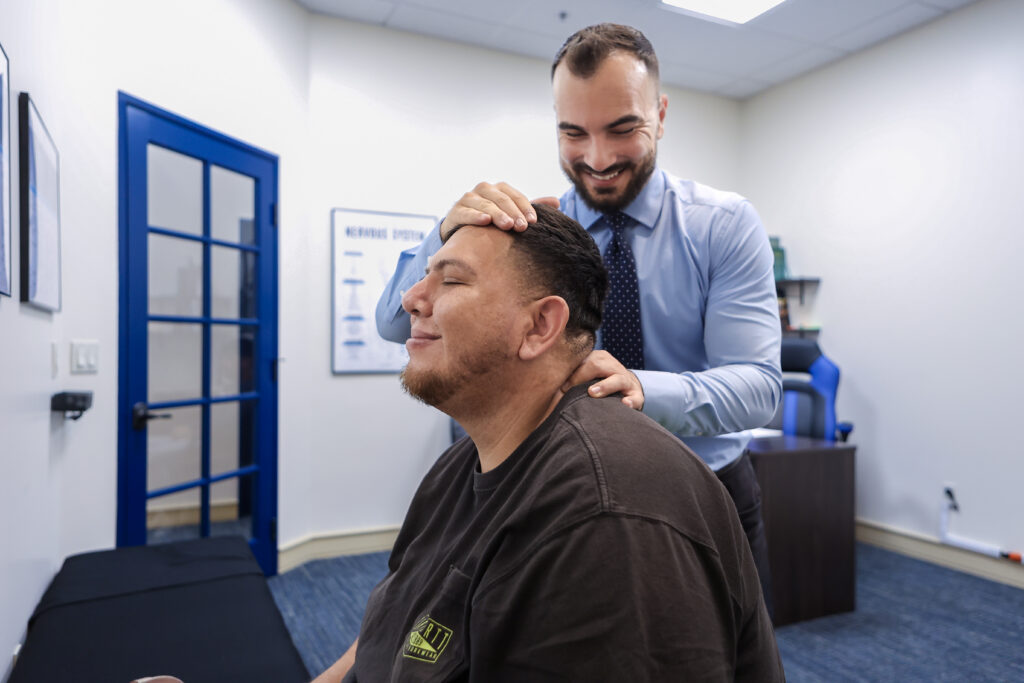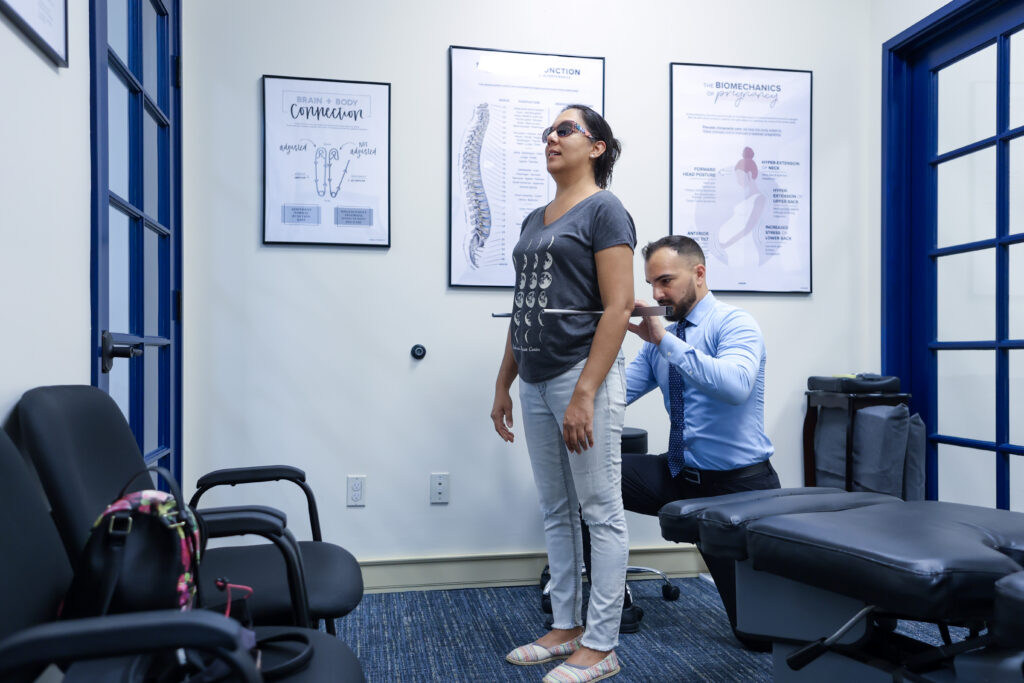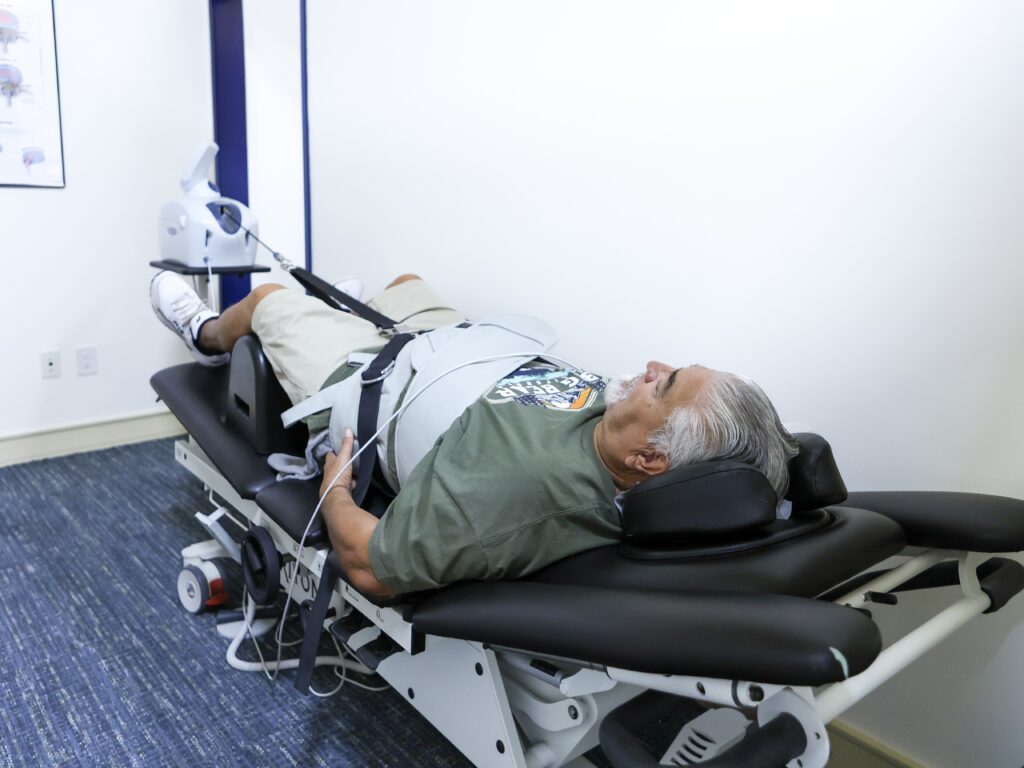

As a local chiropractor, I often see patients who are unaware of the significant impact poor posture can have on their bodies. You might have heard that slouching or hunching over can contribute to back pain, but let’s explore why that is and how it affects your overall health. When your spine is misaligned due to poor posture, it can lead to tension and fatigue in your back muscles. This misalignment may seem like a minor issue, but over time, it can result in more serious problems.
So, how can you improve your posture and reduce discomfort? Simple changes, such as being mindful of your alignment while sitting or standing, can make a big difference. Additionally, regular chiropractic adjustments can help restore your spine’s natural alignment, relieve tension, and promote better posture. By taking these steps, you can enhance your well-being and prevent future discomfort. If you have any questions or need assistance, feel free to reach out. I’m here to help you on your journey to better health!
Understanding Posture and Its Importance
As a local chiropractor, I want to emphasize the crucial role posture plays in your overall health and well-being. It’s not just about how you present yourself; it significantly impacts how you feel and function on a daily basis.
When you maintain good posture, your body aligns properly, which helps to reduce strain on your muscles and ligaments. This proper alignment is key in preventing discomfort and injuries, particularly in your back.
Conversely, poor posture can lead to a host of issues, such as chronic back pain, fatigue, and even digestive problems. Many people are unaware that slouching or hunching over can create tension in your neck and shoulders, which may lead to headaches and ongoing discomfort.
I encourage you to be mindful of your posture throughout the day, whether you’re sitting at your desk or standing in line. Making small adjustments, such as keeping your shoulders back and aligning your head with your spine, can greatly enhance your comfort and improve your overall quality of life.
The Anatomy of the Spine
As a chiropractor, I want to take a moment to help you understand the incredible structure of your spine, which isn’t only the literal backbone of your body but also plays a crucial role in your overall health.
Your spine is made up of 33 vertebrae, organized in a flexible column that supports your body and protects your spinal cord. These vertebrae are categorized into five distinct regions: cervical, thoracic, lumbar, sacral, and coccygeal.
The cervical region, located at the top of the spine, is responsible for supporting your neck and head. Below that, the thoracic region connects to your ribs, providing stability for your upper body. The lumbar region, which carries most of your body’s weight, is essential for your daily activities and movements.
Between each of these vertebrae are intervertebral discs, which act like shock absorbers. They allow your spine to be flexible while providing essential cushioning. Surrounding the spine are ligaments and muscles that help stabilize it and facilitate movement.
The natural curves of your spine are designed to enhance strength and resilience, allowing for even distribution of weight across your body.
Understanding the anatomy of your spine is vital. It influences how you stand, sit, and move, ultimately affecting your spinal health and your level of pain.
Through chiropractic care, we can help maintain the proper alignment of your spine, which can lead to improved function and overall well-being. Let’s work together to ensure your spine remains healthy and supports you in living your best life!
How Poor Posture Develops
As a local chiropractor, I want to help you understand how your daily habits and environments can unknowingly lead to poor posture. Many of us spend long hours sitting at desks, which often encourages slouching. Our bodies naturally seek comfort, but this can come at the expense of proper alignment.
You might find yourself leaning forward to see your computer screen better or hunching over your phone. These common behaviors place unnecessary strain on your back, which can lead to discomfort over time.
Footwear is another crucial factor that often gets overlooked. Wearing high heels or shoes without proper support can disrupt your body’s natural alignment, making it more difficult to maintain good posture.
Additionally, if you’re not mindful of your posture while lifting or carrying objects, you may reinforce these harmful habits without even realizing it.
Over time, these subtle shifts in your posture can create muscle imbalances and tension, resulting in pain and discomfort.
The good news is that recognizing these influences is the first step towards improving your posture. As we work together, I can provide you with guidance and techniques to help correct these issues, promoting a healthier, pain-free life.
Let’s take charge of your posture and well-being together!
Common Postural Mistakes
As your local chiropractor, I want to share some important insights about common postural mistakes that can significantly affect your back health. Many of us may not be aware of how our daily habits can strain our bodies.
One prevalent issue I see is slumping in chairs. This poor posture can put unnecessary pressure on your spine and tighten your muscles. When you’re sitting for extended periods, try to keep your feet flat on the floor and your back straight against the backrest of your chair.
Another frequent mistake is leaning forward when using your phone or computer. This position can lead to tension in your neck and upper back. I encourage you to hold your devices at eye level to help maintain proper spinal alignment.
Additionally, crossing your legs might feel comfortable, but it can create imbalances in your hips and lower back over time.
Lastly, don’t overlook the importance of your footwear. Wearing shoes that don’t fit well can negatively impact your posture. Opt for shoes that provide adequate support for your feet.
By being aware of these common postural errors, you can take proactive steps towards improving your posture and supporting your overall back health.
As a chiropractor, I’m here to help guide you on your journey to natural healing and wellness.
The Link Between Posture and Back Pain
As a local chiropractor, I want to share with you how poor posture can significantly affect your back health. Many people may not realize that slouching or sitting incorrectly for extended periods can silently contribute to back pain. When your posture is off, it puts additional strain on your muscles and spine, which can build up over time, leading to discomfort and pain.
When you fail to maintain proper alignment, your body struggles to distribute weight evenly, which increases tension in your back. Your muscles have to work overtime to support your spine, resulting in fatigue and soreness. This is especially true during common activities like working at a desk or frequently using your phone.
By becoming more aware of your posture and implementing small adjustments throughout your day, you can significantly reduce the pressure on your back. Simple changes, like sitting up straight or taking regular breaks to stretch, can make a big difference.
Additionally, incorporating exercises that strengthen your core and back muscles can provide better support, helping to minimize the risk of pain and discomfort.
As your chiropractor, I’m here to guide you on this journey to better posture and overall spinal health. Together, we can explore natural healing methods that address not just the symptoms, but also the root causes of your discomfort.
Let’s work together to ensure you feel your best every day!
Symptoms of Posture-Related Discomfort
As a local chiropractor, I often see patients who aren’t fully aware of the warning signs their bodies send when they experience posture-related discomfort. Many individuals tend to brush off minor aches and pains, but these can be indicators of more significant issues developing beneath the surface.
Recognizing these symptoms early is essential for taking proactive steps to prevent them from worsening. Here are some common signs of posture-related discomfort that you should be aware of:
- Neck strain: You may experience a persistent pain or stiffness in your neck that can extend to your shoulders, which is often a result of poor posture.
- Shoulder tension: If you feel a sense of tightness or heaviness in your shoulders, particularly after sitting for extended periods, it could signal that your posture needs attention.
- Upper back pain: A dull ache between your shoulder blades that seems difficult to relieve can indicate a misalignment that needs to be addressed.
- Lower back soreness: Discomfort in your lower back that worsens after long sessions of sitting or standing is a common sign that your posture may be contributing to your pain.
If you begin to notice any of these symptoms, it’s vital to listen to your body and consider making adjustments to your posture.
As a chiropractor, I encourage you to be proactive about your health. Your body is always communicating with you, and paying attention to these signals can help you avoid further discomfort and promote overall well-being through natural healing methods.
The Science Behind Postural Correction
As a local chiropractor, I want to share with you the importance of understanding postural correction and how it can significantly impact your overall well-being.
Our bodies are intricate systems where the musculoskeletal and nervous systems work together, and when our posture is off, it can lead to discomfort and a variety of health issues.
By learning about these connections, you can take proactive steps toward improving your posture and enhancing your quality of life.
We utilize a range of effective techniques in chiropractic care to help you achieve better alignment, alleviate pain, and promote natural healing.
Let’s delve into these vital aspects together and discover how they can lead you to a healthier, more comfortable life.
Musculoskeletal System Impact
As a local chiropractor, I want to emphasize the importance of maintaining good posture for the health of your musculoskeletal system. Many people don’t realize how much their posture can impact their overall well-being. When you adopt poor posture—like slouching or leaning—it can place excessive stress on your muscles, joints, and ligaments, leading to discomfort and pain.
Here are some key points to consider:
- Increased Strain on the Spine: Poor posture can cause your spine to be misaligned, leading to chronic pain and discomfort.
- Reduced Flexibility in Muscles: When you maintain a slouched position, your muscles can become tight and less flexible, which can hinder your mobility.
- Misalignment of Joints: Consistent poor posture can lead to misaligned joints, which may result in further complications and pain.
- Greater Risk of Injury: With imbalances created by bad posture, your body becomes more susceptible to injuries, whether during everyday activities or exercise.
By paying attention to your posture and making small adjustments, you can improve your musculoskeletal health and overall quality of life.
If you have questions or need guidance on how to maintain proper posture, feel free to reach out. Your body will thank you!
Neurological Effects Explained
As a local chiropractor, I want to share with you the incredible benefits that good posture can have on your overall health, especially your neurological well-being. Many people don’t realize that how we sit or stand can significantly impact how our brain communicates with our body.
When your posture is aligned properly, it allows your brain to receive clearer signals from your body, enhancing your overall function.
On the other hand, poor posture can lead to nerve compression, which may cause unpleasant sensations like tingling or numbness. This misalignment can also create tension in your muscles, which can affect your mood and cognitive abilities. You might find yourself feeling more anxious or mentally drained if your posture isn’t where it should be.
By focusing on correcting your posture, you can improve blood flow and oxygen delivery to your brain, which helps you to concentrate better and think more clearly.
As your chiropractor, I encourage you to prioritize your posture not just for your musculoskeletal health, but for your mental clarity and emotional well-being as well. Taking steps to improve your posture can lead to significant enhancements in your overall health and cognitive performance, making it an essential part of your wellness journey.
Techniques for Improvement
As a local chiropractor, I’m here to help you understand the importance of good posture and how it can significantly impact your overall health. Many people may not realize that proper posture starts with being aware of your body and making intentional changes to your daily habits.
Here are some techniques I recommend incorporating into your routine to improve your posture and enhance your well-being:
- Optimize your workspace: Ensuring that your chair and desk are at the right height is crucial for creating an ergonomic setup. This adjustment can help reduce strain on your back and neck.
- Strengthen your core: Engaging in exercises that target your core muscles can provide essential support for your spine. A strong core helps stabilize your body and maintain proper alignment.
- Incorporate stretching: Regularly stretching tight muscles, particularly those in your chest and hips, is vital for preserving flexibility. This practice can alleviate tension and promote better posture.
- Utilize reminders: Consider setting alarms or using apps that prompt you to check your posture throughout the day. These small reminders can make a big difference in developing better habits.
By adopting these techniques, you can take meaningful steps toward improving your posture and overall health.
Tips for Improving Your Posture
As a chiropractor, I want to emphasize the importance of maintaining proper posture for your overall health and well-being. It’s crucial to be aware of your body alignment throughout the day, as this can significantly affect your spine and musculoskeletal health.
First, let’s talk about your workstation. Ensure that your computer screen is at eye level to prevent straining your neck, and use a chair that provides adequate support for your lower back. When seated, make sure your feet are flat on the ground and avoid crossing your legs, as this can lead to imbalances in your posture.
When it comes to standing, distribute your weight evenly on both feet. Engaging your core muscles will provide vital support for your spine, helping you maintain a stable and upright position. If you find yourself on your phone, try to hold it at eye level rather than hunching over, as this can lead to unnecessary strain on your neck and back.
Incorporating short breaks into your daily routine is essential. Use this time to stretch and realign your body, as it will help alleviate tension and improve your overall posture. Practicing deep breathing techniques can also promote relaxation and encourage an upright stance, reducing stress on your spine.
To help you stay mindful of your posture throughout the day, consider setting reminders—sticky notes or phone alarms can be effective tools. By consistently applying these strategies, you won’t only enhance your posture but also experience the benefits of improved spinal health.
Exercises to Strengthen Postural Muscles
As a local chiropractor, I want to emphasize the importance of strengthening your postural muscles to improve your overall well-being.
Good posture is crucial not only for stability but also for preventing discomfort and pain in your daily life. Here are some effective exercises that I encourage you to incorporate into your routine:
- Planks: This exercise helps engage your core and back muscles. By maintaining a straight line from your head to your heels, you’re promoting stability in your spine.
- Wall Angels: Stand against a wall and slowly slide your arms up and down. This movement is fantastic for improving shoulder mobility and alignment, which can alleviate tension in your upper back.
- Bird-Dogs: While on all fours, extend one arm and the opposite leg. This exercise promotes balance and coordination, which are essential for maintaining proper posture throughout your day.
- Bridges: Lying on your back, lift your hips off the ground while engaging your glutes. This strengthens your lower back and core, providing essential support for your spine.
Incorporating these exercises into your routine regularly will help you build a strong foundation for better posture, leading to a healthier back and overall improved quality of life.
When to Seek Professional Help
If you’ve been dealing with back pain for more than a few weeks, it may be time to consider seeking professional help, such as chiropractic care.
When your discomfort starts interfering with your daily activities—like sitting, standing, or even enjoying your favorite hobbies—it’s important not to wait any longer to reach out.
Additionally, if you’re experiencing symptoms beyond just back pain, such as numbness or weakness in your limbs, it’s crucial to consult a healthcare provider.
As a chiropractor, I focus on natural healing methods that can help restore balance and function to your body.
Don’t hesitate to take that step towards better health!
Persistent Pain Duration
As a local chiropractor, I want to help you understand the importance of addressing persistent back pain. While it’s common to experience occasional discomfort, if your pain lasts more than a few weeks, it’s a sign that you should consider professional help. Ignoring ongoing issues can lead to more significant problems down the line.
Here are some symptoms to watch for that indicate it’s time to reach out to a healthcare professional, like myself:
- Pain that seems to get progressively worse
- Numbness or tingling sensations in your legs or feet
- Difficulty finding a comfortable position while standing or sitting
- Pain that interferes with your sleep or daily activities
Seeking a professional evaluation is crucial to uncovering the underlying cause of your pain.
As a chiropractor, I specialize in natural healing techniques that can alleviate discomfort and promote overall well-being.
Remember, the sooner you address your pain, the better your chances for a positive outcome.
Don’t hesitate to contact me if you’re experiencing any of these symptoms—I’m here to help you on your journey to recovery!
Impact on Daily Activities
As a local chiropractor, I want to shed light on how back pain can significantly interfere with your daily activities. You mightn’t realize how much discomfort can disrupt even the simplest tasks, such as bending down to pick something up, lifting groceries, or sitting comfortably at your desk.
Many people end up avoiding activities they once loved or find it hard to concentrate at work because of their pain.
If you’re experiencing persistent discomfort that affects your ability to carry out everyday tasks, it’s crucial to take action. Ignoring these issues can lead to more serious complications down the road.
When fundamental movements become difficult, or when pain begins to affect your mood and energy levels, it’s time to consider seeking professional help.
As a chiropractor, my goal is to help you understand the root cause of your back pain and develop a personalized treatment plan. I can assess your posture, suggest specific exercises, and recommend natural healing methods that can alleviate your discomfort.
Remember, back pain doesn’t have to dictate your life. By taking proactive steps now, you can reclaim your daily routine and enhance your overall well-being.
Let’s work together to find relief and restore your quality of life!
Symptoms Beyond Back Pain
As a local chiropractor, I want to emphasize that back pain is often accompanied by various other symptoms that may indicate a need for professional intervention.
If you’re experiencing any of the following, it’s important to reach out and discuss these issues:
- Numbness or tingling in your legs or arms can often be linked to nerve irritation or compression.
- Severe headaches that occur alongside your back pain might suggest a connection between spinal alignment and your overall well-being.
- Unexplained weight loss without any adjustments to your diet or exercise routine can be a sign that something more serious is at play.
- Loss of bowel or bladder control is a critical symptom that requires immediate attention.
These signs could point to underlying conditions that chiropractic care can help address.
It’s crucial not to overlook what your body is telling you; early intervention can lead to improved outcomes.
By seeking chiropractic care, you can receive a thorough evaluation, a proper diagnosis, and a natural treatment plan tailored to your needs.
My goal is to help you return to a life of comfort and vitality.
Let’s work together to ensure your health and well-being!
Conclusion
As a local chiropractor, I want to emphasize that poor posture can significantly contribute to back pain by putting undue strain on your spine and surrounding muscles. It’s crucial to understand how maintaining proper alignment can make a big difference in your overall well-being. Many people are unaware of common postural mistakes that can lead to discomfort, so being mindful of your body mechanics is key.
I encourage you to incorporate specific exercises designed to strengthen your postural muscles. This not only helps alleviate discomfort but also promotes better alignment in the long run. If you’re experiencing persistent pain, I urge you to seek professional assistance. Chiropractic care focuses on natural healing and can provide effective solutions to address your back pain and improve your posture. Your health is important, and I’m here to help you on your journey to a pain-free life.