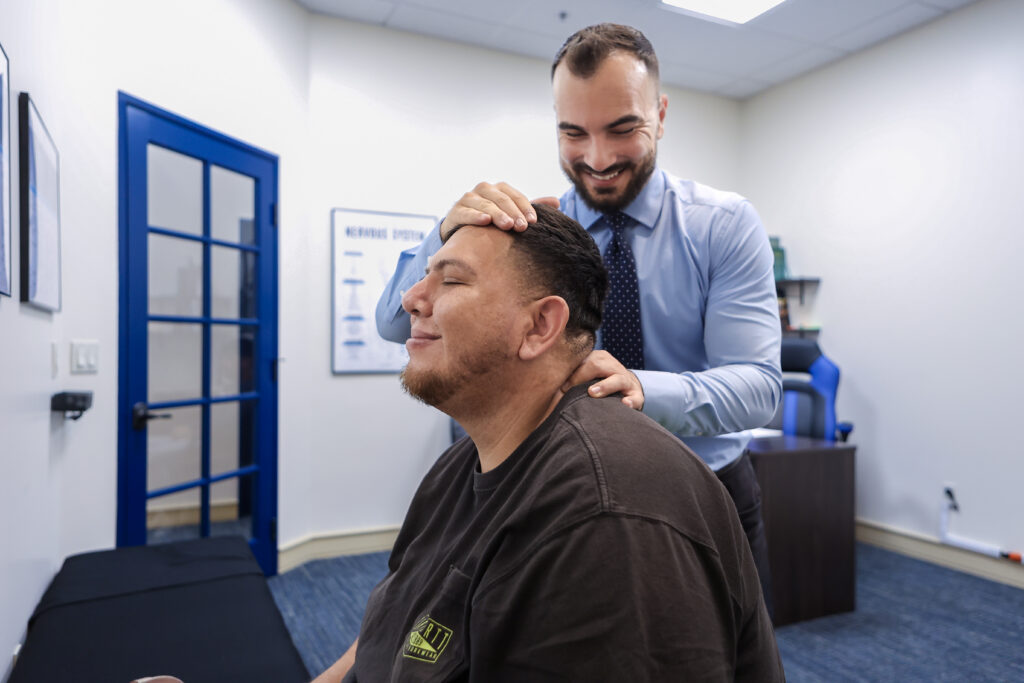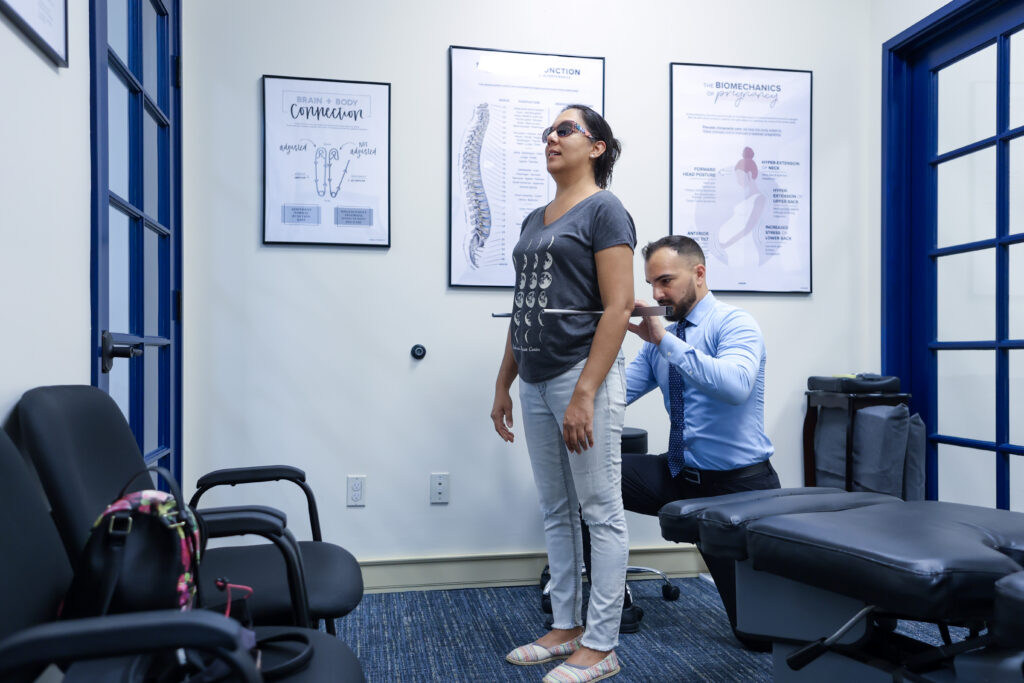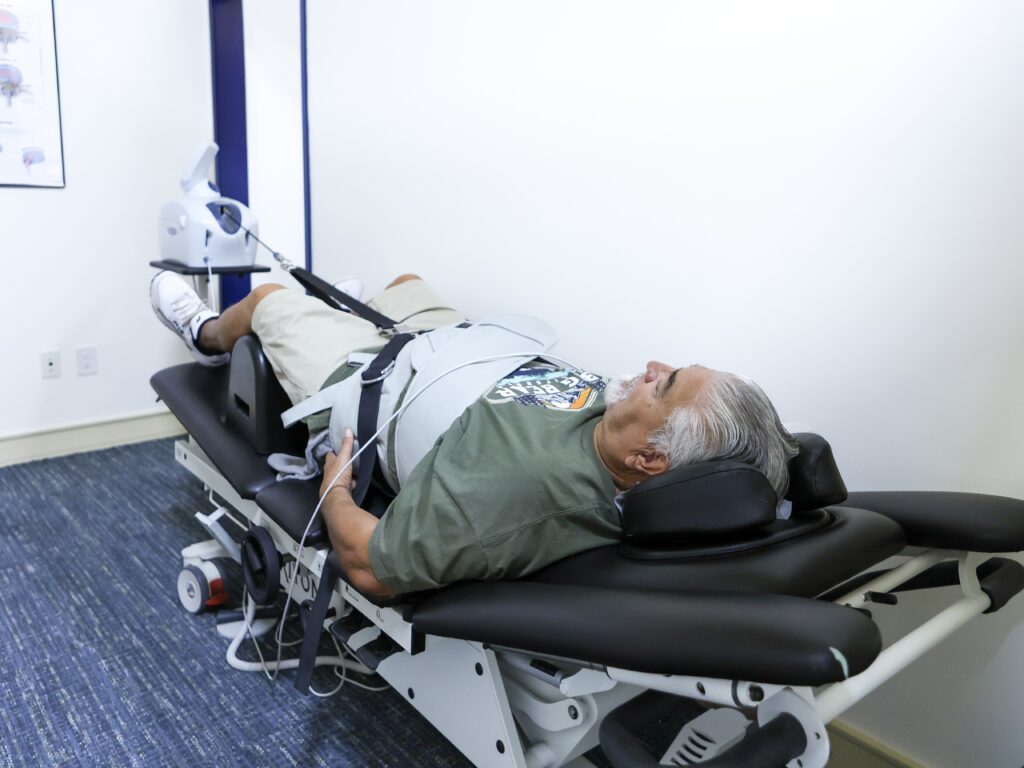

As a local chiropractor, I want to emphasize how small adjustments can significantly enhance mobility for our senior patients. Many of you may not realize that simple home modifications, such as installing grab bars or improving lighting, can create a safer living space and reduce the risk of falls. In addition, incorporating assistive devices and personalized exercise routines can empower seniors to maintain an active lifestyle and foster independence.
But it's essential to consider the broader picture. Nutrition plays a crucial role in overall health, impacting everything from energy levels to joint function. Coupling good nutrition with active social engagement can further enhance mobility and well-being. By understanding the interconnectedness of these elements, we can explore new avenues for improving mobility and promoting a higher quality of life for our senior community. As your chiropractor, I'm here to guide you on this journey towards natural healing and optimal health.
Importance of Mobility in Seniors
As a local chiropractor, I want to emphasize the vital role that mobility plays in your overall health and well-being, especially as we age. Many people may not realize how closely your ability to move freely is tied to your quality of life. When you prioritize your mobility, you enhance your independence and can perform daily tasks without needing to rely heavily on others. This newfound independence not only boosts your confidence but also has a positive impact on your mental health.
From a physical standpoint, maintaining mobility is crucial. Regular movement can significantly improve your circulation, strengthen your muscles, and maintain your flexibility. By staying active, you're less likely to experience chronic pain or discomfort, which is a common issue among seniors. Additionally, engaging in mobility exercises can lower your risk of falls, a serious concern that can lead to injuries and a decline in health.
Mobility also has a direct connection to social engagement. When you have the freedom to move, you're more inclined to participate in social events, visit friends, and take part in community activities. These interactions are essential for emotional well-being, helping to alleviate feelings of loneliness or isolation that many seniors face.
Furthermore, there's a fascinating link between mobility and cognitive function. Research indicates that staying active can promote brain health, keeping your mind sharp and alert. This means you can continue to enjoy your hobbies, learn new skills, or simply appreciate the beauty of nature—all important components of a fulfilling life.
In essence, prioritizing mobility is about more than just physical movement; it's about enhancing every facet of your life. As your chiropractor, I encourage you to focus on staying active. By doing so, you're laying the groundwork for a healthier, happier, and more independent future.
Let's work together on a tailored plan to help you improve your mobility and overall well-being!
Home Modifications for Safety
As a chiropractor, I understand the importance of creating a safe and supportive home environment, especially as we age. Ensuring your home is safe can significantly enhance your mobility and overall well-being.
By making thoughtful modifications in key areas such as the bathroom, kitchen, and living room, you can navigate your space more easily and securely, which is crucial for maintaining your health.
Let's delve into some practical features that can help you stay safe at home. For instance, consider installing grab bars in the bathroom to prevent slips and falls.
In the kitchen, keeping frequently used items within easy reach can reduce the risk of straining or overreaching, which can lead to discomfort or injury.
In the living room, ensuring that pathways are clear and well-lit can help you move around without fear of tripping.
These modifications not only promote safety but also support your body's natural alignment and function, which is a key aspect of chiropractic care.
Bathroom Safety Features
As a local chiropractor dedicated to promoting health and wellness, I want to emphasize the importance of creating a safe and comfortable bathroom environment, especially for seniors.
Bathroom modifications can significantly enhance mobility and reduce the risk of injuries, which aligns with my goal of supporting natural healing and overall well-being.
Firstly, consider the installation of grab bars near the toilet and in the shower or bathtub. These sturdy supports provide essential stability, allowing seniors to move with confidence and minimizing the risk of falls—something I often see in my practice.
Another effective modification is replacing a standard bathtub with a walk-in shower. This change eliminates the need to step over a high tub wall, making it much easier and safer to access.
Additionally, installing non-slip flooring is crucial; it reduces the likelihood of slips and falls, ensuring a safer bathing experience.
Investing in a shower chair or bench is also a wise choice. This allows seniors to sit comfortably while showering, which can reduce fatigue and the chance of accidents—a point I often discuss with my patients in relation to maintaining their physical health.
Moreover, a raised toilet seat can provide added comfort and support, making the act of sitting down and standing up much easier for seniors.
It's essential to consider these factors, as they can significantly improve daily living and promote a more independent lifestyle.
Lastly, I encourage ensuring that your bathroom is well-lit. Installing motion-sensor lights can enhance safety by automatically illuminating the space, helping seniors navigate the room without the fear of stumbling in the dark.
By implementing these bathroom safety features, you not only enhance mobility but also foster a secure environment that supports the natural healing process.
Kitchen Accessibility Enhancements
Creating a kitchen that's both functional and safe for seniors is essential, especially when considering their overall well-being and mobility. As a chiropractor, I often see how improper ergonomics and accessibility can lead to discomfort or injury. Here are some practical suggestions to enhance kitchen safety and functionality for seniors, while also promoting their health.
First and foremost, ensure that frequently used items are stored within easy reach. This can prevent unnecessary bending or stretching, which can strain the back and cause discomfort. Consider installing pull-out shelves or drawers for pots, pans, and utensils. Lazy Susans in corner cabinets can also be a great way to maximize space and accessibility, reducing the need for awkward reaching.
Next, let's talk about countertops. Lower countertops can be beneficial, allowing seniors to prepare meals while seated, which reduces strain on their knees and back. Additionally, using non-slip mats can provide stability and prevent slips, which are common hazards in the kitchen.
Safety is paramount, so consider installing a pull-down or wall-mounted cutting board. This can be stowed away when not in use, keeping the kitchen tidy while ensuring that seniors have a safe and accessible workspace.
Proper lighting is crucial in any kitchen. Bright, even lighting can help prevent accidents by making it easier to see what one is doing. I recommend using LED strips under cabinets and incorporating motion-sensor lights for added convenience—this can also reduce the need for reaching or stretching to find switches.
Finally, it's important to ensure that kitchen appliances are designed with seniors in mind. Front-control ranges and ovens can be easier to access, and a refrigerator with a bottom freezer can minimize bending, which is often a concern for seniors.
Living Room Navigation Aids
As a local chiropractor dedicated to promoting overall well-being, I want to share some insights on how to make your living room a safer and more accessible space, especially for seniors. The living room often serves as a gathering place, and ensuring safe navigation can significantly enhance mobility and comfort.
Here are some practical adjustments that can be made:
- Declutter the Space: Keeping pathways clear of furniture and other items is essential to avoid tripping hazards. A tidy environment supports better movement and reduces the risk of falls.
- Incorporate Non-Slip Rugs: If rugs are part of your décor, make sure they've non-slip backing or consider removing them altogether. This simple change can help minimize slips and provide a safer walking surface.
- Install Grab Bars: Strategically placing grab bars near seating areas can offer much-needed support when standing up or sitting down. This added stability can help prevent strain and injury, which is particularly important for seniors.
- Enhance Lighting: Proper lighting is crucial for visibility. Use bright bulbs and consider adding night lights in key areas to ensure that anyone moving about can see clearly, especially during the evening.
- Rearrange Furniture: Organizing furniture to create wide, unobstructed pathways can facilitate easier movement. This not only helps in navigation but also encourages more activity, which is beneficial for spinal health and overall wellness.
By implementing these adjustments, you can help seniors navigate their living room more easily and safely.
As a chiropractor, I believe that fostering an environment that supports mobility and independence is key to maintaining a healthy lifestyle. These simple changes can truly transform a living space into a safer haven, allowing seniors to enjoy their home with confidence and peace of mind.
If you have any questions about enhancing your home environment or how chiropractic care can support overall health, feel free to reach out!
Assistive Devices and Technology
As a local chiropractor, I want to emphasize the importance of mobility and how assistive devices can significantly enhance your daily life.
These tools, ranging from simple walking aids to cutting-edge technological innovations, are designed to support your independence and overall well-being.
Understanding the various types of assistive devices is crucial for anyone looking to improve their mobility.
They not only provide physical support but can also complement the natural healing processes we focus on in chiropractic care.
By integrating these devices into your life, you can experience a greater sense of freedom and functionality.
Let's delve into the different assistive devices available and how they can work in tandem with chiropractic treatments to help you achieve your mobility goals.
Types of Assistive Devices
As a local chiropractor dedicated to promoting natural healing and overall wellness, I want to emphasize the importance of assistive devices for enhancing mobility, especially for seniors.
These devices can significantly contribute to maintaining independence and participating in daily activities, while also promoting safety and ease of movement tailored to individual needs.
Here are some common types of assistive devices that I encourage you to consider:
- Canes: These aren't just walking aids; they provide crucial support and stability, reducing the risk of falls, which is vital for maintaining good spinal health.
- Walkers: With their sturdy frames, walkers can aid in balance and weight distribution, making each step more secure and less stressful on the joints and spine.
- Wheelchairs: For those with limited mobility, wheelchairs can facilitate independence and allow for a more active lifestyle without compromising health.
- Scooters: Electric scooters are fantastic for seniors looking to navigate longer distances with ease, encouraging outdoor activities that can boost overall wellness.
- Grab bars: Installing grab bars in key areas like bathrooms and hallways provides essential support and can help prevent accidents that might lead to injuries, allowing for a safer environment.
Incorporating these assistive devices into daily life can help you maintain mobility while also complementing the benefits of chiropractic care.
Technological Innovations in Mobility
As a local chiropractor, I want to share how technological innovations in mobility aren't only enhancing the independence of seniors but also complementing the principles of natural healing and overall wellness.
Devices such as smart walkers and scooters are now equipped with GPS tracking, providing seniors with the confidence to navigate their surroundings safely. This kind of mobility enhancement can reduce the risk of falls, which is crucial for maintaining spinal health and preventing injuries.
Moreover, wearable technology like smartwatches plays a vital role in monitoring vital signs and alerting caregivers in emergencies. This connection fosters a sense of security, allowing seniors to engage more fully in their daily activities without the constant worry about their health.
Voice-activated home systems are another innovation that can significantly improve the quality of life for seniors. By enabling them to control their environment—such as lights and security systems—these tools minimize unnecessary movement and strain, which is essential for maintaining good posture and spinal alignment.
Additionally, robotic assistants are emerging as helpful companions that can aid in daily tasks, from meal preparation to medication reminders. This support not only enhances mobility but also promotes a healthy lifestyle, encouraging seniors to stay active and engaged.
As a chiropractor, I believe that these advancements, combined with natural healing practices, can greatly benefit seniors, helping them lead healthier, more independent lives while prioritizing their spinal health and overall well-being.
Recommended Exercise Routines
As a local chiropractor, I'm passionate about helping my patients enhance their mobility and overall well-being through natural healing methods, including regular exercise.
It's essential to find activities that align with your interests and fitness levels, especially as we age. Here are some exercise routines I recommend that can significantly support your chiropractic care by maintaining strength, flexibility, and balance:
- Walking: A simple daily walk can work wonders for your cardiovascular health and leg strength. Aim for at least 30 minutes each day—it's a great way to keep your body active without overexerting yourself.
- Chair Exercises: If you face mobility challenges, seated exercises are an excellent option. These movements can enhance your strength and flexibility while providing the necessary support.
- Stretching: Incorporating gentle stretching into your routine can help increase flexibility and alleviate stiffness. Pay special attention to areas like your neck, shoulders, and legs, as these are commonly affected by tension and misalignment.
- Balance Exercises: Activities like standing on one leg or practicing heel-to-toe walking can be beneficial. These exercises not only help improve your stability but also play a key role in preventing falls, which is crucial for maintaining your independence.
- Water Aerobics: If you have access to a pool, consider water aerobics. This low-impact exercise provides resistance to strengthen your muscles while being gentle on your joints, making it an ideal choice for many seniors.
As you embark on these exercises, remember to start slowly and listen to your body's signals.
I always recommend consulting with a healthcare professional—like myself—before starting any new exercise program. Together, we can craft a routine tailored to your specific needs.
Consistency is vital! Even short, regular sessions can lead to meaningful improvements over time.
Nutritional Considerations for Mobility
As a local chiropractor, I want to emphasize how crucial proper nutrition is for maintaining mobility and overall health. As we age, our nutritional requirements shift, and it becomes essential to focus on foods that promote joint health, muscle strength, and sustained energy levels. By adhering to a balanced diet that includes plenty of fruits, vegetables, whole grains, lean proteins, and healthy fats, you can enhance your ability to stay active and agile.
Calcium and vitamin D are vital components for maintaining strong bones. I encourage you to incorporate dairy products, leafy greens, and fortified foods into your meals. These nutrients work synergistically to strengthen your bones and lower the risk of fractures.
Additionally, omega-3 fatty acids found in fatty fish, flaxseeds, and walnuts can play a significant role in reducing inflammation and supporting joint function—a key aspect of chiropractic care.
Protein is another critical element to consider. It's essential for the maintenance and repair of muscle tissue. I recommend including lean protein sources such as chicken, turkey, beans, and legumes in your diet. This will help you retain muscle mass, which is paramount for preserving mobility as you age.
Don't overlook the importance of hydration! Staying well-hydrated keeps your joints lubricated and supports all bodily functions. Aim for at least eight glasses of water per day, adjusting your intake based on your activity level and the climate you live in.
Lastly, I highly recommend consulting with a nutritionist who can help you develop a personalized nutrition plan that meets your specific health needs. Focusing on the right nutrients not only enhances your mobility but also contributes to an improved quality of life.
Social Engagement and Activities
Staying socially active is just as vital for your overall health as maintaining a balanced diet and regular exercise. Engaging in social activities not only enhances your well-being but can also positively impact your mood and even your mobility.
As a chiropractor, I often emphasize the importance of a holistic approach to health, which includes building strong social connections. When you engage with others, you strengthen your support network and boost your motivation to stay physically active.
Here are some activities that can enhance your social engagement and support your overall health:
- Join a local club or group: Whether it's a book club, gardening group, or walking team, connecting over shared interests can lead to lasting friendships while encouraging physical activity, which is essential for maintaining spinal health.
- Participate in community events: Attend festivals, fairs, or local markets. These vibrant gatherings offer a great opportunity to meet new people while enjoying an active lifestyle, which complements chiropractic care.
- Volunteer: Offering your time and skills to help others can provide a profound sense of purpose. Plus, volunteering often involves physical activity, which can further benefit your spine and overall wellness.
- Take classes: Consider enrolling in art, dance, or cooking classes. Not only do you get to learn something new, but these classes can also serve as a fun way to meet others and keep your mind engaged, which is crucial for holistic health.
- Host gatherings: Bring friends or family together for a game night or potluck. These informal gatherings can strengthen relationships and provide emotional support, which is just as important as physical health in the healing process.
Remember, social engagement is a key component of a healthy lifestyle, and it aligns perfectly with the principles of chiropractic care and natural healing.
Stay active, stay connected, and take care of your body and mind!
Professional Resources and Support
As a local chiropractor, I want to emphasize the importance of accessing professional resources and support for maintaining mobility and overall health as you age. Chiropractic care can play a vital role in helping you stay active and engaged. By focusing on the alignment of your spine and the function of your nervous system, we can address mobility issues and enhance your overall well-being.
If you're looking for personalized guidance, I encourage you to schedule a consultation with me. Together, we can assess your mobility needs and develop a tailored plan that may include spinal adjustments, exercises, and lifestyle recommendations aimed at improving your strength, balance, and flexibility.
Even simple activities, like stretching or walking, can significantly contribute to better mobility.
Additionally, I recommend exploring local senior centers or community organizations that offer resources and activities for older adults. Many of these centers provide fitness classes designed specifically for seniors, emphasizing safe movement and social interaction. Participating in these classes not only enhances your physical health but also fosters meaningful connections, which are essential for mental well-being.
Don't forget about the potential benefits of assistive devices. As a chiropractor, I can help identify appropriate mobility aids, such as canes or braces, that can enhance your safety and confidence as you navigate your home and community.
Lastly, I encourage you to connect with support groups, whether in person or online. Sharing experiences and strategies with others can be incredibly motivating and offer fresh ideas for maintaining mobility.
Conclusion
Improving your mobility is within reach, and it doesn't have to be daunting. As a local chiropractor, I want to share how simple adjustments in your home environment, the use of assistive devices, and a commitment to staying active can significantly enhance your independence and overall well-being.
Incorporating chiropractic care into your routine can also play a crucial role in optimizing your mobility. Gentle spinal adjustments can alleviate discomfort, improve posture, and enhance your body's natural ability to move freely.
Remember, a balanced diet and social engagement are essential components of maintaining both your physical health and mental happiness. These practices, combined with chiropractic care, can lead you toward a more active and fulfilling lifestyle. Embrace these changes, and know that you have the power to make a positive impact on your health and mobility!