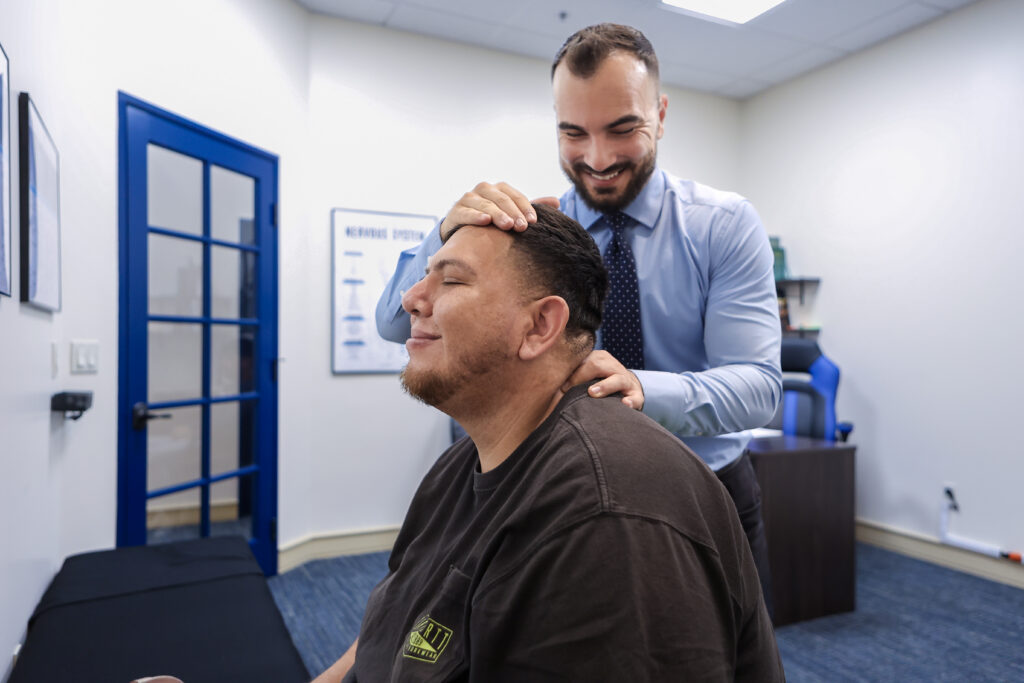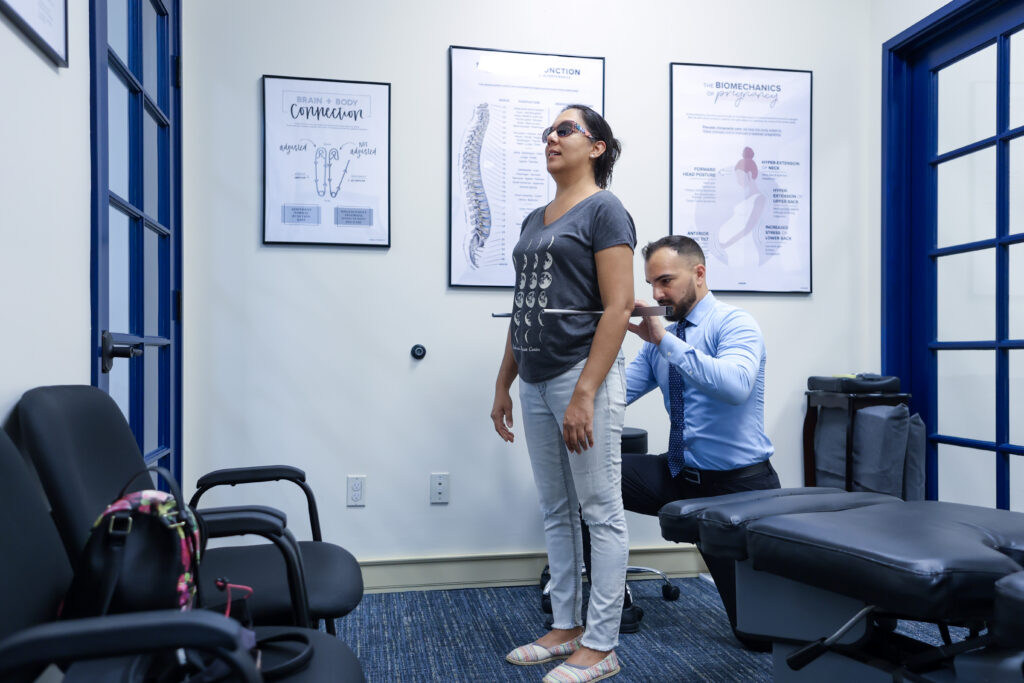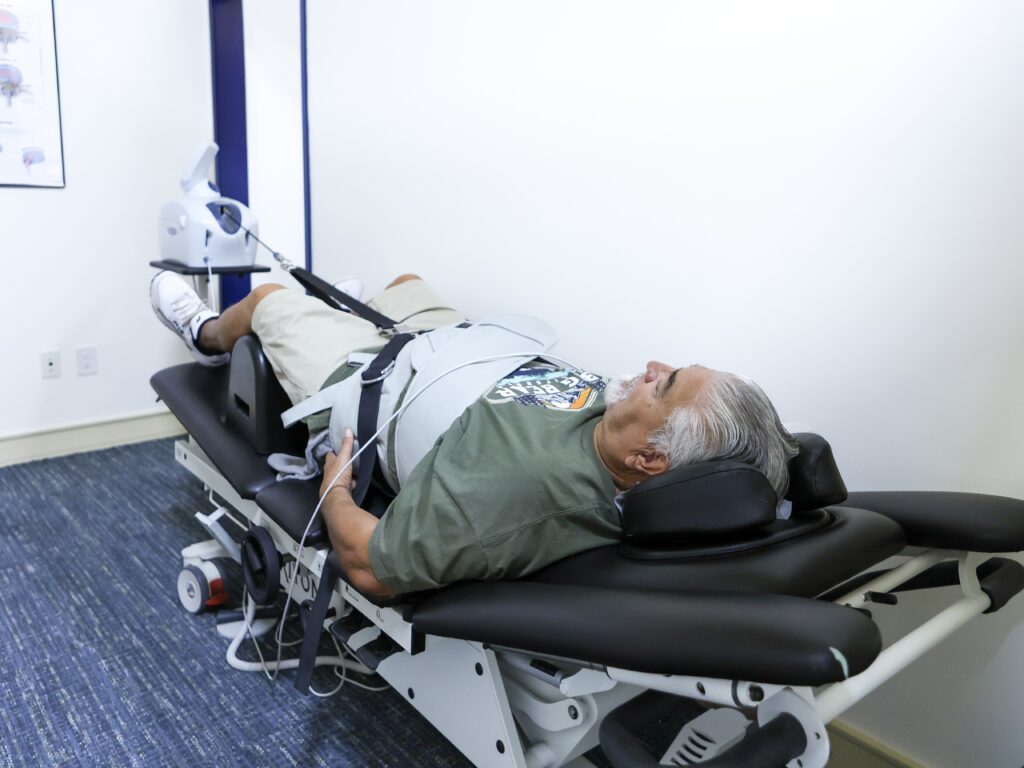

Recovering from sports injuries can seem daunting, but as your local chiropractor, I want to assure you that it doesn’t have to be. By emphasizing the importance of rest and integrating natural healing strategies, you can expedite your recovery process. Techniques such as ice therapy, chiropractic adjustments, and targeted physical therapy all play crucial roles in facilitating your healing journey.
Chiropractic care, in particular, focuses on restoring balance and function to your body, helping to alleviate pain and improve mobility. Understanding how to combine these methods effectively can lead to the best outcomes for your recovery. Let’s delve into the best approaches to ensure you heal smoothly and get back to the activities you love.
Rest and Recovery
When it comes to recovering from a sports injury, understanding the importance of rest and recovery is crucial for a successful return to your favorite activities. As a local chiropractor, I want to emphasize that ignoring your body’s signals can lead to prolonged pain and setbacks.
It’s essential to listen to your body and recognize when it’s time to take a break from your sport so that your muscles and joints can heal properly.
During this recovery period, I encourage you to engage in gentle stretching and light activities that don’t exacerbate your pain. It’s also vital to focus on proper nutrition, as the right nutrients can significantly aid in the healing process. Staying hydrated and incorporating anti-inflammatory foods into your diet can further support your body’s recovery.
As you begin to feel better, it’s important to monitor your progress closely and ease back into training gradually. Setting realistic goals and practicing patience with yourself will help prevent re-injury.
Rushing your return can lead to setbacks, so take the time to prioritize rest and recovery. By doing so, you’ll not only enhance your healing but also come back stronger and more resilient, ready to tackle your sport once again.
Ice Therapy
As a local chiropractor, I often see patients dealing with sports injuries, and I want to share how ice therapy can significantly aid in your recovery.
Ice therapy is an effective method for reducing inflammation and swelling, which is crucial for a smoother healing process. Understanding the best techniques for applying ice can make a real difference in your recovery journey.
Let’s delve into how you can use ice therapy effectively to support your natural healing.
Reducing Inflammation and Swelling
As a local chiropractor dedicated to your natural healing journey, I want to share some effective strategies for reducing inflammation and swelling after a sports injury.
One of the most reliable methods I recommend is ice therapy. Applying ice to the injured area helps constrict blood vessels, which can limit swelling and provide relief from pain.
For optimal results, it’s important to start ice therapy within the first 48 hours following your injury. You don’t need to spend excessive time with the ice; sessions of 15 to 20 minutes are ideal.
Always remember to wrap the ice or ice pack in a cloth to protect your skin from frostbite.
I suggest repeating this process several times a day, especially after any activities that may aggravate your injury.
By consistently using ice therapy, you can significantly enhance your recovery process and return to your favorite sport sooner.
If you have any questions about this or other natural healing methods, feel free to reach out during your next visit!
Best Application Techniques
As a local chiropractor, I want to share some valuable insights on how to effectively use ice therapy to aid your recovery from sports injuries. This natural healing technique can have a profound impact on your healing process.
Begin by using an ice pack or even a bag of frozen peas, but remember to wrap it in a thin towel to prevent frostbite. Apply the wrapped ice directly to the injured area for about 15-20 minutes. It’s important to allow at least 45 minutes between applications to protect your skin.
While you’re icing, make sure to elevate the injured area. This helps improve blood circulation and can enhance the effectiveness of the treatment. I recommend icing multiple times throughout the day, especially during the first 48 hours after your injury, as this is when it can be most beneficial.
Always listen to your body; if you experience excessive pain or discomfort while using ice, remove it immediately.
Compression Techniques
As a local chiropractor, I want to share with you the importance of compression techniques in your recovery from sports injuries.
Utilizing the appropriate compression gear can significantly enhance your circulation and effectively reduce swelling, which are crucial elements in the healing process.
Understanding these benefits can help you make informed choices about your recovery.
Compression gear comes in various types, each designed to provide support and promote healing in different ways.
By integrating these techniques into your recovery plan, you can’t only alleviate discomfort but also get back to your favorite activities more quickly and safely.
Let’s dive into how compression can aid your natural healing journey.
Benefits of Compression
As a local chiropractor, I want to share some valuable insights about how compression techniques can support your recovery from sports injuries. Many people may not be fully aware of the benefits that compression can offer, but it plays a crucial role in enhancing your healing process and overall comfort.
Here are some key advantages of incorporating compression into your recovery routine:
- Reduced swelling: Compression works to minimize fluid accumulation in the injured area, which can lead to faster healing.
- Improved blood circulation: By promoting better blood flow, compression helps deliver essential oxygen and nutrients to your tissues, aiding in recovery.
- Pain relief: The gentle pressure from compression can help ease pain and discomfort in the affected area, making your rehabilitation more manageable.
- Enhanced muscle support: Compression provides stability to the injured region, which can help prevent re-injury as you heal.
Understanding and utilizing these benefits can empower you to take an active role in your recovery journey.
As always, I’m here to guide you through natural healing methods that complement chiropractic care for optimal results.
Types of Compression Gear
As a local chiropractor dedicated to your holistic health, I want to emphasize the importance of choosing the right type of compression gear for your recovery from sports injuries. Understanding these options can significantly enhance your healing and overall well-being.
Compression sleeves, for instance, are a fantastic choice for both arms and legs. They provide targeted support and improve circulation, which is essential for recovery.
If you’re seeking support for larger muscle groups, compression tights or shorts can be very effective as they cover more area and help enhance blood flow to those muscles.
For joint stability, consider using compression wraps. They can be particularly beneficial for your knees, ankles, or wrists, allowing you to maintain mobility while providing the support you need.
Additionally, compression socks are an excellent option for reducing swelling and promoting recovery in your feet and calves, which is crucial for athletes.
When selecting any compression gear, it’s important to ensure it fits snugly but isn’t too tight. This balance will help you maximize the benefits of the gear and support your healing process.
Elevation Strategies
As a local chiropractor, I want to share some valuable insights on how to properly elevate an injured area to enhance your healing process. Elevating an injury can significantly reduce swelling and promote recovery by encouraging fluid drainage away from the affected site.
Here are some effective strategies to help you elevate your injury correctly:
- Utilize pillows effectively: When you’re resting, use pillows to prop up the injured area, ensuring it stays above heart level. This simple adjustment can make a big difference in reducing swelling.
- Prioritize comfort: It’s essential to find a comfortable position while elevating your injury. A relaxed and supported posture not only aids in healing but also minimizes strain on your body.
- Incorporate ice therapy: For optimal results, combine elevation with ice therapy. Apply ice to the injured area for 15-20 minutes while it’s elevated to help further reduce inflammation and pain.
- Be consistent with elevation: To truly reap the benefits of elevation, aim to elevate the injured area multiple times a day. Regular elevation can accelerate your recovery and help you get back to your normal activities sooner.
Remember, understanding and applying these techniques can be a vital part of your natural healing journey.
If you have any questions or need personalized advice, feel free to reach out during your next visit!
Physical Therapy
Chiropractic care plays a vital role in your recovery from sports injuries, helping you regain strength, flexibility, and mobility through natural healing methods.
When you visit a licensed chiropractor, they’ll conduct a thorough assessment of your injury and develop a personalized treatment plan tailored to your needs. This often includes hands-on techniques, such as spinal adjustments and manual therapies, designed to alleviate pain and enhance your overall function.
You will also learn specific stretches and movements that can significantly aid your recovery. These exercises focus on restoring your range of motion and reducing stiffness, enabling you to engage in daily activities with greater ease.
Furthermore, your chiropractor will educate you about proper body mechanics to help prevent future injuries. You’ll gain valuable insights into your body’s needs, empowering you to make informed choices as you return to your sport.
Embracing chiropractic care is a proactive step towards not only healing but also maintaining optimal health and performance in your athletic pursuits.
Strengthening Exercises
As a local chiropractor, I want to emphasize the importance of incorporating strengthening exercises into your recovery routine, especially after experiencing a sports injury. These exercises play a crucial role in rebuilding muscle confidence and stability, which can help you not only regain strength but also prevent future injuries.
When starting your recovery process, it’s essential to focus on low-impact movements that target the specific areas affected by your injury. Here are some effective exercises I recommend:
- Isometric holds: These are great for building strength without causing joint movement, making them ideal for the early stages of recovery.
- Resistance bands: Utilizing resistance bands can provide added resistance to gradually increase strength in the muscles that need it the most.
- Bodyweight exercises: Engaging in bodyweight exercises like squats, lunges, and push-ups allows you to activate multiple muscle groups at once, promoting overall strength.
- Core stabilization: A strong core is vital for overall stability. Incorporate planks and bridges into your routine to help fortify this area.
As you embark on this journey toward recovery, it’s important to listen to your body. Modify exercises as needed to suit your comfort level and abilities.
Consistency is key—aim to integrate these exercises into your routine regularly for optimal recovery and improved performance.
By understanding the benefits of these exercises and how they contribute to your healing process, you’ll be taking an important step toward achieving a healthier, more resilient body.
If you have any questions or need guidance, don’t hesitate to reach out. Your well-being is our priority!
Gradual Return to Activity
As a local chiropractor, I want to emphasize how crucial it’s to gradually return to activity after a sports injury. This process is essential for a safe and effective transition back to your routine while promoting natural healing.
Start with light activities that won’t put strain on your injured area. Simple exercises like walking, gentle stretching, or engaging in low-impact activities can help you maintain mobility without risking further harm.
It’s important to listen to your body during this time. If you experience any pain or discomfort, take a step back and allow your body more time to heal. Begin with short sessions and gradually increase the intensity and duration as you regain your strength and confidence.
Incorporating rest days into your routine is equally vital, as it gives your body the opportunity to recover fully. I encourage you to consult with a healthcare professional, such as a chiropractor or physical therapist, who can help you create a personalized plan tailored to your specific needs.
Conclusion
As a local chiropractor, I want to share some essential strategies for recovering from sports injuries that can help you heal naturally and effectively. First and foremost, it’s crucial to prioritize rest—allowing your body the time it needs to recover is fundamental. Incorporating ice therapy can significantly reduce inflammation and pain, while compression and elevation can help manage swelling.
In addition to these methods, don’t overlook the benefits of chiropractic care. Gentle adjustments and physical therapy can restore proper alignment and function to your body, allowing for a smoother recovery. Strengthening exercises tailored to your condition will also support your long-term health and prevent future injuries.
As you begin to return to your activities, remember to take it slow. Gradually easing back into your routine is vital to avoid re-injury. Stay connected with your healthcare team, including your chiropractor, to ensure that your recovery is on the right path. By embracing these natural healing strategies, you’ll be on your way to returning to your sport stronger and healthier than before!