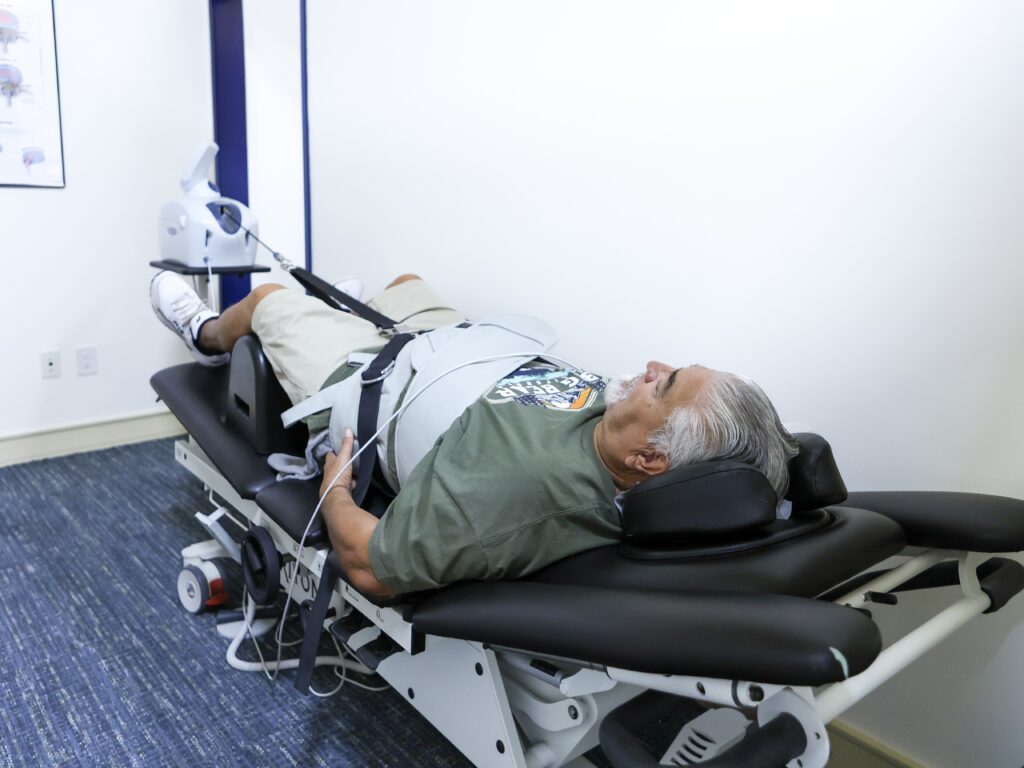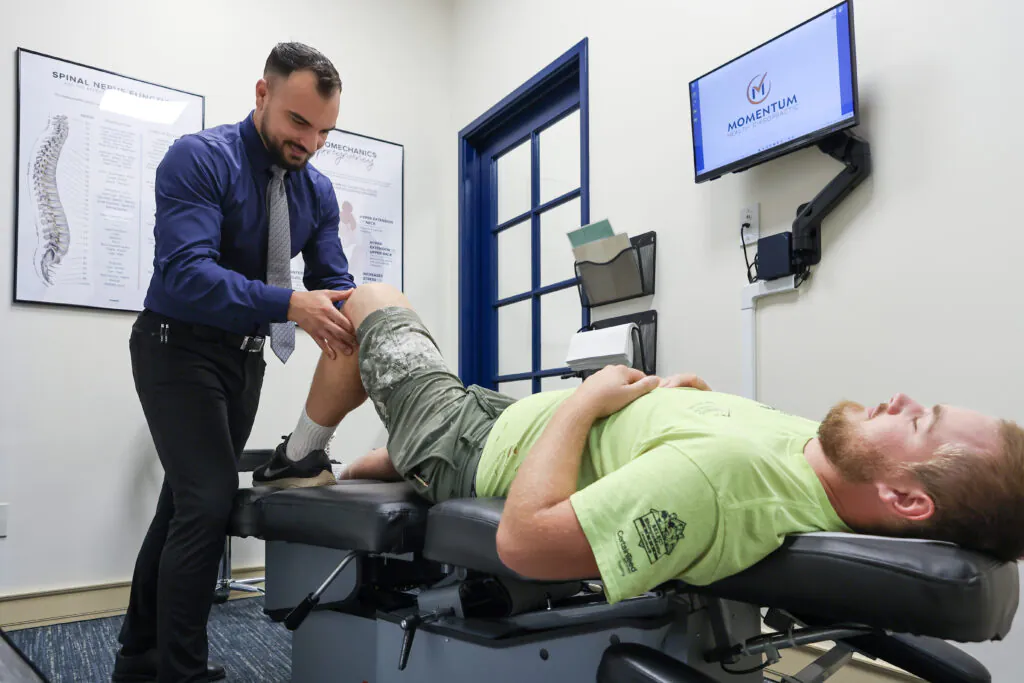

If you’re dealing with headache pain, chiropractic adjustments may be the key to finding relief. These gentle adjustments focus on correcting spinal misalignments and reducing muscle tension, which are often the root causes of headaches. By understanding how chiropractic care works, you can take practical steps to enhance its effectiveness and promote your overall wellness.
So, what can you do to complement your chiropractic adjustments and alleviate headache discomfort? Here are seven effective strategies:
- Stay Hydrated: Dehydration can contribute to headaches, so make it a priority to drink plenty of water throughout the day.
- Practice Good Posture: Maintaining proper posture while sitting and standing can help reduce strain on your neck and spine, potentially preventing headaches.
- Incorporate Stretching and Movement: Regularly stretching your neck and upper back can alleviate tension. Simple movements, like neck rolls and shoulder shrugs, can make a big difference.
- Limit Screen Time: Too much time in front of screens can lead to eye strain and tension headaches. Take regular breaks and practice the 20-20-20 rule: every 20 minutes, look at something 20 feet away for 20 seconds.
- Manage Stress: Stress can trigger headaches, so incorporating relaxation techniques such as deep breathing, meditation, or yoga can be beneficial.
- Get Enough Sleep: Quality sleep is crucial for overall health. Aim for 7-9 hours of restful sleep each night to help your body recover and minimize headache occurrences.
- Communicate With Your Chiropractor: Share your headache patterns and triggers with your chiropractor. This information can help tailor your adjustments and wellness plan to better suit your needs.
By integrating these strategies with your chiropractic care, you can take control of your headache pain and enhance your overall health naturally. Remember, chiropractic adjustments are a powerful tool in your wellness journey, and with the right approach, you can achieve optimal health and well-being.
Key Takeaways
- Regular chiropractic adjustments play a crucial role in maintaining proper spine alignment, which can significantly reduce muscle strain and tension that often lead to headaches. By keeping your spine in alignment, you can help your body function at its best.
- When your spine is aligned, it enhances the function of your nervous system. This means your body can better manage stress and identify headache triggers, allowing you to feel more balanced and in control.
- Chiropractic adjustments also promote better posture. Good posture reduces tension in the neck and shoulders, which are common culprits in headache frequency and intensity. By focusing on your posture, you can help minimize headache occurrences.
- Another benefit of chiropractic care is improved blood flow and circulation. Adjustments can help relieve muscle tightness and tension in the upper body, which often results in headache relief. Better circulation means more oxygen and nutrients are delivered to your muscles and tissues, helping them function properly.
- To maximize the benefits of chiropractic adjustments, consider combining them with good hydration and relaxation techniques. Staying well-hydrated and practicing relaxation methods can further support your body’s natural ability to relieve headaches.
Remember, chiropractic care is a gentle, drug-free approach to achieving optimal health and wellness. Taking proactive steps like regular adjustments not only helps with headache pain but can also enhance your overall well-being. If you’re struggling with headaches, consider visiting your local chiropractor for personalized care tailored to your needs.
Stay Hydrated
Staying hydrated is a key component of maintaining your overall health and wellness, and it plays a significant role in preventing and alleviating headache pain. When your body is dehydrated, it can lead to headaches, so it’s crucial to ensure you’re drinking enough water throughout the day. Aim for at least eight 8-ounce glasses daily, but pay attention to how you feel; you may need more if you’re active or in a warm environment.
To help you stay on track, keep a water bottle with you as a reminder to sip regularly. If plain water doesn’t appeal to you, consider herbal teas or infuse your water with slices of fruit for added flavor. It’s also important to be cautious with caffeine and alcohol, as these can lead to dehydration.
Watch for signs of dehydration, such as dry mouth or fatigue, and hydrate right away if you notice them. By making hydration a priority, you not only help fend off headaches but also support your body in functioning at its best. This can complement your chiropractic care, which focuses on natural healing and achieving optimal health.
Incorporating hydration into your daily routine can enhance the benefits of chiropractic adjustments and overall wellness. So, grab that glass of water and make it a habit to hydrate; your body will thank you for it! Remember, staying well-hydrated is a simple yet effective way to support your journey toward better health and pain relief.
Practice Good Posture
Good posture is the cornerstone of a healthy spine and can play a crucial role in preventing headaches. When your spine is properly aligned, it helps keep your muscles balanced and reduces unnecessary strain. One effective way to achieve this is by creating an ergonomic workspace that supports your natural posture. This simple adjustment can significantly alleviate tension in your neck and shoulders, leading to improved overall well-being.
As a chiropractor, I understand the importance of maintaining good posture, not just for immediate relief but for long-term health. Here are some practical tips you can implement today to enhance your posture and find relief from headaches:
- Adjust Your Workspace: Ensure your computer monitor is at eye level, and your chair supports your lower back. Your feet should rest flat on the floor or on a footrest.
- Take Frequent Breaks: Stand up, stretch, and move around every 30 minutes. This helps prevent stiffness and maintains spinal flexibility.
- Mind Your Sitting Position: Sit all the way back in your chair with your back straight. Avoid slouching or leaning forward, as this can strain your spine.
- Strengthen Your Core: Engaging in exercises that strengthen your abdominal and back muscles can provide better support for your spine.
- Consider Chiropractic Care: Regular chiropractic adjustments can help maintain proper spinal alignment, reduce tension, and promote overall health. A chiropractor can work with you to develop a personalized plan that supports your body’s unique needs.
Importance of Alignment
When you prioritize alignment through good posture, you can greatly decrease the frequency and intensity of headaches. Proper alignment supports a balanced spine, which helps reduce strain on your muscles and joints. By maintaining a neutral spine, not only will you enhance your comfort, but you’ll also promote better overall well-being.
Chiropractic care plays a vital role in helping you achieve and maintain this alignment. Through gentle adjustments and personalized treatment plans, chiropractors can help restore balance to your spine, allowing your body to heal naturally. This can lead to a significant reduction in headache occurrences, making you feel more vibrant and energized.
Here’s a quick guide on how different positions can affect your headaches, along with some handy tips to improve your posture:
| Position | Effect on Headaches | Tips to Improve |
|---|---|---|
| Slouching | Increases tension | Sit up straight with shoulders back |
| Forward head | Strains neck muscles | Keep your head aligned over your shoulders |
| Crossed legs | Disrupts pelvis alignment | Keep your feet flat on the floor |
| Hunched shoulders | Restricts blood flow | Relax your shoulders and roll them back |
Ergonomic Workspace Setup
Creating an ergonomic workspace is crucial for maintaining proper posture and alleviating headache pain, which can often be linked to spinal alignment issues. As a chiropractor, I want to share some practical tips to help you set up your workspace in a way that supports your overall health and well-being.
Start by adjusting your chair height so that your feet rest flat on the floor, and your knees form a 90-degree angle. This position helps maintain the natural curvature of your spine, which is essential for preventing discomfort. Next, position your monitor at eye level, about an arm’s length away. This will help you avoid straining your neck, which can lead to tension headaches.
When it comes to your keyboard and mouse, choose ergonomic options that allow your wrists to stay straight and your elbows close to your body. This alignment can reduce strain on your muscles and joints, promoting better spinal health. Remember to take regular breaks every hour—stand up, stretch, and move around. This not only helps prevent stiffness but also encourages circulation, which is vital for overall wellness.
Lastly, ensure your workspace is well-lit to minimize eye strain, which can also contribute to headaches. By following these simple guidelines, you can promote good posture and significantly ease your headache discomfort. Remember, chiropractic care can further support your journey to optimal health by addressing any underlying spinal issues, helping you live a more comfortable and fulfilling life.
Manage Stress Levels
Managing your stress levels is crucial for alleviating headache pain, and chiropractic care can play a significant role in this process. By aligning your spine and improving nervous system function, chiropractic adjustments can help your body handle stress more effectively.
In addition to regular chiropractic visits, you can incorporate relaxation techniques into your daily routine. Simple practices like deep breathing or progressive muscle relaxation can help calm your mind and body. These methods are easy to learn and can be done anywhere, making them a great complement to your chiropractic care.
Mindfulness practices, such as meditation or yoga, can also be beneficial. They not only promote relaxation but can also improve your overall well-being and posture, further supporting spinal health. Remember, a well-aligned spine contributes to a healthier nervous system, which can enhance your body’s natural ability to manage stress.
Relaxation Techniques
In the hustle and bustle of daily life, it’s essential to find effective relaxation techniques that can’t only ease headache pain but also promote overall wellness.
Stress is a common trigger for headaches, and incorporating simple practices into your daily routine can significantly improve your quality of life.
As a chiropractor, I believe that natural healing and spinal health are key to achieving optimal wellness. Here are some techniques you can try that complement chiropractic care:
- Deep Breathing: Practicing slow, deep breaths can help calm your nervous system and reduce tension. This simple technique can be done anywhere and helps to lower stress levels, which is crucial for headache relief.
- Progressive Muscle Relaxation: This method involves tensing and then relaxing each muscle group, starting from your toes and working up to your head. It’s a great way to release tension that may be contributing to your headaches.
- Gentle Stretching: Incorporating light stretches into your day can relieve muscle tightness, especially in the neck and shoulders. Regular stretching can improve your spinal health and prevent headaches caused by muscle strain.
- Warm Baths: Taking a warm bath isn’t just a luxury; it can be a therapeutic way to relax your body and mind. The warmth helps to soothe muscles and may alleviate headache symptoms.
By integrating these relaxation techniques into your routine, you can enhance your overall well-being and support your body’s natural healing processes.
Remember, chiropractic care is a wonderful way to address pain and promote a healthier lifestyle, so consider visiting your chiropractor for personalized strategies that align with these relaxation techniques.
Your path to optimal health starts with small, consistent changes!
Mindfulness Practices
Practicing mindfulness is an excellent way to help manage stress levels and reduce headache pain, which can be closely related to spinal health. By focusing your attention on the present moment, you can calm your mind and alleviate tension that may be contributing to discomfort. Simple techniques, such as deep breathing or guided meditation, can be beneficial.
Try to set aside a few minutes each day to sit quietly, close your eyes, and focus on your breath. As you breathe deeply, pay attention to the sensations in your body. Acknowledge any areas of tension without judgment; this awareness can be the first step toward relief. You can also practice body scans, mentally checking in with each part of your body to identify where you might be holding stress.
Incorporating mindfulness into your daily routine can create a sense of calm and equip you to handle stress more effectively. It’s important to remember that regular mindfulness practice may complement the benefits of chiropractic care, which focuses on aligning your spine and improving your overall well-being. When your spine is aligned, it can help reduce tension and discomfort, potentially leading to fewer headaches.
Consider integrating mindfulness exercises alongside regular chiropractic adjustments for optimal health. With consistent practice, you may find your headaches become less frequent and less intense, allowing you to enjoy a healthier, pain-free life. Remember, your journey to wellness starts with simple steps!
Incorporate Regular Exercise
Regular exercise is a fantastic way to reduce headache pain and enhance your overall well-being, and as a chiropractor, I highly recommend incorporating movement into your daily routine. Not only does exercise boost your mood, but it also helps alleviate tension that can lead to headaches, allowing for a more natural approach to pain relief.
Here are some simple and effective strategies to help you get started:
- Engage in Activities You Love: Finding joy in your exercise routine is crucial. Whether it’s walking, swimming, or dancing, choosing activities you enjoy will make it easier to stay committed and consistent.
- Prioritize Consistency: Aim for at least 30 minutes of exercise most days of the week. Regular activity is essential for reaping the benefits and keeping your body in balance. Remember, a little bit each day can go a long way!
- Incorporate Stretching: Flexibility exercises are important for relieving muscle tension, especially in areas like your neck and shoulders, which are often contributors to headache pain. Gentle stretching can help keep your spine aligned and support overall health.
- Tune into Your Body: Pay attention to how different activities make you feel. If certain movements seem to trigger or alleviate your headaches, adjust your routine accordingly. Your body knows best, and maintaining communication with it’s key.
Remember, chiropractic care can also play a significant role in your journey to better health. By addressing any spinal misalignments and promoting proper function, chiropractic adjustments can enhance your overall wellness and help prevent headaches from occurring in the first place.
Prioritizing both exercise and chiropractic care is a powerful combination for achieving optimal health and pain relief.
Maintain a Consistent Sleep Schedule
Maintaining a consistent sleep schedule is a vital component of achieving optimal health and wellness, especially when it comes to alleviating headache pain. As a chiropractor, I’ve seen how important it’s for our bodies to have a regular rhythm. Going to bed and waking up at the same time each day helps to regulate your internal clock, leading to improved sleep quality. Better sleep is essential not only for minimizing headaches but also for supporting your overall health.
Aim for seven to nine hours of restorative sleep each night, and try to keep this routine even on weekends. A consistent sleep schedule helps your body heal and recover, making it an important aspect of natural wellness.
To enhance your sleep experience, consider establishing a calming bedtime ritual. Activities such as reading or practicing relaxation techniques can signal to your body that it’s time to wind down. Make sure to avoid screens at least an hour before bed; the blue light emitted from devices can disrupt your sleep cycle.
If you find it challenging to fall asleep, keeping a sleep diary can be a helpful tool. It allows you to identify any patterns or triggers that may be affecting your rest. By prioritizing a consistent sleep schedule, you’ll not only alleviate headache pain but also boost your overall well-being.
Limit Caffeine and Alcohol Intake
Limiting your caffeine and alcohol intake can significantly help reduce the frequency and intensity of headaches, which is essential for maintaining overall wellness and spinal health. Both caffeine and alcohol can lead to dehydration and act as headache triggers, so cutting back may offer considerable relief.
Here are some simple strategies that can help you reduce your consumption and promote a healthier lifestyle:
- Track Your Intake: Keep a simple journal to log how much caffeine and alcohol you consume each day. This awareness is key to identifying patterns in your habits and setting achievable goals for reduction.
- Gradual Reduction: Rather than stopping all at once, try to slowly decrease your intake. This approach helps to minimize withdrawal symptoms, which can also lead to headaches and discomfort.
- Substitute Wisely: Opt for herbal teas or decaffeinated beverages instead of caffeinated drinks. For those moments when you might reach for alcohol, consider mocktails or tasty non-alcoholic drinks that can satisfy your cravings without the negative effects.
- Stay Hydrated: Make it a habit to drink plenty of water throughout the day. Staying hydrated can help counteract the dehydrating effects of both caffeine and alcohol, which will work in your favor to prevent headaches and support your overall health.
Remember, taking care of your body is vital, and chiropractic care can play a significant role in your journey to optimal health. By addressing spinal alignment and overall wellness, you may find that your body responds better to dietary changes, leading to a more balanced and pain-free life.
Embrace these strategies and consider incorporating regular chiropractic adjustments to support your health and well-being naturally.
Use Relaxation Techniques
Practicing relaxation techniques can be an effective way to alleviate headache pain and enhance your overall well-being. As a chiropractor, I often recommend natural approaches to managing discomfort, and relaxation techniques can play a significant role in your journey to better health.
When you sense a headache coming on, take a moment to focus on your breath. Deep, slow breathing can calm your mind and reduce tension in your body, which is crucial for spinal health. Try inhaling deeply through your nose, holding for a few seconds, and then exhaling slowly through your mouth. This simple practice can help ease the stress that may be contributing to your headaches.
Another powerful method is progressive muscle relaxation. Start at your toes and work your way up, tensing each muscle group before relaxing it. This process helps release any built-up stress and tension that could be affecting your body and spine, leading to headaches.
Incorporating mindfulness or meditation into your daily routine can also be beneficial. Just a few minutes of quiet reflection can help center your thoughts and reduce anxiety, which are key to maintaining a healthy spine and overall well-being. Setting aside time each day for these relaxation techniques can significantly impact your ability to manage headache pain naturally.