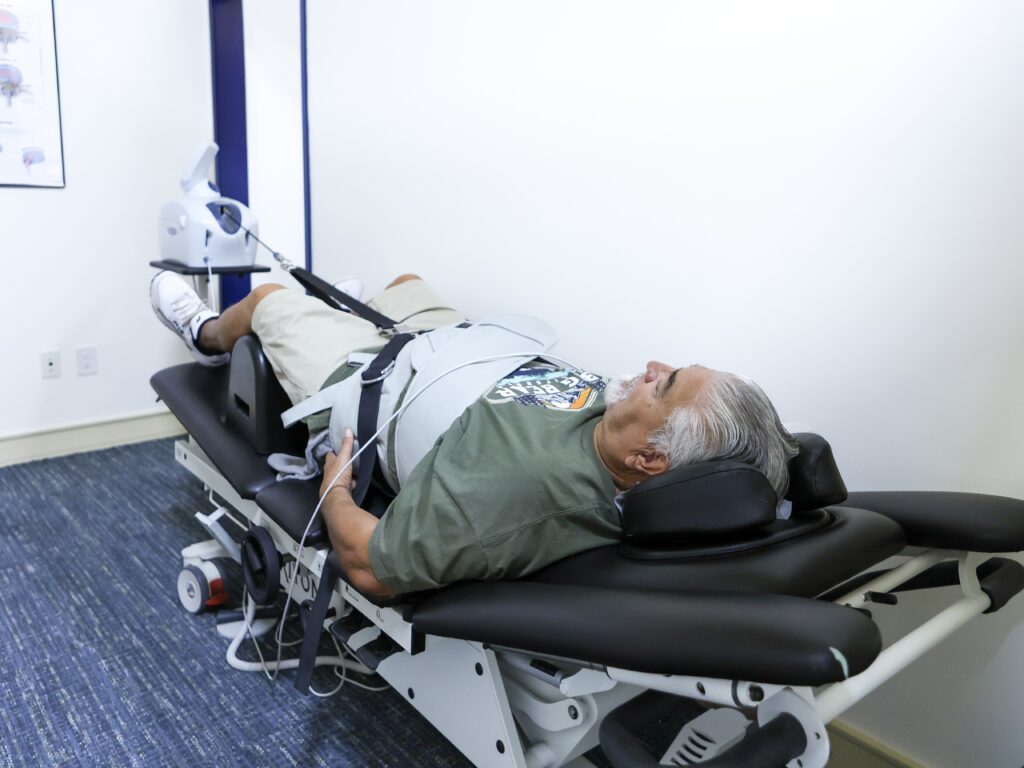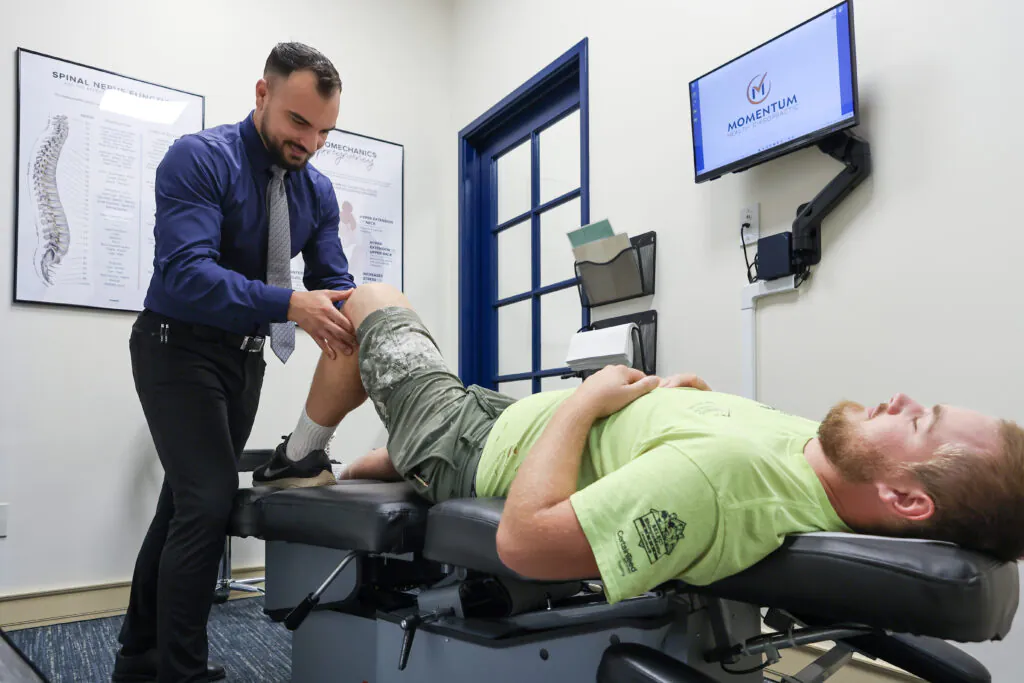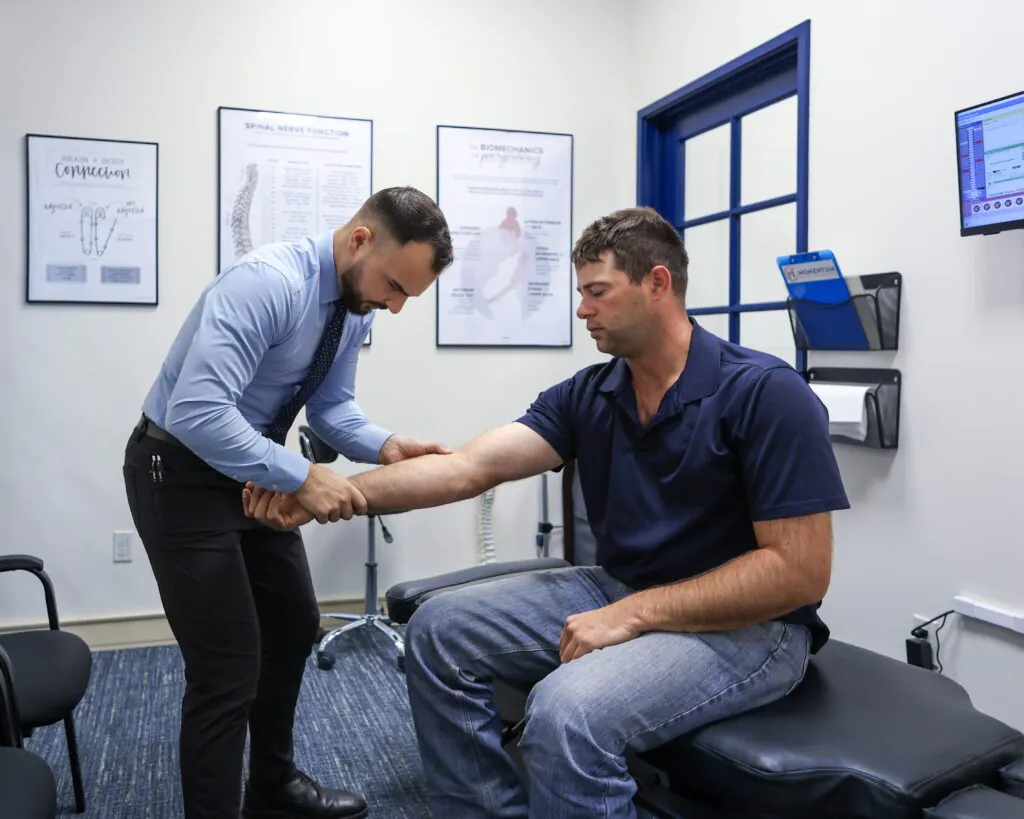

As a local chiropractor, I understand that chronic back pain can feel overwhelming for many individuals. Finding lasting relief often requires a comprehensive approach, and I want to help you navigate this journey. You may be surprised to learn that simple lifestyle changes and targeted therapies can make a significant difference in your pain management.
It’s crucial to understand the root causes of your pain, which is where chiropractic care excels. By examining your spine and overall musculoskeletal health, we can identify misalignments or issues that may contribute to your discomfort. Incorporating strategies like exercise and stress management is equally important in this process.
As we work together, I will guide you in creating a personalized plan that addresses your unique needs. Through a combination of chiropractic adjustments, therapeutic exercises, and lifestyle modifications, we can support your healing journey and help you achieve the lasting relief you deserve. Let’s take this step together towards a healthier, pain-free life!
Understanding Chronic Back Pain: Causes and Symptoms
As a local chiropractor, I want to help you understand chronic back pain and how it may be affecting your daily life more than you realize. Many of my patients describe their pain in various ways, such as a dull ache, sharp shooting sensations, or stiffness that restricts their movement.
It’s important to recognize that multiple factors can contribute to this discomfort, including poor posture, repetitive strain from daily activities, or past injuries. Conditions such as herniated discs or arthritis can also be significant contributors to your pain.
You may find that certain activities, like lifting heavy items or sitting for extended periods, can worsen your symptoms. Additionally, emotional stress can amplify your perception of pain, creating a challenging cycle to break. By paying close attention to these signs, you can gain insight into how they impact your life.
Understanding the root causes and symptoms of your chronic back pain is a crucial step toward discovering effective relief strategies. As a chiropractor, I focus on natural healing methods that can help restore balance to your body and improve your overall well-being.
Together, we can work towards finding the right approach tailored to your unique needs.
The Importance of a Comprehensive Diagnosis
As a local chiropractor, I want to emphasize the importance of obtaining a comprehensive diagnosis when it comes to managing your back pain. Understanding the specific cause of your discomfort is crucial for effective treatment.
Whether your pain stems from a herniated disc, muscle strain, or another issue entirely, identifying the root cause allows us to create a targeted approach to healing.
In our practice, we utilize various diagnostic techniques, including physical exams and, when necessary, referrals for X-rays or MRIs. This thorough evaluation process is designed to gather essential information about your condition, which helps us develop a personalized treatment plan tailored to your unique needs.
It’s important to remember that every individual’s experience with back pain is different; what alleviates one person’s discomfort may not be suitable for another.
By focusing on a detailed diagnosis, we can avoid the pitfalls of ineffective treatments and ensure that you receive the most appropriate care.
Natural healing and chiropractic adjustments can significantly improve your quality of life, but it all starts with understanding the specifics of your condition.
Let’s work together to find the best path to recovery for you!
Lifestyle Changes for Back Pain Management
As a local chiropractor, I want to emphasize how crucial lifestyle changes can be in managing your back pain effectively. Once you have a clear diagnosis, it’s essential to reflect on your daily habits and how they may be impacting your spine health.
Incorporating regular exercise into your routine, such as walking or swimming, can significantly strengthen your back muscles and enhance flexibility. It’s also vital to pay attention to your posture—whether you’re sitting at a desk or standing in line—maintaining proper alignment can alleviate unnecessary stress on your spine.
Weight management is another key factor. Carrying extra pounds can impose additional strain on your back, leading to increased discomfort. I encourage you to focus on a balanced diet that includes anti-inflammatory foods like fresh fruits, vegetables, and whole grains, which can support your overall health and reduce pain.
Quality sleep is another important component of recovery. Aim for restorative rest and consider investing in a supportive mattress that promotes proper spinal alignment.
Additionally, don’t overlook the impact of stress on your body; practicing relaxation techniques such as meditation or deep breathing can help manage stress levels, which may, in turn, help ease your pain.
The Role of Physical Therapy in Recovery
While making lifestyle adjustments is important in managing back pain, chiropractic care can significantly enhance your recovery journey. Our approach focuses on aligning your spine, improving mobility, and encouraging your body’s natural healing processes.
By working with a knowledgeable chiropractor, you’ll receive personalized treatment plans that address your unique needs, helping to relieve pain and prevent future discomfort.
During your chiropractic sessions, you’ll not only experience relief but also learn effective techniques to manage your pain. We’ll guide you on proper body mechanics, ensuring that you move safely and efficiently in your daily life.
Furthermore, we’ll help you integrate these practices into your routine for lasting benefits. Regular chiropractic visits can provide you with the accountability and motivation necessary to stay committed to your recovery goals.
Exploring Alternative Therapies: Acupuncture and Chiropractic Care
As a local chiropractor, I want to share with you that chiropractic care is just one of many effective alternative therapies available for managing chronic back pain.
If you’re seeking relief, it’s worth exploring a variety of options that can complement your healing journey. For instance, acupuncture is a fascinating practice that involves the insertion of thin needles at specific points on the body. This technique is believed to stimulate energy flow, potentially reducing pain and inflammation.
Here are some alternative therapies that you might find beneficial:
- Massage Therapy: This hands-on approach can help relax tense muscles and enhance blood circulation, promoting overall comfort.
- Yoga: Through a combination of stretching and mindfulness, yoga not only fosters relaxation but can also improve posture and flexibility.
- Cupping Therapy: This method utilizes suction to encourage better blood flow and relieve muscle tension, which can be particularly soothing.
- Herbal Remedies: Some herbs are known for their anti-inflammatory properties and may offer additional support in your pain relief efforts.
The Benefits of Regular Exercise and Stretching
As your local chiropractor, I want to emphasize the critical importance of regular exercise and stretching in managing chronic back pain. These activities aren’t just beneficial; they’re essential for strengthening muscles and improving flexibility, which can significantly enhance your overall physical health and reduce discomfort.
When you incorporate a consistent routine of exercise, you’re effectively strengthening the core muscles that support your spine. This added strength helps make your spine less vulnerable to pain and injury.
Stretching shouldn’t be overlooked; it plays a vital role in increasing your range of motion and easing tightness in your back and the surrounding muscles. Simple activities such as walking, swimming, or practicing yoga can have a profound positive effect on your pain levels.
Additionally, staying active promotes the release of endorphins—your body’s natural painkillers—which can help alleviate discomfort.
Ergonomics and Proper Posture: Preventive Strategies
As a local chiropractor, I want to emphasize the importance of understanding workplace ergonomics for maintaining a healthy back.
It’s crucial to adopt proper sitting techniques, especially if you find yourself at a desk for extended periods. By making simple adjustments to your workspace and posture, you can significantly reduce strain on your back, preventing discomfort and promoting better alignment throughout your daily activities.
Embracing these ergonomic practices not only supports your spine but also enhances your overall well-being.
Workplace Ergonomics Essentials
As a local chiropractor dedicated to promoting your overall health and well-being, it’s important to understand how your workspace can significantly impact your back health.
Creating an ergonomic workspace not only helps prevent discomfort but also supports your body’s natural alignment. Here are some essential tips to consider:
- Chair Support: Invest in an adjustable chair that provides proper support for your lower back. This is crucial for maintaining the natural curve of your spine and reducing strain during long periods of sitting.
- Monitor Height: Position your computer monitor at eye level. This helps you avoid leaning forward or slouching, which can lead to tension in your neck and back.
- Keyboard and Mouse Placement: It’s important to keep your keyboard and mouse within easy reach and at elbow height. This allows your arms to rest comfortably at your sides, helping to maintain a relaxed posture and reducing strain on your shoulders and wrists.
- Foot Position: Ensure your feet are flat on the ground or supported by a footrest. Proper foot positioning contributes to good alignment and stability, which can alleviate pressure on your lower back.
By making these adjustments in your workspace, you can support your back health and enhance your overall comfort.
Correct Sitting Techniques
As a local chiropractor, I often see patients who struggle with chronic back pain, much of which can stem from poor sitting habits, especially when sitting for long periods. It’s crucial to be mindful of your posture throughout the day to prevent discomfort and promote overall spinal health.
First and foremost, ensure that your chair provides adequate support for your lower back. This support is essential for maintaining the natural curve of your spine. Your feet should rest flat on the ground, or you can use a footrest if necessary. It’s important that your knees are either at or slightly below hip level, with your thighs parallel to the floor. This alignment helps alleviate pressure on your back.
Next, consider the positioning of your computer screen. It should be at eye level to prevent unnecessary strain on your neck. Avoid leaning forward or tilting your head down, as this can lead to tension and discomfort over time.
Remember to keep your shoulders relaxed and your elbows close to your body, ideally forming a 90-degree angle. This position helps minimize strain on your shoulders and arms.
I also encourage you to take regular breaks—every hour, if possible. Stand up, stretch, and move around to keep your body active.
Mind-Body Connection: Stress Management Techniques
As a local chiropractor dedicated to your overall well-being, I want to emphasize the strong connection between chronic back pain and stress. Managing stress effectively is crucial not just for your mental health, but also for alleviating physical discomfort.
When stress levels are under control, the tension in your body can diminish, leading to a noticeable reduction in pain. Here are some simple yet effective techniques that you can easily incorporate into your daily routine:
- Deep Breathing: Set aside a few minutes each day to focus on your breath. This practice can help calm your mind and relax your muscles, providing immediate relief from stress and tension.
- Mindfulness Meditation: Spend some time being fully present in the moment. Mindfulness can significantly reduce anxiety and enhance your emotional well-being, allowing your body to relax and heal.
- Progressive Muscle Relaxation: This technique involves tensing each muscle group in your body and then relaxing them. By doing this, you can effectively release built-up tension that may be contributing to your back pain.
- Gentle Yoga: Incorporate gentle stretches that specifically target your back. Yoga promotes flexibility and can help ease discomfort, making it a valuable addition to your stress management routine.
By integrating these practices into your daily life, you can support your body’s natural healing processes and enhance your overall health.
Nutrition and Its Impact on Back Health
As a chiropractor, I want to emphasize the vital role that proper nutrition plays in maintaining your back health. The foods you choose can significantly impact inflammation levels and muscle function, which are crucial for a healthy spine.
It’s important to focus on a balanced diet that includes plenty of anti-inflammatory foods. Think of incorporating a variety of fruits, vegetables, whole grains, and lean proteins into your meals.
Fatty fish, such as salmon, are excellent options because they’re rich in omega-3 fatty acids, known for their anti-inflammatory properties. Staying hydrated is equally important; drinking enough water helps maintain the elasticity of your spinal discs and supports overall bodily functions.
Don’t forget about calcium and vitamin D, as these nutrients are essential for strong bones. Including dairy products or fortified alternatives in your diet can help strengthen your bones, reducing the risk of fractures that may affect your back health.
I also encourage you to be mindful of what you limit in your diet. Processed foods, sugar, and saturated fats can contribute to increased inflammation, which may lead to discomfort and chronic pain.
By making conscious dietary choices, you can enhance your back health, support recovery from any existing issues, and potentially alleviate pain.
Creating a Personalized Pain Management Plan
As a local chiropractor, I want to emphasize that nutrition is an important part of your journey in managing back pain, but it’s just one aspect of a comprehensive approach.
To develop an effective personalized pain management plan, we need to consider various factors that can affect your pain experience.
First, it’s crucial to evaluate your daily activities. Take note of any movements that seem to aggravate your discomfort.
With that in mind, here are several key components to include in your plan:
- Exercise: Engaging in low-impact activities, such as swimming or walking, can help strengthen your back without putting additional strain on it. These exercises promote flexibility and stability, which are vital for optimal spinal health.
- Physical therapy: Collaborating with a professional can be incredibly beneficial. A physical therapist can guide you through tailored stretches and exercises that specifically address your unique needs, helping to alleviate pain and improve function.
- Mindfulness techniques: Stress can significantly exacerbate pain, so incorporating practices like yoga or meditation can be very helpful. These techniques not only promote relaxation but also enhance your overall sense of well-being.
- Sleep hygiene: The quality of your sleep plays a significant role in pain perception. It’s important to ensure that your sleep environment is conducive to restorative rest. A well-rested body is better equipped to manage pain effectively.
By integrating these elements into your personalized pain management plan, you can take proactive steps towards finding relief and improving your overall quality of life.
Conclusion
As your local chiropractor, I want to emphasize the benefits of a holistic approach to managing chronic back pain. Understanding your condition is the first step toward lasting relief. By making informed lifestyle changes and exploring natural therapies such as chiropractic adjustments, physical therapy, and acupuncture, you can take proactive steps to regain control of your health.
Maintaining good posture, managing stress, and focusing on proper nutrition are essential components of your recovery journey. Together, we can create a personalized pain management plan tailored to your needs. Embracing these practices will not only help alleviate your pain but also lead you to a more comfortable and active life. Remember, you don’t have to navigate this journey alone; I’m here to support you every step of the way.