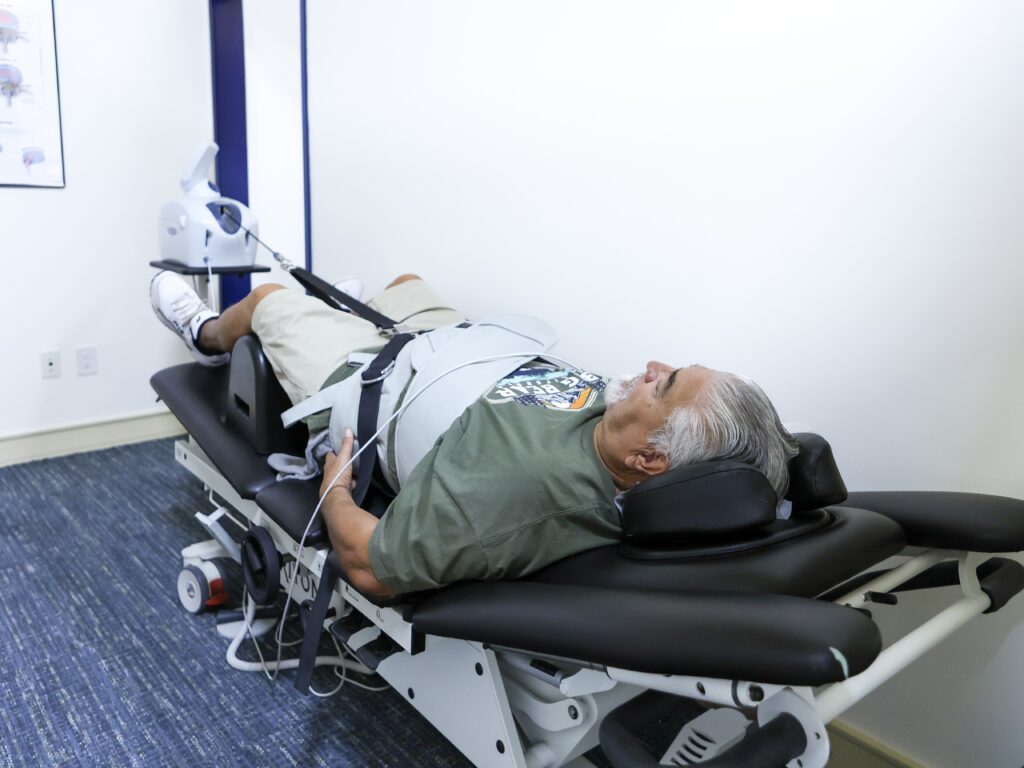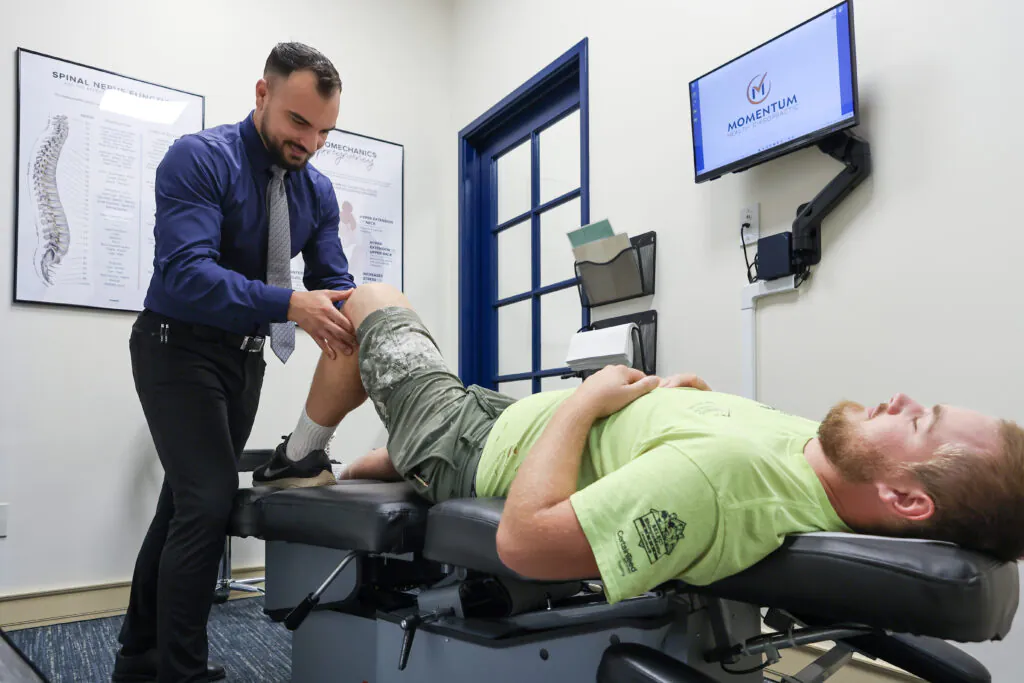

If you’re experiencing tension headaches, you’re certainly not alone. This common issue affects many individuals, and understanding your treatment options can make a significant difference. As a local chiropractor, I want to share some effective strategies that can help you find relief and promote overall wellness.
One of the most impactful approaches to managing tension headaches is through chiropractic care. By focusing on spinal health and alignment, chiropractic adjustments can help alleviate tension in the neck and shoulders, which are often culprits in triggering headaches. Regular chiropractic visits not only address current pain but also work to prevent future headaches by promoting better posture and reducing stress on the nervous system.
In addition to chiropractic adjustments, there are simple lifestyle changes you can make to support your health. Here are some tips to consider:
- Stay Hydrated: Dehydration can lead to headaches, so make sure you’re drinking plenty of water throughout the day.
- Practice Good Posture: Pay attention to your posture, especially if you sit for long periods. Keeping your spine aligned can help reduce muscle tension.
- Manage Stress: Incorporate relaxation techniques such as deep breathing, meditation, or yoga into your daily routine to help reduce stress levels.
- Take Breaks: If you work at a desk, remember to take regular breaks to stretch and move around. This can help prevent muscle tightness.
- Get Enough Sleep: Aim for a consistent sleep schedule and ensure you’re getting adequate rest each night, as lack of sleep can contribute to headaches.
- Physical Activity: Regular exercise can help reduce tension and improve overall well-being, making it less likely for headaches to occur.
By focusing on these natural methods and prioritizing chiropractic care, you can effectively manage and prevent tension headaches. If you have any questions or would like to learn more about how chiropractic care can help you achieve optimal health, feel free to reach out. Your journey to a headache-free life starts with taking proactive steps toward better spinal health and wellness!
Key Takeaways
- Maintaining good posture and setting up your workspace ergonomically can significantly reduce muscle tension, preventing headaches from occurring. Small adjustments can make a big difference in your comfort levels throughout the day.
- Incorporating relaxation techniques like deep breathing, yoga, or meditation into your daily routine can greatly alleviate stress, which is a common trigger for tension headaches. These practices not only promote relaxation but also enhance your overall well-being.
- Regular chiropractic care is an excellent way to keep your spine aligned and functioning optimally. Misalignments can contribute to tension-related headaches, so visiting your chiropractor regularly can help relieve that tension and prevent headaches from becoming a recurring issue.
- Staying hydrated and eating a balanced diet full of fruits and vegetables is essential for your overall health. Proper nutrition supports your body’s functions and helps maintain energy levels, which can combat headache triggers.
- Consider using non-drug strategies like heat or cold therapy, and gentle stretching exercises to ease muscle tightness. These methods can help reduce the frequency of headaches and promote a sense of well-being.
By focusing on these natural approaches, you can take control of your health and find relief from tension headaches, all while supporting your body’s natural ability to heal. Remember, chiropractic care is a powerful ally in achieving optimal health and wellness!
Understanding Tension Headaches
Tension headaches can often be triggered by stress or muscle tension, leading to feelings of fatigue and irritability. These headaches typically manifest as a dull, aching pain around your forehead or at the back of your head and neck. Unlike migraines, tension headaches usually don’t involve nausea or sensitivity to light. You might notice them creeping up during stressful times or after long hours spent at a desk.
The intensity of the pain can vary, ranging from mild discomfort to more severe pain, and can last anywhere from 30 minutes to several days. It’s common for these headaches to become more frequent when you’re experiencing increased stress or anxiety. One of the best ways to manage tension headaches is by identifying your triggers, which can help you reduce their occurrence.
While over-the-counter pain relievers may offer temporary relief, a more effective and natural solution is to consider chiropractic care. Chiropractic adjustments can help alleviate the muscle tension that contributes to tension headaches, promoting better spinal alignment and overall wellness.
In addition to chiropractic care, here are some general tips you can incorporate into your daily routine to help prevent tension headaches:
- Practice Good Posture: Ensure your workstation is ergonomically set up to promote proper posture, reducing strain on your neck and back.
- Stay Hydrated: Drink plenty of water throughout the day, as dehydration can contribute to headache symptoms.
- Take Breaks: Incorporate regular breaks into your work routine to stretch and relieve muscle tension. Consider standing, walking, or doing light stretches every hour.
- Manage Stress: Engage in relaxation techniques such as deep breathing, meditation, or yoga to help manage stress levels.
- Get Regular Adjustments: Consider scheduling regular chiropractic appointments to maintain spinal health and address any underlying issues that may contribute to tension headaches.
Lifestyle Changes to Prevent Tension Headaches
To prevent tension headaches, making some key lifestyle changes can be incredibly beneficial. As a chiropractor, I believe that incorporating stress management techniques, engaging in regular exercise, and maintaining proper sleep hygiene can significantly improve your overall well-being and reduce the frequency of headaches. Let’s delve into how these changes can enhance your health naturally and why chiropractic care is an essential component of this journey.
- Stress Management: Stress is a major contributor to tension headaches. Techniques such as deep breathing exercises, meditation, and yoga can help you manage stress effectively. Regular chiropractic adjustments can also play a crucial role in reducing tension in your body, as they help align your spine and relieve pressure on your nervous system.
- Regular Exercise: Staying active is vital for overall health and can help alleviate headache symptoms. Activities like walking, swimming, or cycling not only improve circulation but also release endorphins, which act as natural painkillers. Incorporating chiropractic care into your routine can enhance your physical activity by ensuring your body is in optimal alignment, allowing for better movement and less discomfort.
- Proper Sleep Hygiene: Quality sleep is essential for your body to recover and function well. Establish a relaxing bedtime routine, create a comfortable sleep environment, and aim for a consistent sleep schedule. Chiropractic adjustments can also help improve your sleep quality by addressing any spinal misalignments that may be disrupting your rest.
Stress Management Techniques
Managing stress effectively can significantly alleviate the frequency and intensity of tension headaches. As a local chiropractor, I understand the importance of a holistic approach to health and wellness. By incorporating stress management techniques into your daily life, you can enhance your overall well-being and achieve a more balanced state of mind. Here’s a straightforward guide to some helpful methods that align with natural healing principles:
| Technique | Description | Benefit |
|---|---|---|
| Deep Breathing | Take slow, deep breaths through your nose and exhale slowly through your mouth | Calms your mind and body, promoting relaxation and reducing tension |
| Mindfulness | Focus on the present moment by observing your thoughts and feelings without judgment | Reduces anxiety and enhances your ability to cope with stress |
| Progressive Relaxation | Tense and then relax different muscle groups throughout your body | Relieves physical tension and promotes a sense of well-being |
Incorporating these techniques into your daily routine can lead to significant improvements in your stress levels and overall health. As you explore these methods, remember that chiropractic care can also play a vital role in your wellness journey. Regular adjustments can help align your spine, improve nerve function, and reduce pain, allowing your body to better cope with stress.
Finding what works best for you is key. Make these practices habits, and consider complementing them with chiropractic visits to support your journey toward optimal health. Your body deserves the best care, and through natural methods, you can achieve a healthier, more fulfilling life.
Regular Exercise Routine
Incorporating regular exercise into your routine can significantly help in preventing tension headaches, which many of my chiropractic patients experience. Physical activity increases blood flow and reduces muscle tension, both of which are essential for maintaining a healthy spine and relieving headache symptoms. Moreover, exercise triggers the release of endorphins, the body’s natural painkillers, which can enhance your overall well-being.
Aim for at least 30 minutes of moderate exercise most days of the week. Activities like walking, cycling, or yoga not only strengthen your body but also improve your mood and alleviate stress—two common triggers for tension headaches. Remember, a well-aligned spine supports better movement and can enhance your exercise experience.
It’s important to listen to your body. If you find yourself feeling fatigued or sore, consider lighter exercises or gentle stretching. Incorporating regular stretches into your routine can also promote spinal health and help prevent the muscle tightness that can lead to headaches.
Proper Sleep Hygiene
A consistent exercise routine is essential for improving your sleep, which can significantly help in preventing tension headaches. As a chiropractor, I want to share some effective tips to enhance your sleep hygiene naturally, promoting overall wellness and pain relief:
- Stick to a schedule: Aim to go to bed and wake up at the same time every day, even on weekends. This helps regulate your body’s internal clock, making it easier to fall asleep and wake up refreshed.
- Create a restful environment: Ensure your bedroom is dark, quiet, and cool. A peaceful space allows your body to relax and prepares you for restorative sleep, which is crucial for maintaining spinal health.
- Limit screen time: Try to avoid electronics at least an hour before bedtime. The blue light emitted from screens can interfere with your natural sleep cycle, making it harder to fall asleep. Instead, consider winding down with a book or practicing relaxation techniques.
- Establish a bedtime routine: Engage in calming activities like gentle stretching, reading, or meditation. These practices signal to your body that it’s time to relax and prepare for sleep, which can help reduce tension and promote healing.
Over-the-Counter Medications for Relief
When tension headaches hit, many people reach for over-the-counter (OTC) pain relievers like ibuprofen or acetaminophen for quick relief. While these medications may provide temporary comfort, I encourage you to consider a more holistic approach to managing your headaches. Chiropractic care focuses on addressing the root cause of tension and discomfort, rather than just masking the symptoms.
Understanding the connection between your spine and overall health is vital. Misalignments in the spine can lead to tension in the muscles around your neck and head, contributing to headaches. Regular chiropractic adjustments can help restore proper alignment, reduce muscle tension, and promote better overall health.
In addition to chiropractic care, here are some general tips to help manage tension headaches naturally:
- Stay Hydrated: Dehydration can trigger headaches, so make sure to drink plenty of water throughout the day.
- Practice Good Posture: Poor posture can strain your neck and back muscles. Be mindful of your posture, especially when sitting at a desk or using electronic devices.
- Incorporate Relaxation Techniques: Stress is a significant contributor to tension headaches. Techniques like deep breathing, meditation, or gentle yoga can help reduce stress and promote relaxation.
- Get Regular Exercise: Physical activity can help reduce tension and improve blood flow, which may alleviate headache symptoms.
- Prioritize Sleep: Ensure you’re getting enough quality sleep. A well-rested body is better equipped to handle stress and tension.
- Consider Dietary Adjustments: Some foods may trigger headaches in certain individuals. Keeping a food diary can help identify any patterns.
Common OTC Pain Relievers
When dealing with tension headaches, many people often reach for over-the-counter (OTC) pain relievers out of habit. While these medications can offer temporary relief, it’s important to remember that they don’t address the root causes of your headaches. As a chiropractor, I advocate for a holistic approach that focuses on achieving optimal health and wellness through natural methods, like chiropractic care.
Chiropractic adjustments can help alleviate tension in your neck and spine, which may be contributing to your headaches. By realigning your spine and improving overall function, you can experience relief without the need for medications.
Here are some tips you can incorporate into your routine for better headache management:
- Stay Hydrated – Dehydration can often lead to headaches, so make sure to drink plenty of water throughout the day.
- Practice Good Posture – Maintaining proper posture, especially while sitting at a desk, can reduce strain on your neck and back, helping to prevent tension headaches.
- Manage Stress – Stress is a significant contributor to tension headaches. Consider techniques like deep breathing, meditation, or yoga to help relax your mind and body.
- Regular Chiropractic Visits – Regular adjustments can help keep your spine aligned and reduce the frequency and intensity of headaches over time.
Remember, while OTC pain relievers might provide quick fixes, they don’t offer a long-term solution. By focusing on natural healing and wellness through chiropractic care, you can work towards a healthier, headache-free life.
If your headaches persist, I encourage you to seek out a chiropractic consultation to explore tailored treatment options that address your specific needs.
Recommended Dosage Guidelines
While it might be tempting to reach for an over-the-counter pain reliever at the first sign of a tension headache, understanding natural and holistic approaches can often lead to better long-term health outcomes.
As a chiropractor, I encourage exploring chiropractic care as an effective alternative for pain relief and overall wellness.
Rather than relying on medications like acetaminophen, ibuprofen, or aspirin, which can sometimes mask symptoms without addressing the underlying issues, consider how chiropractic adjustments can help alleviate tension headaches by addressing misalignments in your spine and improving overall body function.
Regular chiropractic care can help reduce the frequency and intensity of headaches by promoting better posture, relieving muscle tension, and enhancing nervous system function.
In addition to chiropractic adjustments, there are several lifestyle tips you can incorporate to help manage and prevent tension headaches:
- Stay Hydrated: Dehydration can trigger headaches, so make sure you’re drinking enough water throughout the day.
- Practice Good Posture: Being mindful of your posture, especially when sitting for long periods, can reduce tension in your neck and shoulders.
- Manage Stress: Techniques such as deep breathing, meditation, or yoga can help you manage stress levels, which may reduce the frequency of headaches.
- Regular Exercise: Engaging in regular physical activity can improve circulation and reduce tension in your muscles.
- Adequate Sleep: Ensure you’re getting enough restful sleep each night, as fatigue can be a significant headache trigger.
If you find that your headaches persist or worsen, I recommend consulting with a healthcare professional, preferably one who understands the benefits of chiropractic care.
Your journey to optimal health deserves the best care, and chiropractic can be a cornerstone of that journey.
Prescription Medications for Chronic Cases
If you’re struggling with chronic tension headaches, it’s important to know that there are natural ways to find relief and promote overall wellness. While some may turn to prescription medications, chiropractic care can be an effective and holistic solution to help manage your discomfort and improve your quality of life.
Here are a few ways chiropractic care can help with tension headaches:
- Spinal Adjustments: Chiropractic adjustments can relieve tension in the spine and neck, which may help reduce headache symptoms. By aligning the spine, we can alleviate pressure on nerves and improve overall function.
- Muscle Relaxation Techniques: Chiropractors often incorporate muscle relaxation techniques, such as massage or stretching, to help ease muscle tension that may be contributing to your headaches.
- Posture Improvement: Poor posture can lead to tension headaches. A chiropractor can provide guidance on maintaining proper posture in daily activities, helping to prevent headaches before they start.
- Lifestyle and Wellness Guidance: Chiropractic care isn’t just about adjustments; it also involves educating patients on healthy living. This includes tips on stress management, hydration, nutrition, and exercise, all of which play a role in preventing tension headaches.
By addressing the root causes of your headaches through chiropractic care, you can find a natural, drug-free path to relief. Remember, it’s always a good idea to discuss your symptoms and treatment options with a qualified chiropractor, who can tailor a plan that meets your unique needs.
Take charge of your health and explore the benefits of chiropractic care for a more balanced and headache-free life!
Alternative Therapies and Natural Remedies
When looking for relief from tension headaches, one of the most effective approaches is chiropractic care. As a chiropractor, I can tell you that spinal adjustments can significantly relieve tension and improve your overall alignment, which is key to reducing headache frequency and intensity. Keeping your spine in proper alignment can help reduce the stress on your nervous system, leading to better overall health and wellness.
In addition to chiropractic adjustments, there are several natural therapies and lifestyle changes that can support your journey to wellness. For instance, techniques such as yoga and massage therapy are excellent for relaxing tight muscles and promoting a sense of calm. These practices can complement the benefits of chiropractic care, helping you to feel more balanced.
Herbal supplements like butterbur and feverfew may also be beneficial for some individuals, but it’s essential to discuss these with your healthcare provider before starting any new supplement. Remember, a holistic approach often works best, so combining chiropractic care with healthy habits can lead to optimal results.
Don’t forget about the power of essential oils! Lavender and peppermint oils can be soothing when applied topically or diffused in your home. Staying hydrated and maintaining a balanced diet are also crucial steps in minimizing headaches. Simple changes, like drinking enough water throughout the day and incorporating more fruits and vegetables into your meals, can make a significant difference.
Stress Management Techniques
Managing stress is crucial for alleviating tension headaches and promoting overall wellness, especially when considering the benefits of chiropractic care. By integrating effective stress management techniques into your daily routine, you can effectively navigate everyday pressures while supporting your spine and health. Here are some practical strategies you can incorporate:
- Deep Breathing: Take slow, deep breaths to calm both your mind and body. Inhale deeply through your nose, hold for a few seconds, and exhale slowly through your mouth. This simple practice helps relax your muscles and reduces tension, benefiting your spine.
- Regular Exercise: Engage in physical activities like walking, yoga, or swimming. These exercises not only release endorphins that enhance your mood but also promote spinal health by strengthening the muscles that support your back.
- Mindfulness Meditation: Practicing mindfulness helps you focus on the present moment, reducing stress and promoting relaxation. Take a few minutes each day to meditate, which can help clear your mind and improve your overall well-being, making it easier for your body to heal naturally.
- Time Management: Organizing your daily tasks can help prevent feelings of being overwhelmed. Prioritize important activities and break larger tasks into smaller, more manageable steps. A well-structured day can lead to reduced stress and a healthier outlook, which is essential for maintaining optimal spinal health.
By embracing these techniques, you not only manage stress but also support your body’s natural healing processes. Chiropractic care can further enhance these efforts by ensuring your spine is aligned, allowing your nervous system to function at its best.
This holistic approach fosters a healthier, pain-free life, allowing you to live your day-to-day with greater ease and vitality. Remember, small changes can lead to significant improvements in your health and wellness journey!
When to Seek Professional Help
Recognizing when to seek professional help for tension headaches is essential for effective management and relief. If you find that your headaches are becoming more frequent or lasting longer than usual, it may be time to consult with a chiropractor. Chiropractic care is designed to address the underlying issues that contribute to headaches, focusing on spinal health and overall wellness.
If over-the-counter medications aren’t providing the relief you need or if you experience any side effects, reaching out to a chiropractor can offer a natural alternative. They can help identify the root cause of your headaches and guide you towards safe, non-invasive treatments.
Additionally, if your headaches are interfering with your daily activities or impacting your quality of life, it’s important to seek help. Symptoms such as vision changes, nausea, or any neurological signs should be addressed promptly. A chiropractor can assess your spinal alignment and overall health to determine if there’s a connection to your headaches.
If you find yourself relying on painkillers regularly, it’s a clear sign that your body is seeking a more effective solution. Chiropractic care can help restore balance to your body and provide a pathway to natural healing, addressing the underlying causes of your pain.
Remember, prioritizing your health and seeking help early can lead to better outcomes. Trust your instincts and consider chiropractic care as a natural, holistic approach to achieving optimal health and wellness.
Here are a few tips you can incorporate into your daily routine to help manage tension headaches:
- Maintain good posture, especially while sitting at a desk or using electronic devices.
- Stay hydrated by drinking plenty of water throughout the day.
- Incorporate regular physical activity, as it can help reduce tension and improve overall well-being.
- Practice relaxation techniques, such as deep breathing or meditation, to lower stress levels.