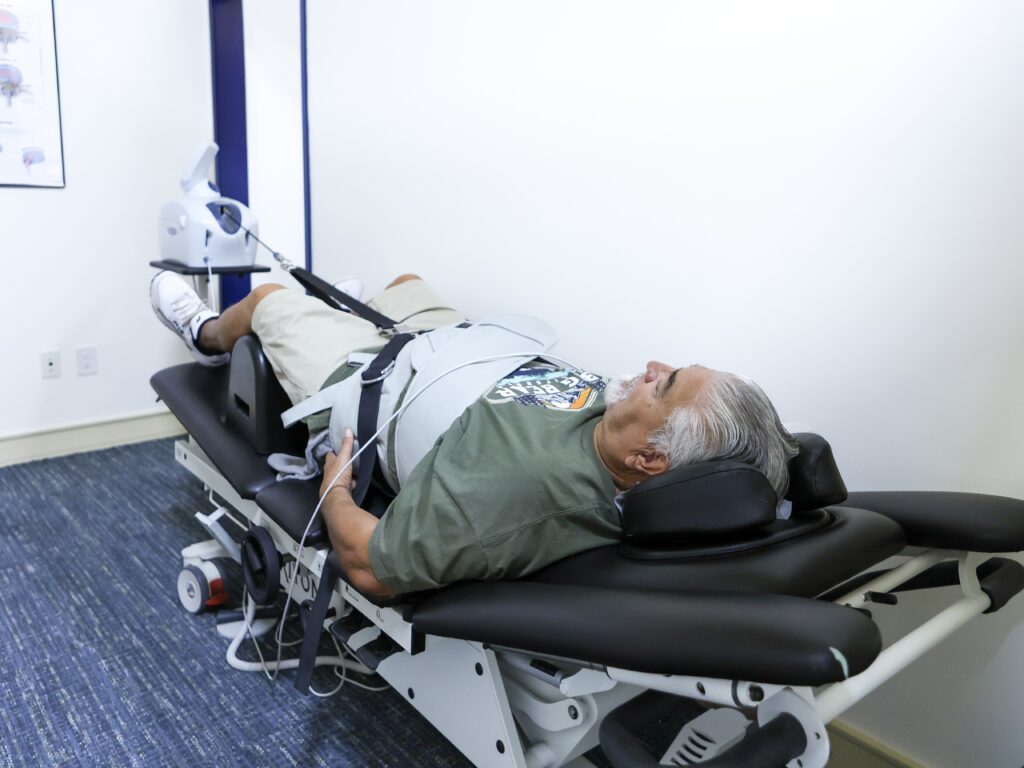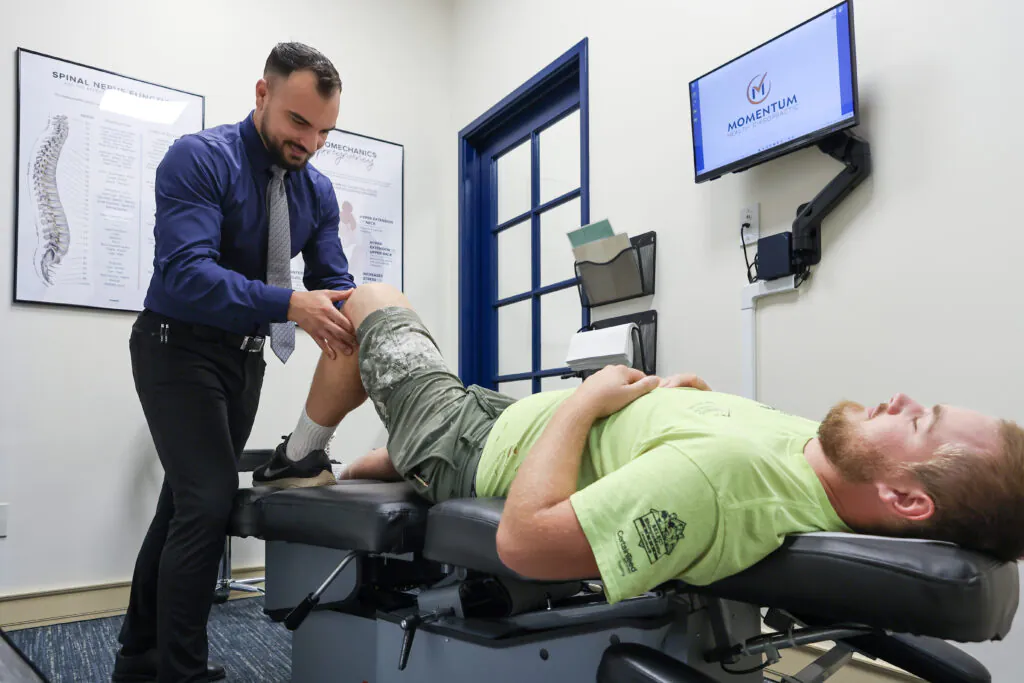

When headaches strike, many people instinctively reach for painkillers. However, there are surprisingly effective alternatives that can provide relief without the need for medication. As a chiropractor, I want to highlight the benefits of chiropractic care and other natural methods that can transform your approach to headache relief.
Chiropractic care focuses on the alignment of the spine, which can play a crucial role in alleviating headache pain. Misalignments in the spine can lead to tension and stress in the muscles, contributing to headaches. Regular chiropractic adjustments not only help improve spinal alignment but also promote better nerve function and blood flow, which can significantly reduce headache frequency and intensity.
In addition to chiropractic adjustments, consider incorporating some simple lifestyle changes that can enhance your overall well-being. Staying hydrated is essential, as dehydration can lead to headaches. Aim to drink plenty of water throughout the day.
Mindfulness techniques, such as deep breathing or meditation, can also provide substantial relief from headache pain. These practices help reduce stress and tension, which are common headache triggers.
Aromatherapy with calming scents like lavender or peppermint can further complement your headache relief strategy. Simply inhaling these soothing aromas can help ease tension and promote relaxation.
Lastly, paying attention to your diet can make a difference. Foods rich in magnesium, like leafy greens and nuts, may help prevent headaches.
By prioritizing chiropractic care and integrating these natural wellness practices into your routine, you can find effective, drug-free relief from headaches. Remember, the goal is to achieve optimal health and well-being, and chiropractic care is a powerful tool in your wellness toolkit. Let’s take this journey towards better health together!
Key Takeaways
- Regular chiropractic adjustments play a crucial role in aligning the spine, which can help reduce the frequency and intensity of headaches. By improving nervous system function and relieving tension, chiropractic care provides a natural pathway to better health and headache relief.
- Biofeedback training is a powerful tool that allows individuals to take control of their stress and tension. By learning relaxation techniques and practicing self-monitoring, patients can effectively manage their headaches and improve their overall well-being.
- Mindfulness and meditation practices, such as deep breathing and guided visualization, can significantly help alleviate headache pain. These practices not only promote relaxation but also empower individuals to identify and reduce stress triggers in their daily lives.
- Aromatherapy can be a delightful addition to your headache relief toolkit. Essential oils like lavender and peppermint are known for their calming properties and can enhance relaxation while providing soothing sensations that help ease headache discomfort.
- Herbal remedies, including ginger and chamomile, are fantastic natural alternatives that can help alleviate headache symptoms. Thanks to their anti-inflammatory and calming effects, they can be a gentle way to support your body in feeling better without resorting to medications.
Incorporating regular chiropractic care into your wellness routine, along with these natural techniques, can empower you to manage headaches effectively and achieve optimal health. Remember to stay hydrated, maintain good posture, and practice relaxation techniques to support your overall well-being!
Acupuncture: A Needle in the Right Place
Chiropractic care provides a holistic approach to headache relief by focusing on spinal alignment and overall wellness. When you visit a chiropractor, they’ll assess your spine and nervous system, identifying any misalignments that could be contributing to your headaches. This natural practice aims to restore balance in your body, which can lead to significant pain reduction and improved energy flow.
During your chiropractic session, you may feel relaxed as your chiropractor gently adjusts your spine. Many patients report immediate relief from headaches or a gradual decrease in their frequency after a series of adjustments. It’s essential to communicate openly with your chiropractor about your symptoms and progress, as this helps customize your treatment plan for the best results.
While chiropractic care isn’t a one-size-fits-all solution, it can be a highly effective option for those seeking natural alternatives to medication. If you’re looking for relief from persistent headaches, consider incorporating chiropractic adjustments into your wellness routine.
Additionally, here are some tips to help manage headaches at home:
- Stay Hydrated: Drink plenty of water throughout the day, as dehydration can trigger headaches.
- Practice Good Posture: Be mindful of your posture, especially when sitting for long periods. Proper alignment can help reduce strain on your neck and spine.
- Incorporate Relaxation Techniques: Stress can lead to tension headaches, so consider practices like deep breathing, meditation, or gentle stretching.
- Maintain a Consistent Sleep Schedule: Aim for 7-9 hours of quality sleep each night to help your body recover and reduce headache frequency.
Aromatherapy: Scents That Soothe
Aromatherapy can be an excellent complementary approach in your journey towards natural headache relief, especially when combined with chiropractic care. Essential oils like lavender and peppermint can create a calming environment that supports overall wellness and may help ease discomfort.
While chiropractic adjustments focus on aligning your spine to promote optimal nervous system function, incorporating soothing scents can enhance your relaxation and healing process.
Here are some simple inhalation techniques to maximize the benefits of these calming scents while also supporting your chiropractic care:
- Inhale Directly: Take a few drops of your chosen essential oil and place them on a tissue or cotton ball. Hold it close to your nose and take deep, slow breaths. This can help promote relaxation and may reduce headache symptoms.
- Diffusion: Use an essential oil diffuser in your home or office. This allows the scents to fill the space, creating a serene atmosphere that complements your healing journey.
- Warm Compress: Combine the power of heat and scent by adding a few drops of essential oil to a warm compress. Apply it to your forehead or neck while you practice deep breathing.
- Mindful Breathing: Pair your inhalation of essential oils with mindful breathing exercises. Focus on your breath and visualize tension leaving your body, which can enhance the overall calming effect.
Remember, while aromatherapy can aid in relaxation, chiropractic care is key for addressing the root causes of headaches and other discomfort. Regular adjustments help ensure your spine is aligned, which can alleviate nerve interference and promote overall health.
Essential Oils for Relief
Finding the right essential oils can be a valuable addition to your health and wellness routine, especially when it comes to managing headaches. While chiropractic care is the primary means for achieving optimal health and alleviating pain, certain natural remedies can complement your journey towards wellness.
Lavender oil is known for its calming properties, which can help reduce tension and promote relaxation—a great way to unwind after a long day. Peppermint oil, on the other hand, offers a cooling sensation that can invigorate your senses and provide relief from headache pain. If stress is contributing to your discomfort, chamomile is a soothing option that may help relieve tension headaches. Eucalyptus oil can also be beneficial as it helps open up airways, promoting better breathing, which is essential for overall well-being.
When using essential oils, it’s important to dilute them with a carrier oil before applying to your temples or the back of your neck. This not only enhances their effectiveness but also protects your skin. Remember, these natural remedies can be a wonderful way to support your body’s healing process.
However, don’t forget that regular chiropractic adjustments can help address the root causes of headaches by improving spinal alignment and reducing tension in the body. Incorporating chiropractic care into your routine can lead to long-term relief and better health overall.
As you explore these natural options, keep in mind that a holistic approach combining chiropractic care and essential oils can greatly enhance your wellness journey. Always listen to your body, and consult with your chiropractor about the best strategies for managing your headaches and achieving optimal health.
Inhalation Techniques Explained
When it comes to finding relief from headaches, inhalation techniques can be a great complement to chiropractic care for overall wellness. Aromatherapy utilizes essential oils to create soothing scents that can help alleviate discomfort. For instance, you might consider inhaling lavender oil for its calming effects or peppermint oil for a refreshing boost. Simply adding a few drops to a diffuser or inhaling directly from the bottle can enhance your relaxation.
Another helpful technique is steaming—just add essential oils to hot water, lean over the bowl, and cover your head with a towel to trap the steam. This method not only delivers the beneficial aromas but also helps open up your sinuses, promoting better breathing and relaxation.
Incorporating these inhalation techniques into your wellness routine can be a fantastic way to support your body’s natural healing processes. Remember, chiropractic care focuses on addressing the root causes of your discomfort by improving spinal alignment and nerve function, which can lead to lasting relief from headaches and overall better health. By combining these methods, you’re taking proactive steps towards a healthier lifestyle and minimizing reliance on medications or invasive procedures.
Dietary Changes: Foods to Embrace and Avoid
Making dietary changes can significantly impact headache relief, especially when you understand which foods to embrace and which to avoid. Certain foods may trigger your headaches, while others can help reduce their frequency and intensity. As a local chiropractor, I believe that a holistic approach to health—including diet, chiropractic care, and lifestyle adjustments—can lead to optimal wellness.
Foods to Embrace:
- Leafy Greens: Incorporate spinach and kale into your meals. These greens are rich in magnesium, which may help prevent headaches and support overall health.
- Fatty Fish: Enjoy salmon and mackerel. These fish are loaded with omega-3 fatty acids, recognized for their anti-inflammatory benefits that can contribute to headache relief.
- Almonds: Consider snacking on almonds. They contain magnesium and can be a healthy option to help fend off headaches while providing essential nutrients.
Foods to Avoid:
- Aged Cheeses: Be cautious with aged cheeses, as they may contain tyramine, a substance that can trigger headaches for some individuals.
- Processed Meats: These meats often contain nitrates, which can lead to headaches. Opt for fresher, less processed alternatives.
- Alcohol: Especially red wine, can lead to dehydration, which is a common headache trigger. Staying hydrated is crucial for reducing headache frequency.
In addition to dietary changes, remember that regular chiropractic adjustments can help align your spine, relieve tension, and improve overall well-being. Keeping your body in balance can be a natural way to support headache relief and enhance your quality of life.
Always listen to your body, and consider incorporating these dietary tips along with regular chiropractic care for a holistic approach to health and wellness.
Exercise: Movement as Medicine
Incorporating regular exercise into your daily routine can significantly enhance your health and help alleviate headaches naturally. As a chiropractor, I often emphasize the importance of physical activity for pain relief and overall wellness. Exercise releases endorphins, which are your body’s natural painkillers, making them a great ally in managing headache symptoms.
Even simple activities like brisk walking, cycling, or practicing yoga can be effective in reducing the frequency and intensity of headaches. These movements not only engage your body but also promote better blood circulation and relieve tension, particularly in the neck and shoulders—two areas often linked to headache triggers.
If you sense a headache starting, consider gentle stretches or taking a short walk. These actions can help reduce stress and tension, providing immediate relief. Remember, consistency is crucial. Aim for at least 150 minutes of moderate exercise each week, but find activities that you genuinely enjoy. This will make it easier to stick to your routine and promote a healthier lifestyle.
It’s important to listen to your body and recognize its needs. Incorporating chiropractic care into your wellness journey can also enhance the benefits of exercise. Regular adjustments can help align your spine, improve mobility, and reduce pain, leading to a more effective exercise routine. By making chiropractic care a part of your health strategy, you can achieve optimal wellness and enjoy a life with fewer headaches and greater vitality.
Mindfulness and Meditation: Finding Inner Peace
Practicing mindfulness and meditation can greatly enhance your journey toward headache relief by promoting inner peace and reducing stress. When you dedicate time to be present in the moment, you not only cultivate a calming environment but also create an opportunity for your body to heal naturally. This is particularly beneficial for those experiencing tension headaches and migraines.
As a chiropractor, I believe that a holistic approach, including mindfulness practices, can complement your chiropractic care for optimal health and wellness. Here are some simple techniques to help you get started:
- Deep Breathing: Take a moment to breathe deeply through your nose, hold it for a second, and then exhale slowly through your mouth. Incorporating deep breathing into your routine can help release tension in your body, which is crucial for headache relief.
- Guided Visualization: Imagine a peaceful place, whether it’s a quiet beach or a tranquil forest. Using your imagination to visualize calm environments can help distract your mind from pain and promote relaxation.
- Body Scan: Close your eyes and consciously focus on each part of your body, starting from your toes and moving up to your head. Recognize any areas of tension and actively work on relaxing those muscles. This practice can help you become more aware of physical stressors contributing to headaches.
Incorporating these mindfulness techniques into your daily routine alongside regular chiropractic adjustments can provide you with a powerful way to manage headaches naturally. Remember, chiropractic care is designed to support your body’s natural healing processes, so you can achieve a healthier, pain-free life.
Herbal Remedies: Nature’s Pharmacy
Exploring herbal remedies can be a wonderful addition to your wellness journey, especially when seeking natural ways to relieve headaches. As a chiropractor, I emphasize the importance of a holistic approach to health, and incorporating herbs into your routine can complement the benefits of chiropractic care.
Some well-known herbs, like feverfew and peppermint, have been used for centuries to help alleviate headaches. Feverfew may assist in reducing the frequency and intensity of migraines, while peppermint oil can provide soothing relief when gently applied to your temples. These natural options can be great allies alongside regular chiropractic adjustments, which address the underlying spinal misalignments that often contribute to headaches.
Another herb to consider is ginger, recognized for its anti-inflammatory properties, which can help ease headache symptoms. You may also enjoy a calming cup of chamomile tea; its relaxing effects can help alleviate stress-related headaches, promoting overall well-being.
While herbal remedies can be beneficial, always remember to consult with a healthcare professional before trying new options, especially if you have any health concerns. By integrating these natural solutions with your chiropractic care, you can create a more comprehensive plan for headache relief.
In addition to these herbal remedies, maintaining good posture, staying hydrated, and managing stress through techniques like deep breathing or yoga can further enhance your overall health and reduce headache occurrences. With a commitment to natural healing and wellness, chiropractic care can help you achieve optimal health and enjoy a pain-free life.
Chiropractic Care: Alignment and Relief
When you’re looking for relief from headaches, chiropractic care can be an excellent choice for restoring balance and enhancing your overall wellness. By concentrating on your spine and nervous system, chiropractors can pinpoint and correct misalignments that may be contributing to your headaches. This hands-on approach frequently brings about remarkable improvements in your condition.
Here are some key benefits of chiropractic care for headache relief:
- Spinal Adjustments: These specific manipulations target misalignments in your spine, helping to ease tension and restore proper alignment. This can lead to a noticeable reduction in both the frequency and intensity of your headaches.
- Muscle Relaxation: Chiropractors often use various techniques to alleviate muscle tightness, providing you with immediate relief from headache symptoms and promoting relaxation throughout your body.
- Holistic Approach: Chiropractic care doesn’t just treat the symptoms; it also considers lifestyle factors such as posture and stress management. By addressing these areas, chiropractic care helps promote long-term wellness and prevents future headaches.
Here are a few tips to help you on your journey to headache relief:
- Maintain Good Posture: Be mindful of your posture, especially if you spend long hours sitting. Ensure your workstation is ergonomically set up to support a healthy spinal position.
- Stay Hydrated: Dehydration can contribute to headaches, so make sure you’re drinking plenty of water throughout the day.
- Incorporate Regular Movement: Take breaks to stretch and move around, especially if you’re working at a desk. Simple neck and shoulder stretches can help relieve tension.
- Practice Relaxation Techniques: Consider incorporating deep breathing exercises or mindfulness practices into your daily routine to help manage stress levels.
Exploring chiropractic care could be your key to finding effective and natural relief from those persistent headaches. Let’s work together to achieve your optimal health!
Biofeedback: Training Your Body to Relax
Biofeedback can be an excellent addition to your wellness journey, especially when it comes to relieving headaches. As a chiropractor, I believe that understanding how to manage pain naturally is vital for maintaining optimal health. By learning biofeedback techniques, you can train your body to relax and reduce tension, which is often a key factor in headache relief.
Getting started with biofeedback is simple. First, consider incorporating regular chiropractic adjustments into your routine. These adjustments help align your spine, which can improve your overall nervous system function and reduce stress. When your spine is aligned, your body can communicate more effectively and respond better to relaxation techniques like biofeedback.
Next, you can practice mindfulness and relaxation exercises at home. Spend a few minutes each day focusing on your breath. Inhale deeply through your nose, hold for a moment, and exhale slowly through your mouth. This simple practice can help calm your mind and body, making it easier to manage pain.
Additionally, consider keeping a headache journal. Note when your headaches occur, what you were doing, and any stressors you experienced. This can help you identify patterns and triggers, allowing you to make adjustments to your lifestyle.
Understanding Biofeedback Techniques
While many people look for quick fixes for their headaches, understanding biofeedback techniques can provide long-term relief by helping you train your body to respond more effectively to stress.
At our chiropractic practice, we believe that natural healing methods like biofeedback can complement your journey to optimal health.
Biofeedback offers a way to become more aware of your body’s physiological functions, enabling you to learn how to control them.
By using sensors that measure your body’s signals, you can visualize your stress levels and practice relaxation techniques that can significantly aid in headache management.
Here’s what you can expect when incorporating biofeedback techniques into your wellness routine:
- Real-time feedback on your heart rate, muscle tension, and breathing patterns, allowing you to understand how your body reacts to stress.
- Guided relaxation exercises that help you learn natural ways to reduce stress, which is often a major contributor to headaches.
- Empowerment to manage your headaches by identifying and changing your body’s stress responses, leading to a more balanced state of mind.
In addition to biofeedback, regular chiropractic adjustments can also play a crucial role in relieving headache pain by ensuring your spine is aligned and functioning properly.
When your spine is in alignment, it can reduce tension and improve communication between your brain and body, which is vital for overall health.
As you explore these techniques, here are some general tips to keep in mind for healthier living:
- Stay hydrated: Drinking enough water can help prevent headaches.
- Practice good posture: Proper alignment can reduce muscle tension and strain.
- Incorporate regular physical activity: Exercise is a natural stress reliever.
- Prioritize sleep: Quality rest can significantly impact your stress levels and overall well-being.
With dedication and practice, biofeedback, alongside chiropractic care, can become powerful tools in your headache relief toolkit.
Focus on these natural methods to achieve a healthier, more balanced life.
Benefits for Headache Relief
Harnessing the power of biofeedback techniques can be a valuable addition to your journey toward headache relief, especially when combined with chiropractic care. By training your body to relax and manage stress, you empower yourself to take control of your health. Learning to recognize your body’s physiological signals means you can address tension before it escalates into a headache.
Chiropractic adjustments play a vital role in relieving tension in your spine and nervous system, which can help reduce headache frequency and intensity. When you combine these adjustments with relaxation techniques learned through biofeedback—like deep breathing and muscle relaxation—you create a powerful toolkit for managing headaches naturally.
It’s also important to remember that improved relaxation contributes to your overall well-being. When your body is relaxed, you’re better equipped to cope with daily stressors, which can further diminish headache occurrences. Simple practices like maintaining good posture, staying hydrated, and incorporating regular chiropractic visits can enhance your overall health and wellness.
Ultimately, integrating chiropractic care with biofeedback techniques can help you take charge of your health, leading to fewer headaches and a better quality of life. Don’t hesitate to explore these natural methods to find relief and achieve optimal health!
Getting Started With Biofeedback
Starting your journey with biofeedback can be an empowering way to learn how to relax and manage stress effectively. This technique teaches you to control physiological functions by using real-time feedback from your body, which can complement your chiropractic care.
Here’s how you can get started on this holistic path:
- Find a Qualified Practitioner: Look for a certified biofeedback therapist who can guide you through the process. Consider asking your chiropractor for recommendations, as they often work closely with professionals in this field.
- Choose the Right Equipment: Depending on your focus, such as muscle tension or heart rate, select appropriate biofeedback devices. For example, electromyography (EMG) can help you understand muscle tension, which is crucial when addressing spinal health.
- Set Realistic Goals: Determine what you want to achieve. Whether it’s reducing headache frequency, alleviating back pain, or learning relaxation techniques, having clear goals will help you and your chiropractor track your progress.
Incorporating biofeedback into your wellness routine can enhance the benefits of chiropractic care. With practice, you’ll gain valuable skills to manage discomfort and improve your overall well-being naturally.