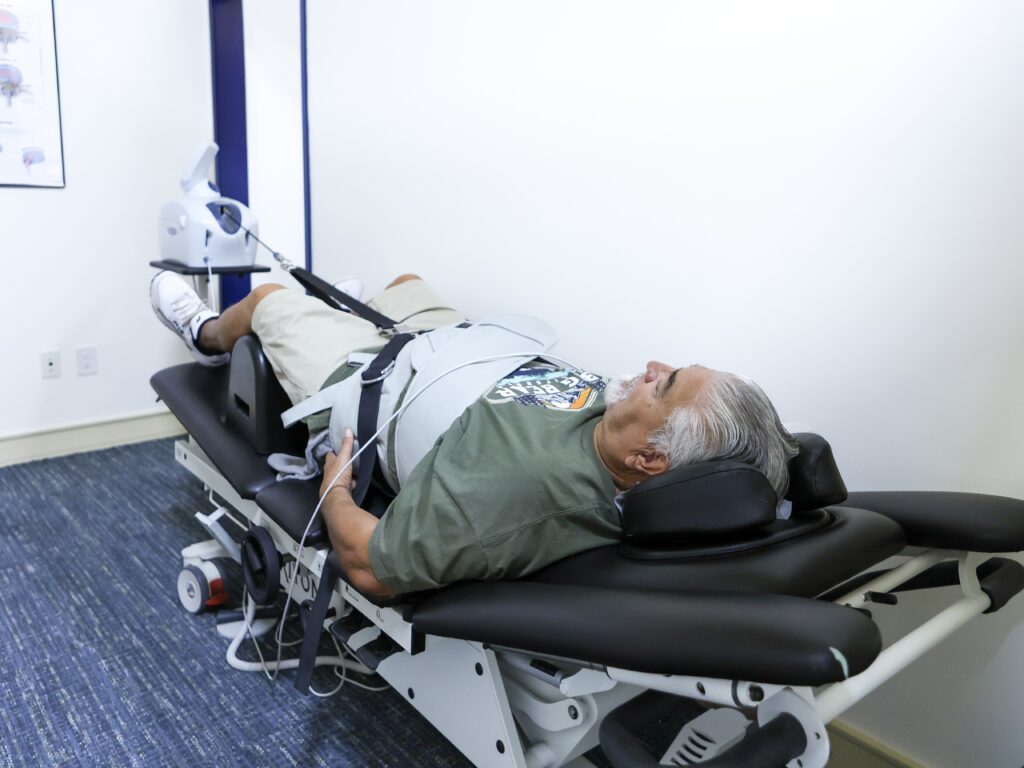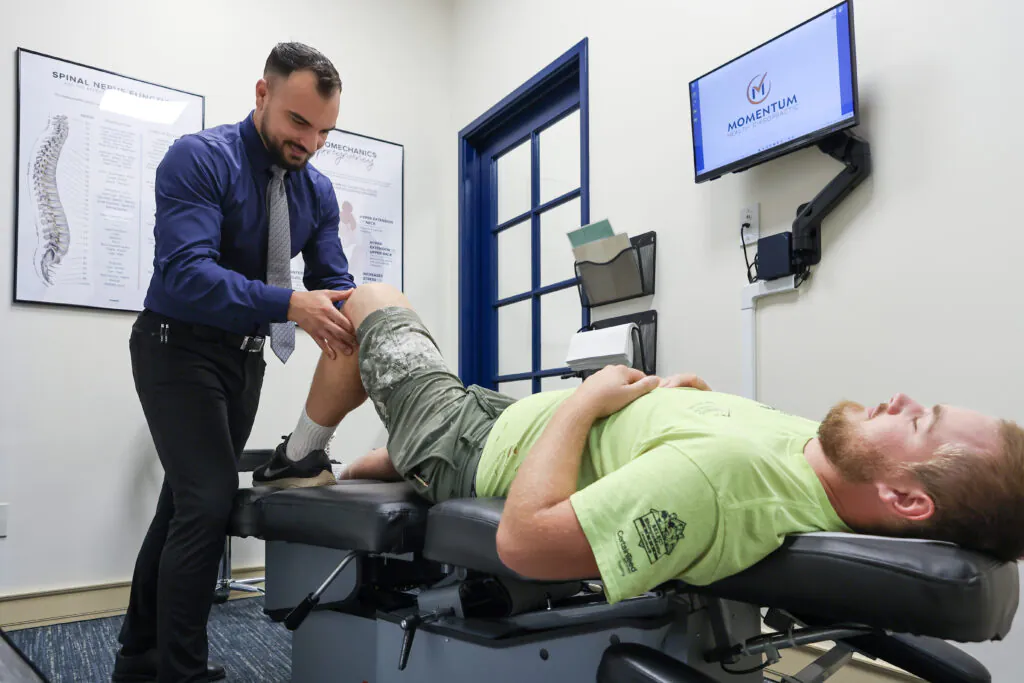

Managing chronic pain can often feel overwhelming, but it doesn’t have to be. As a chiropractor, I believe that understanding the complexities of your pain and exploring natural healing strategies can lead to significant relief. This journey goes beyond just temporary fixes; it’s about developing a personalized approach that respects your body’s unique needs.
Chiropractic care is a powerful tool in managing chronic pain. By focusing on spinal health and alignment, we can address the root causes of discomfort rather than just masking the symptoms. Regular chiropractic adjustments can help restore proper function to your nervous system, improve mobility, and reduce pain, allowing your body to heal itself naturally.
Wondering how to begin this transformative experience? Here are some tips to help you on your path to wellness:
- Stay Active: Gentle movement is vital. Consider low-impact exercises like walking, swimming, or yoga to keep your body engaged without straining it.
- Practice Good Posture: Whether you’re sitting at a desk or standing, maintaining proper posture can alleviate unnecessary stress on your spine and reduce pain.
- Stay Hydrated: Drinking plenty of water helps maintain the elasticity of the spinal discs and supports overall health.
- Listen to Your Body: Pay attention to what triggers your pain. Keeping a journal can help you identify patterns and make necessary adjustments.
- Regular Chiropractic Visits: Make chiropractic care a part of your routine. Regular adjustments can help manage pain levels and keep your body functioning optimally.
Curious about how chiropractic care can transform your experience with chronic pain? Let’s work together to uncover the keys to navigating this challenging landscape and achieve the natural wellness you deserve.
Key Takeaways
As a dedicated chiropractor, I want to share some effective strategies for managing chronic pain naturally, emphasizing the importance of chiropractic care for achieving optimal health and wellness.
- Begin by creating a personalized pain management plan that includes regular chiropractic adjustments. These adjustments can help realign your spine, reduce tension, and improve your overall mobility, providing significant relief from chronic pain. Combine this with gentle exercises tailored to your needs, which can enhance flexibility and strengthen supporting muscles.
- Don’t underestimate the power of nutrition. Embrace a balanced diet filled with anti-inflammatory foods—think leafy greens, berries, and healthy fats. Staying well-hydrated is equally important, as it supports your body’s healing processes and keeps your joints lubricated.
- Incorporating mind-body techniques into your routine can be transformative. Practices like meditation and visualization not only promote relaxation but can also help change how your brain perceives pain. These techniques can complement the benefits of chiropractic care, enhancing your overall well-being.
- Building a strong support network is crucial in your journey to manage pain. Surround yourself with family, friends, and healthcare professionals who understand your challenges and can provide encouragement. A supportive community can make a significant difference in your pain management journey.
- Consistency is key when it comes to treatment. Regular visits to your chiropractor can keep your spine aligned and your body functioning optimally. Additionally, consider natural remedies like turmeric, known for its anti-inflammatory properties. Always consult with your chiropractor to get personalized advice on how to incorporate these remedies into your routine.
By focusing on these holistic approaches and prioritizing chiropractic care, you can take meaningful steps toward managing chronic pain and enhancing your quality of life. Remember, optimal health is achievable through natural methods that empower you to take charge of your wellness journey!
Understanding Chronic Pain: The Basics
Chronic pain can feel like an uninvited guest that just won’t leave, affecting your daily life and overall well-being. It’s important to recognize that chronic pain lasts longer than three months and can arise from various conditions, such as arthritis, fibromyalgia, or past injuries.
Unlike acute pain, which serves a protective role, chronic pain often doesn’t have a clear cause, making it more difficult to manage.
If you’re dealing with chronic pain, you might feel a sense of isolation, especially since others may not fully understand your experience. It’s essential to acknowledge the emotional and psychological effects that accompany chronic pain; feelings of anxiety, depression, and frustration are common.
Remember, you’re not alone—many people are navigating similar challenges.
Understanding the nature of your pain can empower you to seek effective help. By identifying triggers and recognizing how pain impacts your daily activities, you can better advocate for yourself.
One of the best ways to manage chronic pain naturally is through chiropractic care. Chiropractors focus on spinal health and overall wellness, helping to restore balance to your body and alleviate pain without the need for medications or invasive procedures.
Here are some tips to help you cope with chronic pain:
- Stay Active: Gentle exercises, such as walking or stretching, can help maintain mobility and reduce stiffness. Your chiropractor can guide you in creating a tailored exercise program.
- Practice Relaxation Techniques: Mindfulness, meditation, and deep breathing exercises can help manage stress, which may exacerbate pain.
- Maintain Good Posture: Proper alignment can reduce strain on your body. A chiropractor can provide you with adjustments and advice on maintaining good posture throughout your day.
- Stay Hydrated and Eat Well: A healthy diet can support your body’s healing processes. Focus on whole foods, plenty of fruits and vegetables, and stay hydrated.
- Communicate with Your Chiropractor: Share your pain experiences and any changes you notice. Open communication can help them adjust your treatment plan to better suit your needs.
By embracing chiropractic care and these healthy habits, you can take steps toward managing your chronic pain naturally and improving your overall quality of life.
The Importance of a Comprehensive Pain Management Plan
Creating a comprehensive pain management plan is crucial for effectively alleviating chronic pain, and chiropractic care should be at the forefront of this approach. By tailoring treatment methods to your individual needs and collaborating with a dedicated chiropractic team, you can explore a variety of natural healing strategies that promote overall well-being.
Chiropractic care focuses on the underlying causes of pain, particularly those related to spinal health. By ensuring that your spine is properly aligned, you can enhance your body’s natural ability to heal itself. This holistic approach not only addresses pain but also promotes better mobility, improved posture, and overall vitality.
Here are some general tips for managing pain and enhancing your wellness:
- Stay Active: Regular movement is essential. Simple activities like walking or stretching can help maintain flexibility and reduce discomfort.
- Practice Good Posture: Be mindful of your posture, especially when sitting for long periods. Proper alignment can prevent unnecessary strain on your spine.
- Incorporate Relaxation Techniques: Stress can exacerbate pain. Techniques such as deep breathing, meditation, or yoga can help you relax and manage stress levels.
- Stay Hydrated and Maintain a Balanced Diet: Proper nutrition and hydration support your body’s healing processes and can help reduce inflammation.
- Utilize Chiropractic Adjustments: Regular visits to your chiropractor can help keep your spine aligned, reduce pain, and improve your overall health.
By focusing on these natural strategies and making chiropractic care a part of your pain management plan, you can work towards achieving optimal health and a more fulfilling life.
Individualized Treatment Approaches
When dealing with chronic pain, it’s crucial to understand that a one-size-fits-all approach simply doesn’t work. Everyone is unique, and that’s why an individualized care plan is key to finding relief. As a chiropractor, I believe that understanding the root causes of your pain is the first step toward healing.
Take some time to assess what you’re experiencing and share these insights with your chiropractor. Chiropractic care offers a natural and effective way to address pain without relying on medications or invasive procedures. Through targeted spinal adjustments and other holistic techniques, we can help restore proper function to your body and alleviate discomfort.
In addition to chiropractic adjustments, there are several tips and tricks you can incorporate into your daily routine to enhance your wellness journey. Simple practices such as gentle stretching, proper hydration, and maintaining good posture can make a significant difference.
Engaging in low-impact exercises, like walking or swimming, can also support your healing process. It’s important to stay proactive in your treatment plan. Regularly evaluate how you feel and communicate any changes with your chiropractor.
Multidisciplinary Care Team
Finding relief from pain often begins with chiropractic care, which offers a natural and effective approach to healing. While it’s important to recognize that pain management can involve various strategies, chiropractic care stands out as a primary method for addressing the root causes of discomfort.
As a chiropractor, I believe in the power of a comprehensive approach to wellness that focuses on the spine and nervous system. By aligning the spine and ensuring proper nerve function, we can help alleviate pain and improve overall health. You don’t have to navigate your pain alone; I’m here to guide you through a tailored plan designed just for you.
In addition to chiropractic adjustments, there are several simple strategies you can incorporate into your daily routine to enhance your healing process. Here are a few tips:
- Stay Active: Gentle exercises like walking, stretching, or yoga can help keep your body moving and reduce stiffness. Movement is essential for maintaining spinal health.
- Practice Good Posture: Be mindful of your posture when sitting, standing, or lifting. Proper alignment can significantly reduce strain on your spine.
- Stay Hydrated: Drinking plenty of water helps keep your discs hydrated and supports overall bodily functions.
- Balanced Nutrition: Eating a well-rounded diet rich in fruits, vegetables, lean proteins, and healthy fats can fuel your body and promote healing.
- Stress Management: Techniques like mindfulness, meditation, or deep breathing can help manage stress, which often contributes to pain.
Embracing chiropractic care as your primary method for pain relief not only helps you manage discomfort but also promotes a healthier lifestyle. Together, we can work towards optimal health and wellness, allowing you to live your life to the fullest.
Lifestyle Changes to Alleviate Pain
Managing chronic pain can be a daunting journey, but there are effective lifestyle changes you can embrace to ease discomfort and enhance your overall well-being, especially when combined with chiropractic care.
By focusing on simple daily habits, you can make significant strides toward relief and improved health. Here are some strategies to consider:
- Stay Active: Regular movement is crucial for your body. Engage in low-impact activities like walking or swimming. These exercises not only help release feel-good endorphins but also contribute to spinal health. A chiropractor can guide you on the best exercises tailored to your needs.
- Eat a Balanced Diet: Nutrition plays a vital role in managing pain. Focus on anti-inflammatory foods like fresh fruits, colorful vegetables, and whole grains. A balanced diet supports your body’s healing processes and complements chiropractic adjustments.
- Maintain a Healthy Weight: Carrying excess weight can place additional strain on your joints and spine. By achieving and maintaining a healthy weight, you can alleviate pressure and reduce pain levels. A chiropractor can provide insights on how to safely reach your weight goals.
- Prioritize Sleep: Quality sleep is essential for recovery. Aim for 7-9 hours of restful sleep each night. Proper sleep helps your body heal and manage pain more effectively, and your chiropractor can offer tips on optimizing your sleep posture for better spinal alignment.
- Limit Stress: Stress can exacerbate pain, so finding ways to relax is crucial. Incorporating relaxation techniques such as deep breathing or gentle yoga can help keep stress-related pain at bay. Chiropractic care can also assist in relieving tension and promoting relaxation.
Remember, while these lifestyle changes are beneficial, regular chiropractic care is a key component to achieving optimal health and pain relief.
A chiropractor can provide personalized treatment and guidance, helping you navigate your path to a healthier, pain-free life. Embrace these tips, and consider how chiropractic care can be an essential part of your wellness journey.
Mind-Body Techniques for Pain Relief
When managing chronic pain, mind-body techniques can be powerful allies on your journey to wellness. Practices such as meditation, breathing exercises, and visualization not only aid in coping but are also excellent ways to promote relaxation and reduce discomfort.
As a chiropractor, I believe that integrating these techniques with regular chiropractic care can significantly enhance your pain relief experience. Chiropractic care focuses on aligning the spine and optimizing nervous system function, which plays a crucial role in your overall health.
By combining mind-body techniques with chiropractic adjustments, you can create a holistic approach to pain management. Here are some simple tips to get you started:
- Breathing Exercises: Take a few minutes each day to practice deep breathing. Inhale deeply through your nose, allowing your abdomen to rise, then exhale slowly through your mouth. This can help reduce tension in your body and promote relaxation.
- Meditation: Find a quiet space and sit comfortably. Close your eyes and focus on your breath. If your mind wanders, gently bring your attention back to your breathing. Just a few minutes a day can help clear your mind and reduce stress, which can contribute to pain.
- Visualization: Picture a peaceful place or a time when you felt completely relaxed. Imagine the sights, sounds, and feelings associated with that moment. This technique can help shift your focus away from pain and promote a sense of calm.
- Stay Active: Gentle movements and stretches, guided by your chiropractor, can help maintain flexibility and strength. Incorporating light exercises into your routine can enhance the benefits of your chiropractic care.
- Regular Chiropractic Visits: Consistent adjustments can help keep your spine aligned and reduce pain. Your chiropractor can work with you to develop a personalized plan that aligns with your wellness goals.
By integrating these mind-body techniques with chiropractic care, you can empower yourself on your path to natural healing and optimal health.
Meditation for Pain Management
Meditation can be a valuable tool in managing chronic pain, but when combined with chiropractic care, it offers an even more holistic approach to health and wellness. By nurturing the connection between your mind and body, both practices can enhance your overall well-being. Here’s how meditation, alongside regular chiropractic adjustments, can benefit you:
- Pain perception: Meditation helps to shift your focus and alter how you perceive pain, making it feel less intense. Coupled with chiropractic adjustments that address misalignments in your spine, you may find even greater relief from discomfort.
- Stress reduction: Chiropractic care can help reduce physical stress on your body by improving spinal function. When combined with meditation, which lowers stress hormones, you create a powerful synergy that can alleviate pain.
- Enhanced focus: Regular meditation practice can improve your concentration, helping you distract yourself from discomfort. Chiropractic care also enhances your body’s overall function, making it easier to engage in meditation and other activities that promote relaxation.
- Emotional balance: Meditation promotes emotional resilience, helping you cope better with pain. Chiropractic care supports your nervous system, which plays a vital role in your emotional well-being. Together, they can create a more balanced approach to pain management.
- Improved sleep: Quality sleep is crucial for healing and reducing pain sensitivity. Chiropractic adjustments can promote better sleep by ensuring your spine is in alignment, while meditation can help calm your mind, leading to a more restful night.
Incorporating meditation into your daily routine alongside regular chiropractic care can significantly enhance your pain management journey.
Remember to listen to your body, take breaks when needed, and consider simple practices like deep breathing or guided imagery to support your efforts.
Breathing Exercises Benefits
Incorporating breathing exercises into your pain management routine can greatly enhance the benefits of chiropractic care. These simple yet powerful exercises help reduce stress, lower anxiety, and improve your overall well-being. By focusing on your breath, you can cultivate a sense of calm that helps alleviate pain, allowing chiropractic adjustments to work even more effectively.
Here’s a straightforward table highlighting the benefits of breathing exercises:
| Benefit | Description | How It Helps |
|---|---|---|
| Stress Reduction | Lowers cortisol levels | Relaxes muscles and eases tension |
| Improved Focus | Boosts mental clarity | Helps shift your attention away from pain |
| Enhanced Relaxation | Encourages a state of calm | Reduces heart rate and lowers blood pressure |
Regularly practicing these breathing techniques can empower you to take control of your pain and complement your chiropractic treatments. Remember, the more relaxed and focused you are, the better your body can respond to adjustments and healing.
As you work towards optimal health, consider integrating these breathing exercises into your daily routine. It’s a simple step towards a healthier, more balanced life—one that aligns perfectly with the benefits of chiropractic care.
Visualization Techniques Effectiveness
How can visualization techniques enhance your pain management strategy? As a chiropractor, I believe in the power of your mind and body working together to promote healing and wellness. Visualization techniques can be a valuable part of your pain relief journey, helping you tap into your body’s natural abilities to heal and find comfort.
By using your imagination, you can create mental images that foster relaxation and ease discomfort. Here are some effective visualization techniques you can try, alongside your chiropractic care:
- Picture a serene place: Imagine yourself on a beautiful beach or in a peaceful forest. Focus on the sights, sounds, and smells of this place to help shift your attention away from pain.
- Imagine a warm, healing light: Visualize a soothing light enveloping the area where you feel discomfort, promoting warmth and relief.
- Visualize joyful activities: Picture yourself engaging in hobbies or activities you love, completely free from pain. This can help inspire hope and a positive outlook.
- Create a mental “pain dial”: Imagine a dial that controls your pain level. Visualize yourself slowly turning it down, decreasing your discomfort with each adjustment.
- Utilize guided imagery: Consider listening to guided imagery recordings. These can help you focus and make your visualization practice even more effective.
Incorporating these visualization techniques alongside regular chiropractic care can greatly enhance your journey towards pain relief and optimal health.
Exploring Alternative Therapies
As you seek relief from chronic pain, consider the transformative power of chiropractic care. Many individuals have found that chiropractic adjustments not only alleviate discomfort but also enhance mobility by addressing the root causes of pain.
Unlike treatments that merely mask symptoms, chiropractic care focuses on restoring proper alignment and function to the spine and nervous system, leading to long-lasting results.
In addition to chiropractic adjustments, incorporating mindfulness and meditation can be beneficial. These practices help reduce stress and improve your overall pain tolerance. Simple techniques such as deep breathing or guided imagery can be easily integrated into your daily routine to promote relaxation and well-being.
Don’t overlook the benefits of gentle movement, too. Activities like yoga and tai chi complement chiropractic care by promoting flexibility and strength while emphasizing breath control.
These practices can enhance your body’s healing processes and support your journey toward optimal health.
To further support your wellness, consider natural options like herbal remedies, such as turmeric, known for its anti-inflammatory properties. Always consult with your chiropractor before starting any new supplements to ensure they align with your overall treatment plan.
Remember, consistency is key. By regularly visiting your chiropractor and engaging in complementary practices, you can discover what works best for your body.
Keep an open mind and embrace the holistic approach to managing your chronic pain effectively. Your path to wellness starts with informed choices and a commitment to your health!
Building a Support Network for Chronic Pain Management
Finding relief from chronic pain often requires a holistic approach, and establishing a strong support network can significantly enhance your journey toward wellness. Surrounding yourself with the right people can provide not only emotional support but also practical advice and motivation to stay on track with your health goals.
Here are some key components to consider when building your network:
- Family and Friends: Open up about your experiences with those closest to you. Their understanding and support can be invaluable as you navigate the ups and downs of managing chronic pain.
- Healthcare Professionals: Engage with chiropractors who specialize in spinal health and natural healing. They can guide you through effective treatment plans that focus on realigning your spine and restoring your body’s natural function, helping you achieve pain relief without the need for medications or invasive procedures.
- Support Groups: Look for local or online support groups where you can connect with others who understand what you’re going through. Sharing experiences and tips can create a sense of community and provide additional encouragement.
- Mental Health Support: Consider seeking out therapists who understand the emotional aspects of chronic pain. They can help you develop coping strategies that enhance your overall well-being and complement your chiropractic care.
- Community Resources: Explore local wellness centers that may offer workshops or classes focused on pain management and healthy living. These resources can provide valuable information and techniques to further support your journey.
Remember, a strong support network empowers you to take charge of your health and make your pain management journey more manageable.
Conclusion
Managing chronic pain effectively is all about embracing a holistic approach that considers your individual needs. Chiropractic care stands out as a powerful method for achieving pain relief and enhancing overall wellness. By incorporating lifestyle changes, spinal adjustments, and mind-body techniques, you can take charge of your pain journey with renewed confidence.
A key component of effective pain management is understanding the significance of spinal health. Your spine plays a crucial role in your overall well-being, and keeping it aligned can significantly reduce pain and improve function. Regular chiropractic adjustments help ensure that your spine is in optimal condition, allowing your body to heal naturally.
In addition to chiropractic care, don’t underestimate the importance of a supportive network. Surround yourself with friends and family who understand your challenges and can encourage you on your healing journey. Staying connected can uplift your spirits and reinforce your commitment to a healthier lifestyle.
Consistency is essential—make sure to stick to your personalized chiropractic care plan and incorporate other healthy habits into your routine. Simple changes, such as practicing good posture, staying active with gentle exercises, and managing stress through mindfulness techniques, can make a big difference in your pain levels.
Remember, you have the power to enhance your quality of life through natural healing methods like chiropractic care. By prioritizing spinal health and adopting a proactive approach to your wellness, you can discover effective ways to manage your chronic pain and live a more fulfilling life.