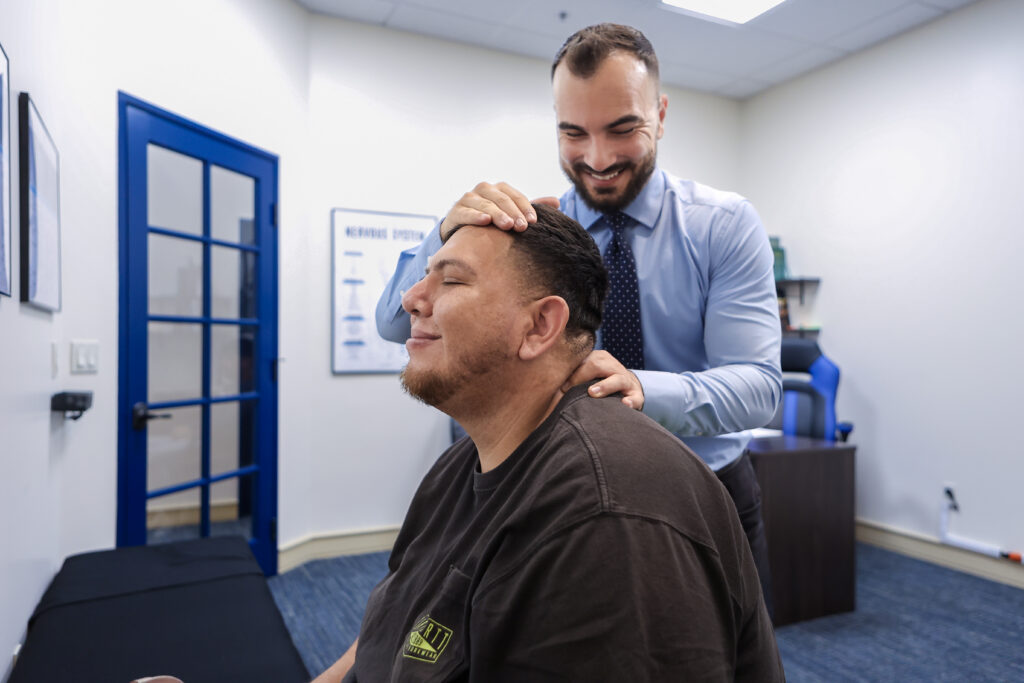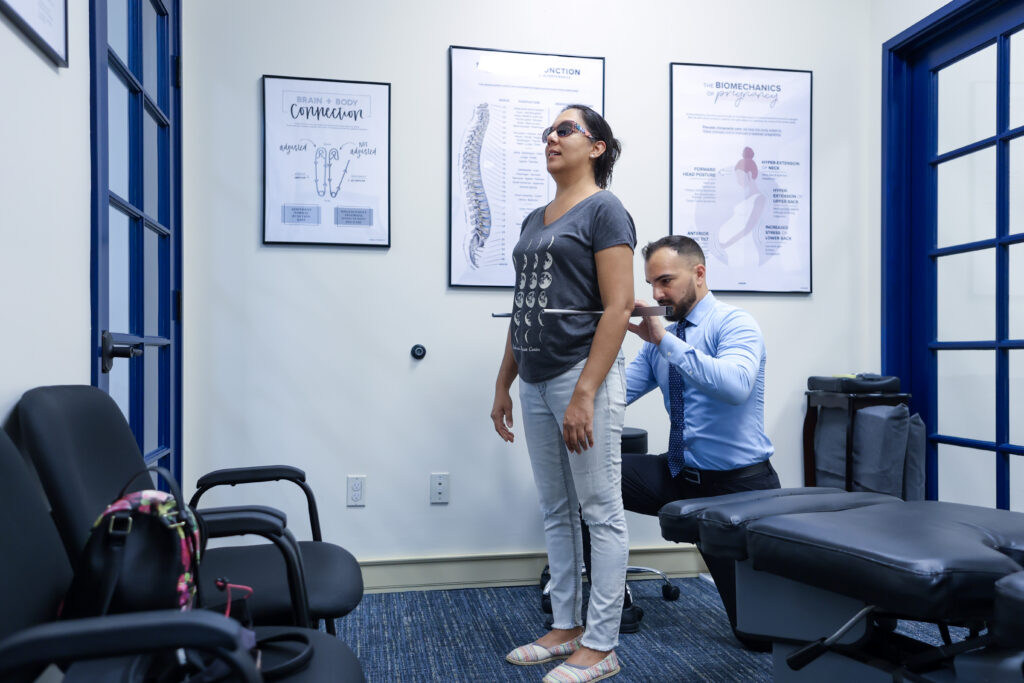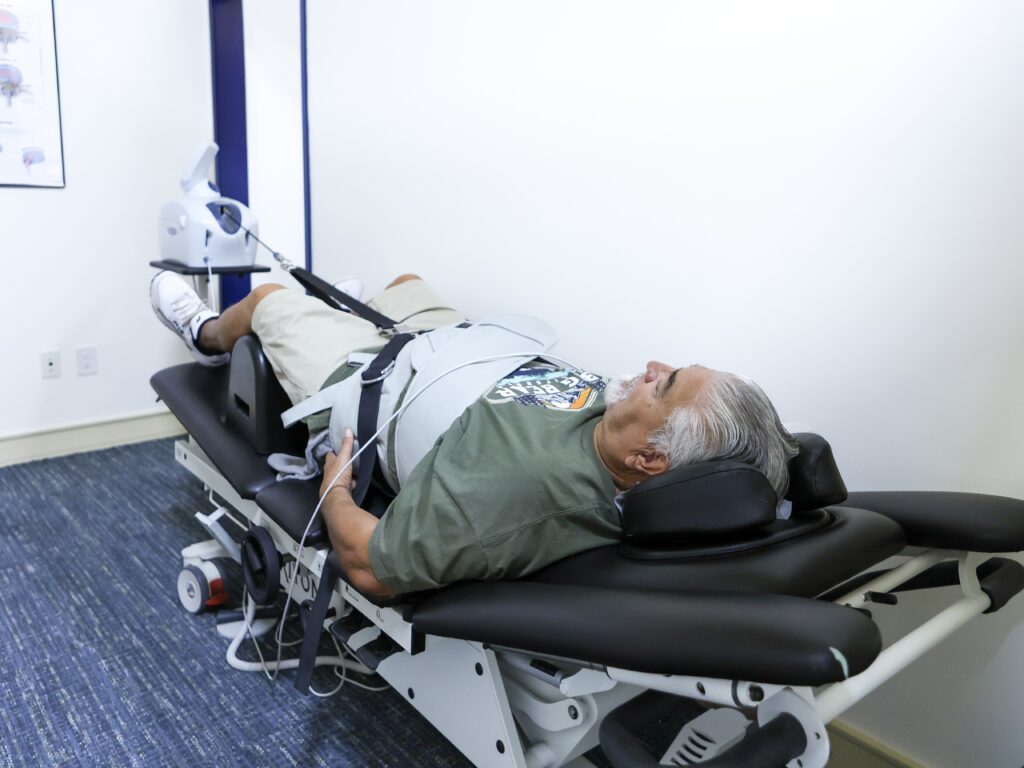

As a local chiropractor, I want to share with you how your daily habits can have a profound impact on your posture. Many people are unaware that small, mindful adjustments can lead to significant improvements in how you hold your body. By incorporating mindful breathing techniques, strengthening your core muscles, and optimizing your workspace, you can create a more supportive environment for your spine and overall health.
Additionally, integrating regular stretching routines into your day and establishing consistent movement habits can greatly enhance your well-being. These strategies are not just about improving posture; they can transform your daily life and contribute to your overall vitality. Are you interested in learning how these approaches can positively influence your posture? Let's delve into five effective ways to enhance your posture through natural care and support.
Practice Mindful Breathing
As a local chiropractor, I want to highlight the importance of mindful breathing in enhancing your posture and overall well-being. Many people are unaware that the way we breathe can significantly affect how we hold our bodies. By focusing on your breath, you can cultivate a deeper awareness of your posture, enabling you to identify and alleviate any tension or discomfort in your muscles.
To get started, find a comfortable position—whether sitting or standing. Inhale deeply through your nose, allowing your abdomen to expand fully. Hold that breath for a few moments, then exhale slowly through your mouth. As you release the breath, visualize any tension dissipating from your body. This simple yet effective practice can help relieve tightness in common areas such as your shoulders and neck, which often contribute to poor posture.
I encourage you to make mindful breathing a regular part of your daily routine. If you catch yourself slumping or hunching over, take a moment to pause. Engage in a few deep breaths and consciously align your body. Imagine a gentle string pulling you upward from the crown of your head, elongating your spine and promoting better posture.
Incorporating mindful breathing into your day—whether during a work break or while waiting in line—can yield significant benefits. Not only will you notice an improvement in your posture, but you'll also enhance your overall well-being. By staying present with your breath, you develop a greater sense of body awareness, leading to more intentional choices about how you carry yourself.
Over time, with consistent practice, you can expect to see a remarkable improvement in both your posture and confidence. As your chiropractor, I'm here to support you on this journey to better health and wellness.
Strengthen Core Muscles
As a local chiropractor, I want to emphasize the importance of mindful breathing and how it connects to your posture and core strength. When you breathe mindfully, you not only enhance your awareness but also prepare your body for a crucial aspect of good posture: core stability. Your core muscles—including the abdominal, back, and pelvic muscles—are fundamental in maintaining stability and alignment, which directly influences your overall posture.
A strong core supports your spine and helps you maintain an upright posture, reducing the risk of discomfort or injury. To develop your core strength, I recommend starting with exercises that specifically target these muscle groups. For example, exercises like planks, bridges, and abdominal twists can be very effective. Holding a plank for 30 seconds to a minute not only engages your core muscles but also builds endurance.
As you progress, you can challenge yourself with variations such as side planks or single-leg raises. Incorporating core engagement into your daily routine is also beneficial. When you're sitting or standing, try pulling your belly button toward your spine. This small change activates your core muscles and promotes better posture throughout the day.
Balance is another critical component of core strength. Practices like Pilates and yoga are excellent for improving core strength while also enhancing flexibility and body awareness. These approaches teach you to control your movements, which further supports your posture.
Optimize Your Workspace
As a local chiropractor dedicated to your well-being, I want to emphasize the importance of creating an ergonomic workspace to enhance your posture and overall health.
It all starts with your chair—make sure it's adjusted so your feet rest flat on the ground, or use a footrest if necessary. Your knees should be at or slightly below hip level to support proper alignment.
Next, let's talk about your desk height. When you're seated, your elbows should form a 90-degree angle while typing. This alignment is crucial as it helps prevent strain on your shoulders and wrists. If you're using a laptop, I highly recommend investing in a separate keyboard and mouse to maintain this ergonomic position.
Your computer monitor should be set at eye level and positioned about an arm's length away. This setup keeps your neck in a neutral position, reducing the likelihood of hunching or leaning forward—a common issue I see in patients. If you wear glasses, ensure that the screen height accommodates your prescription for optimal viewing.
To minimize discomfort during your workday, keep frequently used items within arm's reach. This will help you avoid unnecessary stretching and twisting.
A tidy workspace is also essential; reducing clutter allows you to maintain a relaxed and aligned posture.
Lastly, don't overlook the importance of lighting. Ideally, position your desk near natural light or use a desk lamp that minimizes glare on your screen. Proper lighting not only enhances visibility but also allows you to maintain a comfortable position without straining your eyes.
Incorporate Stretching Routines
As a local chiropractor, I'm here to share how incorporating regular stretching routines into your daily life can significantly enhance your posture and alleviate muscle tension.
Many of my patients are surprised to learn that stretching plays a crucial role in promoting proper alignment and overall wellness. By lengthening tight muscles through consistent stretching, you not only improve your flexibility but also boost your blood circulation, which is essential for optimal body function.
To help you get started on this journey to better health, I recommend integrating these fundamental stretches into your daily routine:
- Neck Stretch: Tilt your head gently to one side and hold for 15-30 seconds. This simple movement helps release tightness in your neck, which is often a source of discomfort for many.
- Shoulder Rolls: Take a moment to roll your shoulders forward and backward for about 30 seconds. This exercise alleviates tension and enhances shoulder mobility, which is vital for maintaining a healthy posture.
- Chest Opener: Stand tall, clasp your hands behind your back, and lift your arms slightly while pushing your chest forward. This stretch counters the common slouching posture we often adopt, especially when sitting for long periods.
- Cat-Cow Stretch: Position yourself on all fours and alternate between arching your back and lowering your belly. This dynamic stretch is excellent for enhancing spinal flexibility and easing tension in the back.
- Hamstring Stretch: While seated, extend one leg out in front of you and reach toward your toes. Hold this position for 15-30 seconds to loosen those tight hamstrings that can affect your overall mobility.
Incorporating these stretches into your daily routine can be a simple yet effective way to support your chiropractic care and promote natural healing.
Schedule Regular Movement
As a local chiropractor, I want to emphasize the importance of not just stretching, but also scheduling regular movement throughout your day to improve your posture and overall well-being. Many patients find themselves caught in a sedentary routine, particularly if they work at a desk or spend extended hours in front of a screen.
It's crucial to recognize that integrating movement into your daily schedule can profoundly impact how your body feels and functions. Consider setting reminders on your phone or using an app to remind you to stand up and move every hour. Even a brief walk around your office or home can do wonders.
When you take a moment to stretch your legs, you not only provide your muscles with a much-needed break but also enhance circulation—something that's essential for maintaining good posture. In addition to regular movement, I encourage you to incorporate simple exercises that focus on strengthening your core and back muscles.
These exercises are vital for supporting your spine. During your movement breaks, you could try seated leg lifts or wall sits, which can be easily done in most environments. If possible, consider opting for walking meetings or using standing desks to keep your body active throughout the day.
Don't overlook your leisure time, either. It's beneficial to replace some passive activities with more active ones. For instance, take a walk after dinner, choose the stairs over the elevator, or engage in gardening.
The key is to identify opportunities for movement that seamlessly fit into your lifestyle. By prioritizing regular movement, you'll not only enhance your posture but also significantly improve your overall health and well-being. Remember, a proactive approach to your movement habits can lead to lasting benefits in your chiropractic care journey.
Conclusion
As a local chiropractor, I want to share with you five effective strategies that can significantly improve your posture and enhance your overall well-being. Many of my patients are surprised to learn how simple changes can have such a profound impact on their health.
- Mindful Breathing: Start by practicing mindful breathing. This not only calms your mind but also helps in aligning your spine by encouraging proper ribcage expansion.
- Core Strengthening: Focus on strengthening your core muscles. A strong core provides stability to your spine and pelvis, which is essential for maintaining good posture.
- Optimizing Your Workspace: Take a look at your workspace. Ensuring that your desk, chair, and computer are ergonomically arranged can make a world of difference in how you sit and stand throughout the day.
- Regular Stretching: Incorporate regular stretching into your routine. This helps to relieve muscle tension and improve flexibility, which are crucial for maintaining a healthy posture.
- Scheduling Movement: Lastly, don't forget to schedule movement throughout your day. Whether it's short walks or brief exercise sessions, keeping your body active can significantly reduce the risks associated with prolonged sitting.
Remember, small changes can lead to significant improvements in your posture and overall health. I encourage you to start integrating these strategies into your daily life and track your progress. As you develop these healthier habits, your body will thank you with a stronger, more aligned posture! If you have any questions or need guidance, feel free to reach out. Your journey to better posture can begin today!