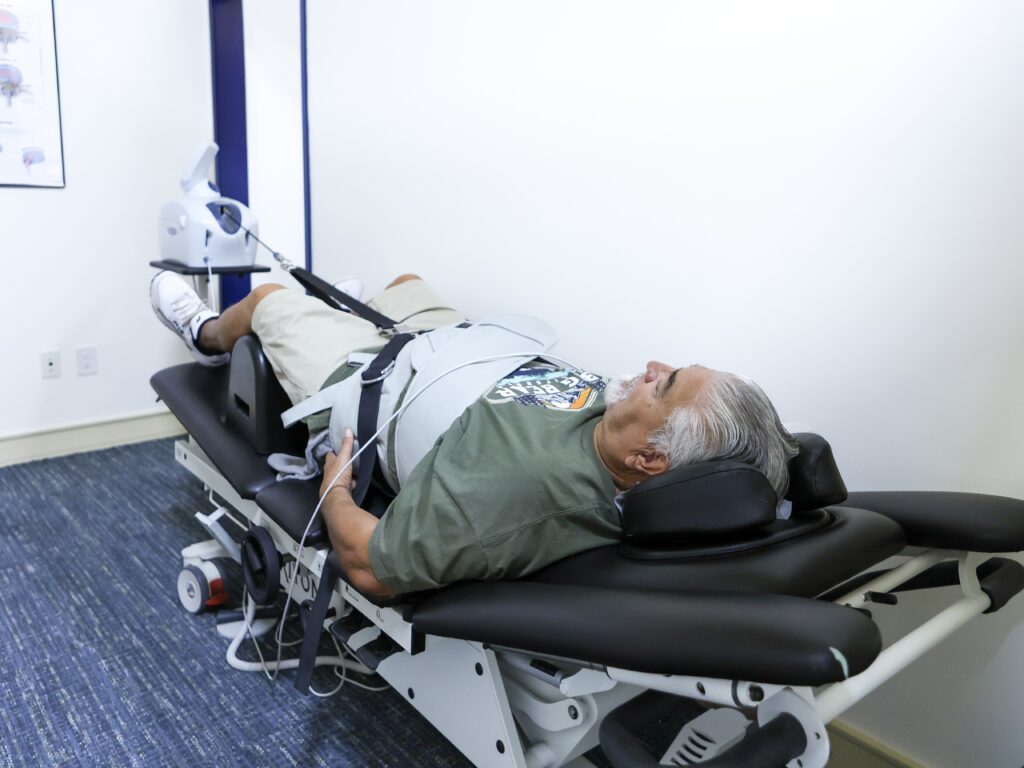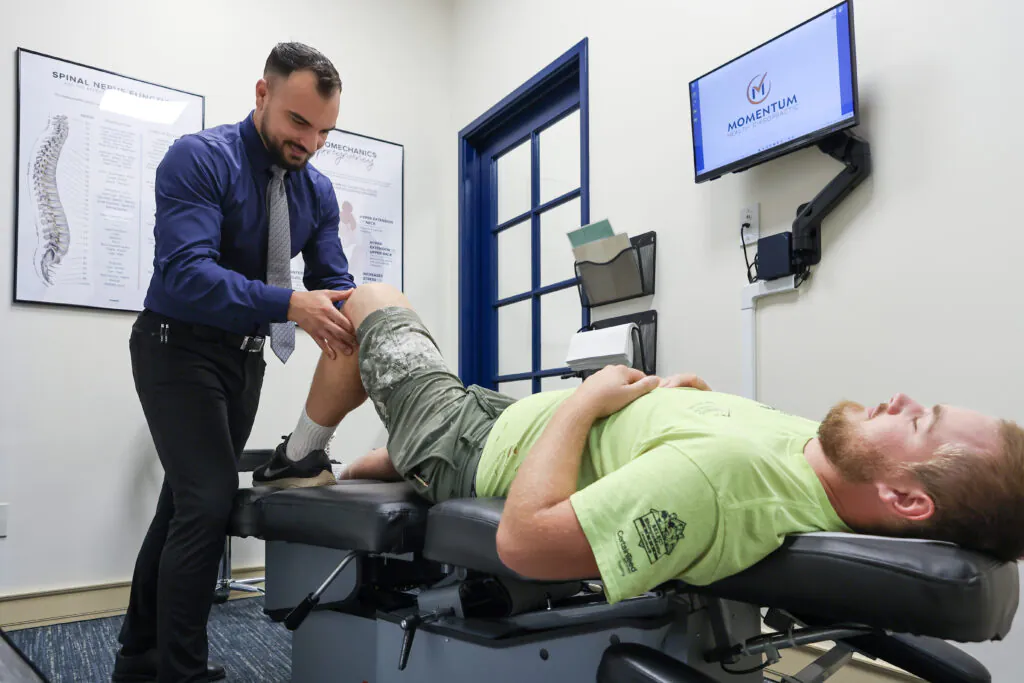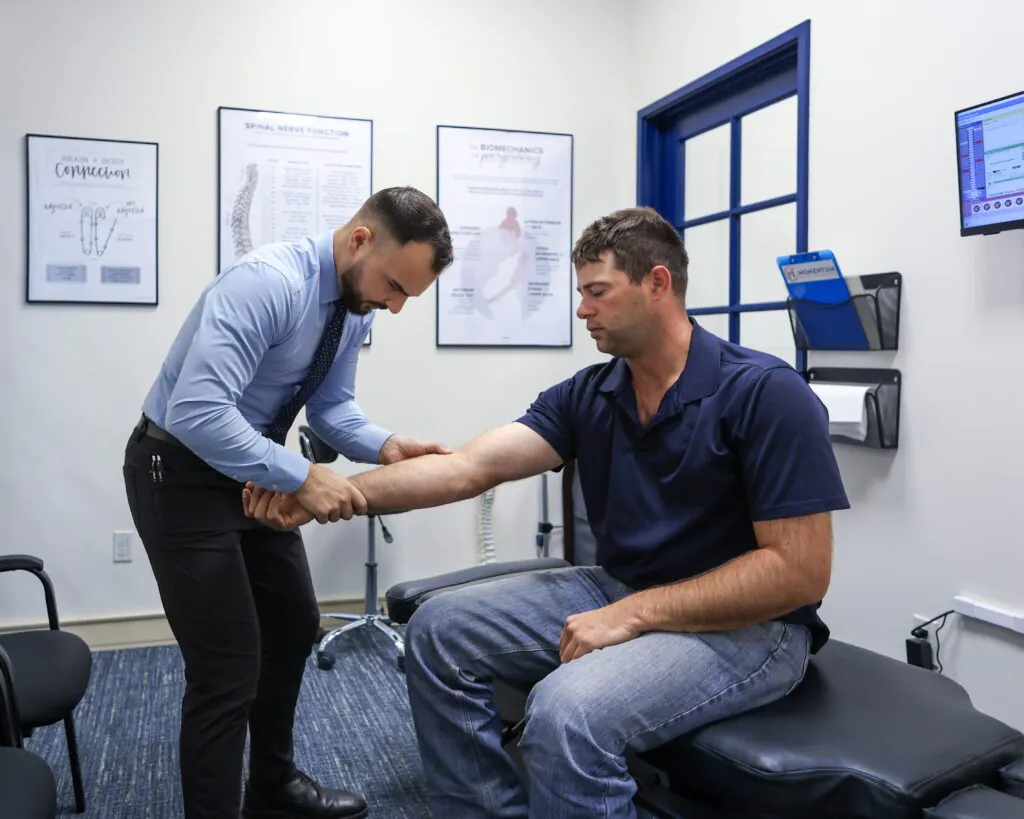

As a local chiropractor, I often see patients struggling with arthritis pain, and I want to share some effective natural relief methods that can truly make a difference. One of the first steps you can take is to adjust your diet. Incorporating anti-inflammatory foods can help reduce pain and improve your overall health.
Regular exercise is another crucial aspect of managing arthritis. Gentle activities like walking, swimming, or yoga can enhance your mobility and strengthen your joints. Additionally, I encourage my patients to explore mindfulness practices, such as meditation or deep-breathing exercises, which can help you manage stress and promote relaxation.
It's fascinating to see how simple lifestyle changes can lead to significant improvements in your quality of life. By adopting these strategies, you can empower yourself to take control of your pain management journey. I'm here to help you discover which options might work best for you and guide you toward a more comfortable, active life. Let's work together to find the right approach for your needs!
Anti-Inflammatory Diet
As a local chiropractor, I want to share some valuable insights about how an anti-inflammatory diet can significantly alleviate arthritis pain and enhance your overall well-being. By integrating certain foods into your meals, you can effectively reduce inflammation and promote joint health, which is crucial for maintaining optimal mobility.
Let's start with fruits and vegetables. These foods are abundant in antioxidants that help combat oxidative stress, a contributor to inflammation. I recommend incorporating a variety of berries, leafy greens, and cruciferous vegetables like broccoli into your diet.
Next, it's important to focus on healthy fats. Foods such as olive oil, avocados, and nuts are rich in essential fatty acids that can help decrease inflammation in your body. Additionally, don't overlook fatty fish—options like salmon, mackerel, and sardines are excellent sources of omega-3 fatty acids, which are particularly effective at fighting inflammation and supporting joint health.
On the flip side, I encourage you to limit or avoid processed foods, refined sugars, and trans fats. These items can worsen inflammation and contribute to discomfort. Instead, opt for whole grains like brown rice and quinoa. These not only provide fiber and important nutrients but also help maintain stable blood sugar levels, which is beneficial for overall health.
Incorporating spices like turmeric and ginger into your meals can also be a game-changer. These spices contain natural anti-inflammatory properties that may help with pain relief. You might also want to explore herbal teas—certain types, like green tea, may contribute to reducing inflammation as well.
Lastly, don't forget the importance of hydration! Drinking plenty of water throughout the day is essential for supporting all bodily functions, including proper joint lubrication.
Regular Exercise
As a local chiropractor, I want to share with you the incredible benefits of regular exercise in managing arthritis pain and enhancing joint function. Engaging in consistent physical activity is one of the most effective natural methods to support your body. It helps to strengthen the muscles surrounding your joints, providing them with better support and reducing unnecessary strain.
Additionally, regular movement increases flexibility, which is crucial for maintaining a good range of motion and preventing stiffness. You don't have to dive into rigorous workouts to experience these advantages. Low-impact exercises, such as swimming, cycling, or even walking, are fantastic options. These activities keep your joints active without putting excessive pressure on them.
I recommend aiming for at least 150 minutes of moderate aerobic exercise each week, spread out over several days. This can easily be broken down into manageable sessions—just 10 to 15 minutes at a time can make a difference. Incorporating strength training into your routine is also vital for joint health.
Focus on exercises that target major muscle groups at least twice a week. Using resistance bands or light weights is a great way to build strength while being gentle on your joints. Additionally, practices like yoga or tai chi can enhance flexibility and promote a sense of relaxation.
It's important to listen to your body throughout this process. Balancing exercise with adequate rest is key. If you find yourself experiencing pain during or after an activity, it's wise to adjust your routine.
I encourage you to consider consulting with a chiropractor or a physical therapist for personalized guidance tailored to your specific needs. By committing to regular exercise, you're taking a proactive approach towards managing arthritis pain and enhancing your overall quality of life. Embrace this journey towards natural healing and better health!
Hot and Cold Therapy
As a local chiropractor, I want to share some valuable insights about hot and cold therapy, which can be incredibly effective in managing arthritis pain and enhancing joint function.
When you apply heat to the affected areas, it increases blood flow, providing relief from stiffness and helping to relax tight muscles. Simple methods like using a warm towel, heating pad, or enjoying a warm bath can work wonders for those achy joints.
Just remember, it's crucial to keep the heat at a comfortable level to prevent burns, and aim to limit each session to about 15-20 minutes.
Conversely, cold therapy is a fantastic option for reducing inflammation and numbing sharp pain. Utilizing ice packs, frozen peas, or a cold compress can significantly help manage flare-ups.
Applying cold therapy for approximately 10-15 minutes can decrease swelling and provide quick relief. Always use a cloth or towel between the ice pack and your skin to avoid frostbite.
For optimal results, consider combining these two therapies. For example, you might start with heat to loosen up tight muscles and then follow up with cold therapy to reduce any swelling.
This alternating approach can promote faster recovery and alleviate discomfort throughout your day.
It's essential to listen to your body and find the right balance that suits you. Take some time to experiment with different temperatures and durations to discover what feels best for you.
Incorporating hot and cold therapy into your routine can be an effective, drug-free strategy for managing arthritis pain and enhancing your overall quality of life.
Mindfulness and Meditation
As a local chiropractor, I want to share some insights on how mindfulness and meditation can serve as effective tools for managing arthritis pain and enhancing your overall health. These practices encourage you to focus on the present moment, which can significantly reduce the stress and anxiety that often accompany chronic pain.
To get started, find a quiet space where you can sit comfortably. Close your eyes and take a few deep breaths, inhaling deeply through your nose and exhaling slowly through your mouth. As you breathe, allow your mind to settle. It's natural for thoughts to arise, but practice letting them come and go without judgment. If your mind drifts to thoughts of pain, gently guide your focus back to your breath. This simple exercise can foster a sense of calm and help you separate from discomfort.
Incorporating meditation into your routine can also help cultivate a more positive mindset. I encourage you to explore guided meditations specifically tailored for pain relief. These sessions often utilize visualizations and affirmations designed to reinforce your ability to manage and cope with arthritis pain. There are many apps and online platforms available that provide these resources, making it easy to integrate them into your daily life.
As you engage in mindfulness and meditation, you may notice an improvement in your emotional resilience. By acknowledging and accepting your pain without allowing it to dominate your thoughts, you may feel more empowered in your journey toward relief.
Herbal Supplements
As a local chiropractor, I want to share some valuable information about managing arthritis pain through natural healing methods. While practices like mindfulness and meditation can greatly assist with the mental aspects of pain, incorporating herbal supplements into your wellness routine can provide additional physical relief.
Many of my patients have found success using natural remedies alongside their treatment plans. One of the most notable options is turmeric, which contains curcumin known for its powerful anti-inflammatory properties. You can easily integrate turmeric into your diet, whether you prefer taking it in capsule form or adding it to your meals to help reduce swelling and pain.
Another herbal ally is ginger, renowned for its anti-inflammatory effects. Drinking ginger tea or taking ginger supplements can be a beneficial addition to your pain management strategy.
Boswellia, or Indian frankincense, has been utilized for centuries in traditional medicine to address inflammatory conditions. Research indicates that it can enhance joint function and alleviate pain. I encourage my patients to consider adding Boswellia supplements to their routine for possible benefits.
Willow bark is another herbal option that might help relieve pain. It's believed to work similarly to aspirin, providing relief from both pain and inflammation. However, it's crucial to consult with your healthcare provider before introducing any new supplement, especially if you're currently on other medications.
Lastly, I emphasize the importance of checking the quality and dosage of any herbal supplements you consider. Not all products are created equal, so seeking reliable sources is essential.
Conclusion
As a local chiropractor, I want to share some effective natural techniques that can help relieve your arthritis pain. First and foremost, adopting an anti-inflammatory diet is essential. It can significantly reduce inflammation and pain in your joints. Staying active through regular exercise is also crucial; it not only helps maintain mobility but strengthens the muscles around your joints, providing better support.
In addition, utilizing hot and cold therapy can be a simple yet effective way to manage discomfort. Heat can help relax your muscles, while cold therapy can reduce swelling and numb the pain. I also encourage you to incorporate mindfulness and meditation into your daily routine. These practices can greatly reduce stress, which often exacerbates pain.
Lastly, consider adding herbal supplements like turmeric and ginger to your regimen. These natural anti-inflammatories can be beneficial, but it's always wise to consult with your healthcare provider before starting any new supplement. Remember, you have the tools to manage your pain and improve your overall quality of life through these holistic approaches!