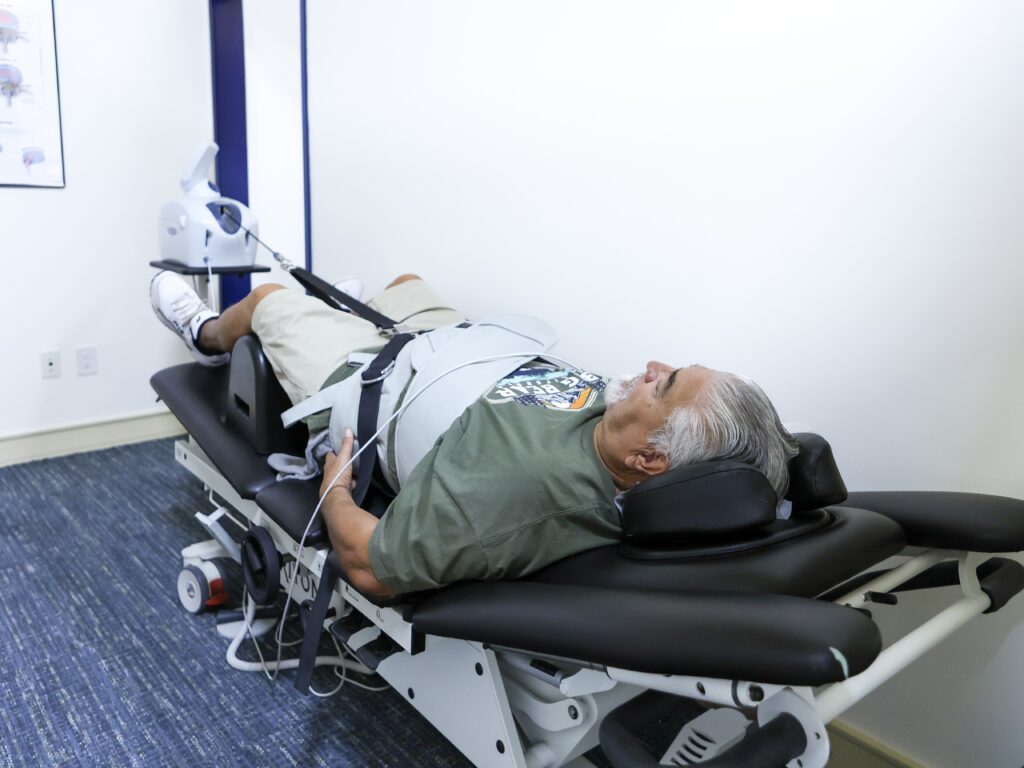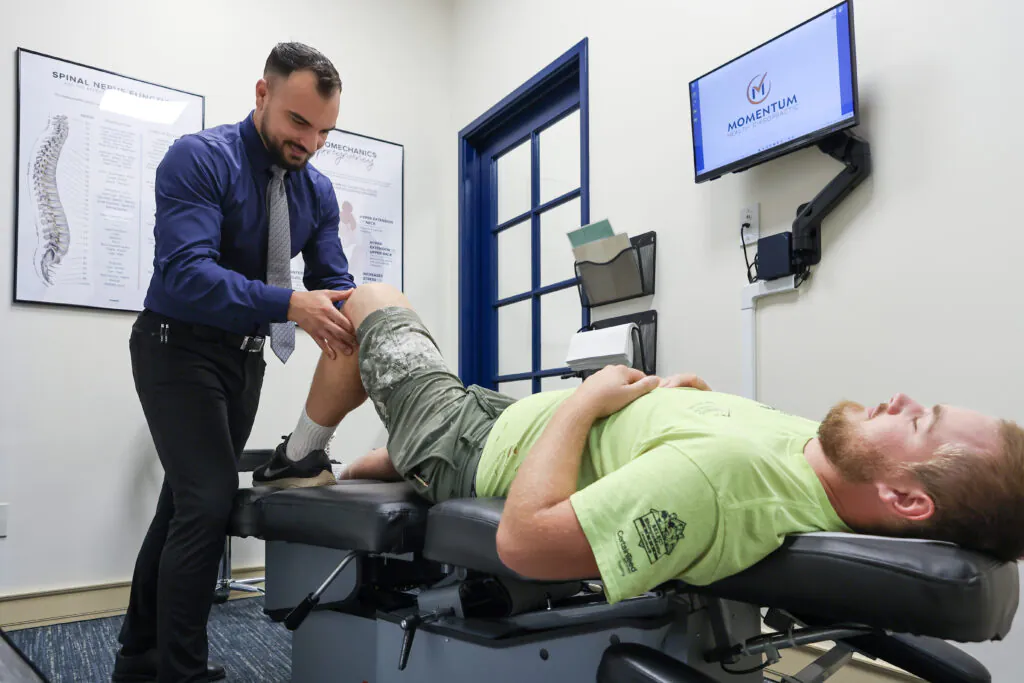

As a local chiropractor, I understand that many of you may be struggling to achieve a restful night's sleep. You might be surprised to learn that simple adjustments can lead to significant improvements in your sleep quality. Establishing a consistent sleep schedule and incorporating a calming bedtime routine are essential first steps to prepare your mind and body for restorative rest.
However, the journey to better sleep doesn't end there. The environment you sleep in and your dietary choices also play crucial roles in the quality of your slumber. As we delve into these ten steps, you'll discover effective, natural strategies that can enhance your overall well-being and transform your sleep. Interested in learning more about these essential adjustments? Let's explore how chiropractic care and holistic practices can support you in achieving the restful nights you deserve.
Establish a Consistent Sleep Schedule
As a local chiropractor dedicated to promoting overall health and wellness, I want to share one of the simplest yet most effective strategies to enhance your sleep quality: establishing a consistent sleep schedule. When you maintain a regular bedtime and wake-up time each day, you help regulate your body's internal clock, which is crucial for optimal health. This consistency not only makes it easier to fall asleep but also allows you to wake up feeling refreshed and ready to take on the day.
First, it's important to understand how many hours of sleep your body needs for peak performance. Most adults thrive on seven to nine hours of restorative sleep. Once you identify your ideal sleep duration, set a bedtime and wake-up time that aligns with those needs. I encourage you to stick to this schedule every day, including weekends, to reinforce your body's natural rhythm.
If you're finding it difficult to fall asleep at your designated bedtime, consider making gradual adjustments to your sleep schedule. Shift your bedtime earlier or later by 15 to 30 minutes each night until you reach your desired target time.
Additionally, try to avoid napping during the day, particularly in the afternoon, as this can interfere with your ability to fall asleep at night.
It's also essential to listen to your body's signals. If you often feel tired throughout the day, it may indicate that you need to further adjust your sleep schedule.
Remember, consistency is crucial. By committing to a regular sleep routine, you aren't only improving your sleep quality but also enhancing your overall health and well-being.
Create a Relaxing Bedtime Routine
How can you effectively wind down after a long day? As a chiropractor, I understand the importance of a relaxing bedtime routine for both your physical and mental well-being. Establishing a consistent time each night to begin your wind-down process can signal your body that it's time to relax and prepare for restorative sleep.
To start, consider incorporating gentle stretches or light yoga into your routine. These movements can help alleviate tension held in your muscles and improve your overall flexibility. Pay attention to your breathing; deep, slow breaths not only calm your mind but also promote better spinal alignment and relaxation throughout your body.
It's also wise to limit screen time in the evening. The blue light from devices can disrupt your circadian rhythm and hinder your ability to fall asleep. Instead of scrolling through your phone, opt for a good book or listen to soothing music. Choose calming genres that allow your mind to unwind rather than those that might keep you mentally stimulated.
Another beneficial practice is to take a warm bath or shower before bed. The drop in body temperature afterward can help cue your body that it's time to sleep. Enhancing your bath with essential oils like lavender or chamomile can further promote relaxation. You might consider using a diffuser or applying diluted oils to your skin for a calming effect.
Lastly, journaling for a few minutes can be a great way to clear your mind. Writing down your thoughts or jotting down things you're grateful for can help release the stress of the day, making it easier to transition into sleep.
Optimize Your Sleep Environment
As a local chiropractor dedicated to your overall wellness, I want to emphasize the importance of optimizing your sleep environment for better rest and recovery.
Quality sleep is crucial for your body to heal and function properly. Start by maintaining a comfortable room temperature that promotes relaxation.
Additionally, reducing light exposure can help regulate your sleep-wake cycle, making it easier to drift off. You might also want to consider soundproofing techniques to minimize disturbances.
These simple adjustments can significantly enhance your sleep quality, allowing your body to rejuvenate and support your healing process.
Ideal Room Temperature
As a local chiropractor dedicated to promoting overall wellness, I want to emphasize the importance of a comfortable sleeping environment and how it can significantly impact your health, including your spine and nervous system.
Achieving the perfect room temperature is crucial for a restorative night's sleep, which, as you know, plays a key role in your body's healing and recovery processes. Most sleep experts recommend maintaining a temperature between 60 to 67 degrees Fahrenheit for optimal rest.
If your room is too hot or too cold, it can interfere with your sleep cycle, resulting in restless nights and sluggish mornings. This can lead to increased tension in your muscles and spine, exacerbating any discomfort you might already be experiencing.
To create your ideal sleeping environment, start by adjusting your thermostat before bedtime. If you tend to feel chilly at night, think about layering your bedding or using a heated blanket, which can help keep your muscles relaxed.
Conversely, if you often wake up feeling too warm, a fan or air conditioning can help maintain a cooler atmosphere, allowing your body to rest properly. It's also essential to consider your personal comfort.
Everyone has unique preferences, so take the time to experiment within that 60 to 67-degree range to discover what feels best for you. Additionally, using breathable fabrics for your sheets and pajamas, such as cotton or linen, can help regulate your body temperature, further enhancing your comfort throughout the night.
Remember, small adjustments to your sleep environment can lead to significant benefits for your overall wellness. By prioritizing the right room temperature, you're not just setting the stage for better sleep; you're also supporting your body's natural healing processes.
Give yourself the gift of restorative slumber, and experience the positive effects on your health and well-being.
Minimize Light Exposure
As a local chiropractor, I often emphasize the importance of a restful night's sleep for overall health and wellness. One factor that can significantly disrupt your sleep quality is light exposure, whether it comes from streetlights or the screens of electronic devices.
To help you achieve the restorative sleep your body needs, it's crucial to minimize this light exposure in your sleep environment. Here are some effective strategies to consider:
- Invest in blackout curtains: These curtains are designed to block out external light effectively, creating a dark and soothing space that promotes better sleep.
- Limit your screen time before bed: Aim to turn off your phones, tablets, and TVs at least an hour before you plan to sleep. The blue light emitted by these devices can interfere with your body's natural sleep cycle, making it harder to fall and stay asleep.
- Choose dim lighting: When it's time to wind down, opt for soft, warm lighting instead of bright fluorescents. This gentle lighting helps signal to your body that it's time to relax and prepare for sleep.
- Try using sleep masks: If you find it difficult to achieve total darkness in your bedroom, a comfortable sleep mask can be a great alternative to block out any remaining light.
By implementing these strategies, you can create a more conducive sleep environment that supports your body's natural healing processes.
Soundproofing Techniques
As a local chiropractor dedicated to promoting overall wellness, I often see how disrupted sleep can impact your health and well-being. Creating a quiet, peaceful sleep environment is essential for recovery and healing.
Let's explore some effective soundproofing techniques that can help you achieve that restful sleep your body craves.
First, consider investing in heavy curtains or soundproof blinds. Not only do they block out light, but they also absorb outside noise, which can be especially beneficial if you live in a busy area.
If you're in an apartment or near a bustling street, adding a thick rug can help dampen sound from below, further enhancing your sleep environment.
Next, it's important to seal any gaps around your windows and doors with weather stripping. This simple adjustment can significantly reduce drafts and unwanted noise infiltration, creating a calmer atmosphere for relaxation.
Additionally, acoustic panels or foam tiles on your walls can greatly minimize echo and absorb noise, making your space more conducive to sleep.
For immediate relief from disruptive sounds, consider using white noise machines or apps. These devices create a consistent, soothing sound that can help mask abrupt noises, promoting a more restful sleep.
Earplugs are another quick solution, effectively blocking out sudden disturbances that might interrupt your slumber.
Lastly, think about rearranging your furniture. Placing larger pieces, like bookshelves, against shared walls can provide added sound insulation.
By incorporating these soundproofing techniques, you can cultivate a tranquil environment that supports restorative sleep, which is vital for your health and recovery.
Creating a serene sleep space is just one aspect of maintaining your overall wellness. As your chiropractor, I'm here to help you explore other natural healing methods to enhance your well-being.
Limit Screen Time Before Bed
As a local chiropractor who values holistic health, I want to emphasize the importance of setting a digital curfew each night to enhance your sleep quality.
Many of my patients are unaware that the blue light emitted from screens can interfere with your body's natural sleep cycle, making it more challenging to drift off to sleep.
Instead of scrolling through your devices, I encourage you to engage in calming activities such as reading a good book or practicing meditation.
These natural methods can help relax your mind and body, preparing you for a restorative night's sleep, which is essential for overall well-being and optimal spinal health.
Prioritizing good sleep hygiene is a key component of your journey toward better health.
Digital Curfew Importance
In our modern world, where screens are an integral part of our daily lives, I want to emphasize the importance of establishing a digital curfew for your overall well-being, especially when it comes to sleep quality. As a chiropractor, I understand how vital restorative sleep is for your body's healing and function. Limiting screen time before bed can significantly improve your rest.
Here's why a digital curfew is crucial for better sleep and, consequently, better health:
- Reduces Stimulation: By turning off screens at least an hour before bedtime, you help your brain unwind from the day's mental stimulation. This reduction in cognitive overload allows your mind to relax, promoting a smoother transition into sleep.
- Encourages a Wind-Down Routine: Setting a specific time to disconnect from digital devices encourages you to develop calming pre-sleep rituals. Engaging in activities like reading a book or practicing meditation can help prepare both your mind and body for restorative sleep.
- Improves Sleep Environment: Creating a screen-free bedroom fosters a peaceful atmosphere that's conducive to sleep. A serene sleep environment helps facilitate the body's natural healing processes, something I often stress in my practice.
- Enhances Sleep Consistency: A digital curfew can help you establish a regular sleep schedule. Consistency in your sleep patterns is essential for optimal recovery and function, making it easier to fall asleep and wake up feeling refreshed.
You don't need to make drastic changes to implement a digital curfew; even small adjustments can yield significant improvements in your sleep quality.
I encourage you to set these boundaries for yourself. By doing so, you'll likely experience better rest, which will lead to increased energy and focus throughout your day. Your body will thank you!
Blue Light Effects
As a local chiropractor, I want to share some important information about how blue light from screens can impact your sleep quality. Many of you may not realize that exposure to blue light, especially before bedtime, can disrupt the natural production of melatonin in your body.
Melatonin is a hormone crucial for regulating your sleep-wake cycle. When this process is disturbed, you might find it more challenging to fall asleep, leading to a decrease in the overall quality of your rest.
To combat these effects, I recommend limiting your screen time in the hours leading up to bedtime. Think of it as setting a digital curfew for yourself—perhaps an hour or two before you plan to sleep. This practice allows your mind to relax and signals to your body that it's time to wind down.
Instead of scrolling through social media or binge-watching your favorite shows, try engaging in screen-free activities like reading a book, practicing mindfulness, or gentle stretching.
If you absolutely need to use screens, consider utilizing blue light filters or wearing specialized glasses designed to block blue light. However, the most effective strategy is to minimize your exposure to screens altogether during those crucial hours before bed.
By making these simple adjustments, you can significantly enhance your chances of achieving a restful night's sleep and waking up feeling rejuvenated.
Alternative Evening Activities
As a local chiropractor dedicated to promoting natural healing and overall well-being, I want to emphasize the importance of engaging in enjoyable evening activities that can significantly improve your sleep quality.
By minimizing screen time before bed, you can create a soothing environment conducive to restful sleep, which is vital for your body's recovery and healing processes.
Here are some alternative evening activities you might consider incorporating into your routine:
1. Reading a Book: Select a novel or a piece of non-fiction that captivates you. Immersing yourself in a good book allows you to unwind and shift your focus away from the stresses of the day, all while avoiding the blue light emitted by screens that can disrupt your sleep cycle.
2. Meditation or Yoga: Spend 15-30 minutes practicing mindfulness or gentle yoga. These activities not only reduce stress but also promote alignment and relaxation, preparing both your mind and body for restorative sleep.
As a chiropractor, I often recommend these practices to support spinal health and overall wellness.
3. Journaling: Take some time to write down your thoughts, aspirations, or things you're grateful for. Journaling can help you process the day's events and clear your mind, which is essential for relaxation and can enhance the quality of your sleep.
4. Creative Hobbies: Engage in activities such as drawing, knitting, or playing a musical instrument. These creative outlets serve as excellent stress relievers and can help you disconnect from daily pressures, contributing positively to your mental and physical health.
By incorporating these activities into your evening routine, you not only support your sleep quality but also foster a holistic approach to your well-being.
Watch Your Diet and Caffeine
As a local chiropractor dedicated to promoting holistic health and natural healing, I want to emphasize how important your diet and caffeine intake are for achieving better sleep. The foods and beverages you consume during the day can significantly impact your ability to relax at night and enjoy restorative sleep.
First, let's talk about meal timing. Eating heavy meals too close to bedtime can lead to discomfort, which can disrupt your sleep cycles. I recommend finishing your last meal at least two to three hours before you plan to go to bed. This gives your body the time it needs to digest properly, allowing you to rest more comfortably.
Caffeine is another crucial factor when it comes to sleep quality. It's present in coffee, tea, chocolate, and many soft drinks. As a stimulant, caffeine can stay in your system longer than you may realize. If you find that you're sensitive to caffeine, it might be beneficial to avoid it by the afternoon. Even small amounts consumed in the evening can make it more challenging to fall asleep.
I also want to address alcohol consumption. While many people believe that having a drink before bed helps them unwind, alcohol can actually disrupt your sleep cycle and diminish the overall quality of your rest. Instead, consider relaxing with calming herbal teas or warm milk as a more soothing bedtime alternative.
In addition to being mindful of what you avoid, focus on incorporating foods that are rich in sleep-promoting nutrients, such as magnesium and tryptophan. Foods like bananas, nuts, and turkey can help create an environment conducive to restful sleep.
Incorporate Regular Exercise
As a local chiropractor, I want to share with you the vital connection between regular exercise and improved sleep quality. Engaging in physical activity not only helps your body feel more fatigued, which makes it easier to fall asleep and stay asleep, but it also plays a significant role in regulating your sleep-wake cycle and alleviating insomnia symptoms.
Here are some essential tips to consider when incorporating exercise into your daily routine for better sleep:
- Choose the Right Time: It's best to schedule your workouts for earlier in the day. Exercising too close to bedtime can leave you feeling energized, making it challenging to relax and prepare for sleep.
- Mix It Up: Incorporate a variety of exercises into your routine. Combining aerobic activities, such as running or swimming, with strength training not only keeps your workouts interesting but also maximizes the benefits for your sleep quality.
- Aim for Consistency: Establishing a regular exercise schedule is key. Even dedicating just 30 minutes to moderate exercise most days of the week can significantly enhance your sleep.
- Listen to Your Body: Pay attention to how different types of workouts impact your sleep. If you notice that certain exercises leave you feeling more alert at night, it may be helpful to adjust your routine to prioritize activities that promote relaxation.
By embracing regular exercise, you can support your overall health and well-being, including your sleep quality.
As your chiropractor, I encourage you to explore natural healing methods, like exercise, to enhance your body's function and harmony.
Manage Stress and Anxiety
As a local chiropractor, I want to emphasize the importance of managing stress and anxiety for achieving better sleep. Many people may not realize that chiropractic care can play a key role in this process.
By incorporating mindfulness and meditation techniques, along with deep breathing exercises, we can help calm your nervous system and promote relaxation.
Additionally, effective time management strategies can reduce the feeling of being overwhelmed, further enhancing your ability to unwind.
These holistic approaches work hand-in-hand with chiropractic adjustments to create a more restful environment, allowing you to experience improved sleep quality.
Mindfulness and Meditation Techniques
As a local chiropractor dedicated to holistic health, I want to share how mindfulness and meditation techniques can serve as valuable allies in managing stress and anxiety, ultimately enhancing your sleep quality.
Integrating these practices into your daily routine can foster a more relaxed mindset, which is essential for optimal health and wellness. Here are some effective techniques I recommend to help you get started:
1. Body Scan: Find a comfortable position, either lying down or seated, and take a moment to mentally scan your body from head to toe. Pay attention to areas that feel tense and consciously relax those muscles.
This practice not only helps to release stress but also complements the adjustments we make in chiropractic care by promoting overall body awareness.
2. Guided Imagery: Imagine a serene environment, such as a tranquil beach or a lush forest. Focus on the sensory details—sounds, scents, and textures.
By immersing yourself in this peaceful imagery, you can detach from daily stressors, allowing your body to unwind, which aligns with our goal of achieving balance and relaxation through chiropractic adjustments.
3. Mindful Journaling: Before settling in for the night, take a few moments to jot down your thoughts. Acknowledging your worries on paper can aid in releasing them, making it easier for you to relax and fall asleep.
This practice can enhance the benefits of chiropractic care by ensuring that your mind and body are both in a state of calm.
4. Meditation Apps: Consider utilizing apps like Headspace or Calm, which provide guided meditation sessions.
These resources can help you incorporate mindfulness practices into your everyday life, supporting your journey towards better sleep and overall wellness.
By embracing these mindfulness and meditation techniques, you can enhance the benefits of your chiropractic care and promote a more restful night's sleep.
Deep Breathing Exercises
As a local chiropractor, I want to share with you the benefits of deep breathing exercises, which can be an essential part of your journey toward greater health and well-being. These exercises aren't only simple but also incredibly effective in reducing stress and anxiety, helping to create a calm mind and body—a key component of holistic health.
When you focus on your breath, you redirect your attention away from the stressors of daily life, allowing your body to relax and rejuvenate. This mindfulness practice can complement your chiropractic care by enhancing your overall mental and physical state.
To begin, find a quiet and comfortable space where you can either sit or lie down. Close your eyes and take a slow, deep breath in through your nose, allowing your abdomen to expand fully. Hold that breath for a brief moment, then exhale slowly through your mouth.
Repeat this process for a few minutes, and as you do, pay close attention to how your body feels. With each exhale, consciously let go of any tension you may be holding onto.
Incorporating deep breathing exercises into your daily routine, especially before bedtime, can significantly improve your stress levels and promote better sleep. Even dedicating just five minutes to this practice can yield noticeable results. You may feel more balanced and prepared for restorative rest.
Time Management Strategies
Effective time management can be transformative, not just for your daily routine, but also for your overall well-being, including your physical health.
As a chiropractor, I often see how stress and anxiety can manifest in the body, leading to tension and discomfort. By taking control of your schedule, you can create a sense of order that not only helps you feel more relaxed and focused but also contributes to better physical health.
Here are some strategies you can implement right away for a more balanced life:
- Prioritize Your Health Tasks: Start each day by listing health-related activities, such as exercise, stretching, or self-care, in order of importance. Focus on high-priority items to ensure that you're nurturing your body and well-being.
- Set Realistic Wellness Goals: Break larger health objectives—like improving flexibility or reducing pain—into manageable steps. Setting achievable goals can prevent feelings of overwhelm and keep you motivated on your path to better health.
- Create a Healing Schedule: Utilize a planner or digital calendar to allocate time for chiropractic visits, exercise, and relaxation. Having a visual guide helps you stay organized and reduces the temptation to neglect your health.
- Limit Distractions for Better Focus: Identify what interrupts your self-care routine and take steps to minimize those distractions. Whether it's turning off social media notifications or designating a quiet space for mindfulness, protecting your time is essential for your physical and mental well-being.
By implementing these time management strategies, you can improve not only your schedule but also your overall health and wellness through a more mindful approach to life.
Your body will thank you!
Limit Naps During the Day
As a local chiropractor dedicated to your overall well-being, I understand that napping can be a tempting solution when you're feeling fatigued during the day. Many people believe that a quick snooze will help recharge their energy, allowing them to tackle the remainder of their tasks more effectively.
However, it's important to recognize that excessive daytime napping can disrupt your natural sleep cycle, making it more challenging to fall asleep at night.
To enhance your overall sleep quality, I encourage you to limit your daytime naps. If you find that a nap is necessary, try to keep it brief—around 20 to 30 minutes is ideal. This short duration can rejuvenate you without allowing your body to enter deeper sleep stages, which may leave you feeling groggy upon waking.
Additionally, aim to nap early in the afternoon. Napping too late can interfere with your nighttime rest, making it difficult to drift off when it's time for bed.
I also suggest evaluating whether napping is truly a necessity or simply a habit you've developed. If you consistently feel tired during the day, it may be beneficial to examine your nighttime routine.
Ensure you're getting enough restorative sleep each night by considering factors such as screen time before bed, caffeine consumption, and maintaining a consistent sleep schedule. By addressing these elements, you can improve your energy levels and overall health, which is essential for your chiropractic care and natural healing journey.
Experiment With Sleep Aids
As a local chiropractor, I often see patients who struggle with sleep issues. It's essential to understand that quality rest is crucial not just for your overall well-being but also for maintaining a healthy spine and nervous system.
If you're having trouble falling asleep, there are several natural sleep aids you can explore that may enhance your ability to get restorative rest. Here are some options to consider:
- Over-the-Counter Supplements: One of the most well-known supplements is melatonin, which helps regulate your body's internal clock. If you're considering this option, I recommend starting with a low dose and observing how your body responds.
- Herbal Remedies: Herbal solutions like chamomile tea and valerian root can be excellent additions to your bedtime routine. Both are known for their calming effects, which can help relax your mind and body, potentially leading to improved sleep quality.
- Essential Oils: Aromatherapy can play a significant role in creating a peaceful sleeping environment. Lavender oil, in particular, is celebrated for its soothing properties. Consider using a diffuser in your bedroom or placing a few drops on your pillow to enhance your relaxation.
- Sleep Masks and Earplugs: Environmental disturbances can significantly impact your sleep. Using a sleep mask can block out unwanted light, while earplugs can help reduce disruptive noises. Together, these tools can help cultivate a more tranquil sleep environment.
As you experiment with these various aids, it's important to monitor how each one affects your sleep patterns. Give your body time to adjust to each option, as this will help you determine what works best for you.
Keep in mind that not every method will suit everyone, so patience and an open mind are key. By identifying the right combination of sleep aids, you can enhance your sleep quality and wake up feeling rejuvenated, which is vital for maintaining a healthy spine and overall wellness.
Track Your Sleep Patterns
As a local chiropractor, I want to emphasize the importance of sleep for your overall health and well-being. Tracking your sleep patterns can provide you with invaluable insights into how effectively you're resting and how it may relate to your musculoskeletal health. By being mindful of your sleep, you can identify trends, recognize disruptions, and better understand what influences your nightly rest.
To start, consider maintaining a sleep diary or utilizing a sleep tracking app. Record when you go to bed, the time you wake up, and any disturbances you experience during the night. This practice can help you observe correlations between your daily habits and the quality of your sleep. For example, you may discover that late-night screen time affects your ability to fall asleep or that certain foods impact your restfulness.
As you gather this information, take note of other factors that could be influencing your sleep, such as stress levels, exercise routines, and caffeine intake. Understanding these connections is vital, as they can directly affect your spinal health and overall comfort.
Additionally, many wearable devices and smartphone applications offer advanced features for tracking sleep, including sleep cycle analysis and heart rate monitoring. These tools can give you a more comprehensive view of your sleep architecture, helping you see how much time you spend in different stages of sleep.
With this data, you can experiment with changes to your routine—like adjusting your bedtime or incorporating relaxation techniques before sleep—to promote deeper, more restorative rest.
Ultimately, tracking your sleep patterns not only empowers you to take control of your sleep health but also enhances your chiropractic care. By recognizing what influences your sleep, you can make informed adjustments that lead to improved sleep quality, which is crucial for your overall health and well-being.
Conclusion
As a local chiropractor dedicated to promoting natural healing and overall wellness, I want to share how making a few adjustments in your lifestyle can significantly enhance your sleep quality. First and foremost, it's essential to maintain a consistent sleep schedule. Your body thrives on routine, and going to bed and waking up at the same time each day can help regulate your internal clock.
Creating a calming bedtime routine is also crucial. Engaging in relaxing activities, such as gentle stretching or deep breathing exercises, can prepare your mind and body for restful sleep. Additionally, optimizing your sleep environment is vital—ensure your bedroom is comfortable, dark, and quiet to encourage better slumber.
Managing stress through techniques like mindfulness or chiropractic adjustments can help alleviate tension and promote relaxation. Pay attention to your diet as well; certain foods can impact your sleep quality, so it's wise to avoid heavy meals and caffeine close to bedtime. Limiting screen time before sleep is another important factor, as the blue light emitted by devices can interfere with your ability to fall asleep.
Don't hesitate to explore natural sleep aids like herbal teas or essential oils, and consider tracking your sleep patterns to identify what works best for you. With these adjustments, you can achieve restful nights and rejuvenating sleep. Remember, your well-being is a journey, and I'm here to support you every step of the way. Start your path to better sleep tonight!