
Vertigo can be one of the most disorienting and frightening symptoms a person can experience. One moment you’re standing still, and the next the room is spinning around you. For many people here in San Luis Obispo, CA, this sensation comes out of nowhere — and that unpredictability makes it even more unsettling. If you’ve been wondering what causes vertigo and whether anything can actually be done about it, you’re in the right place. In this article, Dr. David Sedghi of Momentum Health Chiropractic breaks down the most common causes of vertigo, what’s happening in your body when it strikes, and how conservative care — including chiropractic — may be able to help you find relief.
What is vertigo?
Vertigo is the false sensation that you or your surroundings are spinning or moving when there is no actual movement occurring. It is not just general dizziness — it has a specific rotational quality that can make walking, standing, or even lying down feel unstable and overwhelming. It is a symptom, not a condition in itself, which means it has underlying causes that can often be identified and addressed.
Understanding Vertigo: More Than Just Dizziness
A lot of people use the word “dizzy” when they describe vertigo, but the two aren’t exactly the same thing. General dizziness might mean feeling lightheaded, woozy, or off-balance. Vertigo, on the other hand, has that distinct spinning sensation — as if the world is rotating around you, or as if you’re turning even while you’re completely still. Some people feel it only when they roll over in bed. Others experience it when they tilt their head back to look up at a shelf.
The inner ear and the brainstem play a central role in how your body senses balance and spatial orientation. Your vestibular system — the network of structures in your inner ear and brain — constantly sends signals to tell your body where it is in space. When something disrupts those signals, the result can be a sudden, alarming sense of spinning. Understanding this system is the first step in understanding what causes vertigo and how it can be treated.
Vertigo episodes can last anywhere from a few seconds to several hours. Some people have a single episode and never experience it again. Others deal with recurring bouts that significantly affect their quality of life, making it difficult to drive, work, or even perform simple daily activities. If any of this sounds familiar, know that you are far from alone — and that effective options are available.
What Causes Vertigo? The Most Common Triggers
Understanding what causes vertigo begins with recognizing that most cases originate in either the inner ear or the central nervous system. The two broad categories are called peripheral vertigo (originating in the inner ear) and central vertigo (originating in the brain or brainstem). Peripheral vertigo is by far the more common of the two.
Benign Paroxysmal Positional Vertigo (BPPV)
BPPV is the single most common cause of vertigo. Inside your inner ear, there are tiny calcium carbonate crystals called otoliths (or “ear rocks”). These crystals sit in specific chambers and help your brain understand gravity and linear movement. When these crystals become dislodged and migrate into the semicircular canals — fluid-filled tubes that help detect rotational movement — they send false signals to the brain every time you change head positions. The result is that brief but intense spinning sensation, especially when lying down, sitting up, or tilting your head. BPPV can develop after a head injury, after prolonged bed rest, or sometimes for no obvious reason at all.
Cervicogenic Vertigo
This is a form of vertigo that originates not from the inner ear, but from the cervical spine — the bones and joints in your neck. The upper cervical spine has a rich network of sensory receptors that feed positional information to your brain. When the joints in the neck are misaligned, restricted, or irritated — whether from poor posture, an old injury, or chronic tension — those signals can become garbled. The brain receives conflicting information and produces dizziness or a vertigo-like sensation in response. This is where chiropractic care, particularly focused on neck pain treatment, can be especially relevant.
Vestibular Neuritis and Labyrinthitis
These conditions involve inflammation of the inner ear or the vestibular nerve, often following a viral infection. Vestibular neuritis typically causes dizziness without hearing loss, while labyrinthitis may affect both balance and hearing. Both can produce severe, sudden-onset vertigo that gradually improves over days to weeks, though some people are left with lingering balance issues.
Meniere’s Disease
Meniere’s disease is a chronic condition of the inner ear linked to abnormal fluid pressure. It causes recurring episodes of vertigo, often accompanied by ringing in the ears (tinnitus), a feeling of fullness in the ear, and fluctuating hearing loss. Episodes can be unpredictable and debilitating, and managing the condition typically requires a multi-disciplinary approach.
Neck Injury and Whiplash
Trauma to the cervical spine — such as what happens in a car accident — can disrupt the sensory receptors in the neck and alter the way the brainstem processes positional information. Many patients who seek whiplash treatment after an auto collision report dizziness or vertigo as one of their primary complaints, sometimes alongside headaches and neck stiffness. This connection between cervical trauma and balance disruption is well recognized in chiropractic and rehabilitation literature.
Migraines
Vestibular migraines are increasingly recognized as a significant cause of recurring vertigo. In this case, the vertigo is neurological in origin and connected to the same mechanisms that produce headache and migraine symptoms. Vestibular migraines can occur with or without head pain, which is part of why they often go undiagnosed for years.
Signs, Symptoms, and What They Tell Us
Vertigo itself is a symptom, but it often arrives with company. The accompanying signs can actually help narrow down what causes vertigo in an individual case. Dr. David Sedghi at Momentum Health Chiropractic takes a careful history to understand the full picture before recommending any course of care.
Common accompanying symptoms include nausea or vomiting, abnormal eye movements (called nystagmus), difficulty walking in a straight line, sensitivity to head movements, a feeling of pressure or fullness in one or both ears, and tinnitus. When vertigo is triggered specifically by changes in head position — lying down, rolling over in bed, tilting the head back — BPPV is typically high on the list. When vertigo accompanies neck stiffness or pain that radiates into the head, a cervicogenic cause is more likely.
Certain symptoms warrant urgent medical attention and should not be confused with typical vertigo. Sudden severe headache, double vision, difficulty speaking, weakness or numbness on one side of the body, or loss of coordination may indicate a more serious neurological event and require emergency evaluation. It’s important to know the difference.
How Chiropractic Care Fits Into Vertigo Treatment
When most people think about chiropractic care, they think about back pain treatment. What many people don’t realize is that chiropractic care also has a meaningful role to play in addressing the types of vertigo that originate in or are influenced by the cervical spine and nervous system.
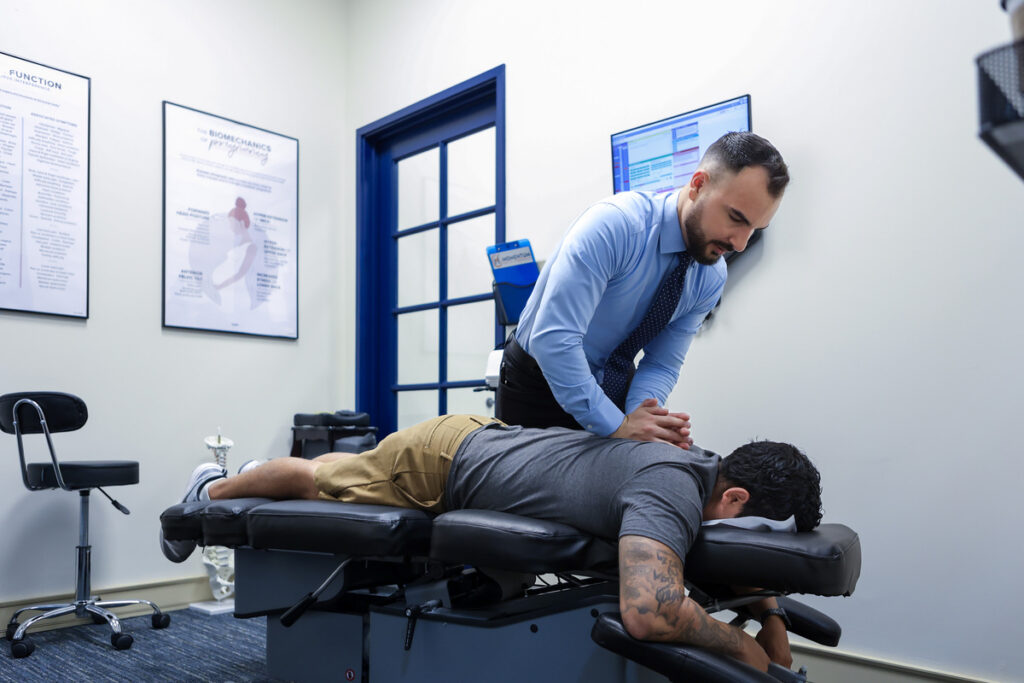
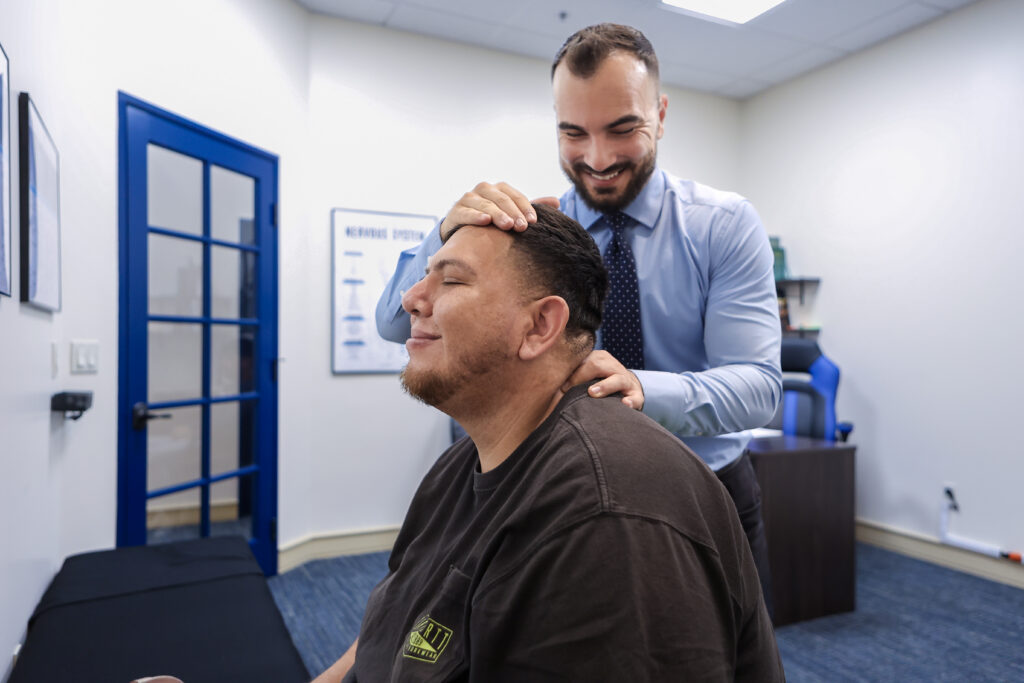
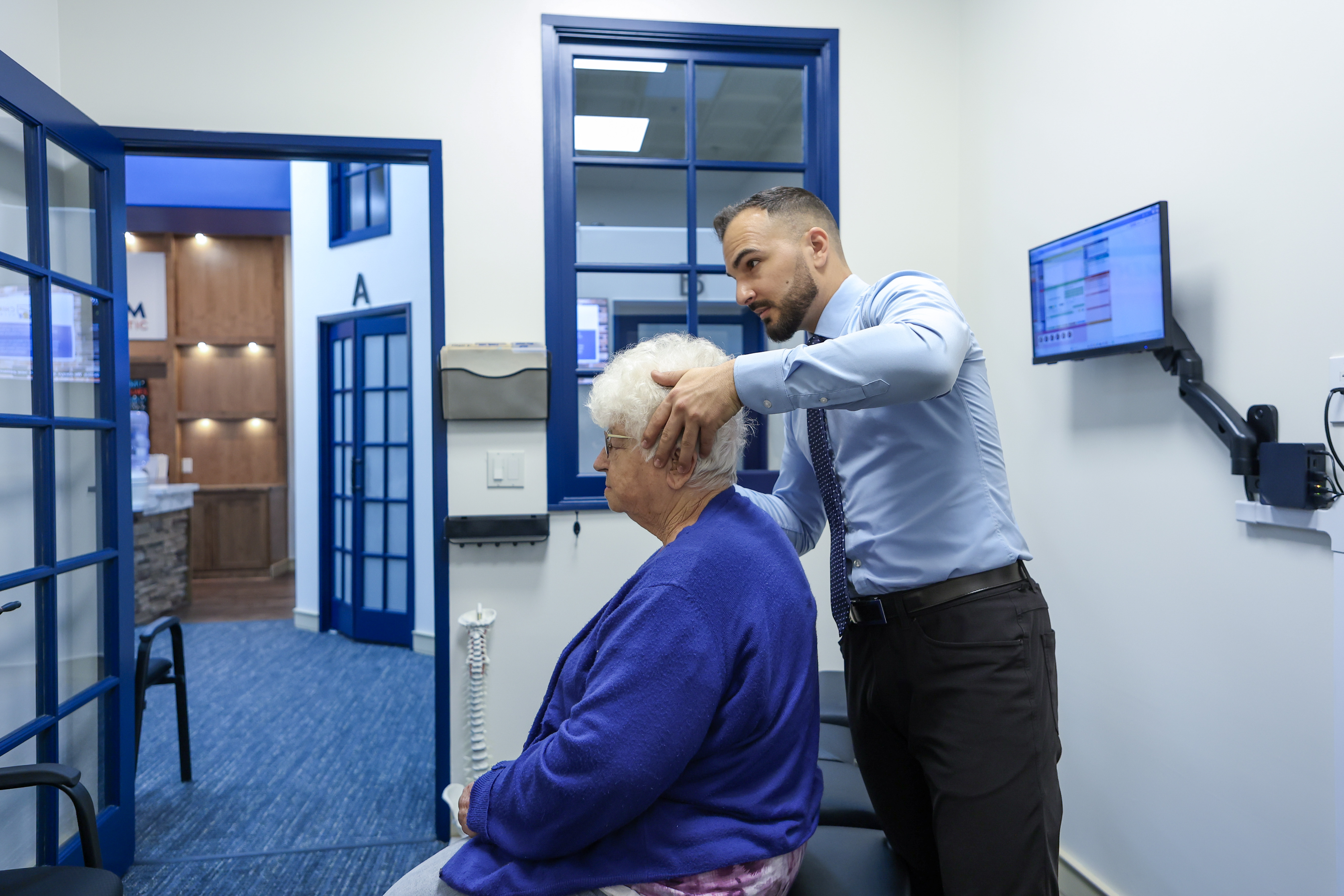
At Momentum Health Chiropractic in San Luis Obispo, Dr. David Sedghi takes an individualized approach to each patient. For cases of cervicogenic vertigo, chiropractic adjustments aimed at restoring proper motion and alignment to the upper cervical spine can help reduce the faulty proprioceptive signals that contribute to dizziness. When the joints of the neck are moving freely and the surrounding muscles are less tense, the brain gets cleaner, more accurate information about body position.
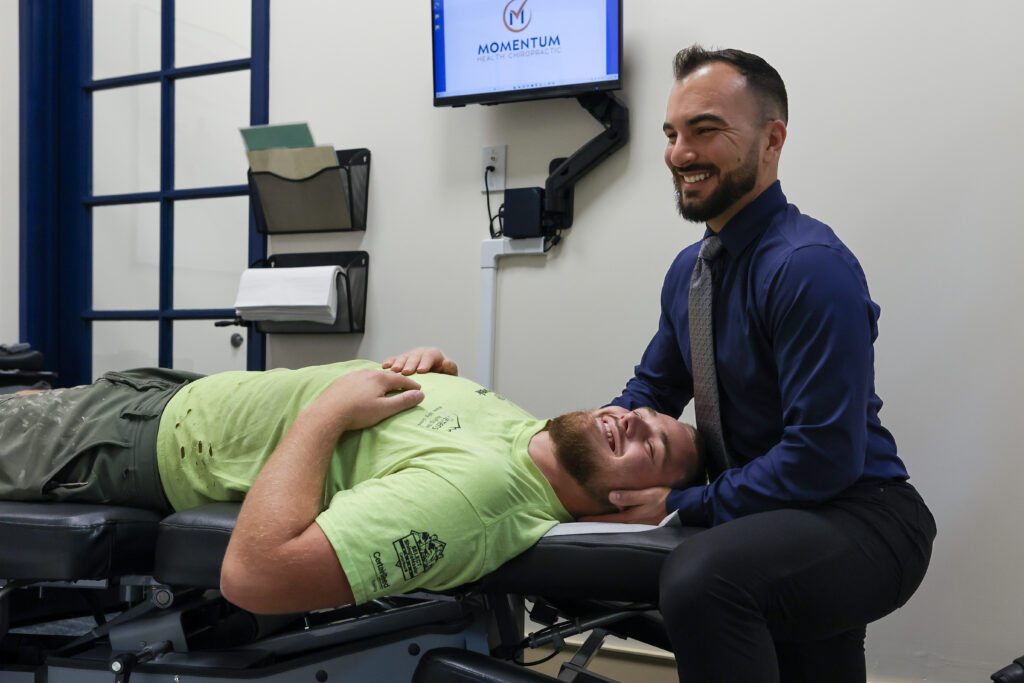
For BPPV specifically, a technique called the Epley maneuver — a series of guided head and body movements — has a strong evidence base for repositioning displaced crystals in the inner ear. Many chiropractors and physical therapists are trained to perform this procedure, and evidence from sources including the American Academy of Neurology suggests it is highly effective for most BPPV cases. Dr. David Sedghi can assess whether this approach is appropriate for your situation.
Chiropractic care is also well-suited to addressing the musculoskeletal imbalances that often accompany or contribute to vertigo — including suboccipital muscle tension, poor cervical posture, and restricted joint mobility. Physical therapy exercises focused on vestibular rehabilitation can be incorporated alongside chiropractic adjustments to help retrain the balance system and reduce sensitivity to head movements over time.
If you’ve been in a car accident and are experiencing dizziness as part of your recovery, Momentum Health Chiropractic also offers auto injury chiropractic care to help address the cervical trauma that often underlies post-collision vertigo and balance problems.
Practical Tips for Managing Vertigo Day to Day
While professional evaluation is the most important step, there are some sensible habits and adjustments that can help reduce the frequency or severity of vertigo episodes in everyday life. These tips are not a substitute for care, but they can support your recovery and overall vestibular health.
Move slowly and deliberately when changing positions. Rapid head movements — especially tilting the head back or rolling over quickly in bed — are common triggers for BPPV episodes. Taking your time when transitioning between lying down, sitting, and standing can make a significant difference. Sit on the edge of the bed for a moment before standing up in the morning.
Pay attention to your posture, especially if you spend long hours at a desk or on a phone. Forward head posture places significant strain on the upper cervical spine and can worsen cervicogenic dizziness. Keeping your screen at eye level, your ears aligned over your shoulders, and your shoulders relaxed goes a long way. If you’d like detailed guidance on this, the Proper Posture Guide from Momentum Health Chiropractic is a great resource to revisit.
Stay well hydrated and maintain a consistent sleep schedule. Dehydration and fatigue can both exacerbate dizziness, particularly in people prone to vestibular migraines. Reducing sodium intake is sometimes recommended for those with Meniere’s disease, though this should be discussed with your healthcare provider.
Avoid activities that require sharp, fast head movements during an acute episode. Once you’re working through a care plan with Dr. David Sedghi, vestibular rehabilitation exercises — such as gaze stabilization and balance training — can gradually help your nervous system adapt and become less reactive to movement.
When to See a Chiropractor for Vertigo
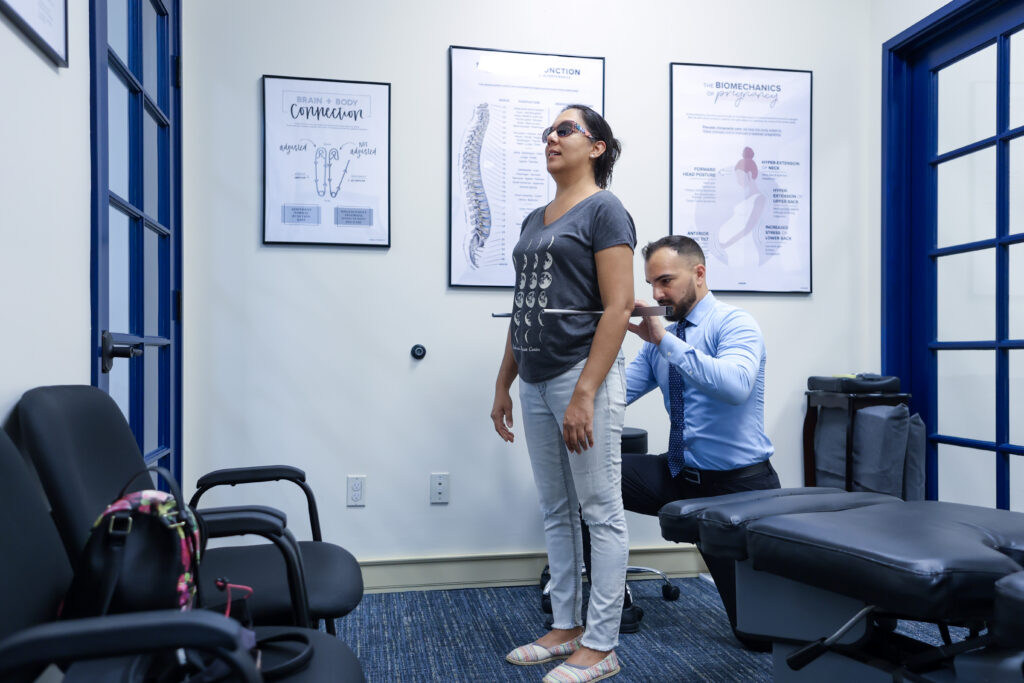
If your vertigo is recurring, interfering with daily activities, or connected to neck pain, head movement, or a recent injury, those are all good reasons to schedule an evaluation with a chiropractor. Dr. David Sedghi at Momentum Health Chiropractic in San Luis Obispo can assess the cervical spine, perform orthopedic and neurological tests, and determine whether chiropractic care, vestibular rehabilitation, or a referral to another specialist is the most appropriate next step.
You can also learn more about what to expect from a professional evaluation by visiting the dedicated vertigo treatment page at Momentum Health Chiropractic, where Dr. David Sedghi outlines the approach used in the clinic.
Red flags that warrant immediate medical attention — rather than a chiropractic visit — include sudden onset of the worst headache of your life, facial drooping, slurred speech, vision changes, loss of consciousness, or vertigo following a significant blow to the head. These symptoms should prompt a call to emergency services or an immediate visit to the emergency room. Chiropractic care is a wonderful tool for many causes of vertigo, but it works best as part of a coordinated approach to your overall health.
Vertigo Triggers and Common Contributing Factors
|
Type of Vertigo |
Common Trigger |
Key Accompanying Symptoms |
Possible Conservative Approach |
|---|---|---|---|
|
BPPV |
Head position changes (rolling over, tilting back) |
Brief spinning, nausea, nystagmus |
Epley maneuver, vestibular rehabilitation |
|
Cervicogenic Vertigo |
Neck stiffness, poor posture, cervical joint restriction |
Dizziness with neck pain, headache |
Chiropractic adjustment, soft tissue work, posture correction |
|
Vestibular Neuritis |
Viral infection |
Sudden severe vertigo, no hearing loss |
Vestibular rehabilitation, rest, medical management |
|
Meniere’s Disease |
Fluid pressure changes in inner ear |
Vertigo, tinnitus, ear fullness, hearing changes |
Dietary modification, medical care, stress management |
|
Vestibular Migraine |
Neurological migraine trigger |
Vertigo with or without headache, light/sound sensitivity |
Chiropractic care for cervical component, migraine management |
|
Post-Whiplash Vertigo |
Cervical trauma (car accident, sports injury) |
Dizziness, neck pain, headache after injury |
Chiropractic care, physical therapy, auto injury rehabilitation |
Myths vs. Facts About Vertigo
Myth: Vertigo is just another word for being afraid of heights.
Fact: This is one of the most common misconceptions, popularized largely by movies. Fear of heights is properly called acrophobia. Vertigo, as a medical symptom, refers to the false sensation of spinning or movement that originates in the vestibular system. The two conditions are entirely different and should not be confused.
Myth: Vertigo always goes away on its own and doesn’t need treatment.
Fact: While some mild episodes of BPPV do resolve without intervention, many cases of vertigo are recurring and benefit significantly from targeted treatment. Leaving cervicogenic vertigo or vestibular dysfunction unaddressed can allow contributing factors — like joint restriction or muscle imbalance — to worsen over time. Professional evaluation is always worthwhile when vertigo is recurring or affecting your daily life.
Myth: There’s nothing a chiropractor can do for vertigo.
Fact: Research suggests that chiropractic care can be effective for vertigo that has a cervicogenic component, and many chiropractors are trained to perform the Epley maneuver for BPPV. The connection between the upper cervical spine and the vestibular system is well documented, and addressing joint dysfunction in the neck is a legitimate, evidence-informed approach for appropriate cases of dizziness and vertigo.
Myth: Only older adults experience vertigo.
Fact: While BPPV does become more common with age, vertigo affects people of all ages. Vestibular migraines, for example, are frequently seen in younger and middle-aged adults. Cervicogenic dizziness can affect anyone with a history of neck injury, poor posture, or prolonged sedentary behavior. Vertigo is not a condition exclusive to any one age group.
Myth: Vertigo is all in your head — it’s just anxiety.
Fact: While anxiety and vertigo can absolutely coexist and even amplify each other, vertigo has a real, physiological basis. The spinning sensation is the result of disrupted signals between the inner ear, the cervical spine, and the brain. Dismissing vertigo as purely psychological can delay an accurate diagnosis and appropriate care. Both aspects — physical and emotional — deserve proper attention.
Final Thoughts from Momentum Health Chiropractic
Living with vertigo — whether it strikes occasionally or disrupts your daily routine — is not something you simply have to accept. Here in San Luis Obispo, Dr. David Sedghi and the team at Momentum Health Chiropractic are committed to helping patients understand what’s driving their symptoms and exploring conservative, non-invasive options for care.
Understanding what causes vertigo is the foundation of treating it effectively. Whether your dizziness stems from displaced inner ear crystals, cervical joint dysfunction, a past whiplash injury, or another contributing factor, a thorough evaluation can point the way toward meaningful relief. Chiropractic care, vestibular rehabilitation, and lifestyle adjustments — used together — offer a comprehensive and drug-free approach that many patients in our community have found genuinely helpful.
If you’re dealing with recurring dizziness, balance problems, or that unsettling spinning sensation, please don’t hesitate to reach out to Momentum Health Chiropractic in San Luis Obispo. You deserve to move through your day with confidence and clarity — and that’s exactly what our team is here to help you achieve.
Frequently Asked Questions
What causes vertigo to come on suddenly?
Sudden vertigo is most often caused by BPPV, where displaced crystals in the inner ear send false movement signals to the brain. It can also be triggered by sudden head movements, vestibular neuritis following a viral illness, or, in some cases, a vestibular migraine episode. A professional evaluation can help identify the specific cause and guide the right treatment approach.
Can a chiropractor actually treat vertigo?
Yes, in appropriate cases. Chiropractic care is particularly relevant for cervicogenic vertigo, where dysfunction in the neck joints contributes to dizziness, and for BPPV, where trained practitioners can perform the Epley maneuver to reposition displaced ear crystals. Dr. David Sedghi at Momentum Health Chiropractic in San Luis Obispo evaluates each patient individually to determine which approach is most appropriate.
How long does vertigo typically last?
The duration of vertigo depends on its cause. BPPV episodes typically last from a few seconds to a minute, though the condition itself may recur without treatment. Vestibular neuritis can cause persistent dizziness for days to weeks. Cervicogenic vertigo may be ongoing until the underlying neck dysfunction is addressed. Many patients see improvement with appropriate care within a few weeks.
Is vertigo related to neck pain?
Quite often, yes. The upper cervical spine contains dense sensory receptors that help your brain understand where your head is in space. When those joints are restricted or irritated — due to injury, poor posture, or degenerative changes — they can produce a vertigo-like sensation alongside neck discomfort. Addressing the cervical spine through chiropractic care has been shown to help in these cases.
When should I go to the emergency room for vertigo?
Seek emergency care if your vertigo is accompanied by sudden severe headache, double vision, slurred speech, facial drooping, weakness or numbness on one side of the body, or loss of consciousness. These could be signs of a stroke or other serious neurological event and require immediate medical attention — not a chiropractic visit.
Can stress or poor sleep make vertigo worse?
Yes, both stress and sleep deprivation can heighten the sensitivity of the vestibular and nervous systems, making vertigo symptoms feel more intense or more frequent. For people prone to vestibular migraines, stress is a well-known trigger. Managing sleep quality, hydration, and stress levels can be valuable parts of an overall vertigo management plan.
TL;DR
-
Vertigo is the false sensation of spinning, most commonly caused by BPPV, cervicogenic dysfunction, vestibular neuritis, Meniere’s disease, or vestibular migraines.
-
The inner ear and the upper cervical spine both play key roles in balance — dysfunction in either area can trigger vertigo symptoms.
-
Chiropractic care, including cervical adjustments and the Epley maneuver, can be an effective, drug-free approach for appropriate types of vertigo.
-
Certain red flags — like sudden severe headache, vision changes, or weakness — require emergency medical care rather than chiropractic evaluation.
-
Dr. David Sedghi at Momentum Health Chiropractic in San Luis Obispo, CA, offers individualized assessment and conservative care for patients experiencing vertigo and dizziness.