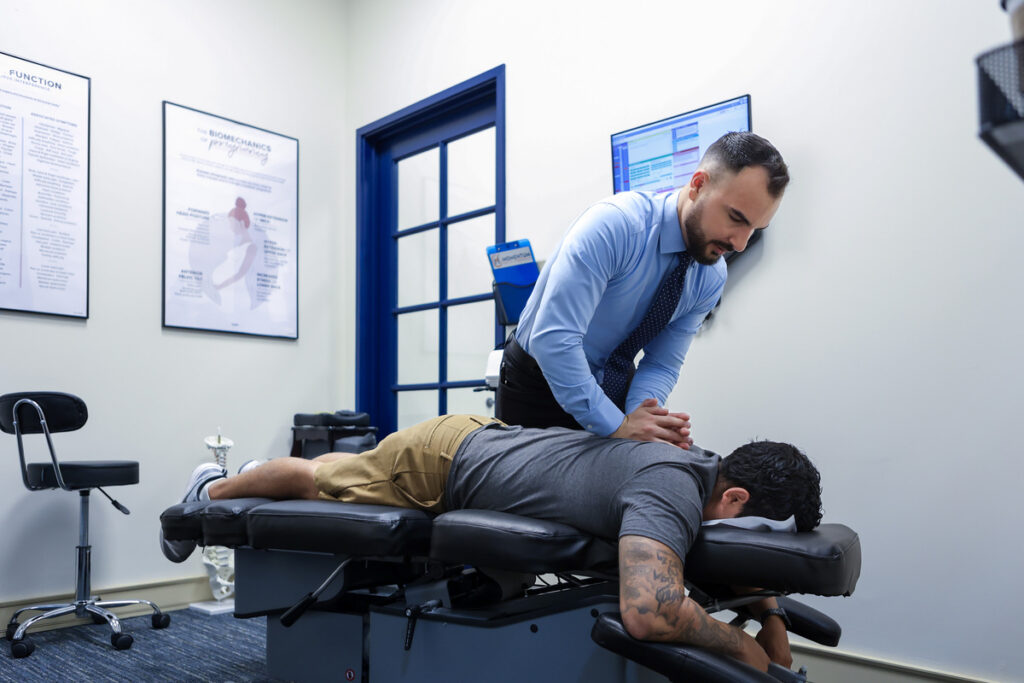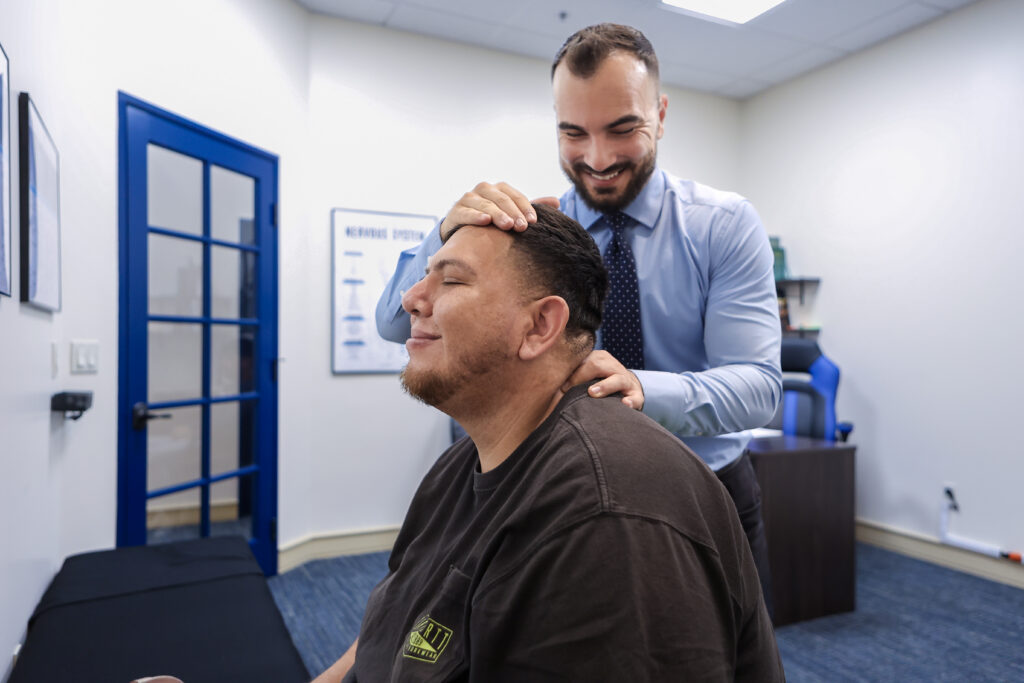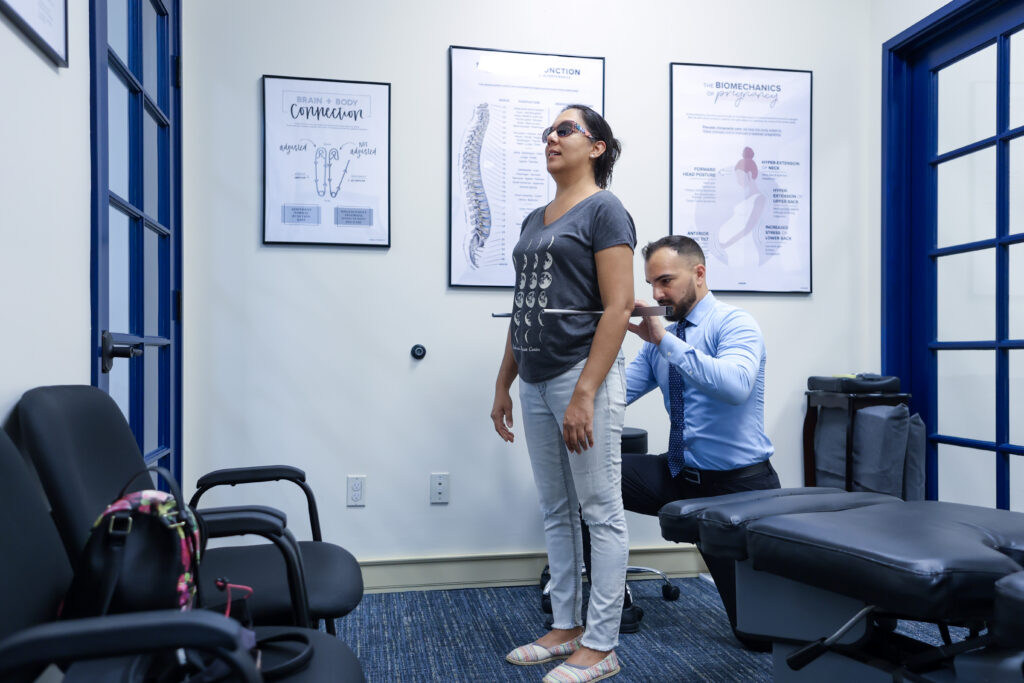

As a local chiropractor, I understand that anxiety can often feel overwhelming, but I want to share some practical adjustments you can make to access a sense of calm through natural healing methods. Incorporating mindful breathing techniques and chiropractic care can significantly contribute to fostering relaxation and enhancing your overall well-being.
By integrating lifestyle changes such as regular exercise and proper sleep hygiene, you can create a solid foundation for managing anxiety effectively. But remember, the journey towards tranquility doesn't stop there. It's also crucial to consider the impact of nutrition and your environment on your mental health. These elements can provide deeper insights and tools for promoting a balanced state of mind.
So, what if the answers to feeling more at ease are closer than you think? Let's explore how chiropractic care and holistic approaches can support you on this path to tranquility.
Understanding Anxiety
Anxiety can emerge from various aspects of life, influencing your thoughts, feelings, and overall daily routine. As a chiropractor, I often see how this emotional state can manifest physically, leading to symptoms such as muscle tension, headaches, and even discomfort in the spine. These physical manifestations can create a cycle where anxiety exacerbates physical pain, and in turn, physical discomfort can heighten anxiety.
Many times, anxiety stems from identifiable triggers—like work stress, social situations, or personal challenges. Just as we address physical symptoms in chiropractic care, recognizing these triggers is essential for managing anxiety. Understanding that anxiety doesn't always stem from an immediate threat is crucial; it can often be rooted in past experiences or worries about what lies ahead. This ongoing state of anxiety can lead some to avoid situations that trigger their discomfort, which may limit their quality of life.
It's also important to note that anxiety can distort your perception, causing feelings of isolation or misunderstanding. You might feel as though you're alone in your struggles, but anxiety is a widespread challenge. Many individuals experience it, and recognizing that you aren't alone can provide a sense of relief.
As you seek to understand your anxiety, consider how physical adjustments through chiropractic care can help restore balance in your body. Pay attention to your thought patterns—are they often negative or catastrophic? Identifying these patterns can be a significant step toward reclaiming your sense of control.
Just as we work to align the spine and relieve tension in the body, you can also challenge and reframe negative thoughts, fostering a healthier mindset. Understanding anxiety involves self-compassion and recognizing that it's perfectly okay to seek help, whether through chiropractic care or other support systems.
The Power of Mindfulness
As a local chiropractor, I want to share how mindfulness can be a powerful tool in managing anxiety and enhancing your overall health. By bringing your attention back to the present moment, mindfulness helps to reduce stress levels and promotes a sense of calm.
Incorporating simple breathing techniques and grounding exercises into your daily routine can improve your body's awareness and connection, which is crucial for holistic healing.
Mindfulness not only alleviates feelings of anxiety but also complements chiropractic care by fostering a greater sense of well-being. When your mind is at ease, your body responds better to treatment, allowing for a more effective healing process.
Embracing mindfulness can truly transform your experience of chiropractic care and support your journey to better health.
Breathing Techniques for Focus
As a local chiropractor, I often emphasize the importance of holistic approaches to overall well-being, and one powerful tool for enhancing focus is through breathing techniques. By consciously controlling your breath, you can't only clear your mind but also improve your concentration, which can be beneficial for your overall health.
One effective method I recommend is the 4-7-8 breathing technique. This involves inhaling deeply through your nose for a count of four, holding your breath for seven counts, and then exhaling through your mouth for eight counts. This practice calms your nervous system and helps center your thoughts, making it easier to focus on tasks.
Another technique worth trying is diaphragmatic breathing. I encourage my patients to sit or lie down comfortably, placing one hand on their chest and the other on their belly. When you breathe in slowly through your nose, aim to expand your diaphragm rather than your chest. This method increases oxygen intake, which can help you feel more alert and focused throughout the day.
Box breathing is another powerful technique that I often share with my patients, especially those who lead busy lives. It involves inhaling for four counts, holding for four counts, exhaling for four counts, and then pausing for another four counts. Repeating this cycle can help you feel more centered and in control.
Incorporating these breathing techniques into your daily routine can significantly enhance your focus and mental clarity, making it easier for you to tackle tasks and achieve your health and wellness goals.
Embracing these natural methods complements the chiropractic care I provide, fostering a holistic approach to your overall health.
Grounding Exercises for Presence
As a chiropractor dedicated to promoting holistic wellness, I want to highlight the significance of grounding exercises in enhancing your overall presence and mindfulness. These exercises are a fantastic way to reconnect with your body and the environment around you, helping you anchor yourself in the present moment.
One effective technique I recommend is the 5-4-3-2-1 method. This simple practice involves engaging your senses to bring your attention back to the here and now. Begin by identifying five things you can see in your surroundings, then four things you can physically touch, followed by three things you can hear. Next, focus on two things you can smell, and finally, one thing you can taste. This method serves as a great tool to redirect anxious thoughts and ground you in the moment.
In addition to this, I encourage you to incorporate breath-focused exercises into your routine. Find a comfortable seated position, close your eyes, and take a deep breath. Pay attention to the sensation of air filling your lungs, and then exhale slowly. Repeat this process for several minutes, allowing your mind to settle and your body to relax.
You might also find it beneficial to hold a small object, like a stone or a soft piece of fabric, and concentrate on its texture and weight to further anchor yourself.
These grounding exercises not only help alleviate anxiety but also enhance your ability to remain present. By integrating them into your daily life, you can cultivate a deeper sense of calm and connection to your surroundings.
This practice not only supports your mental well-being but also complements the physical adjustments we focus on in chiropractic care, empowering you to navigate life with greater ease and resilience.
Cultivating Awareness in Daily Life
Cultivating awareness in daily life isn't just beneficial for your mental health; it can also enhance your overall well-being, which is essential for maintaining a healthy spine and body. As a chiropractor, I see firsthand how stress and anxiety can manifest in physical tension, leading to discomfort and misalignments. By embracing mindfulness, you can improve your ability to focus on the present moment, which can help reduce anxiety and promote a sense of calm that supports your overall health.
Start by dedicating a few minutes each day to check in with your body. Notice how you feel physically, as well as any thoughts or emotions that arise. This practice of self-awareness can help you identify areas of tension or discomfort that may benefit from chiropractic care. When you take the time to observe your body and mind without judgment, you create space for healing.
You can also integrate mindfulness into your daily routines, such as when you're eating or walking. Pay attention to the textures and flavors of your food or the sensations in your body as you move. These small moments of mindfulness not only enhance your experience but also allow you to connect with your body's needs more deeply.
Whenever you feel stress or anxiety creeping in, take a moment to pause and take several deep, calming breaths. This simple practice can help ground you and remind you to return to the present. By consistently cultivating this awareness, you can train your mind to focus less on worries about the future or regrets about the past, which in turn can alleviate physical tension and discomfort.
Ultimately, cultivating awareness empowers you to manage life's challenges with greater ease and clarity. This approach not only enhances your mental well-being but also complements the benefits of chiropractic care, allowing you to embrace each moment fully and support your body's natural ability to heal.
Breathing Techniques for Calm
As a local chiropractor dedicated to your overall wellness, I want to share some effective breathing techniques that can help you manage anxiety and promote a sense of calm. Understanding the connection between your breath and your body is essential, and these techniques can complement your chiropractic care by fostering relaxation and grounding you in the present moment.
One powerful technique is the 4-7-8 breathing method. To start, inhale deeply through your nose for a count of four, then hold your breath for seven seconds. Finally, exhale slowly through your mouth for a count of eight. This rhythmic cycle can be repeated four times, creating a soothing effect that can help alleviate anxiety.
Another technique to consider is box breathing. Inhale deeply through your nose for a count of four, hold your breath for another count of four, exhale through your mouth for four counts, and then hold again for four counts. This structured pattern can help regulate your heart rate and promote a sense of relaxation, which is especially beneficial if you're experiencing stress related to physical discomfort.
You may also find diaphragmatic breathing useful. This technique involves placing one hand on your chest and the other on your abdomen. As you inhale deeply through your nose, focus on allowing your abdomen to rise while keeping your chest still. Exhaling slowly through your mouth encourages deeper breaths, which can help reduce tension and anxiety, enhancing the benefits of your chiropractic adjustments.
Lastly, I encourage you to try mindful breathing. This practice involves focusing solely on your breath and being aware of the sensations as you inhale and exhale. If your mind strays, gently bring it back to your breath without judgment.
Regular practice of these techniques can cultivate resilience and a sense of calm, supporting your journey towards better health and well-being. Incorporating these breathing techniques into your daily routine can complement the benefits of chiropractic care, helping you manage anxiety and improve your overall quality of life.
Lifestyle Adjustments
As a local chiropractor, I want to emphasize the importance of lifestyle adjustments in managing anxiety, alongside the benefits of chiropractic care. While many might think of chiropractic solely in terms of physical alignment, it also plays a vital role in your overall well-being, including mental health.
One of the first changes I recommend to my patients is incorporating regular physical activity into their daily routine. Exercise isn't only great for your body but also for your mind. When you engage in physical activities, your body releases endorphins, which are natural mood lifters that can significantly reduce anxiety. Whether it's a brisk walk, yoga, or even a more intense workout, find an activity that you enjoy and make it a regular part of your life.
Another key aspect to consider is the importance of prioritizing sleep. Insufficient rest can worsen anxiety symptoms, so I encourage my patients to aim for 7-9 hours of quality sleep each night. Establishing a calming bedtime routine, limiting screen time before bed, and ensuring your sleeping environment is comfortable and dark can make a significant difference.
Effective time management is also crucial. I advise patients to break tasks into smaller, manageable steps and set realistic deadlines. This approach can help mitigate feelings of overwhelm. Don't forget to allocate time for activities you love—engaging in hobbies can serve as a beneficial outlet for stress.
Building social connections is equally important. Surround yourself with supportive friends and family. Sharing your feelings with trusted loved ones can help lighten your emotional burden, providing comfort and understanding.
Lastly, consider the impact of your diet on anxiety. Reducing caffeine intake can be particularly beneficial, as caffeine can amplify anxiety symptoms. Try substituting coffee or energy drinks with herbal teas or water to help maintain a calm state.
By making these lifestyle adjustments in conjunction with regular chiropractic care, you're not just managing anxiety; you're fostering a healthier, more balanced life that promotes calmness and resilience.
Nutrition and Anxiety
As your local chiropractor, I want to emphasize the significant connection between nutrition and anxiety, and how mindful food choices can support your overall mental health. The foods you consume have a direct impact on your brain chemistry, which can either worsen or alleviate anxiety symptoms.
It's crucial to prioritize whole, nutrient-dense foods in your diet. Incorporating a variety of fruits, vegetables, whole grains, lean proteins, and healthy fats can provide essential vitamins and minerals that both your body and mind need for optimal functioning.
Certain nutrients are particularly important in managing anxiety. For instance, omega-3 fatty acids, which are found in foods like fish, walnuts, and flaxseeds, have been shown to help reduce anxiety levels. B vitamins, especially B12 and folate, are also vital for brain health. You might consider adding leafy greens, legumes, and fortified cereals to your meals to boost your intake of these important nutrients.
Additionally, magnesium-rich foods such as spinach, almonds, and black beans can promote relaxation and help alleviate stress.
However, it's equally important to be aware of foods that may trigger anxiety. High sugar consumption, processed foods, and excessive caffeine can lead to increased anxiety levels. I recommend limiting these items and choosing alternatives that provide sustained energy without the subsequent crash.
Hydration is another crucial factor to consider. Dehydration can exacerbate anxiety symptoms, so make sure you're drinking plenty of water throughout the day.
Exercise and Mental Health
As your local chiropractor, I want to emphasize the vital connection between exercise and mental health in our journey towards holistic well-being. Engaging in physical activity isn't only beneficial for your body but also acts as a powerful natural mood booster and stress reliever.
When you participate in exercise, your body releases endorphins—often called "feel-good" hormones. These chemicals can create a sense of euphoria, helping to alleviate feelings of anxiety and depression. Instead of feeling bogged down by your worries, regular exercise can empower you to tackle challenges with a clearer, more focused mind.
Incorporating exercise into your daily routine is easier than you might think. You can start with straightforward activities such as walking, jogging, or cycling. I recommend aiming for at least 30 minutes of physical activity each day. This can be done in shorter segments throughout the day or all at once, whichever suits your lifestyle best.
Consistency is key; it can significantly improve your mood and reduce stress levels. You may even find that the rhythm of your breath and the steady beat of your heart during exercise can be quite meditative, offering a necessary escape from racing thoughts.
Moreover, consider the benefits of group activities—like joining a class or participating in a sports team. These options not only promote physical fitness but also add a social dimension that can enhance your mental well-being. Connecting with others can help combat feelings of loneliness and boost your self-esteem, which is essential for overall health.
As your chiropractor, I encourage you to explore these natural methods of enhancing your mental health through exercise, while we work together to ensure your body is aligned and functioning optimally.
Creating a Supportive Environment
As your local chiropractor, I want to emphasize the importance of creating a supportive environment for your overall well-being.
By establishing calm spaces and making thoughtful decor choices, you can significantly reduce anxiety and promote healing.
These adjustments in your surroundings can transform your home or office into a sanctuary of peace, which is essential for your body's natural healing processes.
Let's discuss how these changes can complement your chiropractic care and lead to a more balanced and healthier lifestyle.
Designated Calm Spaces
Creating designated calm spaces in your environment can significantly enhance your overall well-being, particularly when it comes to managing stress and anxiety. As a chiropractor, I often emphasize the importance of a holistic approach to health, which includes not only physical adjustments but also creating an atmosphere that promotes relaxation and healing.
Start by identifying a comfortable and private spot in your home or office. This could be a tranquil corner of your living room, a cozy nook in your bedroom, or even a serene area in your backyard. The key is to choose a space where you can feel at ease and free from distractions.
Next, personalize this area to make it inviting and soothing. Consider adding soft cushions, warm blankets, or your favorite chair to create a sense of comfort. Incorporate elements that help you relax, such as calming scents from candles or essential oils. A clutter-free environment is essential, as a tidy space can prevent distractions and encourage a peaceful mindset.
Whenever you feel overwhelmed or stressed, I encourage you to retreat to your designated calm space. This is an excellent opportunity to practice deep breathing, meditate, or simply enjoy some quiet time. Regular visits to this area can reinforce feelings of safety and tranquility, which are crucial for your overall health.
The more you utilize this space, the stronger the association with relaxation becomes, allowing your mind and body to unwind more effectively. By establishing this sanctuary in your life, you're taking proactive steps in managing anxiety and fostering a supportive environment for yourself.
Mindful Decor Choices
As a local chiropractor, I believe that creating a calming atmosphere in your home can significantly support your overall well-being, especially when it comes to healing and recovery. One important aspect is making mindful decor choices to enhance the tranquility of your space.
Start by selecting colors that promote a sense of peace. Soft blues, greens, and neutral tones are excellent options that can help create a serene environment. Consider painting your walls in these soothing shades or incorporating them through accessories like cushions and throws to foster relaxation.
Next, pay attention to the materials in your space. Natural materials such as wood, bamboo, and cotton can evoke warmth and comfort, which are essential for a healing environment. Additionally, bringing in plants not only enlivens your space but also improves air quality, contributing to a more calming atmosphere that aids in your recovery.
It's also crucial to keep clutter to a minimum. A clean aesthetic can reduce visual stress and promote a sense of order. Opt for functional decor that serves a purpose, such as storage solutions like baskets or decorative boxes, to help keep your environment organized.
Lastly, include personal touches that resonate with your journey. This could be artwork, photographs, or meaningful objects that evoke positive memories. When your decor reflects your personality and values, it creates a supportive environment that nurtures your mental and physical well-being.
Sleep Hygiene Practices
As a local chiropractor dedicated to your overall well-being, I want to emphasize the importance of a restful sleep environment in achieving optimal health through natural healing.
Implementing effective sleep hygiene practices can significantly enhance your sleep quality, allowing you to feel rejuvenated and less anxious throughout the day. Here are some valuable tips to help you improve your sleep hygiene:
- Establish a Regular Sleep Schedule: Aim to go to bed and wake up at the same time every day, including weekends. This consistency helps regulate your body's internal clock, making it easier for you to fall asleep and rise naturally, which is crucial for your body's recovery and healing processes.
- Limit Screen Exposure Before Sleep: I encourage you to avoid screens for at least an hour before bedtime. The blue light from smartphones, tablets, and computers can disrupt your body's natural production of melatonin, the hormone that regulates sleep. Prioritizing a screen-free wind-down period can promote deeper, restorative sleep.
- Optimize Your Sleep Environment: Ensure your bedroom is conducive to sleep by keeping it dark, quiet, and cool. Consider using blackout curtains, earplugs, or a white noise machine to eliminate distractions. Investing in a comfortable mattress and supportive pillows can also make a significant difference in the quality of your sleep.
- Create a Relaxation Routine: Incorporate calming activities into your pre-bedtime routine, such as reading, meditating, or taking a warm bath. These soothing rituals signal to your body that it's time to relax and prepare for sleep, which can enhance your overall well-being.
By adopting these sleep hygiene practices, you can cultivate a more restful sleep environment, leading to improved sleep quality and reduced anxiety.
I encourage you to make these adjustments today and experience the benefits of a better night's sleep, as it plays a vital role in your health and healing journey!
Seeking Professional Help
Even with improved sleep hygiene, some individuals still find that anxiety persists. If you're experiencing this, it may be worth considering a holistic approach through chiropractic care.
As a local chiropractor, I want to emphasize that mental well-being is closely tied to physical health. Chiropractic adjustments can help alleviate tension in the body, which may contribute to feelings of anxiety.
You don't have to navigate this journey alone. A chiropractor can work with you to identify areas of tension and misalignment that may be affecting your overall well-being.
By focusing on your physical health, we can help support your mental health as well. Techniques such as spinal adjustments can promote relaxation and improve your body's ability to cope with stress.
Additionally, while chiropractic care isn't a substitute for therapy or medication, it can be a complementary part of your wellness journey.
If you're feeling overwhelmed, I encourage you to explore all avenues of support, including consulting with mental health professionals. Together, we can create a comprehensive care plan that addresses both your physical and emotional needs, helping you to find balance and peace.
Conclusion
As a local chiropractor, I want to share how incorporating certain adjustments into your daily routine can significantly improve your ability to manage anxiety. Chiropractic care is not just about addressing physical discomfort; it's also a powerful tool for enhancing your overall well-being. By focusing on spinal alignment and nervous system function, we can help facilitate a calmer and more resilient you.
Embracing mindfulness practices alongside chiropractic adjustments can also contribute to a more tranquil mindset. Additionally, making healthy lifestyle choices—such as improving your nutrition, engaging in regular exercise, and prioritizing quality sleep—can lead to profound changes in your mental health.
Remember, it's perfectly okay to seek professional help if you're feeling overwhelmed. Together, we can unlock the tools you need to cultivate a serene state of mind. You're not alone on this journey; I'm here to support you every step of the way.