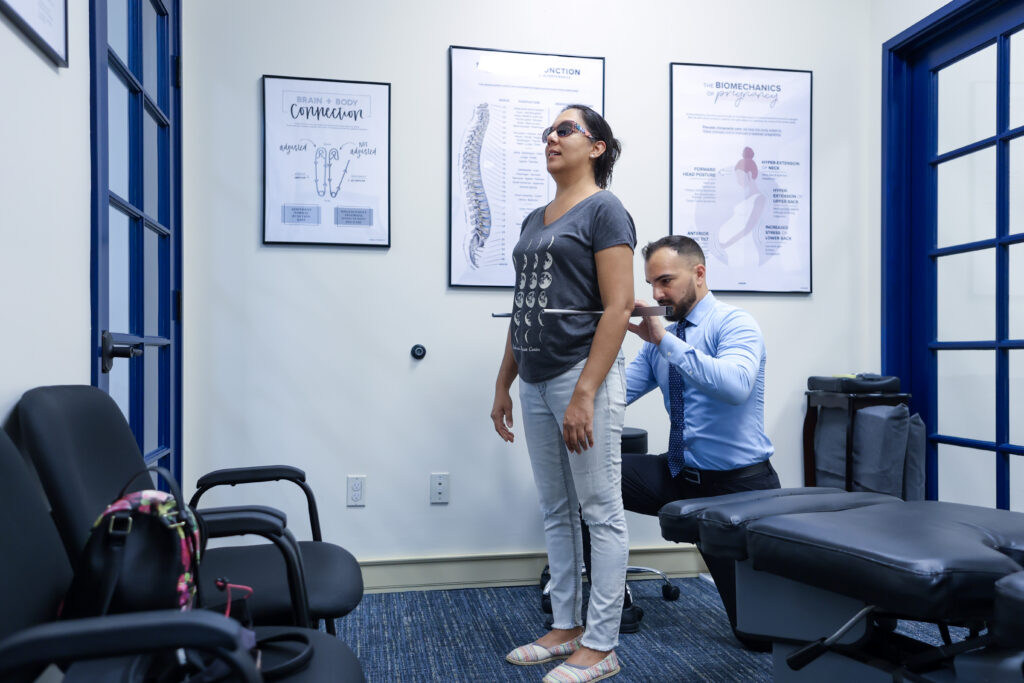

If you’ve ever felt the persistent discomfort of tension headaches, you understand how disruptive they can be to your daily life. Thankfully, there are natural and effective strategies to alleviate this pain, and chiropractic care stands out as one of the best options. By addressing spinal misalignments and muscle tension, chiropractic adjustments can help ease the discomfort associated with tension headaches.
In addition to chiropractic care, there are several lifestyle adjustments you can make to reduce the frequency and intensity of your headaches. Here are some helpful tips you can incorporate into your routine:
- Stay Hydrated: Dehydration can trigger headaches, so make sure you’re drinking plenty of water throughout the day.
- Practice Good Posture: Poor posture can lead to muscle strain in your neck and back, contributing to tension headaches. Be mindful of your posture, especially when sitting at a desk or using your phone.
- Manage Stress: Stress is a common trigger for tension headaches. Incorporating relaxation techniques such as deep breathing, yoga, or meditation can help manage stress levels.
- Get Regular Exercise: Physical activity promotes overall wellness and can help reduce the frequency of headaches. Aim for at least 30 minutes of exercise most days of the week.
- Take Breaks from Screens: If you spend a lot of time in front of a computer or mobile device, take regular breaks to rest your eyes and stretch your neck and shoulders.
By combining chiropractic care with these simple lifestyle changes, you can effectively tackle the root causes of your tension headaches and take control of your well-being. Remember, your spine plays a crucial role in your overall health, so prioritizing spinal alignment through regular chiropractic visits can lead to lasting relief and improved quality of life.
Key Takeaways
When it comes to finding relief from tension headaches, chiropractic care stands out as a natural and effective approach. While over-the-counter medications like ibuprofen or acetaminophen may offer temporary relief, they can lead to reliance if used too frequently. Instead, let’s explore some holistic strategies that focus on wellness and pain relief without the need for medications.
One of the most beneficial treatments is regular chiropractic care. By restoring proper spinal alignment, we can significantly reduce muscle tension and the frequency of headaches. This gentle manipulation helps your body function optimally, promoting natural healing and overall well-being.
In addition to chiropractic adjustments, physical therapy can play a crucial role. By focusing on posture and muscle strength, physical therapists use tailored exercises and techniques that can alleviate headache symptoms and empower you to take charge of your health.
Incorporating self-care techniques into your routine can also be incredibly helpful. Simple practices like applying heat or cold therapy can relax tight muscles and reduce inflammation, providing much-needed relief from headache pain.
Don’t forget the importance of hydration! Keeping well-hydrated supports your body’s natural functions and can help prevent headaches. Practicing good posture and managing stress through relaxation techniques such as deep breathing or meditation can also make a significant difference in preventing tension headaches.
By prioritizing chiropractic care and these natural approaches, you can achieve optimal health and find lasting relief from tension headaches. Remember, taking care of your spine and overall health is key to living a pain-free life!
Over-the-Counter Medications
Many people experience tension headaches, and it’s common to reach for over-the-counter medications like ibuprofen, acetaminophen, or naproxen for relief. While these pain relievers can provide temporary comfort, they don’t address the root causes of your headaches. Instead, consider exploring natural alternatives that can promote overall wellness and help you manage your symptoms more effectively.
As a chiropractor, I believe that spinal health plays a crucial role in alleviating tension headaches. Misalignments in the spine can contribute to muscle tension and discomfort, so regular chiropractic adjustments can help restore proper alignment and alleviate pressure in the neck and upper back. This can lead to a significant reduction in headache frequency and intensity.
In addition to chiropractic care, there are several lifestyle changes you can adopt to help manage tension headaches naturally:
- Stay Hydrated: Dehydration can trigger headaches, so be sure to drink plenty of water throughout the day.
- Practice Good Posture: Poor posture can strain your muscles and lead to headaches. Pay attention to your sitting and standing alignment, especially if you work at a desk.
- Manage Stress: Incorporating relaxation techniques such as deep breathing, yoga, or meditation can help reduce stress levels and prevent tension headaches.
- Regular Exercise: Physical activity helps improve blood flow and reduce muscle tension, which can be beneficial for headache relief.
- Adequate Sleep: Ensure you’re getting enough restorative sleep each night, as fatigue can contribute to headache development.
If you find yourself frequently experiencing headaches, it may be worth seeking the advice of a chiropractor. They can provide tailored recommendations and adjustments to help you achieve optimal health and reduce your reliance on temporary pain relief methods. Embracing a holistic approach to wellness can lead to lasting results and a healthier, more vibrant life.
Prescription Medications
When over-the-counter options aren’t providing the relief you need, it’s important to explore natural alternatives, such as chiropractic care, for managing tension headaches. Chiropractic adjustments can help alleviate tension in your spine and neck, which may be contributing to your headaches.
In addition to chiropractic care, there are several simple lifestyle changes you can make to support your overall wellness and reduce headache frequency. Staying hydrated, practicing good posture, and incorporating regular physical activity into your routine are all beneficial.
If you’re feeling unsure about your options, I encourage you to schedule a consultation with a chiropractor. They can assess your individual situation and guide you toward natural, effective solutions for achieving optimal health and wellness without the need for medications or surgeries. Remember, taking care of your spine is a key part of maintaining your overall health!
Common Prescription Options
If you’re dealing with tension headaches, it’s important to know that there are natural ways to find relief without relying on medications. Chiropractic care is an excellent option for managing pain and promoting overall wellness. Chiropractors focus on the spine and its connection to the nervous system, helping to alleviate tension and improve your body’s function.
When you visit a chiropractor, they can help identify any misalignments in your spine that may be contributing to your headaches. By using gentle adjustments and techniques, they can relieve pressure in the neck and shoulders, which often plays a significant role in tension headaches.
In addition to chiropractic adjustments, there are several tips you can incorporate into your daily routine to help prevent headaches. Staying hydrated is key, as dehydration can trigger headaches. Make sure you’re drinking plenty of water throughout the day. Regular exercise, such as stretching or walking, can also reduce tension in your muscles and improve overall circulation.
Paying attention to your posture is crucial too. Whether you’re sitting at a desk or looking at your phone, maintaining good posture can help minimize stress on your neck and spine. Consider taking breaks to stretch and move around, especially if you’re in a stationary position for long periods.
Finally, practicing relaxation techniques, such as deep breathing or meditation, can help manage stress and reduce the frequency of tension headaches. Remember, your healthcare provider can guide you toward the best approach for your needs, and chiropractic care can be a powerful ally in your journey toward optimal health and wellness.
Potential Side Effects
When it comes to finding relief from tension headaches, many people turn to natural remedies like chiropractic care. This holistic approach not only addresses the root causes of headaches but also promotes overall wellness without the potential downsides associated with prescription medications.
While medications can sometimes provide temporary relief, they often come with side effects that can interfere with your daily life. Here are some common side effects to be aware of:
| Common Side Effects | Description |
|---|---|
| Drowsiness | May make you feel sleepy |
| Nausea | Can cause stomach discomfort |
| Dry Mouth | You might experience thirst |
In contrast, chiropractic care focuses on aligning your spine and improving your body’s natural function, which can lead to significant relief from headaches without the risk of unwanted side effects.
Here are some general tips you can incorporate into your routine for better headache management:
- Stay Hydrated: Dehydration can often lead to headaches, so make sure you’re drinking plenty of water throughout the day.
- Practice Good Posture: Keeping your spine aligned, especially while sitting at a desk, can reduce tension and prevent headaches.
- Regular Chiropractic Visits: Regular adjustments can help keep your spine in alignment, reducing the frequency and intensity of headaches.
- Stress Management: Incorporate relaxation techniques such as deep breathing, yoga, or meditation to help manage stress levels.
If you’re experiencing tension headaches, consider visiting a chiropractor to explore how natural healing methods can work for you. By choosing chiropractic care, you’re opting for a safe, effective way to achieve optimal health and wellness without the risks associated with medications. Always consult with your healthcare provider before making any changes to your health regimen, but remember, there are natural solutions available that can help you feel your best!
When to Consult Doctor
If your tension headaches persist despite trying natural remedies, consider visiting a chiropractor to explore non-invasive treatments that can help relieve your pain. A chiropractor can assess your posture, spinal alignment, and overall health to identify potential issues contributing to your headaches. Through gentle adjustments and holistic care, you may find relief without the need for medications or other invasive procedures.
It’s important to pay attention to the frequency and severity of your headaches, as well as any accompanying symptoms like visual disturbances or nausea. Sharing these details with your chiropractor can help them create a tailored care plan that addresses your specific needs.
In addition to chiropractic adjustments, you can also adopt some simple lifestyle changes to help manage tension headaches. Regular physical activity, maintaining good hydration, practicing stress-relief techniques like yoga or meditation, and ensuring you have a proper ergonomic setup at work can all contribute to reducing headache frequency.
Stress Management Techniques
Managing stress effectively is essential for overall health and can significantly help reduce the frequency and intensity of tension headaches. As a chiropractor, I believe that understanding your stress triggers is the first step toward relief. By recognizing what causes you stress, you can tackle it directly and prevent it from affecting your body.
Incorporating relaxation techniques into your daily routine is also beneficial. Simple practices like deep breathing, meditation, or yoga can help ground you and relieve tension that accumulates in your muscles and spine. These techniques not only calm your mind but also promote better spinal alignment, which is crucial for maintaining overall wellness.
Setting aside time for hobbies or activities you enjoy is another great way to manage stress. Engaging in what you love can provide a much-needed escape from daily pressures and contribute to a healthier mindset. Remember, social support matters too—talking to friends or family about your feelings can lighten your emotional load and help you feel more connected.
Don’t forget the importance of sleep and a balanced diet, as both can significantly affect your stress levels and overall health. Proper nutrition fuels your body, while quality sleep helps your body repair and rejuvenate. As a chiropractor, I often emphasize the importance of these foundational elements in achieving optimal health.
Lastly, consider keeping a journal to express and process your feelings. Writing can be a therapeutic outlet that allows you to reflect on your experiences and stressors. By adopting these stress management techniques, you’ll not only enhance your well-being but also build a stronger, more resilient mindset against tension headaches.
If you’re looking for a natural approach to pain relief and wellness, chiropractic care can play a key role in helping you manage stress and maintain a healthy spine. Regular chiropractic adjustments can reduce tension in your body, improve your posture, and support overall health. Embrace these techniques, and take a step towards living a healthier, pain-free life.
Physical Therapy
Chiropractic care plays a significant role in managing tension headaches by addressing the root causes related to the spine and musculoskeletal system. If you find yourself suffering from frequent tension headaches, it’s essential to understand how a chiropractor can help. They can assess your posture, spinal alignment, and muscle tension to identify factors contributing to your discomfort.
Through gentle adjustments and spinal manipulations, a chiropractor can restore proper alignment, which may alleviate pressure on muscles and nerves, leading to reduced headache frequency and intensity. Additionally, they can guide you through targeted exercises that strengthen weak areas and stretch tight muscles, helping you achieve better posture and overall body balance.
Incorporating natural healing methods is also part of chiropractic care. Techniques like heat therapy, ice application, and electrical stimulation may be utilized to ease discomfort without the need for medications. Your chiropractor will also provide you with valuable tips for managing stress and improving your body mechanics in daily activities, which can significantly lower the chances of future headaches.
Massage Therapy
Chiropractic care is a powerful approach to managing tension headaches and promoting overall wellness. By focusing on spinal alignment and nervous system function, chiropractic adjustments can significantly reduce muscle tension and improve blood circulation, which are key factors in alleviating headache pain.
When you visit a chiropractor, they’ll assess your spine and identify any misalignments that may be contributing to your discomfort. By gently realigning the spine, chiropractic care can help relieve pressure in the neck and shoulders—common areas where tension builds up. This not only helps ease your headache but also promotes the release of endorphins, your body’s natural painkillers.
Regular chiropractic adjustments can serve as a preventive measure, helping to keep headaches at bay. It’s not just about finding immediate relief; ongoing care can help you manage stress, another frequent trigger for tension headaches.
To maximize the benefits of your chiropractic care, be sure to communicate your specific pain points with your chiropractor. They can tailor your treatment plan to address your unique needs, ensuring you achieve the best possible results.
In addition to chiropractic adjustments, consider incorporating some simple tips into your daily routine to support your health:
- Stay Hydrated: Dehydration can contribute to tension headaches, so make sure you’re drinking enough water throughout the day.
- Practice Good Posture: Pay attention to your posture, especially while sitting at a desk or using your phone, to reduce strain on your neck and spine.
- Manage Stress: Engage in relaxation techniques, such as deep breathing exercises or meditation, to help keep stress levels in check.
- Stretch Regularly: Gentle neck and shoulder stretches can help alleviate tightness and prevent headaches from developing.
If you’re seeking a natural pathway to ease your tension headaches and enhance your overall well-being, consider chiropractic care as a top choice. It’s a holistic approach that not only addresses pain but also promotes a healthier lifestyle.
Acupuncture
While acupuncture can be a popular method for treating tension headaches, I want to emphasize the incredible benefits of chiropractic care as a primary approach to achieving optimal health and wellness. Chiropractic adjustments focus on the spine and nervous system, which are fundamental in managing pain and promoting overall well-being. By realigning the spine, chiropractors can alleviate tension and pressure that often contribute to headaches.
In addition to providing effective pain relief, chiropractic care can improve your body’s function and enhance relaxation. Regular adjustments not only help to reduce headache frequency and intensity, but they can also support your body’s natural healing processes.
To optimize your results, I recommend scheduling regular chiropractic sessions tailored to your individual needs. Each visit helps maintain spinal health and can prevent the recurrence of headaches.
Here are some general tips for managing tension headaches:
- Stay hydrated: Dehydration can lead to headaches, so make sure you’re drinking plenty of water throughout the day.
- Maintain good posture: Poor posture can strain your neck and back, contributing to headaches. Be mindful of your alignment, especially when sitting for long periods.
- Manage stress: Incorporate relaxation techniques such as deep breathing, meditation, or gentle stretching into your daily routine to help reduce tension.
- Get enough sleep: Aim for 7-9 hours of quality sleep each night, as fatigue can trigger headaches.
How Acupuncture Works
When it comes to tackling tension headaches, chiropractic care is a powerful option that can provide lasting relief. As a chiropractor, I focus on aligning the spine and ensuring your nervous system functions optimally, which can help reduce headache frequency and intensity. By addressing misalignments in the spine, known as subluxations, we can improve the communication between your brain and body, allowing for better overall health.
Chiropractic adjustments can alleviate muscle tension and improve blood flow, addressing the underlying causes of your headaches. Many patients report feeling immediate relief after just one session, and regular chiropractic care can lead to long-term benefits. Sessions typically last about 30 to 60 minutes, during which I’ll assess your spinal health and tailor a treatment plan to your needs.
In addition to chiropractic adjustments, there are several tips you can incorporate into your daily routine to help manage headaches naturally. Staying hydrated, practicing good posture, and taking breaks from screens can all contribute to reducing tension. Regular exercise, particularly activities that promote flexibility and strengthen your neck and back, can also be beneficial.
If you’re struggling with tension headaches, I encourage you to explore chiropractic care as a natural, effective solution. Remember to consult with a licensed chiropractor to ensure a safe and personalized approach to your health and wellness journey. Embrace the path to optimal health through chiropractic care!
Benefits for Headaches
Many people experience headaches, and while there are various treatments available, chiropractic care offers unique benefits for alleviating this discomfort. By focusing on the spine and its alignment, chiropractic adjustments can help release tension in the neck and shoulders, areas often linked to headache pain. When your spine is properly aligned, it can enhance your overall wellness and reduce the frequency and intensity of headaches.
Chiropractic care promotes better circulation and can decrease inflammation, which are essential for addressing the underlying causes of headaches. Many patients report feeling a sense of relief and improved balance after receiving chiropractic adjustments. This holistic approach not only targets the symptoms but also works towards improving your overall health.
In addition to chiropractic treatments, there are simple lifestyle changes you can implement to help prevent headaches. Staying hydrated, maintaining good posture, managing stress through relaxation techniques, and ensuring you get enough sleep are all crucial for reducing headache occurrences. Regular exercise can also help improve blood flow and decrease tension in the body.
If you’re seeking a natural solution to reclaim your quality of life, chiropractic care may be the best choice for you. It’s a safe, effective way to achieve pain relief and support your journey toward optimal health. Remember, taking care of your spine is taking care of your overall well-being!
Treatment Frequency Recommendations
If you’re exploring options for relieving tension headaches, it’s important to consider the role of chiropractic care in achieving optimal health and wellness. Many practitioners recommend starting with one to two chiropractic sessions per week for the first month. This frequency allows your body to respond positively to adjustments and helps restore proper spinal alignment, which can significantly alleviate headache symptoms.
After this initial phase, you can gradually reduce your visits to once every two to four weeks, based on your progress and how your headaches are responding. It’s crucial to pay attention to your symptoms and discuss any changes with your chiropractor, as they can tailor your treatment plan to best meet your needs.
Consistency is essential in chiropractic care. Sticking to your treatment plan not only aids in finding lasting relief but also supports overall well-being. In addition to chiropractic adjustments, consider incorporating some simple lifestyle changes to enhance your health. Staying hydrated, practicing good posture, and managing stress through relaxation techniques can all contribute to reducing headache frequency and intensity.
Heat and Cold Therapy
Applying heat or cold therapy can be an effective way to alleviate tension headaches, and as a local chiropractor, I want to share some simple techniques that can enhance your natural healing journey.
Using a warm compress or heating pad on your neck and shoulders can help relax tight muscles and improve blood circulation. Just apply the heat for 15-20 minutes, and you may start to notice a reduction in tension. This method not only helps with headache relief but also promotes overall spinal health by easing muscle strain.
On the flip side, cold therapy can be beneficial for numbing pain and reducing inflammation. A cold pack or even a bag of frozen peas wrapped in a cloth can provide great relief. Place it on your forehead or the back of your neck for about 15 minutes. Cold therapy works by constricting blood vessels, which can help reduce swelling and pain.
You might find that switching between heat and cold offers the best results, as each method addresses different aspects of headache discomfort. Remember to listen to your body and adjust the temperatures to what feels comfortable for you.
In addition to these techniques, regular chiropractic care can play a significant role in managing tension headaches. By focusing on spinal alignment and muscle health, chiropractic adjustments can help prevent headaches from occurring in the first place.
Lifestyle Changes
While you may not realize it, small lifestyle changes can significantly impact your tension headaches. By adjusting your daily habits, you can reduce the frequency and intensity of these headaches, and chiropractic care can play a vital role in your overall wellness.
Here are some effective strategies to consider:
- Stay Hydrated: Dehydration can lead to headaches, so make it a habit to drink plenty of water throughout the day. Proper hydration supports not only your overall health but also helps your spine function optimally.
- Regular Exercise: Incorporating physical activity into your routine can relieve stress and tension, which are common headache triggers. Exercise not only helps keep your body fit but also promotes a healthier spine, reducing the likelihood of headaches.
- Maintain a Consistent Sleep Schedule: Aim for 7-9 hours of sleep each night. Going to bed and waking up at the same time daily helps regulate your body’s clock, contributing to better overall health and potentially reducing headache occurrences. A well-aligned spine can also enhance your sleep quality.
- Limit Caffeine and Alcohol: Both substances can trigger headaches, so monitor your intake and keep it to a minimum. Instead, opt for natural hydration methods that support your body and spine.
Remember, chiropractic care is a holistic approach that can address the underlying issues contributing to your tension headaches. Regular chiropractic adjustments can help align your spine, improve your body’s function, and promote natural healing.
If you’re struggling with headaches, consider scheduling an appointment to explore how chiropractic care can support your journey to optimal health and wellness.
Mindfulness and Relaxation Exercises
When tension headaches strike, incorporating mindfulness and relaxation exercises can be a valuable addition to your health and wellness routine, especially when paired with chiropractic care. Techniques like deep breathing, progressive muscle relaxation, and guided visualization not only help you regain control but can also complement the adjustments and treatments provided by your chiropractor to ease discomfort.
Deep breathing encourages proper oxygen flow and can help relax tight muscles around the neck and shoulders, which are often contributors to tension headaches. Progressive muscle relaxation allows you to consciously release tension throughout your body, promoting overall relaxation and well-being. Guided visualization can help shift your focus away from pain and create a mental space of calm.
By integrating these practices with regular chiropractic adjustments, you can enhance the effectiveness of your care and find more relief from headaches. Chiropractic care focuses on aligning the spine and improving nervous system function, which is crucial for optimal health.
Additionally, here are some general tips for managing tension headaches and promoting natural wellness:
- Stay Hydrated: Dehydration can trigger headaches, so make sure to drink plenty of water throughout the day.
- Posture Check: Maintain good posture while sitting and standing to reduce strain on your neck and back.
- Regular Stretching: Incorporate gentle stretches into your daily routine to relieve tension in your muscles.
- Limit Screen Time: Take breaks from screens to prevent eye strain and neck tension.
- Schedule Regular Chiropractic Visits: Regular adjustments can help maintain proper spinal alignment and prevent headaches from occurring.
Deep Breathing Techniques
Practicing deep breathing techniques can be a fantastic way to alleviate tension headaches, promoting relaxation and reducing stress without the need for medications or invasive treatments. By concentrating on your breath, you not only calm your mind and body but also assist in easing the tightness that often accompanies headaches.
Here are some effective deep breathing methods you can incorporate into your daily routine for natural pain relief:
- Diaphragmatic Breathing: Inhale deeply through your nose, allowing your diaphragm to expand fully, and then exhale slowly through your mouth. This helps to ensure that you’re taking in maximum oxygen, which can support overall wellness.
- 4-7-8 Breathing: Inhale for 4 seconds, hold your breath for 7 seconds, and then exhale for 8 seconds. This technique establishes a calming rhythm that can significantly help in reducing stress levels.
- Box Breathing: Inhale for 4 counts, hold for 4 counts, exhale for 4 counts, and pause for 4 counts. This method can help you regain focus and clarity, reducing the tension that can lead to headaches.
- Mindful Breathing: Focus solely on your breath, observing each inhale and exhale without judgment. This practice of mindfulness can enhance your overall sense of well-being and reduce anxiety.
Incorporating these breathing techniques into your daily routine can help you manage headache tension naturally. Remember, while deep breathing is a powerful tool, regular chiropractic care can also play a pivotal role in achieving optimal health and pain relief.
Progressive Muscle Relaxation
Building on the calming effects of deep breathing techniques, Progressive Muscle Relaxation (PMR) is an excellent method for relieving tension headaches, and it complements chiropractic care beautifully. This technique allows you to systematically tense and relax different muscle groups, helping you become more aware of where you may be holding tension in your body.
To get started, find a quiet space where you can sit or lie down comfortably. Begin with your feet, tensing the muscles for a few seconds, then fully relaxing them. Gradually work your way up your body, paying particular attention to areas like your shoulders and neck, which often carry stress. As you let go of the tension in these areas, visualize the stress melting away.
Incorporating PMR into your routine can enhance your overall sense of relaxation and may even help reduce the frequency of headaches. Remember, while PMR is a powerful tool, regular chiropractic adjustments can also play a significant role in maintaining optimal health and alleviating pain. Your chiropractor can help ensure that your spine is aligned, which can further minimize tension headaches and promote natural healing.
Try practicing PMR regularly alongside your chiropractic care, and you may find significant relief from those pesky tension headaches. It’s all about finding the right balance for your body and embracing natural methods for wellness.
Guided Visualization Practices
Through the calming practice of guided visualization, you can harness powerful mindfulness techniques to help alleviate tension headaches naturally. This approach not only promotes relaxation but also complements chiropractic care by reducing stress and enhancing your overall sense of well-being. Here’s how you can easily incorporate guided visualization into your daily routine for better health:
- Find a quiet space: Select a comfortable, distraction-free environment where you can relax.
- Close your eyes: Take deep, soothing breaths and allow your body to unwind. This helps prepare your spine and nervous system for healing.
- Visualize calming scenes: Picture a serene beach or a tranquil forest, letting the peaceful details wash over you. Visualizing these environments can help release tension throughout your body.
- Engage your senses: Feel the warmth of the sun on your skin or listen to the gentle sound of waves. Engaging your senses enhances the relaxation experience and can support your chiropractic treatments.
By incorporating these simple guided visualization techniques into your wellness routine, you can enhance the benefits of chiropractic care, promote relaxation, and naturally relieve tension headaches.
Dietary Considerations
While many factors contribute to tension headaches, your dietary choices can significantly impact both prevention and management. As a chiropractor, I want to guide you toward a healthier lifestyle that not only supports your spine but can also reduce headaches.
First and foremost, staying hydrated is crucial. Dehydration is a common headache trigger, so aim for at least eight glasses of water daily. Proper hydration supports overall health, including spinal function.
Next, focus on a balanced diet. Incorporate plenty of fruits, vegetables, whole grains, and lean proteins into your meals. Foods rich in magnesium, such as nuts and leafy greens, can be particularly beneficial, as magnesium helps to relax muscles and may reduce the frequency of headaches.
Be mindful of potential trigger foods. For many, processed foods, artificial sweeteners, and excessive caffeine can worsen headache symptoms. Keeping a food diary can help you identify any patterns and make necessary adjustments.
Regular meal times are just as important. Skipping meals can lead to low blood sugar, which may trigger headaches. Aim to eat balanced meals throughout the day to maintain stable energy levels.
Additionally, it’s wise to limit alcohol and maintain a healthy weight. Both can impact headache frequency and your overall wellness.