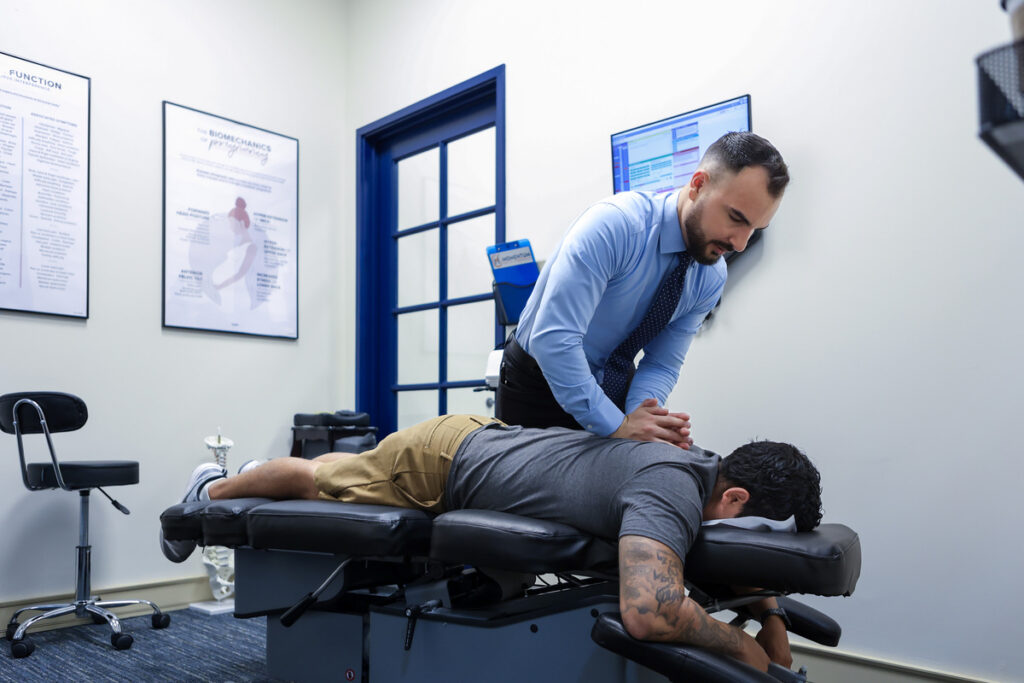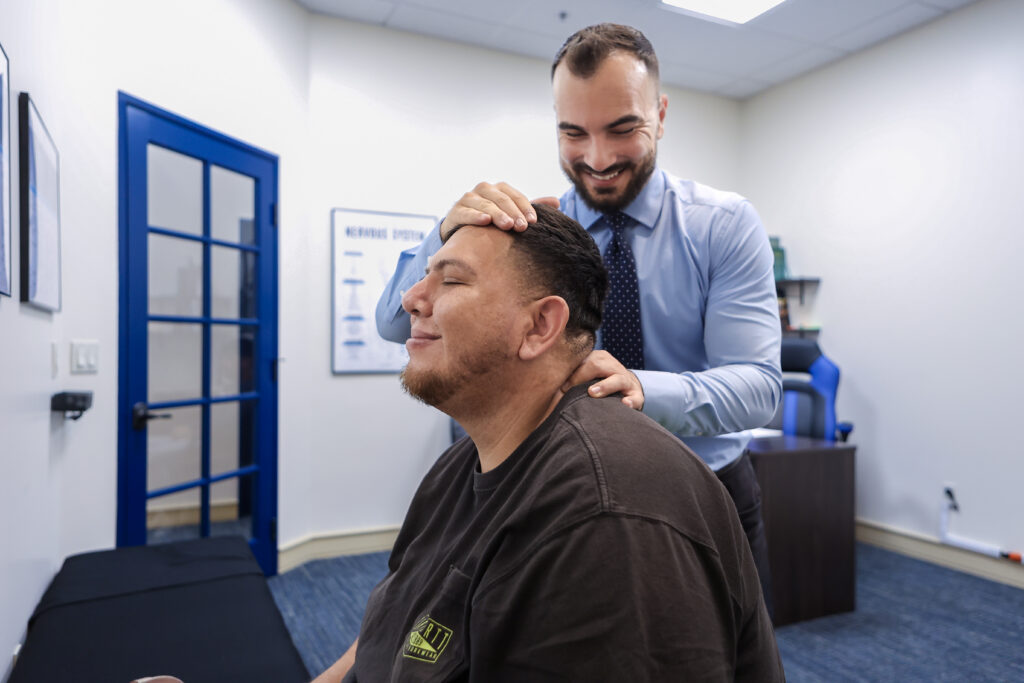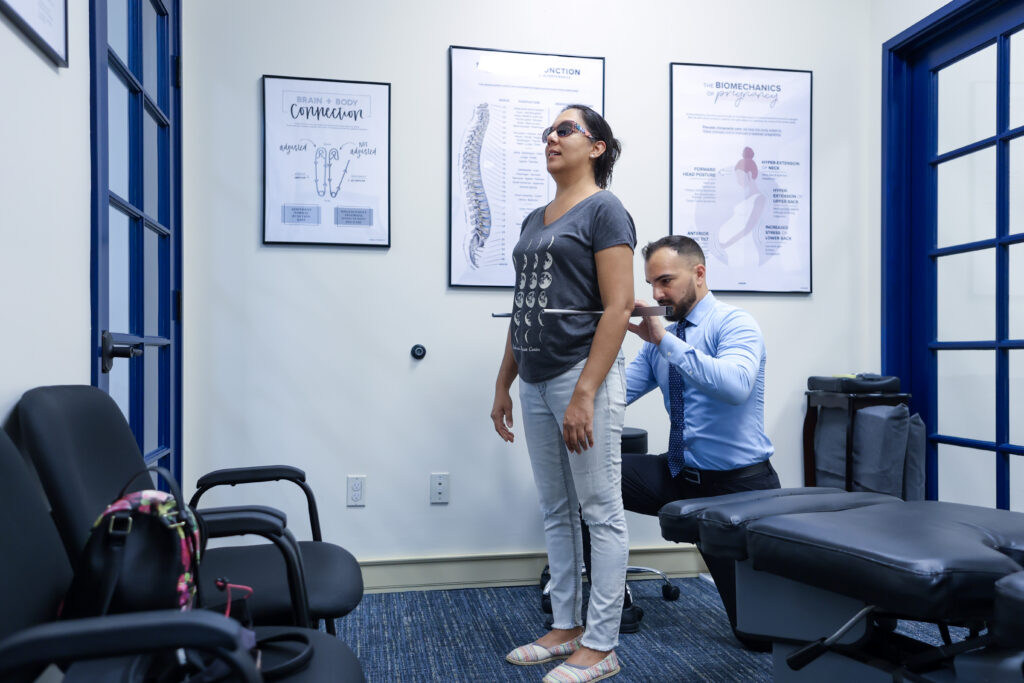

As your local chiropractor, I want to assure you that if you’re experiencing back pain, you’re not alone—many individuals face this challenge in their daily lives, and it can significantly impact your overall well-being. The good news is that there are effective, natural techniques you can integrate into your daily routine to find relief in just 30 days. Through a combination of stretching, posture adjustments, and other holistic approaches, we can work together to help you regain comfort and mobility.
Let’s take a closer look at how each of these techniques can play a vital role in your journey toward a pain-free life. Chiropractic care focuses on aligning your spine and improving your body’s natural ability to heal itself. With a personalized treatment plan, I can guide you through various methods that promote healing and strengthen your back. Remember, you don’t have to suffer in silence—let’s explore these options together for a healthier, happier you.
Practice Daily Stretching Routines
As a local chiropractor, I often see patients struggling with back pain, and I want to share how daily stretching routines can truly make a difference in your healing journey. Stretching is a natural way to improve flexibility, increase blood circulation, and reduce muscle tension, all of which can help alleviate discomfort in your back.
I recommend starting with gentle stretches that focus on mobilizing your spine, such as the cat-cow stretch, or finding relief in the child’s pose, which encourages relaxation in your back. Additionally, incorporating hamstring stretches can significantly ease tension in your lower back and hip flexors.
Aim to hold each stretch for at least 15-30 seconds, and remember to breathe deeply throughout the process to enhance your relaxation. To maximize the benefits, I suggest making it a daily practice—whether in the morning or evening—by dedicating just 10-15 minutes to your stretching routine.
Always listen to your body; it’s important not to push yourself too hard, as this could lead to injury. Consistency is crucial; with time, you’ll likely notice improved mobility and a reduction in discomfort.
Keep in mind that stretching isn’t solely about becoming more flexible; it’s about fostering a supportive environment for your back to heal and thrive naturally. Embracing these practices can complement your chiropractic care and enhance your overall wellness.
Incorporate Strength Training Exercises
As a local chiropractor, I want to emphasize the importance of not only daily stretching for back pain relief but also the significant role that strength training exercises play in your recovery and long-term health.
Strength training is vital because it helps build the muscles that support your spine, leading to improved stability and reduced strain on your back.
To create a well-rounded foundation, I encourage you to focus on exercises that target your core, back, and legs. These areas are essential for maintaining proper posture and alignment, which are crucial for overall spinal health.
Begin with bodyweight exercises such as planks, bridges, and squats. These movements are excellent starting points that allow you to develop strength without the need for equipment.
As you become more comfortable and build strength, you can gradually incorporate weights into your routine.
I recommend aiming for two to three strength training sessions each week, ensuring that you give your muscles adequate time to recover between workouts. Recovery is just as important as the workouts themselves, as it allows your muscles to repair and grow stronger.
As you embark on this journey, always prioritize using proper form to prevent injury. If you’re uncertain about how to perform these exercises correctly, please don’t hesitate to consult with a trainer or a physical therapist.
They can provide you with personalized guidance to ensure you’re on the right track toward achieving a healthier, pain-free back.
Improve Your Posture
As a local chiropractor, I want to emphasize the importance of strength training exercises in your journey towards better posture. These exercises not only help build muscle but also create a strong foundation for a healthier spine.
By focusing on strengthening your core, back, and shoulder muscles, you can better support your spine, which significantly reduces strain and discomfort that many people experience.
I encourage you to incorporate specific exercises like planks, rows, and shoulder presses into your fitness routine. These movements are excellent for enhancing your posture and overall spinal health.
In addition to your workout regimen, it’s vital to be mindful of your everyday habits. When sitting, ensure that your feet are flat on the ground and that your back is straight against your chair.
Using ergonomic chairs or cushions can greatly assist in promoting proper alignment. When standing, remember to distribute your weight evenly across both feet and engage your core muscles to maintain stability.
By combining strength training with mindful daily practices, you can significantly improve your posture and overall well-being.
If you have any questions or need personalized guidance, feel free to reach out for a consultation.
Utilize Heat and Cold Therapy
As a local chiropractor dedicated to your health and well-being, I want to share how heat and cold therapy can be effective tools in alleviating back pain. Each method has its unique benefits and can significantly reduce your discomfort.
Cold therapy, such as ice packs, is particularly useful for minimizing inflammation and numbing sharp pain. I recommend applying it for 15-20 minutes at a time, especially after activities that may exacerbate your back pain. This can help you manage acute discomfort effectively.
Conversely, heat therapy, which includes using heating pads or enjoying warm baths, works to improve blood circulation and relax tense muscles. It’s best to use heat after the initial inflammation has subsided—typically after the first 48 hours post-injury or flare-up.
For optimal relief, you might consider alternating between heat and cold therapies. For example, start with cold therapy to reduce swelling, and once that has improved, switch to heat for muscle relaxation.
Remember to always use a cloth barrier between the heat or cold source and your skin to prevent any injury.
Explore Massage Therapy Options
As a local chiropractor, I want to emphasize the importance of exploring massage therapy as part of a holistic approach to managing back pain. Many people aren’t familiar with how chiropractic care and natural healing work together to alleviate discomfort, so let’s dive into the various massage options available and how they can complement your treatment.
Massage therapy can be incredibly beneficial for those struggling with back pain. Each type of massage offers distinct advantages that can help ease your discomfort and promote overall wellness. Whether it’s deep tissue, Swedish, or trigger point therapy, finding the right type of massage for your needs can enhance your recovery process.
When seeking a massage therapist, look for someone who understands the interconnectedness of the body and how chiropractic care can work hand-in-hand with massage therapy. A good therapist won’t only address your immediate pain but will also consider your overall health and wellness journey.
By combining chiropractic adjustments with targeted massage therapy, you can experience a more comprehensive approach to healing. This dual strategy can help reduce pain, improve mobility, and enhance your quality of life.
Let’s work together to find the right solutions for your back pain and help you achieve optimal health naturally.
Types of Massage Therapy
As your local chiropractor, I’m here to help you explore effective options for relieving back pain through natural healing methods, including various types of massage therapy. Understanding these techniques can empower you to choose the right approach for your specific needs.
Swedish massage is a fantastic option if you’re looking for relaxation and improved circulation. It uses long, gentle strokes that can help ease tension and promote a sense of well-being.
On the other hand, if you’re dealing with chronic pain or persistent tension, deep tissue massage is designed to target those deeper muscle layers, effectively releasing tightness and discomfort.
For those with specific areas of pain, trigger point therapy might be the best fit. This technique focuses on pinpointing tight knots in your muscles, releasing the tension that contributes to your discomfort.
Another approach you may find beneficial is Shiatsu, a traditional Japanese technique that uses finger pressure along energy pathways, or meridians, to help restore balance and alleviate pain.
If you’re an athlete or someone who regularly engages in physical activity, I highly recommend considering sports massage. It’s tailored to enhance flexibility, improve performance, and reduce the risk of injury, making it an excellent choice for active individuals.
Each type of massage therapy offers unique benefits, and I encourage you to think about which method aligns best with your situation.
As we work together on your journey to pain relief and overall wellness, exploring these therapies can be a valuable part of your healing process.
Benefits for Back Pain
As a local chiropractor, I want to share with you the incredible benefits of massage therapy in managing back pain. Many patients aren’t aware that massage can be a complementary approach to chiropractic care, and when tailored to your individual needs, it can significantly enhance your healing journey.
Regular massage therapy can help alleviate muscle tension, improve circulation, and promote relaxation—all crucial components in reducing back pain. Techniques such as deep tissue massage or trigger point therapy can specifically target areas of discomfort, allowing for more focused relief.
Moreover, incorporating massage into your routine can improve your overall flexibility, making daily activities more manageable and comfortable.
We often overlook the mental and emotional aspects of pain. The soothing effects of massage can help lower stress and anxiety levels, which frequently accompany chronic pain conditions.
By considering massage therapy alongside chiropractic adjustments, you’re taking an active role in your health and moving towards a more comfortable, pain-free life.
If you have questions or would like to explore how these therapies can work together for you, don’t hesitate to reach out. I’m here to help you on your journey to wellness.
Finding a Therapist
As a local chiropractor, I want to emphasize the importance of finding the right therapist to support your back pain management. While chiropractic care is a fantastic option, I encourage you to consider these key factors when exploring additional therapies:
- Specialization: Seek out therapists who specialize in back pain or musculoskeletal issues. Their expertise in these areas will complement the adjustments and care you receive in chiropractic sessions, providing a more holistic approach to your healing.
- Techniques: Familiarize yourself with various massage techniques, such as deep tissue or trigger point therapy. Understanding these methods can help you communicate your preferences and needs more effectively, ensuring that the therapy aligns with your chiropractic care.
- Reviews and Recommendations: Don’t hesitate to check online reviews or ask for recommendations from friends and family. Choosing a reputable therapist with a proven track record can enhance your overall experience and contribute positively to your recovery journey.
Consider Alternative Treatments
As a local chiropractor, I want to help you understand how alternative treatments can offer relief from back pain and support your overall wellness. Many of my patients have found success with chiropractic care, which focuses on the relationship between the spine and the nervous system. Through gentle adjustments, we can realign your spine and joints, enhancing your body’s natural ability to heal and reducing discomfort.
In addition to chiropractic adjustments, I often recommend exploring complementary therapies such as acupuncture. This ancient practice targets specific points in the body to alleviate pain and improve mobility.
Massage therapy is another excellent option; it helps relieve muscle tension and boosts circulation, promoting relaxation and recovery.
You may also consider incorporating herbal supplements like turmeric or ginger into your routine for their potential anti-inflammatory benefits, but always consult with me or your primary care physician before starting any new supplements.
Engaging in practices like yoga and Pilates can strengthen your core and improve flexibility, which is essential for supporting your back and preventing future pain.
Lastly, I encourage you to explore mindfulness practices such as meditation or tai chi. These techniques can significantly reduce stress and promote relaxation, contributing to your overall pain relief.
Make Lifestyle Adjustments for Long-Term Relief
As your local chiropractor, I want to help you understand how making some simple lifestyle adjustments can lead to long-term relief from back pain.
One of the first steps is to create an ergonomic workspace. This means arranging your desk, chair, and computer in a way that supports your body and reduces strain.
It’s also essential to incorporate a regular exercise routine that includes stretching and strengthening exercises tailored to your needs.
Additionally, being mindful of your posture throughout the day can significantly impact your spine health. Good posture not only helps alleviate your current discomfort but also plays a crucial role in preventing future back issues.
By embracing these lifestyle changes, you can take proactive steps toward a healthier back and overall well-being.
Ergonomic Workspace Setup
As a local chiropractor, I want to emphasize the importance of creating an ergonomic workspace, especially for those of you who spend long hours sitting. Proper setup can play a crucial role in preventing back pain and ensuring your comfort while you work.
Here are some key adjustments you can make to enhance your posture and overall productivity:
- Chair Height: It’s vital to adjust your chair so that your feet rest flat on the ground and your knees are at a 90-degree angle. This positioning helps alleviate pressure on your lower back.
- Monitor Position: Your monitor should be at eye level and about an arm’s length away. This arrangement helps to prevent neck strain, which is a common issue for many people.
- Keyboard and Mouse: Position your keyboard and mouse close enough so that your elbows remain at your sides. This allows for relaxed shoulders and reduces the risk of developing tension in your upper body.
By incorporating these simple yet effective changes into your workspace, you can experience significant relief from back pain and feel more energized throughout your day.
It’s essential to take the time to set up your environment correctly; it can lead to a healthier and more comfortable working experience. Remember, your well-being is a priority, and small adjustments can make a big difference!
Regular Exercise Routine
As your local chiropractor, I want to emphasize the importance of incorporating a regular exercise routine into your daily life for enhancing your back health and overall well-being.
A balanced approach that includes strength training, flexibility exercises, and aerobic activities is essential for maintaining a healthy spine.
Focusing on core-strengthening workouts, such as planks and bridges, can provide crucial support to your spine. Additionally, incorporating stretching exercises, like yoga or Pilates, can significantly improve flexibility and alleviate tension in your muscles.
It’s important to start slowly and gradually increase the intensity of your workouts to prevent injury. I recommend aiming for at least 150 minutes of moderate aerobic exercise each week, which can be broken down into manageable sessions that fit into your schedule.
Consistency is key! Making exercise a regular part of your daily routine not only helps relieve pain but also contributes to building a stronger and healthier back in the long run.
Healthy Posture Awareness
As a local chiropractor passionate about helping you achieve optimal health, I want to emphasize the vital role that posture plays in your overall well-being.
Many people underestimate how their posture affects their back health, but being mindful of how you sit, stand, and move can lead to significant improvements. By making small adjustments to your posture, you can alleviate discomfort and promote long-term relief.
Here are three essential tips to help you maintain a healthy posture:
- Sit Smart: When choosing a chair, look for one that provides proper support for your lower back. Ensure your feet are flat on the ground, and consider using a footrest if necessary to maintain alignment.
- Stand Tall: Distribute your weight evenly across both feet, and keep your shoulders back to promote good spinal alignment. Engaging your core muscles will provide additional stability and support.
- Move Mindfully: Pay attention to your body movements throughout the day. When lifting objects, remember to bend at your hips and knees rather than at your waist to protect your spine from strain.
By incorporating these habits into your daily routine, you can foster a healthier back and improve your overall quality of life.
If you have any questions or would like personalized guidance, feel free to reach out to my office. Together, we can work towards a more comfortable and pain-free future.
Conclusion
As a local chiropractor, I want to share with you how you can significantly reduce your back pain in just 30 days by embracing natural healing techniques. By committing to daily stretching and strength training, you can enhance your flexibility and support your spine, which is crucial for alleviating discomfort. Additionally, focusing on improving your posture can make a remarkable difference in how your back feels.
Don’t underestimate the power of heat and cold therapy; these simple methods can help soothe inflammation and promote healing. Massage therapy can also be incredibly beneficial in relieving tension and improving circulation, while exploring alternative treatments may offer further relief tailored to your unique needs.
Moreover, making essential lifestyle adjustments—such as incorporating ergonomic practices at work and ensuring proper sleep positions—can contribute significantly to your overall well-being. By sticking to these strategies consistently, you’ll be well on your way to enjoying a more comfortable, pain-free life. Remember, I’m here to support you on this journey to better health!