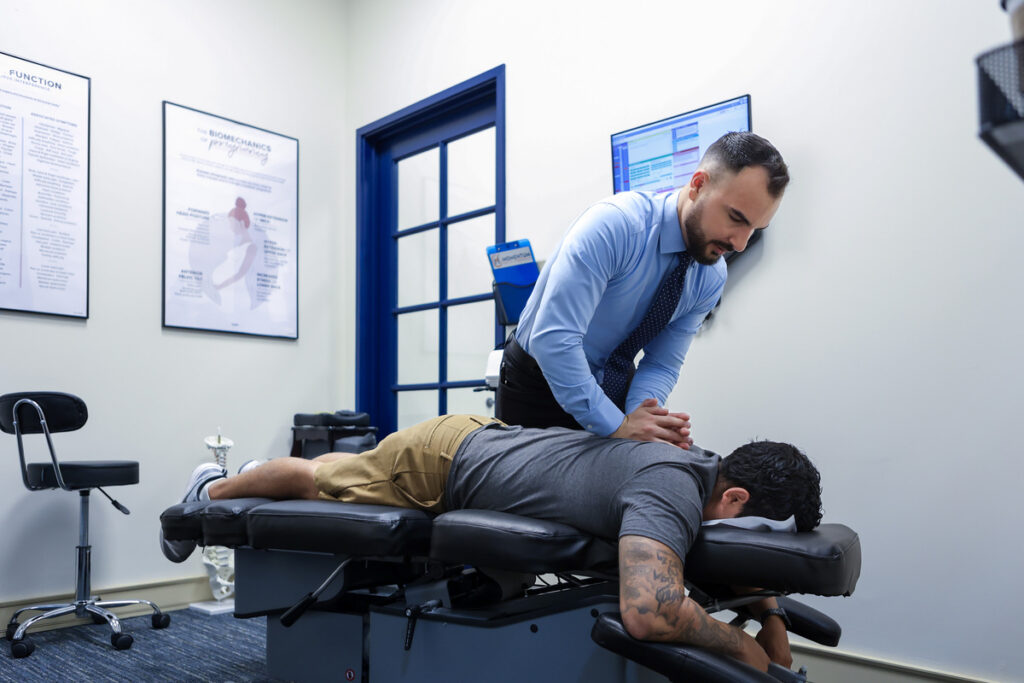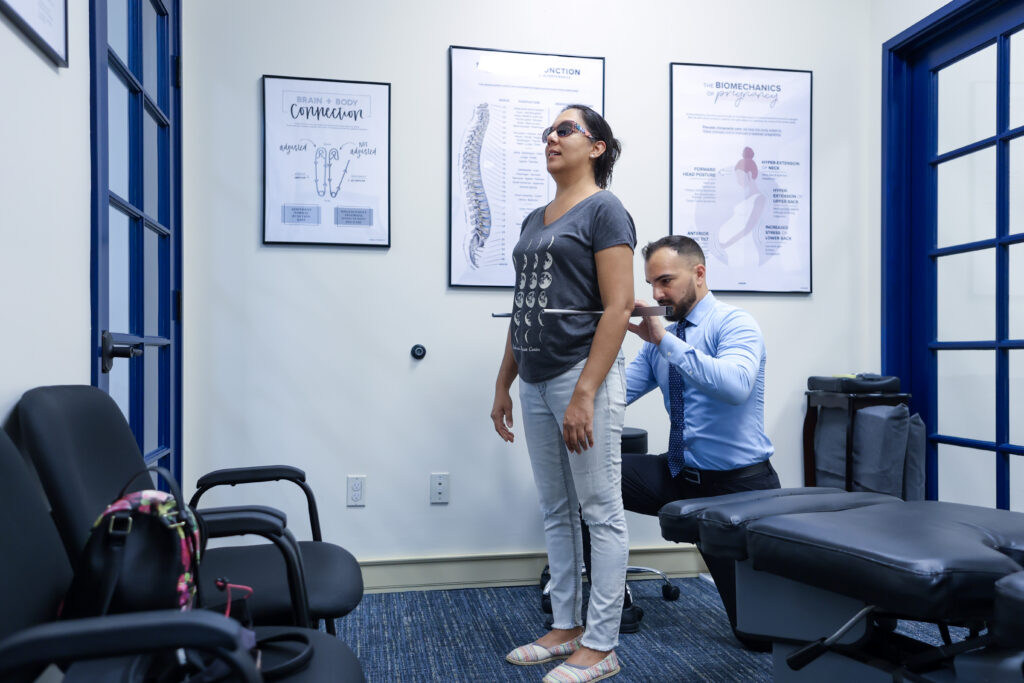

If you’re experiencing migraines and cervical pain, you understand how much they can disrupt your daily life. Finding effective relief is essential, and chiropractic care offers a holistic approach that addresses both your physical and mental well-being. By focusing on spinal health, we can help alleviate pain and improve your overall quality of life.
Chiropractic adjustments can realign the spine and restore proper function to the nervous system, which can significantly reduce the frequency and intensity of migraines and cervical discomfort. Along with adjustments, incorporating lifestyle changes can make a big difference. Here are some simple tips to enhance your wellness journey:
- Maintain Good Posture: Pay attention to your posture, especially when sitting for long periods. Proper alignment helps reduce strain on your neck and spine.
- Stay Hydrated: Dehydration can trigger migraines. Make sure to drink plenty of water throughout the day.
- Practice Relaxation Techniques: Stress can lead to tension in your neck and trigger migraines. Techniques like deep breathing, meditation, or yoga can help release that tension.
- Regular Exercise: Gentle exercises, especially those focusing on neck and upper back strength, can help support your spine and reduce pain.
- Create a Sleep Routine: Establish a regular sleep schedule and create a calming bedtime environment to improve your sleep quality.
- Limit Screen Time: Taking breaks from screens can reduce eye strain, which is often linked to headaches.
By integrating these strategies into your daily routine and seeking regular chiropractic care, you can take significant steps towards managing your migraines and cervical pain naturally. Remember, your spine is the foundation of your body’s health, and chiropractic care is designed to help you achieve optimal wellness. Embrace these changes, and you may find that your discomfort lessens and your overall health improves.
Key Takeaways
- Incorporating gentle stretches and exercises such as neck rolls and chin tucks can be incredibly beneficial in alleviating cervical tension and minimizing migraine discomfort. These simple movements help promote better spinal alignment and relieve stress on the neck, which is essential for overall wellness.
- To effectively lower the frequency of migraines, it’s important to maintain a consistent sleep schedule, engage in regular physical activity, and stay hydrated. These lifestyle habits not only support your body’s natural rhythms but also enhance your overall health, making your spine and nervous system function optimally.
- Identifying and avoiding personal migraine triggers is crucial. Keeping a food diary can help you pinpoint specific foods or habits that may contribute to your migraines. Focus on incorporating anti-inflammatory foods into your diet, as they can support your body’s natural healing processes and complement the benefits of chiropractic care.
- Regular chiropractic care and spinal adjustments are key components for relieving tension and improving spinal alignment. By ensuring your spine is properly aligned, you can reduce the intensity of migraines and enhance your overall well-being, allowing your body to function at its best.
- Practicing mindfulness techniques and deep breathing exercises can significantly enhance relaxation. Establishing a calming bedtime routine is also beneficial for improving sleep hygiene. These practices support a stress-free environment, which is vital for maintaining a healthy spine and reducing migraine occurrences.
By prioritizing chiropractic care and adopting these simple lifestyle changes, you can take significant steps towards achieving optimal health and wellness. Your journey to a pain-free life starts here!
Understanding Migraines and Cervical Pain
When you experience a migraine, you mightn’t realize that cervical pain could also be playing a significant role in your discomfort. Many people overlook the connection between neck issues and migraine attacks. Tension in your cervical spine can trigger or worsen migraines, creating a cycle of pain that’s tough to break. If you notice that your neck feels stiff or sore before or during a migraine, this could indicate that the two problems are linked.
Understanding this relationship is crucial for effectively managing your health. If you’re experiencing cervical pain, it’s important to address it alongside your migraines for a holistic approach to well-being. Gentle stretches and targeted exercises can help ease tension in your neck. For instance, simple neck rolls and chin tucks can promote flexibility and reduce stiffness.
Additionally, maintaining good posture while sitting or working can prevent further strain on your cervical spine. Chiropractic care can also play a pivotal role in alleviating both neck discomfort and migraine episodes. By visiting a chiropractor, you can receive personalized adjustments that improve spinal alignment, relieve tension, and promote overall wellness.
The Role of Lifestyle Changes
While many factors can contribute to migraines, embracing lifestyle changes can significantly enhance your overall health and help reduce the frequency of your headaches. As a local chiropractor, I believe that a holistic approach, including spinal health, is essential for achieving optimal wellness.
First, it’s crucial to identify and avoid your personal migraine triggers, which could include certain foods, stress, or insufficient sleep. Keeping a consistent sleep schedule is vital; it helps regulate your body’s internal clock, potentially leading to fewer headaches.
Integrating regular physical activity into your daily routine can also make a big difference. Even moderate exercises like walking can enhance blood flow and alleviate tension, which may help in managing migraines. Remember, chiropractic care can play a key role in maintaining proper spinal alignment, which supports your body’s overall function and can enhance your physical activity.
Hydration is another important aspect to consider. Dehydration can trigger migraines, so ensure you’re drinking ample water throughout the day.
Additionally, incorporating relaxation techniques such as meditation or yoga can be beneficial. These practices help manage stress, a common contributor to migraines. Chiropractic adjustments can also assist in reducing tension and promoting relaxation throughout the body.
By making these small yet impactful lifestyle adjustments, you can foster a healthier lifestyle that not only supports migraine relief but also enhances your overall quality of life.
Physical Therapy Techniques
Several effective chiropractic techniques can help manage and alleviate migraine symptoms naturally. One beneficial approach is cervical mobilization, which focuses on improving the neck’s range of motion. This can help ease tension that might trigger migraines and promote overall spinal health.
Incorporating specific stretching exercises into your routine can also enhance flexibility and reduce muscle stiffness, making a significant difference in how you feel. Strengthening exercises for the neck and upper back are essential as they improve posture, which helps reduce strain on the muscles connected to your spine.
Another great method is trigger point therapy, where gentle pressure is applied to tight muscle knots. This technique can effectively relieve pain and tension, allowing for greater relaxation.
Additionally, manual therapies, such as chiropractic adjustments and massage, can increase blood flow and promote relaxation. This not only helps diminish the frequency and intensity of migraines but also contributes to overall well-being.
Regular visits to a chiropractor can tailor these techniques to your specific needs, ensuring you receive the best care possible. By incorporating chiropractic methods into your wellness routine, you can find natural relief from migraines and improve your cervical health.
Mindfulness and Relaxation Practices
Practicing mindfulness and relaxation techniques can be a fantastic way to alleviate migraine symptoms, and they work even better when combined with chiropractic care.
By incorporating simple breathing exercises and guided imagery into your daily routine, you can foster a sense of calm that helps to reduce tension—not just in your mind, but also in your spine. This holistic approach not only provides immediate relief from migraines but also contributes to your long-term wellness.
Chiropractic adjustments can play a crucial role in enhancing the effectiveness of these mindfulness practices. By ensuring that your spine is properly aligned, you can improve your overall nervous system function, which is vital for managing pain and stress. A well-aligned spine can help alleviate muscle tension that may trigger migraines, making chiropractic care an essential part of your wellness journey.
To complement your chiropractic treatments, here are some general tips and tricks for managing migraines through mindfulness:
- Deep Breathing: Take a few moments each day to practice deep breathing. Inhale slowly through your nose, hold for a few seconds, and exhale through your mouth. This can help lower stress levels and promote relaxation.
- Guided Imagery: Spend a few minutes visualizing a peaceful scene—like a serene beach or a quiet forest. Allow yourself to immerse in this image, which can help soothe your mind and body.
- Posture Awareness: Maintain good posture while sitting or standing to reduce strain on your spine. Good alignment can minimize tension that might lead to migraines.
- Stay Hydrated: Dehydration can trigger migraines, so make sure you drink plenty of water throughout the day.
- Regular Chiropractic Visits: Regular adjustments can help keep your spine in alignment, reduce tension, and improve your overall health—making it easier to manage migraine symptoms.
By combining chiropractic care with mindfulness practices, you can take significant steps towards achieving optimal health and reducing migraine occurrences.
Breathing Exercises Benefits
Incorporating breathing exercises into your daily routine can be a valuable tool for managing migraines, and it complements chiropractic care beautifully. These exercises promote mindfulness and relaxation, which are essential for reducing stress and tension—two common migraine triggers. By practicing deep, slow breaths, you activate your body’s natural relaxation response, helping to create a sense of calm.
This calming effect can relieve muscle tension in your neck and shoulders, areas that often contribute to cervical pain and headaches. When you combine breathing exercises with regular chiropractic adjustments, you enhance your body’s ability to cope with pain, making you more resilient during migraine episodes.
Additionally, these exercises can boost your overall mental clarity and emotional well-being, allowing you to handle stress more effectively. As a chiropractor, I encourage my patients to incorporate breathing techniques as a simple yet powerful addition to their migraine relief strategy.
Here are a few tips to get started with breathing exercises:
- Find a Quiet Space: Choose a calm, comfortable spot where you won’t be disturbed.
- Practice Deep Breathing: Inhale deeply through your nose, allowing your abdomen to rise. Hold for a moment, and then exhale slowly through your mouth.
- Set Aside Time: Dedicate a few minutes each day to practice your breathing exercises. Consistency is key!
- Combine with Chiropractic Care: Schedule regular chiropractic adjustments to help align your spine and relieve tension, enhancing the benefits of your breathing exercises.
Guided Imagery Techniques
Building on the benefits of breathing exercises, guided imagery techniques can be a powerful tool for managing migraines and promoting overall wellness through mindfulness and relaxation. These techniques allow you to redirect your focus away from pain and discomfort.
Begin by finding a comfortable position, closing your eyes, and taking a few deep breaths to center yourself. Imagine yourself in a serene setting, like a peaceful beach or a lush forest. Engage all your senses—feel the warmth of the sun on your skin, listen to the gentle sound of waves, or breathe in the fresh scent of pine trees. This immersive experience can help reduce tension and foster a sense of calm.
Incorporating guided imagery into your routine can enhance your ability to cope with migraines and cervical pain, empowering you to take an active role in your health. Remember, chiropractic care is an excellent choice for natural pain relief and wellness. Regular adjustments can help keep your spine aligned, which is essential for overall health and can reduce the frequency and severity of migraines.
As you explore these techniques, consider combining them with regular chiropractic visits. This combination not only addresses the root cause of your discomfort but also supports your body’s natural healing processes.
For optimal health, maintain a healthy lifestyle by staying hydrated, practicing stress management techniques, and ensuring you get enough rest. Together, these practices can create a powerful approach to managing pain and promoting wellness.
Dietary Adjustments for Pain Management
When managing migraines, your diet can play a crucial role in easing your pain and reducing the frequency of attacks. As a chiropractor, I believe that natural healing through lifestyle choices, including what you eat, can significantly support your overall wellness.
By incorporating anti-inflammatory foods and ensuring you stay well-hydrated, you can create a healthier environment for your body to thrive. Anti-inflammatory foods, such as leafy greens, berries, and fatty fish, can help calm your body’s responses and may lessen the intensity of your migraines.
Staying hydrated is equally important; dehydration can be a common trigger for headaches, so make sure to drink plenty of water throughout the day.
In addition to dietary adjustments, regular chiropractic care can also play a vital role in managing migraines. Chiropractic adjustments help ensure your spine is properly aligned, which can reduce tension and stress in your body, ultimately contributing to fewer headaches.
Here are some general tips to incorporate into your daily routine for better migraine management:
- Eat a Balanced Diet: Focus on whole, unprocessed foods, and include plenty of fruits, vegetables, whole grains, and lean proteins.
- Stay Hydrated: Aim for at least 8 glasses of water a day and consider adding hydrating foods like cucumbers and watermelon to your diet.
- Identify Triggers: Keep a food diary to track what you eat and how it relates to your migraines, helping you identify specific triggers.
- Maintain Regular Chiropractic Visits: Regular adjustments can help alleviate tension and improve your overall spinal health, which may reduce the frequency of migraine attacks.
- Practice Stress Management: Techniques such as yoga, meditation, or deep breathing can help keep stress levels in check, reducing the likelihood of a migraine.
By making these dietary adjustments and prioritizing chiropractic care, you can take proactive steps towards managing your migraines and enhancing your overall wellness.
Anti-inflammatory Food Choices
Incorporating anti-inflammatory foods into your diet can significantly enhance your overall health and support your journey toward migraine management. As a chiropractor, I believe in the power of natural healing through nutrition and lifestyle choices. Foods rich in omega-3 fatty acids, like salmon and chia seeds, not only reduce inflammation but also help alleviate pain, making them fantastic additions to your meals.
Leafy greens, such as spinach and kale, are packed with antioxidants that can combat oxidative stress in your body, which is linked to various pain conditions, including migraines. Don’t forget about berries! Blueberries and strawberries aren’t only delicious but also provide impressive anti-inflammatory benefits that can support your body’s healing processes.
Turmeric is another superstar in the anti-inflammatory world, thanks to its active compound curcumin. Adding turmeric to your dishes can’t only enhance flavor but may also help ease pain.
Plus, incorporating healthy fats from nuts and olive oil, along with the soothing properties of green tea, can further support your wellness.
By focusing on these anti-inflammatory foods and making simple dietary adjustments, you can promote better overall health and potentially reduce the frequency and intensity of your migraines.
Hydration and Pain Relief
Staying properly hydrated is a vital part of managing migraines and overall health, as even mild dehydration can trigger headaches or worsen existing pain.
As a chiropractor, I encourage you to make it a habit to drink water consistently throughout the day. Aim for at least eight 8-ounce glasses of water daily, and consider increasing your intake if you’re active or in hot weather. Herbal teas and drinks rich in electrolytes can also be beneficial.
Listen to your body—thirst and dark urine are signs that you may need more fluids. It’s important to limit caffeine and alcohol, as these can contribute to dehydration.
Additionally, incorporating water-rich foods, such as fruits and vegetables, into your diet can enhance your hydration levels.
By prioritizing hydration, you’re not only laying a strong foundation for pain relief but also promoting your overall well-being. This proactive approach can make it easier to manage migraine symptoms effectively.
The Benefits of Regular Exercise
Regular exercise is a fantastic way to support your overall health and alleviate migraine symptoms. As a chiropractor, I believe in the power of natural healing and wellness, and incorporating physical activity into your routine can be a game-changer for those dealing with migraines and cervical pain.
Here are three key benefits of exercise that can enhance your well-being and complement chiropractic care:
- Improved Blood Circulation: Engaging in regular exercise boosts your blood flow, which delivers essential oxygen and nutrients to your brain. This increased circulation can help minimize potential headache triggers, making it easier to manage migraine symptoms. Simple activities like walking or stretching can make a significant difference.
- Enhanced Mood: When you exercise, your body releases endorphins—natural chemicals that act as painkillers and mood enhancers. This can lead to a more positive outlook and reduced anxiety, both of which are known factors that can contribute to migraines. Incorporating fun activities that you enjoy, like dancing or cycling, can help keep you motivated.
- Better Sleep Quality: Regular physical activity can help regulate your sleep patterns, leading to deeper, more restorative rest. Quality sleep is crucial for managing migraines effectively. Try to establish a consistent workout schedule, and aim for at least 30 minutes of moderate exercise most days of the week to reap the benefits.
In addition to these benefits, remember that chiropractic care can further enhance your wellness journey. By addressing spinal alignment and function, chiropractic adjustments can help alleviate tension and improve your body’s overall performance.
If you’re struggling with migraines or cervical pain, consider speaking with a chiropractor to explore how a holistic approach to health can work for you.
Takeaway Tip: Start small! Find an activity you enjoy, set a regular schedule, and listen to your body. Consistency is key, and over time, you’ll likely notice improvements in your overall health and well-being.
Alternative Therapies: Acupuncture and Massage
If you’re seeking relief from migraines, consider exploring chiropractic care as a primary option. Chiropractic adjustments can help alleviate tension in the spine and neck, which can be a significant contributor to migraine pain. By addressing the underlying issues related to spinal alignment, chiropractic care promotes overall health and wellness, potentially reducing the frequency and intensity of migraines.
In addition to chiropractic adjustments, therapies like acupuncture and massage can complement your treatment plan. While these methods have their own unique benefits, incorporating chiropractic care can provide a more holistic approach to managing your symptoms. By focusing on spinal health and the nervous system, you may find improved balance and relaxation.
Here are a few tips to help manage migraines naturally:
- Maintain Good Posture: Poor posture can contribute to tension headaches. Be mindful of your posture, especially when sitting at a desk or using electronic devices.
- Stay Hydrated: Dehydration can trigger migraines. Make sure to drink plenty of water throughout the day.
- Regular Exercise: Gentle exercises, like walking or yoga, can help reduce stress and tension, which may alleviate migraine symptoms.
- Limit Caffeine and Alcohol: Both can be triggers for migraines, so it may be beneficial to monitor your intake.
- Practice Stress Management: Techniques such as deep breathing, meditation, or mindfulness can help reduce stress, a common migraine trigger.
By choosing chiropractic care and incorporating these tips, you can take proactive steps towards better health and potentially find relief from migraines naturally.
Benefits of Acupuncture
Acupuncture can be an intriguing alternative for those seeking relief from migraines, but as a chiropractor, I want to emphasize the incredible benefits of chiropractic care for managing pain and promoting overall wellness.
Chiropractic adjustments focus on aligning the spine and improving nervous system function, which can lead to significant relief from migraines and other headaches. Here are some advantages of choosing chiropractic care:
- Pain Reduction: Many patients experience a marked decrease in the frequency and intensity of their migraines after receiving chiropractic adjustments. By addressing spinal misalignments, you can help alleviate pressure on nerves that may be contributing to your pain.
- Stress Relief: Chiropractic care also aids in reducing stress and tension in the body. Regular adjustments can help relax tight muscles and improve your overall sense of well-being, which can be particularly beneficial since stress is a known trigger for migraines.
- Improved Sleep: Chiropractic care can enhance your sleep quality by promoting better spinal alignment and reducing pain. When your body is well-aligned, it can recover more effectively, allowing you to manage pain and achieve restful sleep.
In addition to chiropractic care, here are some general tips for managing migraines:
- Stay Hydrated: Dehydration can trigger migraines, so be sure to drink plenty of water throughout the day.
- Maintain a Consistent Sleep Schedule: Going to bed and waking up at the same time daily helps regulate your body’s internal clock.
- Practice Relaxation Techniques: Incorporate deep breathing, meditation, or yoga into your routine to help manage stress levels.
By focusing on chiropractic care and these healthy lifestyle choices, you can take proactive steps towards reducing migraines and enhancing your overall health.
Massage Techniques for Relief
Chiropractic care is a powerful method for finding relief from migraines, and while massage techniques can complement this treatment, it’s important to understand that chiropractic adjustments primarily target the root causes of pain.
By aligning the spine and relieving pressure on nerves, chiropractors can significantly reduce the frequency and intensity of migraine episodes.
Massage can indeed help alleviate tension in your neck and shoulders—common areas where tightness can contribute to headaches. Techniques like Swedish massage promote relaxation and enhance blood flow, while deep tissue massage works on releasing muscle knots that can cause discomfort.
Trigger point therapy can also be beneficial, as it focuses on specific areas of pain, potentially providing some temporary relief.
However, to achieve optimal health and long-lasting relief from migraines, I recommend prioritizing chiropractic care. Regular adjustments not only help relieve immediate pain but also promote overall wellness by improving your body’s function and resilience.
In addition to seeking chiropractic adjustments, here are some tips to enhance your well-being and manage migraines:
- Stay Hydrated: Dehydration can trigger headaches, so drink plenty of water throughout the day.
- Maintain Good Posture: Poor posture can lead to tension in the neck and shoulders. Be mindful of your posture when sitting, especially for long periods.
- Practice Stress Management: Engage in relaxation techniques such as deep breathing, meditation, or yoga to help reduce stress levels.
- Get Adequate Rest: Ensure you’re getting enough sleep, as fatigue can exacerbate migraine symptoms.
- Regular Exercise: Physical activity can help reduce the frequency of migraines by improving circulation and releasing endorphins.
Always communicate openly with your chiropractor about your migraine symptoms and any other health concerns. This ensures that you receive a tailored care plan that addresses your specific needs, providing you with the best chance for relief and a healthier, more vibrant life.
Combining Both Therapies
While exploring relief strategies for migraines, many individuals discover that integrating chiropractic care with therapies like acupuncture and massage can significantly enhance overall effectiveness. This powerful approach addresses both the physical and energetic aspects of pain relief, promoting natural healing.
Here are three benefits of incorporating chiropractic care along with these therapies:
- Symptom Reduction: Chiropractic adjustments can help realign the spine and relieve tension in the nervous system. When combined with acupuncture’s focus on pressure points and massage’s muscle relaxation, this holistic approach can effectively reduce the intensity and frequency of migraines.
- Improved Circulation: Regular chiropractic care promotes better spinal alignment, which can enhance blood flow throughout the body. Improved circulation ensures that oxygen and essential nutrients reach your brain, potentially helping to prevent migraines.
- Deep Relaxation: Chiropractic treatments encourage relaxation by reducing physical stress on the body. When paired with the calming effects of acupuncture and massage, this can lower stress levels, which are often a trigger for migraines.
For those seeking to manage migraines naturally, consider incorporating regular chiropractic visits into your wellness routine.
Additionally, remember to stay hydrated, maintain good posture, and practice relaxation techniques like deep breathing or meditation. These simple lifestyle adjustments can further enhance your overall well-being and support your journey towards optimal health.
The Impact of Sleep on Pain Relief
Getting enough quality sleep is essential for managing migraine pain, as inadequate rest can trigger or worsen headaches. When you’re well-rested, your body is better equipped to regulate pain signals, which can reduce the intensity and frequency of migraines. A consistent sleep schedule can help stabilize your internal clock, making it easier for you to fall asleep and wake up feeling refreshed.
As a chiropractor, I encourage you to aim for 7-9 hours of sleep each night. Establishing a calming bedtime routine can signal to your body that it’s time to wind down. Consider activities like gentle stretching or deep breathing exercises, which can help relax both your mind and body.
Creating a comfortable sleep environment is also key—make sure your room is dark, quiet, and cool to enhance your sleep quality. Additionally, try to avoid stimulants like caffeine and screen time before bed, as these can interfere with your ability to relax and prepare for sleep.
Hydration and Its Importance
Staying hydrated is crucial for overall wellness, especially when it comes to managing migraines. Dehydration can’t only trigger headaches but also intensify existing pain. By ensuring you drink enough fluids, you support your body’s natural balance and may even reduce the frequency and intensity of migraines.
As a chiropractor, I believe that maintaining good hydration is part of a holistic approach to health and wellness. Here are three simple hydration tips to help you stay on track:
- Drink Water Regularly: Strive for at least 8 glasses of water a day. Remember to increase your intake when it’s hot outside or when you’re exercising. Keeping a water bottle handy can remind you to sip throughout the day.
- Eat Hydrating Foods: Include fruits and vegetables in your diet that are high in water content. Items like watermelon, cucumbers, and oranges not only hydrate you but also provide essential nutrients that support your body’s overall function.
- Limit Dehydrating Beverages: Be mindful of how much caffeine and alcohol you consume, as these can lead to dehydration and worsen headache symptoms. Instead, opt for herbal teas or infused water for a refreshing alternative.
By incorporating these hydration tips into your daily routine, you can take a proactive step towards managing migraines naturally.
Building a Support System for Chronic Pain
Managing migraines effectively often goes beyond individual strategies like hydration; it also involves creating a strong support system that emphasizes natural healing methods. Surrounding yourself with understanding friends, family, and healthcare professionals who appreciate the benefits of chiropractic care can significantly enhance your journey toward relief.
Educate your loved ones about your condition, including how chiropractic adjustments can play a role in alleviating migraine symptoms. This knowledge empowers them to provide the empathy and support you need during challenging times.
Consider joining a support group focused on holistic health, where you can connect with others who appreciate the advantages of natural wellness practices, including chiropractic care. These communities can offer valuable insights and coping strategies that align with your goals for healthier living.
Don’t hesitate to lean on your network during tough times. Whether it’s someone to talk to or a friend who can assist with daily tasks, having that support can make managing your migraines easier. Remember, you’re not alone in this journey; building a support system that values natural healing can empower you to manage your migraines more effectively and improve your overall well-being.
Additionally, consider incorporating regular chiropractic visits into your routine. Chiropractic care can help realign your spine, which may reduce the frequency and intensity of migraines.
Simple lifestyle changes, like practicing good posture and staying active, can also contribute to reducing pain and enhancing your wellness. Embrace these strategies to foster a healthier, pain-free life!
Conclusion
Incorporating chiropractic care into your routine can significantly enhance your well-being, especially when dealing with migraines and cervical pain. By focusing on spinal health and alignment, you can take control of your pain naturally. This approach not only alleviates discomfort but also promotes overall wellness.
Consider making lifestyle adjustments that support a healthy spine. Regular exercise, particularly gentle stretches and strengthening movements, can improve your posture and reduce tension in your neck and head. Embracing physical therapy techniques, such as targeted exercises recommended by your chiropractor, can also play a crucial role in your recovery.
Mindfulness practices like deep breathing and meditation can help manage stress, which is often a trigger for migraines. Additionally, paying attention to your diet and staying hydrated can support your body’s natural healing processes. Don’t underestimate the power of a supportive network—friends and family can provide encouragement and understanding on your journey to better health.
Remember, managing pain is a journey, and every small step you take toward spinal health can lead to significant improvements. Prioritize your health by considering regular chiropractic adjustments, as they can help maintain proper alignment and prevent future issues. Stay proactive, and embrace a lifestyle that nurtures your body; it’s worth it!