
If you're dealing with chronic migraines, you understand how much they can disrupt your daily life. As a local chiropractor, I want to emphasize the importance of exploring a variety of relief strategies that align with your lifestyle and individual needs. There are many options available, from simple lifestyle adjustments to dietary changes, that can help alleviate your symptoms. Additionally, incorporating stress management techniques and alternative therapies, such as chiropractic care, may provide significant relief.
Chiropractic care focuses on the alignment of the spine and nervous system, which can play a vital role in migraine management. Many patients find that regular adjustments help reduce the frequency and intensity of their migraines. However, discovering what works best for you is essential. This may involve understanding your unique triggers and how they relate to your overall health. By working together, we can create a tailored approach to help you find effective relief from chronic migraines.
Understanding Chronic Migraines
Chronic migraines can significantly impact your daily life, making it difficult to concentrate on tasks or enjoy quality moments with family and friends. If you've faced this condition, you understand it's not merely a severe headache; it's a complex issue that requires attention.
Chronic migraines are characterized by experiencing headaches on 15 or more days each month for at least three months, with a minimum of eight of those days being true migraine days. These episodes can bring on a variety of symptoms, such as intense throbbing pain, nausea, vomiting, and heightened sensitivity to light and sound.
As a chiropractor, I believe that understanding chronic migraines is essential for effective management. These migraines often arise from a combination of genetic, environmental, and neurological factors. Although the precise cause isn't fully understood, it's crucial to note that they aren't simply stress-induced headaches; they involve intricate brain activity and changes within the nervous system.
Triggers may include hormonal fluctuations, sleep disturbances, certain foods, or even changes in weather. The pain associated with chronic migraines can last anywhere from a few hours to several days, profoundly affecting your quality of life.
Unlike occasional migraines, chronic migraines necessitate a proactive approach to treatment. This includes not only using medication during an attack but also integrating lifestyle changes and preventive strategies.
In my practice, I focus on holistic methods that can help alleviate migraine symptoms and improve your overall well-being. By gaining a deeper understanding of your condition and exploring natural healing options, you can implement effective relief strategies.
This approach can lead to a more manageable life, allowing you to regain control despite the challenges posed by chronic migraines. Let's work together to find solutions that resonate with your body's needs and promote healing from within.
Identifying Triggers
As a local chiropractor, I believe that understanding your migraine triggers is an essential part of effectively managing chronic migraines. By identifying the factors that contribute to your migraines, you can take proactive steps to avoid these triggers and lessen the frequency and severity of your headaches.
One of the best ways to start is by keeping a migraine diary. Record when your migraines occur, how long they last, and any symptoms you experience. Additionally, log your daily activities, meals, sleep patterns, and stress levels. Over time, you may notice patterns emerge. For example, do your migraines tend to follow a particularly stressful week at work or a night of inadequate sleep?
There are several common triggers that many people experience, including certain foods, beverages, changes in weather, hormonal shifts, and stress. Be mindful of specific foods like aged cheeses, processed meats, and alcohol, which are known to trigger migraines in many individuals. Caffeine can be tricky; while small amounts might offer relief, excessive consumption can lead to withdrawal headaches.
Environmental factors also play a significant role in migraine occurrences. Bright lights, loud noises, and strong odors can provoke migraines for some individuals. Pay attention to your surroundings when a migraine hits, as this can help you identify potential environmental triggers.
If you're struggling to pinpoint your triggers, don't hesitate to reach out to a healthcare professional. As your chiropractor, I can help you interpret your migraine diary and suggest additional strategies for identifying and managing your triggers through natural healing techniques.
Lifestyle Modifications
As a local chiropractor dedicated to promoting natural healing and overall wellness, I want to share some thoughtful lifestyle modifications that can significantly help in reducing the frequency and intensity of migraines.
First and foremost, establishing a consistent sleep schedule is crucial. Aim for seven to eight hours of quality sleep each night, and try to go to bed and wake up at the same time every day. This consistency not only helps regulate your body's internal clock but also plays a vital role in minimizing migraine occurrences.
In addition, incorporating regular physical activity into your daily routine can be incredibly beneficial. Aim for at least 30 minutes of moderate exercise most days of the week. Activities like walking, swimming, or yoga are excellent choices that enhance blood flow and alleviate stress—two factors that can greatly impact migraine management.
Just be mindful to avoid overexertion, as intense workouts may sometimes trigger migraines.
Managing stress is another key aspect of migraine prevention. I encourage you to practice relaxation techniques such as deep breathing, meditation, or progressive muscle relaxation. These approaches can help you maintain a calm and focused mindset, ultimately reducing your chances of experiencing a migraine.
Remember, it's important to explore different strategies to find what resonates best with you.
Lastly, don't underestimate the importance of staying well-hydrated. Dehydration is a common trigger for migraines, so be sure to drink plenty of water throughout the day. A general guideline is to aim for about eight glasses, but be sure to adjust this based on your individual needs and activity level.
Dietary Changes
As a local chiropractor, I want to share how dietary changes can play a crucial role in managing migraines. Many of my patients have found that making thoughtful adjustments to their diet can significantly reduce the frequency and intensity of their headaches. A great starting point is to track what you eat and identify any potential triggers. Common migraine triggers often include aged cheeses, processed meats, and artificial sweeteners. By eliminating or reducing these foods, you may notice a welcome decrease in migraine occurrences.
In addition to avoiding specific triggers, it's essential to incorporate a well-balanced diet that includes plenty of fruits, vegetables, whole grains, and lean proteins. Certain foods, particularly those high in magnesium—like spinach, nuts, and seeds—can be beneficial in lessening migraine frequency.
Consistency in meal timing is also key; skipping meals can lead to low blood sugar, a known headache trigger. I recommend aiming for regular meal times to keep your energy levels steady.
Hydration is another vital aspect to consider. Dehydration is a common migraine trigger, so it's important to drink plenty of water throughout the day. Aim for at least eight glasses daily, and increase your intake if you're active or if the weather is particularly hot.
It's also wise to limit caffeine and alcohol, as both can contribute to dehydration and might trigger migraines for some individuals.
I suggest keeping a food diary to document what you eat and when migraines occur. This can help you identify patterns and specific triggers.
By making these dietary adjustments and being mindful of your food choices, you can take significant steps toward reducing the impact of chronic migraines on your life. Remember, small changes in your diet can lead to substantial improvements in your health and well-being.
If you have any questions about how chiropractic care can further support your journey to wellness, feel free to ask!
Alternative Therapies
As a local chiropractor, I want to share how alternative therapies, such as chiropractic care, acupuncture, and herbal remedies, can play a vital role in managing chronic migraines.
Many of my patients have found that these natural approaches not only help in reducing pain but also contribute to their overall health and well-being.
Chiropractic care focuses on the alignment of the spine and the nervous system, which can often lead to a decrease in migraine frequency and intensity.
Additionally, incorporating acupuncture and certain herbal remedies can enhance your body's ability to heal naturally.
If you're struggling with migraines, let's discuss how integrating these therapies into your management plan can provide you with the relief you seek and improve your quality of life.
Acupuncture for Pain Relief
As a local chiropractor, I want to introduce you to a natural healing method that could provide significant relief for those suffering from chronic migraines: acupuncture. This ancient practice involves the insertion of thin needles into specific points on the body to promote the flow of energy and restore balance. Many of my patients who've experienced migraines report a noticeable reduction in both the intensity and frequency of their headaches after undergoing acupuncture treatments.
During your visit to an acupuncturist, you'll be assessed based on your individual symptoms, allowing for a personalized treatment plan tailored to your needs. Typically, acupuncture sessions last between 30 to 60 minutes, where you can relax comfortably while the needles do their work. Most individuals find the experience soothing and some even drift off to sleep during their appointment.
There is a growing body of research that supports the effectiveness of acupuncture in alleviating migraine pain. Studies indicate that it can decrease the number of headache days while also enhancing overall well-being. However, it's essential to seek out a qualified practitioner to ensure you receive appropriate care and maximize the benefits of this treatment.
If you're considering acupuncture as part of your migraine management plan, I encourage you to have a conversation with me or your healthcare provider. Together, we can determine how this complementary therapy might fit into your overall approach to regaining control over your migraines.
With its potential to provide relief, acupuncture could be the natural healing solution you've been looking for.
Herbal Remedies and Supplements
As a chiropractor dedicated to helping patients manage chronic migraines, I often encourage exploring herbal remedies and supplements as part of an integrated treatment approach. These natural options can work alongside traditional chiropractic therapies to help reduce the frequency and intensity of migraine episodes.
One popular herbal remedy is butterbur. Research suggests that this plant may help decrease the occurrence of migraine attacks. However, it's crucial to choose a PA-free formulation to avoid any potential liver toxicity.
Another herb worth considering is feverfew, which is known for its anti-inflammatory properties. Many individuals have reported improvements in headache severity when incorporating feverfew into their routine, but it's important to remember that results can vary from one person to another.
Magnesium supplements are also gaining recognition for their ability to prevent migraines, particularly in individuals with a magnesium deficiency. Additionally, riboflavin (Vitamin B2) has shown promise in some studies for reducing the frequency of migraines.
Before adding any new herbal remedies or supplements to your regimen, I always recommend consulting with your healthcare provider. This is especially important as certain supplements can interact with other medications you may be taking.
To optimize your migraine management, consider keeping a journal to track your symptoms and the effectiveness of different treatments.
Medications and Treatments
Chronic migraines can significantly disrupt your daily activities, but there are many effective strategies, including chiropractic care, that can help manage the pain naturally.
It's essential to explore all of your options for relief. Here's a brief overview of how chiropractic care and natural healing can assist you in managing migraines:
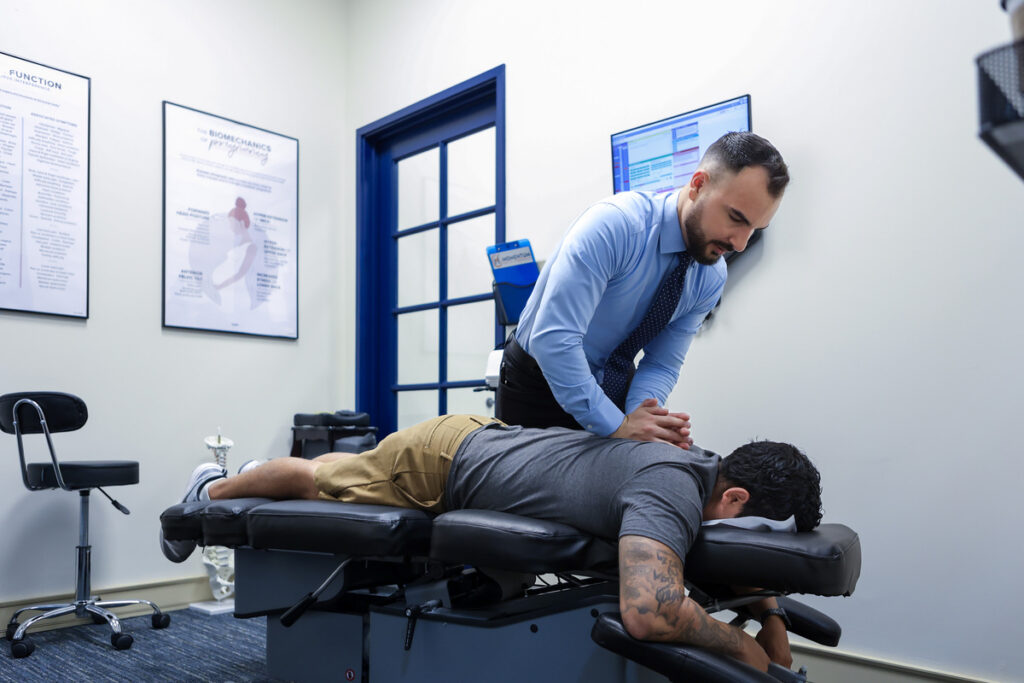
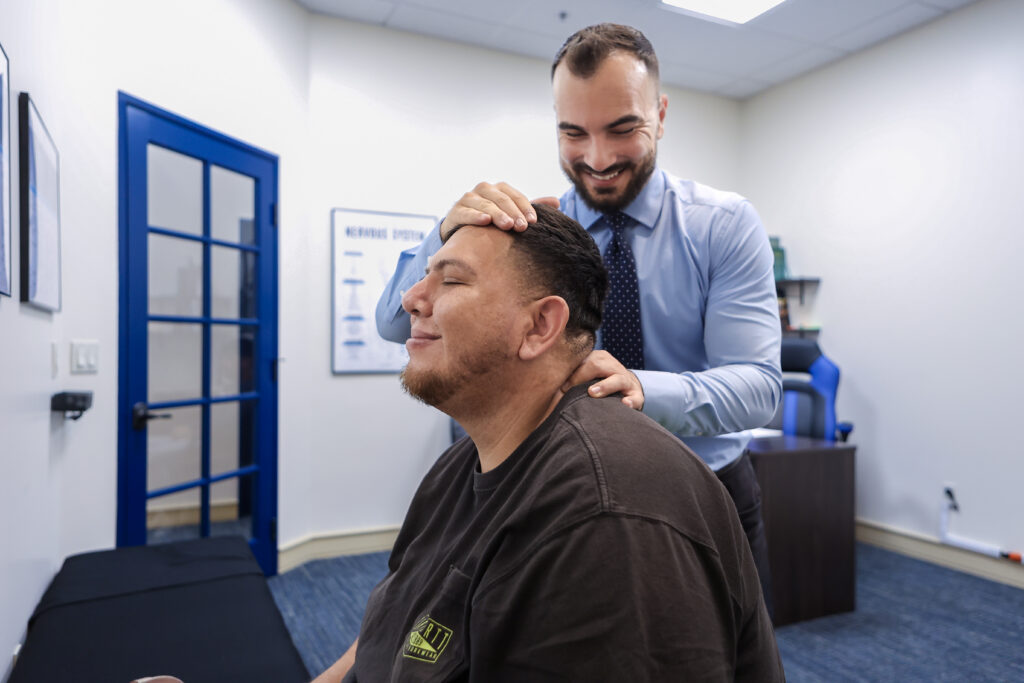
- Chiropractic Adjustments: Regular spinal adjustments can help alleviate tension in the neck and spine, which may contribute to migraine triggers. By restoring proper alignment, chiropractic care can reduce the frequency and intensity of migraine episodes.
- Lifestyle and Nutritional Guidance: As a chiropractor, I can provide insights into lifestyle changes that may help alleviate migraines. This includes advice on proper hydration, nutrition, and stress management techniques that can significantly impact your overall health.
- Therapeutic Exercises: Incorporating specific stretches and strengthening exercises into your routine can help improve posture and reduce muscle tension, which are common contributors to migraines.
- Alternative Therapies: In addition to chiropractic adjustments, I may suggest complementary therapies such as massage, acupuncture, or biofeedback. These methods can promote relaxation and improve your body's response to pain.
It's crucial to work closely with your chiropractor to develop a personalized treatment plan that addresses your specific needs.
We'll discuss the potential benefits and any considerations associated with each approach.
Remember, finding the right combination of treatments may take time, and it's important to be patient as we explore what works best for you.
By staying informed about your options and maintaining open communication with your healthcare provider, you can take proactive steps towards managing your chronic migraines.
With the right approach, including chiropractic care, you can regain control and significantly enhance your quality of life.
Stress Management Techniques
As a local chiropractor, I want to emphasize the importance of managing stress, particularly for those who experience migraines. Stress can significantly impact your overall health, and understanding how to alleviate it is crucial.
Techniques such as mindfulness, meditation, and breathing exercises not only promote relaxation but also empower you to take control of your health.
Incorporating these natural stress management practices into your daily routine can foster a more harmonious environment for both your mind and body.
As you explore chiropractic care, remember that it's not just about spinal adjustments; it's also about holistic healing, which includes managing stress effectively.
By prioritizing these techniques, you may find relief from migraine symptoms and improve your overall well-being.
Let's work together to create a healthier, more balanced lifestyle!
Mindfulness and Meditation
As a local chiropractor dedicated to promoting natural healing, I want to share how mindfulness and meditation can be incredibly beneficial for managing chronic migraines. These practices can help you cultivate a sense of calm and alleviate stress, which are crucial components in reducing the frequency and intensity of your migraines.
Here's how you can seamlessly incorporate mindfulness and meditation into your daily routine:
- Establish a calming environment: Designate a quiet space in your home specifically for meditation. This area should be free from distractions, signaling to your body and mind that it's time to unwind and restore balance.
- Maintain a consistent routine: Just like regular chiropractic adjustments, consistency in your mindfulness practice is vital. Aim to meditate at the same time each day, even if it's just for a few minutes. This consistency helps reinforce the habit of relaxation and can enhance your overall well-being.
- Concentrate on your breath: During your meditation sessions, focus on your breathing. This simple yet effective practice can ground you and redirect your thoughts, providing a powerful tool to manage the onset of a migraine.
By integrating mindfulness and meditation into your daily life, you can take an active role in managing your migraines and improving your overall health.
As always, feel free to reach out if you have any questions about how chiropractic care can complement these practices!
Breathing Exercises
As a chiropractor, I often emphasize the importance of holistic approaches to health and well-being, and one technique that I highly recommend to my patients is breathing exercises.
These exercises not only help in managing stress but can also significantly reduce the frequency and intensity of migraines. By focusing on your breath, you can activate your body's natural relaxation response, which alleviates the tension that often contributes to headaches.
To get started, find a comfortable position, whether seated or lying down. Close your eyes and take a deep breath in through your nose, letting your abdomen expand fully. Hold that breath for a moment, then slowly exhale through your mouth, ensuring your exhalation is longer than your inhalation.
This practice calms your nervous system and helps center your mind, which is crucial for overall health. You can incorporate this technique into your daily routine, practicing it for just a few minutes each day or whenever you sense a migraine approaching.
I recommend trying the 4-7-8 technique: inhale for four seconds, hold for seven seconds, and exhale for eight seconds. This method not only promotes relaxation but also enhances oxygen flow, which can alleviate headache symptoms.
Incorporating breathing exercises into your everyday life can provide both immediate relief and long-term benefits, making them an invaluable tool in your migraine management plan.
As a chiropractor, I believe that understanding and utilizing these natural healing methods can significantly enhance your overall quality of life.
Importance of Sleep
As a local chiropractor, I want to emphasize the critical role sleep plays in managing chronic migraines. Quality sleep isn't just about rest; it serves as a powerful restorative process and a preventive measure against migraine attacks. When you make sleep a priority, your body has the opportunity to recover, which can significantly reduce both the frequency and intensity of your migraines. Conversely, inadequate rest or disrupted sleep patterns can exacerbate migraine symptoms.
Here are some important reasons why sleep is essential for effective migraine management:
- Restoration: While you sleep, your body engages in vital repair processes that can help reduce migraine triggers.
- Hormonal Balance: Quality sleep helps regulate hormones that influence pain perception, which can affect how sensitive you're to migraines.
- Stress Reduction: A good night's sleep lowers stress levels, which is a common trigger for migraines.
To enhance your sleep quality, I recommend establishing a consistent sleep schedule. Going to bed and waking up at the same time every day helps regulate your body's internal clock.
Incorporate a calming bedtime routine—such as reading or practicing relaxation techniques—to signal to your body that it's time to wind down. Additionally, ensure your sleep environment is conducive to rest: keep the room cool, dark, and quiet to improve your chances of a peaceful night's sleep.
Seeking Professional Help
When chronic migraines interfere with your daily life, considering chiropractic care can be a transformative step toward relief. Visiting a chiropractor allows you to explore a holistic approach to managing your migraines, focusing on the underlying issues rather than just masking the symptoms. A chiropractor can assess your condition and develop a personalized treatment plan that aligns with your specific needs.
During your initial consultation, be prepared to share your migraine history, including your triggers, frequency, and intensity. This valuable information helps us understand the root causes of your discomfort and enables us to provide effective, individualized care.
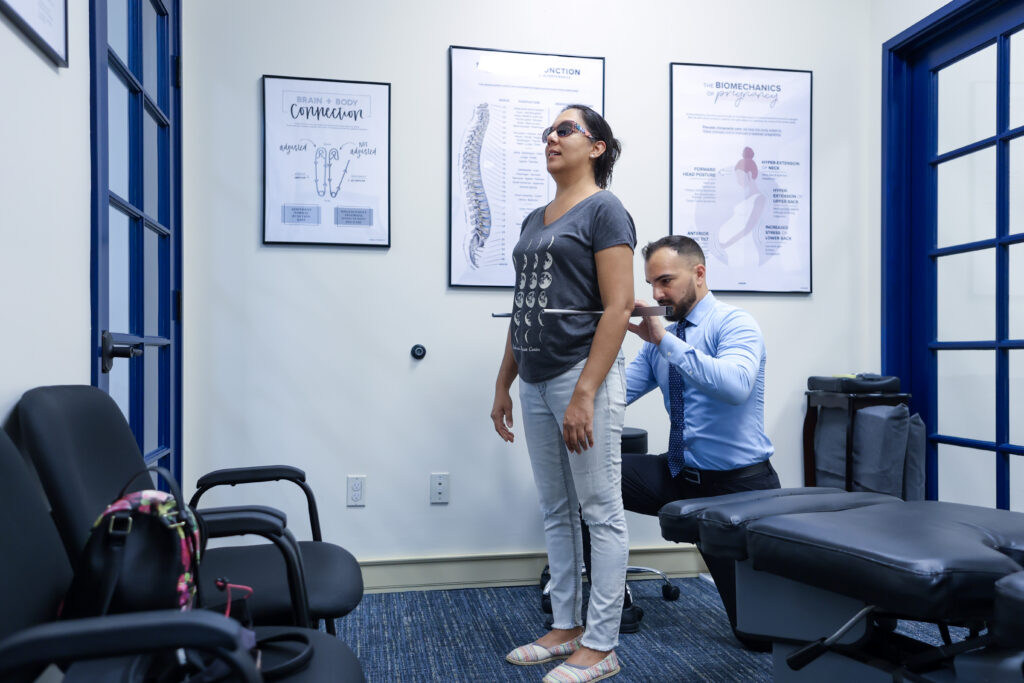
While chiropractors primarily use spinal adjustments to improve alignment and alleviate nerve pressure, we may also discuss lifestyle factors that contribute to your migraines, such as posture, stress management, and nutrition.
In addition to spinal adjustments, we may suggest complementary therapies that can enhance your treatment experience. Techniques such as massage therapy, stretching exercises, or even mindfulness practices can work hand-in-hand with chiropractic care to promote overall well-being and reduce migraine frequency and intensity.
Regular follow-up visits are crucial in managing chronic migraines. As your body responds to treatment, we can adjust your care plan to ensure it continues to meet your needs. Open communication about your progress and any changes in your symptoms is key to finding the most effective approach for you.
Finally, building a support network is vital. Connecting with others who understand the challenges of living with migraines can offer emotional support and practical tips.
Embracing chiropractic care is a proactive step toward reclaiming your life from chronic migraines. Remember, you don't have to navigate this journey alone; we're here to help you find relief and restore balance to your life.
Conclusion
As a local chiropractor, I want to share with you some effective relief strategies for those who suffer from chronic migraines. Understanding your triggers is essential, and I encourage you to keep a migraine diary to help identify patterns. Making lifestyle and dietary adjustments can also be beneficial; for instance, staying hydrated and avoiding certain foods might make a difference.
In addition to these changes, exploring alternative therapies, such as chiropractic care, can provide significant relief. Chiropractic adjustments can help alleviate tension in the neck and spine, which may contribute to migraine pain. It's also important to prioritize stress management techniques, such as deep breathing exercises or meditation, and to maintain consistent sleep patterns to support overall wellness.
I highly recommend consulting with healthcare professionals, including chiropractors, who can customize these strategies to fit your individual needs. Together, we can find the most effective path to alleviating your migraines. You deserve to enjoy life without the constant burden of pain.