
If you’ve ever suffered from whiplash, you know just how challenging it can be. It’s not just about the pain; it can affect your daily life in numerous ways. That’s why understanding the symptoms and exploring effective relief techniques is so important. This quiz will help you uncover both immediate and long-term strategies to manage whiplash pain, with a focus on natural healing and wellness.
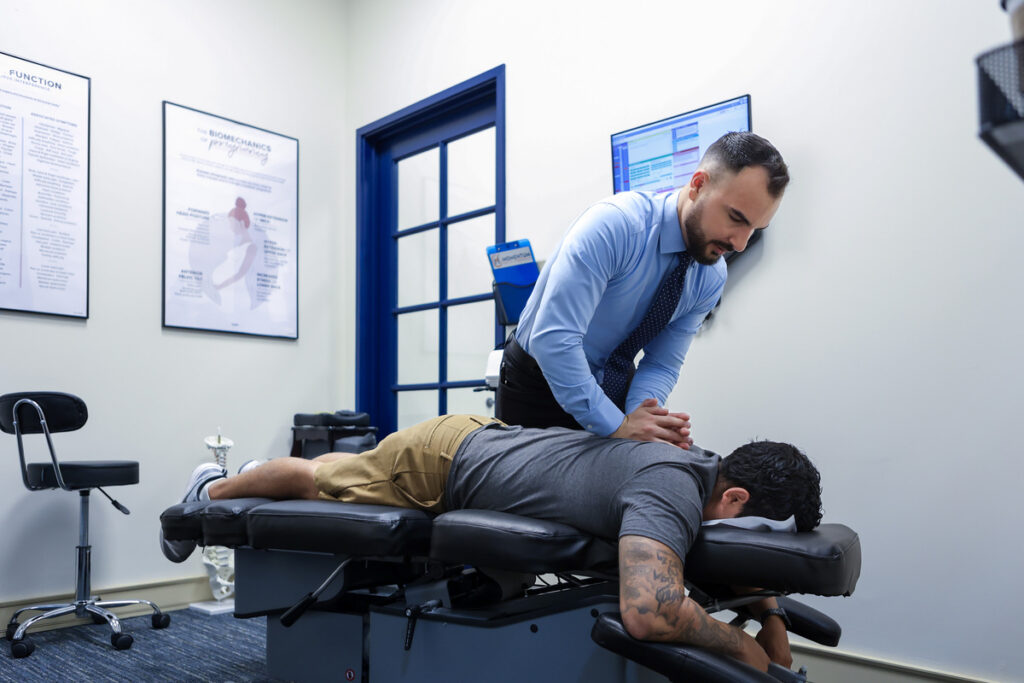
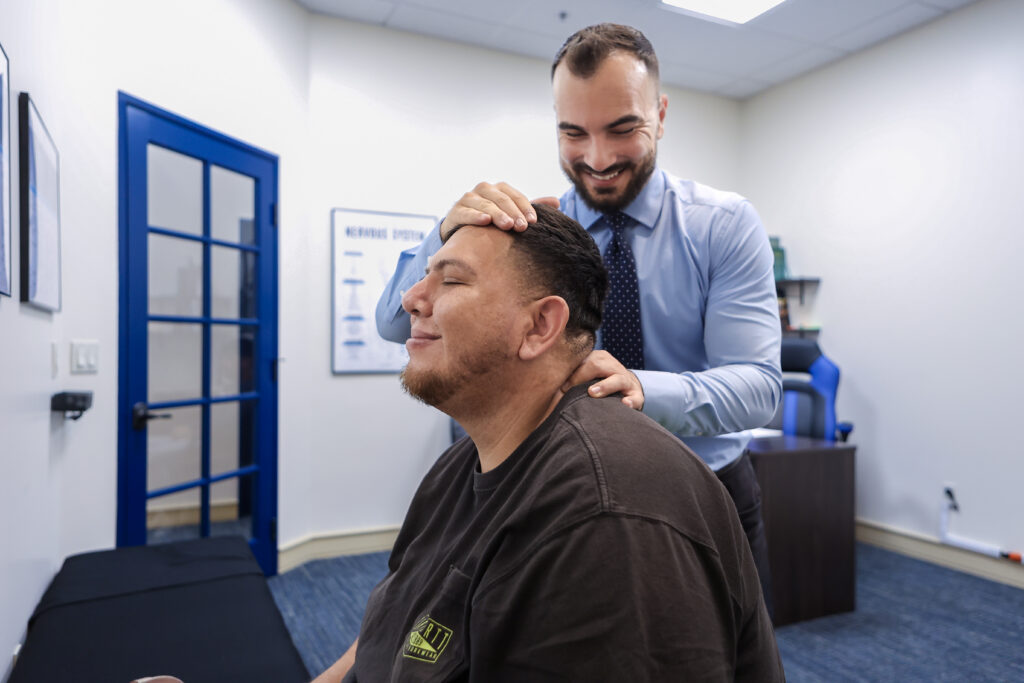
One of the best approaches to tackle whiplash is through chiropractic care. Chiropractors are trained to assess and treat the underlying issues associated with whiplash, helping to restore proper alignment and function to your spine. Techniques such as gentle spinal adjustments can alleviate pain and promote healing without the need for medications or invasive procedures.
In addition to chiropractic adjustments, heat therapy can be an effective way to relax tense muscles and improve circulation. Applying a warm compress to the affected area can provide soothing relief. Also, maintaining proper posture is crucial; it helps to reduce strain on your neck and back, fostering a quicker recovery.
Remember, staying active is key. Gentle exercises and stretches can help strengthen your neck and improve flexibility, but it’s essential to consult with your chiropractor on the best routines for your specific situation.
Are you ready to explore the various techniques that can aid in your journey to relief? Embrace the path of natural healing with chiropractic care, and take charge of your wellness!
Key Takeaways
Whiplash can be a painful experience, but there are effective ways to relieve that discomfort naturally, and chiropractic care is at the forefront of these solutions. Here are some techniques to help you manage whiplash pain while emphasizing the benefits of chiropractic care:
- Deep Breathing Exercises: Taking time to focus on your breath can significantly relax your body and help ease whiplash pain. This simple practice can calm your nervous system and promote healing.
- Gentle Stretching: Incorporating gentle stretches into your routine can enhance flexibility and reduce muscle tension in your neck. Stretching is essential for maintaining a healthy range of motion, and it can be done safely at home.
- Heat Therapy: Applying heat to the affected area can work wonders. It helps relax tight muscles and increases blood flow, which can accelerate recovery. A warm compress or heating pad can provide comforting relief.
- Cold Therapy: On the flip side, using cold therapy can be beneficial for reducing inflammation and numbing sharp pain. A cold pack wrapped in a cloth can offer immediate relief, especially in the first few days after an injury.
- Regular Chiropractic Care: Perhaps the most effective way to address whiplash is through regular chiropractic adjustments. A chiropractor can help restore spinal alignment, which is crucial for your overall health and recovery. Chiropractic care focuses on natural healing and offers personalized treatment plans tailored to your needs.
Remember, taking proactive steps toward your health is essential. By incorporating these techniques and prioritizing chiropractic care, you’re not only addressing your whiplash pain but also investing in your long-term well-being. If you’re struggling with whiplash, consider scheduling a consultation with a chiropractor to discuss how they can help you achieve optimal health naturally.
Understanding Whiplash and Its Symptoms
Whiplash is more than just a term you might hear; it’s a common neck injury that often occurs from sudden movements, such as during car accidents. When your head moves rapidly forward and then backward, the soft tissues in your neck can stretch and lead to pain and discomfort. You may notice symptoms like stiffness, headaches, and tenderness in your neck. Occasionally, this pain can radiate to your shoulders or upper back as well.
Recognizing the signs of whiplash early is crucial. You might experience dizziness, fatigue, or trouble concentrating, which can be quite frustrating. Most symptoms typically present themselves within 24 hours, but some can develop later on. It’s essential to listen to your body and monitor how you feel after an incident.
Chiropractic care can be an excellent option for addressing whiplash symptoms. Chiropractors are trained to evaluate and treat neck injuries effectively, helping to restore proper alignment and function to your spine. By focusing on spinal health, chiropractic adjustments can help alleviate pain and promote natural healing.
Here are some general tips you can incorporate into your routine to support your recovery and overall wellness:
- Stay Active: Gentle movements and light stretching can help maintain mobility in your neck and reduce stiffness.
- Apply Ice or Heat: Using ice packs for the first few days can reduce swelling, while heat can soothe tight muscles.
- Practice Good Posture: Maintaining proper posture can help prevent further strain on your neck.
- Stay Hydrated: Drinking enough water supports overall health and helps keep your muscles and tissues hydrated.
- Seek Chiropractic Care: Regular visits to your chiropractor can help you recover faster and ensure your spine stays aligned.
Understanding and addressing whiplash symptoms early can significantly enhance your recovery journey. If you notice any discomfort, don’t hesitate to reach out to a chiropractor for guidance and care. Your health is worth prioritizing!
Immediate Relief Techniques
When you’re dealing with whiplash, finding immediate relief can significantly enhance your comfort. As a local chiropractor, I want to share some natural techniques that can help ease your pain quickly while also promoting overall wellness. Here are some effective methods you can try:
| Technique | Description |
|---|---|
| Deep Breathing | Engaging in slow, deep breaths helps to relax your body and reduce muscle tension. Focus on inhaling deeply through your nose and exhaling through your mouth. |
| Gentle Stretching | Performing gentle stretches can help relieve stiffness. Slowly tilt your head side to side and forward to encourage flexibility in your neck. Just be sure to move at your own pace. |
| Rest and Relaxation | Finding a comfortable position to rest is crucial. Allow your body to relax and recharge, which can promote better healing and reduce discomfort. |
These techniques can help calm your muscles and diminish pain. While you may not feel complete relief right away, incorporating these practices into your daily routine can empower you to manage your discomfort more effectively. Remember to always listen to your body; if any movement causes increased pain, stop and consult with a chiropractor for personalized care.
Chiropractic care is a holistic approach that addresses the root of your pain and promotes natural healing. Regular adjustments can help correct spinal misalignments, improving your overall health and well-being. By taking proactive steps and considering chiropractic care, you can regain control over your pain and enhance your quality of life.
Heat and Cold Therapy
When it comes to whiplash pain, incorporating heat and cold therapy can be a game changer for your recovery. As a chiropractor, I understand the importance of natural healing methods, and using these therapies can provide significant relief without the need for invasive treatments.
Heat therapy is fantastic for relaxing tight muscles and increasing blood flow to the affected area. You can easily apply a warm compress or heating pad to your neck for about 15-20 minutes at a time. This warmth helps soothe discomfort and encourages healing by bringing more oxygen and nutrients to the tissues.
On the other hand, cold therapy can be beneficial for reducing inflammation and numbing sharp pain. Simply wrap ice in a cloth or use a cold pack and apply it to the painful area for 10-15 minutes. This can help minimize swelling and bring down any irritation you may be experiencing.
It’s essential to listen to your body and see which method works best for you. Alternating between heat and cold can also be effective, offering a balanced approach to managing pain.
Remember, while heat and cold therapy can provide temporary relief, addressing the root cause of your discomfort is crucial for long-term wellness. That’s where chiropractic care comes in. It not only helps alleviate pain but also supports your body’s natural ability to heal itself.
Regular adjustments can improve spinal alignment, enhance mobility, and promote overall health. Incorporate these therapies into your routine and consider visiting your local chiropractor to explore a personalized treatment plan for your recovery.
Your journey to optimal health starts with understanding your body and choosing natural, effective solutions.
Benefits of Heat Therapy
Heat therapy can be a powerful ally in your journey to alleviate whiplash pain, particularly when you’re experiencing muscle stiffness and discomfort. When you apply heat, it boosts blood circulation to the area, which not only fosters healing but also encourages relaxation of the muscles. This added warmth can significantly reduce tension, allowing for smoother and more comfortable movement.
Let’s break down the key benefits of heat therapy:
| Benefit | Description |
|---|---|
| Muscle Relaxation | Helps soothe tight muscles, minimizing spasms and discomfort. |
| Improved Circulation | Increases blood flow, supporting your body’s natural healing process. |
| Pain Relief | Effectively dulls pain sensations, making it easier to engage in daily activities. |
Integrating heat therapy into your daily routine can be a game-changer for your recovery. It complements the holistic approach of chiropractic care, which focuses on treating the root cause of pain and promoting overall wellness.
Here are some simple tips to safely use heat therapy:
- Warm Compress: Use a heating pad or a warm towel on the affected area for 15-20 minutes at a time. Just make sure it’s warm, not hot, to avoid burns.
- Warm Baths: Soaking in a warm bath can relax your entire body, providing relief and promoting circulation.
- Stay Hydrated: Drink plenty of water, as staying hydrated is essential for your muscles and overall recovery.
- Combine with Chiropractic Care: Regular visits to a chiropractor can enhance the benefits of heat therapy, helping to realign your spine and improve function.
Cold Therapy Techniques
Cold therapy techniques can play a significant role in managing whiplash pain and complement the benefits of chiropractic care. Applying ice packs or cold compresses to the affected area helps to reduce inflammation and numb sharp pain, making it easier for you to move and recover.
Remember to wrap the ice in a cloth to protect your skin, and apply it for 15-20 minutes at a time. You can repeat this every hour as needed, especially within the first 48 hours after your injury.
If you don’t have ice packs handy, a bag of frozen vegetables can be a convenient alternative. Always pay attention to how your body responds; if the cold feels too intense, be sure to remove it immediately.
In addition to cold therapy, gentle stretches can enhance your recovery process by promoting mobility and alleviating tension.
Chiropractic care is an excellent choice for addressing the underlying issues related to whiplash and ensuring your spine is aligned properly for optimal healing.
By incorporating cold therapy, gentle movement, and regular chiropractic adjustments, you can foster a natural healing environment that prioritizes your health and well-being.
Stretching and Strengthening Exercises
Incorporating stretching and strengthening exercises into your recovery routine can significantly alleviate whiplash pain and promote overall wellness. These exercises not only improve flexibility but also strengthen the muscles around your neck, which is vital for a full recovery.
Start with gentle neck stretches to help ease tension. Simple movements, such as tilting your head from side to side or forward and backward, can make a big difference. Hold each stretch for about 15-30 seconds, allowing your muscles to relax and release any tightness.
As you become more comfortable, you can introduce some strengthening exercises. One effective option is isometric neck exercises, where you press your head against your hands without actually moving your head. This technique builds strength without straining your muscles, making it a safe choice for your recovery.
Additionally, shoulder rolls and chin tucks can further enhance the support around your neck.
For optimal results, aim to perform these exercises daily. However, always listen to your body; if something feels painful, it’s crucial to stop and consult with your chiropractor. Consistency is vital for improvement, and over time, you may notice increased mobility and reduced pain in your neck.
Remember, chiropractic care plays a significant role in your journey toward optimal health. Regular visits to your chiropractor can help guide your recovery, ensuring that your spine and neck are properly aligned.
Importance of Posture
Good posture is incredibly important when it comes to managing whiplash pain and preventing further injury. By creating an ergonomic workstation, you can significantly reduce the strain on your neck and back, making daily tasks much easier and more comfortable.
As a chiropractor, I want to emphasize that proper posture not only aids in your recovery but also enhances your overall well-being.
Here are some simple tips to help you maintain good posture throughout your day:
- Adjust Your Workspace: Make sure your chair and desk are set at the right height. Your elbows should be at a 90-degree angle when typing, and your computer screen should be at eye level to avoid straining your neck.
- Sit Smart: When sitting, keep your feet flat on the floor and your back against the chair. Use a small cushion or lumbar roll to support the natural curve of your lower back.
- Take Breaks: If you sit for long periods, stand up and stretch every 30 minutes. Simple neck and back stretches can relieve tension and improve circulation.
- Be Mindful of Your Posture: Check in with yourself throughout the day. Are your shoulders slumped? Is your head leaning forward? Make adjustments as needed to keep your spine aligned.
- Strengthen Your Core: A strong core supports your spine. Incorporate exercises like planks and bridges into your routine to build strength in your abdominal muscles.
By focusing on these tips and making posture a priority, you can support your recovery from whiplash and enhance your overall health.
Good Posture Benefits
While you may not realize it, maintaining proper posture can significantly alleviate whiplash pain and enhance your overall well-being. Good posture ensures your spine is aligned, which reduces strain on your neck and muscles.
Here are some key benefits of good posture and how chiropractic care can support you in achieving it:
- Reduces muscle tension: By keeping your muscles relaxed and minimizing strain, good posture makes it easier for your body to function without discomfort. Regular chiropractic adjustments can help maintain this alignment.
- Improves circulation: Proper posture enhances blood flow, which is essential for healing and reducing pain. Chiropractic care can help improve your posture, leading to better circulation and overall health.
- Boosts energy levels: When your body is aligned, it allows for better oxygen flow, helping you feel more energetic. Chiropractic adjustments can help you achieve and maintain this alignment.
- Enhances mood: A confident posture can elevate your mood and reduce stress levels. Working with a chiropractor can’t only improve your posture but also contribute to a more positive outlook on life.
- Supports spinal health: Good posture prevents long-term damage by maintaining proper spinal alignment. Regular chiropractic care is vital for ensuring your spine remains healthy and aligned, helping you avoid future pain and discomfort.
Tips for Improving Your Posture:
- Be Mindful: Check in with your posture throughout the day, especially when sitting or standing for long periods.
- Strengthen Core Muscles: Engaging in exercises that strengthen your core can help support good posture.
- Set Up Your Workspace: Ensure your desk and chair are ergonomically designed to promote proper posture.
- Take Breaks: Regularly stand up and stretch to relieve tension and reset your posture.
- Visit Your Chiropractor: Regular chiropractic adjustments can help maintain spinal alignment and improve your posture over time.
By prioritizing good posture and incorporating chiropractic care into your wellness routine, you can enjoy a healthier, pain-free life.
Ergonomic Workstation Setup
Creating an ergonomic workstation is a vital step in supporting your spinal health and maintaining proper posture throughout your workday. As a chiropractor, I want to share some practical tips to help you optimize your workspace and reduce discomfort, especially if you’re dealing with whiplash pain or other spinal issues.
Start by adjusting your chair so that your feet rest flat on the floor, with your knees at or slightly below hip level. This position helps distribute your weight evenly and supports your lower back. Look for a chair that offers lumbar support to encourage the natural curve of your spine.
Your monitor should be positioned at eye level, about an arm’s length away. This placement reduces strain on your neck and helps you maintain a neutral position while working. If you find yourself leaning forward to see the screen, consider using a monitor stand to elevate it to the correct height.
Keep your keyboard and mouse within easy reach to avoid any unnecessary stretching. Ideally, your elbows should be at a 90-degree angle to promote better circulation and reduce tension in your arms and shoulders. You may also want to consider using a wrist rest for added comfort while typing.
It’s essential to take regular breaks to stretch and move around throughout your day. Simple stretches can help relieve tension and keep your muscles engaged. Stand up, walk around, or do some gentle neck and shoulder rolls to keep your body feeling good.
Remember, chiropractic care is a natural and effective way to address pain and promote overall wellness. Regular adjustments can help improve your posture, alleviate discomfort, and support your body’s ability to heal itself.
Alternative Therapies
Alternative therapies can provide valuable support for those experiencing whiplash pain, particularly when conventional treatments may not offer the relief you’re seeking. As a chiropractor, I believe that chiropractic care stands out as one of the most effective options for pain relief and overall wellness.
Here are some insights into how chiropractic care, along with other supportive therapies, can enhance your recovery and well-being:
- Chiropractic care: As a cornerstone of natural healing, chiropractic adjustments focus on correcting spinal alignment, which can alleviate pain and improve your range of motion. Regular visits can help maintain spinal health and prevent future issues.
- Acupuncture: While chiropractic care is my primary recommendation, acupuncture can complement your treatment. This ancient practice may help reduce pain and inflammation by targeting specific points in your body, providing additional relief.
- Massage therapy: Incorporating massage can be beneficial in conjunction with chiropractic adjustments. Targeted muscle relaxation can relieve tension and improve blood flow, which aids in your recovery.
- Physical therapy: Although chiropractic care is vital, physical therapy exercises can strengthen neck muscles and enhance flexibility. Together, they can speed up your healing process.
- Herbal remedies: While I focus on hands-on treatments, incorporating natural anti-inflammatories, like turmeric and ginger, into your diet can support your body’s healing process.
For optimal results, consider integrating these therapies with a consistent chiropractic care plan.
Remember to also practice good posture, stay hydrated, and engage in gentle stretching to support your recovery. Your journey to wellness is a holistic one, and chiropractic care is here to guide you every step of the way.
When to Seek Professional Help
How can you tell when it’s time to seek professional help for whiplash pain? If your symptoms persist longer than a few days or worsen instead of improving, it’s important to connect with a chiropractor who specializes in spinal health. Look out for signs such as severe headaches, numbness, or pain radiating into your arms, as these may indicate that your body needs some extra care.
Here’s a quick guide to help you decide when to reach out for chiropractic assistance:
| Symptoms | Action Needed |
|---|---|
| Persistent pain | Schedule a chiropractic visit |
| Severe headaches | Seek immediate chiropractic care |
| Numbness or weakness | Get evaluated by a chiropractor ASAP |
| Limited mobility | Consult a specialist in chiropractic care |
Ignoring these signs can lead to chronic issues, so don’t hesitate to get the help you need. Chiropractic care focuses on natural healing and can significantly aid in your recovery journey. Early intervention through gentle adjustments and personalized care can make a big difference.
Conclusion
In summary, effectively managing whiplash pain centers around natural healing techniques, with a strong emphasis on chiropractic care. As a chiropractor, I recommend a holistic approach that includes spinal adjustments, which can help restore proper alignment and reduce pain. Incorporating heat and cold therapy can also provide immediate relief, while gentle stretching exercises will promote flexibility and aid in recovery.
Maintaining good posture is crucial, as it helps support your spine and prevent further strain. Additionally, consider exploring alternative therapies such as chiropractic adjustments, which may offer significant benefits in alleviating discomfort.
If your symptoms persist or worsen, it’s important to consult with a chiropractic professional who can tailor a treatment plan specific to your needs. Remember, taking proactive steps towards your health and well-being can greatly enhance your quality of life. Embrace these natural methods and prioritize your journey to recovery through chiropractic care.