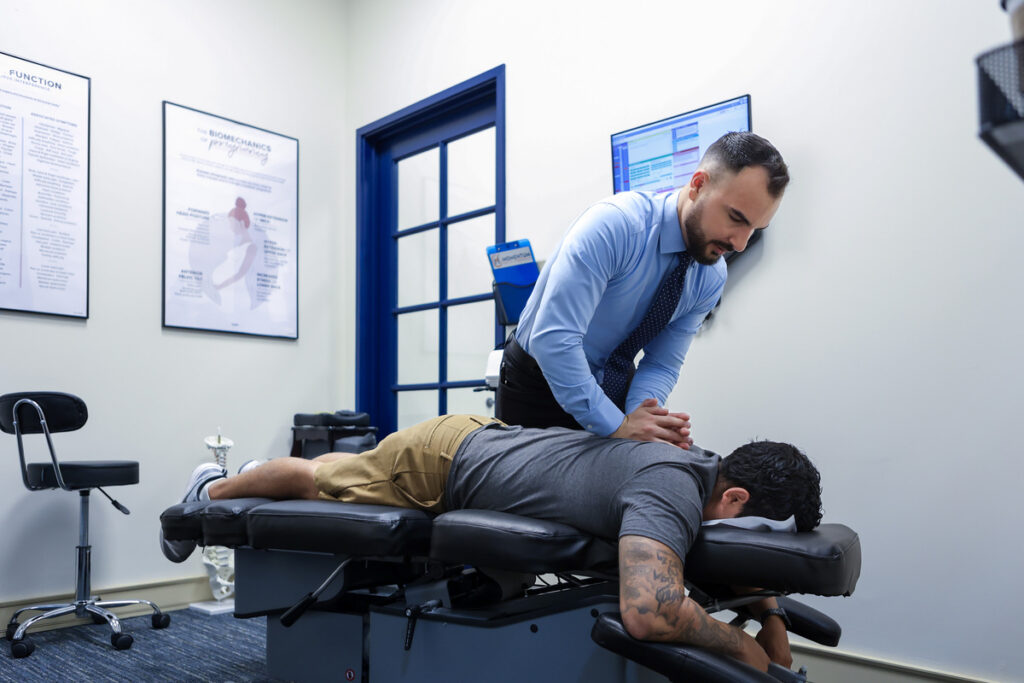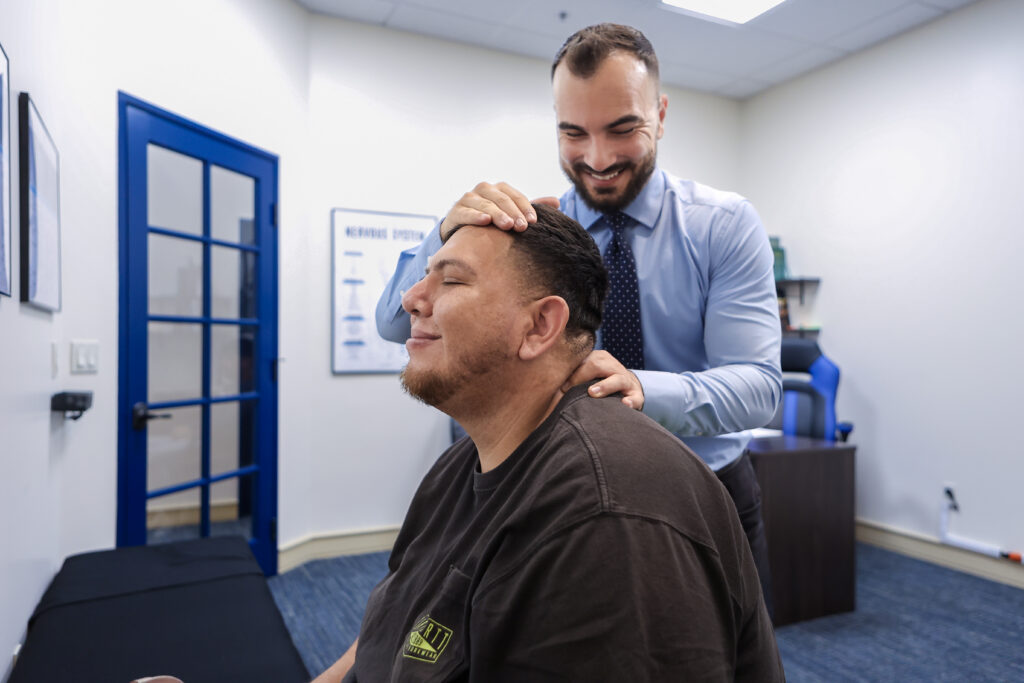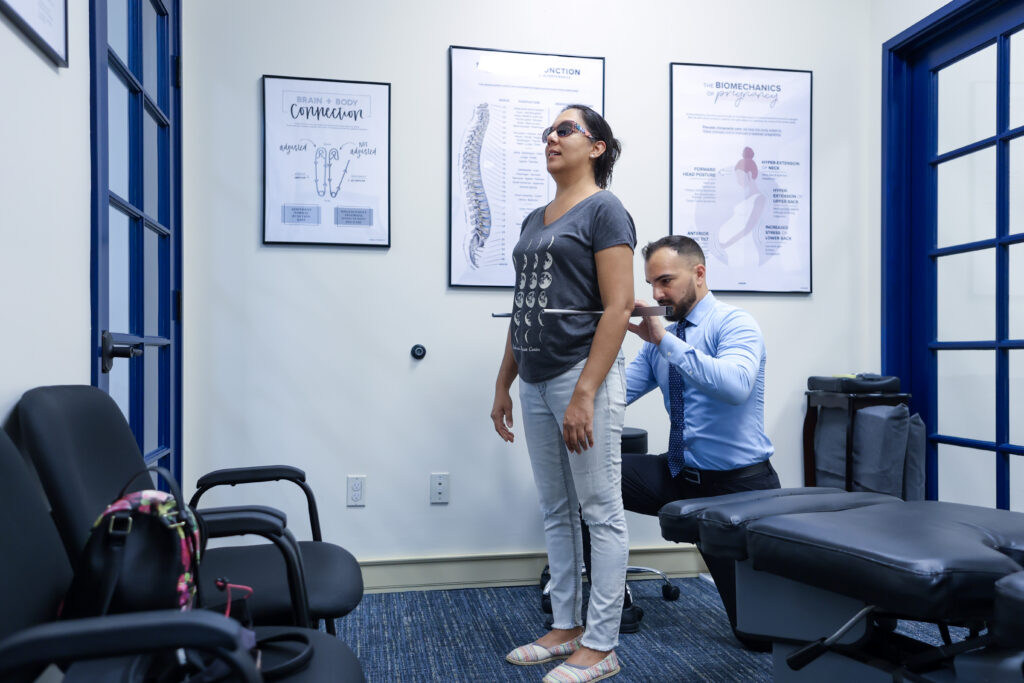

As a local chiropractor, I want to help you understand the various techniques available for anxiety relief and mental wellness. Many people may not realize that chiropractic care can play a role in your overall mental health. While you might be familiar with mindfulness and meditation for grounding yourself, I encourage you to consider how spinal alignment can impact your mood and stress levels.
Physical activities, such as yoga, can be a wonderful way to elevate your spirits through movement, and I often recommend incorporating gentle stretches and exercises that can complement chiropractic adjustments. Cognitive Behavioral Therapy is a fantastic way to gain insights into your thought patterns, and it's something that can be enhanced by a properly functioning nervous system, which is where chiropractic care comes into play.
Additionally, some patients find that herbal supplements provide a natural calming effect, but it's essential to consult with a healthcare professional to ensure they are suitable for you. By exploring these options, including chiropractic care, you can create a more personalized approach to wellness that addresses your unique needs and circumstances. Together, we can work towards finding the best methods to support your mental well-being.
Mindfulness Meditation
As a local chiropractor, I want to share how practicing mindfulness meditation can complement your journey towards better health and well-being, particularly in managing anxiety. This technique encourages you to focus on the present moment, which can be incredibly beneficial for your mental and physical state. By observing your thoughts and feelings without judgment, you create a mental space where anxiety can't overwhelm you.
When you take the time to sit quietly and concentrate on your breath, you empower yourself to manage stress more effectively. To begin, find a comfortable and quiet area where you can relax without interruptions. Close your eyes, take a deep breath, and pay attention to the sensation of the air flowing in and out of your body.
It's normal for your mind to wander during this process. When you notice this happening, gently redirect your focus back to your breath. This practice of returning your attention can significantly enhance your awareness and help reduce feelings of anxiety.
You don't need to dedicate long periods to meditation to experience its benefits. Even just five to ten minutes a day can make a notable difference. As you incorporate this practice into your routine, you might find it easier to stay grounded in stressful situations.
Over time, mindfulness meditation can support your chiropractic care by fostering a greater sense of control over your anxiety, allowing you to respond with calmness to the challenges you face. Integrating mindfulness into your daily life can truly transform your approach to anxiety and overall health.
Whether you take a moment to meditate in the morning or during a brief pause at work, remember that each session is a step towards improved mental wellness. So, I encourage you to embrace mindfulness meditation and notice how it enhances your ability to manage anxiety, complementing the physical care you receive through chiropractic adjustments.
Yoga and Physical Movement
As a local chiropractor, I want to share how incorporating yoga and physical movement into your routine can significantly enhance your ability to manage anxiety and promote overall well-being.
These practices not only foster relaxation but also help you establish a deeper connection with your body and breath, which can be incredibly grounding during stress-filled moments. Through yoga, you can focus on intentional movements and mindful breathing, creating a soothing effect on both the mind and body.
You don't need to be a yoga expert to reap the benefits. Even simple stretches and basic poses can alleviate tension and elevate your mood. I encourage you to start with just a few minutes of gentle yoga each day. As you move through the poses, you may notice your heart rate slowing and your muscles relaxing, which can help you release anxious thoughts.
Additionally, engaging in physical movement—whether it's a brisk walk, a jog, or even a dance session—can work wonders for your mental health. When you move your body, you trigger the release of endorphins, the "feel-good" hormones that can uplift your mood and help counteract anxiety.
Plus, taking your exercise outdoors can provide added benefits, like fresh air and a refreshing change of scenery.
Incorporating these physical activities into your daily life doesn't have to feel daunting. Focus on consistency, and remember that even short sessions can make a meaningful difference.
As you commit to regular yoga and movement, you may find a greater sense of peace and resilience in managing anxiety, empowering you to face life's challenges with more confidence.
As your chiropractor, I'm here to support you on your journey toward natural healing and improved mental well-being.
Cognitive Behavioral Therapy
Chiropractic care offers valuable tools for managing anxiety by helping you understand the connection between your body and mind. This holistic approach empowers you to recognize how physical tension and misalignments can influence your feelings and overall well-being. By addressing these physical factors, you can foster a healthier mindset and develop more positive perspectives.
During a typical chiropractic session, you'll work with a chiropractor to explore specific physical symptoms that may be contributing to your anxiety. Together, you'll identify areas of tension and misalignment in your spine and body. By correcting these issues, you can alleviate physical discomfort, which often helps to reduce feelings of anxiety.
For instance, instead of feeling overwhelmed by stress, you might find that regular adjustments help you feel more relaxed and centered.
Chiropractic care also introduces practical techniques, such as gentle adjustments and exercises, which can help you gradually face the physical manifestations of your anxiety. This method not only reduces tension but also encourages you to engage more fully with your daily life.
Additionally, you'll learn exercises and stretches that promote relaxation and coping skills to manage anxiety when it arises.
With regular chiropractic sessions, many individuals notice significant improvements in their anxiety levels and overall mental wellness. Remember, though, that this journey takes time and commitment.
Herbal Supplements
As a local chiropractor, I want to share some insights on how herbal supplements can be a natural and effective alternative for managing anxiety, which is something many of my patients struggle with. Incorporating certain herbs into your wellness routine may enhance your anxiety relief strategies.
For example, chamomile is well-known for its calming effects and is often enjoyed as a soothing tea. Many of my patients find that it helps them relax and improves their sleep quality—both crucial elements when it comes to managing anxiety.
Another herb I often discuss with my patients is valerian root. This natural remedy is frequently used to promote relaxation and can help ease feelings of unease. Valerian is available in various forms, such as capsules and teas, making it easy to integrate into your daily routine.
Additionally, passionflower has gained popularity for its potential to alleviate anxiety symptoms, with many individuals reporting a sense of calm after using it.
You may also want to explore ashwagandha, an adaptogenic herb that supports the body in managing stress. It's believed to help balance cortisol levels and may provide a sense of tranquility, which can be beneficial for those dealing with anxiety.
Similarly, rhodiola rosea is another adaptogen that can enhance your body's resilience to stress, potentially easing anxiety symptoms.
Before starting any herbal supplement, it's essential to consult with a healthcare professional, such as myself, to ensure that you have the right dosage and to confirm that there are no interactions with any medications you may be taking.
Lifestyle Changes and Habits
As a chiropractor, I want to share how making lifestyle changes can significantly enhance your ability to manage anxiety naturally. By embracing healthier habits, you can create an environment conducive to calmness and emotional balance, which is essential for your overall wellness.
Firstly, let's talk about nutrition. Prioritizing a balanced diet rich in whole foods, fruits, and vegetables can play a crucial role in stabilizing your mood and energy levels. As you might know, excessive caffeine and sugar can exacerbate anxiety symptoms, so it's wise to limit those in your diet.
Incorporating regular physical activity is another vital aspect. Exercise not only supports your physical health but also releases endorphins—your body's natural mood lifters. I recommend aiming for at least 30 minutes of moderate exercise most days. Whether you prefer brisk walking, dancing, or yoga, these activities can enhance both your physical well-being and mental clarity, helping to reduce stress.
Sleep is also a cornerstone of mental wellness. Establishing a consistent sleep schedule and creating a calming bedtime ritual can significantly improve your sleep quality. Aim for 7-9 hours of restorative sleep each night, allowing your body and mind to recharge effectively.
I also encourage the practice of mindfulness techniques, such as meditation and deep breathing exercises. These can be incredibly beneficial in helping you cope with anxiety. Even setting aside a few minutes each day to focus on your breath or follow a guided meditation can ground you and alleviate racing thoughts.
Lastly, don't underestimate the importance of social connections. Spending time with supportive friends and family, or joining groups that align with your interests, can provide you with comfort and perspective. A strong support network can help you navigate anxiety with greater ease.
Conclusion
As a local chiropractor, I want to emphasize the importance of incorporating a variety of techniques for anxiety relief and mental wellness into your life. Many people are not aware that chiropractic care can play a significant role in enhancing emotional resilience. For instance, along with spinal adjustments that help improve your physical well-being, practices like mindfulness meditation and yoga can complement your chiropractic journey by promoting relaxation and reducing stress.
Cognitive Behavioral Therapy (CBT) is another valuable approach that, when combined with chiropractic care, can provide a well-rounded strategy for mental health. Additionally, consider the benefits of herbal supplements and positive lifestyle changes—these can further support your overall well-being.
By integrating these strategies with chiropractic care, you can create a personalized plan that not only addresses physical discomfort but also promotes mental clarity and emotional balance. Together, we can work towards helping you thrive in your daily life!