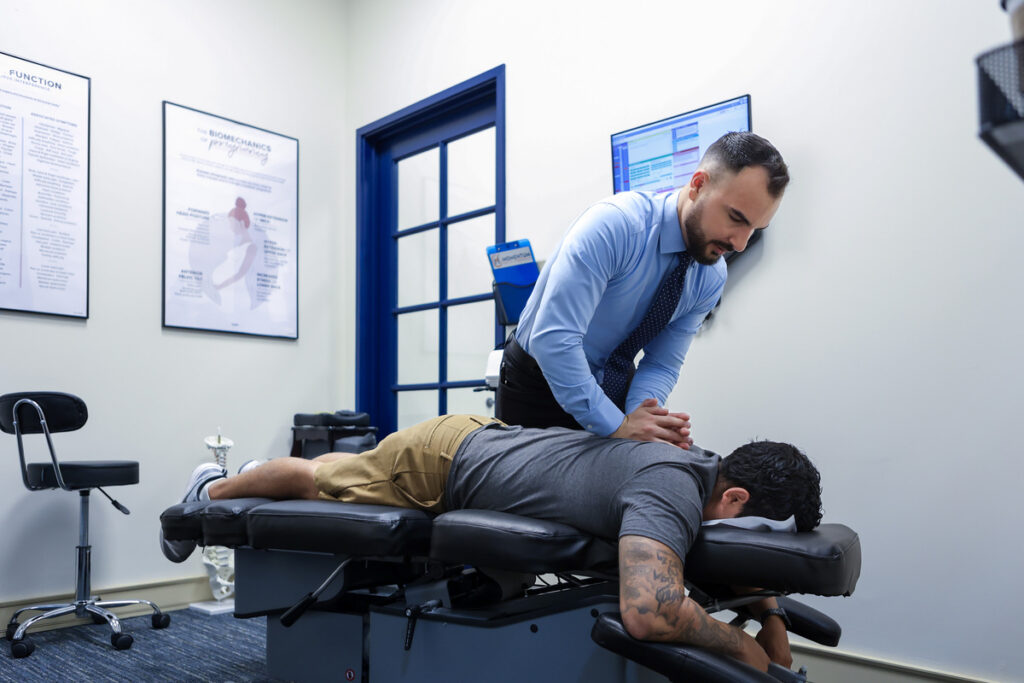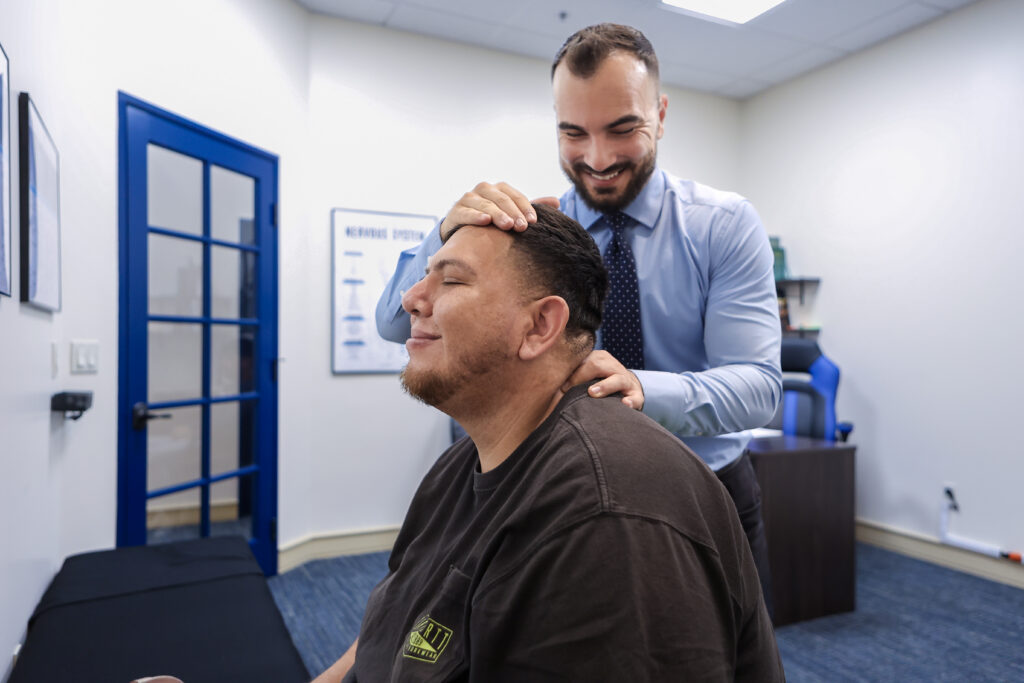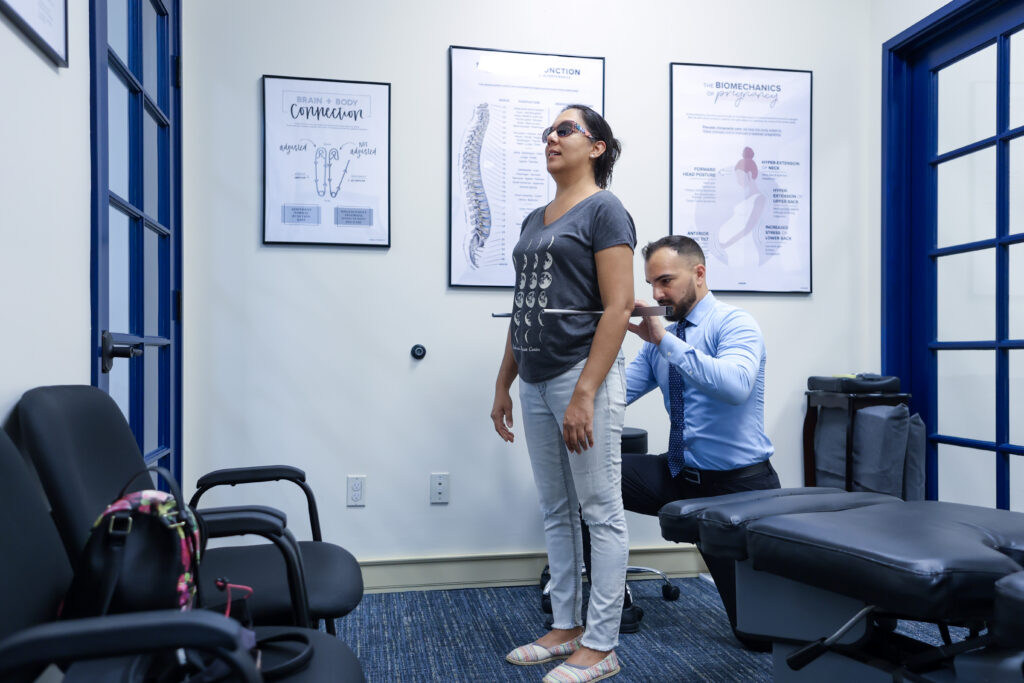

If you struggle with migraines, you might be curious about whether chiropractic care could provide some relief. Many individuals experience tension and discomfort in their neck and back, which can often contribute to worsening migraine symptoms. By addressing these musculoskeletal issues through chiropractic adjustments, we can help manage your pain naturally.
Research suggests that chiropractic care may be effective in reducing the frequency and intensity of migraines. Our approach focuses on aligning the spine and relieving tension, which can lead to significant improvements in your overall health and wellness.
Chiropractic adjustments work by restoring proper alignment to the spine, allowing your nervous system to function optimally. This can enhance your body’s natural ability to heal and may alleviate the triggers that lead to migraines.
In addition to regular chiropractic visits, here are some tips you can implement to support your health and reduce migraine occurrences:
- Stay Hydrated: Dehydration can trigger migraines, so make sure you’re drinking enough water throughout the day.
- Maintain Good Posture: Poor posture can strain your neck and back, leading to tension headaches. Pay attention to your posture, especially while sitting at a desk.
- Manage Stress: Stress is a common migraine trigger. Consider practices like yoga, meditation, or deep-breathing exercises to help keep stress levels in check.
- Get Regular Exercise: Physical activity can improve your overall health and help reduce the frequency of migraines. Aim for at least 30 minutes of moderate exercise most days.
- Sleep Well: Establish a regular sleep schedule and ensure you’re getting enough restful sleep, as both too little and too much sleep can contribute to migraine onset.
If you’re dealing with migraines, chiropractic care could be your best option for natural relief and optimal wellness. Let’s work together to help you find a solution that works for you!
Key Takeaways
Manual therapy, particularly chiropractic care, can be a game-changer for those suffering from migraines. By focusing on spinal alignment and relieving tension, chiropractic adjustments can help reduce both the frequency and intensity of these debilitating headaches.
Research shows that when the spine is properly aligned, it can enhance the function of your nervous system. This improvement can lead to significant relief from migraine symptoms and the discomfort that often accompanies them. Additionally, our skilled chiropractors are trained to target specific trigger points in the neck and shoulders. By addressing these areas, we can directly alleviate headache pain and tension.
Regular visits to a chiropractor can also help improve your mobility and posture. This not only contributes to fewer migraine episodes but also enhances your overall well-being. It’s important to remember that taking care of your spine is key to maintaining a healthy body.
Alongside manual therapy, we offer lifestyle advice and stress management techniques to further support your journey towards effective migraine management. Simple practices, such as staying hydrated, getting enough sleep, and incorporating relaxation techniques into your daily routine, can make a big difference.
If you’re looking for a natural and holistic approach to managing migraines, chiropractic care is your best choice. We’re here to help you achieve optimal health and live a life free from the disruption of headaches.
Understanding Migraines: Causes and Symptoms
Migraines can hit suddenly, leaving you feeling pain and confusion. You may feel a pulsing headache, often on one side of your head, along with nausea and heightened sensitivity to light and sound. These symptoms can linger for hours or even days, making it tough to go about your daily routine.
It’s important to understand what might be triggering your migraines. Common culprits include stress, hormonal shifts, certain foods, and not getting enough sleep. You might also notice that strong smells or bright lights can make your symptoms worse.
As you go through migraine episodes, it’s crucial to listen to your body. Keeping a diary of when your migraines happen can help you spot patterns and potential triggers. By being aware of these signs, you can take proactive steps to manage your condition, which can lead to fewer and less intense migraines.
In addition to tracking your symptoms, consider incorporating chiropractic care into your wellness routine. Chiropractors focus on spinal health, which plays a key role in your overall well-being. Regular adjustments can help alleviate tension, improve your posture, and promote better blood flow—all of which may contribute to reducing the frequency and severity of migraines.
Remember, maintaining a healthy lifestyle can also make a significant difference. Here are some simple tips to help you live healthier and possibly lessen your migraine occurrences:
- Stay Hydrated: Drink plenty of water throughout the day. Dehydration can trigger migraines.
- Manage Stress: Practice relaxation techniques like deep breathing, yoga, or meditation to help keep stress levels in check.
- Get Enough Sleep: Aim for a consistent sleep schedule, as irregular sleep patterns can lead to migraines.
- Eat Balanced Meals: Focus on a diet rich in whole foods, including fruits, vegetables, and lean proteins. Avoid known trigger foods.
- Limit Screen Time: Take regular breaks from screens to reduce eye strain and prevent triggering a migraine.
What Is Manual Therapy?
When it comes to finding relief from migraines, many individuals are on the lookout for effective treatment options. One approach that stands out is chiropractic care, which offers a natural and holistic way to address the underlying causes of migraines. Unlike other treatments, chiropractic focuses on the spine and overall body alignment, promoting optimal health without the use of medications or invasive procedures.
Chiropractors utilize hands-on techniques to adjust the spine and other joints, helping to relieve tension and improve mobility. By aligning the spine properly, chiropractic care can reduce pressure on the nervous system, which may directly contribute to migraine symptoms.
Moreover, this personalized approach can help alleviate tension in the neck and shoulders, improve circulation, and enhance overall wellness. In addition to chiropractic adjustments, practitioners may also incorporate soft tissue techniques and gentle stretching to further support your recovery.
These methods work together to help your body cope with the factors that trigger migraines, leading to a more balanced and healthier you. Typically, chiropractic sessions last about 30 to 60 minutes, tailored to your individual needs.
A key takeaway is that regular chiropractic visits can be a valuable addition to your migraine management plan, helping you feel more relaxed and in control of your health.
For additional migraine relief, consider practicing good posture, staying hydrated, and managing stress through relaxation techniques such as deep breathing or gentle yoga. Remember, choosing chiropractic care not only addresses your immediate pain but also supports your journey toward long-term wellness.
The Connection Between Musculoskeletal Issues and Migraines
You may be surprised to learn just how closely your musculoskeletal health is connected to migraines. Many people don’t realize that trigger points in your muscles can create tension that leads to headaches. Additionally, poor posture can make the situation even worse. This is where chiropractic care comes in as an effective solution for finding relief.
As a chiropractor, I want to emphasize the importance of maintaining a healthy spine and musculoskeletal system to reduce the frequency and intensity of migraines. By addressing muscle tension and misalignments through gentle adjustments and manual therapy, you can alleviate the underlying issues that contribute to headaches.
Here are some simple tips to help you manage your musculoskeletal health and potentially reduce migraine occurrences:
- Maintain Good Posture: Be mindful of your posture throughout the day, especially if you work at a desk. Make sure your computer screen is at eye level and take regular breaks to stretch.
- Stay Active: Regular physical activity can strengthen your muscles and improve flexibility, which may help reduce tension in the neck and shoulders.
- Practice Relaxation Techniques: Stress can be a significant trigger for migraines. Consider incorporating relaxation techniques such as deep breathing, yoga, or meditation into your daily routine.
- Stay Hydrated: Dehydration can lead to headaches, so make sure you’re drinking enough water throughout the day.
- Consult a Chiropractor: Regular visits to a chiropractor can help keep your spine aligned and your muscles relaxed, reducing the likelihood of headaches. They can provide personalized care and advice tailored to your specific needs.
By prioritizing your musculoskeletal health through chiropractic care, you can take important steps toward achieving optimal health and finding natural relief from migraines.
Trigger Points and Migraines
Many people think of migraines as purely neurological issues, but recent research highlights the significant impact musculoskeletal problems, especially trigger points, can have on their development. Trigger points are sensitive spots in your muscles that can cause pain in different areas of your body, including your head. When these trigger points become active, they can be a contributing factor to migraine episodes.
Here’s how certain trigger point locations can be connected to migraines:
| Trigger Point Location | How It May Contribute to Migraines |
|---|---|
| Neck | Trigger points here can refer pain directly to the head, leading to discomfort. |
| Shoulders | Tension in the shoulder muscles can create tension headaches, which may escalate into migraines. |
| Upper Back | Trigger points in the upper back can radiate discomfort that affects your head and neck. |
As a chiropractor, I want to emphasize the importance of addressing these musculoskeletal issues for overall health and wellness. Chiropractic care can help relieve tension in these areas, reducing the likelihood of trigger points becoming active and contributing to migraines.
Here are some tips for managing trigger points and potentially alleviating migraine symptoms:
- Stretching: Regularly stretching your neck, shoulders, and upper back can help keep muscles flexible and reduce tension.
- Posture Awareness: Maintain good posture throughout the day, especially if you sit for long periods. This can prevent muscle tightness and the formation of trigger points.
- Heat Therapy: Applying heat to tight muscles can help relax them and alleviate discomfort.
- Stay Hydrated: Dehydration can lead to muscle tension, so drink plenty of water throughout the day.
- Regular Chiropractic Visits: Routine chiropractic adjustments can help keep your spine aligned and reduce muscle tension, promoting overall wellness.
Posture and Headaches
Poor posture can significantly contribute to headaches and migraines, as it often leads to muscle strain and tension in the neck and shoulders. When you slouch or sit for extended periods without proper support, your muscles can become overworked and fatigued. This strain can trigger pain that radiates to your head, resulting in discomfort and worsening migraine symptoms.
Many people may not recognize that their daily habits—like staring at screens or hunching over a desk—can create these issues. Fortunately, there are natural and effective ways to alleviate this discomfort. By focusing on your posture, you can help reduce muscle tension and improve blood flow, which can lead to fewer headaches.
As a chiropractor, I encourage incorporating simple practices into your daily routine. Take regular breaks throughout the day to stretch and move your body. Adjust your workspace to ensure it promotes good posture; for instance, your computer screen should be at eye level, and your chair should support your lower back.
You might also find it helpful to practice mindful posture awareness—check in with how you’re sitting or standing and make adjustments as needed.
With better posture and these simple changes, you can reduce the frequency and intensity of headaches and migraines. Chiropractic care can also be an excellent choice for addressing these issues holistically, helping to restore balance and function to your spine and nervous system.
Types of Manual Therapy Techniques
When it comes to managing migraines, chiropractic adjustments stand out as a powerful method for relief. As a chiropractor, I believe that this approach offers unique benefits that can help alleviate pain and tension effectively.
Let’s explore how chiropractic care can make a significant difference in your migraine management and overall wellness.
Chiropractic adjustments focus on aligning the spine and improving nervous system function, which can directly impact migraine symptoms. Misalignments in the spine, known as subluxations, can contribute to tension and discomfort, leading to headaches. By restoring proper alignment through gentle adjustments, we can help reduce the frequency and intensity of migraines.
In addition to adjustments, I encourage patients to adopt some simple tips to enhance their migraine management:
- Stay Hydrated: Dehydration can trigger migraines, so make sure you’re drinking plenty of water throughout the day.
- Maintain Good Posture: Poor posture can lead to neck and back tension, which may contribute to headaches. Be mindful of your posture, especially when sitting for long periods.
- Practice Relaxation Techniques: Stress is a common trigger for migraines. Incorporating relaxation techniques such as deep breathing, meditation, or yoga can help reduce stress levels.
- Regular Exercise: Engaging in regular physical activity can improve circulation, release endorphins, and reduce tension, all of which can help minimize migraine occurrences.
- Keep a Headache Diary: Tracking your migraines can help identify triggers and patterns, allowing you to make informed lifestyle adjustments.
Chiropractic care not only addresses the immediate pain associated with migraines but also promotes overall health and wellness.
By choosing chiropractic adjustments as your primary method for pain relief, you’re opting for a natural, non-invasive approach that supports your body’s ability to heal itself.
If you’re struggling with migraines, consider reaching out to a chiropractor who can guide you on your journey to optimal health.
Chiropractic Adjustments
Chiropractic adjustments are an effective and natural way to help alleviate migraine symptoms. By concentrating on the spine and neck, these adjustments work to restore proper alignment, which can significantly reduce tension and improve blood flow throughout the body.
When you come to see me as your chiropractor, I’ll evaluate your posture and spinal alignment to pinpoint any areas that may be causing restrictions. With targeted adjustments, I can relieve pressure on your nerves and surrounding tissues, leading to a reduction in migraine frequency and intensity. Many of my patients report feeling fewer migraines or experiencing less severe episodes after receiving chiropractic care.
In addition to helping with migraines, regular chiropractic adjustments promote overall spinal health, which is essential for your body’s well-being. A well-aligned spine can enhance your body’s natural healing abilities and support a healthier lifestyle.
If you’re dealing with migraines, consider taking the step to consult with a chiropractor dedicated to helping you manage your condition naturally.
Remember, simple lifestyle tips can also support your wellness journey. Staying hydrated, practicing good posture, managing stress through relaxation techniques, and incorporating regular physical activity can all contribute to reducing migraine occurrences.
Massage Therapy Techniques
After discussing the benefits of chiropractic adjustments, it’s essential to highlight another manual therapy option: massage therapy. While both chiropractic care and massage therapy can play a role in alleviating discomfort, chiropractic adjustments are often the most effective way to address the root causes of pain, including migraines.
Massage therapy can help relieve muscle tension and trigger points that may contribute to your headaches. Techniques like Swedish massage focus on promoting relaxation and improving circulation, which can help ease stress.
Deep tissue massage targets deeper layers of muscle to release chronic tension, but it’s important to remember that it may not address underlying spinal issues. Trigger point therapy works on tight knots in muscles, which can be beneficial for migraine sufferers, but again, it’s vital to consider that these techniques don’t correct spinal misalignments, which can be a significant factor in headache pain.
Myofascial release targets the connective tissue surrounding muscles, but as with all therapies, it may only provide temporary relief without addressing the spine’s alignment. Chiropractic care, on the other hand, focuses on correcting spinal misalignments and improving overall function, which can lead to long-lasting relief from migraines and other pain.
If you’re experiencing frequent headaches, I encourage you to explore chiropractic adjustments as a primary avenue for natural healing.
Additionally, here are some general tips you can implement in your daily life to help manage migraine triggers: stay hydrated, maintain a consistent sleep schedule, practice stress-reducing techniques like deep breathing or mindfulness, and pay attention to your posture throughout the day.
These practices, combined with regular chiropractic care, can lead you toward a healthier, pain-free life.
Research Evidence on Manual Therapy for Migraine Relief
As a local chiropractor, I understand that many people are searching for effective ways to manage migraines without relying solely on medications. Research has increasingly shown that chiropractic care, particularly through manual therapy techniques, can be a powerful tool in alleviating migraine symptoms.
Numerous studies highlight the benefits of chiropractic methods, such as spinal manipulation and targeted massage, in reducing both the frequency and intensity of migraine attacks. For example, a systematic review found that patients who received chiropractic care reported fewer migraine days and experienced a significant decrease in pain levels compared to those who only used medication.
In one notable randomized controlled trial, participants who underwent cervical spine manipulation showed remarkable improvements in their migraine symptoms. By helping to relieve muscle tension and enhancing blood flow, chiropractic care addresses some of the key factors that contribute to migraines.
Additionally, many individuals experience a wonderful sense of relaxation and reduced stress following chiropractic sessions, which is essential for overall migraine management. Stress reduction plays a crucial role in preventing migraines, and chiropractic care can be an excellent way to promote relaxation.
If you’re looking for ways to manage your migraines naturally, consider integrating chiropractic care into your wellness routine. Here are a few general tips to help you on your journey to optimal health:
- Stay Hydrated: Dehydration can trigger migraines, so make sure you’re drinking enough water throughout the day.
- Maintain Good Posture: Poor posture can lead to muscle tension, which may contribute to migraines. Focus on keeping your spine aligned, especially if you spend long hours at a desk.
- Practice Stress-Relief Techniques: Incorporate activities like yoga, meditation, or deep-breathing exercises into your daily routine to help manage stress levels.
- Regular Chiropractic Visits: Regular adjustments can help keep your spine aligned and reduce the risk of migraines.
- Keep a Migraine Diary: Track your migraine triggers, symptoms, and responses to different treatments to better understand what works for you.
Chiropractic care is a natural approach to achieving wellness and managing migraines effectively. By considering it as part of your treatment plan, you may find valuable relief and improve your overall quality of life.
Expert Insights: Physiotherapists and Chiropractors Weigh In
Many healthcare professionals understand that a comprehensive approach is crucial for managing migraines, and as a chiropractor, I want to highlight how chiropractic care can play a pivotal role in this process. One of the key areas we focus on is spinal health, which is essential for overall well-being. By adjusting your spine, we can relieve nerve pressure that may contribute to migraine symptoms, helping you find relief naturally.
In addition to spinal adjustments, I encourage you to consider the impact of posture and muscle tension on your headaches. Poor posture can lead to increased strain on your muscles and spine, triggering migraines. Simple exercises to improve your alignment, like stretching and strengthening routines, can make a significant difference.
It’s also important to address lifestyle factors such as stress and sleep. Incorporating relaxation techniques, like deep breathing or meditation, can help reduce tension and enhance your overall health.
Prioritizing good sleep hygiene is equally vital; aim for a consistent sleep schedule and a comfortable sleeping environment.
By embracing chiropractic care and making these lifestyle adjustments, you can create a personalized plan that addresses the root causes of your migraines. Together, we can work towards achieving relief and promoting a healthier, more balanced life.
Potential Benefits and Risks of Manual Therapy
Understanding the potential benefits and risks of manual therapy, particularly chiropractic care, can help you make informed decisions about your migraine treatment. Many individuals have found relief through chiropractic adjustments, which can effectively reduce muscle tension and improve circulation. This relief often leads to fewer migraines or less intense symptoms, enhancing your overall quality of life.
Chiropractic care focuses on aligning the spine and ensuring proper nervous system function, which can be especially beneficial for migraine sufferers. Many patients report not only a decrease in headache frequency but also an improvement in overall wellness. By incorporating chiropractic care into your routine, you may find a natural, drug-free way to manage your symptoms and promote better health.
However, it’s essential to be aware of some risks. After an adjustment, some individuals may feel temporary soreness or experience an increase in headache intensity. This is typically a result of the body adjusting to the changes made during treatment. To minimize these risks, it’s crucial to choose a qualified chiropractor who understands your unique needs and health history.
Additionally, while chiropractic care is effective for many, it may not be suitable for everyone. Specific conditions, like certain spinal issues or severe migraines, might require a tailored approach that your chiropractor can help you navigate.
Before starting any new treatment, it’s always a good idea to consult with your healthcare provider. They can help you weigh the benefits and risks of chiropractic care, empowering you to make the best choice for managing your migraines.
As a takeaway, consider incorporating regular chiropractic visits into your wellness routine. Pair this with healthy lifestyle choices, such as staying hydrated, managing stress through relaxation techniques, and maintaining good posture, to further enhance your overall health and potentially reduce migraine occurrences.
Personal Experiences: Testimonials From Migraine Sufferers
Chiropractic care has proven to be a beacon of hope for many individuals seeking relief from migraines. Over the years, numerous patients have shared their personal experiences, highlighting how chiropractic adjustments have positively impacted their lives.
Here are some key themes from their testimonials that underscore the benefits of chiropractic care for migraine sufferers:
- Reduced Frequency: A significant number of patients report experiencing fewer migraine episodes after beginning chiropractic treatments. Regular adjustments can help realign the spine and reduce nerve irritability, which may be a contributing factor to migraine occurrences.
- Less Intensity: Many individuals find that when they do experience migraines, the symptoms are milder. This could be due to improved spinal alignment, which can alleviate pressure and tension in the body.
- Improved Mobility: Patients often notice enhanced flexibility in their neck and shoulders. This increased mobility can help reduce tension that may lead to migraines, making it easier to manage stress and discomfort.
- Holistic Approach: One of the most appreciated aspects of chiropractic care is its comprehensive nature. Along with physical adjustments, chiropractors often provide lifestyle advice and stress management techniques, empowering individuals to take control of their health.
- Enhanced Quality of Life: Many migraine sufferers express a newfound sense of control over their condition. With reduced pain and improved mobility, they can engage more fully in daily activities, ultimately enhancing their overall quality of life.
Incorporating chiropractic care into your wellness routine can be a transformative step in managing migraines. By focusing on spinal health and natural healing, chiropractic offers a safe and effective alternative to medications and invasive procedures.
Here are a few tips to enhance your experience with chiropractic care:
- Stay Consistent: Regular visits to your chiropractor can help maintain spinal health and prevent the recurrence of migraines.
- Practice Good Posture: Being mindful of your posture while sitting, standing, or working can contribute to reduced tension in the neck and shoulders.
- Stay Hydrated: Drinking plenty of water helps maintain overall wellness and can reduce the frequency of headaches.
- Incorporate Relaxation Techniques: Practices such as yoga, meditation, or deep-breathing exercises can help manage stress and reduce migraine triggers.
By embracing chiropractic care and these simple wellness tips, you can take significant strides toward achieving optimal health and managing your migraines effectively.
Conclusion
To sum up, manual therapy, particularly chiropractic care, can be a powerful ally in managing migraines. By focusing on spinal alignment and relieving tension in crucial areas, chiropractic care addresses the musculoskeletal issues that often lead to migraine attacks. Many individuals have experienced remarkable relief through regular chiropractic sessions, which not only help alleviate pain but also enhance overall well-being without the need for medications.
If you are dealing with migraines, I encourage you to consider chiropractic care as a valuable part of your treatment journey. Here are some general tips to help you along the way:
- Stay Hydrated: Dehydration can trigger migraines, so make sure to drink plenty of water throughout the day.
- Maintain Good Posture: Poor posture can strain your spine and contribute to headaches. Be mindful of your posture, especially when sitting for long periods.
- Manage Stress: Stress can be a significant migraine trigger. Incorporate relaxation techniques, such as deep breathing or meditation, into your daily routine.
- Regular Chiropractic Visits: Schedule regular chiropractic appointments to keep your spine aligned and reduce tension that may lead to migraines.
- Healthy Lifestyle Choices: Eating a balanced diet, getting enough sleep, and exercising regularly can all contribute to reducing migraine frequency and intensity.
By integrating these practices with chiropractic care, you may find a comprehensive approach to achieving optimal health and managing migraines effectively.