
When it comes to managing pain at home, there are several effective techniques that can provide relief naturally, without the need for medication. As a chiropractor, I believe that understanding and utilizing these methods can not only help alleviate discomfort but also support your overall wellness and spinal health. From heat and cold therapy to gentle exercise and mindfulness practices, you have a range of options to explore.
Heat therapy can be particularly beneficial for muscle tension and stiffness. Applying a warm compress or taking a warm bath can help relax tight muscles and increase blood flow to the area, promoting healing. On the other hand, cold therapy can reduce inflammation and numb sharp pain. A cold pack or ice wrapped in a cloth applied to the affected area can work wonders, especially after physical activity.
Gentle exercise is another fantastic way to manage pain. Activities like walking, stretching, or yoga can help keep your body moving and promote flexibility. Regular movement is essential for maintaining a healthy spine and preventing pain from becoming chronic. Always listen to your body and choose activities that feel good for you.
Mindfulness practices, such as deep breathing or meditation, can also play a significant role in pain management. By focusing on your breath and being present in the moment, you can reduce stress and tension, which often contribute to pain. Incorporating these practices into your daily routine can enhance your overall sense of well-being.
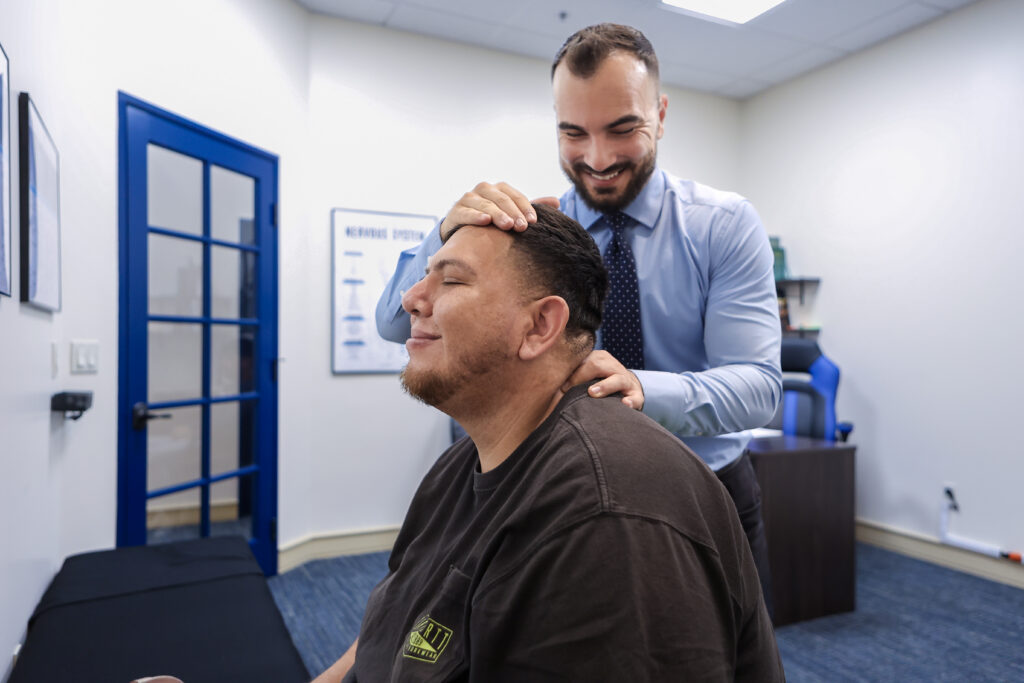
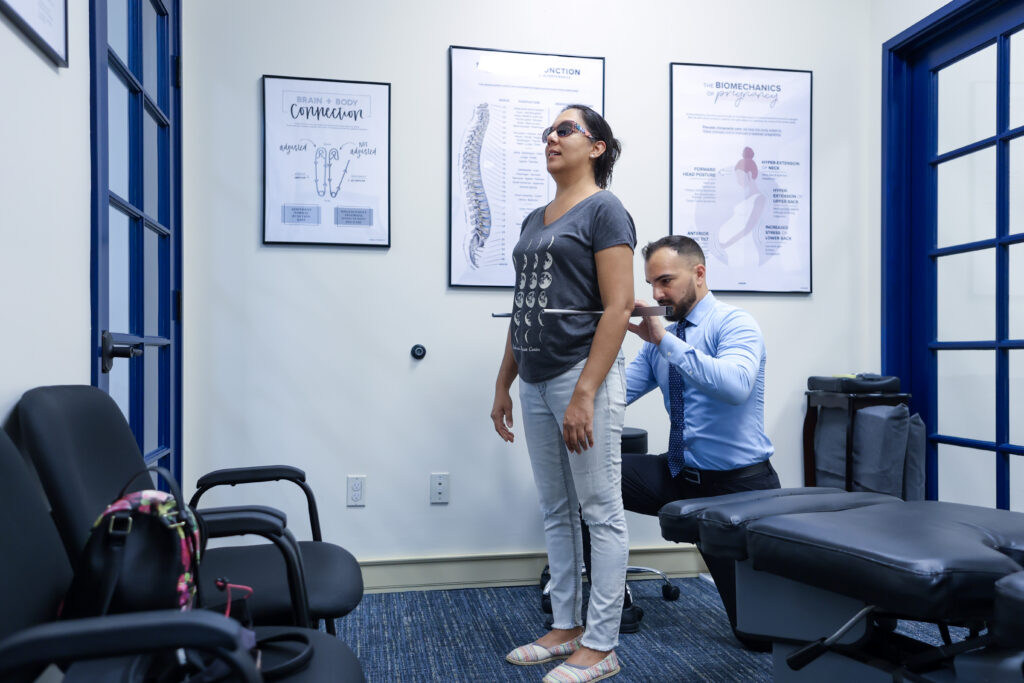
In addition to these techniques, consider chiropractic care as a primary approach to achieving optimal health. Regular adjustments can help align your spine, improve mobility, and address the root causes of pain. Chiropractic care is a safe, natural way to support your body’s healing processes and promote a healthier lifestyle.
Remember, pain management is a personal journey, and what works for one person may not work for another. By exploring these home techniques and considering chiropractic care, you can take proactive steps toward a pain-free life. Always consult with your chiropractor for personalized recommendations and to ensure you’re on the right path to wellness.
Key Takeaways
- Heat therapy is a fantastic way to enhance blood flow and relax your muscles. It’s especially helpful for strains and chronic conditions like arthritis. By applying heat, you can ease tension in your body, which complements the benefits of chiropractic adjustments in promoting overall wellness.
- Cold therapy is another great technique. It numbs pain and helps reduce inflammation, making it particularly effective right after an injury. This can work hand-in-hand with chiropractic care to manage pain and support your recovery process.
- Exercise and stretching are essential for maintaining flexibility and improving blood circulation. Regular physical activity not only helps alleviate discomfort but also supports the adjustments made during your chiropractic sessions. Incorporating gentle movements into your daily routine can lead to long-term relief and better spinal health.
- Herbal remedies such as turmeric and ginger have natural anti-inflammatory properties. These can be a wonderful complement to your chiropractic care, providing additional support for pain management and overall wellness. Incorporating these herbs into your diet can promote healing from the inside out.
- Mindfulness and meditation techniques are powerful tools for promoting relaxation and reducing stress. They can significantly enhance your overall pain relief experience. By practicing mindfulness, you’re not only caring for your mind but also creating a more conducive environment for your body to heal, especially after receiving chiropractic adjustments.
Remember, chiropractic care focuses on the root causes of pain and works to restore balance within your body. By combining these home techniques with regular chiropractic visits, you can achieve optimal health and live a more comfortable life.
Understanding Pain and Its Causes
Pain is a complex experience that signals something isn’t quite right in your body. It can arise from various sources, including injuries, inflammation, or even underlying health conditions. When you feel pain, your nervous system is sending messages to your brain, alerting you to the issue. This response is your body’s protective mechanism.
Understanding the causes of your pain is crucial for effective management, and chiropractic care can play a vital role in this process. For example, acute pain often results from sudden injuries, while chronic pain may suggest ongoing health problems. Additionally, factors such as stress, poor posture, and inactivity can contribute to discomfort.
As a chiropractor, I encourage you to pay attention to the type, location, and intensity of your pain. These details can guide your treatment approach. Identifying triggers and patterns can help you and your chiropractor develop a personalized plan to alleviate your discomfort.
To promote healing and wellness, consider these general tips:
- Maintain good posture: Keep your spine aligned to prevent unnecessary strain.
- Stay active: Regular physical activity can enhance your overall health and reduce pain.
- Manage stress: Techniques such as deep breathing, meditation, or gentle yoga can help ease tension.
- Stay hydrated: Drinking water supports overall health and can help reduce inflammation.
Heat Therapy: How It Works and When to Use It
When you’re experiencing muscle soreness or stiffness, heat therapy can be a great way to find relief. It works by increasing blood flow, relaxing tight muscles, and easing discomfort. Here are some situations where heat therapy can be particularly beneficial:
1. Muscle Strains: If you’ve strained a muscle, applying heat can enhance healing by boosting circulation to the affected area. This is a natural way to support your body’s recovery process.
2. Chronic Conditions: For ongoing issues like arthritis, heat can help alleviate pain and improve flexibility, making it easier to go about your daily life.
Remember, regular chiropractic adjustments can also play a vital role in managing these conditions.
3. Stress Relief: Using heat can provide a soothing sensation, helping to reduce overall stress and tension in your body. Incorporating relaxation techniques along with chiropractic care can further enhance your wellness journey.
To apply heat therapy effectively, consider using a heating pad, a warm towel, or enjoying a warm bath. It’s important to ensure the heat is at a comfortable level to avoid burns, and try to limit each session to 15-20 minutes for optimal relief.
As you explore ways to manage discomfort, remember that chiropractic care is an excellent choice for promoting overall health and wellness. Regular adjustments can help address the root causes of pain, ensuring you stay active and feel your best.
Always consult with your chiropractor for personalized advice tailored to your specific needs.
Cold Therapy: Benefits and Best Practices
Cold therapy can be an effective method for managing pain and reducing inflammation, especially when combined with chiropractic care. Understanding how cold therapy works, the ideal duration for its application, and important safety precautions can enhance its benefits. Let’s dive into these aspects to help you maximize your relief while ensuring your safety.
Cold therapy, often referred to as cryotherapy, involves applying cold to areas of the body that are painful or swollen. This can help numb the area, reduce blood flow, and decrease inflammation, which can be especially beneficial after a chiropractic adjustment or during recovery from an injury.
How to Use Cold Therapy:
- Duration: Typically, you should apply cold therapy for about 15 to 20 minutes at a time. Make sure to take breaks in between applications to prevent frostbite or skin damage.
- Method: Use a cold pack, ice wrapped in a cloth, or even a bag of frozen vegetables. Always make sure to have a barrier (like a towel) between the cold source and your skin to avoid direct contact.
- Timing: Cold therapy can be particularly effective immediately after an injury or a chiropractic session when inflammation may be present. It can also help alleviate pain during flare-ups of chronic conditions.
Precautions:
- Always listen to your body. If you feel excessive discomfort or if your skin becomes too cold, remove the cold source immediately.
- Avoid applying cold therapy to areas with poor circulation or numbness, as this can exacerbate issues.
Incorporating cold therapy into your wellness routine can complement the benefits of chiropractic care, providing a natural way to manage pain and promote healing.
Remember, chiropractic adjustments help align your spine and improve function, and when paired with cold therapy, you can achieve optimal results for your health.
As you explore these methods, always keep in mind that your chiropractor is an excellent resource for personalized advice and strategies tailored specifically to your needs.
How Cold Therapy Works
Using cold therapy can be a simple yet effective way to help alleviate inflammation and numb sharp pain. Often referred to as cryotherapy, this method works by constricting blood vessels, which reduces blood flow to the affected area.
As a chiropractor, I often recommend this natural approach to minimize swelling and provide temporary pain relief, especially when combined with spinal adjustments. Here are some key benefits of incorporating cold therapy into your wellness routine:
- Reduces Inflammation: Cold therapy is great for decreasing swelling by limiting fluid accumulation in injured areas. This can be particularly helpful after an adjustment, as it helps your body respond better to the realignment.
- Numbs Pain: The cold sensation can interrupt the pain signals sent to your brain, offering you immediate relief. This allows you to engage in your daily activities with more comfort.
- Speeds Up Recovery: By reducing inflammation and pain, you may find that you can return to your normal activities faster, enabling you to maintain an active lifestyle.
Incorporating cold therapy into your pain management routine, alongside regular chiropractic care, can lead to significant improvements in your comfort and overall well-being.
Remember, it’s important to listen to your body and to consult with your chiropractor for personalized advice on how to best integrate cold therapy into your health regimen.
Always keep a cold pack handy and apply it for 15-20 minutes, ensuring you have a barrier like a towel to protect your skin. This simple practice can enhance your healing journey naturally.
Ideal Application Duration
To get the most out of cold therapy, it’s essential to use it for the right amount of time. I recommend aiming for about 15 to 20 minutes per session. This duration allows the cold to effectively reduce inflammation and numb pain, helping your body heal naturally without risking any skin damage.
You can repeat this cold therapy every hour as needed, but it’s vital to take breaks between applications to allow your skin to recover. If you see any redness or feel discomfort, be sure to remove the cold source right away. To protect your skin from frostbite, always use a cloth or towel between the ice pack and your skin.
Incorporating these cold therapy sessions regularly can significantly aid in pain management and recovery. Remember, consistency is important.
And while cold therapy can be a helpful tool, don’t forget that chiropractic care is a fantastic option for addressing the root causes of pain and promoting overall wellness. Regular visits to your chiropractor can foster a healthier spine and body, enhancing your natural healing processes.
Prioritize your health by combining these practices with chiropractic care for the best results!
Precautions and Contraindications
While cold therapy can be a helpful method for pain relief, it’s important to know some precautions and contraindications before diving in. Here are three key points to consider:
1. Circulatory Issues: If you experience conditions like Raynaud’s disease or have poor circulation, it’s best to avoid cold therapy. Cold can constrict blood vessels and may intensify your symptoms.
Instead, consider gentle chiropractic adjustments to improve circulation and promote healing.
2. Nerve Sensitivity: If you have neuropathy or any nerve damage, cold applications mightn’t be suitable for you. Cold can numb the area and lead to further injury.
In these cases, chiropractic care can help address underlying nerve issues and provide more effective pain relief without the risks associated with cold therapy.
3. Open Wounds: Applying ice directly to broken skin or open wounds is a no-go, as it can increase the risk of infection and slow down healing.
Instead, focus on gentle chiropractic techniques that can support your body’s natural healing processes.
If you’re ever unsure about using cold therapy or how to manage your pain, consulting with a chiropractor can be a great step.
Chiropractic care emphasizes natural healing and overall wellness, helping you achieve optimal health while keeping safety in mind.
Exercise and Stretching: Natural Pain Relief Techniques
Exercise and stretching are essential components of a natural approach to pain relief and overall wellness. These activities promote blood flow, enhance flexibility, and can significantly reduce stiffness and tension in your muscles and joints. As a chiropractor, I emphasize that regular physical activity is not just about managing existing pain, but also about preventing it from occurring in the first place. By incorporating gentle exercises into your routine, you can support your spine and overall health, leading to a more active and fulfilling life.
Here are some effective exercises and stretches to consider:
| Exercise | Benefits |
|---|---|
| Walking | Boosts circulation and overall mobility |
| Neck stretches | Eases tension in the neck and upper back |
| Hamstring stretches | Increases flexibility and reduces lower back strain |
Start by choosing light activities that feel comfortable, and gradually increase the intensity as your body allows. It’s crucial to listen to your body—if you experience sharp or severe pain, it’s a sign to stop and reassess. Consistency is key; with regular practice, you are likely to experience a reduction in discomfort and an improvement in your overall well-being.
In addition to exercise, remember that proper hydration and nutrition play vital roles in supporting your body’s healing processes. Staying hydrated helps maintain the elasticity of your muscles and joints, while a balanced diet provides the nutrients needed for recovery.
Chiropractic care is an excellent complement to these practices. Regular adjustments can help align your spine, relieve pressure on nerves, and enhance your body’s ability to heal itself naturally. By choosing chiropractic care as part of your wellness journey, you are taking a proactive step toward achieving optimal health and living a pain-free life.
Herbal Remedies: Nature’s Painkillers
After incorporating exercise and stretching into your routine, exploring herbal remedies can provide additional support in managing pain. While these natural options can complement your efforts, it’s important to remember that chiropractic care is a powerful way to address the underlying issues causing discomfort.
Here are three popular herbal remedies you might consider using alongside regular chiropractic adjustments for optimal health:
- Turmeric: This golden spice is celebrated for its anti-inflammatory properties, making it a great addition to your diet. Turmeric can help reduce joint pain and inflammation. You can easily incorporate it into meals or take it as a supplement. However, remember that consistent chiropractic care can also help reduce inflammation by ensuring your spine is aligned properly.
- Ginger: Known for its ability to combat pain, ginger works due to its anti-inflammatory effects. Enjoying ginger tea or adding it to your favorite recipes may provide some relief. But don’t forget that chiropractic adjustments can help improve your body’s overall function, further enhancing your pain relief journey.
- Willow Bark: Often referred to as nature’s aspirin, willow bark can help relieve headaches and lower back pain. It’s available in various forms, including tea or supplements. Pairing willow bark with regular chiropractic visits can help address the root cause of your pain rather than just masking the symptoms.
Always consult with a healthcare professional before starting any new remedy to ensure it’s safe for you.
Embracing these herbal remedies, along with the benefits of chiropractic care, can enhance your pain management toolkit and promote a healthier, more balanced lifestyle.
Mindfulness and Meditation: Reducing Pain Through Mental Clarity
As you look for effective ways to manage pain, incorporating mindfulness and meditation can be a powerful addition to your wellness routine. These practices not only enhance your mental clarity but also help build emotional resilience, which is essential for overall health. By focusing on the present moment, you can reduce the anxiety and stress that often accompany pain, allowing for a more peaceful experience. Learning to observe your thoughts and sensations without judgment can create a sense of calm and control, which is vital for your healing journey.
Here’s a straightforward comparison to illustrate how mindfulness and meditation can positively influence your pain experience:
| Technique | Benefits | How to Start |
|---|---|---|
| Mindfulness | Reduces anxiety and stress | Focus on your breath |
| Meditation | Promotes relaxation | Set aside quiet time |
| Body Scan | Increases body awareness | Lie down and observe your body sensations |
| Guided Imagery | Creates positive mental images | Use recordings or apps |
| Loving-kindness | Enhances self-compassion | Repeat positive phrases to yourself |
In addition to these techniques, chiropractic care can significantly support your journey towards pain relief and optimal health. By addressing spinal alignment and overall body function, chiropractic adjustments help to reduce pain at its source. Regular chiropractic visits not only alleviate discomfort but also promote a balanced nervous system, enhancing the effectiveness of your mindfulness and meditation practices.
Incorporate these mindfulness techniques alongside your chiropractic care to maximize your overall wellness. Remember, being proactive about your health through natural methods can lead to lasting improvements. Try these practices regularly to discover what resonates best with you, and keep your chiropractor informed about your progress for tailored support!
Acupressure and Massage: Targeting Pain Points
Building on your mindfulness and meditation practices, incorporating acupressure and massage can be a fantastic way to manage pain and enhance your overall wellness naturally. While these techniques can provide relief, it’s important to remember that chiropractic care is a holistic approach that addresses the root causes of pain and promotes optimal health.
Here are three techniques you can try at home, while also considering the benefits of regular chiropractic adjustments:
- Acupressure Points: Identify key points on your body, such as LI4, located between your thumb and index finger. Applying firm pressure to this point for about 30 seconds can help alleviate headaches and reduce stress. While practicing this, take deep breaths to enhance relaxation. Remember, chiropractic care can further improve your body’s ability to heal and manage stress effectively.
- Self-Massage: Use your fingers or a massage ball to gently knead any sore muscles. Focus on areas that feel particularly tight and apply steady pressure to relieve tension. While self-massage can be beneficial, regular chiropractic visits can enhance your muscle and joint function, helping to prevent discomfort in the first place.
- Foam Rolling: Gently roll over tight areas with a foam roller to release muscle knots. Spend a bit more time on spots that feel tender to promote relaxation. Pairing foam rolling with chiropractic adjustments can optimize muscle recovery and improve your overall mobility.
Incorporating these methods into your routine can complement your existing mindfulness practices and support your journey toward natural wellness.
However, for lasting pain relief and a path to optimal health, consider making chiropractic care a regular part of your wellness strategy. It’s a safe, effective way to enhance your body’s natural healing processes and maintain overall well-being.
Lifestyle Changes for Long-Term Pain Management
To effectively manage pain over the long term, embracing some essential lifestyle changes is crucial. As a chiropractor, I want to emphasize the importance of natural healing and how chiropractic care can play a key role in your journey to optimal health.
By adjusting your diet, incorporating regular exercise, and practicing stress management techniques, you can significantly enhance your overall well-being.
Let’s dive into how these strategies can work hand-in-hand with chiropractic care to help you feel your best:
1. Nutrition: A balanced diet rich in whole foods, fruits, and vegetables can support your body’s healing process. Foods high in omega-3 fatty acids, such as salmon and walnuts, can help reduce inflammation.
Stay hydrated and consider incorporating anti-inflammatory herbs like turmeric into your meals.
2. Exercise: Regular physical activity is vital for maintaining a healthy spine and reducing pain. Low-impact exercises like walking, swimming, or yoga can improve flexibility, strengthen your muscles, and promote better posture.
Always consult with your chiropractor to create a tailored exercise plan that suits your needs.
3. Stress Management: Chronic stress can exacerbate pain, making it essential to find healthy ways to manage it. Techniques such as deep breathing, meditation, and gentle stretching can reduce tension and promote relaxation.
Chiropractic care also offers stress relief through spinal adjustments that can help your body function optimally.
4. Chiropractic Care: Regular visits to your chiropractor can help maintain spinal alignment, reduce pain, and improve your overall health.
Chiropractic adjustments can enhance your body’s natural ability to heal itself, allowing you to enjoy a more active and pain-free life.
By integrating these lifestyle changes and prioritizing chiropractic care, you can create a holistic approach to pain management that supports your health naturally.
Diet and Nutrition Adjustments
When it comes to managing chronic pain, making thoughtful adjustments to your diet and nutrition can significantly enhance your overall well-being.
As a chiropractor, I believe that a holistic approach to health—incorporating good nutrition alongside spinal care—can lead to optimal pain relief and wellness.
Here are three dietary changes to consider that can complement your chiropractic care and help you feel better:
- Boost Omega-3 Fatty Acids: Adding more omega-3-rich foods like fatty fish (think salmon), walnuts, and flaxseeds into your meals can help fight inflammation. This may not only assist in reducing pain but also support your body’s healing process.
- Load Up on Colorful Fruits and Vegetables: Eating a wide array of colorful fruits and veggies—especially leafy greens and berries—provides your body with essential antioxidants. These nutrients can help reduce inflammation and support your overall health, making your chiropractic adjustments even more effective.
- Cut Down on Processed Foods: It’s wise to limit sugary treats, refined carbs, and unhealthy fats. These foods can increase inflammation and pain, making it harder for your body to heal. By choosing whole, natural foods, you can significantly enhance the benefits of your chiropractic care.
Remember, your journey to wellness is a team effort.
Alongside regular chiropractic visits, these dietary tips can empower you to take control of your health and alleviate pain naturally.
Embrace these changes, and you may find yourself on a path to improved quality of life!
Regular Exercise Routines
Regular exercise routines can be transformative for managing chronic pain, and when combined with chiropractic care, they can significantly enhance your overall well-being. Engaging in activities like walking, swimming, or yoga not only strengthens your body but also promotes better spinal alignment and mobility.
These exercises can help improve flexibility and reduce stiffness, making daily activities easier and more enjoyable. Aim for at least 150 minutes of moderate exercise each week. Breaking this down into smaller sessions makes it more manageable and helps you stay consistent.
Always listen to your body; if something doesn’t feel right, it’s important to adjust your routine accordingly to avoid overexertion. Establishing a regular exercise schedule complements the benefits of chiropractic care. As your body adapts and recovers, you’ll likely experience a notable reduction in pain and an improved quality of life.
Don’t forget the importance of warming up before exercising and cooling down afterward—this helps prevent injuries and prepares your body for activity. Incorporating chiropractic adjustments into your routine can further enhance your results.
Regular visits to a chiropractor can help ensure that your spine is aligned properly, which supports your overall health and aids in pain relief. Remember, achieving optimal health is a journey, and with consistent effort in exercise and chiropractic care, you can lead a healthier, more fulfilling life.
Stress Management Techniques
Managing stress effectively is vital for achieving long-term relief from pain, especially since high stress levels can intensify discomfort and slow down your body’s natural healing processes.
As a chiropractor, I want to share some effective stress management techniques that complement chiropractic care and support your journey towards optimal health.
- Mindfulness Meditation: This practice encourages you to focus on the present moment. By reducing anxiety, mindfulness can help your body relax and allow the healing benefits of chiropractic adjustments to take effect.
- Deep Breathing Exercises: Slowing your breath can activate your body’s relaxation response. Deep breathing not only lowers stress hormones but also enhances the effects of chiropractic care by promoting overall calmness and relaxation.
- Physical Activities: Engaging in activities you enjoy, such as yoga, walking, or gentle stretching, can release endorphins—your body’s natural pain relievers. These activities work hand in hand with chiropractic adjustments to improve your mood and alleviate discomfort.
Incorporating these stress management techniques into your daily routine can significantly enhance your well-being and support your pain management efforts.
Remember, consistency is key! By practicing these techniques regularly, you’ll likely notice an improvement in your overall health and a reduction in pain.
Consider discussing these methods with your chiropractor during your next visit, as they can provide personalized recommendations to further enhance your wellness journey.
Together, we can work towards a healthier, pain-free life!
Conclusion
Incorporating these home techniques can significantly enhance your pain management strategy, especially when combined with chiropractic care. Whether you choose heat and cold therapy, engage in regular exercise, or practice mindfulness techniques, each method offers unique benefits that align with a holistic approach to wellness.
Chiropractic adjustments play a crucial role in relieving pain by addressing spinal misalignments that may contribute to discomfort. Alongside this, don’t underestimate the power of herbal remedies and acupressure for targeted relief. These natural methods can complement your chiropractic treatments and promote overall well-being.
Making small lifestyle changes, such as improving your posture and incorporating gentle stretches into your daily routine, can also help manage pain more effectively. Remember, you have the tools at your disposal to take control of your discomfort. By prioritizing chiropractic care and adopting these simple yet effective techniques, you can pave the way toward optimal health and a more comfortable life.