

Pregnancy is one of the most remarkable experiences a person can go through — but let’s be honest, waking up stiff, sore, and uncomfortable every single morning is not the part anyone looks forward to. If you’re finding that pregnancy back pain is stealing your sleep and making mornings feel like a chore, you’re far from alone. Many expectant mothers here in San Luis Obispo come through the doors at Momentum Health Chiropractic feeling exactly the same way. The good news? Understanding what’s actually happening in your body can take away a lot of the fear — and there are real, safe options to help you feel better.
What Is Pregnancy Back Pain?
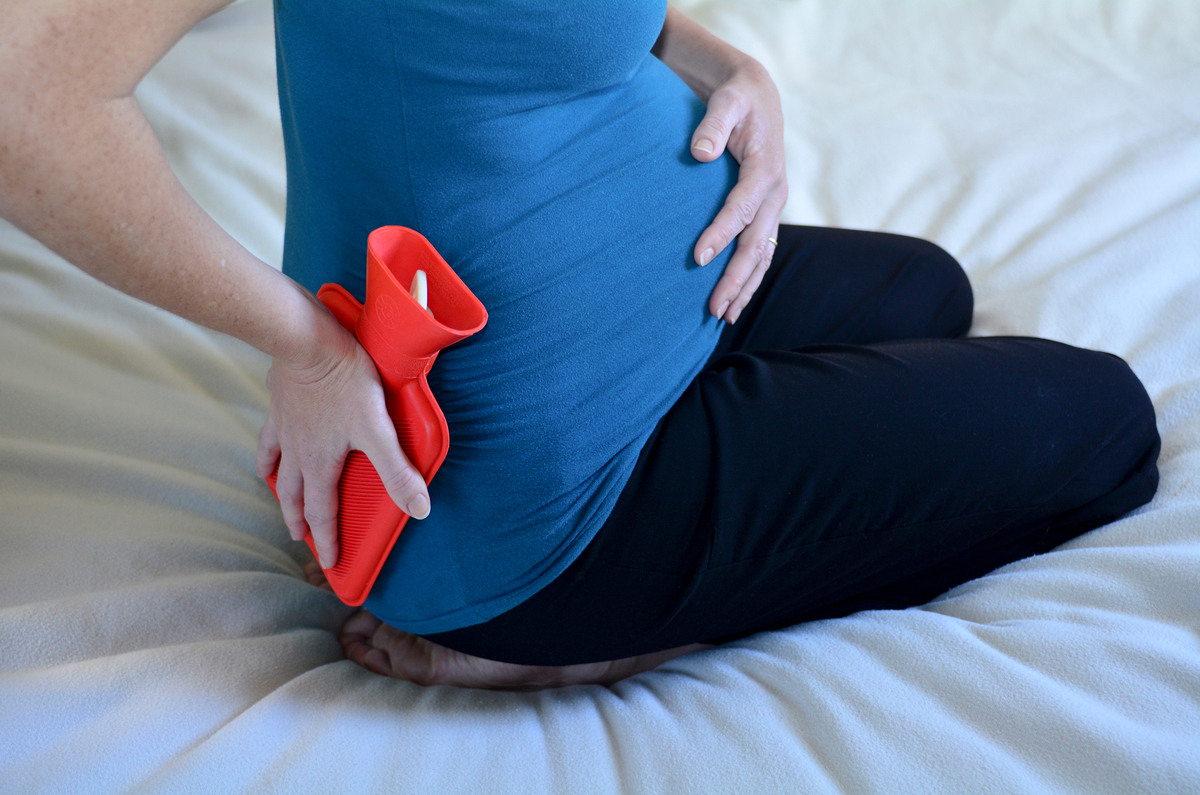
Pregnancy back pain refers to discomfort, stiffness, or aching in the lower back, mid-back, or pelvic region that occurs during or directly related to pregnancy. It can range from a mild, nagging ache to sharp, activity-limiting pain — and it’s particularly common first thing in the morning after hours of lying still.
Why Pregnancy Back Pain Happens
Your body goes through an extraordinary amount of change during pregnancy — and most of those changes directly affect your spine, pelvis, and surrounding muscles. To understand why your back hurts, it helps to understand what your body is actually doing behind the scenes.
One of the biggest contributors is a hormone called relaxin. Released during pregnancy, relaxin helps loosen the ligaments in your pelvis to prepare your body for childbirth. This is a perfectly natural and necessary process — but it comes at a cost. When ligaments become more lax, the joints they support become less stable. Your spine and pelvis now have to work harder to hold everything together, and that extra effort often results in pain and fatigue.
At the same time, your center of gravity is shifting forward as your baby grows. Your lower back naturally curves inward (this is called the lumbar lordosis), and as your belly expands, that curve becomes more pronounced. This increased arch in the lower back places added stress on the lumbar vertebrae and the small joints that connect them — known as the facet joints. Over time, this uneven loading leads to irritation, inflammation, and that familiar aching sensation.
Your abdominal muscles — which normally help support your spine — are also being stretched and weakened as your uterus grows. This loss of core support means your back muscles end up doing much more than their fair share of the work. Muscle fatigue is a direct result, and it often shows up as pain, stiffness, or spasms.
Why Morning Is Often the Worst Time
If you’ve noticed that your back feels especially stiff and painful right when you wake up, there’s a specific reason for that — and it’s not just in your head.
During sleep, your body is relatively still for long stretches of time. The muscles and tissues surrounding your spine can tighten up in that stillness, especially in positions that place strain on already-stressed joints. Pregnant women often find it difficult to get comfortable at night, frequently changing positions or staying in one place longer than they otherwise would. This can contribute to localized pressure and inflammation building up overnight.
There’s also a biological process at work. The intervertebral discs in your spine absorb fluid while you sleep and expand slightly — which is actually why most people are a tiny bit taller in the morning than at night. For someone already dealing with spinal stress from pregnancy, this disc expansion can temporarily increase pressure on surrounding nerves and joints, leading to that characteristic morning stiffness that eases once you’ve been moving around for a while.
Sleeping position plays a major role as well. Lying on your back — especially as pregnancy progresses — can put pressure on the large blood vessel called the inferior vena cava, which is why most healthcare providers recommend side sleeping. But side sleeping, particularly without proper pillow support, can create misalignment in the hips and lower spine that contributes to morning discomfort. Many patients who visit Dr. David Sedghi at Momentum Health Chiropractic in San Luis Obispo report significant improvement simply by addressing their sleeping setup alongside their chiropractic care.
Common Types of Pregnancy-Related Back Pain
Not all pregnancy back pain is the same, and knowing what type you’re dealing with can help you understand how to address it effectively.
Lumbar pain is the most commonly recognized form. It occurs in the lower back, typically around the lumbar spine, and often feels like a deep, dull ache. It may radiate into the buttocks or legs and tends to worsen after long periods of sitting or standing.
Posterior pelvic pain (PPP) is actually more common during pregnancy than lumbar pain, though it’s frequently misidentified. It presents as pain deep in the buttocks, on one or both sides, and may travel into the back of the thighs. It’s often triggered by activities like walking, climbing stairs, rolling over in bed, or getting out of a car. This type of pain is directly related to the sacroiliac (SI) joints — where the pelvis meets the base of the spine — and is heavily influenced by the hormonal loosening of ligaments discussed earlier.
Round ligament pain is a sharp, stabbing sensation usually felt in the lower abdomen or groin, though it can sometimes be mistaken for back pain. It’s caused by stretching of the ligaments that support the uterus and is generally harmless, though uncomfortable.
Sciatica can also occur during pregnancy. As the uterus grows, it can place pressure on the sciatic nerve — the large nerve that runs from the lower back down through the legs. This results in shooting pain, numbness, or tingling that travels down one or both legs. Sciatica during pregnancy can be quite disruptive, but chiropractic care has been shown to help in many cases.
How Chiropractic Care Fits Into Prenatal Wellness
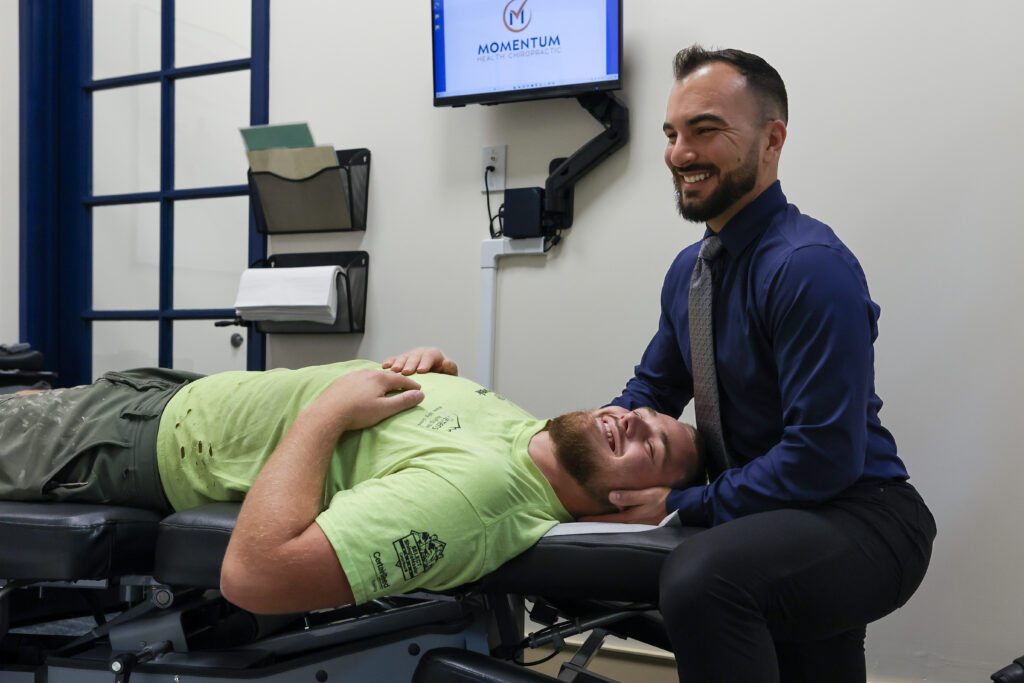
Chiropractic care during pregnancy is a safe, drug-free, non-invasive option that many expectant mothers find genuinely helpful. At Momentum Health Chiropractic in San Luis Obispo, Dr. David Sedghi takes a thoughtful, individualized approach to prenatal care — one that focuses on restoring balance, reducing stress on the spine, and supporting the body through its remarkable changes.
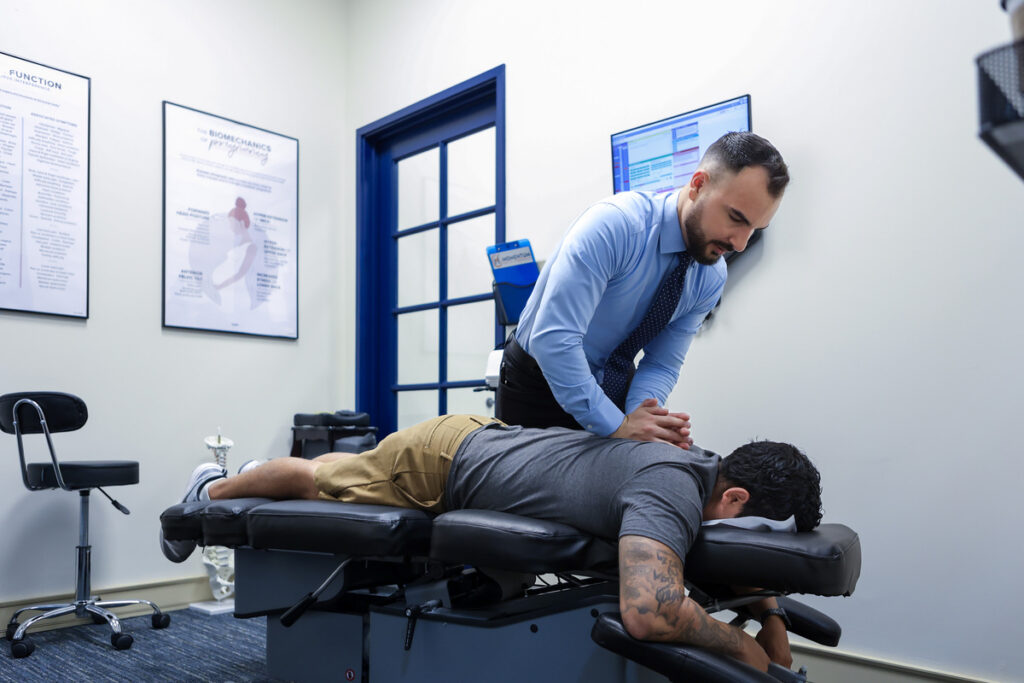
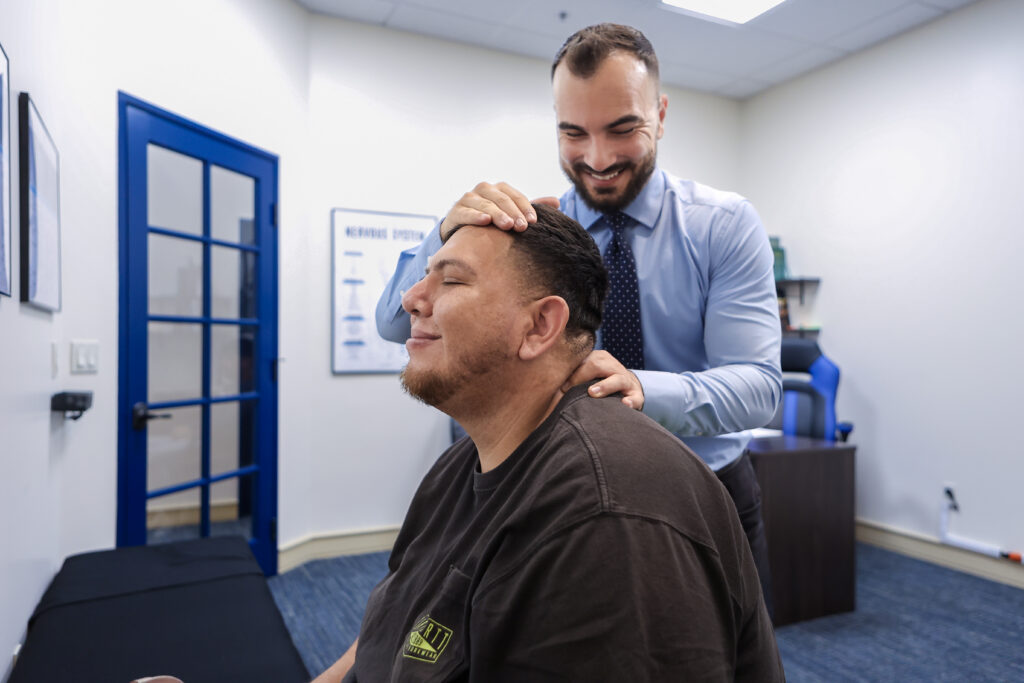
One of the primary goals of chiropractic care during pregnancy is to address misalignments — or what chiropractors call subluxations — in the spine and pelvis. When joints are not moving and functioning optimally, the surrounding muscles and nerves are affected. Gentle, targeted adjustments can help restore proper joint motion, reduce inflammation, and take pressure off irritated nerves.
A specific technique that has become well-known in prenatal chiropractic is the Webster Technique. This is a gentle assessment and adjustment method designed to analyze and improve sacral and pelvic alignment during pregnancy. It has been used widely by chiropractors trained in prenatal care and is generally considered a safe and effective approach for addressing the biomechanical changes of pregnancy. Dr. David Sedghi uses gentle, evidence-informed techniques tailored to the comfort and safety of each expectant mother.
Research published in journals like the Journal of Manipulative and Physiological Therapeutics suggests that chiropractic care during pregnancy may help reduce low back and pelvic pain. As with any healthcare approach, results vary from person to person — but many women report meaningful improvements in comfort, sleep quality, and daily function after beginning prenatal chiropractic care.
It’s worth noting that chiropractic care is always coordinated with your OB-GYN or midwife. Dr. David Sedghi works as part of your broader prenatal care team, not in place of it. Communication between providers is always encouraged to ensure the safest and most comprehensive care possible.
Practical Tips to Manage Pregnancy Back Pain at Home
While professional care can make a big difference, there are also steps you can take at home to support your back and reduce morning discomfort throughout your pregnancy.
Sleep positioning matters enormously. A full-length body pillow or a pregnancy pillow can help maintain better spinal alignment throughout the night. Placing a pillow between your knees while side sleeping helps keep the hips level and reduces twisting stress on the lower back and SI joints. A small pillow or rolled towel under your waist can also provide extra lumbar support.
Movement throughout the day is one of the best things you can do for a sore back. Long periods of sitting or standing in one position allow muscles to tighten and joints to stiffen. Set a gentle reminder to shift positions, take short walks, or do some light stretching every 30 to 60 minutes. Prenatal yoga is also widely endorsed as a gentle, effective way to maintain mobility and core strength during pregnancy.
Supportive footwear is another often-overlooked factor. High heels throw off your posture and increase lumbar curve at a time when your spine is already under strain. Supportive, flat or low-heeled shoes help keep your biomechanics as balanced as possible.
When lifting — even light objects — bend at the knees rather than the waist. This protects the lumbar spine and reduces the risk of sudden muscle strain or joint irritation. Ask for help when you need it. There’s no award for doing it all yourself, especially when your body is already working overtime.
Staying well-hydrated also supports spinal health. The intervertebral discs between your vertebrae are largely made up of water, and adequate hydration helps them maintain their height and shock-absorbing properties.

When to See a Chiropractor During Pregnancy
Many women wonder whether they should wait until the pain becomes severe before seeking care. The honest answer is: you don’t have to wait. If morning back pain is disrupting your sleep, limiting your mobility, or simply making daily life harder than it needs to be, that’s reason enough to come in for an evaluation.
Earlier care often means faster relief and a better ability to stay comfortable throughout your pregnancy. Many patients who visit Momentum Health Chiropractic in San Luis Obispo start care in their first or second trimester and find it helps them stay active, comfortable, and functional through the third trimester and even in preparation for labor.
That said, there are certain red flags that always warrant immediate medical attention rather than chiropractic care. These include severe abdominal pain or cramping, vaginal bleeding, fever, sudden swelling of the hands or face, headaches that come on suddenly and severely, or any pain accompanied by a loss of bladder or bowel control. These symptoms require prompt evaluation by your OB-GYN or an emergency provider. A responsible chiropractor will always refer you out when your symptoms fall outside the scope of chiropractic care.
Understanding Your Pain: A Quick Reference
|
Type of Pain |
Where You Feel It |
Common Triggers |
May Respond to Chiropractic? |
|---|---|---|---|
|
Lumbar Back Pain |
Lower back, may radiate to buttocks |
Prolonged sitting or standing, postural changes |
Yes — commonly addressed with gentle adjustments |
|
Posterior Pelvic Pain |
Deep buttocks, back of thighs |
Rolling in bed, walking, stairs, getting in/out of car |
Yes — often responds well to SI joint care |
|
Sciatica |
Lower back, down one or both legs |
Nerve pressure from growing uterus |
Yes — can help reduce nerve irritation |
|
Round Ligament Pain |
Lower abdomen or groin |
Quick movements, sneezing, rolling over |
Generally not — this is ligament stretching, not a joint issue |
|
General Muscle Fatigue |
Mid/lower back, hips |
Weakened core from growing uterus |
Yes — soft tissue work and posture support can help |
Myths vs. Facts About Pregnancy Back Pain
Myth: Back pain during pregnancy is just something you have to accept and push through.
Fact: While back pain is common during pregnancy, “common” doesn’t mean unavoidable or untreatable. Many expectant mothers find meaningful relief through chiropractic care, physical activity, ergonomic adjustments, and targeted support. You don’t have to simply endure it.
Myth: Chiropractic adjustments are unsafe during pregnancy.
Fact: When performed by a trained chiropractor experienced in prenatal care, chiropractic adjustments are generally considered safe during pregnancy. Techniques are modified to accommodate a growing belly, and adjustments are always gentle and tailored to the individual. Organizations like the American Pregnancy Association recognize chiropractic care as a supportive option for pregnant women.
Myth: The back pain will go away completely after delivery.
Fact: For many women, pregnancy-related back pain does improve significantly after delivery. However, the postpartum period introduces its own physical challenges — including the demands of nursing, carrying a newborn, and recovering from childbirth. Some women find that back pain persists or even worsens postpartum without proper care and support.
Myth: You should avoid all movement and rest as much as possible when your back hurts.
Fact: Complete rest is rarely recommended for musculoskeletal pain, including during pregnancy. Gentle movement keeps blood flowing, muscles active, and joints mobile. The current consensus in conservative care strongly favors staying active within a comfortable range over prolonged bed rest.
Myth: Only the third trimester causes back pain.
Fact: Back pain can begin as early as the first trimester, often even before a noticeable belly has developed. Hormonal changes begin almost immediately after conception, and relaxin-related ligament loosening can trigger pain well before the physical weight of the baby becomes a significant factor.
Final Thoughts From Momentum Health Chiropractic
Pregnancy is hard work — and your body deserves real support throughout the journey, not just something to endure. Here at Momentum Health Chiropractic in San Luis Obispo, CA, Dr. David Sedghi genuinely cares about helping expectant mothers feel as comfortable, strong, and supported as possible during one of the most physically demanding times of their lives.
If pregnancy back pain is waking you up every morning, making it hard to get through your day, or just adding stress to an already full plate, please don’t wait until it gets worse to seek help. Understanding what’s happening in your body is the first step — and getting a professional evaluation is the next one. Our team is here to listen, to assess, and to create a care plan that works for you and your growing baby.
San Luis Obispo is a community we’re proud to serve, and we’re honored to be part of so many families’ prenatal wellness journeys. Whether you’re in your first trimester or your final weeks, it’s never too early or too late to prioritize how you feel.
Frequently Asked Questions
Is it safe to see a chiropractor during the first trimester?
Yes, chiropractic care is generally considered safe throughout all stages of pregnancy, including the first trimester. Your chiropractor will always take a thorough health history and coordinate with your OB-GYN or midwife to ensure care is appropriate for your individual situation.
How many chiropractic visits might I need during pregnancy?
The frequency of care varies from person to person depending on the nature and severity of symptoms. Some women benefit from a short series of visits, while others prefer to continue care throughout their entire pregnancy. Dr. David Sedghi will always tailor a care plan to your needs and goals.
Can chiropractic care help with sciatica during pregnancy?
Evidence suggests that chiropractic care can be helpful for pregnancy-related sciatica by addressing joint restrictions and reducing pressure on irritated nerves. Results vary, but many women experience meaningful relief with a conservative chiropractic approach.
What sleeping position is best for pregnancy back pain?
Side sleeping — particularly on the left side — is generally recommended during pregnancy. Placing a pillow between your knees and under your belly can help maintain spinal alignment and reduce hip and lower back stress during the night.
Will pregnancy back pain go away after I give birth?
Many women do experience a reduction in back pain after delivery as hormone levels normalize and the physical demands of pregnancy resolve. However, postpartum recovery introduces new physical stressors, and some women benefit from continuing chiropractic care after birth as well.
Can I do stretches for pregnancy back pain at home?
Gentle stretching and prenatal yoga are widely supported as safe, helpful ways to manage pregnancy-related back pain. Always consult with your healthcare provider before starting any new exercise or stretching routine during pregnancy to ensure it’s appropriate for your stage and condition.
TL;DR
-
Pregnancy back pain is caused by hormonal changes, shifting posture, and weakening core muscles — it’s not something you just have to live with.
-
Morning stiffness is especially common because of overnight stillness, disc fluid changes, and sleep position challenges.
-
Different types of pregnancy back pain — including lumbar pain, posterior pelvic pain, and sciatica — have different causes and respond to different approaches.
-
Chiropractic care, including prenatal techniques like the Webster Technique, is generally considered safe and may offer meaningful relief for many pregnant women.
-
If morning back pain is affecting your sleep or daily life, a professional evaluation at Momentum Health Chiropractic in San Luis Obispo with Dr. David Sedghi is a great place to start.