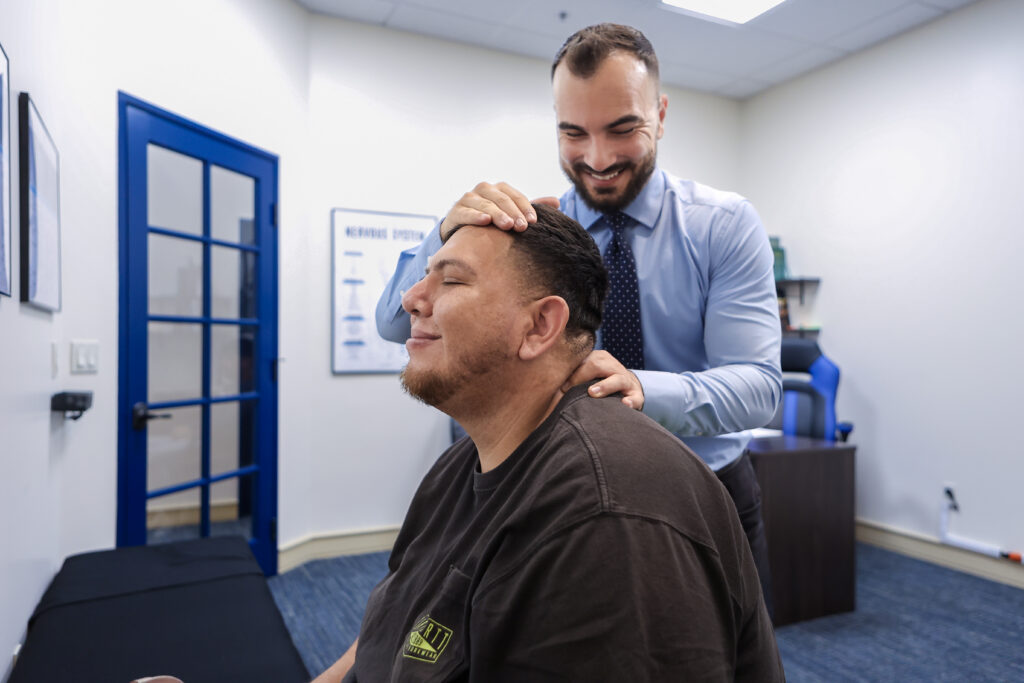

As a local chiropractor committed to your well-being, I want to share insights about the future of fibromyalgia relief, particularly as we look towards 2025. It's becoming increasingly clear that alternative care options, including chiropractic care, will play a significant role in managing fibromyalgia.
In our practice, we emphasize holistic, patient-centered approaches that may include techniques such as acupuncture and various mind-body therapies. These methods can help alleviate pain and improve overall wellness. Additionally, we are observing a growing trend towards nutritional strategies and herbal remedies, empowering you to take charge of your health in a more natural way.
Understanding these trends can reshape your perspective on fibromyalgia management. By exploring the evolving landscape of treatment options, you may discover new avenues for relief that resonate with you. Our goal is to provide you with the knowledge and tools to navigate these options and find what works best for your unique needs. Together, we can work towards enhancing your quality of life through natural healing methods.
Understanding Fibromyalgia
Fibromyalgia is a complex and often misunderstood condition that affects many individuals, and as your local chiropractor, I want to help you understand it better. If you're experiencing widespread pain, fatigue, and cognitive issues, commonly referred to as "fibro fog," know that these symptoms can significantly impact your daily life, making it challenging to work or engage in social activities.
It's essential to recognize that fibromyalgia isn't just about physical pain; it also affects your emotional well-being and overall quality of life. Stress can often worsen your symptoms, creating a frustrating cycle of discomfort and anxiety.
While the exact cause of fibromyalgia remains unclear, research suggests that a combination of genetic, environmental, and psychological factors may play a role.
Diagnosing fibromyalgia can be difficult, as there's currently no definitive test for it. You may undergo various assessments to rule out other conditions that could resemble your symptoms. It's crucial to communicate openly with your healthcare provider, including your chiropractor, about your experiences. This dialogue can help us tailor a treatment plan that addresses your unique needs.
Many individuals living with fibromyalgia report feelings of isolation due to the condition's invisible nature. I encourage you to educate those around you about what you're experiencing to foster understanding and empathy.
Rise of Alternative Therapies
As a local chiropractor, I want to share some insights about the growing interest in alternative therapies, especially for those of you who may be seeking relief from chronic conditions like fibromyalgia. I understand the frustration that can come with traditional treatments not providing the relief you need, and that's where alternative options, including chiropractic care, can play a vital role.
Chiropractic care has been gaining recognition for its potential to alleviate pain and improve overall well-being. By focusing on spinal adjustments, we can enhance your body's function and help reduce discomfort. Many patients suffering from fibromyalgia have found significant relief through these adjustments, which can also help you better cope with daily challenges.
In addition to chiropractic care, other alternative therapies like acupuncture and herbal medicine are being explored by many individuals looking to manage their symptoms. Acupuncture, for instance, works by stimulating specific points on the body, which may help release endorphins—your body's natural painkillers. Herbal remedies, such as turmeric and ginger, are also gaining traction for their anti-inflammatory properties, offering additional avenues to support your healing journey.
We can't overlook the benefits of practices like yoga and mindfulness, either. These approaches not only promote relaxation but also help you cultivate a deeper connection with your body. Incorporating gentle movements and breathing exercises can significantly enhance both your physical and mental well-being.
As you consider these options, I encourage you to consult with a healthcare professional—like myself—who can guide you in finding the right combination of therapies that work for you. By embracing chiropractic care and other alternative therapies, you're taking an active role in your health journey and empowering yourself to seek the relief you truly deserve.
Your well-being is our priority, and I'm here to support you every step of the way.
Mind-Body Connection
As a local chiropractor, I want to emphasize the incredible power of the mind-body connection, particularly for those dealing with chronic pain conditions like fibromyalgia. Many individuals may not realize just how much their thoughts, emotions, and stress levels can influence their pain experience. By understanding and acknowledging this connection, you can take proactive steps toward managing your fibromyalgia symptoms more effectively.
Incorporating practices like mindfulness and meditation into your routine can be tremendously beneficial. These techniques help you tune into your body's signals, allowing you to cultivate a sense of calm and well-being. When you focus on your breath or visualize a serene scene, you redirect your attention away from the pain, which can significantly lower stress levels—often a major trigger for flare-ups. As you embrace relaxation, you may find a reduction in your pain perception.
Gentle activities such as yoga or tai chi can also be advantageous. Not only do these practices alleviate physical discomfort, but they also enhance mental clarity and emotional balance. By fostering a deeper connection between your mind and body, you can respond more effectively to your fibromyalgia symptoms. Many of my patients have noticed that when they feel more centered and grounded, their overall well-being improves substantially.
Another effective method is the use of positive affirmations. By regularly repeating empowering statements about your health and resilience, you can challenge and change negative thought patterns that may worsen your pain. This shift in mindset can provide you with a sense of control over your fibromyalgia journey.
Integrating these mind-body techniques into your daily life can lead to lasting relief and help you navigate the challenges of fibromyalgia with greater ease. As a chiropractor, I encourage you to explore these natural healing methods alongside your chiropractic care for a more holistic approach to your health and well-being.
Nutritional Approaches
As a local chiropractor, I want to emphasize the significant role nutrition plays in managing fibromyalgia symptoms and improving overall health. By making thoughtful dietary choices, you can alleviate some discomfort and enhance your well-being. Here are four nutritional strategies to consider:
- Embrace Anti-Inflammatory Foods: Incorporating foods rich in omega-3 fatty acids—such as fatty fish, walnuts, and flaxseeds—can be very beneficial. These foods help reduce inflammation and muscle pain, which are often problematic for those experiencing fibromyalgia.
- Prioritize Whole Foods: Focus on consuming whole, unprocessed foods. Fresh fruits, vegetables, whole grains, and lean proteins provide the essential nutrients your body needs to maintain energy levels and a strong immune system.
- Stay Hydrated: Proper hydration is crucial for overall health. Aim for at least eight glasses of water a day. Staying well-hydrated aids digestion and can help manage fatigue, a common challenge for individuals with fibromyalgia.
- Reduce Sugar and Processed Carbs: Consuming high amounts of sugar and processed carbohydrates can lead to energy crashes and exacerbate inflammation. Instead, choose natural sweeteners and complex carbohydrates to maintain steady energy levels.
By considering these nutritional approaches, you can support your body's healing process and improve your quality of life.
Herbal Remedies
As a local chiropractor dedicated to holistic health, I want to share how exploring herbal remedies can provide additional relief from fibromyalgia symptoms and complement your overall treatment plan. Many individuals have found that certain herbs can help alleviate pain, reduce fatigue, and improve sleep quality, which is essential for overall well-being.
One herb you might consider is turmeric. It contains curcumin, a compound renowned for its anti-inflammatory properties. By incorporating turmeric into your meals or taking it as a supplement, you may help reduce inflammation associated with fibromyalgia symptoms.
Similarly, ginger is another excellent option; it can soothe muscle pain and enhance circulation, making it a beneficial addition to your daily routine.
Valerian root is also worth mentioning; it's known for promoting better sleep and relaxation. If you're struggling with insomnia due to fibromyalgia, valerian could be a game-changer for you. It's available in teas or capsules, making it easy to incorporate into your lifestyle.
Another herbal remedy you might explore is ashwagandha, an adaptogenic herb that can help manage stress and anxiety. Since stress often exacerbates fibromyalgia symptoms, incorporating ashwagandha may contribute to your overall symptom relief.
Before starting any herbal remedies, I encourage you to consult with your healthcare provider. They can assist you in determining the appropriate dosages and ensure that there are no interactions with your current medications.
Acupuncture and Energy Healing
As a local chiropractor, I want to share with you some valuable insights about how acupuncture and energy healing can serve as effective complementary therapies for managing fibromyalgia. Many of my patients have found these natural approaches beneficial in alleviating pain and enhancing their overall well-being.
Here's how these therapies can support your health:
- Pain Reduction: Acupuncture works by targeting specific points in your body, which may stimulate the release of endorphins—your body's natural painkillers. This can lead to significant reductions in pain associated with fibromyalgia.
- Stress Relief: Both acupuncture and energy healing techniques are excellent for reducing stress and anxiety, common culprits that can worsen fibromyalgia symptoms. By promoting relaxation, these therapies can greatly enhance your quality of life.
- Improved Sleep: Sleep disturbances are a frequent challenge for those with fibromyalgia. Acupuncture has the potential to help regulate your sleep patterns by encouraging relaxation, leading to more restful and restorative nights.
- Energy Balance: Energy healing practices, like Reiki, focus on restoring the natural flow of energy within your body. By addressing any blockages, these therapies can leave you feeling revitalized and more in tune with your body's needs.
If you're considering acupuncture or energy healing, I encourage you to consult with a qualified practitioner who understands fibromyalgia.
They can customize treatments to meet your unique symptoms and health needs. While these therapies may not be a complete solution on their own, they can beautifully complement your overall fibromyalgia management plan.
Exploring these options could lead to significant improvements in your well-being. Don't hesitate to reach out and discover what natural healing methods work best for you!
Movement and Exercise
As a local chiropractor, I want to emphasize the importance of incorporating movement and exercise into your daily routine, especially if you're managing fibromyalgia symptoms.
Gentle stretching techniques and low-impact aerobic activities can significantly enhance your flexibility and help alleviate pain, all while ensuring you don't overexert yourself.
By finding the right balance in your exercise regimen, you can take charge of your body and improve your overall well-being.
Remember, chiropractic care can support you on this journey by promoting optimal spinal health and enhancing your body's natural healing abilities.
Together, we can work towards a more active and pain-free lifestyle!
Gentle Stretching Techniques
As a local chiropractor, I often work with patients who experience fibromyalgia and understand how challenging it can be to manage discomfort and improve mobility. One effective approach that I recommend is incorporating gentle stretching techniques into your daily routine.
These stretches can help release muscle tension, enhance flexibility, and promote relaxation, which are vital for overall well-being.
Here are four gentle stretching techniques that I often suggest to my patients:
- Neck Stretch: Begin by sitting or standing comfortably. Gently tilt your head to one side, allowing your ear to move toward your shoulder. Hold this position for 15-30 seconds, then switch sides. This stretch can help alleviate tension in your neck area.
- Shoulder Rolls: Whether seated or standing, let your arms relax at your sides. Start rolling your shoulders forward in a circular motion for 10 repetitions, then reverse the direction. This exercise helps to loosen tight shoulder muscles and improve mobility.
- Cat-Cow Stretch: Position yourself on your hands and knees. Inhale deeply while arching your back (this is the Cow position), and then exhale as you round your spine (the Cat position). Repeat this cycle for 5-10 repetitions. This stretch is excellent for spinal flexibility and relieving tension in your back.
- Seated Forward Bend: Sit with your legs extended in front of you. As you inhale, reach your arms overhead, and then as you exhale, bend forward from your hips, reaching toward your feet. Hold this position for 15-30 seconds to stretch your back and hamstrings.
Incorporating these stretches into your routine can significantly enhance your comfort and help reduce fibromyalgia symptoms.
Low-Impact Aerobic Activities
As a local chiropractor, I often emphasize the importance of gentle stretching as a foundational step in incorporating low-impact aerobic activities into your wellness routine. These activities—such as walking, swimming, or cycling—are not only easier on your joints but can also significantly enhance your cardiovascular health without placing undue stress on your body.
I recommend starting with at least 30 minutes of low-impact aerobic exercise a few times a week. It's perfectly fine to break this time into shorter sessions if that feels more manageable for you. The key is to choose activities that you genuinely enjoy, as this will help keep you motivated. For example, consider joining a dance class or taking a leisurely stroll in a local park—these options can make your exercise routine enjoyable.
It's crucial to listen to your body as you embark on this journey. If you experience any discomfort, don't hesitate to scale back or try a different activity. With time, you may find that your energy levels improve, your mood lifts, and you experience better pain management.
Patient-Centered Care
As a local chiropractor, I want to emphasize the importance of patient-centered care in managing fibromyalgia, particularly when it comes to exploring natural healing options. This approach is all about recognizing your unique experiences and needs, as each person's journey with fibromyalgia is different.
By fostering a collaborative relationship between you and your healthcare provider, we can work together to find effective strategies for relief.
Here are four key aspects of patient-centered care that can enhance your management of fibromyalgia:
- Personalized Treatment Plans: Your care should be tailored to your specific symptoms and lifestyle. In chiropractic practice, this means developing a comprehensive plan that may include spinal adjustments, physical therapy, and other natural therapies that resonate with you.
- Open Communication: It's vital to have open discussions about your concerns, preferences, and treatment goals with me as your chiropractor. When you feel heard and understood, it encourages you to take an active role in your healing process.
- Holistic Approach: Patient-centered care considers your overall well-being—physically, emotionally, and socially. As part of our approach, we can explore various complementary therapies such as massage, nutrition, and mindfulness techniques that may help alleviate your fibromyalgia symptoms.
- Empowerment and Education: My goal is to empower you to take charge of your health journey. This involves understanding fibromyalgia more deeply, staying informed about natural treatment options, and learning self-care techniques that align with your personal needs.
Future of Fibromyalgia Treatment
As your local chiropractor, I want to share some exciting developments in the future of fibromyalgia treatment. Many innovative therapies are emerging, bringing new hope for those seeking relief from this challenging condition.
One approach that's gaining traction is holistic care, which focuses on treating both the body and mind. This method emphasizes the importance of a well-rounded strategy that can make a significant difference in managing fibromyalgia symptoms.
At our clinic, we believe that natural healing techniques, including chiropractic care, can play a vital role in your journey toward wellness. By addressing spinal alignment and improving overall body function, we can help alleviate some of the discomfort associated with fibromyalgia.
It's an exciting time for those exploring alternative care options, and we're here to support you in transforming your experience with fibromyalgia through personalized, compassionate care.
Innovative Therapies Emerging
As a local chiropractor dedicated to improving the well-being of my patients, I'm excited to share how emerging therapies are transforming the approach to fibromyalgia treatment. If you or someone you know is grappling with this chronic condition, there are innovative options available that could significantly enhance your quality of life.
Here are four promising therapies that are gaining attention:
- Cognitive Behavioral Therapy (CBT): This approach focuses on reshaping negative thought patterns that can exacerbate pain. By integrating CBT into your treatment plan, you can learn to manage pain more effectively and address the emotional challenges associated with fibromyalgia.
- Transcranial Magnetic Stimulation (TMS): This non-invasive therapy uses magnetic fields to stimulate nerve cells in the brain. It has shown potential in alleviating pain and improving mood, making it a valuable option for those dealing with fibromyalgia.
- Microcurrent Therapy: This innovative treatment delivers low-level electrical currents to specific areas of the body, aiming to reduce pain and inflammation. Many patients have reported enhanced well-being and relief from symptoms through this method.
- Nutritional Therapy: As a chiropractor, I understand the significant impact that diet can have on your health. Tailoring your nutrition to include anti-inflammatory foods can be pivotal in managing fibromyalgia symptoms.
Collaborating with a nutritionist can help you make informed dietary choices that support your healing journey.
These emerging therapies offer exciting pathways to relief and empowerment in managing fibromyalgia. I encourage you to explore these options as part of your holistic care plan. Together, we can work towards improving your health and quality of life.
If you have any questions or want to learn more about how chiropractic care can complement these therapies, feel free to reach out!
Holistic Approaches Gaining Popularity
As a local chiropractor, I want to share some insights into how holistic approaches can significantly benefit those dealing with fibromyalgia. More individuals are recognizing the value of treating the whole person—mind, body, and spirit—in their quest for relief.
Integrating various natural techniques can lead to improved well-being and effective pain management. One method we often discuss is acupuncture, which can help alleviate pain while boosting energy levels. Many patients have found that this ancient practice complements their chiropractic care beautifully, enhancing the overall treatment experience.
Another powerful tool is yoga and meditation. These practices not only enhance physical flexibility but also promote relaxation and reduce stress, which can be particularly beneficial for managing fibromyalgia symptoms. By incorporating these techniques, you can achieve greater mental clarity, allowing you to tackle challenges more effectively.
Nutritional therapy is also a key component of holistic healing that I often recommend. A balanced diet rich in anti-inflammatory foods can support your body's natural healing processes. Additionally, supplements like magnesium and omega-3 fatty acids may help reduce pain and fatigue, which are common in fibromyalgia.
We also explore energy healing modalities, such as Reiki, that can help balance your energy and promote relaxation. It's important to remember that while these holistic options can be incredibly helpful, you should always consult with healthcare practitioners who understand fibromyalgia and its complexities, including chiropractors like myself.
Conclusion
As we look ahead to 2025, I want to share how alternative care options, particularly chiropractic care, can significantly improve your journey towards managing fibromyalgia. Many people may not realize the benefits of holistic therapies and mind-body practices that we offer in our clinic. By focusing on personalized treatment plans that include chiropractic adjustments, we can help alleviate pain and enhance your overall well-being.
Chiropractic care is not just about addressing physical pain; it's about treating the whole person. We can work together to develop a tailored approach that includes nutritional guidance and lifestyle adjustments designed specifically for your needs. Remember, you are not alone in this journey; many individuals are exploring similar paths to find relief. Our patient-centered approach ensures that you receive the support and resources necessary to manage your symptoms effectively and improve your quality of life. Let's take this journey together towards better health and wellness!