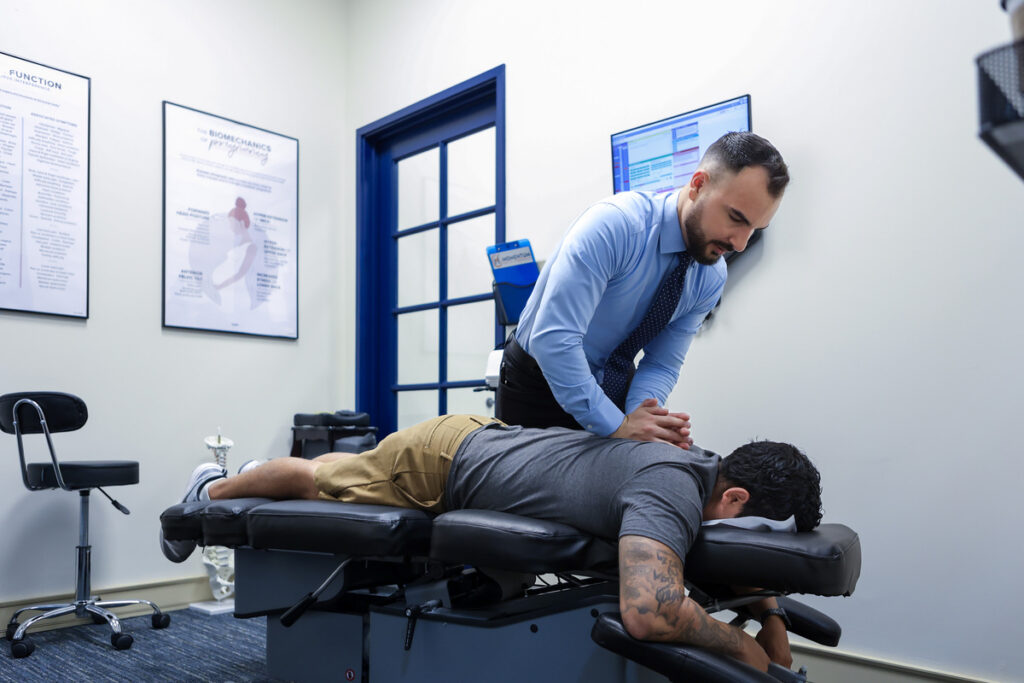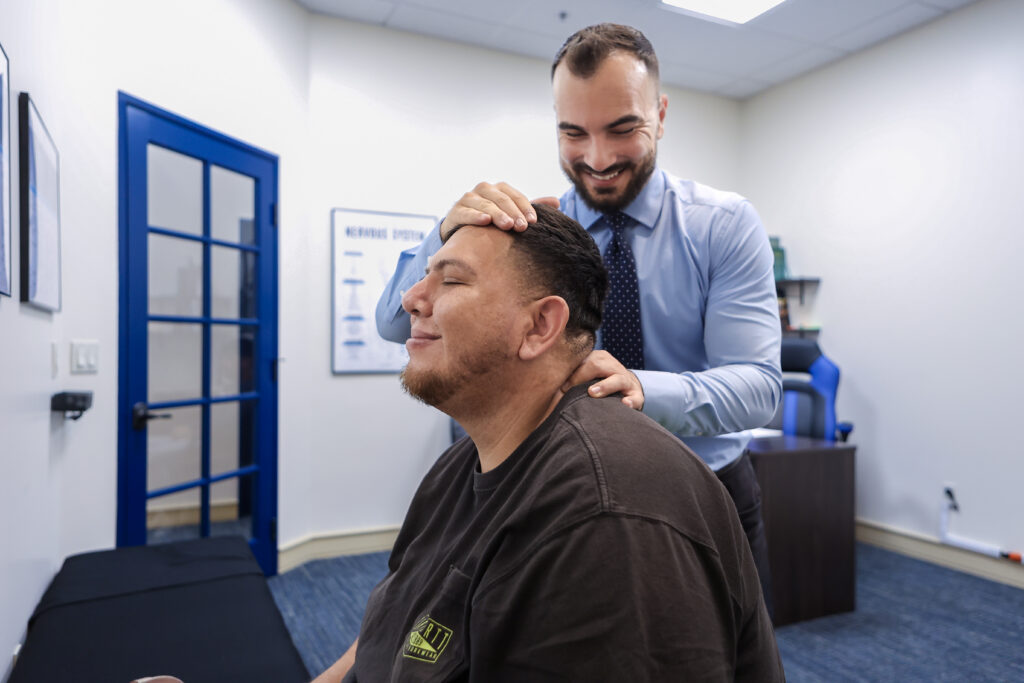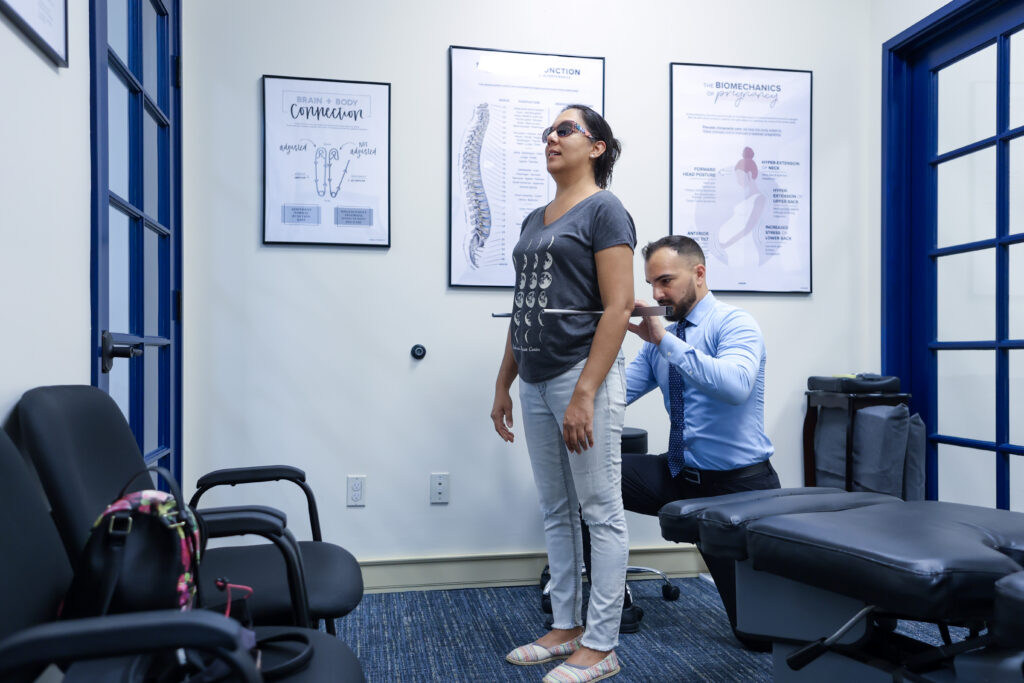

As a local chiropractor, I want to share with you how a holistic approach to your sports performance can make a significant difference in your overall well-being and success in athletic pursuits. Many people overlook the importance of proper nutrition, adequate rest, and the role of spinal health in optimizing performance. Each of these components is essential, and I often see how even small adjustments can lead to remarkable improvements in my patients.
So, what specific strategies can you implement to ensure you're maximizing your potential? Here are ten actionable tips, grounded in chiropractic care and natural healing, that could transform your approach to sports:
- Prioritize Spinal Health: Regular chiropractic adjustments can enhance your range of motion and reduce pain, allowing you to train more effectively.
- Focus on Nutrition: Fuel your body with the right nutrients to support energy levels and recovery. A balanced diet can enhance your athletic performance.
- Incorporate Rest and Recovery: Your body needs time to heal and rebuild. Quality sleep and rest days are critical for peak performance.
- Stay Hydrated: Proper hydration supports muscle function and helps prevent injuries. Make sure to drink enough water before, during, and after your activities.
- Engage in Regular Stretching: Flexibility is crucial in sports. Stretching can prevent injuries and improve your performance.
- Strengthen Core Muscles: A strong core supports your spine and improves balance and stability, which are important for any athlete.
- Listen to Your Body: Pay attention to any signs of discomfort or pain. Early intervention, such as chiropractic care, can help prevent more serious issues.
- Incorporate Mindfulness and Mental Training: Mental well-being is just as important as physical health. Techniques like visualization can enhance focus and performance.
- Cross-Train: Engaging in different sports or activities can prevent overuse injuries and improve overall athleticism.
- Set Realistic Goals: Establish attainable goals to keep you motivated while allowing for healthy progress in your training.
By integrating these tips into your routine, you may find that your sports performance improves significantly. Remember, chiropractic care is here to support you on your journey to becoming the best athlete you can be!
Prioritize Nutrition
When it comes to enhancing your sports performance, one crucial aspect that often gets overlooked is nutrition. As a local chiropractor, I want to emphasize that the right fuel can significantly influence how your body performs, recovers, and feels during both training and competition. Prioritizing whole, nutrient-dense foods is essential for supplying energy and supporting your overall health, which is vital for maintaining a well-functioning musculoskeletal system.
First and foremost, let's talk about carbohydrates. These are your body's primary energy source, and it's important to include an abundance of whole grains, fruits, and vegetables in your meals. Not only do these foods provide the energy you need, but they're also rich in vitamins and minerals that help your body operate efficiently.
Additionally, protein is key for muscle repair and growth. I recommend incorporating lean meats, fish, legumes, and dairy products into your diet to ensure you meet your protein needs for optimal recovery and performance.
Healthy fats are another important component of your diet. They provide sustained energy and support cellular function, which is vital for your overall health. Consider adding avocados, nuts, seeds, and high-quality olive oil to your meals.
And let's not forget hydration! Staying properly hydrated is essential; make sure to drink enough water throughout the day, especially before, during, and after exercise. Dehydration can lead to decreased performance and increased risk of injury.
Meal timing can also play a significant role in your performance. Eating a balanced meal a few hours before training can give you the necessary energy, while a post-workout snack or meal can aid in recovery, helping your body repair and rebuild effectively.
By prioritizing nutrition, you'll not only enhance your athletic performance but also contribute to your overall well-being and health. As your chiropractor, I want to remind you that what you eat directly impacts how your body performs, recovers, and heals. So, make those food choices count!
Embracing a holistic approach to your health, incorporating proper nutrition along with chiropractic care, can lead to improved performance and a healthier lifestyle.
Develop a Training Plan
Nutrition is vital for overall health, but to truly enhance your physical performance and well-being, it's essential to have a comprehensive training plan. As a chiropractor, I want to emphasize that a training plan isn't just about exercising; it involves a holistic approach that aligns with your personal health goals. Here are some key components to consider:
- Assess Your Current Fitness Level: Before embarking on any training regimen, it's important to understand your current state of health and fitness. A thorough evaluation can help you set realistic goals and track your progress effectively.
- Set Specific Goals: Whether your aim is to build strength, boost endurance, or enhance flexibility, having clear and specific objectives will guide your training and keep you focused.
- Incorporate Variety: To prevent injuries and maintain motivation, it's crucial to mix up your workouts. This can include strength training, cardiovascular activities, flexibility exercises, and sport-specific drills. Each element plays a role in building a well-rounded fitness profile.
- Schedule Rest Days: Recovery is just as essential as the training itself. Planning rest days allows your body to heal and helps prevent overuse injuries, which is something I often see in patients who push themselves too hard without adequate recovery.
Once you have established these components, create a balanced weekly schedule that considers both the intensity of your workouts and the need for recovery.
While it's important to stick to your plan, remain adaptable; your body's needs may change, and adjustments may be necessary. Regularly reassess your goals and progress, and don't hesitate to modify your training plan to ensure you're continually challenged and engaged.
Remember, consistency is key. With a well-structured training plan guided by a focus on recovery and natural healing, you'll be on the path to achieving optimal performance and overall health.
As your chiropractor, I'm here to support you on this journey and ensure your body is functioning at its best.
Focus on Hydration
As a local chiropractor, I want to emphasize the importance of hydration for your overall health and well-being, especially when it comes to your physical performance.
Water is vital for maintaining not just energy and focus, but also for supporting your body's natural healing processes. It's crucial to consider both the quantity of water you consume and the timing of your hydration to truly enhance your performance and recovery.
Let's discuss why proper water intake is so essential. Staying well-hydrated helps keep your joints lubricated, which is particularly important for maintaining optimal movement and preventing injuries.
When you're active, dehydration can lead to fatigue, decreased coordination, and even an increased risk of injury.
Additionally, the timing of your hydration can make a significant difference. Drinking water before, during, and after your activities can help you maintain peak performance and ensure your body can recover effectively.
Remember, it's not just about drinking enough water; it's about being mindful of when you're hydrating.
As part of a holistic approach to health, I encourage you to prioritize your hydration. It's a simple yet powerful way to support your body, enhance your athletic performance, and facilitate natural healing.
Let's work together to ensure you're staying hydrated and feeling your best!
Importance of Water Intake
As a local Chiropractor, I want to emphasize the crucial role hydration plays not just in sports performance but in overall health and well-being. Many people underestimate the importance of staying properly hydrated, which can significantly impact your endurance, strength, and daily functioning.
When you engage in physical activities, your body loses water through sweat, and if you don't replenish those fluids, you risk dehydration.
Here are some important benefits of maintaining a consistent water intake:
- Enhanced Physical Performance: Adequate hydration is vital for optimal physical and mental performance, whether during exercise, daily activities, or even at work.
- Improved Recovery: Drinking enough water is essential for muscle recovery, reducing soreness and fatigue after any physical exertion, which is important for everyone, not just athletes.
- Regulated Body Temperature: Staying hydrated helps your body manage its temperature effectively, preventing overheating during any physical activity or warm weather.
- Joint Health: Proper hydration supports joint lubrication, which is crucial for reducing the risk of injury and enhancing your mobility, making it easier to perform everyday tasks.
I encourage you to make it a habit to drink water consistently throughout the day, rather than only during workouts or physical activities.
Being proactive about your hydration can't only elevate your performance but also support your overall health and wellness.
Timing Your Hydration
As a chiropractor, I want to emphasize the importance of proper hydration for your overall health and performance, especially in relation to your physical activities. Timing your hydration is crucial, particularly before, during, and after any exercise regimen.
To start, it's beneficial to hydrate in the hours leading up to your workout. Aim to consume at least 16-20 ounces of water about two to three hours prior to engaging in any physical activity. This practice ensures that your body is well-prepared and that your muscles remain well-lubricated, which is vital for optimal movement and reduced risk of injury.
During your workout, it's important to sip water regularly to maintain hydration levels. If you're participating in intense exercise for more than an hour, consider incorporating a sports drink to help replenish electrolytes that are lost through sweat. A helpful guideline is to drink approximately 7-10 ounces every 10-20 minutes while being active.
After your workout, rehydration is key to supporting your recovery process. It's recommended to drink at least 16-24 ounces of water for every pound of water weight you lose during your exercise. You can easily determine this by weighing yourself before and after your activity.
Incorporate Rest and Recovery
As a local chiropractor, I want to emphasize that rest and recovery are just as crucial to your overall health and well-being as any physical activity or treatment you receive. Many people underestimate the importance of allowing your body to recover, which can lead to issues like burnout, injury, and a decrease in your overall performance in daily activities.
It's essential to listen to your body and prioritize rest, as this is the time when your muscles, joints, and tissues repair and rebuild, enabling you to return to your routines feeling stronger and more balanced.
Here are some key components to consider when integrating rest and recovery into your lifestyle:
- Rest Days: Just as you'd schedule training sessions, it's important to incorporate regular rest days into your routine. Even the most active individuals need time to recover. This downtime is essential for preventing fatigue and reducing the risk of injuries.
- Active Recovery: On your rest days, consider engaging in low-intensity activities such as walking, stretching, or gentle yoga. These activities promote blood flow and keep your body moving without placing additional strain on it, aiding in the recovery process.
- Quality Sleep: Aim for 7-9 hours of restorative sleep each night. Sleep is when your body performs most of its healing work, repairing tissues and restoring energy levels. Good sleep hygiene is important for your overall recovery.
- Nutrition: Proper nutrition plays a key role in your recovery. Focus on a balanced diet that includes plenty of protein, healthy fats, and carbohydrates. These nutrients support muscle repair and help replenish your energy stores, ensuring your body has what it needs to heal effectively.
By incorporating these strategies into your routine, you can enhance your recovery, improve your overall health, and enjoy a more active lifestyle.
Enhance Mental Resilience
As a local chiropractor, I want to emphasize that enhancing your mental resilience can significantly improve your sports performance. It's not just about physical strength; your mindset plays a crucial role.
I encourage you to focus on developing positive self-talk—this means being your own biggest supporter rather than your harshest critic.
Additionally, embracing visualization techniques can be powerful. Imagine yourself succeeding in your sport, which can help create a mental blueprint for success.
Mindfulness meditation is another effective practice; it can help you stay calm and focused, even in high-pressure situations.
Develop Positive Self-Talk
As a local chiropractor, I often emphasize the importance of a positive mindset, particularly when it comes to enhancing overall health and well-being. Your mental state can significantly influence your physical performance, whether in sports or daily activities.
Developing positive self-talk is a powerful tool for fostering mental resilience and improving outcomes in your health journey.
Here are some practical strategies to cultivate positive self-talk:
- Acknowledge Your Achievements: Take a moment to reflect on the progress you've made in your health journey. Celebrating small victories can boost your confidence and strengthen your belief in your ability to heal and thrive.
- Use Affirmations: Create strong, uplifting statements such as "I am healthy" or "I am capable of healing." Repeating these affirmations regularly can help reinforce a positive mindset and support your overall wellness.
- Challenge Negative Thoughts: When self-doubt or negative thoughts arise, take a moment to question them. Are these thoughts rooted in reality, or are they fears? By challenging negativity, you can shift your perspective and focus on healing.
- Focus on the Process: Concentrate on what you can control in your health journey, such as your commitment to chiropractic care, exercise, and nutrition. Instead of fixating on the end results, appreciate the steps you're taking toward better health.
By incorporating these strategies into your daily routine, you can enhance your mental resilience and support your healing process naturally.
Embrace Visualization Techniques
Visualization techniques can be a valuable approach to enhancing your overall well-being and mental resilience, much like the benefits of chiropractic care. Just as we work to align your body physically for optimal health, visualization allows you to align your mind for success. By mentally rehearsing your daily activities or challenges, you create a blueprint for how you want to navigate them, making it easier to handle them when they arise.
Imagine yourself in a situation where you feel calm and in control—whether it's managing stress, tackling a new task at work, or simply enjoying your daily routine. By picturing these scenarios vividly, you engage your senses and emotions, helping to build your confidence and prepare for various situations you might encounter.
To incorporate this practice into your routine, find a quiet place where you can take a moment for yourself. Close your eyes and envision yourself moving through your day with ease and positivity. Think about overcoming obstacles, like dealing with discomfort or balancing a hectic schedule, and visualize how you can respond effectively.
Making visualization a regular part of your self-care can lead to improvements in your focus and emotional well-being. Just as chiropractic care aims to enhance your physical strength, embracing these mental techniques can help cultivate a resilient mindset, allowing you to thrive in both your personal and professional life.
Practice Mindfulness Meditation
Mindfulness meditation is a valuable practice that can greatly enhance your overall well-being and support your journey toward better health. As a chiropractor, I often emphasize the importance of mental wellness in conjunction with physical health. Practicing mindfulness can help you focus on the present moment, which reduces stress and can improve your concentration—both essential for managing pain and promoting healing.
Here are some benefits you can expect from incorporating mindfulness meditation into your routine:
- Improved Focus: By honing your attention on your body and its needs, you'll be better equipped to stay on track with your health goals without distractions.
- Emotional Regulation: Mindfulness helps you manage anxiety and frustration, leading to a calmer mindset that can enhance your healing process.
- Enhanced Recovery: Practicing mindfulness can assist in your mental recovery after chiropractic adjustments, allowing your body to respond and heal more efficiently.
- Increased Self-Awareness: You'll gain a deeper understanding of your body, identifying areas of tension or discomfort that may need attention, which can lead to more targeted care.
To begin your mindfulness journey, find a quiet space where you can feel comfortable. Close your eyes, take deep breaths, and focus on your breathing or a calming phrase.
Even dedicating just a few minutes each day to this practice can lead to significant improvements in your mental and physical well-being. Remember, developing mental resilience takes time, so be patient with yourself.
As you cultivate mindfulness, you may notice a positive shift in both your mental state and your physical health, complementing the benefits of chiropractic care.
Set Clear Goals
Setting clear health goals is crucial for anyone looking to enhance their overall well-being and performance, especially athletes. When you define your objectives, you create a roadmap for success in your health journey. Start by identifying what you want to achieve in terms of your wellness, whether that's improving your mobility, reducing pain, or enhancing your physical performance.
Break these larger goals into smaller, manageable milestones. This approach allows you to celebrate a series of achievements along the way, which keeps you motivated and focused on your health.
Utilize the SMART criteria to set your goals: Specific, Measurable, Achievable, Relevant, and Time-bound. For example, rather than stating, "I want to be pain-free," specify, "I want to reduce my back pain to a manageable level within the next six weeks through chiropractic care and exercises." This clarity provides you with a tangible target to work towards.
It's beneficial to write your health goals down and place them somewhere visible, such as on your fridge or in a wellness journal. This constant reminder can help keep you accountable and reinforce your commitment to your health.
Regularly review and adjust your goals as needed; life can present challenges, and flexibility is key to staying on track.
Lastly, don't hesitate to share your health goals with your chiropractor, family, or friends. This not only encourages accountability but also creates a support system for advice and encouragement from those who understand your wellness journey.
Embrace the process, trust in your healing methods, and watch as your clear health goals propel you toward improved well-being.
Use Proper Equipment
As your local chiropractor, I want to emphasize the importance of using the right equipment for your physical activities. Whether you're an experienced athlete or just taking your first steps into a new sport, having the appropriate gear can significantly enhance your performance and ensure your safety.
Proper equipment not only boosts your athletic abilities but also plays a crucial role in preventing injuries, allowing you to concentrate on developing your skills without the fear of setbacks.
Here are some key items to consider:
- Footwear: Selecting shoes that are specifically designed for your sport is essential. The right footwear provides the support, traction, and comfort you need, which can greatly reduce the risk of injuries such as sprains or strains.
- Protective Gear: It's vital to wear pads, helmets, and any other protective equipment that's relevant to your sport. These safety measures are crucial for preventing more serious injuries during both practices and competitions.
- Clothing: Opt for moisture-wicking and breathable fabrics that help keep you comfortable and regulate your body temperature while you're active. This can help prevent overheating and allow you to perform at your best.
- Sport-specific Equipment: Using equipment that's specifically tailored to your sport, such as racquets, balls, or bikes, ensures that you're working with tools that not only enhance your performance but are also suited to your skill level.
By prioritizing the right equipment, you can support your body's natural healing processes and maintain optimal health as you engage in your favorite activities.
If you have any questions about how to choose the right gear or how it relates to your overall wellness, feel free to reach out to me. Your safety and health are my top priorities!
Analyze Performance Data
To enhance your overall health and well-being, it's important to monitor key indicators of your body's performance. By paying attention to metrics such as pain levels, mobility, and energy, you can better understand your strengths and areas that may need improvement.
This insight allows us to tailor your chiropractic care to your specific needs, ensuring a more effective healing process. By establishing health benchmarks, you'll be able to track your progress and stay motivated as you work towards a healthier, pain-free life.
Track Key Metrics
As a local chiropractor, I often see patients who may not realize the importance of tracking key metrics related to their health and physical performance.
While you might experience a surge of adrenaline during physical activities, keeping an eye on certain metrics can offer invaluable insights into your overall well-being and help you make informed choices to enhance your health.
Here are some essential metrics to consider, especially if you're looking to improve your physical activity and recovery:
- Posture: Assessing your posture can reveal a lot about your spinal health and how it might affect your performance. Maintaining proper alignment is crucial for preventing injuries.
- Mobility: Tracking your range of motion can help identify any restrictions that might lead to discomfort or injuries during physical activities. Regular adjustments can improve your mobility.
- Pain Levels: Keeping a record of any discomfort or pain you experience can help us understand the underlying issues and tailor your chiropractic care accordingly.
- Recovery Time: Monitoring how long it takes for you to recover from physical exertion can indicate your overall health and fitness level. Chiropractic adjustments can facilitate faster recovery.
Identify Strengths and Weaknesses
Understanding your strengths and weaknesses is crucial for improving your overall health and performance, and as a chiropractor, I believe that this awareness can significantly enhance your well-being. To uncover these aspects, it's important to take a closer look at how your body functions and responds to various activities.
Start by reflecting on your daily routines and physical activities. Are there certain movements or exercises where you feel confident and strong, while others leave you feeling uncomfortable or strained? This self-assessment can reveal patterns in your physical capabilities.
Consider key factors such as flexibility, strength, posture, and balance. For instance, if you notice that you have great balance but struggle with flexibility, you've pinpointed a strength and a weakness in your physical health.
Additionally, don't hesitate to seek feedback from healthcare providers or fitness professionals. They can offer valuable insights and help you identify areas that may need improvement, providing you with a clearer picture of your physical strengths and challenges.
It's beneficial to document your observations in a health journal or a tracking app. This record will allow you to monitor your progress over time, showing how your strengths develop and how you can address any weaknesses.
Set Performance Benchmarks
Setting clear health and wellness benchmarks is vital for tracking your progress and maintaining motivation on your journey to optimal wellness through chiropractic care.
By analyzing your health data, you can pinpoint areas for improvement and celebrate your achievements. Here's how to effectively set those benchmarks:
- Define Specific Health Goals: Determine what you want to achieve with chiropractic care, whether it's reducing pain, increasing mobility, or enhancing overall wellness.
- Use Health Tracking Tools: Take advantage of apps or journals to consistently log your health metrics, such as pain levels, mobility range, or daily activities.
- Establish Realistic Timelines: Set achievable deadlines for reaching your health benchmarks, which can help foster a sense of urgency and accountability in your healing process.
- Review and Adjust Regularly: Periodically assess your progress during your chiropractic visits and modify your health goals as necessary to ensure continued growth and challenge.
Practice Consistency
Consistency in care is essential for anyone looking to enhance their overall well-being and performance, whether in sports or daily activities. As a chiropractor, I emphasize the importance of regular adjustments and holistic practices. When you commit to a consistent care routine, you build a foundation for optimal health, improve your body's function, and develop a deeper understanding of how your body works.
To maintain consistency in your chiropractic care, it's beneficial to create a schedule that fits seamlessly into your lifestyle. Set aside specific days and times for your appointments, treating them as essential commitments to your health. This helps establish a routine that makes it easier to stay dedicated to your wellness journey.
Remember, consistency doesn't mean you need to visit the chiropractor every day; regular, focused sessions can often yield better results than sporadic, frequent visits.
Stay motivated by setting small, achievable health goals for each appointment. This keeps you engaged in your recovery and gives you a sense of accomplishment. Celebrate your progress, no matter how minor, to reinforce your commitment to consistent care.
It's also important to vary your sessions to keep your experience fresh and interesting. Incorporate different techniques, such as adjustments, massage therapy, or rehabilitation exercises. This not only enhances your healing but also helps you remain enthusiastic about your treatment plan.
Lastly, don't be too hard on yourself if you miss an appointment. Life can sometimes disrupt our plans, but it's crucial to get back on track as soon as possible. Remember, consistency is about the long game. By prioritizing regular chiropractic care, you'll see improvements in your overall health and a greater enjoyment of your daily activities.
Seek Professional Guidance
As a local chiropractor, I want to emphasize the importance of seeking professional guidance when it comes to enhancing your overall sports performance and well-being. Many individuals are unaware of how chiropractic care can play a crucial role in optimizing their athletic capabilities.
By working with a chiropractor, you can receive personalized strategies that cater to your unique body mechanics, goals, and areas that may require attention.
Here's how chiropractic care can benefit your sports performance:
- Customized Treatment Plans: As a chiropractor, I can create a tailored plan that addresses your specific needs, whether that means improving mobility, reducing pain, or enhancing overall function.
- Posture and Alignment: I can assess your posture and spinal alignment, helping to correct any imbalances that could hinder your performance or lead to injuries.
- Injury Prevention: With a focus on preventative care, chiropractic adjustments can help maintain your body's alignment and function, reducing the risk of injuries during training or competition.
- Holistic Approach to Recovery: Chiropractic care often includes additional modalities such as massage therapy, stretching, and exercises that promote healing and strengthen your body for optimal performance.
By incorporating chiropractic care into your sports routine, you're not just addressing discomfort; you're investing in your body's health and performance.
This proactive approach can save you time in recovery, prevent injuries, and ensure that you're making consistent progress toward your athletic goals.
Don't hesitate to reach out for a consultation. As your chiropractor, I'm here to help you unlock your full potential and achieve the performance you desire through natural healing methods.
Together, we can create a path to success that caters specifically to you.
Conclusion
As a local chiropractor, I want to emphasize the importance of holistic health in improving your sports performance. By prioritizing nutrition and developing a customized training plan, you establish a strong foundation for your athletic endeavors. Hydration is crucial, too; it supports your body in maintaining optimal function during physical activity.
In addition, don't underestimate the power of rest and recovery. Your body needs time to heal and strengthen, and that's where chiropractic care can play a vital role. Regular adjustments can enhance your overall physical performance and prevent injuries.
Mental resilience is just as important as physical strength. Techniques such as visualization and mindfulness can help you stay focused and motivated. Additionally, using the right equipment tailored to your body can make a significant difference in your performance.
Analyzing your performance data can help you identify areas for improvement, and practicing consistency in your routine will keep you on the path to success. If you're looking for personalized strategies, consider seeking professional guidance from a chiropractor. We're here to support your journey toward better health and athletic performance. Commit to these principles, and you'll likely see your performance reach new heights!