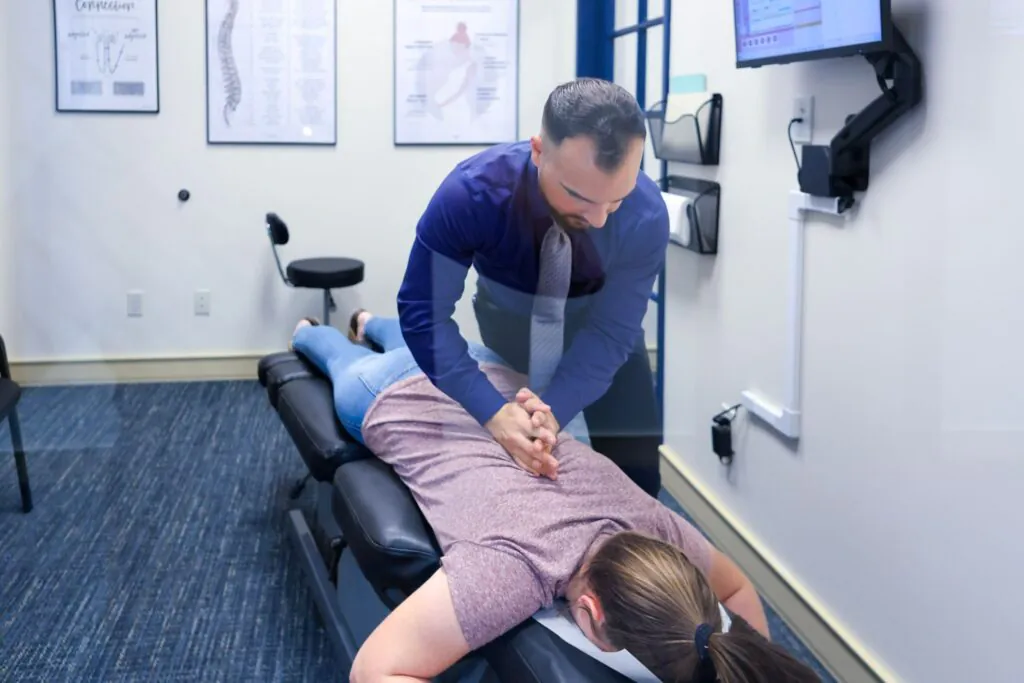

If you’ve ever dealt with stiffness, you know how much it can impact your everyday activities. Chiropractic exercises are specifically designed to help with this issue by focusing on aligning your spine and balancing your muscles. By targeting certain muscle groups, these exercises not only improve your flexibility but also strengthen your core, which is crucial for overall stability and mobility.
So, how do these exercises work to relieve that persistent discomfort? Understanding the mechanics can provide you with valuable insights into enhancing your movement and overall well-being.
When your spine is misaligned, it can lead to tension and stiffness throughout your body. Chiropractic exercises help correct these misalignments, allowing your body to function more effectively. They promote better blood flow, which aids in healing and reduces pain. Moreover, by engaging in these exercises regularly, you can maintain a healthier spine and body, preventing stiffness from becoming a recurring issue.
In addition to chiropractic exercises, here are some general tips to further support your wellness journey:
- Stay Active: Incorporate gentle stretches and movements into your daily routine. This can help keep your muscles flexible and reduce stiffness.
- Practice Good Posture: Being mindful of your posture, especially when sitting for long periods, can make a big difference in how your body feels.
- Hydrate: Drink plenty of water to keep your muscles and joints lubricated.
- Listen to Your Body: Pay attention to any signs of discomfort and consult with your chiropractor for tailored advice.
By prioritizing chiropractic care and incorporating these simple tips into your life, you can achieve optimal health and enjoy greater mobility. Remember, a well-aligned spine is key to a pain-free life!
Key Takeaways
Chiropractic exercises are a fantastic way to help reduce stiffness and improve overall well-being. By focusing on key muscle groups, these exercises build strength and stability, which is essential for keeping your body moving freely. When you engage in chiropractic exercises, you’ll notice an increase in flexibility and mobility, allowing for a better range of motion and less discomfort in your daily activities.
One of the key benefits of regular chiropractic exercises is that they help correct muscle imbalances. Often, stiffness and tension arise from certain muscles being too tight while others are too weak. By addressing these imbalances, we can create a more harmonious relationship between your muscles, ultimately reducing stiffness.
Moreover, chiropractic exercises play a vital role in improving spinal alignment. When your spine is properly aligned, there is less strain on your muscles and joints, which translates into greater comfort throughout your day. This alignment not only helps with pain relief but also enhances your overall health.
In addition to these benefits, engaging in chiropractic exercises encourages better posture and body awareness. When you become more attuned to how your body moves, you can make conscious choices that reduce stiffness and improve your quality of life.
To incorporate chiropractic exercises into your routine, consider setting aside a few minutes each day to focus on stretches and movements that promote flexibility and strength. Simple exercises such as gentle neck rolls, shoulder stretches, and back extensions can make a significant difference. Remember, consistency is key; even a small daily effort can lead to big improvements over time.
By choosing chiropractic care and incorporating these exercises into your life, you can experience natural healing and enhance your overall wellness. It’s a powerful step toward achieving optimal health without the need for medications or invasive procedures. Embrace the journey of better health through chiropractic!
Understanding Stiffness: Causes and Symptoms
Understanding stiffness is key to managing discomfort and enhancing your mobility, especially since it can arise from a variety of sources. Common causes of stiffness include muscle tension, overuse, and injuries that result in inflammation. Poor posture and repetitive movements can further contribute to this issue, causing your muscles and joints to feel locked in place.
Symptoms often present as tightness or discomfort, which can limit your range of motion. You might notice these feelings in specific areas such as your neck, back, or limbs, making everyday activities a challenge. Additionally, stress and a sedentary lifestyle can worsen stiffness, creating a cycle of discomfort that can be difficult to break.
By recognizing these causes and symptoms, you can take proactive steps toward relief. Chiropractic care is an excellent option for addressing stiffness naturally and effectively. Chiropractors focus on the spine and musculoskeletal system, helping to restore proper alignment and function, which can significantly reduce stiffness and improve your overall well-being.
Incorporating gentle stretches and exercises designed to promote flexibility can also be beneficial. Simple practices like regular movement breaks, maintaining good posture, and staying hydrated can go a long way in preventing stiffness.
The Role of Spinal Alignment in Reducing Stiffness
When your spine is properly aligned, it can significantly reduce stiffness throughout your entire body. A well-aligned spine allows your nervous system to operate more efficiently, improving communication between your brain and muscles. This means your body can move more freely, leading to less tension and discomfort.
As a local chiropractor, I’m here to share how spinal alignment plays a crucial role in reducing stiffness and promoting overall wellness. Here’s a simple breakdown of how it works:
| Aspect | Impact on Stiffness |
|---|---|
| Proper Curvature | Helps maintain balance and reduces strain on muscles and joints. |
| Nerve Function | Improves coordination between your muscles, making movement smoother. |
| Joint Mobility | Increases your range of motion, allowing for easier movement. |
| Muscle Relaxation | Reduces tension and stiffness, helping you feel more comfortable. |
| Overall Posture | Encourages better body mechanics, which can keep discomfort at bay. |
To help you maintain a healthy spine and reduce stiffness, here are some tips:
- Stay Active: Regular physical activity strengthens the muscles that support your spine and keeps your joints flexible.
- Practice Good Posture: Whether sitting at a desk or standing, maintaining good posture can help reduce strain on your spine.
- Stretch Daily: Incorporating gentle stretches into your routine can increase flexibility and decrease stiffness.
- Visit Your Chiropractor: Regular chiropractic adjustments can help ensure your spine stays aligned, which is key to overall health and well-being.
How Chiropractic Exercises Target Specific Muscle Groups
Chiropractic exercises are designed to specifically target key muscle groups to boost your strength and stability. By focusing on these muscles, you can enhance your flexibility and mobility, making everyday activities much easier.
This targeted approach not only helps reduce stiffness but also promotes overall well-being, setting the foundation for a healthier lifestyle.
Incorporating chiropractic exercises into your routine can lead to significant improvements in your physical health. These exercises are tailored to activate and strengthen muscles that support your spine, which is crucial for maintaining proper alignment and posture.
Strong muscles around the spine can help alleviate pain and prevent future discomfort.
Here are some simple tips to get started with chiropractic exercises:
- Start Slow: If you’re new to exercise, begin with gentle movements and gradually increase intensity as your strength improves.
- Focus on Alignment: Pay attention to your posture during exercises. Proper alignment can maximize the benefits and help prevent injuries.
- Incorporate Stretching: Flexibility is key. Include stretching exercises to maintain a good range of motion in your muscles and joints.
- Stay Consistent: Regular practice of chiropractic exercises can lead to long-term benefits. Aim for a few minutes each day to see improvements over time.
- Listen to Your Body: If you experience any discomfort while exercising, stop and consult with your chiropractor. They can help guide you on the best practices for your individual needs.
By integrating chiropractic exercises into your daily routine, you’re taking a proactive step toward natural healing and optimal health.
Targeted Muscle Activation
As you engage in targeted muscle activation through specific chiropractic exercises, you’ll discover how these movements effectively engage and strengthen key muscle groups. By concentrating on areas like your core, back, and shoulders, these exercises help build stability and support for your spine.
This targeted approach not only enhances your strength but also aids in correcting muscle imbalances that can lead to stiffness and discomfort. Incorporating these exercises into your routine can improve your body awareness, allowing you to better activate underused muscles.
This conscious engagement promotes improved alignment and posture, which reduces unnecessary strain on your joints. By focusing on these foundational aspects of your health, you can empower yourself to move more efficiently and comfortably.
Here are some general tips to help you get started with targeted muscle activation:
- Start Slow: Begin with simple exercises and gradually increase the intensity as your strength improves.
- Focus on Form: Proper technique is essential for maximizing the benefits and minimizing the risk of injury. Consider working with a chiropractor to ensure you’re performing the exercises correctly.
- Stay Consistent: Regular practice is key. Aim to incorporate these exercises into your routine several times a week for the best results.
- Listen to Your Body: Pay attention to how your body responds. If you feel any discomfort or pain, stop and consult with your chiropractor.
- Combine with Chiropractic Care: Regular chiropractic adjustments can complement your targeted muscle activation exercises by ensuring your spine is aligned and functioning optimally.
Ultimately, targeted muscle activation, combined with chiropractic care, can empower you to achieve a healthier, more active lifestyle without the need for medications or surgeries. Embrace this natural path to wellness and experience the benefits for yourself!
Improved Flexibility and Mobility
Targeted muscle activation is not just about building strength; it’s also a key player in enhancing your flexibility and mobility. When you perform specific chiropractic exercises, you’re actively working on your body’s ability to move freely and comfortably. These exercises both stretch and strengthen your muscles, helping you to move more easily in your daily life.
Let’s break down how different muscle groups can benefit from chiropractic care:
| Muscle Group | Benefits | Chiropractic Exercises |
|---|---|---|
| Hamstrings | Increased leg mobility | Leg stretches |
| Hip Flexors | Enhanced hip movement | Hip openers |
| Back Muscles | Improved posture | Back extensions |
| Core Muscles | Better stability | Planks and rotations |
| Shoulders | Elevated arm range | Shoulder stretches |
Incorporating these exercises into your routine can make a world of difference. For instance, by focusing on leg stretches, you can improve your hamstring flexibility, which is essential for overall leg mobility. Similarly, hip openers can significantly enhance your hip movement, making activities like walking or sitting much more comfortable.
The Importance of Stretching in Chiropractic Care
Stretching is a vital component of your chiropractic care, as it significantly enhances your flexibility and mobility. By regularly incorporating stretching into your routine, you can effectively reduce muscle tension, which in turn makes it easier to maintain proper spinal alignment. This is crucial for your overall health and recovery journey.
When you prioritize stretching, you’re not just supporting your body’s natural healing process; you’re also taking active steps toward achieving optimal health.
Here are some simple tips to help you integrate stretching into your daily life:
- Start Slow: If you’re new to stretching, begin with gentle stretches and gradually increase intensity. Listen to your body to avoid overexertion.
- Focus on Key Areas: Pay special attention to areas that may be tight or prone to discomfort, such as your neck, shoulders, back, and hips. These regions can significantly benefit from regular stretching.
- Make it a Habit: Set aside a few minutes each day for stretching. Whether it’s in the morning to wake up your muscles or in the evening to unwind, consistency is key.
- Combine with Chiropractic Visits: Discuss your stretching routine with your chiropractor. They can provide personalized recommendations and adjustments that complement your care plan.
- Breath Matters: While stretching, remember to breathe deeply and relax. This not only enhances the effectiveness of the stretch but also helps to reduce tension.
By embracing stretching as part of your chiropractic care, you’re choosing a natural path to pain relief and wellness.
Your body will thank you for the care you provide, and over time, you’ll likely notice a significant improvement in your overall health and vitality.
Enhances Flexibility and Mobility
When it comes to achieving optimal health, enhancing your flexibility and mobility through chiropractic care is vital. By incorporating stretching into your routine, you can regain your range of motion and experience greater comfort in your body.
Here are four key benefits that highlight why chiropractic exercises should be an essential part of your wellness journey:
- Improved Posture: Chiropractic care focuses on aligning your spine, which naturally encourages a more confident and upright stance. A well-aligned spine can have a positive impact on your overall appearance and self-assurance.
- Increased Energy: When your body moves freely, it allows for better circulation and energy flow. This can leave you feeling more lively and invigorated, enabling you to tackle your day with enthusiasm.
- Enhanced Performance: Flexibility plays a crucial role in both sports and everyday activities. By improving your range of motion through chiropractic care, you can elevate your performance levels and enjoy activities you love without discomfort.
- Reduced Injury Risk: A more flexible and limber body is less susceptible to strains and sprains. By making chiropractic adjustments and incorporating stretching into your routine, you can significantly reduce your chances of injury while engaging in physical activities.
In summary, integrating stretching into your daily life not only boosts your flexibility but also supports your overall wellness.
Remember, regular chiropractic care is a natural way to enhance your health, promoting pain relief and long-lasting wellness without the need for medications or surgeries.
Embrace these simple tips, and take proactive steps towards a healthier, more mobile you!
Reduces Muscle Tension
Releasing muscle tension is crucial for your overall well-being, and chiropractic care is one of the best ways to achieve that relief naturally. When you participate in targeted chiropractic exercises, you’re not just stretching; you’re actively working to relax tight muscles that can lead to discomfort and stiffness.
These exercises enhance circulation, allowing fresh blood to flow to your muscles, which promotes healing and recovery. Chiropractic care also teaches you proper body mechanics, which can significantly reduce the risk of future tension buildup.
By incorporating simple stretching routines into your daily life, you’ll notice increased flexibility and a wider range of motion. This not only helps alleviate current muscle tension but also contributes to a more enjoyable and pain-free daily routine.
Here are a few general tips to help you reduce muscle tension:
- Stretch Regularly: Set aside a few minutes each day to stretch your major muscle groups. Focus on areas that tend to hold tension, such as your neck, shoulders, and lower back.
- Stay Active: Engage in regular physical activity. Whether it’s walking, swimming, or yoga, staying active keeps your muscles engaged and less prone to stiffness.
- Practice Good Posture: Be mindful of your posture, especially when sitting for long periods. Use ergonomic furniture if possible and take breaks to stand and stretch.
- Manage Stress: Stress can contribute significantly to muscle tension. Consider relaxation techniques like deep breathing, meditation, or gentle yoga to help manage stress levels.
Strengthening Techniques: Building Resilience Against Stiffness
To effectively combat stiffness and promote overall wellness, incorporating strengthening techniques into your daily routine can make a significant difference. Building muscle resilience not only helps fight stiffness but also enhances your overall well-being.
As a chiropractor, I believe that chiropractic care is essential in achieving optimal health, and combining it with simple strengthening exercises can offer powerful benefits. Here are some impactful techniques to consider:
- Bodyweight Exercises: Simple movements like squats and push-ups can improve your strength and stability. These exercises empower your body to move freely and can be performed anywhere, making them perfect for any fitness level.
- Resistance Bands: These versatile tools are great for targeting specific muscle groups. They help promote endurance and flexibility, making it easier for your body to handle daily activities without stiffness.
- Core Strengthening: Engaging in core exercises such as planks and bridges can greatly enhance your core stability. A strong core supports your spine and plays a vital role in reducing stiffness and preventing pain.
- Weight Training: Incorporating weight lifting into your routine can strengthen both muscles and bones. This not only increases your resilience against daily wear and tear but also complements the benefits of chiropractic adjustments by maintaining proper alignment and function.
In addition to these techniques, remember that regular chiropractic care can help ensure your spine is properly aligned, enhancing your body’s ability to move without discomfort.
Enhancing Flexibility Through Chiropractic Routines
Enhancing Flexibility Through Chiropractic Care
When it comes to improving flexibility, strengthening your muscles is a crucial first step. Greater flexibility is essential for overall mobility and can make a world of difference in your daily life. That’s where chiropractic care comes in! Our routines focus on gentle stretching and controlled movements that help lengthen your muscles and enhance your joint range of motion.
Incorporating chiropractic exercises into your routine can lead to a noticeable increase in flexibility over time. As you engage in these movements, you’ll activate various muscle groups, which helps improve their elasticity and reduces tightness. This isn’t only beneficial for making daily activities more manageable but also plays a key role in preventing injuries.
You might be surprised to find that even simple stretches, when done with the guidance of a chiropractor, can lead to greater ease of movement. This allows you to tackle physical tasks with less discomfort and more confidence.
Additionally, chiropractic adjustments work hand-in-hand with your flexibility training. By aligning your spine and joints, we promote fluid motion throughout your body. With consistent practice and chiropractic care, you’ll cultivate a more flexible physique, contributing to a healthier and more active lifestyle.
Here are a few simple tips to enhance your flexibility at home:
- Stay Consistent: Make stretching a regular part of your routine. A few minutes each day can lead to significant improvements.
- Listen to Your Body: Pay attention to how your body feels during stretches. Move gently and never push yourself too hard.
- Incorporate Breathing: Deep breathing can help relax your muscles during stretching, making it more effective.
- Stay Hydrated: Drinking plenty of water supports muscle function and recovery, aiding your flexibility journey.
The Connection Between Posture and Muscle Tension
While maintaining good posture may seem like a simple task, it plays a significant role in managing muscle tension throughout your body. As a local chiropractor, I want to emphasize how crucial good posture is for your overall health and well-being. When you slouch or hunch, you place unnecessary strain on your muscles, leading to discomfort and stiffness.
By focusing on your posture and considering chiropractic care, you can alleviate tension and promote a healthier lifestyle.
Here are four key ways good posture affects muscle tension, along with tips to help you improve your alignment:
- Reduces strain: Proper spinal alignment minimizes the load on your muscles and joints. To help, ensure that your workstation is ergonomically set up. Adjust your chair height, keep your feet flat on the ground, and position your computer screen at eye level.
- Enhances mobility: Good posture supports your body’s natural movement, making daily activities easier and more enjoyable. Incorporate simple stretches into your routine, like neck rolls and shoulder shrugs, to keep your muscles flexible and reduce tension.
- Boosts energy: When your body is aligned, your muscles work more efficiently, leaving you feeling less fatigued. Take short breaks throughout your day to stand up, stretch, and reset your posture. This helps keep your energy levels up and prevents muscle fatigue.
- Improves mood: Standing tall can elevate your confidence and reduce stress, making you feel more positive throughout the day. Practice deep breathing exercises while sitting or standing to enhance relaxation and promote a sense of well-being.
By prioritizing good posture and considering chiropractic care, you can take significant steps toward alleviating muscle tension and achieving optimal health.
How Chiropractic Exercises Promote Blood Flow
Chiropractic exercises play a crucial role in enhancing blood flow, which is essential for maintaining overall health and promoting recovery. When you engage in these gentle yet effective exercises, you’re not just moving your body; you’re actively stimulating your muscles and joints, which helps improve circulation throughout your entire system.
This increased blood flow is vital because it delivers the necessary nutrients and oxygen to your tissues while flushing out waste products, ultimately supporting your body’s healing processes. Under the expert guidance of a chiropractor, you’ll perform specific movements designed to encourage your cardiovascular system to work more efficiently.
This doesn’t just relieve stiffness in targeted areas; it benefits your whole body. By incorporating chiropractic exercises into your routine, you can expect long-term improvements in circulation, which is key for enhancing muscle flexibility and overall physical function.
Here are some simple tips to enhance your experience with chiropractic care and blood flow:
- Stay Consistent: Regularly practicing your prescribed exercises can lead to significant benefits over time. Consistency is key in achieving optimal health.
- Listen to Your Body: Pay attention to how your body feels during and after exercises. If something doesn’t feel right, communicate with your chiropractor.
- Stay Hydrated: Drinking plenty of water can help improve circulation and support your body’s overall functioning.
- Combine with Good Posture: Maintain good posture throughout your daily activities to support spinal alignment and enhance blood flow.
- Incorporate Movement: Aim to include movement throughout your day, whether it’s stretching, walking, or simple exercises, to keep your blood flowing.
By prioritizing chiropractic care and incorporating these exercises into your wellness routine, you’re taking a proactive step towards pain relief and natural wellness.
Integrating Chiropractic Exercises Into Daily Life
To fully benefit from the advantages of chiropractic exercises, it’s important to integrate them into your daily routine. This not only enhances your overall well-being but also effectively reduces stiffness and discomfort.
Here are some straightforward ways to incorporate these beneficial exercises into your life:
- Morning Stretch: Begin your day with a few gentle stretches. This simple routine helps loosen tight muscles and prepares your spine for the activities ahead. Just a few minutes can set a positive tone for the day.
- Desk Breaks: If you spend a lot of time at a desk, set a timer to remind yourself to take short breaks. During these breaks, do quick exercises that can target stiffness in your back and neck. Simple movements like shoulder rolls or neck stretches can make a significant difference in how you feel.
- Family Time: Involve your loved ones in your wellness journey! Turn chiropractic exercises into a fun family activity. Whether it’s a group stretch or a playful game that includes movement, getting everyone involved can make maintaining spinal health enjoyable and engaging.
- Evening Wind Down: Before hitting the pillow, take a few minutes to relax with calming exercises. These can help ease tension accumulated throughout the day and prepare your body for restful sleep. Simple breathing exercises or gentle yoga stretches are excellent choices for this wind-down routine.
By incorporating these chiropractic exercises into your daily life, you not only promote spinal health but also embrace a lifestyle of natural wellness and pain relief.
Long-term Benefits of Regular Chiropractic Exercise Practice
Engaging in regular chiropractic exercises can significantly enhance your overall health and well-being. As you incorporate these movements into your daily routine, you may notice increased flexibility and reduced stiffness, making everyday tasks easier and more enjoyable.
By consistently practicing these exercises, you not only strengthen your muscles but also support your spine, which can help prevent injuries and chronic pain in the future.
One of the key benefits of regular movement, particularly through chiropractic exercises, is improved circulation. This enhanced blood flow helps deliver essential nutrients to your tissues, aiding in recovery and overall health.
You may also find that your posture and balance improve, which can greatly reduce the risk of falls and mishaps.
Over time, these benefits can lead to a more active lifestyle, allowing you to participate in activities you love without discomfort. Maintaining a routine of chiropractic exercises reinforces the connection between your mind and body, promoting mental clarity and emotional wellness.
Here are some simple tips to help you get started with chiropractic exercises:
- Start Slow: If you’re new to exercise, begin with gentle movements and gradually increase intensity as your body adjusts.
- Consistency is Key: Aim to practice your chiropractic exercises regularly—daily or several times a week—to see the best results.
- Listen to Your Body: Pay attention to how your body feels during and after exercises. If something doesn’t feel right, adjust your movements or consult your chiropractor for guidance.
- Incorporate Variety: Mix different exercises to target various muscle groups and keep your routine engaging.
- Stay Hydrated: Drinking plenty of water supports muscle function and recovery, so keep a water bottle handy during your workouts.
Conclusion
Incorporating chiropractic exercises into your daily routine can significantly reduce stiffness and enhance your overall well-being. These targeted exercises focus on key muscle groups to improve flexibility and promote better posture, which in turn alleviates tension and discomfort in your body. When you engage in these exercises regularly, you’ll not only feel more mobile but also build resilience against future stiffness.
Chiropractic care is the best choice for achieving optimal health because it addresses the root cause of your discomfort, rather than just masking the symptoms. By prioritizing spinal alignment and muscle health, chiropractic exercises can lead to long-term benefits for your body.
Here are some simple tips to get started:
- Consistency is Key: Make chiropractic exercises a regular part of your routine to maintain flexibility and strength.
- Focus on Posture: Pay attention to your posture throughout the day. Good posture supports spinal health and can help prevent stiffness.
- Warm Up: Before starting any exercise, take a few minutes to warm up your muscles with gentle stretches.
- Listen to Your Body: If you feel pain while exercising, it’s important to stop and consult with your chiropractor. They can guide you on the best exercises for your specific needs.
- Stay Hydrated: Drinking plenty of water helps maintain muscle elasticity and overall health.
By incorporating these practices into your life, you can enjoy the benefits of improved spinal alignment and a healthier, happier you. Remember, chiropractic care is a natural and effective way to achieve pain relief and promote wellness without the need for medications or surgeries.