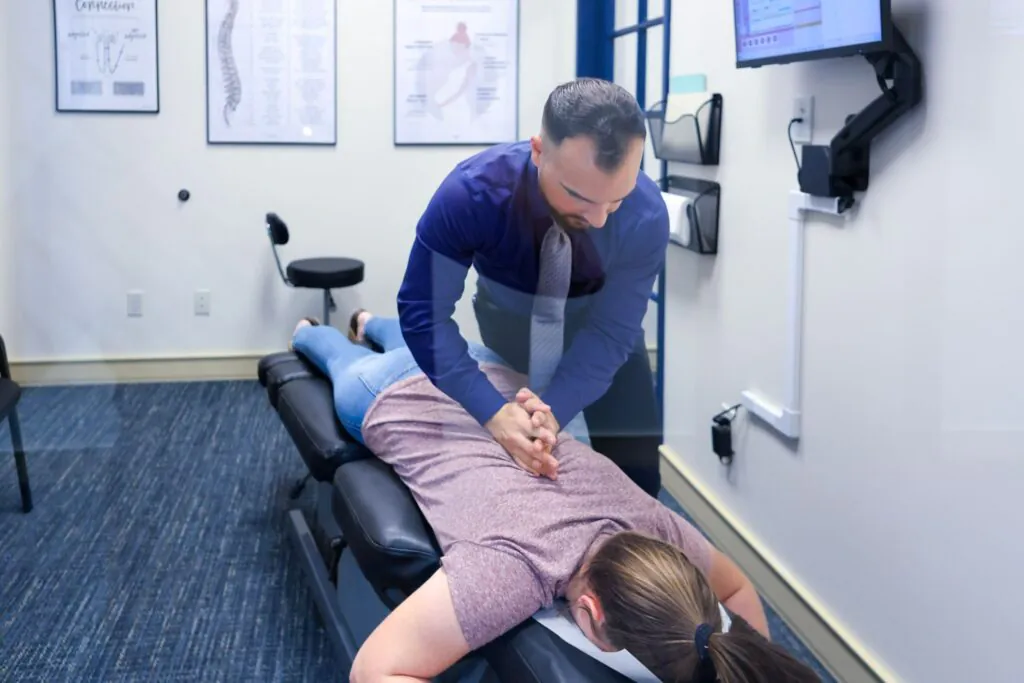

I often see patients who are experiencing persistent back pain, even after trying numerous treatments. It’s important to understand that many conventional approaches tend to focus on alleviating symptoms rather than getting to the root of the issue. This can result in a frustrating cycle where you only find temporary relief.
As a chiropractor, I believe it’s crucial to consider factors beyond just the physical pain. Back pain can be influenced by various aspects of your overall health, including posture, lifestyle, and even stress levels. What if the key to lasting relief lies in a more holistic approach?
In chiropractic care, we focus on restoring balance and function to your spine and nervous system, which can ultimately help your body heal itself. By addressing the underlying causes of your discomfort, we can work together to break the cycle and find a more effective solution. Let’s dive deeper into what might be contributing to your pain and how a natural healing approach can make a difference.
Understanding the Complexity of Back Pain
As a local chiropractor, I understand that many of you may experience back pain at some point in your lives, and it’s important to recognize that this pain can stem from a variety of underlying issues. Back pain isn’t just one singular condition; it can range from muscle strains to herniated discs.
When you’re feeling discomfort, identifying the exact cause can often be challenging. Factors such as your posture, lifting techniques, and even the way you sleep can significantly contribute to the persistence of your pain.
It’s also essential to acknowledge that each person’s body is unique. Some individuals may have structural differences that others do not, leading to a more complex experience of pain.
Lifestyle choices, including inactivity or obesity, can further complicate your condition and exacerbate your discomfort.
By understanding that back pain is multifaceted, you can begin to explore a range of solutions beyond just medication. As a chiropractor, I encourage you to consider options like chiropractic adjustments, physical therapy, tailored exercises, and ergonomic modifications to your daily routines.
Embracing this holistic approach to your back pain can empower you to take control of your health and pursue effective, natural treatments that promote healing and overall well-being.
The Role of Psychological Factors
As your local chiropractor, I want to share how important your mind is when it comes to managing back pain.
Many people don’t realize that stress can actually intensify the way you perceive pain. On the other hand, having emotional resilience can empower you to handle discomfort more effectively.
Mind-Body Connection
As a local chiropractor, I want to share an important perspective on back pain that goes beyond just the physical aspects. While it’s common to focus on the muscles and bones, it’s crucial to understand that psychological factors also play a significant role in how you experience and manage your pain. Your thoughts, emotions, and beliefs can greatly influence your perception of discomfort.
For example, if you associate your back pain with fear or anxiety, it can intensify your experience and slow down your recovery. On the other hand, adopting a positive mindset and utilizing effective coping strategies can help you build resilience and manage your pain more effectively.
I often see that addressing underlying psychological issues—like stress, depression, or anxiety—can lead to improvements in overall well-being and a reduction in pain.
Incorporating mindfulness practices, engaging in therapy, or participating in support groups can help strengthen the connection between your mind and body. This holistic approach is key to effectively managing your back pain and enhancing your quality of life.
As your chiropractor, I’m here to guide you in exploring these aspects as part of your healing journey.
Stress and Pain Perception
As your local chiropractor, I want to share how stress can significantly impact your experience of pain, particularly back pain. When you’re under stress, your body produces hormones like cortisol, which can make you more sensitive to discomfort.
You may have noticed that your back pain feels more intense during stressful periods in your life. This relationship between stress and pain goes beyond just the physical symptoms; your thoughts and emotions also play a critical role.
If you find yourself feeling anxious or worried about your pain, it can create a cycle where your stress levels rise, leading to increased pain, and vice versa. This cycle can make it challenging to find relief and enjoy your daily activities.
Understanding this connection is vital for managing your back pain effectively. By incorporating stress-reduction techniques, such as mindfulness or relaxation exercises, you can help diminish your perception of pain.
As we work together on your chiropractic care, addressing stress and its effects on your body can lead to improved well-being and a better quality of life. Let’s focus on not just alleviating your pain but also enhancing your overall health through natural healing methods.
Emotional Resilience Impact
As a local chiropractor, I want to emphasize how important your emotional resilience is when it comes to experiencing and managing back pain. Your ability to bounce back from challenges can significantly influence how you perceive and handle discomfort.
When you cultivate emotional resilience, you can better manage stress, which in turn can affect your pain levels. When you approach setbacks with a positive mindset, your brain releases beneficial chemicals that can help ease your pain perception.
On the flip side, if you find yourself stuck in negative thinking, it can amplify your discomfort. This is why developing coping strategies, such as mindfulness practices and cognitive reframing, is crucial. These techniques not only help you address the physical symptoms of back pain but also tackle the psychological aspects that can impact how you feel.
By focusing on building your emotional strength, you can transform your relationship with back pain. This proactive approach can make it easier for you to navigate daily life and maintain an active, fulfilling lifestyle.
Lifestyle Habits That Contribute to Chronic Pain
As a local chiropractor, I want to take a moment to educate you about how certain lifestyle habits can contribute to chronic back pain. Many people don’t realize that their daily routines can significantly impact their spinal health.
For instance, if you find yourself sitting for long periods, particularly with poor posture, this can place additional strain on your back. It’s important to be mindful of your posture and take breaks to stand and stretch.
Furthermore, a lack of physical activity can weaken the core muscles that are crucial for supporting your spine. Incorporating some regular exercise into your routine can help strengthen these muscles and alleviate discomfort.
Sleep is another vital factor; without adequate rest, your body doesn’t have the opportunity to recover, which can heighten your sensitivity to pain.
Carrying excess weight can also put extra pressure on your back, increasing the likelihood of pain. Additionally, smoking can hinder blood flow, limiting the oxygen and nutrients that reach your spinal structures, which can complicate the healing process.
It’s also essential to focus on your nutrition; skipping meals or consuming unhealthy foods can deprive your body of the nutrients needed to maintain muscle and bone health.
By becoming aware of these habits and making necessary adjustments, you can take significant steps toward relieving your chronic back pain.
If you have any questions or need guidance, I’m here to help you on your journey to better spinal health!
Limitations of Conventional Treatments
As a local chiropractor, I want to share some insights about conventional treatments for chronic back pain and highlight how chiropractic care can offer a more holistic approach.
While medications and physical therapy can provide temporary relief, they often don’t address the underlying causes of your pain. Many people find themselves relying on painkillers, which only mask the symptoms rather than resolving the root issues.
Physical therapy can certainly help improve mobility, but if the source of your pain isn’t properly identified and treated, your progress may be limited. This is where chiropractic care comes into play. We focus on understanding the mechanics of your spine and the nervous system, aiming to restore balance and function to your body.
It’s also important to recognize that conventional treatments often overlook emotional and psychological factors that can contribute to your pain. Stress, anxiety, and depression can exacerbate back issues, yet many standard approaches don’t include mental health support. In chiropractic care, we consider the whole person and how various aspects of your life impact your health.
Additionally, invasive procedures come with risks and may not always provide lasting results. Many patients find themselves cycling through treatments without achieving sustainable improvement, which can lead to frustration and a sense of helplessness.
The Importance of a Holistic Approach
As a local chiropractor, I want to share with you the importance of understanding the various factors that contribute to back pain. Many people are surprised to learn that back pain often arises from a combination of physical, emotional, and lifestyle influences.
That’s why I advocate for a holistic approach to treatment—one that looks beyond just the symptoms to address the root causes of your discomfort.
Incorporating a holistic strategy can lead to more effective and lasting relief. Here are some key aspects I encourage you to consider:
- Physical Activity: Regular exercise is vital. It helps strengthen your back muscles and improve flexibility, both of which are crucial for maintaining a healthy spine.
- Stress Management: Emotional stress can significantly impact your body, including your back. Techniques such as meditation or yoga can be beneficial in reducing stress levels and, in turn, alleviating pain.
- Nutrition: What you eat plays a significant role in your overall health. A balanced diet rich in anti-inflammatory foods can support your body in healing and maintaining optimal wellness.
- Sleep Hygiene: Never underestimate the power of a good night’s sleep! Quality sleep is essential for recovery, and poor sleep can worsen pain and delay healing.
By focusing on these interconnected areas, you can cultivate a healthier lifestyle and potentially reduce your back pain.
If you have questions about how chiropractic care can complement this holistic approach, I’m here to help guide you on your journey to better health!
Identifying Underlying Medical Conditions
As a local chiropractor, I want to take a moment to shed some light on an often-overlooked aspect of back pain: underlying medical conditions. Many individuals may not realize that issues such as herniated discs, arthritis, or even infections could be contributing to their discomfort.
These conditions can be subtle and may not be immediately apparent, but they can significantly affect your well-being.
If you’re dealing with persistent back pain, it’s crucial to consult with a healthcare professional, including a chiropractor, who can help identify any hidden issues. It’s easy to dismiss your pain as simply a part of getting older or a result of your daily activities, but it’s important to dig a little deeper.
At our practice, we utilize a holistic approach that may include imaging studies, thorough examinations, and personalized assessments to uncover any underlying problems. By identifying the root cause of your back pain, we can create a targeted treatment plan tailored to your needs, which may include chiropractic adjustments, exercises, and lifestyle modifications.
Ignoring these underlying conditions can lead to prolonged suffering and ineffective treatments. By taking a proactive approach and seeking the right answers, you can find relief and improve your quality of life.
Don’t let misdiagnosis keep you in pain—let’s work together to uncover the causes of your discomfort and guide you on your journey to natural healing.
The Impact of Poor Posture and Ergonomics
Your posture is crucial to the health of your back, and improper alignment can often lead to discomfort or pain.
As a local chiropractor, I want to emphasize the importance of ergonomics in your workspace. By making small adjustments to your environment, you can create a more supportive setting that alleviates strain on your body.
Let’s delve into how these simple changes can significantly enhance your daily comfort and overall well-being.
Posture’s Role in Pain
As a local chiropractor, I want to emphasize the significant role that your posture plays in your overall health, particularly when it comes to back pain. Many people don’t realize that the way you sit at your desk or hunch over your phone can have a profound impact on your spine and well-being.
Poor posture can lead to unnecessary stress on your spine, resulting in muscle tension and discomfort.
It’s vital to understand how your everyday habits may influence your body. Here are a few key factors to consider:
- Prolonged Sitting: Sitting for extended periods can lead to strain in your lower back. It’s important to take regular breaks and stretch to alleviate this tension.
- Weak Core Muscles: If your core muscles lack strength, it can lead to misalignment of your spine. Incorporating core-strengthening exercises into your routine can help support your posture.
- Improper Lifting Techniques: Lifting heavy objects incorrectly can result in immediate pain. Always remember to lift with your legs, not your back, and keep the object close to your body.
- Inadequate Support: Using chairs that don’t provide proper lumbar support can worsen existing pain. Investing in a chair designed for good posture can make a significant difference.
As your chiropractor, I’m here to guide you in understanding these aspects and to help you find natural healing methods that promote a healthier spine and overall well-being.
Together, we can work on strategies to improve your posture and alleviate pain.
Ergonomic Workspace Solutions
As a chiropractor, I often see patients who underestimate the importance of a comfortable workspace. It’s crucial for not only your overall comfort but also for maintaining good posture and preventing back pain. Investing in ergonomic solutions can significantly support your body’s natural alignment.
Start with an adjustable chair that provides proper lumbar support; this is essential for keeping your spine aligned while you work. Your desk should be set at a height that allows your elbows to rest comfortably at a 90-degree angle.
Additionally, your monitor should be positioned at eye level to avoid unnecessary strain on your neck. Don’t overlook the placement of your keyboard and mouse; they should be within easy reach to prevent stretching or awkward movements.
Regularly incorporating breaks to stretch and move around is also vital for alleviating tension and maintaining your spinal health.
By creating an ergonomic workspace, you’re not just enhancing your comfort—you’re also taking proactive steps to protect your back and promote your overall well-being.
Exploring Alternative Therapies and Solutions
As a local chiropractor dedicated to helping you find relief from persistent back pain, I want to share how exploring alternative therapies can significantly enhance your healing journey. Many people discover that traditional treatments may not fully address their pain, and that’s where we can step in with holistic solutions tailored to your needs.
Let’s delve into some alternative therapies that can complement your chiropractic care:
- Acupuncture: This ancient technique involves stimulating specific points on the body to help alleviate pain and encourage natural healing. Many of my patients have found great relief through acupuncture, often in conjunction with chiropractic adjustments.
- Chiropractic care: At our clinic, I focus on aligning your spine and optimizing your body’s function. By doing so, we can’t only alleviate your pain but also enhance your overall mobility and quality of life.
- Massage therapy: Incorporating massage into your routine can significantly reduce muscle tension, improve circulation, and contribute to your overall well-being. Many patients have reported that massage complements their chiropractic treatments beautifully.
- Yoga or Pilates: These practices emphasize flexibility and strength, which are crucial for supporting your back. I often recommend specific movements that can help alleviate pain while strengthening the muscles that support your spine.
By considering these therapies alongside chiropractic care, you may find the relief you’ve been searching for.
Together, we can work towards restoring your health and helping you regain control of your life.
Conclusion
As a local chiropractor, I want to emphasize the importance of understanding the intricacies of back pain for effective recovery. Many patients may not realize how psychological factors, lifestyle choices, and the limitations of traditional treatments can impact their healing journey. It’s crucial to adopt a holistic approach that not only focuses on the symptoms but also addresses the root causes of your discomfort.
Exploring alternative therapies, such as chiropractic adjustments, can play a significant role in this process. These methods can help realign your spine and improve overall function. Additionally, we can work together to identify any underlying medical conditions that may be contributing to your pain.
I encourage you not to settle for temporary fixes. Prioritizing your overall well-being is key to breaking the cycle of chronic pain and reclaiming your life. Let’s take this journey together towards lasting relief and improved health.