
As a local chiropractor dedicated to your well-being, I want to share how the landscape of chronic migraine management is evolving and what that means for you by 2025. There is a wealth of innovative therapies and natural healing approaches that are transforming how we view treatment. These advancements allow for personalized care that directly targets your specific migraine triggers.
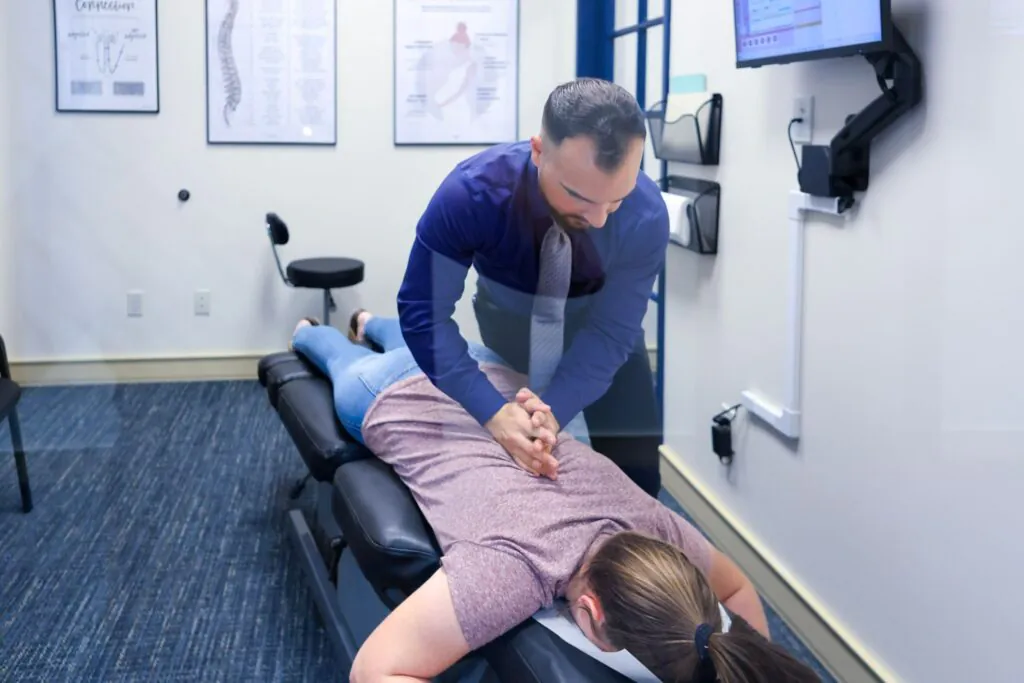
Chiropractic care, in particular, has gained recognition for its potential to alleviate migraine symptoms by addressing musculoskeletal imbalances and improving overall spinal health. By incorporating techniques such as spinal adjustments, we can help reduce the frequency and intensity of your migraines.
Additionally, the rise of telehealth options means that you can easily connect with specialists who understand your unique needs, even from the comfort of your own home. Holistic approaches that consider the whole person are becoming more accessible, allowing for a well-rounded strategy to manage your migraines effectively.
So, what does this mean for your daily life and long-term well-being? These developments could significantly enhance your understanding of migraine care and provide you with the tools to take control of your health. Together, we can explore these natural healing options and work towards a future where chronic migraines are no longer a barrier to your quality of life.
Current Understanding of Chronic Migraines
Chronic migraines are a condition that affects millions of individuals worldwide and can leave you struggling with intense pain and uncertainty. As a local chiropractor, I want to help you understand chronic migraines as a complex neurological issue that often presents as frequent, severe headaches lasting anywhere from four to 72 hours. Patients frequently describe the pain as pulsating, typically on one side of the head, and it's often accompanied by nausea and heightened sensitivity to light and sound.
While the exact cause of chronic migraines remains somewhat unclear, it's believed that a combination of genetic, environmental, and neurological factors contributes to their onset. Many patients discover that certain triggers—such as stress, hormonal fluctuations, or specific foods—can provoke an attack. Identifying these triggers is crucial for managing your migraines effectively. Keeping a migraine diary can be an invaluable tool in recognizing patterns and potential causes, which we can discuss in our sessions.
In addition to identifying triggers, it's important to note that chronic migraines are linked to changes in brain chemistry, particularly involving neurotransmitters like serotonin. This alteration in neural activity may activate pain pathways in the brain.
As a chiropractor, I also observe that chronic migraines often coexist with other health concerns, such as anxiety and depression, which can complicate treatment and overall well-being.
Current treatments for chronic migraines typically focus on prevention and symptom relief. While over-the-counter medications might provide temporary relief, many individuals find that they benefit from prescription medications or alternative therapies, such as chiropractic care.
As a chiropractor, I emphasize a natural approach to healing, which can include spinal adjustments, lifestyle changes, and holistic strategies to help manage your migraines.
Understanding chronic migraines from a chiropractic perspective can empower you to navigate this challenging condition more effectively. Together, we can explore natural healing methods that may alleviate your symptoms and improve your quality of life.
Innovative Treatment Options
As a local chiropractor, I want to share with you some innovative treatment options for migraines that extend beyond traditional approaches. Many individuals are finding relief through natural healing methods, and I believe these alternatives could be beneficial for you too.
One exciting development is neuromodulation, which involves the use of devices to influence nerve activity. For example, transcranial magnetic stimulation (TMS) utilizes magnetic fields to stimulate nerve cells in the brain. Numerous patients have reported a notable decrease in the frequency and intensity of their migraines after undergoing TMS, making it a promising non-invasive option compared to medication.
Another method gaining popularity is botulinum toxin injections. These injections, administered every few months, work by blocking the release of specific neurotransmitters that are associated with pain, ultimately helping to prevent chronic migraines. Many patients have found that this approach not only reduces the number of migraine attacks but also decreases their reliance on daily medications.
In addition to these treatments, I encourage you to consider using technology for lifestyle modifications. Wearable devices that monitor your triggers and patterns can help you pinpoint the factors that may be aggravating your migraines. By understanding these triggers, you can make informed choices about your lifestyle and treatment plan.
Moreover, integrative therapies such as acupuncture and mindfulness-based stress reduction are becoming increasingly popular. These holistic approaches focus on your overall well-being and can provide significant relief by addressing the psychological and emotional components of migraines.
As you explore these innovative options, remember that chiropractic care can also play a vital role in your journey towards relief. I'm here to help guide you through these natural healing methods and support you in finding the best solutions for your migraine management.
Advances in Preventive Therapies
As a local chiropractor, I'm excited to share how recent advances in preventive therapies for migraines are changing the way we approach this condition. Many of you mightn't be familiar with chiropractic care and natural healing methods, but I want to assure you that there are numerous options available to help manage and reduce the frequency of migraine attacks.
One of the most promising developments in migraine prevention is the use of CGRP inhibitors. These medications work by blocking the protein that triggers migraine attacks, and they've shown significant promise in clinical trials. While these medications can be effective, chiropractic care offers a holistic approach to managing migraines without solely relying on pharmaceuticals.
In addition to medications, there are innovative neuromodulation techniques being explored. These involve devices that deliver electrical impulses to specific nerves, which can help alter pain pathways in the brain. As a chiropractor, I focus on natural healing methods, and these techniques complement our practice by offering non-invasive options for migraine prevention.
Furthermore, incorporating lifestyle modifications can greatly enhance the effectiveness of any treatment plan. By working together, we can create a personalized plan that includes dietary changes, stress management techniques, and regular exercise. These holistic approaches not only boost the efficacy of preventive therapies but also contribute to your overall well-being.
Lastly, I want to emphasize that ongoing research continues to unveil new and innovative solutions for migraine prevention. With each discovery, your chances of finding a tailored approach that works for you increase. By staying informed and proactive, you can take significant steps toward reclaiming control over your migraine journey, and I'm here to support you every step of the way.
Role of Technology in Management
As a local chiropractor dedicated to your well-being, I want to share how technology is enhancing the way we approach migraine management, particularly from a natural healing perspective. Many of you may not be familiar with chiropractic care, but I believe that integrating technology into your health routine can empower you to take control of your migraines and find relief.
Here are some key ways technology is influencing migraine management that I think you'll find beneficial:
- Wearable Devices: These tools can help you monitor your migraine triggers, symptoms, and patterns. By gathering data on your experiences, you can identify what might be worsening your condition, allowing for more targeted interventions.
- Mobile Apps: There are various apps available that let you log your headaches, track your medications, and even communicate with healthcare professionals. This information can be crucial during your visits, helping us to develop more effective, individualized treatment plans.
- Telehealth Services: With telehealth, you can consult with specialists and chiropractors from the comfort of your own home. This convenience ensures that you get the timely support you need, without the added stress of travel or long wait times.
- Neuromodulation Devices: These advanced devices offer a non-invasive approach to managing migraine symptoms by delivering targeted electrical stimulation to the brain. This can be a valuable complement to chiropractic care and other natural healing methods.
By embracing these technological advancements, you can significantly enhance your quality of life. You're not just managing your migraines; you're actively engaging in your health journey with a holistic approach.
As technology continues to evolve, the opportunities for effective management of chronic migraines will expand, and I'm here to guide you every step of the way.
Personalized Care Approaches
When it comes to managing chronic migraines, personalized care approaches are essential for finding effective relief, and as a local chiropractor, I want to help you understand how natural healing can play a crucial role in your journey. Each person who experiences migraines has distinct triggers, symptoms, and responses to various treatments, which is why tailoring your care plan to your individual needs can make all the difference.
First and foremost, I encourage you to collaborate closely with a healthcare provider who understands the intricacies of your situation. In my practice, I focus on identifying your personal triggers through a comprehensive assessment and discussions about your health history. This collaborative effort allows us to develop a customized treatment plan that may include chiropractic adjustments, therapeutic techniques, and lifestyle modifications that align with your preferences.
In addition, incorporating data from wellness tools or apps can enhance your personalized care approach. These resources can help track your migraine patterns and provide valuable insights into what strategies are most effective for you. By analyzing this information together, we can make informed decisions about your treatment and consider adjustments as needed.
Communication is key in this process. Regular check-ins with me can ensure that you're on the right path and allow for necessary modifications based on your progress or emerging symptoms.
Lifestyle Modifications for Relief
As a local chiropractor dedicated to helping you manage chronic migraines, I want to share some valuable lifestyle modifications that can significantly enhance your overall well-being and help you reduce the frequency and intensity of your migraine episodes.
By making small adjustments to your daily routine, you can take control of your health in a natural way. Here are some essential changes to consider:
- Stay Hydrated: It's crucial to keep your body well-hydrated. Drinking enough water throughout the day can help prevent dehydration, which is a common migraine trigger. Strive for at least eight 8-ounce glasses of water daily to support your body's needs.
- Regular Sleep Schedule: Establishing a consistent sleep routine can work wonders for your body. Try to go to bed and wake up at the same time every day, even on weekends. This consistency helps regulate your internal clock, which can lead to fewer migraine occurrences.
- Balanced Diet: Nourishing your body with a balanced diet is vital. Focus on incorporating plenty of fruits, vegetables, whole grains, and lean proteins into your meals.
Be mindful of your specific trigger foods—these can vary from person to person—so avoiding them can significantly lower your risk of experiencing migraines.
– Stress Management: As stress is a known trigger for many individuals, it's essential to find effective ways to manage it. Consider incorporating relaxation techniques into your routine, such as mindfulness, meditation, or yoga.
These practices can help you stay grounded and reduce the likelihood of triggering a migraine episode.
By integrating these lifestyle modifications into your daily life, you can empower yourself to manage migraines more effectively and improve your overall health.
As your chiropractor, I'm here to support you on this journey to natural healing and wellness.
Emerging Research and Studies
As a local chiropractor dedicated to your health and well-being, I want to share some exciting advancements in migraine research that could enhance your overall treatment plan, especially when combined with chiropractic care and natural healing practices.
Recent studies are uncovering new treatment options that can complement lifestyle changes. One of the promising areas of research involves neuromodulation techniques. These techniques use devices to modify nerve activity, and non-invasive brain stimulation has shown potential in reducing both the frequency and intensity of migraine attacks.
While chiropractic care focuses on spinal adjustments and overall nervous system health, these neuromodulation methods may provide an additional layer of support.
Furthermore, there are new medications specifically designed for migraine prevention, such as CGRP inhibitors. These medications target a protein involved in the migraine process and have shown effectiveness in clinical trials.
However, as your chiropractor, I advocate for exploring holistic approaches, so you may want to consider these options alongside natural therapies.
Dietary interventions are another area gaining attention. Research suggests that certain diets, like the ketogenic diet, might help manage migraines by stabilizing blood sugar levels and reducing inflammation—both important factors in triggering migraines.
As a chiropractor, I often emphasize the importance of nutrition in overall health, so discussing dietary changes may be beneficial for you.
Additionally, emerging studies are looking into the connection between gut health and migraines. The gut-brain axis indicates that your microbiome may play a role in migraine frequency, opening the door for potential probiotic therapies.
This aligns well with the holistic approach of chiropractic care, which considers the entire body and its systems.
Staying informed about these advancements can empower you in your journey to manage chronic migraines. By integrating these emerging therapies, along with chiropractic adjustments and lifestyle modifications, you might discover a more comprehensive strategy to alleviate your migraines and improve your quality of life.
Patient Experiences and Testimonials
As a local chiropractor, I often share inspiring stories from patients who've successfully managed their chronic migraines through natural healing and chiropractic care. These accounts can provide valuable insights and practical strategies that may empower you on your own journey toward relief. You might connect with someone who experienced a significant improvement after a specific chiropractic adjustment or another individual who found relief through holistic lifestyle changes.
Here are some key themes that often emerge from patient testimonials:
- Holistic Approaches: Many of my patients find that combining chiropractic adjustments with lifestyle changes—such as improved diet and regular exercise—helps minimize their migraine triggers effectively.
- Mindfulness and Relaxation: Techniques like meditation and yoga complement chiropractic care by helping patients manage stress, which is a common migraine trigger.
- Support Networks: Building a community, whether through local support groups or wellness workshops, can provide emotional support and practical advice for managing migraines.
- Open Communication with Healthcare Providers: Patients frequently emphasize the importance of discussing their experiences openly with their chiropractors to create tailored treatment plans that address their unique needs.
Hearing these experiences can reassure you that you aren't alone in your struggle with migraines. They underscore the significance of persistence and adaptability in your quest for relief.
By learning from others, you can uncover new strategies, cultivate hope, and ultimately enhance your quality of life. Each story shared is a potential stepping stone toward discovering what works best for you, so I encourage you to seek out these valuable connections.
Future Directions in Migraine Care
As you seek relief from chronic migraines, I want to introduce you to the evolving world of migraine care, particularly how chiropractic care can offer hope and solutions.
New advancements in treatment options, including neuromodulation techniques and holistic therapies, are gaining attention for their ability to address the underlying causes of migraines, often leading to more effective relief with fewer side effects compared to traditional medications.
It's important to consider how personalized care can play a crucial role in your migraine management. At our practice, we focus on understanding your unique migraine triggers and how your body responds to different treatments.
By assessing your individual needs, we can create a customized chiropractic plan that empowers you to take charge of your health and improves the effectiveness of your treatment.
Moreover, there's a growing recognition of the importance of lifestyle interventions in managing migraines. Incorporating mindfulness practices, dietary adjustments, and regular physical activity can significantly reduce the frequency and intensity of your migraines.
As you embrace these lifestyle changes alongside chiropractic care, you may discover a more comprehensive approach that suits you best.
Another exciting development in migraine care is the rise of telehealth services, which allow you to connect with healthcare providers remotely.
This means that even if you're in a rural area, you can easily access chiropractic consultations and ongoing support. This convenience ensures that you remain actively engaged with your treatment plan and can make necessary adjustments as you progress.
As we look towards 2025, the future of migraine care is indeed promising.
With the integration of chiropractic techniques, personalized approaches, and holistic strategies, you aren't merely waiting for relief; you're taking an active role in your journey to better health.
I encourage you to embrace these changes and explore how chiropractic care can be a vital component of your migraine management strategy.
Conclusion
As we look forward to 2025, I want to share with you the promising advancements in managing chronic migraines through chiropractic care and natural healing. Many patients may not realize the potential benefits of these approaches, but innovative treatments, personalized care, and the integration of technology can significantly enhance your migraine management.
Chiropractic care focuses on the relationship between the spine and the nervous system, and it can play a vital role in alleviating migraine symptoms. By addressing any misalignments or tension in the body, we can help improve your overall health, reduce the frequency and intensity of migraines, and empower you to take control of your well-being.
Additionally, embracing lifestyle changes—such as proper hydration, nutrition, and stress management—alongside regular chiropractic adjustments can provide you with a holistic approach to healing. Staying informed about the latest research in natural healing methods will further equip you on your journey toward relief.
Together, these advancements in chiropractic care offer a pathway to enhancing your quality of life. If you're ready to explore how these natural solutions can help you find the relief you've been seeking, your journey starts with us today.