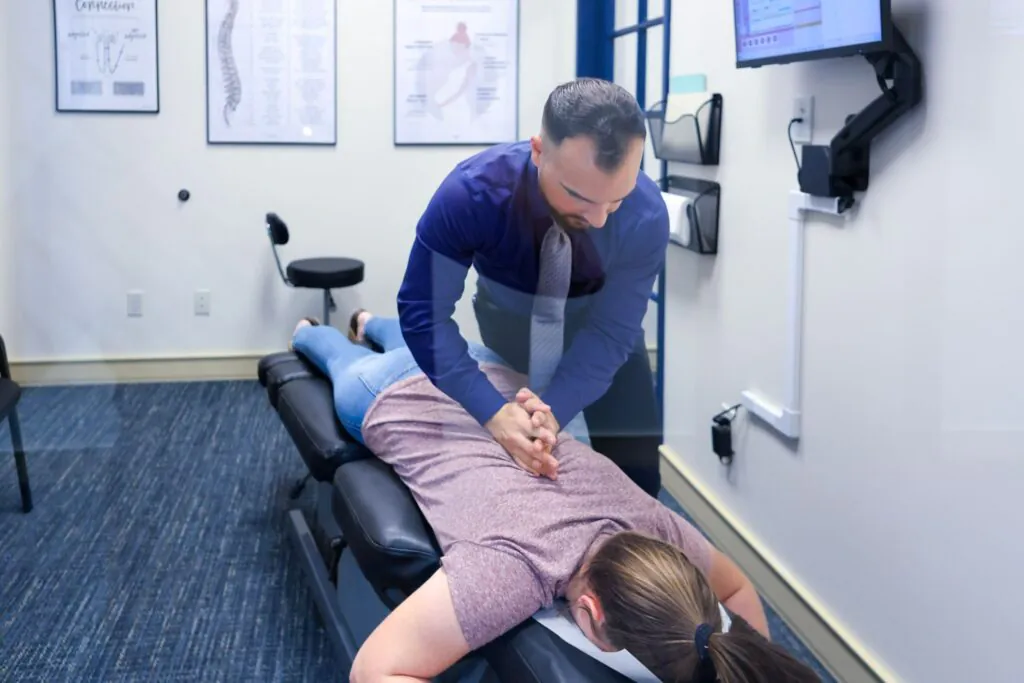

As your local chiropractor, I want to emphasize the crucial impact that posture has on your overall health and well-being. Many people underestimate how poor alignment can lead to a range of issues, from discomfort and fatigue to unexpected mood swings. These problems can significantly affect your daily life, often without you even realizing it.
By understanding the common factors that contribute to these posture-related issues, you can take meaningful steps toward improvement. This guide is designed to provide you with practical exercises and daily habits that can help you correct your posture and enhance your health naturally.
Are you curious about how simple adjustments to your posture can lead to significant positive changes in your life? Let's dive into the essential strategies that can help you feel better and live healthier. Together, we can explore how chiropractic care can support you on this journey to improved well-being.
Understanding Posture and Its Importance
As a local chiropractor, I want to emphasize the vital role your posture plays in your overall health and well-being. It goes beyond simply how you sit or stand; it's about how your body aligns itself during your daily activities. Maintaining good posture means preserving the natural curves of your spine, which helps prevent unnecessary strain on your muscles and joints. When your body is aligned properly, you can significantly enhance your strength, flexibility, and endurance.
Understanding the importance of posture can transform your awareness of its impact on various aspects of your life. For example, did you know that your posture can influence your energy levels? Slouching or hunching over can lead to quicker fatigue because your body is working harder to support itself. Conversely, standing tall opens up your lungs, facilitating better oxygen flow and boosting your stamina throughout the day.
Good posture also has a remarkable effect on your mood and confidence. I often see patients who feel more empowered and less anxious when they adopt a strong stance. This isn't just a psychological phenomenon; research supports the idea that body language significantly influences self-perception and how others perceive you.
Lastly, don't underestimate the long-term benefits of maintaining proper posture. Over time, it can lead to fewer aches and pains, improved digestion, and even enhanced circulation.
By being mindful of how you carry yourself, you're not just making a momentary adjustment; you're investing in your health and enhancing your quality of life. So, I encourage you to pay attention to your posture—it's more crucial than you might realize.
If you have any questions or need guidance on how to improve your posture, don't hesitate to reach out to me. Together, we can work towards a healthier you.
Common Causes of Poor Posture
As a local chiropractor, I want to share some insights about posture that many people may not be aware of. Poor posture is often the result of our daily habits and the environments we find ourselves in. One of the leading causes is the significant amount of time we spend using technology. If you find yourself hunched over a computer for hours or constantly looking down at your phone, this can lead to a rounded back and forward head posture. Over time, this can lead to discomfort and pain.
Another crucial aspect to consider is how your workspace is set up. If your desk and chair lack ergonomic design, you may unintentionally adopt a slumped or awkward position. Prolonged sitting without regular breaks can worsen these issues, making it challenging for your body to maintain its natural alignment.
Furthermore, a sedentary lifestyle can greatly impact your posture. When we don't engage in regular physical activity, our muscles, particularly those that support the spine, can weaken. This weakness in core muscles makes it difficult for your body to stabilize properly, often resulting in slouching and misalignment.
Carrying heavy bags on one shoulder is another common posture issue. This creates an imbalance that forces your body to compensate, leading to a crooked spine over time.
Lastly, it's essential to recognize that emotional factors play a role in our posture as well. Stress and anxiety can lead to tension in the shoulders and neck, contributing to a slouched appearance.
Effective Exercises for Posture Correction
As a local chiropractor, I want to share some effective exercises that can help you improve your posture and overall spinal health. Incorporating these simple movements into your daily routine can make a significant difference in how your body feels and functions.
Let's start with the plank. This exercise is fantastic for engaging your core muscles and promoting proper spinal alignment. To perform a plank, get into a push-up position, ensuring that your body is straight from your head down to your heels. Aim to hold this position for 30 seconds, and as you build strength, gradually increase your hold time.
Next, I recommend trying wall angels. This exercise is excellent for improving shoulder mobility and posture. Stand with your back against a wall, leaving your feet a few inches away from it. Raise your arms to create a "W" shape, keeping your elbows at shoulder height. Slowly slide your arms up the wall into a "Y" position while maintaining contact with the wall. Repeat this movement 10 times to help open up your shoulders.
Another effective exercise is the chin tuck. This simple movement helps strengthen the muscles that support the alignment of your head over your spine. You can do this while sitting or standing straight. Gently tuck your chin toward your chest, feeling a stretch along the back of your neck. Hold this position for five seconds and repeat it 10 times.
Lastly, don't overlook the benefits of bridges. This exercise not only strengthens your lower back but also engages your glutes. Start by lying on your back with your knees bent and feet flat on the floor. Raise your hips towards the ceiling while squeezing your glutes, hold for a few seconds, and then lower back down. Aim to repeat this 10-15 times for optimal results.
Incorporating these exercises into your routine can greatly enhance your posture and spinal health. Remember, if you have any questions or need personalized guidance, I'm here to help you navigate your journey toward improved wellness.
Daily Habits to Improve Posture
As a chiropractor, I want to emphasize how small adjustments in your daily habits can lead to remarkable improvements in your posture and overall spinal health.
It's essential to be mindful of your sitting habits, especially if you spend extended periods at a desk. Ensure your chair offers proper support for your lower back—this is crucial for maintaining the natural curve of your spine. If your feet don't comfortably touch the ground, consider using a footrest to promote proper alignment.
When using your phone or laptop, it's vital to elevate the screen to eye level. This adjustment can help prevent slouching and encourage you to maintain a neutral spine, which is essential for your long-term health. Remember to take breaks every 30 minutes to stand, stretch, and walk around. These simple movements keep your muscles engaged and can significantly reduce stiffness and discomfort throughout your day.
Practicing good posture while standing is equally important. Distribute your weight evenly on both feet and avoid locking your knees, as this can strain your back. Engaging your core muscles supports your spine and helps maintain proper alignment.
As you walk, be conscious of your posture. Keep your head up and shoulders back; think of a string pulling you upwards from the crown of your head. This not only improves your posture but can also enhance your confidence—a key component of overall well-being.
Lastly, don't overlook the importance of your sleeping position. Aim to sleep on your back or side, using a supportive pillow that maintains the natural curve of your neck.
Maintaining Long-term Posture Health
As a local chiropractor, I want to emphasize the importance of maintaining long-term posture health for your overall well-being. It's essential to recognize that good posture isn't just about how you sit or stand; it's about the alignment of your body throughout your daily activities.
To begin, I encourage you to incorporate regular posture checks into your routine. Simple reminders, whether through your phone or sticky notes placed around your workspace, can prompt you to straighten up and engage your core muscles. These small adjustments may seem minor, but they can lead to significant improvements in your posture over time.
Strengthening specific muscle groups is also crucial for maintaining good posture. Incorporate exercises that target your back, shoulders, and core into your fitness regimen. Movements such as planks, rows, and yoga are excellent for enhancing muscle stability, making it easier to hold a healthy posture naturally.
Additionally, don't forget the importance of stretching; it alleviates tightness in your muscles, which can contribute to slouching.
I also want you to be mindful of your ergonomic setup, especially if you spend long hours at a desk. Ensure that your chair provides adequate support for your lower back, and position your computer screen at eye level to prevent hunching over.
When seated, keep your feet flat on the floor and avoid crossing your legs, as this can disrupt your alignment.
Moreover, pay attention to your posture during everyday activities such as walking or lifting. Keep your shoulders back and your head aligned with your spine. By adopting these habits, you'll reinforce good posture until it becomes second nature.
Remember, achieving long-term posture health is a marathon, not a sprint. Stay committed to these practices, as every conscious choice you make contributes to your overall health and wellness.
Conclusion
As your local chiropractor, I want to emphasize how crucial it is to prioritize your posture for your overall health and wellness. Many people may not realize the significant impact that good posture has on their daily lives. By understanding the benefits of proper alignment and incorporating effective exercises and habits into your routine, you can actively combat the negative effects that poor posture can have on your body.
It's important to make ergonomic adjustments in your workspace and daily activities to promote a healthier posture. I encourage you to stay committed to this journey, as the positive changes will not only help you feel more energized but also enhance your confidence and resilience.
Taking the first step toward better posture can lead to a healthier, happier you. I invite you to start implementing these changes today and consider visiting our clinic to learn more about how chiropractic care can support your posture correction efforts and overall well-being. Together, we can work towards achieving optimal health!