
You may not be aware of the significant impact that your posture has on your daily life. Poor posture can lead to discomfort and persistent pain that can affect your overall well-being. Luckily, there are effective techniques you can adopt to improve your posture and manage pain naturally.
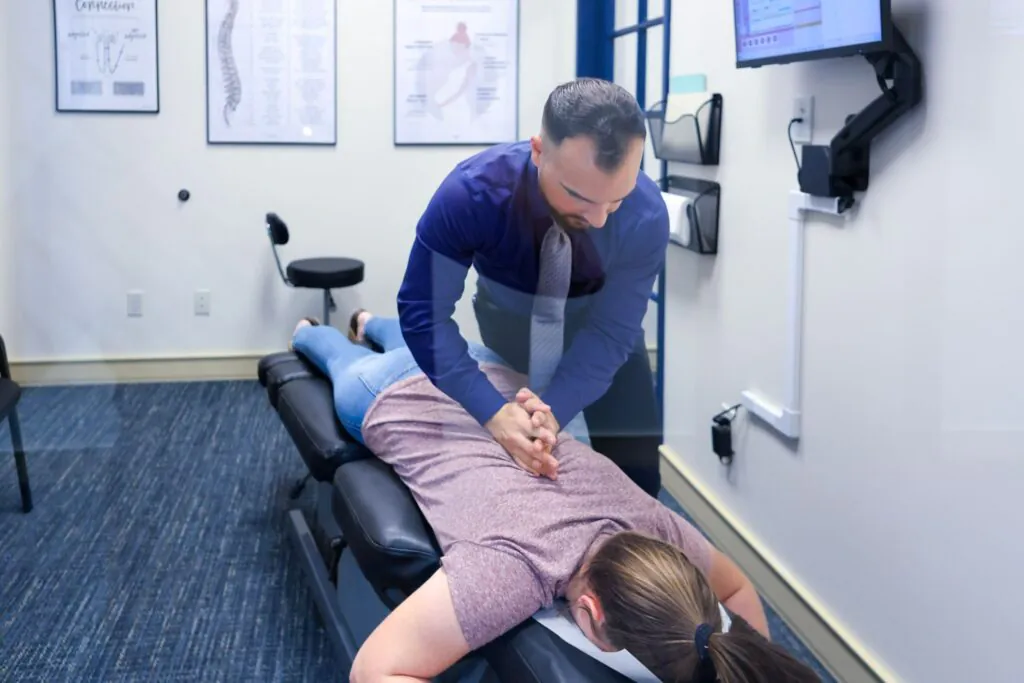
As a chiropractor, I want to emphasize that chiropractic care is an excellent choice for achieving optimal health and alleviating pain. Through spinal adjustments and targeted exercises, we can help realign your spine and enhance your body’s natural healing abilities.
Here are some essential tips to help you improve your posture and support your body:
- Stay Mindful of Your Posture: Throughout the day, take a moment to check in with your posture. Keep your shoulders back and down, your head aligned over your spine, and your feet flat on the ground when seated.
- Strengthening Exercises: Incorporate exercises that strengthen your core and back muscles. This can help support your spine and improve your overall posture. Simple exercises like planks and bridges can make a big difference.
- Ergonomic Adjustments: Consider adjusting your workspace for better ergonomics. Ensuring your chair, desk, and computer are set up properly can reduce strain on your body. A chiropractic evaluation can guide you in making these adjustments.
- Regular Chiropractic Visits: Regular visits to a chiropractor can help maintain your spinal health and improve your posture over time. We focus on natural healing and can provide personalized care tailored to your needs.
- Stretching and Mobility: Incorporate daily stretching into your routine to keep your muscles flexible and reduce tension. Gentle yoga or targeted stretches can be particularly beneficial.
By following these steps and prioritizing chiropractic care, you can enhance your overall well-being, support your body’s natural alignment, and manage pain effectively. Remember, your posture is a crucial aspect of your health, and taking proactive steps can lead to a more comfortable and healthier life.
Key Takeaways
Top Techniques for Posture Improvement and Pain Management
- Embrace regular stretching and strengthening exercises to build your core stability and enhance spinal alignment. This can significantly reduce pain and improve your posture, making daily activities more comfortable.
- Create an ergonomic workspace to support your body’s natural alignment. Adjust your chair height and monitor position so that your neck and back can relax, minimizing strain and discomfort throughout the day.
- Incorporate mindfulness and deep breathing techniques into your routine. This practice increases your body awareness, allowing you to notice and correct poor posture before it leads to pain.
- Consider scheduling regular chiropractic visits, as they are essential for maintaining spinal alignment and addressing any pain issues you may be experiencing. A chiropractor can provide personalized strategies for improving your posture and overall wellness.
- Remember to take frequent breaks from sitting. Stand up, stretch, and reset your posture to promote better circulation and relieve muscle tension. Simple movements can make a big difference in how you feel.
By focusing on these techniques and the benefits of chiropractic care, you can achieve a healthier, pain-free lifestyle. Embrace these tips, and consider chiropractic as your go-to solution for optimal health and natural healing.
Understanding the Importance of Posture
Posture is a cornerstone of your overall health and well-being, and as a chiropractor, I can’t emphasize enough how vital it is. Maintaining good posture not only supports your spine but also plays a crucial role in preventing discomfort and pain.
When your posture is poor, it can lead to muscle strain, headaches, and even long-term issues like herniated discs. This isn’t just about physical health; your posture influences your confidence and mood, too. Standing tall can give you an instant boost in self-esteem and energy levels.
One of the many benefits of good posture is its positive effect on your breathing and circulation. When your spine is aligned, your body functions more efficiently, allowing you to focus better and be more productive—especially if you spend long hours at a desk.
By prioritizing your posture, you’re making a wise investment in your future health.
Here are some simple tips to improve your posture and overall wellness:
- Mind Your Position: Be aware of how you sit and stand throughout the day. Keep your shoulders back, and try to align your ears with your shoulders.
- Take Breaks: If you’re sitting for extended periods, take short breaks to stretch and reset your posture. A quick walk or a few gentle stretches can make a big difference.
- Support Your Spine: When sitting, ensure your chair supports your lower back. Consider using a cushion or lumbar roll if needed.
- Strengthen Your Core: Engaging in exercises that strengthen your core muscles can help support your spine and improve your posture over time.
- Chiropractic Care: Regular chiropractic adjustments can help maintain proper spinal alignment, alleviate pain, and enhance your posture. By working with a chiropractor, you can receive personalized care tailored to your needs, helping you achieve optimal health naturally.
Stretching Exercises for Better Posture
To improve your posture, incorporating stretching exercises isn’t just beneficial—it’s essential for your overall spinal health. As a local chiropractor, I understand how crucial it’s to maintain a strong and flexible spine to support your body in standing tall and feeling your best.
By focusing on both upper and lower body stretches, you can effectively release tension and enhance your overall flexibility, which is key for maintaining proper alignment.
Let’s explore some effective stretches that can help you stand taller and feel better while also highlighting how chiropractic care complements these efforts. Regular chiropractic adjustments can help correct misalignments in your spine, which may be contributing to poor posture. Combined with stretching, chiropractic care can lead to lasting improvements in your posture and overall well-being.
Here are some simple stretches you can incorporate into your daily routine:
- Chest Stretch: Stand tall, clasp your hands behind your back, and gently pull your shoulders back and down. This stretch opens up the chest and counteracts the forward hunch that many of us develop from sitting too much.
- Neck Stretch: Sit comfortably and tilt your head to one side, bringing your ear toward your shoulder. Hold for a few seconds and switch sides. This helps relieve tension in the neck, which can often affect your posture.
- Cat-Cow Stretch: Get on your hands and knees in a tabletop position. As you inhale, arch your back (Cow), and as you exhale, round your back (Cat). This dynamic stretch helps improve flexibility in your spine.
- Hip Flexor Stretch: Kneel on one knee and push your hips forward gently. This opens up the hip flexors, which can become tight from prolonged sitting. Proper hip flexibility is important for maintaining good posture.
- Standing Forward Bend: Stand with your feet hip-width apart and slowly bend forward at the hips, allowing your arms to dangle toward the ground. This stretch helps to lengthen the spine and relieve tension in the lower back.
Remember, consistency is key. Incorporating these stretches into your daily routine can significantly enhance your posture and overall spinal health.
And don’t forget, regular visits to your chiropractor can help monitor your progress and ensure your spine is aligned correctly. Together, stretching and chiropractic care can be your best strategy for achieving optimal health and wellness!
Upper Body Stretches
Incorporating upper body stretches into your daily routine can significantly enhance your posture and overall well-being. These stretches not only help release tension but also improve flexibility, making it easier for you to maintain an upright position, which is essential for spinal health.
| Stretch Name | Benefits |
|---|---|
| Chest Opener | Expands your chest and counteracts slouching, promoting better alignment of the spine. |
| Shoulder Rolls | Relieves shoulder tension and encourages proper alignment, which is crucial for reducing discomfort. |
| Neck Stretch | Reduces neck stiffness and promotes better head posture, helping to alleviate pressure on the spine. |
| Upper Back Stretch | Increases flexibility in the upper back, enhancing spinal support and overall mobility. |
I recommend holding each stretch for 15-30 seconds while focusing on your breathing. This mindful practice not only aids in relaxation but also enhances the effectiveness of the stretches. Consistency is vital; aim to incorporate these stretches into your daily routine at least once a day.
Lower Body Stretches
Improving your posture isn’t solely about focusing on upper body stretches; lower body stretches are equally important and can significantly enhance your overall well-being. When your hips and hamstrings are tight, they can pull your spine out of alignment, resulting in discomfort and pain. This is where chiropractic care can make a difference, as it addresses these alignment issues at the source.
Start with a standing quad stretch to release tension in your thighs. This not only helps your legs but also contributes to proper spinal alignment.
Next, try a seated forward bend to elongate your hamstrings and lower back. This stretch can enhance flexibility and relieve strain on your spine. Incorporating a pigeon pose can also benefit your hips by opening up tight areas that can impact your stance and overall posture.
Don’t overlook calf stretches! These are crucial for improving your balance and supporting your spine. By regularly practicing these stretches, you can enhance your flexibility and promote better alignment, which is essential for optimal health.
Make these stretches a part of your daily routine, and you’ll notice a significant improvement in how you carry yourself.
Strengthening Core Muscles
To enhance your posture and overall well-being, strengthening your core muscles is crucial. A robust core not only supports your spine but also promotes stability in daily activities, making them feel easier and more comfortable.
As a chiropractor, I believe that a strong core can significantly contribute to your spinal health and help prevent discomfort or pain.
Let’s take a look at some effective core exercises you can incorporate into your routine, along with the benefits they offer for your posture:
- Plank: This exercise engages multiple core muscles while promoting spinal alignment. Start by lying face down, then lift your body with your forearms and toes, keeping your body straight. Hold this position for as long as you can, gradually increasing your time.
- Bridges: This exercise strengthens your lower back and glutes. Lie on your back with your knees bent and feet flat on the floor. Raise your hips towards the ceiling, squeezing your glutes at the top. Hold for a few seconds, then lower back down.
- Bird-Dog: This move enhances stability and balance. Start on your hands and knees, then extend one arm forward and the opposite leg back. Hold for a few seconds before switching sides. This exercise helps improve coordination and core strength.
- Side Plank: This variation targets your obliques for a well-rounded core workout. Lie on your side and lift your body with one arm, keeping your body in a straight line. Hold this position to build strength on your sides.
Incorporating these exercises into your regular routine can lead to better posture and a healthier spine.
Remember, maintaining a strong core is essential for supporting your body throughout the day, whether you’re sitting at a desk or engaging in physical activity.
Additionally, consider visiting a chiropractor for personalized care and guidance. Chiropractic adjustments can enhance the benefits of your core workouts by ensuring your spine is properly aligned, further improving your posture and overall health.
Embracing chiropractic care as part of your wellness journey can lead to lasting pain relief and a more vibrant life.
Core Exercises Overview
A strong core plays a crucial role in maintaining good posture and overall stability, which is vital for your spinal health. When your core muscles are strong, they support your spine and can significantly enhance your athletic performance and daily activities. Here are some effective core exercises that you can easily incorporate into your routine to help strengthen your core and promote a healthy spine:
| Exercise | Sets | Reps |
|---|---|---|
| Plank | 3 | 30s |
| Russian Twists | 3 | 15 |
| Bicycle Crunches | 3 | 15 |
These exercises target different core muscles, helping to build strength and endurance. It’s essential to focus on maintaining proper form and breathing steadily throughout each movement. As you become more comfortable, you can gradually increase the time or repetitions to keep challenging yourself.
Remember, strong core muscles not only help prevent pain but also support your body’s alignment, making chiropractic care a natural and effective approach to achieving optimal health. By strengthening your core, you’re taking an important step toward better posture and overall wellness.
Additionally, here are some general tips to keep in mind:
- Always listen to your body and stop if you feel any discomfort.
- Incorporate these exercises into your routine a few times a week for the best results.
- Consider regular chiropractic adjustments to support your spine and enhance your core strength.
Strengthening your core is a key factor in maintaining a healthy spine and achieving a pain-free life. Embrace these exercises as part of your journey toward better health!
Benefits of Core Strength
Building a strong core offers numerous benefits that can significantly improve your daily life, especially when it comes to spinal health and overall wellness. As a chiropractor, I emphasize the importance of core strength not only for better posture but also for enhancing your overall quality of life.
Here are three key benefits you can experience by focusing on core strength, alongside some helpful tips to incorporate into your routine:
1. Reduced Pain: A strong core plays a vital role in stabilizing your spine, which can help decrease the risk of back pain and discomfort. When your core muscles are strong, they provide support to your spine, reducing strain on your back.
To improve your core strength, consider simple exercises such as planks or pelvic tilts. These can be easily done at home and don’t require any special equipment.
2. Increased Stability: Strengthening your core can enhance your balance and coordination, making everyday tasks like bending, lifting, and even walking feel easier. This increased stability can prevent falls and injuries, especially as we age.
Incorporate activities like yoga or Pilates into your routine, as these focus on core engagement and can be very beneficial for your spinal health.
3. Boosted Confidence: A strong core contributes to better posture, which can elevate your self-esteem. When you stand tall and align your spine correctly, you naturally project more confidence in any situation.
Remember to check your posture throughout the day—keep your shoulders back and your head aligned over your spine. Simple reminders to sit up straight can work wonders!
By focusing on core strength, you not only support your spine but also promote natural healing and overall wellness.
Remember to consult with your chiropractor for personalized advice on exercises and strategies to strengthen your core effectively. Taking these steps can lead you on the path to optimal health, free from pain and discomfort.
Ergonomic Workspace Adjustments
Creating an ergonomic workspace is essential for maintaining your comfort and enhancing your productivity, and it can also play a significant role in your spinal health. As a chiropractor, I recommend starting with your chair. Adjust it to support your lower back and ensure your feet are flat on the floor or resting on a footrest. This position helps maintain the natural curve of your spine and reduces the risk of discomfort.
Next, let’s talk about your desk height. When you sit down to type, your elbows should be at a 90-degree angle. This alignment helps prevent strain in your shoulders and neck. Speaking of your neck, position your monitor at eye level, about an arm’s length away. This reduces neck strain and promotes a healthy posture.
Your keyboard and mouse should be within easy reach, so you don’t have to stretch too far, which can lead to tension in your shoulders. A wrist rest can also be beneficial during long typing sessions, as it helps minimize strain on your wrists.
Organizing your workspace is another simple yet effective way to support your posture. Keep frequently used items within reach to avoid awkward movements that can lead to discomfort.
Finally, remember that your body needs breaks! Stand, stretch, and walk around regularly to promote circulation and alleviate tension. These small adjustments can make a big difference in your overall well-being and spinal health.
By incorporating these ergonomic tips into your daily routine, you not only create a workspace that supports your posture but also encourage a healthier lifestyle.
Mindfulness and Body Awareness Techniques
To improve your posture and overall well-being, practicing mindfulness and body awareness is essential. As a chiropractor, I often emphasize the importance of connecting with your body to achieve optimal health. Breathing exercises are a fantastic way to do this; they help you become more aware of your body and how it feels.
A simple body scan can promote awareness of any tension or misalignment in your spine. By taking a few moments each day to check in with your body, you can identify areas of discomfort and address them before they lead to bigger issues. Incorporating these mindfulness techniques into your daily routine can greatly enhance your posture.
Remember, good posture isn’t just about looking confident; it plays a crucial role in your spinal health. When your spine is properly aligned, you’re less likely to experience pain and discomfort.
As you work on your posture, consider visiting a chiropractor for personalized guidance. Chiropractic care can help realign your spine and improve your overall health naturally, without the need for medications or invasive procedures. Together, we can create a tailored plan to keep you feeling your best.
Here are some practical tips you can take away:
- Practice Deep Breathing: Spend a few minutes each day focusing on your breath. Inhale deeply through your nose, hold for a moment, and exhale slowly through your mouth. This can help you relax and become more aware of your body.
- Do a Body Scan: Lie down comfortably and pay attention to each part of your body, starting from your toes to your head. Notice any areas of tension and consciously relax them.
- Stay Active: Incorporate gentle stretching and movement into your daily routine to keep your spine flexible and supported.
- Seek Chiropractic Care: Regular visits to your chiropractor can help maintain your spinal health and prevent future issues.
Breathing Exercises Benefits
While many people think about physical exercises to improve posture, it’s essential to remember the powerful role that breathing exercises can play in enhancing your overall health and wellness.
As a chiropractor, I believe that incorporating these techniques into your daily routine can lead to better posture, reduced pain, and a greater connection to your body.
Here are three key benefits of breathing exercises that can help support your journey to optimal health:
1. Stress Reduction: Deep breathing is a natural way to activate your body’s relaxation response. By taking a moment to breathe deeply, you can release built-up tension and anxiety that may negatively impact your posture.
This simple technique can help you feel more at ease in your body, making it easier to maintain proper alignment throughout the day.
2. Increased Focus: Practicing mindful breathing can sharpen your concentration. When you focus on your breath, you become more aware of your body’s positioning.
This awareness allows you to correct your posture before discomfort or pain sets in. Remember, good posture supports your spine, which is crucial for overall health.
3. Enhanced Awareness: Engaging in breathing exercises helps you tune into your physical sensations.
This heightened awareness can prompt you to make small adjustments to your posture, preventing pain and discomfort before they arise. Listen to your body; it often gives you cues about what it needs.
Incorporating breathing exercises into your daily routine is a simple yet effective way to enhance your well-being.
Pairing these techniques with regular chiropractic care can further support your journey toward natural healing and healthier living.
Body Scan Practice
A body scan is an effective mindfulness practice that can greatly enhance your body awareness and promote relaxation, both of which are essential for optimal spinal health. Focusing your attention on different parts of your body allows you to identify any tension or stress that might be affecting your overall well-being.
To begin a body scan, find a comfortable position lying down, preferably on a firm surface that supports your spine. Take a few deep breaths, inhaling through your nose and exhaling through your mouth. As you breathe, gradually shift your focus from your toes to your head. Pay attention to any sensations, tightness, or discomfort you feel along the way. The key is to observe these feelings without judgment. This mindful observation can help you become more in tune with your body and its needs.
Practicing body scans regularly can help you reconnect with your body, which is beneficial for maintaining proper posture and reducing pain, especially in the back and neck areas. Aim to practice for 10-15 minutes daily, and you may notice improvements not only in how you feel physically but also in your overall mental well-being.
Incorporating body scans into your daily routine can complement chiropractic care, enhancing your journey toward natural healing and healthier living. Remember, chiropractic adjustments work best when paired with mindful practices like body scans that promote awareness and relaxation.
The Role of Footwear in Posture
Footwear plays a crucial role in supporting good posture, and as a chiropractor, I want to emphasize how the right shoes can help align your body and enhance your overall movement.
Poorly designed footwear can cause discomfort and misalignment, leading to chronic pain. Choosing the right shoes is vital for your well-being and can complement your chiropractic care.
Here are three important factors to consider when selecting footwear:
- Arch Support: Shoes that provide proper arch support are essential. They help distribute your weight evenly across your feet, reducing unnecessary strain on your back and joints. This can significantly ease tension and discomfort, especially if you already experience pain.
- Cushioning: Look for shoes with adequate cushioning. Good cushioning absorbs shock and minimizes impact on your body with each step. This makes it easier for you to maintain a natural, healthy posture throughout the day, which is crucial for spinal health.
- Fit: Ensure your shoes fit properly. Well-fitting shoes prevent slipping or pinching, allowing you to walk confidently and maintain your balance. Proper fit also reduces the risk of developing foot problems, which can affect your overall posture.
Investing in quality footwear is an important step toward better posture and comfort.
Remember, your shoes are the foundation of your body, and they can have a profound impact on your spinal health.
By choosing the right shoes, you can enhance your chiropractic care and support your journey toward optimal health.
Keep your feet happy, and your whole body will thank you!
Yoga and Pilates for Posture Improvement
Incorporating yoga and Pilates into your routine can be a fantastic way to improve your posture and enhance your overall body alignment. While these practices offer numerous benefits, it’s important to remember that chiropractic care is a pivotal foundation for achieving optimal health and wellness.
As a chiropractor, I want to emphasize the role of spinal health in maintaining proper posture. Yoga poses like the Mountain Pose and Cobra Pose can help lengthen your spine and engage your muscles, which is essential for counteracting slouching. However, the real magic happens when you combine these exercises with regular chiropractic adjustments.
Chiropractic care focuses on aligning your spine and ensuring that your nervous system functions at its best, laying the groundwork for all other health practices. Pilates also emphasizes controlled movements and alignment, which can strengthen the deep abdominal muscles that support your spine.
But remember, without the structural integrity provided by chiropractic care, you may not fully reap the benefits of these exercises.
Here are a few simple tips to enhance your posture and support your spine:
- Stay Mindful of Your Posture: Regularly check in with your posture throughout the day. Are your shoulders relaxed? Is your spine straight? Small adjustments can make a big difference.
- Incorporate Stretching: Along with yoga and Pilates, gentle stretching can help relieve tension in your muscles and improve flexibility, further supporting your spinal health.
- Stay Active: Regular movement is vital. Whether it’s walking, yoga, or Pilates, staying active keeps your body strong and your spine healthy.
- Schedule Regular Chiropractic Visits: Regular adjustments can help keep your spine aligned and functioning optimally, making it easier to practice yoga and Pilates effectively.
By focusing on chiropractic care and incorporating these healthy habits, you can achieve better posture, reduce pain, and enhance your overall wellness naturally.
Using Posture Correctors Effectively
While practices like yoga and Pilates can definitely improve your posture, incorporating posture correctors can provide added support on your journey toward better alignment.
These devices serve as helpful reminders to maintain proper posture throughout your day, which can alleviate tension and help prevent discomfort.
Here are three tips to use posture correctors effectively while also considering the benefits of chiropractic care:
1. Start Slow: Just like with any new wellness practice, it’s important not to rush into wearing your posture corrector for extended periods.
Begin with short sessions to allow your body time to adjust. This gradual approach can help prevent unnecessary strain, leading to a more comfortable experience.
2. Combine with Chiropractic Care: Pairing the use of a posture corrector with regular chiropractic adjustments can significantly enhance your posture and overall spinal health.
A chiropractor can help identify any misalignments and provide personalized exercises to strengthen your core and support your posture improvements.
3. Listen to Your Body: Always pay attention to how your body feels when using a posture corrector.
If you experience any pain or discomfort, it’s important to reassess your usage. Consider consulting with a chiropractor, who can provide guidance tailored to your specific needs and ensure that your posture correction journey is safe and effective.
Using posture correctors mindfully, alongside chiropractic care, can make a significant difference in achieving long-lasting spinal alignment and overall wellness.
Daily Habits to Foster Good Posture
Consistently practicing good daily habits is essential for enhancing your posture and overall spinal health. As a chiropractor, I want to share some simple yet effective strategies that can help you achieve optimal posture and wellbeing.
First, let’s talk about your sitting position. When you sit, make sure your feet are flat on the floor, your back is straight, and your shoulders are relaxed. This alignment is crucial for reducing strain on your spine.
When standing, distribute your weight evenly on both feet to support your natural posture.
Incorporating regular stretching and strengthening exercises into your daily routine is vital for supporting your spine. Focus on exercises that target your core, back, and shoulder muscles, as these areas play a key role in maintaining proper alignment.
Also, remember to take breaks during long periods of sitting; standing up, walking around, and stretching every hour can help relieve tension and keep your muscles engaged.
An ergonomic workspace is another important factor in promoting good posture. Position your computer screen at eye level, and choose a chair that offers adequate lumbar support to maintain the natural curve of your lower back.
Additionally, pay attention to your posture when using your phone or tablet; holding your device at eye level can prevent unnecessary neck strain.
Lastly, consider chiropractic care as a natural approach to achieving lasting improvements in your posture and overall health. Regular chiropractic adjustments can help align your spine, alleviate discomfort, and enhance your body’s ability to function at its best.
Seeking Professional Help for Persistent Issues
If you’ve been facing ongoing posture issues despite your best efforts, it may be time to consider chiropractic care. A chiropractor can provide you with natural, hands-on strategies and treatments specifically designed to address your unique posture challenges.
Here are three compelling reasons why reaching out to a chiropractor is a smart choice:
- Expert Analysis: Chiropractors are trained to find the root causes of your posture issues. Instead of just masking the symptoms, they can help you understand what’s really going on with your spine and overall alignment.
- Tailored Care Plans: Every body is different, and a chiropractor will create a personalized treatment plan that suits your specific needs. This customized approach can lead to quicker, more effective improvements, allowing you to return to your daily activities without pain.
- Holistic Support: Living with persistent discomfort can be exhausting. Chiropractors not only offer physical adjustments but also emotional support, helping you stay motivated and empowered on your journey to better posture and overall wellness.
Don’t let discomfort hold you back any longer. Seeking chiropractic care can significantly enhance your quality of life, helping you stand tall with confidence.
Plus, here are a few general tips to improve your posture in the meantime:
- Practice Good Sitting Habits: Ensure your chair supports your lower back, and keep your feet flat on the floor.
- Stay Active: Regular stretching and strengthening exercises can help maintain a healthy spine.
- Mind Your Tech: When using devices, hold them at eye level to avoid straining your neck.
Taking the first step towards chiropractic care can lead you to a healthier, pain-free life. Your journey to optimal health starts now!
Conclusion
Improving your posture and managing pain is a vital journey that involves awareness, exercise, and the right support—ideally through the benefits of chiropractic care. By incorporating simple stretching and strengthening exercises, as well as ergonomic adjustments to your daily routine, you can significantly enhance your overall well-being.
Chiropractic care focuses on the health of your spine and nervous system, providing a natural approach to pain relief and wellness. Regular chiropractic adjustments can help align your spine, alleviate discomfort, and improve your posture. Don’t underestimate the power of mindfulness in your healing process; being aware of your body and its needs can lead to better posture and reduced pain.
Here are a few practical tips to help you improve your posture and manage pain:
- Stretch Regularly: Simple stretches can relieve tension and promote better alignment. Focus on areas that often feel tight, like your neck, shoulders, and back.
- Strengthen Your Core: A strong core supports your spine and improves posture. Incorporate exercises like planks and bridges into your routine.
- Ergonomic Adjustments: Ensure your workspace is set up to support good posture. Your chair, desk, and computer screen should be at the right height to avoid strain.
- Mind Your Posture: Be conscious of how you sit, stand, and move throughout the day. Small adjustments can make a big difference over time.
- Seek Chiropractic Care: Regular visits to your chiropractor can help you maintain proper spinal alignment, reduce pain, and enhance your overall health.
Remember, small, consistent changes can lead to significant improvements in your well-being. Prioritize your health by embracing a chiropractic approach to pain management and posture improvement. Your body will thank you for choosing a natural path to wellness!