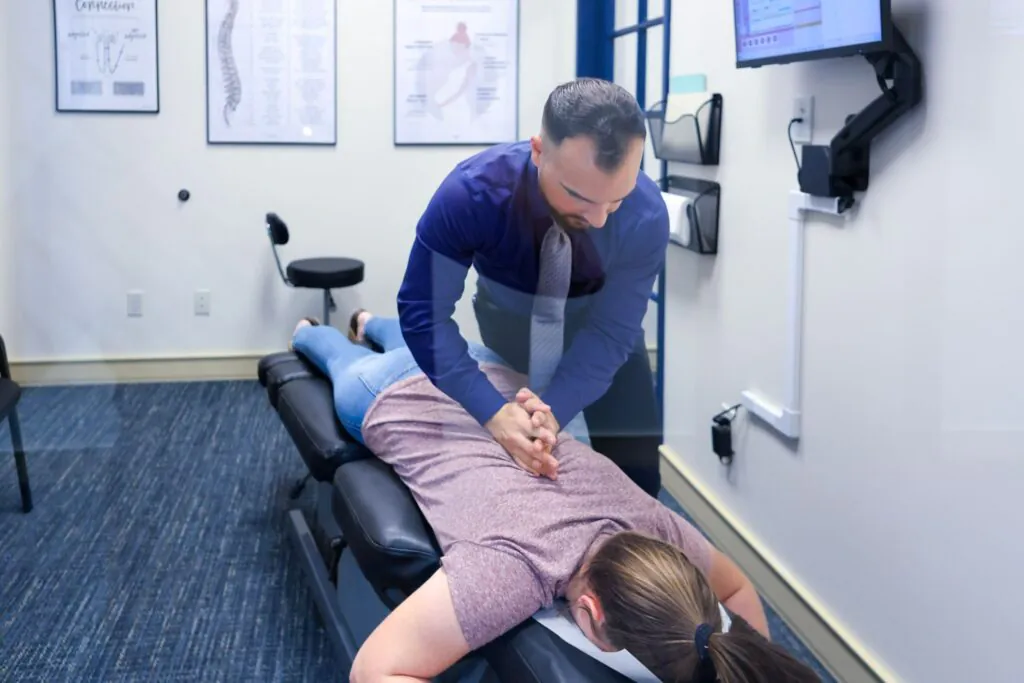

As a local chiropractor, I understand how disruptive back pain can be to your everyday life. Many of my patients have experienced this discomfort, and I’ve seen firsthand how effective stretches can be in alleviating tension and maintaining flexibility. Incorporating specific stretches into your daily routine can significantly contribute to a healthier back.
Whether you find yourself at home or at work, there are certain stretches that can target key areas of your body to help prevent discomfort. Allow me to guide you through some effective stretches that can make a real difference in your daily life. By understanding and practicing these movements, you can take proactive steps toward a pain-free back. Let’s explore these stretches together and discover which ones resonate with you!
Cat-Cow Stretch
As a chiropractor, I often recommend the Cat-Cow Stretch to my patients as a simple yet effective way to enhance flexibility and relieve tension in the back.
This dynamic movement is easy to integrate into your daily routine, and it can significantly contribute to your overall spinal health.
To perform the Cat-Cow Stretch, begin by getting on all fours, ensuring your hands are positioned directly beneath your shoulders and your knees are under your hips.
As you take a deep breath in, arch your back gently, lifting your head and tailbone toward the ceiling—this is known as the Cow position.
On your exhale, round your spine by tucking your chin and tailbone inward, transitioning into the Cat position.
Flowing between these two poses while synchronizing your breath can help warm up your spine and loosen tight muscles.
Aim for about 5 to 10 repetitions, paying close attention to the sensations in your back and abdomen.
This stretch not only improves posture and increases spinal mobility but also encourages a deeper connection to your breath, which is vital for overall well-being.
Incorporating the Cat-Cow Stretch into your daily routine can be an excellent preventative measure against back pain and discomfort.
As you learn to listen to your body through movements like this, you’ll be taking an important step toward maintaining a healthy spine and enhancing your quality of life.
Child’s Pose
As a chiropractor, I often recommend Child’s Pose to my patients seeking relief from back tension and improved relaxation.
This gentle stretch isn’t only easy to perform, but it also complements your overall wellness routine effectively.
Child’s Pose can help release tightness in your back muscles, promoting better spinal alignment and encouraging a sense of calm.
It’s a wonderful way to incorporate natural healing into your daily life.
Let’s go over the benefits of this pose and how to perform it correctly for optimal results.
Benefits of Child’s Pose
As a local chiropractor, I want to share with you the incredible benefits of incorporating Child’s Pose into your routine, especially if you’re dealing with back pain. This gentle stretch isn’t just a yoga pose; it can be a transformative tool for relieving discomfort and fostering relaxation.
When you practice Child’s Pose, you’re essentially allowing your spine to lengthen and tension to dissipate. By kneeling and bending forward, you create much-needed space between your vertebrae, which can significantly alleviate discomfort many of my patients experience.
Moreover, this pose promotes deep breathing, which enhances oxygen flow throughout your body – something that’s crucial for muscle recovery and overall health.
Beyond the physical benefits, Child’s Pose has a calming effect on the mind. Many of my patients find that stress levels, which often exacerbate back pain, can be reduced through the mindful practice of this pose.
It also opens up the hips and stretches the lower back, providing a comforting release that many of us crave in our busy lives.
By incorporating Child’s Pose into your daily routine, you’re not only addressing your physical health, but you’re also nurturing your mental well-being. This restorative stretch offers a holistic approach to back pain relief that aligns beautifully with our philosophy of natural healing.
I encourage you to embrace this practice as part of your journey to better health.
How to Perform
As a chiropractor, I want to introduce you to a simple yet effective stretch called Child’s Pose, which can be a valuable addition to your self-care routine. This pose is excellent for promoting relaxation and alleviating tension, especially in your back.
Here’s how to perform it properly:
- Start by kneeling on a comfortable surface, such as a yoga mat. Position your big toes together and allow your knees to spread apart. This creates space for your torso to sink gently between your thighs.
- Extend your arms out in front of you, lowering your forehead to the ground. As you do this, take a moment to feel the stretch throughout your back and shoulders, which can help relieve any built-up tension.
- Focus on your breath. Inhale deeply and exhale slowly, holding this pose for anywhere from 30 seconds to a minute. This mindful breathing will help you relax and release any lingering stress in your body.
Always pay attention to how your body feels. If you experience any discomfort, it’s important to modify your position or come out of the pose gently.
Incorporating stretches like Child’s Pose into your routine can be beneficial for alleviating back pain and enhancing your overall well-being.
Seated Forward Bend
As a local chiropractor, I want to share with you the benefits of the Seated Forward Bend, a simple yet effective stretch that can significantly alleviate tension in your back and hamstrings.
This stretch is an excellent way to enhance your overall well-being and can be easily incorporated into your daily routine.
To perform the Seated Forward Bend, find a comfortable spot on the floor and sit with your legs extended straight out in front of you. It’s important to keep your spine tall and engage your core muscles.
Take a moment to inhale deeply, filling your lungs, and as you exhale, gently hinge at your hips to lean forward. Reach your hands toward your feet, or if that feels too challenging, you can grab your shins instead.
Focus on lengthening your spine during this stretch rather than forcing your body downward. Hold this position for 20 to 30 seconds, breathing deeply throughout the process. You should feel a gentle stretch along your back and hamstrings.
Listen to your body; if you experience any discomfort, ease off a bit.
Incorporating the Seated Forward Bend into your routine not only helps increase flexibility but also promotes relaxation, which is vital for maintaining a healthy spine.
Regular practice of this stretch can prevent back pain and enhance your overall health.
Standing Hamstring Stretch
As a local chiropractor, I often emphasize the importance of flexibility and tension relief for overall health and well-being.
One effective way to achieve this is through the Standing Hamstring Stretch. This simple yet powerful stretch can significantly improve your flexibility and help alleviate tension in your back, which is crucial for maintaining a healthy spine and preventing injuries.
Incorporating the Standing Hamstring Stretch into your daily routine can offer numerous benefits, including a reduced risk of injury and enhanced mobility.
It’s essential to perform this stretch correctly to maximize its effects. Let me guide you through the proper technique, so you can fully experience the advantages it brings to your body and support your journey towards natural healing.
Benefits of Stretching
As a local chiropractor, I often encounter patients who may not fully appreciate the significant role that stretching plays in maintaining a healthy body. One stretch I highly recommend is the standing hamstring stretch, which can be incredibly beneficial in alleviating back pain. This stretch focuses on your hamstrings, but its advantages extend far beyond just that:
- Increased Flexibility: By incorporating regular hamstring stretches into your routine, you can significantly enhance your overall flexibility. This improvement makes everyday movements, whether it’s bending to tie your shoes or reaching for something on a high shelf, much easier and more fluid.
- Improved Posture: Many individuals may not realize that tight hamstrings can lead to poor posture. When these muscles are stretched, they lengthen, which helps promote better spinal alignment. This can result in reduced strain on your back and neck, contributing to overall wellbeing.
- Reduced Muscle Tension: Stretching is an effective way to release the built-up tension in your muscles. By doing so, you not only alleviate discomfort but also help prevent future pain from developing. It’s an essential part of a holistic approach to your health.
Proper Technique Guidelines
As a local chiropractor dedicated to promoting natural healing and overall wellness, I want to help you understand how to properly perform a standing hamstring stretch. This stretch is an excellent way to enhance flexibility and alleviate tension in your lower back and legs.
Begin by standing tall with your feet positioned hip-width apart. It’s important to maintain a slight bend in your knees. From there, hinge at your hips while keeping your back straight. As you lower your torso, aim to reach toward your toes or the ground. You should feel a gentle stretch in the back of your legs, which is perfectly normal.
Hold this position for about 15 to 30 seconds, breathing deeply and ensuring that your neck and shoulders remain relaxed throughout the stretch. Be cautious not to round your back, as this can lead to discomfort or injury.
When you’re ready to come out of the stretch, engage your core muscles, and slowly rise back up to a standing position. Regular practice of this stretch can significantly improve your flexibility and help prevent back pain, which is crucial for maintaining a healthy spine and overall well-being.
Spinal Twist
As a chiropractor dedicated to helping you understand the benefits of natural healing, I want to introduce you to a simple yet powerful stretch known as the spinal twist.
While it might seem unconventional, twisting can be an effective way to relieve back pain, enhance flexibility, and promote overall spinal health.
Let me guide you through the steps to perform the spinal twist:
- Start Position: Begin by sitting on the floor with your legs extended straight out in front of you. Bend your right knee and place your right foot on the outside of your left thigh.
- Twist: Gently place your left elbow outside of your right knee to assist in the twisting motion. As you inhale deeply, focus on lengthening your spine. Then, as you exhale, allow yourself to gently twist to the right side.
- Hold: Remain in this position for 20-30 seconds, taking deep breaths. This will help you deepen the stretch. Once you’re finished, switch sides to ensure balanced stretching on both sides.
Incorporating the spinal twist into your daily routine can significantly improve your back’s flexibility and overall health.
By practicing this stretch regularly, you may find relief from tension and enjoy greater mobility in your everyday activities.
Cobra Stretch
As a chiropractor, I often recommend incorporating various stretches into your daily routine to promote spinal health and overall well-being. One highly effective stretch that I encourage my patients to consider is the cobra stretch. This stretch not only helps to strengthen your spine but also opens up your chest, which can lead to improved posture and reduced tension in your back.
To perform the cobra stretch, start by lying face down on the floor with your legs extended and feet hip-width apart. Position your hands under your shoulders, making sure your elbows are close to your body. As you take a deep breath in, gently press into your hands to lift your chest off the ground.
It’s important to keep your shoulders relaxed and away from your ears, while ensuring that your pelvis remains grounded. Hold this position for 15 to 30 seconds, continuing to breathe deeply throughout the stretch. You should feel a gentle stretch along your abdomen and lower back. When you’re ready to release, simply lower your chest back to the floor.
Incorporating the cobra stretch into your routine can significantly enhance flexibility and help prevent future back pain, making it an excellent addition to your self-care practices.
Figure Four Stretch
As a local chiropractor, I often emphasize the importance of stretching and mobility for overall health, particularly for relieving tension in the hips and lower back.
One effective stretch I recommend is the figure four stretch. Here’s how you can perform it safely and effectively:
- Starting Position: Begin by sitting on the floor with your legs extended in front of you. Bend your right knee and rest your right ankle on your left thigh, forming a figure four shape with your legs.
- Deepening the Stretch: Slowly and gently pull your left knee toward your chest while keeping your right knee open. This action will help you feel a beneficial stretch in your right hip and lower back area.
- Hold and Breathe: It’s essential to maintain this position for 20-30 seconds while taking deep, calming breaths. Afterward, switch sides and repeat the stretch, ensuring you remain relaxed and avoid any straining.
Incorporating the figure four stretch into your daily routine can significantly alleviate tightness in your hips and lower back.
It promotes better posture and enhances your overall mobility. I encourage you to give it a try and experience the relief it can provide.
Pelvic Tilts
As a chiropractor dedicated to natural healing and overall wellness, I want to introduce you to pelvic tilts—an effective exercise that can significantly alleviate back pain and enhance core stability. This simple stretch is something you can easily incorporate into your daily routine, and it’s especially beneficial for those who may not be familiar with chiropractic care.
To perform pelvic tilts, start by lying on your back with your knees bent and feet flat on the floor, positioned hip-width apart. Let your arms rest comfortably at your sides. As you exhale, gently flatten your lower back against the floor by tilting your pelvis upward. Hold this position for a few seconds, then inhale and return to the starting position. Aim to repeat this movement 10 to 15 times.
I encourage you to focus on your breath throughout the exercise. As you tilt your pelvis, visualize your core muscles engaging; this mental connection can enhance the benefits of the exercise and strengthen your abdominal area.
By incorporating pelvic tilts into your routine, you can promote better posture and relieve tension in your lower back, which are essential components of maintaining spinal health.
Hip Flexor Stretch
As a local chiropractor dedicated to improving your overall health and well-being, I want to share an important stretch that can significantly benefit your back health: the hip flexor stretch.
Many people are unaware that tight hip flexors can lead to lower back discomfort, so keeping them flexible is crucial for maintaining a healthy spine.
Here’s how to perform an effective hip flexor stretch:
- Start in a kneeling position: Begin by kneeling on one knee, with the opposite foot planted in front of you, creating a 90-degree angle at both knees.
- Engage your core: It’s essential to keep your back straight while engaging your core muscles. This support is vital for protecting your spine during the stretch.
- Lean into the stretch: Gently push your hips forward until you start to feel a comfortable stretch in the front of your hip. Hold this position for 20-30 seconds, and then switch sides.
Integrating this stretch into your daily routine can alleviate tension in your hips and promote better alignment throughout your body, helping to reduce the risk of back pain.
I encourage you to make this stretch a regular part of your self-care regimen for optimal back health! If you have any questions or would like personalized guidance, feel free to reach out during your next visit.
Conclusion
As a local chiropractor, I want to emphasize the importance of incorporating stretches into your daily routine to help prevent back pain. Many people are unaware of how crucial flexibility and tension reduction are for supporting your spine and overall health. Whether you’re at work or relaxing at home, taking just a few moments to practice these stretches can make a world of difference.
By consistently engaging in these stretches, you may experience improved mobility and less discomfort, which are vital for living a healthier, pain-free life. Remember, caring for your back is essential, and these simple practices can significantly enhance your well-being. So let’s prioritize your spinal health together—start stretching and give your back the attention it truly deserves!