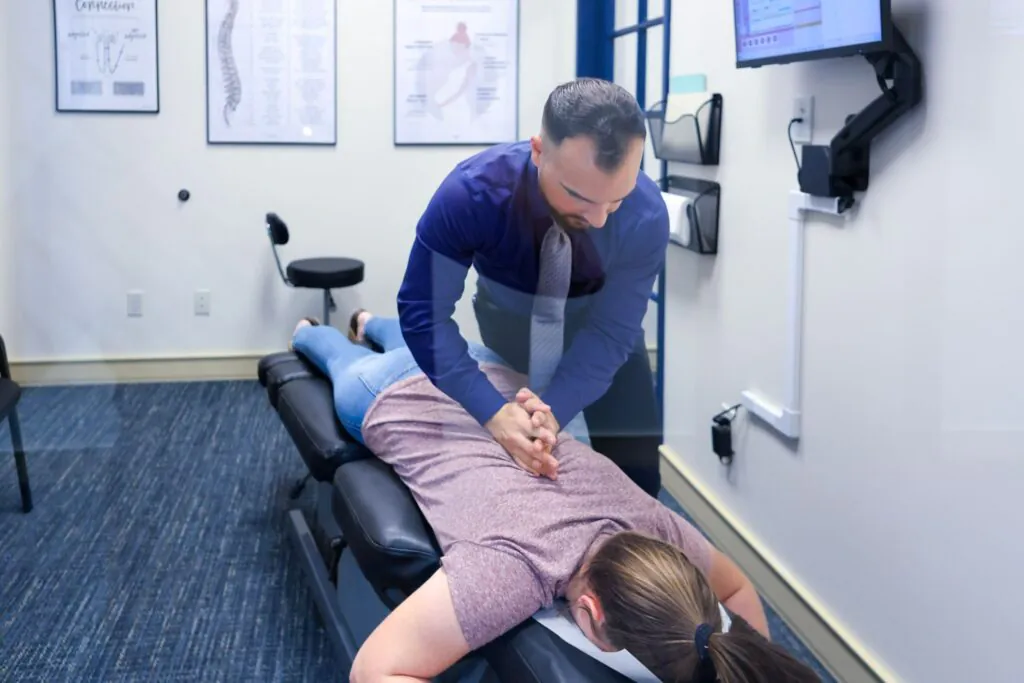

As a local chiropractor, I often see patients struggling with lower back pain, and I understand how this discomfort can significantly impact your daily activities. It’s important to realize that recovery from lower back pain involves more than just taking a break; it requires a holistic approach that supports not only your spine but your overall health as well.
By focusing on correcting your posture and integrating mindful practices into your routine, you can take meaningful steps toward healing. I encourage you to explore the specific strategies that can enhance your recovery process. These tips are designed to empower you and help you regain your quality of life. Let’s work together to find the best path for your recovery!
Maintain Proper Posture
As a local chiropractor, I often find that many people don’t realize the impact their posture has on their overall health, particularly when it comes to lower back pain.
How frequently do you take a moment to assess your posture throughout the day? You might be surprised by how much it contributes to discomfort in your spine.
Maintaining proper posture is essential for keeping your spine aligned and minimizing strain on your muscles. When sitting, it’s important to keep your back straight and your feet flat on the floor. If you’re standing, try to distribute your weight evenly across both feet.
I understand that it can be easy to slip into a slouched position, especially when you’re engrossed in work or other tasks. However, this can lead to significant discomfort and pain over time.
To support your posture, consider using ergonomic chairs and adjustable desks that promote a healthier alignment. Also, make it a habit to take regular breaks to stretch your body, particularly if you spend long hours at a desk.
Being mindful of your posture can greatly enhance your back health. You have the ability to create a more comfortable environment for your spine.
So, take a moment to check in with your body; adjust your posture if necessary, and remember that small changes can lead to significant improvements in your well-being.
If you have any questions about how chiropractic care can further support your posture and overall health, feel free to reach out!
Engage in Regular Exercise
As a local chiropractor, I want to emphasize the importance of engaging in regular exercise for your recovery from lower back pain. It’s a fundamental aspect of your healing journey.
Incorporating stretching and flexibility exercises can significantly enhance your mobility, allowing you to move more freely and comfortably. Additionally, strength training is vital as it helps build the muscles that support your spine, providing better stability and reducing the risk of future injuries.
By staying active, you not only alleviate pain but also boost your overall health and well-being.
Stretching and Flexibility Exercises
As a local chiropractor, I want to emphasize the critical role that stretching and flexibility exercises play in your recovery from lower back pain. Many individuals often underestimate the benefits of these practices, but integrating flexibility exercises into your daily routine can significantly enhance your healing process. Stretching promotes better blood circulation, alleviates muscle tension, and improves your overall range of motion.
I recommend starting with gentle stretches such as the cat-cow or child’s pose, which can specifically target and relieve tension in your lower back. Make stretching a daily habit, placing particular emphasis on your hamstrings, hip flexors, and the muscles in your lower back. Aim to hold each stretch for 15 to 30 seconds, and remember to breathe deeply; this will help you relax and maximize the benefits of each stretch.
As you become more comfortable with these exercises, you might want to explore yoga or pilates. These activities not only focus on flexibility but also on core stability, which is essential for maintaining a healthy spine.
Consistency is crucial in this journey; even dedicating just a few minutes each day to stretching can lead to remarkable improvements in your comfort and mobility. Together, we can work towards enhancing your overall well-being through natural healing methods.
Strength Training Benefits
As a local chiropractor, I want to emphasize the importance of incorporating strength training into your routine, especially if you’re dealing with lower back pain. Building stronger muscles can provide essential support for your spine, which not only alleviates discomfort but also helps prevent future issues.
I recommend focusing on core exercises, as a strong core stabilizes your lower back and contributes to better posture and balance. You don’t necessarily need to use heavy weights; bodyweight exercises such as planks and bridges can be incredibly effective and safe for beginners.
I suggest aiming for two to three sessions a week, making sure to give your muscles the rest they need to recover. Consistency is crucial in this process.
As you begin your strength training journey, you’ll likely notice improvements in your strength, flexibility, and overall well-being, making your daily activities more manageable and enjoyable.
Incorporate Stretching Into Your Routine
As a local chiropractor, I want to emphasize the importance of incorporating stretching into your daily routine.
It plays a vital role in improving flexibility and alleviating lower back pain. To achieve the best results, it’s crucial to focus on specific stretching techniques that target your back and the surrounding muscles.
I encourage you to stretch regularly, ensuring you pay attention to both the frequency and duration of your stretches.
This simple yet effective practice can significantly enhance your overall well-being and support the natural healing process.
Importance of Flexibility
As a local chiropractor, I want to emphasize the crucial role flexibility plays in your recovery from lower back pain. Many people are unaware that maintaining a good range of motion can significantly help prevent stiffness and discomfort.
By incorporating stretching into your daily routine, you not only improve your flexibility but also promote muscle balance and enhance joint health. A flexible body is better equipped to absorb stress, which can lower the risk of further injury.
I encourage you to take just a few minutes each day to stretch your muscles, especially targeting areas that feel tight or tense. Remember, consistency is vital; making stretching a regular habit can lead to substantial benefits.
As you focus on improving your flexibility, you may notice enhanced mobility, reduced discomfort, and an overall improved sense of well-being. By prioritizing flexibility, you’re taking a significant step toward achieving a pain-free back and embracing a more active lifestyle.
My goal as your chiropractor is to support you on this journey to better health through natural healing practices.
Recommended Stretching Techniques
As a chiropractor dedicated to your well-being, I want to share some effective stretching techniques that can significantly help in managing lower back pain. Incorporating these stretches into your daily routine can promote healing and ease discomfort.
Let’s start with the Cat-Cow stretch. This gentle movement helps mobilize your spine and alleviate tension, which is essential for maintaining a healthy back.
Following that, the Child’s Pose is an excellent option; it provides a soothing stretch to your lower back and hips, promoting relaxation and flexibility.
Another beneficial stretch is the Piriformis stretch. This targets tightness in the gluteal muscles, which can often contribute to lower back pain. By relieving this tension, you can alleviate pressure on your lower back and improve overall comfort.
Don’t overlook the Knee-to-Chest stretch, either. This simple yet effective stretch relaxes your back and enhances flexibility, making it easier to perform daily activities.
For best results, hold each stretch for about 15-30 seconds, and remember to focus on deep, steady breaths throughout.
Incorporating these stretches consistently is key to experiencing their full benefits. I encourage you to make them a regular part of your day.
Frequency and Duration
As a local chiropractor, I want to emphasize the importance of incorporating stretching techniques into your daily routine to enhance your overall well-being.
To truly benefit from these practices, I recommend dedicating at least 10-15 minutes each day to stretching. You don’t need to tackle all the stretches in one go; feel free to break them up into shorter sessions throughout your day.
It’s particularly beneficial to focus on stretching your lower back, hips, and legs, as tension in these areas can often lead to back pain.
Consistency is crucial for achieving results, so try to integrate stretching into your daily schedule at the same times, whether that’s in the morning to start your day or in the evening to unwind before bed.
Always listen to your body and adjust the frequency of your stretches based on how you feel.
With time, you’ll likely notice improved flexibility and a reduction in discomfort, which can help pave the way for a stronger, healthier back.
Utilize Heat and Cold Therapy
As a local chiropractor, I want to share some effective methods for managing lower back pain that you mightn’t be familiar with. One of the most valuable techniques we recommend is the use of heat and cold therapy, which can significantly enhance your recovery process.
Heat therapy is particularly beneficial for relaxing tight muscles and improving blood circulation, making it an excellent option for relieving stiffness in your back. You can easily apply heat by using a heating pad, wrapping a warm towel around the affected area, or even enjoying a warm bath.
Just remember to set a timer to ensure you don’t overheat your skin, as we want to promote comfort without causing irritation.
On the flip side, cold therapy is highly effective for reducing inflammation and numbing acute pain. I often recommend applying ice packs or gel packs to the painful area for about 15-20 minutes.
It’s crucial to wrap the ice in a cloth to protect your skin from frostbite.
Many patients find that alternating between heat and cold therapy can provide the best relief, as it addresses both discomfort and promotes healing.
By incorporating these simple yet powerful methods into your pain management routine, you can take a proactive approach to tackle lower back pain and enhance your overall well-being.
Consider Physical Therapy
As you explore various methods for recovery, it’s essential to consider chiropractic care as a valuable addition to your healing journey. Working with a licensed chiropractor can help you restore balance to your body, improve mobility, and alleviate discomfort. They’ll evaluate your specific condition and develop a personalized treatment plan that addresses your unique needs.
Chiropractic care focuses on aligning the spine and enhancing joint function, which can significantly improve your overall health. Through gentle adjustments and targeted therapies, you can experience increased flexibility and strength, reducing the risk of future injuries.
You’ll also gain insights into proper body mechanics, which are crucial for everyday activities and maintaining your well-being. In addition to spinal adjustments, chiropractic treatment may incorporate techniques such as soft tissue therapy and rehabilitative exercises to relieve tension and promote healing.
Consistency is vital, so attending regular sessions and applying what you learn at home will maximize your results and support your journey toward optimal health.
Explore Massage Therapy
As a chiropractor, I believe that exploring massage therapy can be a significant step in your recovery journey from lower back pain. This approach not only provides physical relief but also promotes relaxation, which is essential for healing.
When you receive a massage, skilled practitioners focus on easing muscle tension and improving circulation, both of which are crucial for your overall wellness.
There are various techniques available, such as deep tissue or Swedish massage, each targeting specific areas of discomfort to help alleviate pain effectively. I often recommend these therapies alongside chiropractic care, as they can enhance the results of your adjustments.
Regular massage sessions can do more than just relieve your immediate symptoms; many of my patients report long-lasting benefits, including reduced stress and improved mobility.
It’s important to have open communication with your massage therapist about your specific needs, ensuring that they can focus on the areas that require attention.
Creating a soothing environment during your massage can significantly enhance the overall experience.
If you’re looking for a holistic approach to managing your lower back pain, I encourage you to consider incorporating massage therapy into your routine. It may be just what you need for effective relief and a smoother recovery process.
Stay Hydrated
As a local chiropractor, I want to emphasize the importance of staying hydrated for your overall health, particularly when you’re recovering from lower back pain.
Many people may not realize that water is crucial for maintaining healthy muscles and ensuring they function properly.
By drinking enough water throughout the day, you’re not just quenching your thirst; you’re actively supporting your body’s natural healing process.
Proper hydration can help alleviate discomfort and enhance your recovery, so let’s make it a priority in your journey toward better health!
Importance of Water Intake
As a local chiropractor, I want to emphasize the critical role that proper hydration plays in your overall health, particularly when you’re on the journey to recover from lower back pain.
Drinking sufficient water daily isn’t just a good habit; it’s essential for maintaining the health of your spine. When you’re well-hydrated, it helps keep the spinal discs elastic, which is crucial for cushioning your vertebrae and supporting your spine. This can significantly reduce pressure on your lower back, providing relief from discomfort.
Additionally, staying hydrated supports the transportation of nutrients throughout your body, which is key in helping repair any damaged tissues. It’s important to recognize that dehydration can lead to muscle stiffness and spasms, potentially worsening your pain.
I recommend aiming for at least eight glasses of water each day, although you may need more depending on your activity level. Remember, hydration isn’t solely about drinking water; incorporating fruits and vegetables with high water content into your diet is also beneficial.
Hydration and Muscle Health
As a local chiropractor, I want to emphasize the crucial role that hydration plays in maintaining muscle health and overall body performance. Many people underestimate how much water influences how our bodies function. Adequate hydration is essential for your muscles to operate effectively, helping to minimize the risk of cramps and strains that can worsen lower back pain.
When you’re well-hydrated, your muscles can contract and relax more efficiently, leading to smoother movements and better overall physical performance. I recommend that you drink water consistently throughout the day, particularly before, during, and after any exercise. If you notice that you’re feeling thirsty, it’s a signal from your body that you may already be dehydrated, so it’s important to listen to those cues.
In addition to drinking water, consider incorporating water-rich foods such as fruits and vegetables into your diet. These can provide extra hydration and support your overall health.
Focus on Your Diet
As a local chiropractor, I want to emphasize an often-overlooked aspect of healing: your diet. While you might think of chiropractic care as solely focused on spinal adjustments, the truth is that what you eat can significantly influence your recovery from lower back pain.
The right nutrition plays a crucial role in reducing inflammation and aiding tissue healing, which are vital for your overall recovery process.
Here are some dietary elements that I encourage you to incorporate into your daily routine to support your healing:
- Omega-3 fatty acids: These healthy fats, found in fish, flaxseeds, and walnuts, are excellent for reducing inflammation in your body, which can help alleviate pain.
- Leafy greens: Vegetables like spinach and kale aren’t just good for your overall health; they’re also rich in vitamins and minerals that promote strong bones, which is essential when you’re recovering from back pain.
- Lean proteins: Foods such as chicken, turkey, and legumes provide the essential amino acids your body needs for muscle repair, helping to strengthen the area around your spine.
- Antioxidant-rich fruits: Berries and citrus fruits are fantastic for fighting oxidative stress and inflammation, giving your body the support it needs to heal effectively.
By making mindful dietary choices alongside your chiropractic treatments, you can enhance your recovery journey and improve your overall well-being.
Practice Mindfulness and Relaxation Techniques
As a local chiropractor, I want to share how important it’s to not only nourish your body with the right foods but also to practice mindfulness and relaxation techniques for a more effective recovery from lower back pain.
Mindfulness is a powerful tool that allows you to stay present, helping to reduce the stress and tension that can worsen your discomfort. I recommend setting aside just a few minutes each day to focus on your breathing. Inhale deeply, hold it for a moment, and then exhale slowly, allowing yourself to release any negative thoughts or worries.
In addition to mindfulness, incorporating relaxation techniques can be incredibly beneficial. One effective method is progressive muscle relaxation, where you systematically tense and then relax each muscle group, starting from your toes and moving up through your body.
This practice not only helps relieve physical tension but also fosters a sense of calm. Gentle yoga and meditation are also excellent options that can enhance your flexibility and overall mental well-being.
By integrating these mindfulness and relaxation practices into your daily routine, you’ll not only assist in your lower back recovery but also cultivate a more balanced and peaceful mindset.
Consult a Healthcare Professional
When it comes to managing lower back pain, consulting with a chiropractor can be an essential step towards a safe and effective recovery. As a chiropractor, my goal is to help you understand the underlying causes of your discomfort and create a personalized treatment plan that aligns with your body’s natural healing abilities.
Ignoring the signs of pain and skipping professional guidance can lead to more serious issues down the line.
Here are some compelling reasons to consider chiropractic care:
- Comprehensive Assessment: We take the time to evaluate your condition thoroughly, helping you gain clarity on what may be causing your pain.
- Tailored Treatment Strategies: Our approach is personalized, focusing on techniques that are specific to your needs and health goals.
- Preventative Care: We provide education and strategies to help you avoid future injuries and maintain a healthy spine.
- Holistic Resources: You’ll have access to various natural healing methods, including adjustments, stretches, and lifestyle modifications.
Don’t hesitate to seek assistance. I can guide you through gentle exercises, recommend effective pain management options, and offer lifestyle tips that can significantly enhance your recovery.
Conclusion
As a local chiropractor, I want to share with you ten valuable tips that can significantly enhance your recovery from lower back pain. It’s crucial to start with maintaining proper posture throughout your day—this can prevent additional strain on your back. Staying active is equally important; I encourage you to engage in regular exercise tailored to your ability. Incorporating stretching into your daily routine can also provide relief and improve flexibility.
Don’t overlook the benefits of heat and cold therapy, as they can soothe inflammation and promote healing. Staying well-hydrated and eating a balanced diet rich in nutrients will support your overall health and recovery. Furthermore, mindfulness practices, such as meditation or deep breathing exercises, can be beneficial in managing pain and reducing stress.
If you find that your pain persists, please don’t hesitate to consult with a healthcare professional like myself. Together, we can explore chiropractic care and natural healing methods to help you take charge of your recovery journey. Embrace the path to a healthier, pain-free lifestyle!