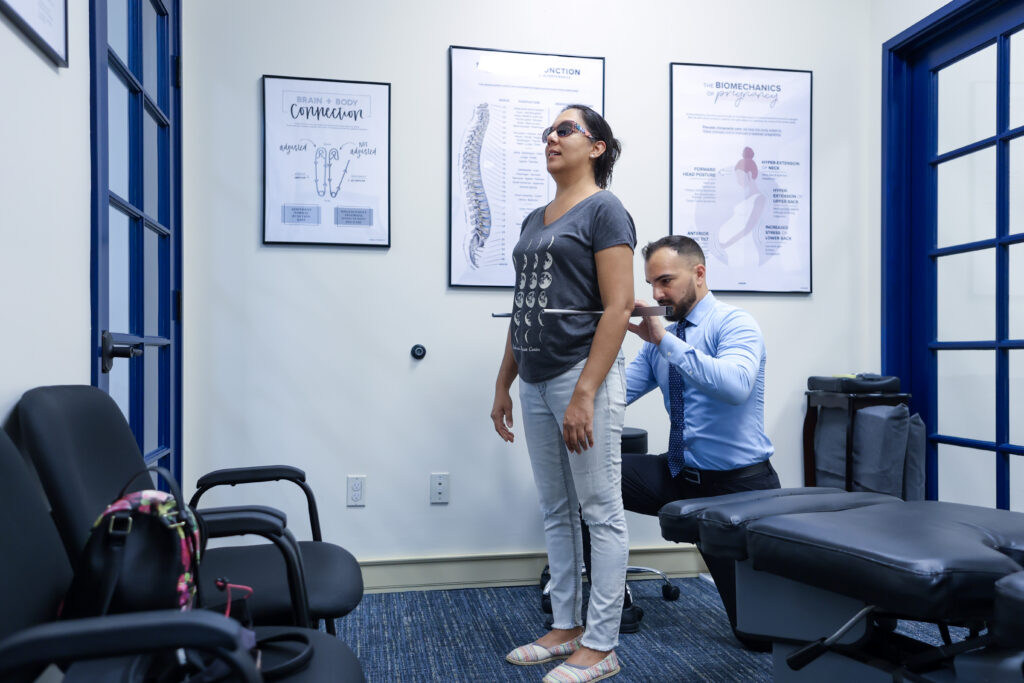

If you’ve ever dealt with headache pain, you understand just how disruptive it can be to your daily life. Often, these headaches stem from poor posture and tension in your muscles, which can lead to spinal misalignments. Fortunately, there are effective, natural strategies you can implement to alleviate discomfort and promote spinal alignment.
Chiropractic care is an excellent option for addressing headaches at their root cause. Regular adjustments can help relieve tension and realign your spine, leading to lasting relief. In addition to chiropractic treatments, there are simple lifestyle changes you can make to enhance your well-being and reduce headache occurrences.
Here are some tips to help you on your journey to better health:
- Maintain Good Posture: Be mindful of your posture throughout the day, whether you’re sitting at a desk or standing. Keeping your spine aligned can prevent unnecessary tension in your neck and shoulders.
- Stay Hydrated: Dehydration can lead to headaches, so make sure you’re drinking plenty of water throughout the day. Proper hydration supports overall health and can help minimize headache triggers.
- Incorporate Core-Strengthening Exercises: Strengthening your core can improve your posture and reduce strain on your spine. Simple exercises like planks and bridges can be effective and are easy to incorporate into your routine.
- Take Breaks from Screens: If you spend long hours in front of a computer, remember to take regular breaks. Stand up, stretch, and give your eyes a rest to reduce tension and prevent headaches.
- Practice Stress-Relief Techniques: Stress can be a significant contributor to headaches. Consider practices such as deep breathing, yoga, or meditation to help manage stress levels and promote relaxation.
- Sleep Well: Ensure you’re getting quality sleep by establishing a regular sleep schedule and creating a restful environment. Proper sleep supports your body’s healing processes and can help prevent headaches.
- Visit Your Chiropractor Regularly: Regular chiropractic visits can support your spinal health and help prevent headaches from returning. Your chiropractor can provide personalized care and adjustments to keep your spine aligned.
By incorporating these tips into your daily routine and prioritizing chiropractic care, you can take significant steps toward reducing headache pain and improving your overall health. Remember, you don’t have to suffer through headaches—natural relief is available!
Key Takeaways
7 Tips for Headache Pain and Spinal Alignment
- Practice Good Posture: Keeping your shoulders back and chin tucked not only helps maintain proper spinal alignment, but it can also significantly reduce tension that leads to headaches. By being mindful of your posture throughout the day, you can support your spine and promote overall wellness.
- Regular Stretching: It’s important to stretch your neck, shoulders, and back regularly. This simple practice can relieve tightness and enhance flexibility, which is crucial for maintaining a healthy spine. Incorporate gentle stretches into your daily routine to promote relaxation and prevent headache tension.
- Strengthen Your Core: Engaging in core-strengthening exercises, such as planks and bridges, can play a vital role in reducing neck and back tension. A strong core supports your spine, which may help alleviate headache symptoms. Making core strength a priority can lead to more overall comfort.
- Stay Hydrated: Drinking plenty of water throughout the day is essential for preventing dehydration-related headaches. Proper hydration also helps maintain your energy levels, which is key for feeling your best. Aim to drink water consistently, and consider keeping a water bottle handy as a reminder.
- Consider Chiropractic Care: Regular chiropractic adjustments can effectively address spinal misalignments that contribute to headache pain. Your chiropractor can provide personalized care and recommend specific stretches and exercises tailored to your needs, promoting comfort and long-term relief.
- Mind Your Screen Time: If you spend long hours in front of a computer or looking down at your phone, take frequent breaks to rest your eyes and stretch your neck. This simple practice can help prevent tension headaches and support your spinal health.
- Create a Relaxation Routine: Incorporate relaxation techniques such as deep breathing, meditation, or gentle yoga into your daily life. These practices can help reduce stress and tension in the body, promoting better spinal alignment and helping to keep headaches at bay.
By focusing on these practical tips and prioritizing chiropractic care, you can take significant steps toward achieving optimal health and finding relief from headaches naturally. Remember, a healthy spine is key to a healthy life!
Maintain Good Posture Throughout the Day
Maintaining good posture throughout the day is essential for reducing headache pain and promoting overall wellness. When your spine is aligned, your muscles and ligaments can function properly, which helps to minimize strain. Simple adjustments, like keeping your shoulders back and your chin tucked in, can make a significant difference in how you feel.
If you find yourself working at a desk frequently, it’s important to position your computer screen at eye level and choose a chair that supports your lower back. This will help prevent tension from building up in your neck and shoulders—common culprits of headaches.
Be mindful of how you distribute your weight when standing; try to keep it evenly balanced on both feet. If you notice that you tend to lean forward or hunch over, it’s time to make those corrections. Your body will appreciate it, and you may experience a reduction in discomfort.
Incorporate Regular Stretching Into Your Routine
Incorporating regular stretching into your routine can be a game-changer for reducing headache pain and improving your spinal alignment. As a chiropractor, I want to emphasize that effective stretching techniques, when practiced consistently, can significantly enhance your overall wellness. Stretching not only helps relieve tension in your muscles but also complements the benefits of chiropractic care, promoting a healthier spine and body.
Here are some key benefits of regular stretching:
- Relief from Headaches: Tight muscles in your neck and upper back can contribute to headaches. By incorporating stretching into your daily routine, you can alleviate this tension and reduce the frequency and intensity of your headaches.
- Improved Spinal Alignment: Stretching helps to maintain flexibility in your muscles and joints, which is crucial for proper spinal alignment. When your body is flexible, it can better support the natural curves of your spine, making it less prone to misalignments.
- Enhanced Overall Well-being: Regular stretching can improve circulation, increase relaxation, and boost your mood. It’s a simple yet effective way to take care of your body and mind.
To make stretching an integral part of your daily life, consider these strategies:
- Set a Routine: Dedicate a few minutes each day to stretching. Whether it’s in the morning to wake up your body or in the evening to unwind, find a time that works best for you.
- Focus on Key Areas: Pay special attention to areas that often hold tension, such as your neck, shoulders, and lower back. Gentle stretches targeting these areas can provide significant relief.
- Listen to Your Body: Stretching should feel good, not painful. If you experience discomfort, ease off and adjust the stretch to a level that feels comfortable.
- Pair with Chiropractic Care: Regular chiropractic adjustments can enhance the benefits of your stretching routine. A chiropractor can help identify misalignments and provide tailored advice on stretches that best suit your individual needs.
Benefits of Stretching
As a chiropractor, I want to share some valuable insights about the importance of stretching for your overall health, particularly in relation to spinal alignment and pain relief. Regular stretching can significantly enhance your flexibility and posture, which are crucial for maintaining a healthy spine. Proper spinal alignment not only helps you stand tall but also alleviates tension in your neck and shoulders—common culprits behind headache pain.
Incorporating simple stretching exercises into your daily routine can yield remarkable benefits. Stretching not only improves blood circulation, delivering vital nutrients to your muscles, but also helps ease discomfort that can arise from muscle tightness.
Here’s a quick overview of the key benefits of stretching:
| Benefits of Stretching | Description |
|---|---|
| Improves Flexibility | Increases range of motion in joints, allowing for easier movement |
| Enhances Posture | Supports proper alignment of the spine, promoting a healthier back |
| Reduces Muscle Tension | Relieves tightness that can contribute to headaches and discomfort |
| Boosts Circulation | Increases blood flow, helping reduce pain and stiffness in your muscles |
To make the most of your stretching routine, consider these simple tips:
- Consistency is Key: Aim to stretch daily, even if it’s just for a few minutes. Regular practice can lead to more significant improvements over time.
- Listen to Your Body: Pay attention to what feels good and avoid pushing yourself too hard. Stretching should feel refreshing, not painful.
- Focus on Areas of Tension: Target areas where you often feel tightness, such as your neck, shoulders, and back. Gentle stretches can help alleviate that discomfort.
- Combine with Chiropractic Care: Regular chiropractic adjustments can complement your stretching routine. They can help ensure your spine is aligned correctly, enhancing the benefits of your stretching efforts.
Making stretching a priority, alongside chiropractic care, can lead to a healthier, more comfortable life. By taking these simple steps, you’re investing in your well-being and promoting natural healing in your body. Remember, your spine is the foundation of your health—let’s keep it strong and aligned!
Effective Stretching Techniques
To incorporate a successful stretching routine into your daily life, it’s important to utilize techniques that not only enhance your flexibility but also promote spinal health and overall wellness.
Start with gentle neck stretches by tilting your head from side to side, holding each position for a few seconds. This can help relieve tension and improve mobility in your cervical spine.
Next, try shoulder rolls to release tightness; smoothly roll your shoulders forward and backward. This simple movement can alleviate stress and improve circulation in the upper body, which is essential for maintaining a healthy spine.
Incorporate standing forward bends to ease tightness in your back and hamstrings. Bend at the hips and reach for your toes, allowing your spine to lengthen. This stretch not only benefits your muscles but also helps maintain proper alignment of your vertebrae.
For a quick chest opener, clasp your hands behind your back and gently lift your arms. This counteracts the forward posture many of us adopt during daily activities, promoting better spinal alignment and easing tension in the chest and shoulders.
Remember to breathe deeply throughout each stretch. Deep breathing not only enhances relaxation but also increases oxygen flow to your muscles, aiding in recovery and promoting overall health.
Consistency is key to reaping the benefits of these stretches. Aim to include them in your daily routine, and consider visiting a chiropractor to further support your journey toward optimal health and wellness. Chiropractic care can provide personalized guidance and adjustments that enhance your stretching routine, ensuring that your spine is in the best condition possible for a pain-free and healthy life.
Frequency and Duration
Maintaining a flexible and healthy spine goes beyond just the occasional stretch; it requires a consistent commitment to your well-being. As a local chiropractor, I encourage you to weave stretching into your daily routine. Aim for at least 10 to 15 minutes of stretching each day. You don’t need to fit it all into one session; breaking it up into shorter stretches throughout the day can be just as beneficial.
Focus on key areas where tension often accumulates, like your neck, shoulders, and back. These areas are crucial for maintaining proper spinal alignment and can help alleviate headache pain. Remember, the goal is to not only stretch but to support your spine’s health, enhancing your overall wellness.
It’s important to listen to your body. If you’re feeling tightness, use it as a signal to stretch a bit more frequently. By making stretching a regular habit, you’re not just investing in your spine; you’re investing in your overall health.
In addition to stretching, regular chiropractic care can be a fantastic way to ensure that your spine remains aligned and functioning optimally. Chiropractors are trained to address spinal issues and help you maintain a pain-free lifestyle naturally. So, consider incorporating both stretching and chiropractic visits into your health regimen for the best results. Together, they can pave the way for a healthier, more vibrant you!
Strengthen Your Core Muscles
Strengthening your core muscles can significantly help alleviate headache pain by promoting better spinal alignment. A strong core provides essential support for your spine, which can reduce tension in your neck and back—common contributors to headaches.
As a chiropractor, I emphasize the importance of natural methods for pain relief and wellness. Here are three effective exercises you can easily incorporate into your routine to build core strength and support your overall health:
- Planks: To perform a plank, hold a straight position on your forearms and toes, keeping your body in a straight line from head to heels. Aim to hold the position for 30 seconds to a minute. Focus on engaging your core muscles throughout. This exercise not only strengthens your core but also promotes stability and posture.
- Bridges: Lie on your back with your knees bent and feet flat on the floor. Slowly lift your hips towards the ceiling while squeezing your glutes. Hold this position for a few seconds before gently lowering your hips back down. Bridges are excellent for strengthening your lower back and glutes, which are important for spinal support.
- Bird-Dogs: Start on all fours with your hands under your shoulders and knees under your hips. Extend one arm forward and the opposite leg back at the same time, creating a straight line from fingertips to toes. Hold for a moment, then switch sides. This exercise enhances balance and coordination while engaging your core muscles.
Incorporating these exercises into your daily routine can help you develop a strong core, leading to improved spinal alignment and reduced headache pain. Remember, consistency is key!
Additionally, consider visiting your local chiropractor for personalized guidance on developing a comprehensive wellness plan tailored to your needs. Chiropractic care not only addresses pain but also promotes natural healing and overall health. Embrace these exercises as part of your journey to a healthier, headache-free life!
Use Ergonomic Furniture and Equipment
Incorporating ergonomic furniture and equipment into your workspace can significantly boost your comfort and help alleviate headache pain. As a chiropractor, I emphasize the importance of a well-designed workspace for supporting spinal health and overall wellness.
Start with an adjustable chair that offers good support for your lower back, promoting proper posture. Your feet should rest flat on the floor, and your knees should form a right angle. This can help reduce strain on your spine and prevent discomfort.
Next, think about a desk that allows you to alternate between sitting and standing. This flexibility is vital for maintaining spinal alignment and preventing stiffness. Also, ensure your computer monitor is positioned at eye level to avoid unnecessary strain on your neck and shoulders, which can lead to headaches.
Pay attention to the placement of your keyboard and mouse as well. Keep them close enough that your arms can remain relaxed while you work. This simple adjustment can reduce tension in your shoulders and wrists.
Don’t forget to consider accessories like wrist supports and footrests, which can create a more comfortable working environment. By making these thoughtful adjustments, you’re taking proactive steps to minimize discomfort and headaches.
Stay Hydrated and Maintain a Balanced Diet
Staying hydrated and eating a balanced diet are essential steps in managing headache pain and promoting overall wellness. As a chiropractor, I often see how these simple lifestyle choices can significantly impact your health. By nourishing your body with nutrient-rich foods and drinking plenty of water, you not only support your overall well-being but also help prevent headache triggers.
Let’s take a closer look at how hydration and nutrition play a role in headache management:
- Hydration: Dehydration is a common trigger for headaches. Ensuring you drink enough water throughout the day can help keep your body functioning optimally. Aim for at least eight glasses of water daily, but remember that individual needs may vary. Keeping a water bottle handy can serve as a reminder to stay hydrated.
- Balanced Diet: Fueling your body with a variety of whole foods, such as fruits, vegetables, whole grains, lean proteins, and healthy fats, can provide the nutrients necessary for maintaining proper bodily functions. Foods rich in magnesium, like spinach and nuts, can be particularly beneficial for headache prevention.
- Mindful Eating: Pay attention to how different foods affect your body. Keeping a food diary can help you identify potential headache triggers, allowing you to make informed choices about what to include or avoid in your diet.
- Regular Meal Times: Skipping meals can lead to fluctuations in blood sugar levels, which might trigger headaches. Try to eat at regular intervals to maintain stable energy levels.
- Chiropractic Care: While nutrition and hydration are crucial, don’t forget the importance of chiropractic care in achieving optimal health. Regular chiropractic adjustments can help alleviate tension in the spine and neck, which may contribute to headache pain. By addressing the root cause of discomfort, chiropractic care can provide lasting relief and support your body’s natural healing process.
Importance of Hydration
Staying properly hydrated is essential for overall health and can significantly help in preventing headache pain. As a chiropractor, I want to emphasize the importance of hydration as a natural way to support your body’s functions and promote wellness.
Here are three straightforward tips to ensure you’re drinking enough water daily:
- Keep Water Accessible: Always have a water bottle with you. Make it a habit to sip water regularly throughout the day. Aim for at least eight 8-ounce glasses, but remember that individual needs may vary based on activity levels and climate.
- Track Your Hydration: It can be helpful to keep an eye on your water intake. Simple apps or even a journal can assist you in monitoring how much you’re drinking. This awareness can motivate you to stay on track.
- Tune into Your Body’s Signals: Pay attention to signs of dehydration, such as thirst or dry mouth. These signals indicate that your body needs more fluids. Staying attuned to your body’s needs is crucial for maintaining optimal health and preventing discomfort.
Nutrient-Rich Foods
Maintaining a balanced diet is crucial for overall wellness and can play a significant role in headache prevention. As a chiropractor, I believe that incorporating nutrient-rich foods into your daily routine can support not only your body but also your spine health. Focus on fresh fruits and vegetables, whole grains, lean proteins, and healthy fats. These foods are essential for fueling your body and promoting optimal health.
Certain foods, like spinach, bananas, and almonds, are particularly beneficial as they provide magnesium and potassium, nutrients that can help alleviate headache symptoms. Remember, a well-nourished body is better equipped to manage pain and stress.
Hydration is just as important as nutrition. Drinking enough water throughout the day is vital for maintaining energy levels and reducing the risk of headaches. Dehydration can lead to discomfort and tension, which can affect your spine and overall well-being.
Avoiding Trigger Foods
Identifying and avoiding certain trigger foods can significantly help reduce the frequency and intensity of headaches, contributing to your overall health and wellness.
As a chiropractor, I emphasize the importance of paying attention to your diet, as it can have a direct impact on your body and well-being. Here are three common trigger foods you may want to steer clear of:
- Aged Cheeses: These cheeses often contain tyramine, which can lead to headaches for some individuals. Being mindful of your cheese choices can be beneficial.
- Processed Meats: Items like hot dogs and deli meats may have preservatives that can trigger headaches. Opting for fresh, whole food sources is always a healthier choice.
- Alcohol: Particularly red wine, can lead to dehydration, which often exacerbates headache symptoms. Staying hydrated is key to preventing headaches and promoting overall health.
Alongside avoiding these potential triggers, I encourage you to stay hydrated and maintain a balanced diet.
Drinking plenty of water and consuming nutrient-rich foods can support your body in managing headaches and promote your overall well-being.
Remember, chiropractic care can also play a vital role in pain relief and natural wellness.
Practice Relaxation Techniques and Stress Management
Practicing relaxation techniques can significantly help reduce headache pain often caused by stress and tension. As a chiropractor, I encourage you to incorporate natural methods like deep breathing, progressive muscle relaxation, and meditation into your daily routine. These techniques not only calm your mind but also help release built-up tension in your body, which can alleviate headache symptoms.
Make it a priority to set aside a few minutes each day for these practices. You don’t need hours—just a few minutes can make a big difference. Find a quiet space, close your eyes, and focus on your breath. As you inhale deeply, visualize bringing in calmness; as you exhale, let go of stress and tension.
Furthermore, integrating gentle yoga or stretching into your routine can also promote relaxation and help maintain proper spinal alignment. This is important because misalignments can often contribute to tension headaches. By focusing on relaxation and spinal health, you aren’t only managing headache pain but also fostering a healthier, more balanced lifestyle.
Schedule Regular Chiropractic Check-ups
Incorporating relaxation techniques into your routine is a fantastic way to build a strong foundation for managing headache pain, but don’t overlook the incredible benefits of regular chiropractic check-ups.
By making these visits a priority, you can tackle spinal alignment issues that might be contributing to your headaches. Here’s why scheduling these appointments is a smart move for your wellness:
1. Spot Misalignments: Your chiropractor is skilled at identifying areas in your spine that may be causing tension and discomfort. By correcting these misalignments, you can help alleviate headache pain at its source.
2. Enhance Body Function: Regular chiropractic adjustments can significantly improve your body’s overall function. This means not only fewer headaches but also a boost in your overall health and vitality.
When your spine is aligned, your nervous system works better, which can lead to a reduction in headache frequency and intensity.
3. Tailored Treatment: Each chiropractic visit is personalized to meet your specific needs. Your chiropractor will assess your progress and adjust treatment plans accordingly, ensuring you receive the most effective care for your unique situation.
In addition to regular check-ups, here are a few simple tips to help you manage headache pain:
- Stay Hydrated: Dehydration can trigger headaches, so make sure you’re drinking plenty of water throughout the day.
- Practice Good Posture: Whether you’re at your desk or on the go, maintaining proper posture can help prevent tension in your neck and shoulders.
- Take Breaks: If you find yourself staring at a screen for long periods, remember to take breaks. This can help reduce eye strain and tension headaches.
By choosing chiropractic care, you’re taking a natural and effective route to achieve optimal health and wellness.
Prioritize your well-being with regular check-ups, and enjoy the benefits of a healthier, headache-free life!