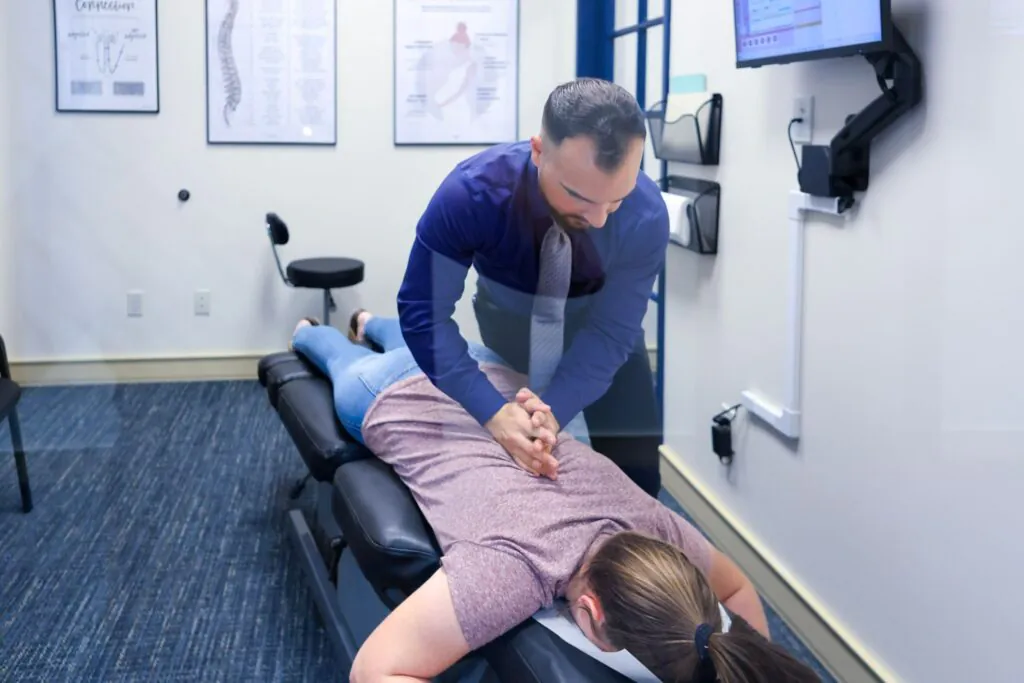

As a local chiropractor, I understand that back pain can feel like an unwelcome companion in your life. However, recognizing the underlying causes is essential for effectively managing and overcoming this discomfort. Many of you may not realize how your daily habits and posture play a significant role in the pain you’re experiencing.
By making simple adjustments to your routine and incorporating specific exercises tailored to your needs, you can begin to experience relief. If you’re feeling uncertain about where to start, don’t worry—I’m here to guide you. Together, we can explore various strategies that will not only help you stand tall but also empower you to reclaim your comfort and well-being through natural healing methods. Let’s embark on this journey towards a pain-free life!
Understanding the Causes of Back Pain
As a local chiropractor, I want to help you understand the various causes of back pain, as this knowledge is crucial for effective treatment and healing.
One of the most common reasons people experience back pain is muscle strain. This often happens when lifting heavy objects incorrectly or maintaining poor posture for extended periods. If you’ve been sitting for long stretches without the right support, you might notice an increase in discomfort in your back.
Another significant contributor to back pain can be herniated discs. This condition arises when the soft material within a spinal disc bulges out and begins to press on nearby nerves, leading to considerable discomfort.
Additionally, conditions such as arthritis can exacerbate back pain due to inflammation affecting your joints.
Lifestyle factors also play a vital role in back health. For instance, being overweight can put extra pressure on your spine, while stress and anxiety may lead to increased muscle tension, which can worsen your pain.
By recognizing these underlying causes, you can take proactive measures towards relief and improve your overall well-being.
As a chiropractor, I’m here to guide you on your journey to better back health through natural healing methods and personalized care.
Effective Exercises and Stretches
As a local chiropractor, I want to help you understand how to effectively manage and alleviate back pain through natural healing methods, including exercises and stretches. The first step in your journey to recovery is recognizing the underlying causes of your discomfort.
Incorporating gentle stretches into your routine, such as the cat-cow and child’s pose, can significantly improve your flexibility and alleviate tension in your spine. Equally important is strengthening your core muscles. Exercises like planks and bridges are excellent choices for providing essential support to your back.
I recommend aiming for three sets of 30 seconds for planks and 10-15 repetitions for bridges. Additionally, don’t overlook the importance of your hamstrings; tightness in these muscles can contribute to back pain. Incorporating standing or seated hamstring stretches can help promote overall flexibility and comfort.
Walking is another beneficial activity to consider adding to your routine. It encourages circulation and strengthens your muscles without putting undue strain on your back. Always remember to listen to your body—if you experience any discomfort, it’s important to stop and reassess.
Ergonomic Adjustments for Your Workspace
As a local chiropractor, I want to emphasize the importance of creating a pain-free workspace through proper ergonomic adjustments. Your posture plays a crucial role in maintaining spinal health and reducing strain on your back.
Start by ensuring your chair is adjusted so that your feet rest flat on the floor, and your knees are in line with your hips. A chair that offers lumbar support can be a game-changer, as it helps preserve the natural curve of your spine.
Next, it’s essential to position your computer screen at eye level and about an arm’s length away. This prevents you from leaning forward, which can lead to discomfort and strain.
If you’re using a keyboard, make sure it’s at elbow height, allowing your wrists to remain straight and relaxed. Keep your mouse close to your keyboard to avoid unnecessary stretching.
I recommend taking regular breaks—stand up, stretch, and walk around at least once every hour to keep your muscles engaged and your circulation flowing. Additionally, it’s wise to keep frequently used items within easy reach to minimize twisting and reaching, which can put added stress on your back.
By implementing these ergonomic adjustments, you’ll cultivate a workspace that not only supports your back but also enhances your overall productivity.
Lifestyle Changes to Support a Healthy Back
As your local chiropractor, I want to share some simple yet effective lifestyle changes that can significantly improve your back health and overall well-being.
First and foremost, staying active is crucial. Regular exercise not only strengthens your core and back muscles but also provides essential support for your spine. I recommend incorporating low-impact activities into your routine, such as walking, swimming, or yoga, which are gentle on the body while promoting strength and flexibility.
It’s also important to be mindful of your posture throughout the day. Whether you’re sitting at a desk, standing, or lifting objects, keeping your back straight and shoulders aligned can help reduce unnecessary strain on your spine.
Maintaining a healthy weight is another key factor. Carrying excess weight can put additional pressure on your spine, leading to discomfort or injury.
Don’t underestimate the power of a good night’s sleep! Choosing a supportive mattress and adopting a sleep position that keeps your spine aligned can make a world of difference in how you feel when you wake up.
Hydration is vital too. Drinking enough water is essential for maintaining the health of your spinal discs, which act as cushions between the vertebrae in your spine.
Lastly, managing stress is critical for muscle relaxation. Techniques such as meditation or deep breathing can help alleviate muscle tension caused by stress.
By implementing these lifestyle changes, you can’t only support your back health but also enhance your overall quality of life.
When to Seek Professional Help
As a local chiropractor, I want to emphasize the importance of knowing when to seek professional help for your back issues. While many conditions can be managed through lifestyle adjustments and self-care, it’s crucial for your long-term health to recognize when it’s time to consult a healthcare professional like myself.
If you’re experiencing persistent pain that lasts longer than a few weeks or if your discomfort increases despite your best efforts, it’s a sign that you should reach out for chiropractic care. Additionally, sensations such as numbness, tingling, or weakness in your legs shouldn’t be ignored—these can point to underlying issues that require immediate attention.
There are also certain red flags to be aware of, such as loss of bowel or bladder control, unexplained weight loss, or pain so severe that it disrupts your daily activities.
I encourage you to listen to your body; if something feels wrong, trust your instincts and seek help.
As a chiropractor, I can help diagnose the cause of your pain and suggest natural, effective treatments tailored to your needs. Early intervention is key to preventing further complications, so please don’t hesitate to reach out when you need support.
Your back health is invaluable, and together, we can work towards restoring your well-being!
Conclusion
As a local chiropractor, I want to share with you some effective strategies that can truly transform your approach to managing back pain. Understanding the root causes of your discomfort is essential, and I encourage you to explore how chiropractic care can help. Incorporating targeted exercises and making ergonomic adjustments in your daily life can significantly improve your spinal health.
It’s also vital to embrace positive lifestyle changes and recognize when it’s time to seek professional guidance. Remember, standing tall, staying active, and tuning into your body’s signals are key components of a healthy back. Your journey to relief and wellness can start right here. Together, we can ensure your back feels its best!