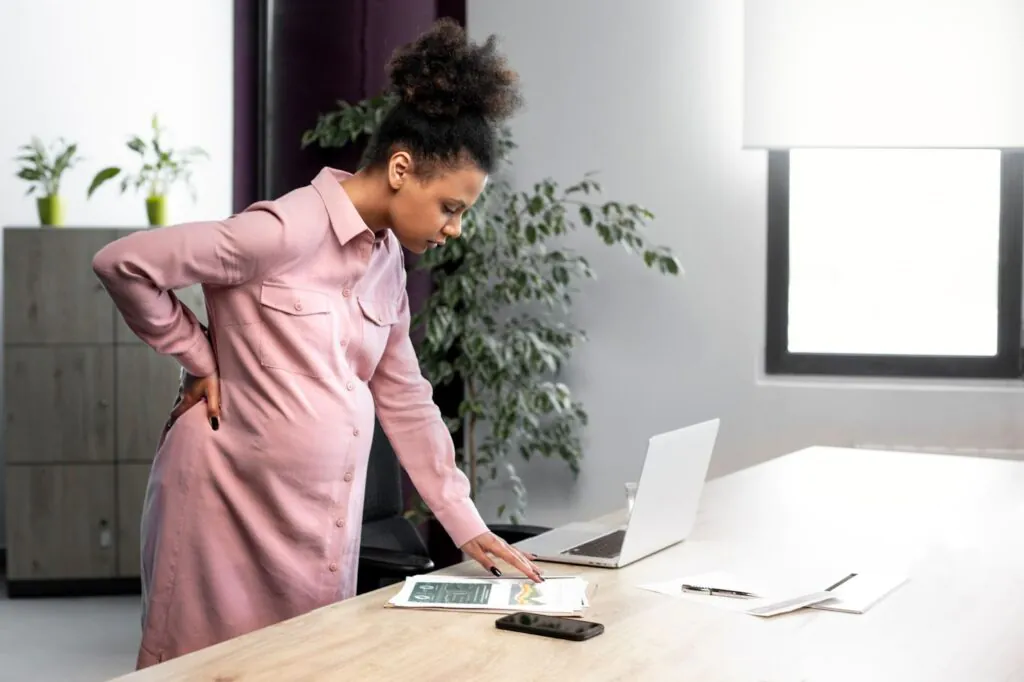
As a local chiropractor, I want to share some valuable insights into preventing back pain, an issue that many of my patients face. Understanding the importance of good posture and how to create an ergonomic workspace is crucial for reducing the strain on your back. Simple changes in your daily environment can make a significant difference in your comfort levels.
Incorporating regular physical activity into your routine is another key factor. It not only strengthens your back but also enhances overall body function. Additionally, being mindful of your footwear can have a surprising impact on your spinal health. Choosing supportive shoes can help align your body properly and prevent unnecessary pain.
Are you curious about how these small adjustments can lead to lasting relief? Together, we can explore effective lifestyle tips that promote a healthier back and overall well-being. Remember, taking proactive steps today can significantly improve your quality of life tomorrow.
Understanding the Importance of Posture
As your local chiropractor, I want to emphasize the importance of maintaining proper posture in your daily life. Not only does good posture help you appear more confident, but it also plays a crucial role in reducing your risk of back pain. When your spine is aligned correctly, your muscles can function optimally, which significantly decreases unnecessary strain.
It’s essential to be mindful of how you sit, especially if you find yourself at a desk for long periods. Aim to keep your feet flat on the ground and your knees bent at a right angle. This simple adjustment can make a significant difference in your comfort level.
When you stand, remember to distribute your weight evenly across both feet, which aids in maintaining balance and reduces fatigue.
Additionally, practicing good posture while walking not only enhances your appearance but also strengthens your core and back muscles, contributing to overall stability and well-being.
Creating an Ergonomic Workspace
As a local Chiropractor, I want to emphasize the importance of creating an ergonomic workspace to support your spinal health and overall well-being.
One of the key elements is the height of your desk. Ideally, you should adjust your desk so that your elbows are at a 90-degree angle when typing or using your mouse. This simple adjustment can significantly enhance your comfort and help prevent strain on your muscles and joints.
Equally important is the chair you choose. Investing in a chair that provides proper support for your lower back is crucial for maintaining good posture throughout the day.
A well-supported spine promotes better alignment, which can reduce the risk of discomfort and pain. Remember, a few small changes in your workspace can lead to a healthier, more productive you!
Desk Height Adjustment
As a chiropractor dedicated to promoting natural healing and overall well-being, I want to emphasize the importance of adjusting your desk height to create an ergonomic workspace. Proper desk height is essential in minimizing back pain and discomfort, which many of my patients experience due to poor posture while working.
When your desk is set at the correct height, it allows your arms to rest comfortably at your sides, with your elbows bent at approximately 90 degrees. This alignment is vital, as it helps to reduce strain on your back and shoulders, areas that I frequently treat in my practice.
To find the ideal desk height, sit in your chair and adjust your workspace so that your wrists remain straight while typing. Your feet should be flat on the floor or supported by a footrest.
It’s also important to position your monitor at eye level to prevent unnecessary neck strain, which can lead to discomfort and tension.
I encourage you to regularly check your setup to ensure it remains comfortable, as our bodies can change over time. By making these simple adjustments, you can significantly enhance your posture and reduce discomfort throughout your workday.
Chair Support Features
As a local chiropractor, I often see patients who underestimate the importance of choosing the right chair for their workspace. An ergonomic chair can significantly enhance your posture and support your back, which is vital for your overall well-being.
When selecting a chair, look for features that promote spinal health, such as lumbar support that aligns with the natural curve of your spine. This support can help alleviate pressure on your lower back and prevent discomfort.
It’s also crucial to have an adjustable seat height, which enables you to keep your feet flat on the floor and your knees at a right angle—this position is key in maintaining good posture.
Don’t overlook the armrests; they should be adjustable as well, as proper arm positioning can help reduce strain on your shoulders and neck. A well-padded seat cushion can make a world of difference, particularly during those long hours spent sitting.
Additionally, consider choosing a chair made of breathable fabric to help keep you cool and comfortable throughout your workday.
Lastly, a swivel base is a feature worth having, as it allows you to reach various areas of your workspace without twisting your spine uncomfortably.
Incorporating Regular Physical Activity
As your local chiropractor, I want to emphasize the importance of regular physical activity for maintaining a healthy back.
It’s crucial to choose low-impact exercises that are gentle on your joints but still effective in strengthening your muscles. Incorporating these exercises into your routine can significantly enhance your overall well-being.
Additionally, don’t overlook the importance of stretching. It plays a vital role in improving flexibility and preventing stiffness, which can contribute to discomfort.
Choose Low-Impact Exercises
As a local chiropractor, I often see patients who are eager to dive into high-intensity workouts, but I want to emphasize the importance of choosing low-impact exercises for your overall spinal health.
Engaging in activities such as walking, swimming, or cycling can provide outstanding cardiovascular benefits without putting unnecessary strain on your spine. These gentle exercises not only strengthen your muscles but also enhance your endurance, which is crucial for supporting your back.
It’s essential to remember that pushing yourself to the limit isn’t necessary; consistency is what truly matters. I recommend aiming for at least 150 minutes of moderate activity each week.
If you’re unsure where to begin, consider joining a gentle yoga or Pilates class. These practices focus on strengthening your core and improving stability, which are vital for a healthy back.
By opting for low-impact workouts, you’re taking proactive steps to protect your spine and promote your overall well-being.
If you have any questions or would like personalized recommendations, please feel free to reach out. Your journey to a healthier back starts with informed choices!
Stretching for Flexibility
As your local chiropractor, I want to emphasize the vital role stretching plays in enhancing your overall flexibility and preventing back pain. Many people aren’t aware that incorporating regular stretching into your daily routine can significantly loosen tight muscles, improve your range of motion, and reduce the risk of injuries. Just dedicating 10-15 minutes each day to stretch can lead to noticeable improvements.
Before engaging in any workout, I recommend performing dynamic stretches to warm up your muscles. After your activity, static stretches are essential for cooling down. It’s important to remember to breathe deeply during these stretches and hold each position for at least 15-30 seconds to reap the full benefits.
Consistency is crucial; I encourage you to make stretching a regular part of your lifestyle. By prioritizing flexibility, you’re actively supporting your spine, maintaining better posture, and ultimately reducing your chances of experiencing back pain.
If you have any questions or need guidance on effective stretches, please don’t hesitate to reach out during your visits. Together, we can work towards your optimal health and well-being.
Stretching and Strengthening Exercises
As a local chiropractor, I want to emphasize the importance of incorporating regular stretching and strengthening exercises into your daily routine to help reduce the risk of back pain.
These exercises not only improve your flexibility but also strengthen the core muscles that provide essential support to your spine.
I recommend starting with gentle stretches, such as the cat-cow or child’s pose, to gently loosen any tight muscles. Following that, include strengthening exercises like planks or bridges, which are excellent for fortifying your back and abdominal muscles.
Ideally, aim for at least 15-30 minutes of these exercises several times a week. You don’t need to be an expert in fitness; even simple routines can create a significant impact.
It’s crucial to listen to your body—if something doesn’t feel right, modify your movements accordingly. Consistency is vital, so find a time that fits your schedule and stick with it.
As you work on strengthening your muscles and enhancing your flexibility, you’ll find it easier to maintain good posture, which is essential for reducing the likelihood of back pain.
Choosing the Right Footwear
As a local chiropractor, I want to emphasize the importance of choosing the right footwear for your overall spinal health. Many people don’t realize that the shoes they wear can significantly affect their posture and the strain on their spine.
When selecting footwear, it’s crucial to prioritize support and cushioning. Look for shoes that provide adequate arch support, which helps distribute your weight evenly and minimizes pressure on your lower back.
I urge you to avoid high heels and completely flat shoes that lack support, as these can disrupt your alignment. Instead, opt for shoes with a sturdy sole and a slight heel, as they promote better posture and can help reduce discomfort.
If you find yourself on your feet for extended periods, consider investing in custom orthotics to enhance your comfort and stability.
It’s also vital to ensure that your shoes fit properly—whether they’re too tight or too loose, improper fitting can lead to discomfort and compensatory movements that strain your back.
I encourage you to regularly evaluate your footwear and replace any worn-out shoes to ensure you’re providing your back with the support it needs.
Maintaining a Healthy Weight
As a local chiropractor, I want to share with you how maintaining a healthy weight can play a significant role in alleviating back pain. Many people may not realize that carrying excess weight can put considerable strain on your spine and the muscles surrounding it. When you have extra pounds, it adds pressure to your lower back, which can lead to discomfort and pain over time.
To help combat this issue, I encourage you to focus on a balanced diet that includes whole foods such as fruits, vegetables, lean proteins, and whole grains. These foods not only nourish your body but can also help you manage your weight effectively.
In addition to diet, regular exercise is crucial for maintaining a healthy weight and improving your overall spine health. Engaging in a combination of cardiovascular activities and strength training—tailored to your individual fitness level—can help you burn calories and build core strength. Strong core muscles provide essential support for your spine, reducing the likelihood of back pain.
Don’t forget the importance of staying hydrated! Proper hydration supports digestion and helps control hunger, making it easier to maintain a healthy weight. A useful tool in this process is a food journal. By tracking your eating habits, you can identify patterns and make more informed choices about your nutrition.
By prioritizing a healthy weight, you’re not only working to reduce your risk of back pain but also enhancing your overall well-being.
Practicing Mindfulness and Stress Management
As a local chiropractor, I want to emphasize that maintaining a healthy weight is just one aspect of managing back pain effectively. An often-overlooked component is the importance of mindfulness and stress management in your overall well-being.
When stress levels rise, your muscles can become tense, which may worsen any existing back pain. Incorporating mindfulness techniques into your daily routine, such as meditation or deep-breathing exercises, can significantly help you stay present and relaxed.
This not only reduces tension in your body but also fosters a more aware connection between your mind and physical health. I encourage you to dedicate a few minutes each day to focus on your breath or practice gentle yoga.
These activities are beneficial in calming your mind while also promoting better posture and flexibility—two critical factors in maintaining spinal health. Additionally, engaging in stress-reducing activities like journaling or taking nature walks can further ease discomfort and improve your overall state of mind.
By prioritizing mindfulness in your life, you’re not just supporting your mental health; you’re also taking proactive steps to protect your back. A calmer mind often leads to a healthier body, so I urge you to make stress management an integral part of your daily routine.
Seeking Professional Help When Needed
As a local chiropractor, I want to emphasize that even if you’re dedicated to a mindful and healthy lifestyle, there are times when seeking professional assistance is crucial for effectively managing back pain.
Understanding when to reach out for expert help can significantly impact your healing journey.
Here are some steps to consider:
- Consult a Chiropractor: As a chiropractor, I specialize in spinal alignment and can provide adjustments that relieve tension and promote natural healing. This can lead to immediate relief from discomfort and enhance your overall well-being.
- Work with a Physical Therapist: While I focus on spinal health, collaborating with a physical therapist can help create a personalized exercise program aimed at strengthening your back and improving flexibility.
- Visit a Physician if Needed: If your pain persists despite our efforts, it may be wise to consult a physician. They can help rule out any serious conditions and advise on further treatment options, which may include medications or imaging.
- Explore Complementary Therapies: Integrating alternative therapies, such as acupuncture or massage, can enhance your recovery process. These methods can work synergistically with chiropractic care to alleviate pain and promote relaxation.
Conclusion
As a local chiropractor, I want to share some essential lifestyle tips that can help you prevent back pain and improve your overall well-being. First and foremost, prioritizing your posture is crucial. Whether you’re sitting at a desk or standing, being mindful of your alignment can make a significant difference. Creating an ergonomic workspace is also key; make sure your chair and desk are set up to support your body properly.
Staying active is vital too. Regular movement strengthens your muscles and keeps your spine healthy. Additionally, don’t underestimate the importance of supportive footwear—what you wear on your feet can impact your back more than you might think. Managing your weight is another aspect of back pain prevention; maintaining a healthy weight reduces strain on your spine.
Incorporating mindfulness practices, such as meditation or deep breathing, can help relieve muscle tension and promote relaxation. Remember, if you’re ever feeling overwhelmed by discomfort or pain, seeking professional help is essential. As a chiropractor, I’m here to support you on your journey to a pain-free life. By embracing these lifestyle tips, you not only prevent back pain but also enhance your overall health. Your back will truly appreciate the care you give it!