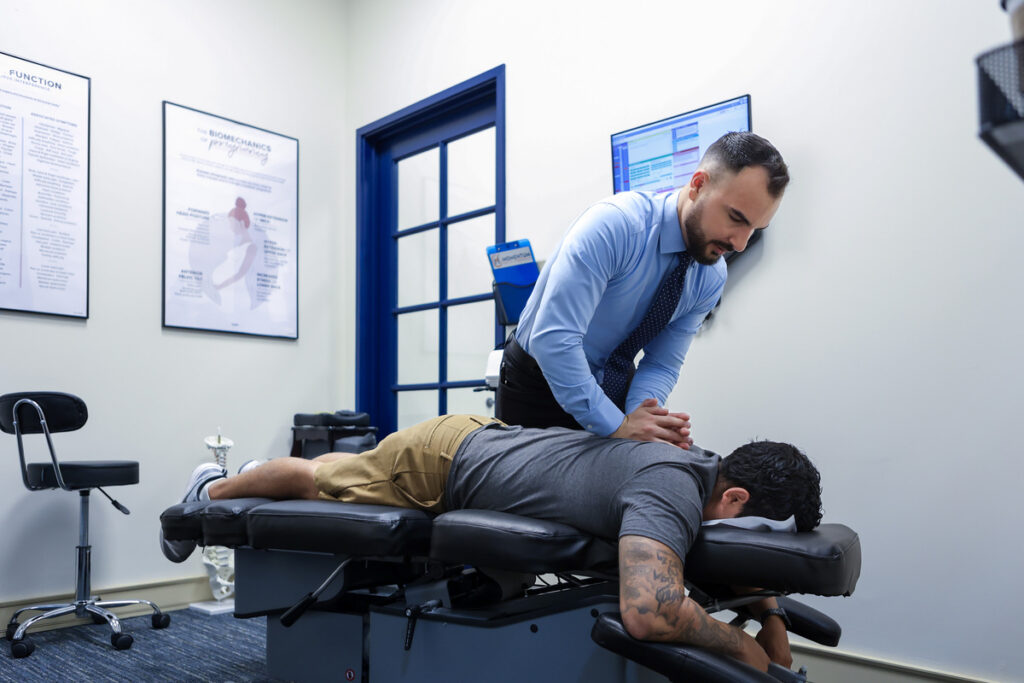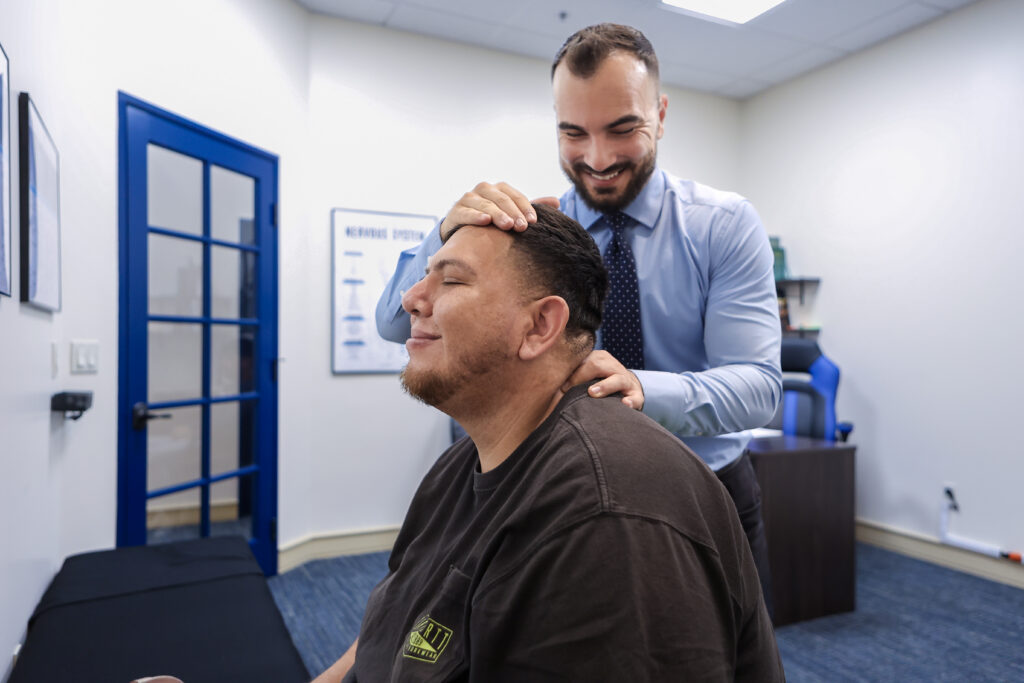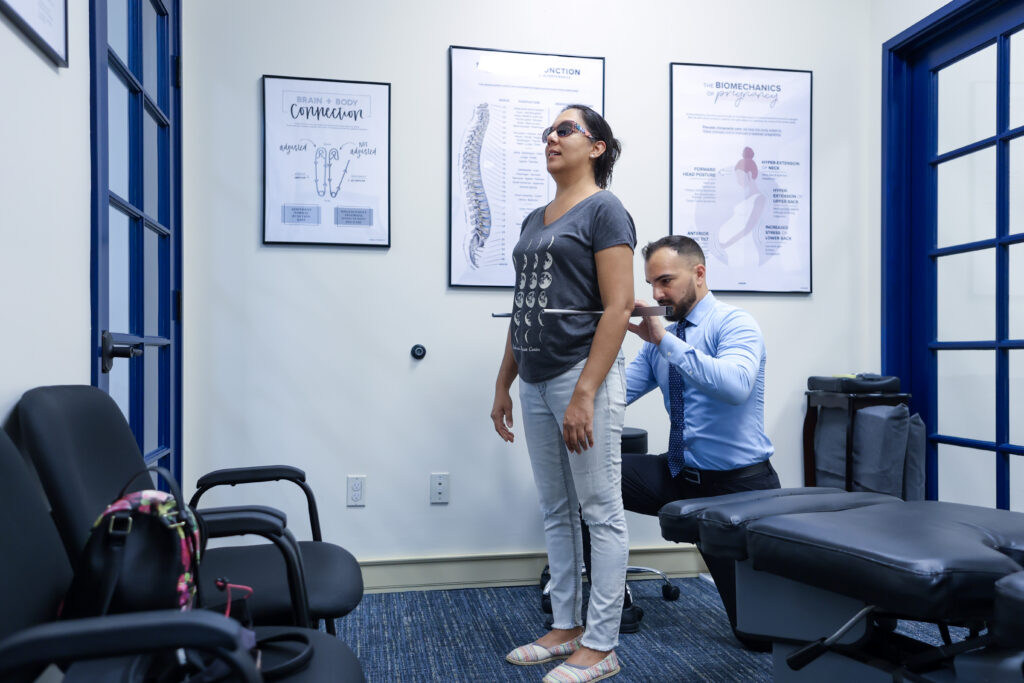

As a local chiropractor, I understand that many of you may be struggling with lower back pain and might think that traditional treatments are your only avenue for relief. However, let me share some surprising methods that can not only alleviate your discomfort but also enhance your overall well-being.
Chiropractic care offers a holistic approach that encompasses a variety of techniques. For instance, integrating mindfulness practices can help you manage pain by promoting relaxation and reducing stress. Additionally, exploring alternative therapies such as acupuncture or massage can complement your chiropractic treatments and provide significant relief.
If you’re curious about how these innovative solutions can transform your pain management journey, I invite you to join me in exploring these natural healing methods. Together, we can develop a personalized plan that goes beyond the conventional recommendations and addresses your specific needs.
Mindfulness and Meditation Techniques
As your local chiropractor, I want to share how incorporating mindfulness and meditation techniques into your daily routine can significantly help alleviate lower back pain. By focusing on your breath and tuning into your body, you can create a state of relaxation that eases muscle tension and reduces discomfort.
I recommend setting aside just a few minutes each day for mindfulness practice. Find a quiet space, sit comfortably, and close your eyes. As you breathe deeply, visualize warmth spreading to your lower back. This simple exercise allows you to acknowledge your pain without judgment, which can help you learn to release it.
Additionally, consider integrating guided meditations specifically designed for pain relief. These resources can enhance your experience and provide a structured approach to your mindfulness practice. Over time, you’ll likely find that regularly practicing mindfulness not only helps manage your back pain but also promotes overall mental well-being.
As you stick with these techniques, you may notice significant improvements in both your physical and emotional health. Remember, chiropractic care works best when combined with holistic practices like mindfulness, so let’s explore these options together for your healing journey.
The Power of Acupuncture
Are you struggling with lower back pain? As a local chiropractor, I want to introduce you to the benefits of acupuncture, an ancient practice that can complement your chiropractic care.
By inserting thin needles into specific points on the body, acupuncture promotes energy flow and activates your body’s natural healing response.
Many of my patients have found that acupuncture provides significant relief from discomfort and tension after just a few sessions. This approach can enhance blood circulation, which plays a crucial role in healing strained muscles and tissues in your lower back.
One of the greatest advantages of acupuncture is that it’s typically free from the side effects commonly associated with pain medications. This makes it a safer, holistic option for those seeking long-term relief.
If you’re exploring natural methods to manage your pain, I encourage you to consider acupuncture. It may not only help alleviate your lower back pain but also enhance your overall sense of well-being.
Exploring Essential Oils for Pain Relief
As a local chiropractor, I often encounter patients seeking natural remedies for lower back pain. One effective approach that I recommend is the use of essential oils. These concentrated plant extracts not only offer pleasant aromas but can also provide significant relief from discomfort.
Here are some essential oils that may be beneficial for your pain relief journey:
- Lavender: Renowned for its calming effects, lavender can help alleviate pain and reduce tension in your muscles.
- Peppermint: The refreshing and cooling sensation of peppermint oil can aid in relieving pain and enhancing circulation in the affected areas.
- Eucalyptus: This oil is known for its anti-inflammatory properties, which can contribute to easing discomfort and promoting healing.
- Frankincense: Often recognized for its soothing effects, frankincense can foster relaxation and help diminish pain levels.
- Ginger: With its warming characteristics, ginger oil can be particularly effective in relieving muscle tension and soreness.
To incorporate these oils into your routine, I suggest diluting a few drops in a carrier oil and gently massaging it onto your lower back.
Alternatively, using a diffuser can allow you to enjoy the therapeutic scent while you relax. Exploring the right essential oil for your needs can truly enhance your pain management and overall well-being.
If you have any questions or need guidance on using these oils effectively, feel free to ask during your next visit!
Incorporating Yoga Into Your Routine
As a local chiropractor, I want to share how incorporating yoga into your daily routine can significantly alleviate lower back pain.
Yoga offers a variety of key poses and breathing techniques that not only increase flexibility but also foster relaxation. By integrating these practices into your life, you can enhance your overall well-being.
Consistency is crucial; making yoga a regular part of your routine will help you fully experience its benefits in conjunction with chiropractic care.
Together, we can promote natural healing and improve your spinal health.
Key Yoga Poses
As a local chiropractor, I understand that managing lower back pain can often feel daunting. However, incorporating key yoga poses into your daily routine can offer significant relief and support your overall spinal health.
These poses not only help to stretch and strengthen your back but also improve flexibility and reduce discomfort. Here are five effective yoga poses that I recommend:
- Child’s Pose: This gentle pose stretches the back and hips, promoting relaxation and easing tension.
- Cat-Cow Stretch: By alternating between arching and rounding your spine, this movement helps relieve built-up tension in your back.
- Downward-Facing Dog: This pose strengthens your entire back while providing a deep stretch for your hamstrings, enhancing overall alignment.
- Sphinx Pose: A great way to open up the lower back, this pose encourages gentle extension and can help reduce stiffness.
- Bridge Pose: By strengthening your glutes and lower back, this pose enhances support and stability for your spine.
Integrating these poses into your daily routine can lead to lasting improvements in your lower back health.
I encourage you to give them a try and observe the positive changes in your body. Remember, natural healing through movement is a key aspect of maintaining a healthy spine!
Breathing Techniques Benefits
As a chiropractor, I want to share how breathing techniques can significantly enhance your overall health and well-being, particularly in relation to your spine and nervous system.
Focusing on your breath not only calms your mind but also helps soothe your nervous system, which is essential for reducing tension in your lower back. When you engage in deep, intentional breathing, you increase the flow of oxygen throughout your body, which can alleviate pain and promote relaxation.
Incorporating breath control into your daily routine can improve your balance and stability, both in everyday activities and during exercises.
This practice of mindful breathing allows you to become more attuned to your body’s signals, enabling you to make necessary adjustments to your posture and movements.
By mastering these breathing techniques, you can experience a more satisfying approach to wellness and find significant relief from any discomfort in your lower back.
Routine Consistency Importance
As a local chiropractor dedicated to your wellness, I want to emphasize the crucial role that establishing a consistent yoga routine can play in enhancing your lower back health and overall well-being.
Integrating yoga into your daily routine not only helps alleviate pain but also strengthens and increases your flexibility. Allow me to share some key benefits you can experience:
- Improved Flexibility: Engaging in regular yoga practice helps to loosen tight muscles in the back, which can alleviate discomfort and promote better movement.
- Strengthened Core: A strong core is essential for supporting your spine and reducing strain on your lower back, ultimately leading to fewer injuries and pain.
- Enhanced Posture: Yoga encourages awareness of body alignment, which can help prevent slouching and improve your overall posture, reducing strain on your back.
- Stress Reduction: Mindful breathing and movement practiced in yoga have been shown to lower stress levels. Since stress can exacerbate pain, this is a vital component of overall health.
- Better Body Awareness: Through yoga, you’ll learn to identify tension in your body and utilize relaxation techniques, fostering a greater connection to your physical health.
Integrating yoga into your lifestyle can significantly benefit your lower back and promote holistic health.
As your chiropractor, I encourage you to make yoga a part of your routine and witness the positive changes it brings to your body and mind.
The Benefits of Hot and Cold Therapy
As a local chiropractor, I often see patients struggling with lower back pain, and I want to share how hot and cold therapy can be incredibly beneficial for managing discomfort.
Heat therapy is excellent for relaxing tight muscles and boosting circulation, which aids in the healing process. You might consider using a heating pad, a warm towel, or even indulging in a warm bath to experience effective relief. Just be careful not to apply too much heat, as that could inadvertently escalate inflammation.
Conversely, cold therapy is effective for reducing swelling and numbing sharp pain. I often recommend using an ice pack or a bag of frozen peas wrapped in a cloth for this purpose. Applying cold therapy for about 15-20 minutes can significantly alleviate pain.
Combining hot and cold therapy can amplify the benefits, allowing for better pain management. This approach is simple, cost-effective, and can be done right at home.
It’s important to listen to your body and adjust your methods as needed to find what provides you with the most relief. Remember, chiropractic care can also complement these therapies, helping to address the underlying issues contributing to your pain.
Utilizing Ergonomic Furniture
As a local chiropractor, I often see patients struggling with lower back pain. While hot and cold therapy can offer quick relief, the foundation of lasting comfort lies in your daily environment—particularly the furniture you choose.
Investing in ergonomic furniture is crucial for improving your posture, reducing strain, and enhancing overall comfort during your daily activities. Here are some essential pieces I recommend evaluating:
- Ergonomic chair: A chair that supports your lower back is vital. It encourages proper posture, which is key to preventing and alleviating pain.
- Adjustable desk: Having the ability to switch between sitting and standing is incredibly beneficial. It promotes movement throughout the day and can help reduce stiffness and discomfort.
- Lumbar support cushions: These cushions provide extra support for your lower back when seated, helping to maintain the natural curve of your spine.
- Footrest: A footrest keeps your feet flat and promotes better alignment, which can help alleviate pressure on your lower back.
- Ergonomically designed keyboard and mouse: These tools are crafted to minimize wrist strain, which is important for maintaining overall upper body health.
By making these adjustments to your workspace, you can significantly improve your comfort and overall well-being, paving the way for a healthier back.
Adopting a Plant-Based Diet
As a local chiropractor, I want to share how adopting a plant-based diet can significantly benefit your overall health, particularly in alleviating lower back pain.
Focusing on whole foods such as fruits, vegetables, whole grains, nuts, and seeds can help reduce inflammation in your body. This reduction in inflammation is crucial since it often plays a key role in pain and discomfort in your lower back.
A plant-based diet isn’t only anti-inflammatory but also packed with essential nutrients and antioxidants that can enhance muscle and joint health.
Many of my patients have noticed that increasing their fiber intake improves digestion, which aids in better nutrient absorption and contributes to overall wellness.
Furthermore, by eliminating processed foods and excessive sugars, you may experience weight loss, which can significantly lessen the strain on your back.
Transitioning to a plant-based diet doesn’t need to be daunting; I encourage you to start by gradually incorporating more plant-based meals into your weekly routine.
Your back—and your overall health—will thank you for making this positive change!
Engaging in Water-Based Exercises
As a local chiropractor, I want to share with you the incredible benefits of engaging in water-based exercises, especially if you’re experiencing lower back pain.
These exercises not only help relieve discomfort but also enhance your overall fitness levels. The natural resistance of water offers a gentle yet effective way to strengthen your back muscles without placing excessive strain on them.
Let’s delve into some recommended water exercises that can be particularly beneficial for your back, along with some essential safety tips to ensure you get the most out of your workouts.
By incorporating these exercises into your routine, you can support your spine’s health and promote healing through natural movement.
Benefits of Water Resistance
As a local chiropractor dedicated to enhancing your health and well-being, I want to share some important insights into the benefits of water-based exercises, especially for those dealing with lower back pain.
Many people often underestimate the power of water resistance, but it can be a game-changer for your recovery and overall fitness. Here’s why incorporating water exercises into your routine can be beneficial:
- Reduced Impact: One of the primary advantages of exercising in water is that it cushions your movements. This natural support minimizes strain on your joints and spine, making it ideal for individuals recovering from injury or managing chronic pain.
- Improved Flexibility: The buoyancy of water allows for a greater range of motion. This enhanced flexibility can lead to improved mobility and decreased stiffness in your back and other areas.
- Strength Building: Water provides natural resistance that helps build muscle strength effectively. You can strengthen your body without the need for heavy weights, reducing the risk of injury while still achieving your fitness goals.
- Enhanced Circulation: Engaging in water exercises stimulates blood flow throughout your body. Improved circulation can aid in recovery from injury and help alleviate stiffness, making you feel more comfortable and mobile.
- Stress Relief: The calming effect of water can significantly lower stress levels. This not only contributes to a sense of relaxation but also positively impacts your overall health and well-being.
Managing stress is crucial for maintaining a healthy lifestyle and supporting your body’s natural healing processes.
Incorporating water resistance exercises into your routine can be a fantastic way to support your chiropractic care and promote natural healing.
If you have any questions or would like to discuss how to get started with water exercises, feel free to reach out during your next visit!
Recommended Water Exercises
As a local chiropractor, I want to share some valuable insights into how water exercises can be a beneficial addition to your fitness routine, particularly if you’re dealing with lower back pain.
One of the simplest yet effective exercises is the water walk. By walking in the shallow end of the pool, you can focus on maintaining good posture while engaging your core muscles. This activity not only helps in strengthening your back but also promotes overall stability.
Another great exercise to incorporate is leg lifts. While holding onto the edge of the pool for support, you can perform leg lifts that target your core and lower back without putting unnecessary strain on your body. This controlled movement enhances strength while utilizing the buoyancy of the water.
Additionally, I recommend seated leg extensions. By sitting on the edge of the pool and extending one leg at a time, you can work on your flexibility and strength in a gentle manner. This exercise is particularly useful for those who may struggle with traditional workouts due to pain or discomfort.
Lastly, consider participating in gentle water aerobics. These classes can be both enjoyable and beneficial, as they engage multiple muscle groups and improve your overall strength without the harsh impact that land-based exercises might’ve on your joints.
Remember, the buoyancy of water allows for easier movement, significantly reducing stress on your joints. Incorporating these water exercises into your routine can be a natural and effective way to find relief from discomfort while enhancing your fitness levels.
I’m here to support you on your journey to better health and well-being!
Safety Tips for Beginners
As a local Chiropractor, I want to emphasize the importance of safety when engaging in water-based exercises, especially for those who may be new to these activities. Ensuring a safe environment will help you enjoy the benefits of movement while protecting your body. Here are some essential tips to keep in mind:
- Check the water temperature: A comfortable water temperature is crucial to prevent muscle strain and support your joints. This can enhance your overall experience and reduce the risk of injury.
- Use proper footwear: Wearing non-slip water shoes is vital for maintaining stability and preventing slips and falls. This is particularly important in wet environments where surfaces can be unpredictable.
- Start slow: It’s essential to gradually increase the intensity of your workouts. Allowing your body time to adapt can prevent overexertion and minimize the risk of injury, which is paramount in chiropractic care.
- Stay hydrated: Even when you’re in the water, it’s important to drink water before and after your workout. Staying hydrated supports your body’s natural healing processes and helps prevent dehydration, which can lead to discomfort and fatigue.
- Know your limits: Always listen to your body. If you experience any discomfort or pain, it’s crucial to stop immediately. Understanding your body’s signals is an integral part of maintaining your overall health and well-being.
By following these tips, you can create a safer environment for your water-based activities and support your body’s natural healing processes.
Experimenting With TENS Therapy
As your local chiropractor, I want to introduce you to a fantastic non-invasive option for managing lower back pain: Transcutaneous Electrical Nerve Stimulation, or TENS therapy. This innovative treatment uses low-voltage electrical currents to help reduce pain.
By applying electrodes on your skin, TENS sends signals that can effectively block pain messages from reaching your brain, offering a natural alternative to medication for pain relief.
If you’re considering experimenting with TENS therapy, the first step is to choose a device that aligns with your specific needs. It’s crucial to follow the provided instructions carefully and place the electrodes around the area where you’re experiencing discomfort. You can adjust the intensity levels to find what feels comfortable for you.
Many of my patients report experiencing relief after just a few sessions. I recommend keeping a log of your TENS therapy sessions. Note any changes in your pain levels, as this can help you assess its effectiveness over time.
Remember to be patient, as results can vary from person to person. It’s always best to consult with me or your healthcare provider before starting TENS therapy, particularly if you have any underlying health conditions.
With time and dedication, TENS therapy can be a valuable tool in your journey towards alleviating lower back pain. Let’s work together to explore all the natural healing options available to you!
Conclusion
As a local chiropractor, I want to share some surprising methods for relieving lower back pain that you might not be familiar with. These approaches go beyond traditional treatments and can significantly enhance your overall well-being. For instance, incorporating mindfulness practices can help you manage pain more effectively, while acupuncture has been shown to relieve discomfort through natural healing.
Yoga is another fantastic option; it not only improves flexibility but also strengthens the muscles that support your back. Additionally, adopting a plant-based diet can contribute to better health and potentially reduce inflammation, which may play a role in your pain.
Don’t underestimate the importance of ergonomic furniture in your daily life, as it can help maintain proper posture and prevent strain. Water-based exercises are also great for staying active while minimizing stress on your back.
I encourage you to explore these innovative approaches to find what works best for you. Remember, relief is achievable, and taking proactive steps in your pain management can lead to a healthier back and a more vibrant life. Let’s work together to help you take charge of your health!