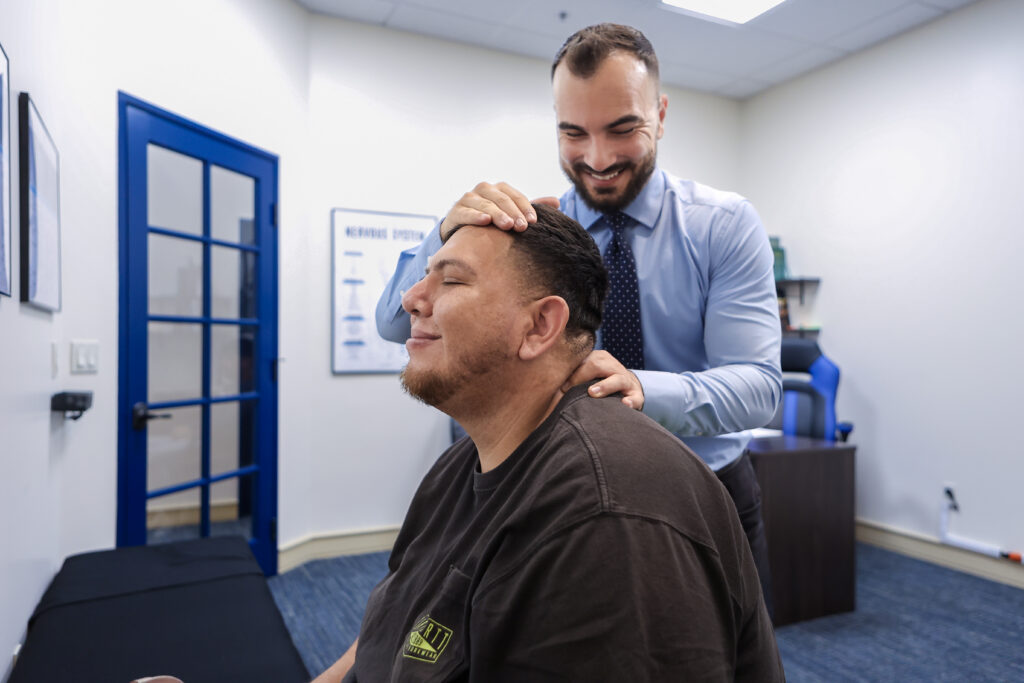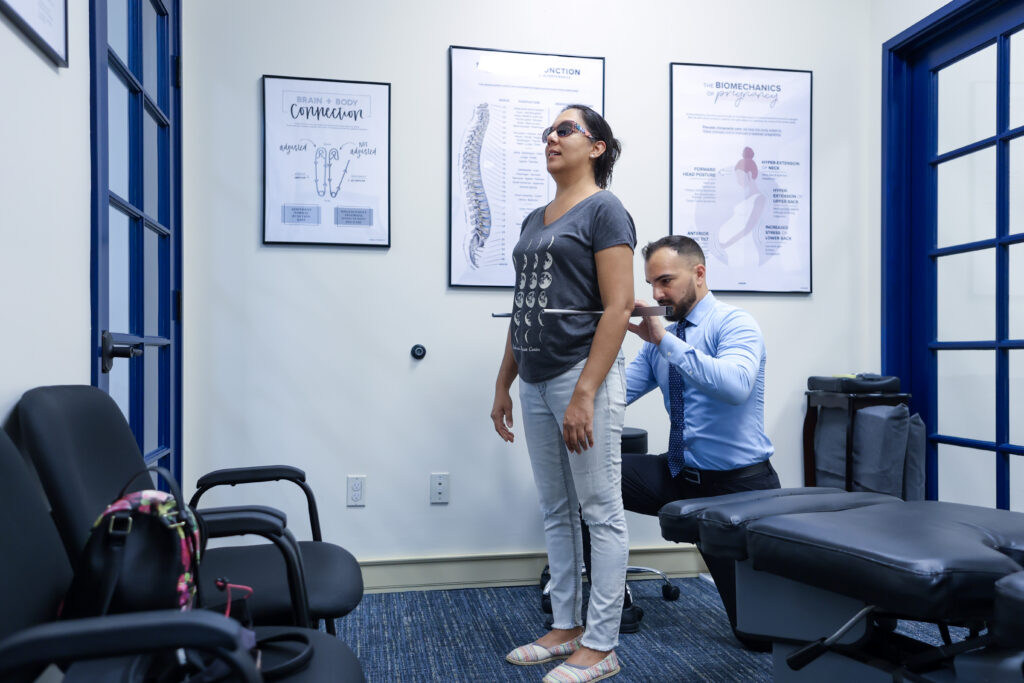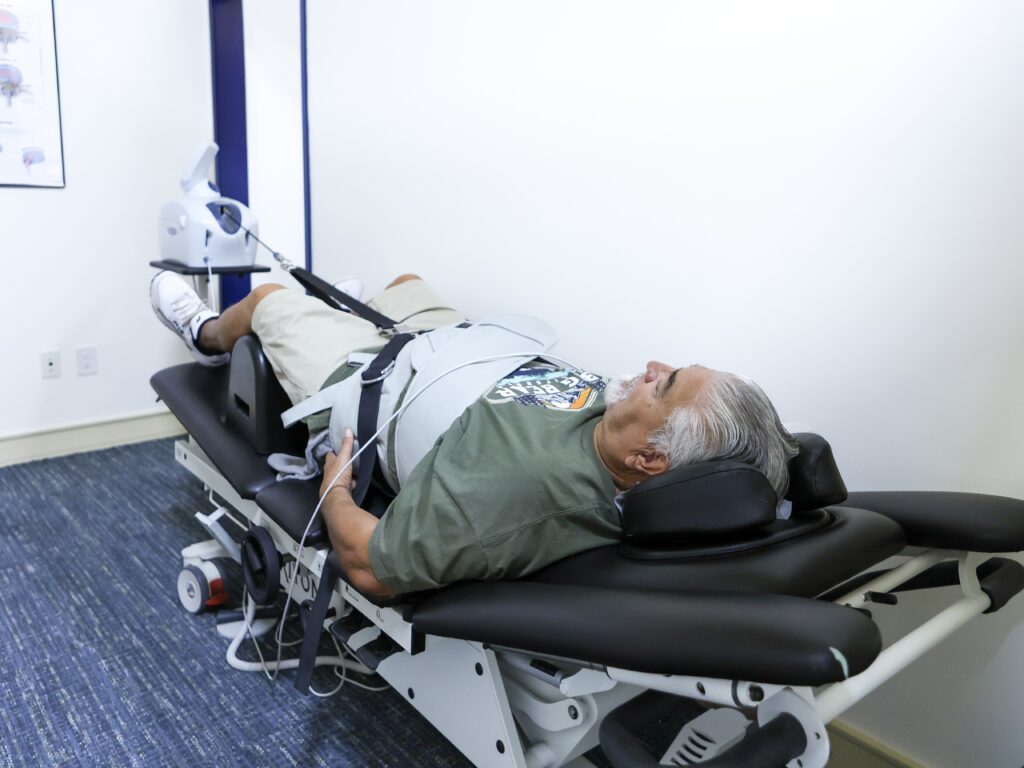

As a local chiropractor, I often see patients who are struggling with back pain, and it’s crucial to recognize how much your posture can influence that discomfort. Many people aren’t aware that by simply adjusting the way you sit, lift objects, and move throughout your day, you can significantly reduce your pain. If you’re interested in learning effective strategies for improving your posture and strengthening your back, I’m here to help! Together, we can explore practical solutions that not only provide immediate relief but also promote long-term wellness. Your journey to a pain-free back starts with understanding these simple yet impactful changes.
Understanding the Connection Between Posture and Back Pain
As a local chiropractor, I want to emphasize the importance of posture and how it directly affects your back health. When you slouch or hunch over, it’s not just about appearance; it’s about the strain you’re placing on your back.
Poor posture leads to muscle imbalances, where some muscles end up tight while others weaken. This imbalance can result in discomfort and pain, particularly in the lower back.
Your spine is designed to be aligned correctly to distribute weight evenly. If you find yourself leaning forward or sitting in twisted positions, you’re putting unnecessary pressure on certain vertebrae, which can lead to chronic pain over time.
Many people aren’t aware of how often they fall into these habits, so becoming mindful of your posture during daily activities is crucial.
Moreover, maintaining poor posture for extended periods can also contribute to tension headaches and feelings of fatigue. By understanding the link between posture and pain, you can take proactive steps to improve your alignment.
This not only helps in reducing the risk of back pain but also enhances your overall well-being. Remember, small adjustments in your posture can lead to significant improvements in your health.
If you’re experiencing discomfort, consider seeking guidance on how chiropractic care can support you in achieving better posture and overall health.
Tips for Sitting Posture at Your Desk
As a local chiropractor, I want to emphasize the importance of proper sitting posture at your desk for maintaining your back health. Many of my patients are unaware of how much their workplace setup can impact their overall well-being.
Let’s start with your chair: it should be adjusted so that your feet rest flat on the floor, with your knees positioned at or slightly below hip level. This alignment is crucial for supporting your spine.
Ensure that your back is straight and your shoulders are relaxed. A chair designed to support your lower back is ideal, but if you don’t have one, a simple cushion can make a world of difference.
Now, let’s talk about your computer screen. It should be positioned at eye level, about an arm’s length away. This setup is essential to prevent unnecessary strain on your neck.
When typing, your elbows should remain close to your body, forming a comfortable 90-degree angle. It’s important to avoid slumping or leaning forward; instead, make it a habit to sit back in your chair to maintain proper alignment.
I also encourage you to take regular breaks—stand, stretch, and move around. These small actions can significantly reduce stiffness and promote healthy circulation, which is vital for your overall health.
Remember, even minor adjustments to your posture and workspace can lead to substantial improvements in your comfort and well-being. Prioritizing your posture is a proactive step in protecting your back and enhancing your quality of life.
Let’s work together towards a healthier you!
Proper Lifting Techniques to Protect Your Back
As a local chiropractor dedicated to your well-being, I want to emphasize the importance of using proper lifting techniques to protect your back.
Many people may not realize how crucial it’s to lift heavy objects safely. When lifting, always remember to bend your knees and keep the load close to your body. This helps distribute the weight evenly and reduces strain.
Additionally, maintaining a straight back throughout the lift is vital in preventing injury. By following these simple yet effective steps, you can significantly lower your risk of experiencing back pain and support your overall spinal health.
Bend Your Knees
As a local chiropractor, I want to emphasize the importance of bending your knees when lifting objects to ensure you protect your back and avoid injury.
Many people are unaware of how proper lifting techniques can significantly reduce the risk of strain. Allow me to guide you through the correct way to lift safely:
- Stand Close: Begin by positioning yourself right next to the object you intend to lift. This minimizes the distance you need to reach and helps maintain your balance.
- Bend Your Knees: Lower your body by bending your knees while keeping your back straight. This technique engages your leg muscles, which are much stronger and better suited for lifting than your back.
- Lift with Your Legs: As you begin to rise, push through your heels and straighten your legs. This action utilizes your leg strength rather than relying on your back, which is crucial for preventing injuries.
By adopting these techniques, you can significantly improve your lifting habits and support your overall spinal health.
Keep Load Close
As a local chiropractor, I want to emphasize the importance of keeping the load close to your body when lifting. This simple practice can significantly protect your back and spine.
When you hold objects away from your center of gravity, you place extra strain on your spine and muscles, which can lead to discomfort or injury.
To lift safely, always position the load near your hips before you lift. This technique reduces the effort your body has to exert against gravity.
As you lift, keep the item snug against your body and engage your legs to do the heavy lifting. If the load feels cumbersome or unbalanced, please don’t hesitate to ask for assistance or utilize tools such as dollies or carts.
Remember, your back isn’t just a tool for lifting; it’s the foundation of your overall health.
By maintaining that close connection with the load, you prioritize your spine’s safety and well-being, which is essential for a healthy, active lifestyle.
Take care of your back, and it will take care of you!
Maintain Straight Back
As a local chiropractor, I want to emphasize the importance of lifting with a straight back to protect your spine and avoid injuries. Many patients are unaware of how proper lifting techniques can significantly impact their overall health and well-being.
Here are three key steps to help you maintain a straight back while lifting:
- Bend at the hips and knees: When you need to pick something up, squat down instead of bending over. This means lowering your body by bending your hips and knees while keeping your back straight and your chest lifted. This position not only helps you reach the object safely but also reduces the strain on your spine.
- Engage your core: It’s essential to tighten your abdominal muscles before you lift. By engaging your core, you provide much-needed support and stability to your spine, which can help prevent injuries during the lifting process.
- Lift with your legs: When you’re ready to stand up, focus on pushing through your heels and using your leg muscles. This technique allows you to lift the weight without straining your back, promoting proper alignment and reducing the risk of injury.
By incorporating these steps into your lifting routine, you can protect your spine and contribute to your overall health.
Exercises to Strengthen Your Back and Improve Posture
As a local chiropractor dedicated to your overall well-being, I want to emphasize the importance of strengthening your back and improving your posture.
One of the key components of maintaining a healthy spine is incorporating core strengthening exercises and flexibility-focused stretching into your routine. These practices not only enhance your physical strength but also contribute to better alignment and posture.
Additionally, employing posture correction techniques can make a remarkable difference in how you carry yourself throughout the day. By being mindful of your posture, you can alleviate stress on your spine and prevent discomfort.
Together, let’s explore these effective strategies to promote a healthier back and help you stand taller, while also enhancing your daily comfort and quality of life.
Core Strengthening Exercises
As a local chiropractor, I want to emphasize the importance of strengthening your core for overall health, particularly for alleviating back pain and improving posture.
A strong core not only supports your spine but also helps you maintain proper alignment throughout your daily activities. Here are three core strengthening exercises that I recommend for my patients:
- Plank: Begin by holding a plank position for 20-30 seconds. It’s crucial to keep your body straight and engage your core throughout the exercise. As you build strength, you can gradually increase the duration of your holds.
- Bridge: To perform a bridge, lie on your back with your knees bent. Lift your hips towards the ceiling while squeezing your glutes and engaging your core. Hold this position for a few seconds before gently lowering your hips back down.
- Bird Dog: Start on all fours, ensuring your hands are directly under your shoulders and your knees under your hips. Extend one arm forward and the opposite leg backward, maintaining balance throughout the movement. Alternate sides to complete your set.
Incorporating these exercises into your routine can significantly enhance the support for your back, leading to better overall spinal health.
Stretching for Flexibility
As a local chiropractor, I’d like to emphasize the importance of stretching for flexibility in your overall health and well-being. While strengthening your core is vital, incorporating regular stretching into your routine is just as crucial for improving your posture and alleviating back pain.
Many of my patients find that stretching enhances their range of motion and reduces muscle tension, which can be instrumental in their recovery and daily comfort.
I recommend focusing on stretches that specifically target your back, hips, and hamstrings. For instance, the cat-cow stretch is excellent for mobilizing your spine, while the seated forward bend can help release tightness in your lower back.
It’s important to hold each stretch for at least 30 seconds, and remember to breathe deeply to encourage relaxation during the process.
Listening to your body is key; never push yourself into pain. By committing to these flexibility exercises, you support your back’s strength and create a more balanced posture.
This not only helps you feel better day-to-day but also complements the chiropractic care I provide. Together, we can work towards a healthier, pain-free life.
Posture Correction Techniques
As a local chiropractor dedicated to helping you achieve optimal health, I want to share some valuable posture correction techniques that can significantly enhance your stretching routine and overall well-being.
By strengthening your back and improving your posture, you’ll not only feel better but also prevent potential issues in the future. Here are some exercises that I recommend:
- Wall Angels: Find a wall and stand with your back against it. Raise your arms to shoulder height and gently slide them up and down while ensuring that both your back and arms stay in contact with the wall. This simple yet effective exercise helps promote shoulder mobility and alignment, which is crucial for maintaining a healthy posture.
- Plank: Engaging your core is essential for supporting your spine. Start in a plank position, making sure to keep your body in a straight line from head to heels. Hold this position for 20-30 seconds, and as you build strength, gradually increase the duration. This exercise not only builds endurance but also reinforces proper posture.
- Cat-Cow Stretch: Get on all fours and gently alternate between arching your back (like a cat) and dropping your belly toward the floor (like a cow). This dynamic movement increases flexibility and strength in your spine, helping to alleviate tension and improve your posture.
These techniques can be easily incorporated into your daily routine, and as your chiropractor, I encourage you to practice them regularly.
Ergonomic Adjustments for Your Workspace
As a local chiropractor, I want to emphasize the importance of creating an ergonomic workspace to help alleviate back pain and enhance your overall productivity. Many people may not realize that the way we set up our work environments can significantly impact our health.
First, let’s talk about your chair. It’s crucial to adjust it so that your feet rest flat on the ground, with your knees aligned with your hips. This positioning helps support your lower back, and if you find that your chair doesn’t provide enough support, a lumbar roll can be a great addition.
Next, consider your desk height. Ideally, it should be at elbow level, allowing your arms to rest comfortably while you type. This setup can prevent unnecessary strain on your shoulders and neck.
Speaking of neck strain, your monitor should be at eye level and about an arm’s length away. This reduces the risk of leaning forward, which can lead to discomfort and poor posture. If you’re using a laptop, I highly recommend investing in a separate keyboard and mouse so you can maintain a more natural posture.
It’s also important to keep frequently used items within easy reach. This prevents awkward stretching, which can lead to tension in your back and shoulders.
Lastly, don’t overlook the importance of proper lighting. Good lighting can help reduce eye strain, which often causes individuals to lean closer to their screens, further contributing to poor posture.
By making these ergonomic adjustments to your workspace, you can significantly reduce back pain and create a more comfortable and productive environment.
Daily Habits to Maintain Good Posture
As a chiropractor, I want to emphasize that maintaining good posture goes beyond just having the right setup at your desk. It’s about the daily habits you develop that can greatly enhance your posture and overall health.
Here are some practical tips to incorporate into your everyday routine:
- Be Aware of Your Movements: Pay attention to how you move throughout your day. When you’re standing, try to keep your weight evenly balanced on both feet. If you’re sitting, ensure that your back is straight and your shoulders are relaxed. This awareness can help prevent unnecessary strain on your body.
- Take Regular Breaks: It’s vital to take breaks, particularly if you find yourself sitting for extended periods. Every hour, stand up, stretch, or take a short walk. This not only helps to relieve tension but also gives your posture a chance to reset.
- Strengthen Your Core: Engaging in exercises that target your core muscles is essential. A strong core provides vital support for your spine, making it easier to maintain good posture without conscious effort.
Incorporating these simple practices into your daily life can lead to significant improvements in your posture and overall well-being.
Conclusion
As your local chiropractor, I want to share some valuable insights on how focusing on your posture can significantly alleviate back pain. It’s essential to understand that maintaining a straight back and relaxed shoulders while sitting is crucial for your spinal health. Additionally, using proper lifting techniques can prevent unnecessary strain on your back.
Incorporating core-strengthening exercises into your daily routine not only supports your spine but also enhances your overall stability. I recommend making ergonomic adjustments to your workspace, as this can greatly reduce tension on your back during your daily activities.
It’s also important to cultivate daily habits that promote good posture, which can be easily integrated into your lifestyle. With consistent effort and awareness, you can experience a reduction in discomfort and an improvement in your overall well-being. Remember, taking proactive steps today can lead to a healthier tomorrow. Let’s work together to help you feel your best!