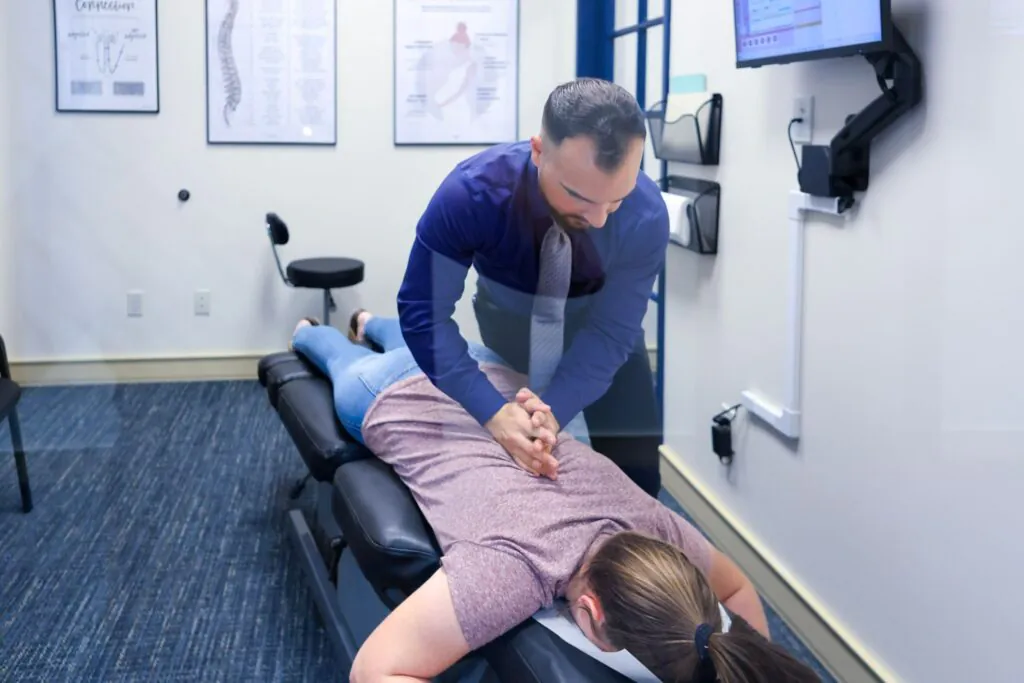

As a local chiropractor, I want to emphasize the importance of recovery in your overall athletic performance. Many of you know that pushing your limits is crucial, but have you thought about how essential recovery is in helping your body perform at its best? It's not just about training hard; it's also about how effectively your body can bounce back afterwards.
Over the next six weeks, I'll guide you through various strategies that can significantly enhance your recovery process, from proper nutrition to mental techniques and the role of chiropractic care in healing. Each of these aspects plays a unique role in improving your athletic ability, and it's vital to understand how they work together for optimal results.
So, what's the first step in this journey to enhance your recovery? Let's explore how chiropractic care can support your body's natural healing processes and help you perform at your best!
Understanding Recovery Importance
As a local chiropractor, I want to emphasize how crucial recovery is for your overall health and athletic performance. Think of recovery as the essential link between your hard work in training and achieving optimal results. If you disregard the need for recovery, you may find yourself facing burnout or even injuries.
Your body requires time to heal and adjust after those demanding workouts, and without proper recovery, you may not experience the improvements you desire.
It's important to realize that each time you engage in physical activity, you're placing stress on your muscles and joints. This stress can result in tiny tears in your muscle fibers, which necessitate time to heal. During the recovery phase, your body actively works on repairing these tears, ultimately making your muscles stronger and more resilient.
Neglecting recovery can lead to overtraining, which often results in fatigue and a drop in your performance levels.
Incorporating recovery into your routine goes beyond simply taking a break; it's about enhancing your overall performance. Active recovery methods, such as light stretching or yoga, can stimulate blood flow and facilitate healing without placing undue strain on your body.
Additionally, prioritizing quality sleep is vital; it's during this restorative time that your body accomplishes much of its recovery work.
By understanding the importance of recovery, you can train more effectively, rather than just harder. It's a key element of your overall health strategy, ensuring that you're fully prepared to perform at your best, whether in workouts or competitions.
Nutrition for Optimal Recovery
As a local chiropractor, I want to emphasize the importance of nutrition in your recovery process.
It's not just about adjustments and spinal health; the right balance of macronutrients is essential to fuel your body effectively. Proper hydration is crucial as well—don't underestimate the role that fluids play in helping your body recover.
Additionally, being mindful of when you consume these nutrients can significantly impact how quickly you recover after strenuous activities or workouts.
Macronutrient Balance Importance
As a local chiropractor dedicated to promoting overall health and wellness, I often emphasize the importance of nutrition, particularly when it comes to recovery after intense physical activity. Achieving optimal recovery isn't just about rest; it also hinges on the balance of macronutrients in your diet.
To support your body effectively, it's essential to include a mix of carbohydrates, proteins, and fats in your meals. Carbohydrates play a key role in replenishing glycogen stores, which are vital for energy during your next workout. I recommend focusing on complex carbohydrates found in whole grains and fruits, as these provide sustained energy and help fuel your body properly.
Proteins are another crucial component, as they aid in muscle repair and growth. Incorporating high-quality protein sources—such as lean meats, dairy products, or plant-based options—can significantly support the rebuilding of muscle fibers that may be damaged during training. For the best results, try to consume protein shortly after your workout to enhance your recovery process.
Let's not forget about healthy fats. These nutrients, found in foods like avocados, nuts, and olive oil, are essential for hormone production and overall well-being. They can also serve as a slow-burning energy source during recovery periods, helping you feel balanced and nourished.
For optimal recovery, it's important to aim for a macronutrient ratio that's tailored to your individual needs and activity levels. By paying attention to the right balance of these nutrients, you can't only speed up your recovery but also enhance your overall athletic performance, paving the way for a healthier, more active lifestyle.
Hydration Strategies for Athletes
As a local chiropractor, I want to emphasize the importance of hydration for your overall health and recovery, especially if you lead an active lifestyle.
Just like nutrition, staying properly hydrated is crucial for your body to function optimally. When you push your physical limits, proper hydration can help maintain performance levels and enhance recovery. On the other hand, dehydration can lead to fatigue, muscle cramps, and a slower recovery process, so let's make hydration a priority!
Here are some effective hydration strategies to consider:
- Drink Early and Often: It's important not to wait until you're feeling thirsty to start hydrating. Make it a habit to sip water throughout the day to stay ahead of dehydration.
- Electrolyte Balance: During intense physical activity, consider incorporating electrolyte-rich beverages. These drinks can help replace lost minerals and support muscle function, which is vital for athletes and those who engage in regular exercise.
- Monitor Urine Color: A simple way to gauge your hydration status is by observing the color of your urine. A pale yellow color indicates good hydration, while a darker yellow suggests it's time to drink more water.
- Post-Workout Hydration: After your workout, it's essential to replenish the fluids you've lost during exercise. A helpful guideline is to drink 16-24 ounces of fluid for every pound of body weight lost during your session.
By prioritizing hydration, you can support your body's natural healing processes and enhance your overall health.
Timing Your Nutrient Intake
Proper nutrient timing is essential for enhancing your recovery and overall wellness, especially if you're active or involved in sports. As a local chiropractor, I often emphasize how the right nutrition can complement your body's healing processes and improve your athletic performance.
By focusing on what you eat before, during, and after your workouts, you can support your body's natural ability to repair and rebuild itself.
Before engaging in physical activity, it's vital to fuel your body with a balanced meal that includes ample carbohydrates and protein about 2-3 hours in advance. This meal prepares your body for optimal performance. If you're short on time, don't worry! A quick snack, such as a banana with nut butter, consumed about 30 minutes prior can still provide significant benefits.
During your workout, especially if it's longer than an hour, I recommend sipping on a sports drink or having a carbohydrate-rich snack. This can help maintain your energy levels and prevent fatigue, allowing you to get the most out of your session.
After your workout, your body is in need of nutrients to initiate recovery. Try to eat a meal that combines a good amount of protein and carbohydrates within 30-60 minutes post-exercise. This practice not only replenishes your glycogen stores but also promotes muscle repair, aiding your body's recovery process.
By understanding and applying these principles of nutrient timing, you can enhance your overall health and support your body's natural healing abilities.
As always, if you have any questions about how nutrition and chiropractic care can work hand in hand for your wellness, feel free to reach out!
Sleep and Its Impact
As a local chiropractor, I want to emphasize the importance of sleep quality in your overall recovery and athletic performance.
It's not just about the number of hours you spend in bed; the quality of that sleep is equally crucial. A good night's sleep can significantly enhance your training results, leading to better performance and quicker recovery.
By focusing on both the duration and the restfulness of your sleep, you can optimize your body's natural healing processes and improve your overall well-being.
Sleep Quality Importance
As a local chiropractor, I want to emphasize the critical role that sleep plays in your overall health and athletic recovery. Many people may not realize that quality sleep is essential for both physical and mental performance.
When you focus on improving your sleep quality, you're laying the groundwork for optimal recovery and well-being.
Quality sleep is vital for your body to heal and regenerate. It aids in muscle repair, protein synthesis, and the release of growth hormones. Remember, it's not just about how many hours you sleep; the quality of that sleep greatly impacts your health.
Here are some important benefits of prioritizing good sleep quality:
- Enhanced Focus: A good night's sleep can sharpen your mental clarity and decision-making skills, which is especially important during athletic competitions.
- Reduced Injury Risk: When you sleep well, your body has a better chance to recover, lowering the risk of overuse injuries that can arise from intense training.
- Improved Mood: Quality sleep can significantly elevate your mood, which in turn boosts your motivation and resilience in both sports and daily life.
- Boosted Immune Function: A well-rested body is more capable of warding off illnesses, helping you stay in peak condition for your activities.
At our chiropractic practice, we understand the holistic approach to health, and we believe that addressing sleep quality is a crucial part of promoting your overall wellness.
Let's work together to ensure that you're getting the restorative sleep you need for your body to thrive.
Sleep Duration Recommendations
As a local chiropractor dedicated to your overall wellness, I want to emphasize the importance of sleep for your athletic performance and recovery. Understanding the recommended sleep duration for your age group is crucial to achieving optimal health. For adults, aiming for 7 to 9 hours of sleep each night is key.
Teenagers typically require about 8 to 10 hours to support their developing bodies and minds, while younger athletes in their pre-teen years may need even more—around 9 to 11 hours.
It's important to recognize that sleep isn't just about how many hours you clock in; the quality of that sleep matters just as much. Insufficient sleep can hinder your cognitive function, slow your reaction times, and diminish your physical performance.
When your body doesn't get enough rest, it struggles to repair muscles, restore energy, and regulate hormones—elements that are essential for recovery and peak performance.
Pay attention to how you feel. If you find yourself waking up tired or struggling to focus throughout the day, it may be time to reassess your sleep habits.
Prioritizing sleep is a vital aspect of your training regimen. I encourage you to create a calming bedtime routine, limit screen time before bed, and maintain a cool, dark sleep environment.
Active Recovery Techniques
Active recovery techniques are essential for improving your athletic performance and overall health, particularly after strenuous workouts. As a local chiropractor, I want to emphasize how these methods can aid your body in recovering more efficiently, alleviating soreness, and enhancing flexibility.
By incorporating active recovery into your routine, you can promote better blood circulation, minimize injury risks, and set yourself up for future training sessions.
Here are four effective active recovery techniques that I encourage you to consider:
- Light Aerobic Activity: Activities such as walking, cycling, or swimming at a low intensity can keep your heart rate elevated while being gentle on your muscles. This is a great way to maintain physical activity without overloading your system.
- Foam Rolling: Utilizing a foam roller can help release tightness in your muscles and improve blood flow. This self-massage technique not only alleviates soreness but also enhances muscle elasticity, making it easier for your body to recover.
- Yoga or Stretching: Gentle yoga practices or dedicated stretching sessions can significantly enhance your flexibility while promoting relaxation. Both are vital components of the recovery process, allowing your body to unwind and heal.
- Dynamic Movements: Incorporating dynamic movements like arm circles or leg swings can activate your muscles without excessive strain. These movements help prepare your body for upcoming workouts and keep you feeling agile.
By integrating these active recovery techniques into your routine, you can support your body's natural healing processes and optimize your performance.
If you're interested in learning more about how chiropractic care can further assist your recovery, feel free to reach out for a consultation.
Incorporating Stretching and Mobility
As a local chiropractor, I want to share with you the significant benefits of incorporating stretching and mobility exercises into your routine for enhanced athletic performance and overall well-being. These practices do much more than just improve flexibility; they also play a crucial role in increasing your range of motion, lowering the risk of injury, and aiding in recovery after intense physical activity.
Before you start any training session, I recommend engaging in dynamic stretching. This type of stretching involves movements such as leg swings, arm circles, and torso twists, which help to prepare your muscles and joints for the workout ahead. By activating your body and enhancing blood flow, dynamic stretching can significantly improve your performance in specific movements.
Following your workouts, it's essential to dedicate time to static stretching. Focus on major muscle groups like your hamstrings, quadriceps, shoulders, and back. Holding each stretch for 15-30 seconds while taking deep breaths can promote relaxation and help alleviate muscle tightness, facilitating a better recovery process.
In addition to stretching, incorporating mobility work into your routine is vital. Techniques such as foam rolling and joint mobility exercises can significantly enhance your overall function. Foam rolling helps to release muscle knots and tension, while mobility drills improve joint stability and function.
Consider adding exercises like hip openers, thoracic spine rotations, and ankle mobility stretches to your regimen.
To experience the best results, aim to integrate these practices into your routine at least three times a week. Over time, you'll likely notice increased flexibility, improved performance, and reduced soreness.
Mental Strategies for Recovery
As a local chiropractor, I want to share how harnessing mental strategies can significantly enhance your recovery process after intense physical activity. Focusing on your mental well-being can't only speed up your recovery but also improve your overall performance in future workouts.
Here are a few strategies to consider integrating into your routine:
- Visualization: Imagine yourself successfully recovering from your activities. This mental imagery can reinforce positive outcomes and motivate you to adhere to your recovery plan, which may include chiropractic adjustments and therapeutic exercises.
- Mindfulness and Meditation: Taking a few moments each day to practice mindfulness can be incredibly beneficial. It helps you connect with your body, reduces stress levels, and enhances mental clarity, enabling you to make better decisions regarding your training and recovery.
- Positive Affirmations: Utilize positive affirmations to strengthen your confidence. Remind yourself of your strengths and previous successes. This positive reinforcement can be vital in maintaining your motivation throughout the recovery process.
- Goal Setting: Establish specific, measurable goals for your recovery. Clear objectives not only keep you focused and accountable but also allow you to track your progress effectively. As your chiropractor, I can help guide you in setting these goals based on your individual needs.
Conclusion
As a local chiropractor, I want to share how prioritizing recovery can significantly enhance your athletic performance in just six weeks. Many people overlook the importance of recovery, but it plays a crucial role in your overall well-being and ability to perform at your best.
Through proper nutrition, quality sleep, active recovery techniques, and mental strategies, we can support your body's natural healing processes. Chiropractic care can also aid in muscle repair and improve your biomechanics, which helps reduce the risk of injuries during physical activities.
Remember, recovery isn't merely a phase; it's an integral part of your training regimen. By embracing these holistic practices, you'll not only see improvements in your athletic capabilities but also feel better overall. Let's work together to recover smarter and elevate your game!